Introduction: Redo pyeloplasty is technically more complex due to more significant scar tissue and risk for poor ureteral blood supply affecting outcomes. Use of buccal graft uretero-pyeloplasty was originally reported in the pediatric population back in 2017 as an alternative for complex reoperations. We hypothesize that in highly selected group of pediatric patients undergoing redo pyeloplasty, a buccal graft uretero-pyeloplasty would demonstrate efficacy. Methods A total of 6 institutions identified patients undergoing a robot-assisted buccal uretero-pyeloplasty from 2014–2025. Demographic, pre-operative, intraoperative and postoperative variables were aggregated. Success was defined as improvement of hydronephrosis and or resolution of initial presenting symptoms. Results A total of 12 cases were identified. Median age at the time of initial pyeloplasty was 12 years (IQR 9.75–15.25 years), and buccal graft redo pyeloplasty was at a median of 16 years (IQR11-18 years). Median length of the buccal graft was 4 cm (include SD). Nine cases (75%) had omental wrap and all except one were onlay grafts. The most common reason for failure was persistent pain (6 patients) followed by worsening dilation (3 patients). With a median follow-up of 2 years (IQR11-18 years), nine patients (75%) reported improvement of their symptoms and 6 (50%) improved the hydronephrosis. Two continued with chronic flank pain despite no reports of obstruction or worsening dilation. Conclusion This is the largest pediatric cohort reporting outcomes after buccal graft uretero-pyeloplasty for recurrent UPJO. In a small sample size of highly selected pediatric patients, buccal graft onlay may be utilized with reasonable efficacy while acknowledging lower success than reported in other recurrent UPJO case series.
We aimed to investigate controversial pediatric urolithiasis issues systematically, integrating expert consensus and comprehensive guidelines reviews. Two semi-structured online focus group meetings were conducted to discuss the study’s need and content, review current literature, and prepare the initial survey. Data were collected through surveys and focus group discussions. Existing guidelines were reviewed, and a second survey was conducted using the Delphi method to validate findings and facilitate consensus. The primary outcome measures investigated controversial issues, integrating expert consensus and guideline reviews. Experts from 15 countries participated, including 20 with 16+ years of experience, 2 with 11–15 years, and 4 with 6–10 years. The initial survey identified nine main themes, emphasizing the need for standardized diagnostic and treatment protocols and tailored treatments. Inter-rater reliability was high, with controversies in treatment approaches (score 4.6, 92
BackgroundSurgical coaching has been proposed as a mechanism to fill gaps in proficiency and encourage continued growth following formal surgical training. Coaching benefits have been demonstrated in other surgical fields; however, have not been evaluated within pediatric urology. The aims of this study were to survey members of The Societies for Pediatric Urology (SPU) to assess the current understanding and utilization of surgical coaching while gauging interest, potential barriers and personal goals for participation in a coaching program.MethodsFollowing IRB approval, members of the SPU were invited to electronically complete an anonymous survey which assessed 4 domains: 1) understanding of surgical coaching principles, 2) current utilization, 3) interest and potential barriers to participation, and 4) personal surgical goals. To evaluate understanding, questions with predefined correct answers on the key principles of coaching were posed either in multiple choice or True/False format to the SPU membership.ResultsOf the 674 pediatric urologists invited, 146 completed the survey (22%). Of those, 46% correctly responded the definition of surgical coaching. Coaching utilization was reported in 27% of respondents currently or having previously participated in a surgical coaching program. Despite current participation rates, only 6 surgeons (4%) have completed training in surgical coaching, despite 79% expressing interest to participate in a surgical coaching program. The most influential barrier to participating in a coaching program was time commitment. Respondents largely prioritized technical and cognitive skill improvement as their primary goals for coaching (see figure below).ConclusionsWhile interest in surgical coaching is high among pediatric urologists, the principles of surgical coaching were not universally understood. Furthermore, formal coach training is markedly deficient, representing a gap in our profession and an opportunity for significant avenues for improvement, especially for technical and cognitive skills. Development of a coaching model based on these results would best suit the needs of pediatric urologists providing that the time commitment barrier for these endeavors can be mitigated and/or reconciled.
Teleoperated robotic systems have introduced more intuitive control for minimally invasive surgery, but the optimal method for training remains unknown. Recent motor learning studies have demonstrated that exaggeration of errors helps trainees learn to perform tasks with greater speed and accuracy. We hypothesized that training in a force field that pushes the user away from a desired path would improve their performance on a virtual reality ring-on-wire task. Thirty-eight surgical novices trained under a no-force, guidance, or error-amplifying force field over five days. Completion time, translational and rotational path error, and combined error-time were evaluated under no force field on the final day. The groups significantly differed in combined error-time, with the guidance group performing the worst. Error-amplifying field participants did not plateau in their performance during training, suggesting that learning was still ongoing. Guidance field participants had the worst performance on the final day, confirming the guidance hypothesis. Observed trends also suggested that participants who had high initial path error benefited more from guidance. Error-amplifying and error-reducing haptic training for robot-assisted telesurgery benefits trainees of different abilities differently, with our results indicating that participants with high initial combined error-time benefited more from guidance and error-amplifying force field training.
To bridge gaps in proficiency and encourage life-long learning following training, coaching models have been utilized in multiple surgical fields; however, not within pediatric urology. In this review of our methodology, we describe the development of a coaching model at a single institution. In our initial experience, the perceived most beneficial aspect of the program was the goal setting process with logistics around debriefs being the most challenging. With our proposed coaching study, we aim to develop a model based upon prior coaching frameworks,1,2 that is feasible and universally adaptable to allow for further advancement of surgical coaching, particularly within the field of pediatric urology.
You have accessJournal of UrologySurgical Technology & Simulation: Training & Skills Assessment (MP73)1 May 2024MP73-06 IMPACT OF SURGICAL COACHING ON FACULTY TEACHING SKILLS AND TRAINEE LEARNING EXPERIENCE Hailey Silverii, Nicolas Fernandez, Jennifer Ahn, Maya Gopalan, Apeksha Gupta, Thomas Lendvay, Kathleen Kieran, Byron Joyner, Margarett Shnorhavorian, Mark Cain, and Paul Merguerian Hailey SilveriiHailey Silverii , Nicolas FernandezNicolas Fernandez , Jennifer AhnJennifer Ahn , Maya GopalanMaya Gopalan , Apeksha GuptaApeksha Gupta , Thomas LendvayThomas Lendvay , Kathleen KieranKathleen Kieran , Byron JoynerByron Joyner , Margarett ShnorhavorianMargarett Shnorhavorian , Mark CainMark Cain , and Paul MerguerianPaul Merguerian View All Author Informationhttps://doi.org/10.1097/01.JU.0001009564.26544.1c.06AboutPDF ToolsAdd to favoritesDownload CitationsTrack CitationsPermissionsReprints ShareFacebookLinked InTwitterEmail Abstract INTRODUCTION AND OBJECTIVE: Surgical coaching has been shown to improve surgeons' teaching abilities; however, such a coaching model has not been formally studied within pediatric urology. In this study, we implemented an expert coaching model focused on faculty development and aimed to assess the impact of the model on surgeon teaching abilities and the trainee experience. METHODS: Survey data were collected via REDCap-hosted anonymous surveys including de novo designed questions for trainee environment collected by operating room staff (360 Review), Zwisch scale (ZS) collected by coach, coachee, and trainee to assess trainee autonomy, and the Systematic Evaluation of Teaching Qualities (SETQ) completed by trainees following each case in the model (see Figure 1). The survey data from quarter 1 (July 1, 2023 -September 30, 2023) were analyzed descriptively. RESULTS: Fifteen cases were included within the quarter: six open cases and nine robotic cases. Trainee level ranged from PGY 2-PGY 7. There was at least 1 trainee present for all cases, and 2 trainees present for 46.7% of cases . OR staff response rate for 360 Review surveys was 48.0%. Trainee response rate for assessments (SETQ, ZS) was 54.5%, while coach and coachee response rates were 100% and 93.3% respectively (ZS). 360 Review surveys suggest an overwhelmingly positive and engaging environment for trainees (Figure 2). ZAS aligned only 28.6% between coach-coachee, and 50% of the time between coach-trainee and coachee-trainee dyads. ZAS varied per case but trended upwards with advanced training. SETQ scores varied between coachees; however, median scores were consistently above 4 for all domains (on a scale of 1-5). CONCLUSIONS: Early data from a newly implemented coaching program suggest that the trainee environment is positive, though perception of autonomy differs between stakeholders. Teaching evaluations are overall positive but further data are needed to assess whether improvement in coachee SETQ scores is seen with further coaching. The faculty goal-setting coaching model may be applicable, and beneficial to primary resident training paradigms. Download PPTDownload PPT Source of Funding: Training and Human Performance Research Grant. Intuitive Foundation. Grant Awarded for 7/2023-6/2024 © 2024 by American Urological Association Education and Research, Inc.FiguresReferencesRelatedDetails Volume 211Issue 5SMay 2024Page: e1183 Advertisement Copyright & Permissions© 2024 by American Urological Association Education and Research, Inc.Metrics Author Information Hailey Silverii More articles by this author Nicolas Fernandez More articles by this author Jennifer Ahn More articles by this author Maya Gopalan More articles by this author Apeksha Gupta More articles by this author Thomas Lendvay More articles by this author Kathleen Kieran More articles by this author Byron Joyner More articles by this author Margarett Shnorhavorian More articles by this author Mark Cain More articles by this author Paul Merguerian More articles by this author Expand All Advertisement PDF downloadLoading ...
OBJECTIVE:The American Board of Surgery (ABS) sought to investigate the suitability of video-based assessment (VBA) as an adjunct to certification for assessing technical skills.BACKGROUND:Board certification is based on the successful completion of a residency program coupled with knowledge and reasoning assessments. VBA is a new modality for evaluating operative skills that have been shown to correlate with patient outcomes after surgery.METHODS:Diplomates of the ABS were initially assessed for background knowledge and interest in VBA. Surgeons were then solicited to participate in the pilot. Three commercially available VBA platforms were identified and used for the pilot assessment. All participants served as reviewers and reviewees for videos. After the interaction, participants were surveyed regarding their experiences and recommendations to the ABS.RESULTS:To the initial survey, 4853/25,715 diplomates responded. The majority were neither familiar with VBA, nor the tools used for operative assessments. Two hundred seventy-four surgeons actively engaged in the subsequent pilot. One hundred sixty-nine surgeons completed the postpilot survey. Most participants found the process straightforward. Of the participants, 74% felt that the feedback would help their surgical practice. The majority (81%) remain interested in VBA for continuing medical education credits. Using VBA in continuous certification could improve surgeon skills felt by 70%. Two-thirds of participants felt VBA could help identify and remediate underperforming surgeons. Identified barriers to VBA included limitations for open surgery, privacy issues, and technical concerns.CONCLUSIONS:VBA is promising as an adjunct to the current board certification process and should be further considered by the ABS.
Abstract Introduction: We created a suturing skills assessment tool that comprehensively defines criteria around relevant subskills of suturing and confirmed its validity. Methods: Five expert surgeons and an educational psychologist participated in a cognitive task analysis to deconstruct robotic suturing into an exhaustive list of technical skill domains and subskill descriptions. Using the Delphi methodology, each cognitive task analysis element was systematically reviewed by a multi-institutional panel of 16 surgical educators and implemented in the final product when content validity index reached ≥0.80. In the subsequent validation phase, 3 blinded reviewers independently scored 8 training videos and 39 vesicourethral anastomoses using EASE (End-to-End Assessment of Suturing Expertise); 10 vesicourethral anastomoses were also scored using RACE (Robotic Anastomosis Competency Evaluation), a previously validated but simplified suturing assessment tool. Inter-rater reliability was measured with intra-class correlation for normally distributed values and prevalence-adjusted bias-adjusted Kappa for skewed distributions. Expert (≥100 prior robotic cases) and trainee (<100 cases) EASE scores from the non-training cases were compared using a generalized linear mixed model. Results: After 2 rounds of Delphi process, panelists agreed on 7 domains, 18 subskills, and 57 detailed subskill descriptions with content validity index ≥0.80. Inter-rater reliability was moderately high (intra-class correlation median: 0.69, range: 0.51-0.97; prevalence-adjusted bias-adjusted Kappa: 0.77, 0.62-0.97). Multiple EASE subskill scores were able to distinguish surgeon experience. The Spearman’s rho correlation between overall EASE and RACE scores was 0.635 (P = .003). Conclusions: Through a rigorous cognitive task analysis and Delphi process, we have developed EASE, whose suturing subskills can distinguish surgeon experience while maintaining rater reliability.
Introduction: To uncover factors associated with an increased likelihood of a postoperative triage phone call from caregivers after pediatric ambulatory urologic surgery with a focus on social determinants of health. Materials and methods: This was a retrospective cohort study from July 2014-January 2020. Patients undergoing ambulatory urologic surgery by three different pediatric urologists were included. The primary outcome was the number of patient families that called within 30 days after surgery. Univariable tests and multivariable logistic regression analysis were used to identify factors associated with the increased likelihood of a postoperative phone call. Results: The families of 460 patients out of 1618 patients called at least once within 30 days of surgery (28%). There were 665 total calls, an average number of 1.5 (SD+/-0.8) phone calls per family. Families who live further away (OR 0.66, 95%CI 0.46-0.93), who do not speak English as a primary language (OR 0.61, 95%CI 0.38-1.00), and who were Native American/Alaskan Native (OR 0.33, 95%CI 0.11-0.99) were less likely to call after surgery. Those with commercial insurance (OR 1.42, 95%CI 1.09-1.85), recovering from non-hypospadias penile surgery (OR 3.20, 95%CI 2.46-4.32), or from hypospadias repair (OR 5.14, 95%CI 3.28-8.18) were more likely to call after surgery. Conclusions: Nearly 1 in 3 families call the hospital triage line after ambulatory urologic surgery with postoperative concerns. Families with children who undergo penile surgery are 3-5 times more likely to call after surgery. Social determinants of health may have a role in postoperative phone call rates as medically underserved patients are less likely to call.
Background: Methylene blue (MB) and riboflavin (RB) are light-activated dyes with demonstrated antimicro-bial activity. They require no specialized equipment, making them attractive for widespread use. Due to COVID-19-related worldwide shortages of surgical masks, simple, safe, and effective decontamination meth-ods for reusing masks have become desirable in clinical and public settings.Material and methods: We examined the decontamination of SARS-CoV-2 Beta variant on surgical masks and Revolution-Zero Environmentally Sustainable (RZES) reusable masks using these photoactivated dyes. We pre-treated surgical masks with 2 MB concentrations, 2 RB concentrations, and 2 combinations of MB and RB. We also tested 7 MB concentrations on RZES masks.Results: Photoactivated MB consistently inactivated SARS-CoV-2 at >99.9% for concentrations of 2.6 mu M or higher within 30 min on RZES masks and 5 mu M or higher within 5 min on disposable surgical masks. RB alone showed a lower, yet still significant inactivation (>> 93-99%) in these conditions.Discussion: MB represents a cost-effective, rapid, and widely deployable decontamination method for SARS-CoV-2. The simplicity of MB formulation makes it ideal for mask pre-treatment in low-resource settings.Conclusions: The results demonstrate that MB effectively decontaminates SARS-CoV-2 at concentrations above 5 mu M on surgical masks and above 10 mu M on RZES masks. (c) 2022 The Author(s). Published by Elsevier Inc. on behalf of Association for Professionals in Infection Control and Epidemiology, Inc. This is an open access article under the CC BY license (http://creativecommons.org/licenses/by/4.0/)
ABSTRACTBackgroundIn the context of the SARS-CoV-2 pandemic, reuse of personal protective equipment, specifically that of medical face coverings, has been recommended. The reuse of these typically single-use only items necessitates procedures to inactivate contaminating human respiratory and gastrointestinal pathogens. We previously demonstrated decontamination of surgical masks and respirators contaminated with infectious SARS-CoV-2 and various animal coronaviruses via low concentration- and short exposure methylene blue photochemical treatment (10 µM methylene blue, 30 minutes of 12,500-lux red light or 50,000 lux white light exposure).MethodsHere, we describe the adaptation of this protocol to the decontamination of a more resistant, non-enveloped gastrointestinal virus and demonstrate efficient photodynamic inactivation of murine norovirus, a human norovirus surrogate.ResultsMethylene blue photochemical treatment (100 µM methylene blue, 30 minutes of 12,500-lux red light exposure) of murine norovirus-contaminated masks reduced infectious viral titres by over four orders of magnitude on surgical mask surfaces.Discussion and ConclusionsInactivation of a norovirus, the most difficult to inactivate of the respiratory and gastrointestinal human viruses, can predict the inactivation of any less resistant viral mask contaminant. The protocol developed here thus solidifies the position of methylene blue photochemical decontamination as an important tool in the package of practical pandemic preparedness.
You have accessJournal of UrologyCME1 May 2022MP10-17 DEVELOPMENT AND VALIDATION OF THE END-TO-END ASSESSMENT OF SUTURING EXPERTISE (EASE) Taseen F. Haque, Alvin Hui, Jonathan You, Runzhuo Ma, Steven Cen, Xiaomeng Li, Monish Aron, Justin W. Collins, Hooman Djaladat, Ahmed Ghazi, Kenneth A. Yates, Andre L. Abreu, Siamak Danseshmand, Mihir M. Desai, Alvin C. Goh, Jim C. Hu, Amir H. Lebastchi, Thomas S. Lendvay, James Porter, Anne K. Schuckman, Rene Sotelo, Chandru P. Sundaram, Jessica H. Nguyen, Inderbir Gill, and Andrew J. Hung Taseen F. HaqueTaseen F. Haque More articles by this author , Alvin HuiAlvin Hui More articles by this author , Jonathan YouJonathan You More articles by this author , Runzhuo MaRunzhuo Ma More articles by this author , Steven CenSteven Cen More articles by this author , Xiaomeng LiXiaomeng Li More articles by this author , Monish AronMonish Aron More articles by this author , Justin W. CollinsJustin W. Collins More articles by this author , Hooman DjaladatHooman Djaladat More articles by this author , Ahmed GhaziAhmed Ghazi More articles by this author , Kenneth A. YatesKenneth A. Yates More articles by this author , Andre L. AbreuAndre L. Abreu More articles by this author , Siamak DanseshmandSiamak Danseshmand More articles by this author , Mihir M. DesaiMihir M. Desai More articles by this author , Alvin C. GohAlvin C. Goh More articles by this author , Jim C. HuJim C. Hu More articles by this author , Amir H. LebastchiAmir H. Lebastchi More articles by this author , Thomas S. LendvayThomas S. Lendvay More articles by this author , James PorterJames Porter More articles by this author , Anne K. SchuckmanAnne K. Schuckman More articles by this author , Rene SoteloRene Sotelo More articles by this author , Chandru P. SundaramChandru P. Sundaram More articles by this author , Jessica H. NguyenJessica H. Nguyen More articles by this author , Inderbir GillInderbir Gill More articles by this author , and Andrew J. HungAndrew J. Hung More articles by this author View All Author Informationhttps://doi.org/10.1097/JU.0000000000002532.17AboutPDF ToolsAdd to favoritesDownload CitationsTrack CitationsPermissionsReprints ShareFacebookLinked InTwitterEmail Abstract INTRODUCTION AND OBJECTIVE: Current skills assessment tools do not encompass all aspects of suturing and therefore may omit key insights to help trainees improve. This study aimed to create a global suturing skills assessment tool that comprehensively defines criteria around relevant sub-skills of suturing and to evaluate its validity. METHODS: In Stage 1 (Development), 4 expert surgeons and an educational psychologist participated in a cognitive task analysis (CTA) to deconstruct robotic suturing into its most basic maneuvers, describe the accompanying “sub-skills”, and define the differing proficiencies on a scale of 1-3. Using the Delphi method, each CTA element was then systematically revised by a multi-institutional panel of 16 leading surgical educators. Sub-skill descriptions that reached a content validity index (CVI) ≥0.80 were included in the final product. In Stage 2 (Validation), 3 blinded reviewers independently scored 8 training videos and 39 vesicourethral anastomoses (VUA) using EASE. Inter-rater reliability was measured with intra-class correlation (ICC) for normally distributed values and prevalence-adjusted bias-adjusted Kappa (PABAK) for skewed distributions. Expert (≥100 prior robotic cases) and trainee (<100 cases) EASE scores from the non-training cases were compared using a generalized linear mixed model to adjust for data nesting within surgeons. RESULTS: Stage 1: The 16 surgeon panelists for the Delphi method had a median H-index of 23 (range 11-107). In Round 1 of the Delphi method, 60/64 (94%) of proposed sub-skill descriptions met the CVI threshold. In Round 2, the number of sub-skill descriptions decreased to 61 as panelists suggested combining two sub-skill categories; these remaining descriptions all reached CVI threshold. In total, panelists agreed on 7 domains and 18 sub-skills (Table). Stage 2: Inter-rater reliability was moderately high (ICC range: 0.51-0.97; PABAK: 0.62-0.97). EASE scores were able to distinguish expert and training surgeons with multiple sub-skills. CONCLUSIONS: Through a rigorous CTA and Delphi process, we have developed EASE, whose granular suturing sub-skills can distinguish surgeon experience while maintaining rater reliability. The future of EASE may include automated technical skills assessment where the most explicit formative feedback will benefit training surgeons. Source of Funding: This study was supported in part by the National Cancer Institute under Award Number 1R01CA251579-01A1 © 2022 by American Urological Association Education and Research, Inc.FiguresReferencesRelatedDetails Volume 207Issue Supplement 5May 2022Page: e153 Advertisement Copyright & Permissions© 2022 by American Urological Association Education and Research, Inc.MetricsAuthor Information Taseen F. Haque More articles by this author Alvin Hui More articles by this author Jonathan You More articles by this author Runzhuo Ma More articles by this author Steven Cen More articles by this author Xiaomeng Li More articles by this author Monish Aron More articles by this author Justin W. Collins More articles by this author Hooman Djaladat More articles by this author Ahmed Ghazi More articles by this author Kenneth A. Yates More articles by this author Andre L. Abreu More articles by this author Siamak Danseshmand More articles by this author Mihir M. Desai More articles by this author Alvin C. Goh More articles by this author Jim C. Hu More articles by this author Amir H. Lebastchi More articles by this author Thomas S. Lendvay More articles by this author James Porter More articles by this author Anne K. Schuckman More articles by this author Rene Sotelo More articles by this author Chandru P. Sundaram More articles by this author Jessica H. Nguyen More articles by this author Inderbir Gill More articles by this author Andrew J. Hung More articles by this author Expand All Advertisement PDF downloadLoading ...
BACKGROUND:Global shortage of personal protective equipment (PPE), as consequence of the COVID-19 global pandemic, has unmasked significant resource inequities prompting efforts to develop methods for safe PPE decontamination for reuse. The World Health Organization (WHO) in their Rational Use of PPE bulletin cited the use of a photodynamic dye, methylene blue, and light exposure as a viable option for N95 respirator decontamination. Because WHO noted that methylene blue (MB) would be applied to surfaces through which health care workers breathe, we hypothesized that little to no MB will be detectable by spectroscopy when the PPE is subjected to MB at supraphysiologic airflow rates. METHODS:A panel of N95 respirators, medical masks, and cloth masks were sprayed with 5 cycles of 1,000 uM MB solution. Mask coupons were subjected to the equivalent of 120 L/min of 100% humidified air flow. Effluent gas was trapped in an aqueous solution and the resultant fluid was sampled for MB absorbance with a level of detection of 0.004 mg/m3. RESULTS:No detectable MB was identified for any mask using Ultraviolet-Visible spectroscopy. CONCLUSIONS:At 500-fold the amount of MB applied to N95 respirators and medical masks as were used for the decontamination study cited in the WHO Rational Use of PPE bulletin, no detectable MB was observed, thus providing safety evidence for the use of methylene blue and light exposure for mask decontamination.
Introduction The strength of the evidence base for the comparative effectiveness of three common surgical modalities for paediatric nephrolithiasis (ureteroscopy, shockwave lithotripsy and percutaneous nephrolithotomy) and its relevance to patients and caregivers are insufficient. We describe the methods and rationale for the Pediatric KIDney Stone (PKIDS) Care Improvement Network Trial with the aim to compare effectiveness of surgical modalities in paediatric nephrolithiasis based on stone clearance and lived patient experiences. This protocol serves as a patient-centred alternative to randomised controlled trials for interventions where clinical equipoise is lacking. Methods and analysis The PKIDS is a collaborative learning organisation composed of 26 hospitals that is conducting a prospective pragmatic clinical trial comparing the effectiveness of ureteroscopy, shockwave lithotripsy and percutaneous nephrolithotomy for youth aged 8–21 years with kidney and/or ureteral stones. Embedded within clinical care, the PKIDS trial will collect granular patient-level, surgeon-level and institution-level data, with a goal enrolment of 1290 participants over a 21-month period. The primary study outcome is stone clearance, defined as absence of a residual calculus of >4 mm on postoperative ultrasound. Secondary outcomes include patient-reported physical, emotional and social health outcomes (primarily using the Patient-Reported Outcome Measurement Information System), analgesic use and healthcare resource use. Timing and content of secondary outcomes assessments were set based on feedback from patient partners. Heterogeneity of treatment effect for stone clearance and patient-reported outcomes by participant and stone characteristics will be assessed. Ethics and dissemination This study is approved by the central institutional review board with reliance across participating sites. Participating stakeholders will review results and contribute to development dissemination at regional, national and international meetings. Trial registration number NCT04285658; Pre-results.
Regional analgesia is an important adjunct for perioperative pain management in the setting of pediatric penile surgeries. Caudal epidural analgesia (CEA) is the most common analgesic technique performed, but it has limitations and associated morbidity. The pudendal nerve block (PNB) is an effective alternative to CEA with a lower risk profile; in prior examination of the approach, PNB has been demonstrated to have similar postoperative pain control outcomes. We describe our technique and highlight observations made as we have transitioned from CEA to PNB for many patients.
Trial design: This was a randomized controlled trial. Background: Intraoperative errors correlate with surgeon skill and skill declines with intervals of inactivity. The goals of this research were to identify the optimal virtual reality (VR) warm-up curriculum to prime a surgeon's technical skill and validate benefit in the operating room. Materials and methods: Surgeons were randomized to receive six trial sessions of a designated set of VR modules on the da Vinci Skills Simulator to identify optimal VR warm-up curricula to prime technical skill. After performing their curricula, warm-up effect was assessed based on performance on a criterion task. The optimal warm-up curriculum was chosen from the group with the best task time and video review-based technical skill. Robot-assisted surgery-experienced surgeons were then recruited to either receive or not receive warm-up before surgery. Skill in the first 15 min of surgery was assessed by blinded surgeon and crowdworker review as well as tool motion metrics. The intervention was performing VR warm-up before human robot-assisted surgery. Warm-up effect was measured using objective performance metrics and video review using the Global Evaluative Assessment of Robotic Skills tool. Linear mixed effects models with a random intercept for each surgeon and nonparametric modified Friedman tests were used for analysis. Results: The group performing only a Running Suture task on the simulator was on average 31.3 s faster than groups performing other simulation tasks and had the highest Global Evaluative Assessment of Robotic Skills scores from 41 surgeons who participated. This was chosen as the optimal curriculum. Thereafter, 34 surgeons completed 347 surgeries with corresponding video and tool motion data. No statistically significant differences in skill were observed with the warm-up intervention. Conclusions: We conclude that a robotic VR warm-up before performing the early stages of surgery does not impact the technical skill of the surgeon. (C) 2021 Elsevier Inc. All rights reserved.
This study aimed to report a multi-institutional experience with robot-assisted laparoscopic surgery (RALS) for treatment of urinary tract stones in children. The medical records of 15 patients (12 boys), who underwent RALS for urolithiasis in 4 international centers of pediatric urology over a 5-year period, were retrospectively collected. The median patient age was 8.5 years (range 4–15). Eleven/fifteen patients (73.3%) had concurrent uretero–pelvic junction obstruction (UPJO) and 2/15 patients (13.3%) had neurogenic bladder. Stones were in the renal pelvis in 8/15 (53.3%), in the lower pole in 3/15 (20%), in the bladder in 2/15 (13.3%), and in multiple locations in 2/15 (13.3%). One patient (6.6%) had bilateral multiple kidney stones. The median stone size was 10.8 mm (range 2–30) in upper tract location and 27 mm (range 21–33) into the bladder. Eleven patients with concomitant UPJO underwent simultaneous robot-assisted pyelolithotomy and pyeloplasty in 12 kidney units. Two patients with isolated staghorn stones received robot-assisted pyelolithotomy. Robot-assisted cystolithotomy was performed in two patients with bladder stones. The median operative time was 131.8 min (range 60–240). The stone-free rate was 80% following initial surgery and 100% after secondary treatment. Clavien 2 complications (hematuria, infections) were recorded in 5/15 patients (33.3%). Three/fifteen patients (20%) with residual renal stones were successfully treated using ureterorenoscopy (Clavien 3b). RALS was a feasible, safe and effective treatment option for pediatric urolithiasis in selected cases such as large bladder stones, bilateral kidney stones, staghorn stones or concomitant anomalies such as UPJO requiring simultaneous pyeloplasty.
 Timothy M. Kowalewski合作论文数University of Washington29
 Blake Hannaford合作论文数Between Jobs Engineering;Department of Electrical & Computer Engineering, University of Washington;Applied Dexterity Inc.;Blake Hannaford Consulting;SPI Surgical28
 Lee Woodruff White合作论文数M.D.C. School of Medicine, Stanford University23
 Bryan A. Comstock合作论文数Mayo Clinic;University of Wash-;Mayo Clinic, University of Wash-23
 Timothy Brand合作论文数Department of Urology, Baptist Health Care Center16
 Robert M. Sweet合作论文数Department of Surgery, WWAMI Institute for Simulation in Healthcare, University of Washington;Department of Urology, University of Washington;UW Medicine Kidney Stone Center, Northwest Hospital15
 Margarett Shnorhavorian合作论文数14
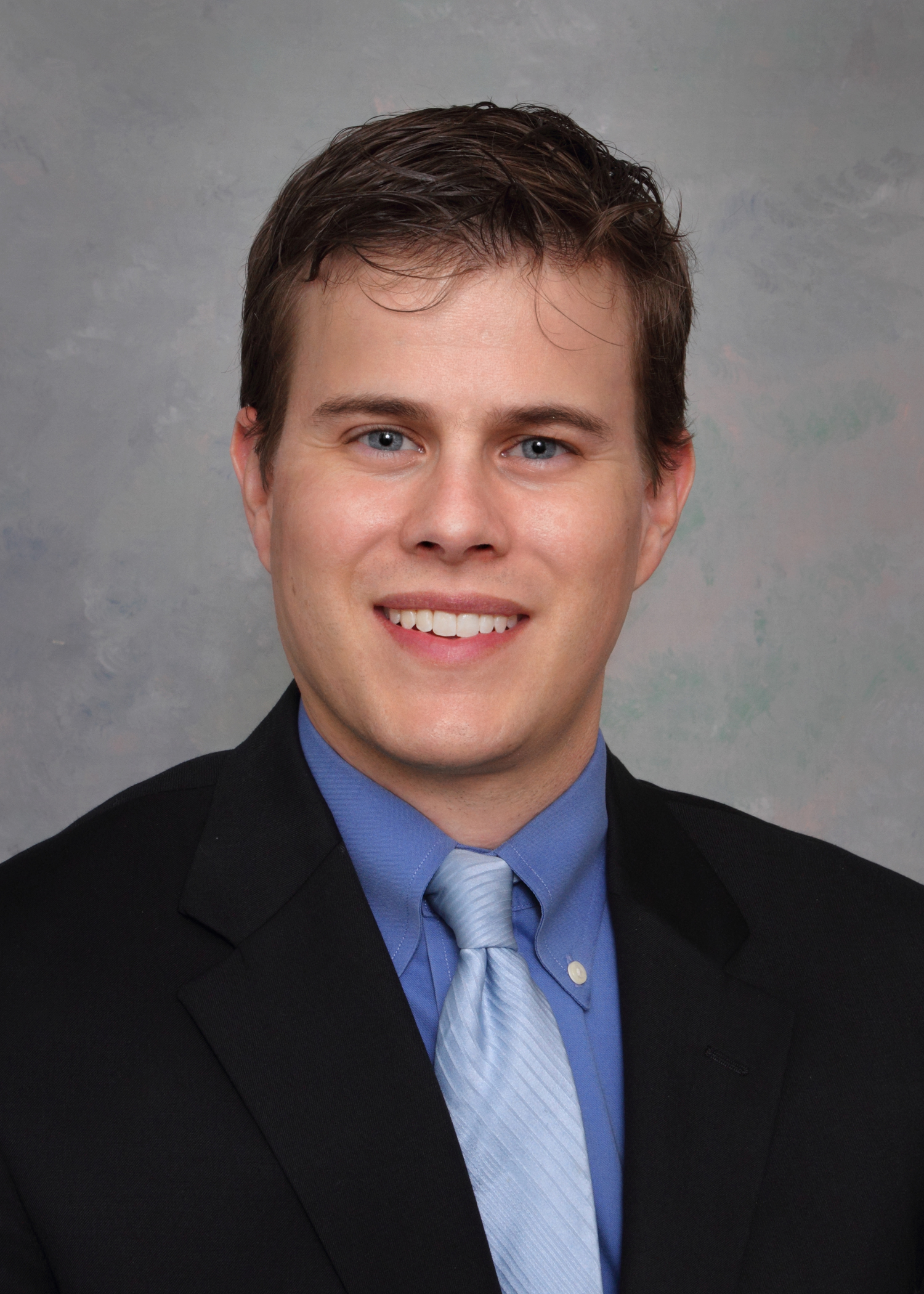 Jonathan S. Ellison合作论文数Department of Urology, Medical College of Wisconsin13Merguerian Paul A合作论文数11Jonathan D Harper合作论文数11
 Jennifer Ahn合作论文数10
 Andrew S. Wright合作论文数Department of Surgery, University of Washington School of Medicine10Mathew Sorensen合作论文数10
 Jacob Rosen合作论文数Department of Mechanical & Aerospace Engineering, School of Engineering, University of California Los Angeles;Department of Bioengineering, School of Engineering, University of California Los Angeles;Center for Advanced Surgical and Interventional Technology, School of Medicine, University of California Los Angeles;Department of Surgery, Department of Surgery, Division of General Surgery, School of Medicine, University of California Los Angeles10Sarah K. Holt合作论文数Fred Hutchinson Cancer Research Center9
 John Gore合作论文数Fred Hutchinson Cancer Center, University of Washington Medical Center;Department of Urology, American College of Surgeons, University of Washington;School of Medicine, University of Washington8
 Richard Welker Grady合作论文数8
 Ryan Hsi合作论文数7
 Benjamin R Lee合作论文数University of Arizona Cancer Center;Department of Urology, College of Medicine, University of Arizona7Hawkeye H. I. King合作论文数BioRobotics Lab, University of Washington7
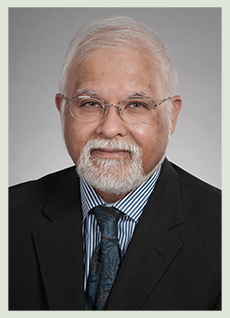 Mika Sinanan合作论文数Department of Electrical Engineering|Department of Surgery|University of Washington7Warden Diana合作论文数6
 Susan Linsell合作论文数6Menhadji Ashleigh合作论文数6
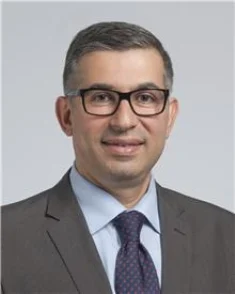 Jihad Kaouk合作论文数Department of Urology, Cleveland Clinic;Cleveland Clinic Lerner College of Medicine, Case Western Reserve University6
 Elspeth Mcdougall合作论文数Department of Urologic Sciences, University of British Columbia6
 James O Peabody合作论文数Vattikuti Urology Institute, Henry Ford Hospital6
 Pasquale Casale合作论文数6Khurshid R Ghani合作论文数6Geoffrey N. Box合作论文数6Bodo E. Knudsen合作论文数6
 Byron D Joyner合作论文数6
 Timothy D Averch合作论文数Glickman Urological Institute, University of Pittsburgh Medical Center6Bradley F. Schwartz合作论文数6Mitchell J. H. Lum合作论文数6Jacobs Micah A合作论文数5Holst Daniel合作论文数5
 Nicolas Fernandez合作论文数Pontificia Universidad Javeriana, Hospital Universitario San Ignacio5Charles A. Cowan合作论文数5Richard Sarle合作论文数5Josephine Hidalgo-Tamola合作论文数5FEM Scholte合作论文数4James Chen合作论文数4Jamie Landman合作论文数4Jean-Francois Willaert合作论文数4
 Lorene Dams合作论文数4Tanner Clark合作论文数4YL Lin合作论文数4FS Kilinc-Balci合作论文数4




