e14028 Background: For 70 years, the best indicator of glioblastoma (GBM) survival has remained age at diagnosis. Factors across the entire genome affect every aspect of the disease. But typical artificial intelligence and machine learning (AI/ML) would require 3B-patient training sets to generate predictive models from the whole 3B-nucleotide genome. As a result, all other attempts to associate a tumor’s DNA copy-number alterations (CNAs) with the patient’s outcome failed. Methods: A genome-wide pattern of DNA CNAs in primary GBM tumors was recently validated in a retrospective clinical trial as the most accurate and precise predictor of survival and response to treatment [doi: 10.1063/1.5142559 ]. Applicable to the general population, this biomarker, the first to encompass the whole genome, and biomarkers in lung, nerve, ovarian, and uterine cancers, were repeatedly identified in open-source datasets from as few as 50–100 patients by using our data-agnostic unsupervised AI/ML, which extends the mathematics of quantum mechanics to overcome the limitations of typical AI/ML [doi: 10.1063/1.5099268 , 10.1073/pnas.0530258100 ]. Results: At 75–95% concordance, our biomarker is more accurate than and independent of age and all other indicators, including the one-gene tests for MGMT, IDH1, and TERT. Platform- and reference genome-agnostic, the biomarker’s >99% precision is greater than the community consensus of <70% reproducibility. It describes disease mechanisms and identifies drug targets and combinations of targets to sensitize tumors to treatment. Now, in follow-up results from the trial we, first, show correct prospective prediction of the outcome of the five of the 79 patients who were alive four years earlier, at the time of first results (log-rank P-value=3.9×10⁻²). Two patients, who were predicted to have shorter survival, lived less than five years from diagnosis, whereas of the three patients predicted to have longer survival, one lived more than five, and the remaining two are alive >11.5, years from diagnosis. Second, we demonstrate 100%-precise clinical prediction for the 59/79 patients with remaining tumor DNA, by using whole-genome sequencing in a Clinical Laboratory Improvement Amendments (CLIA)/College of American Pathologists (CAP) laboratory. Third, we establish that the risk that a tumor’s whole genome confers upon outcome, as is reflected by the biomarker’s univariate Cox hazard ratio of 4.2 and Kaplan-Meier median survival difference of 2.25 years (log-rank P-value=6.0×10⁻⁴), is greater than that conferred by the patient’s Karnofsky performance score and access to chemotherapy, and the tumor’s percent resection, and is surpassed only by the patient’s access to radiotherapy. Conclusions: This is a proof of principle that our AI/ML is uniquely suited for personalized medicine.
Abstract Cancer is complex, with contributing factors distributed across the entire genome affecting every aspect of the disease. But typical artificial intelligence and machine learning (AI/ML) would require 3B-patient training sets to generate predictive models from the whole 3B-nucleotide genome. As a result, tests remain limited to one to a few hundred genes. Prediction continues to rely mostly on such factors as a tumor’s grade and the patient’s age. And the understanding and management of cancer continue to involve guesswork. A genome-wide pattern in tumors from glioblastoma (GBM) patients was recently experimentally validated in a retrospective clinical trial as the most accurate and precise predictor of life expectancy and response to standard of care [doi: 10.1063/1.5142559]. Applicable to the U.S. population at large, this predictor, the first to encompass the whole genome, was mathematically (re)discovered and computationally (re)validated in open-source datasets from as few as 50–100 patients by using our data-agnostic physics-inspired AI/ML [doi: 10.1063/1.5099268, 10.1073/pnas.0530258100]. All other attempts to connect a GBM patient’s outcome with the tumor’s DNA copy numbers failed. For 70 years, the best indicator has been age. At 75–95% accuracy, our predictor is more accurate than and independent of age and all other indicators, including the one-gene tests for MGMT, IDH1, and TERT. Platform- and reference genome-agnostic, the predictor’s >99% precision is greater than the community consensus of <70% reproducibility based upon one to a few hundred genes. It describes mechanisms of transformation and identifies drug targets and combinations of targets to sensitize tumors to treatment. Now, in follow-up results from the trial we, first, show correct prospective prediction of the outcome of the five of the 79 patients who were alive four years earlier, at the time of first results. Two patients, who were predicted to have shorter survival, lived less than five years from diagnosis, whereas of the three patients predicted to have longer survival, one lived more than five, and the remaining two are alive >11.5, years from diagnosis. Second, we demonstrate 100%-precise clinical prediction for the 59 of the 79 patients with remaining tumor DNA, by using whole-genome sequencing in a Clinical Laboratory Improvement Amendments (CLIA) and College of American Pathologists (CAP) -regulated laboratory. Third, we establish that the risk that a tumor’s whole genome confers upon outcome, as is reflected by the predictor, among the 79 and, separately, 59 patients, is greater than that conferred by the patient’s Karnofsky performance score and access to chemotherapy and is surpassed only by the patient’s access to radiotherapy. This is a proof of principle that our AI/ML is uniquely suited for personalized medicine, that a patient’s survival and response to treatment are the outcome of their tumor’s whole genome, and that our AI/ML-derived whole-genome predictors can take the guesswork out of standard of care, clinical trials, and drug development. Citation Format: Sri Priya Ponnapalli, Penelope Miron, Kristy L. S. Miskimen, Kristin A. Waite, Nadiya Sosonkina, Sara E. Coppens, Anthony C. Bryan, Estevan P. Kiernan, Huanming Yang, Jay Bowen, Ghunwa A. Nakouzi, Jill S. Barnholtz-Sloan, Andrew E. Sloan, Tiffany R. Hodges, Orly Alter. Prospective and clinical prediction in a retrospective trial that experimentally validated an AI/ML-derived whole-genome predictor as the most accurate and precise predictor of survival and response to treatment in glioblastoma [abstract]. In: Proceedings of the AACR Special Conference on Brain Cancer; 2023 Oct 19-22; Minneapolis, Minnesota. Philadelphia (PA): AACR; Cancer Res 2024;84(5 Suppl_1):Abstract nr A031.
Table S7 contains microbe screening results.
Table S1 contains cohort description, Master Patient Table and MutSigCV results.
Table S2 contains BAP1 analysis results, as well as detailed lists of YY1 and IRF8 target genes.
Table S6 contains results from the analysis of DNA methylation in SETD2 mutated and BAP1 inactivated samples.
Burkitt lymphoma (BL) accounts for most pediatric non-Hodgkin lymphomas, being less common but significantly more lethal when diagnosed in adults. Much of the knowledge of the genetics of BL thus far has originated from the study of pediatric BL (pBL), leaving its relationship to adult BL (aBL) and other adult lymphomas not fully explored. We sought to more thoroughly identify the somatic changes that underlie lymphomagenesis in aBL and any molecular features that associate with clinical disparities within and between pBL and aBL. Through comprehensive whole-genome sequencing of 230 BL and 295 diffuse large B-cell lymphoma (DLBCL) tumors, we identified additional significantly mutated genes, including more genetic features that associate with tumor Epstein-Barr virus status, and unraveled new distinct subgroupings within BL and DLBCL with 3 predominantly comprising BLs: DGG-BL (DDX3X, GNA13, and GNAI2), IC-BL (ID3 and CCND3), and Q53-BL (quiet TP53). Each BL subgroup is characterized by combinations of common driver and noncoding mutations caused by aberrant somatic hypermutation. The largest subgroups of BL cases, IC-BL and DGG-BL, are further characterized by distinct biological and gene expression differences. IC-BL and DGG-BL and their prototypical genetic features (ID3 and TP53) had significant associations with patient outcomes that were different among aBL and pBL cohorts. These findings highlight shared pathogenesis between aBL and pBL, and establish genetic subtypes within BL that serve to delineate tumors with distinct molecular features, providing a new framework for epidemiologic, diagnostic, and therapeutic strategies.
Table S3 contains the karyotypes of 16 genome-wide LOH MPM cases from the BWH cohort.
Childhood radioactive iodine exposure from the Chornobyl accident increased papillary thyroid carcinoma (PTC) risk. While cervical lymph node metastases (cLNM) are well-recognized in pediatric PTC, the PTC metastatic process and potential radiation association are poorly understood. Here, we analyze cLNM occurrence among 428 PTC with genomic landscape analyses and known drivers (131I-exposed = 349, unexposed = 79; mean age = 27.9 years). We show that cLNM are more frequent in PTC with fusion (55%) versus mutation (30%) drivers, although the proportion varies by specific driver gene (RET-fusion = 71%, BRAF-mutation = 38%, RAS-mutation = 5%). cLNM frequency is not associated with other characteristics, including radiation dose. cLNM molecular profiling (N = 47) demonstrates 100% driver concordance with matched primary PTCs and highly concordant mutational spectra. Transcriptome analysis reveals 17 differentially expressed genes, particularly in the HOXC cluster and BRINP3; the strongest differentially expressed microRNA also is near HOXC10. Our findings underscore the critical role of driver alterations and provide promising candidates for elucidating the biological underpinnings of PTC cLNM. Childhood radioactive iodine exposure from the Chornobyl accident led to an increased papillary thyroid carcinoma (PTC) risk and potentially higher invasiveness depending on tumour genetic profiles. Here, the authors use genomics to characterise and predict cervical lymph node metastases in PTC patients affected by the Chornobyl accident.
Introduction: Genome-wide hypomethylation coupled with hypermethylation of tumor suppressor genes is a hallmark of many cancers. Consistent changes in DNA methylation patterns are also a feature of immune cells as they undergo terminal differentiation and maturation. In previous studies, it has been shown that malignant B cells harbor a combination of de novo methylation while retaining some epigenetic features characteristic of their cell of origin. Although information on the genetic features of Burkitt Lymphoma (BL) is expanding, limited information exists on the methylation landscape and its role in pathogenesis. We sought to identify consistent DNA methylation changes and their interplay between BL pathogenesis and other features such as EBV status and somatic mutations. We performed an integrative analysis using comprehensive genome-wide CpG methylation profiling, whole genome sequencing, and gene expression analysis. Methods: Samples were collected as part of the Burkitt Lymphoma Genome Sequencing Project (BLGSP). DNA from 218 primary BL tumors (154 pediatric (111 EBV+), 64 adult (19 EBV+)), 13 BL cell lines (6 EBV+), and 6 normal centroblast (CB) samples were profiled using the Illumina EPIC array. DNA and RNA from biopsies and cell lines underwent whole genome and RNA sequencing to enable the correlation of DNA methylation status with gene expression and genomic alterations. Nine of the BL samples were separately subjected to whole genome sequencing using the PromethION (Oxford Nanopore) to infer genome-wide methylation landscape. Publicly available data from 1595 B cell samples representing both normal subpopulations and tumor subtypes were used for further comparison. To search for methylation patterns within BL, beta values from the 10000 most variable CpGs were used as features for non-negative matrix factorization (NMF) clustering. Results: Clustering revealed two distinct epigenetic subgroups (epitypes) within BL, which we have named hyperBL (cluster1) and hypoBL (cluster2). We found pediatric and adult tumors to be proportionally split across the two epitypes; however, we noted an over-representation of EBV+ tumors in hyperBL. PCA analysis comparing BL with the additional B-cell samples revealed a separation between the epitypes, with hyperBL projecting farther along the trajectory of B cell differentiation, suggestive of a more terminally differentiated B-cell. Investigating the differential methylation between epitypes revealed hyperBL to be associated with greater hypermethylation compared to hypoBL and CBs. The hypermethylated CpGs in hyperBL mainly affected promoter regions within CpG islands while hypomethylated CpGs were mostly intergenic or in open seas. Using PromethION data to allow for genome-wide analyses, we found hypermethylated regions of hyperBL were enriched for binding motifs for several transcription factors involved in B cell development including: IRF4, PAX5, YY1, BCL6, SP1, STAT3, and KLF9. We used mitotic clock estimates based on DNA methylation (epiCMIT) and found hyperBL had significantly elevated values, suggesting a greater proliferative history of these tumors. To further establish a molecular basis for these epitypes, we searched for gene expression differences and distinct driver mutation patterns. The genomes of hyperBL tumors harbored an overall greater mutation burden and significantly higher mutation burden within regions affected by aberrant somatic hypermutation (aSHM), which was associated with a higher frequency of mutations attributed to the SBS9 mutational signature. Gene expression differences indicate hypoBL tumors have upregulation of IRF4 induced pathways. To determine the clinical relevance of the unique epigenetic clusters we conducted survival analyses and found hyperBL samples to have significantly inferior progression free survival. Conclusion: This work identifies novel epigenetic subgroups within BL with characteristic genetic differences between them. HyperBL is associated with hypermethylation, a higher mutation burden, elevated rates of aSHM, and inferior PFS. These results establish a subset of patients with distinct epigenetic, molecular and clinical features and further elucidates key mechanisms underlying BL pathogenesis. Together these data highlight the need and potential for strategies that exploit these epigenetic changes as a therapeutic target. Figure 1View largeDownload PPTFigure 1View largeDownload PPT Close modal
The AURORA US Metastasis Project was established with the goal to identify molecular features associated with metastasis. We assayed 55 females with metastatic breast cancer (51 primary cancers and 102 metastases) by RNA sequencing, tumor/germline DNA exome and low-pass whole-genome sequencing and global DNA methylation microarrays. Expression subtype changes were observed in ~30% of samples and were coincident with DNA clonality shifts, especially involving HER2. Downregulation of estrogen receptor (ER)-mediated cell–cell adhesion genes through DNA methylation mechanisms was observed in metastases. Microenvironment differences varied according to tumor subtype; the ER + /luminal subtype had lower fibroblast and endothelial content, while triple-negative breast cancer/basal metastases showed a decrease in B and T cells. In 17% of metastases, DNA hypermethylation and/or focal deletions were identified near HLA-A and were associated with reduced expression and lower immune cell infiltrates, especially in brain and liver metastases. These findings could have implications for treating individuals with metastatic breast cancer with immune- and HER2-targeting therapies.
Genomics of radiation-induced damage The potential adverse effects of exposures to radioactivity from nuclear accidents can include acute consequences such as radiation sickness, as well as long-term sequelae such as increased risk of cancer. There have been a few studies examining transgenerational risks of radiation exposure but the results have been inconclusive. Morton et al. analyzed papillary thyroid tumors, normal thyroid tissue, and blood from hundreds of survivors of the Chernobyl nuclear accident and compared them against those of unexposed patients. The findings offer insight into the process of radiation-induced carcinogenesis and characteristic patterns of DNA damage associated with environmental radiation exposure. In a separate study, Yeager et al. analyzed the genomes of 130 children and parents from families in which one or both parents had experienced gonadal radiation exposure related to the Chernobyl accident and the children were conceived between 1987 and 2002. Reassuringly, the authors did not find an increase in new germline mutations in this population. Science , this issue p. eabg2538 , p. 725
Abstract The 1986 Chernobyl nuclear power plant accident increased papillary thyroid cancer (PTC) incidence in surrounding regions, particularly for 131I-exposed children. To investigate the contribution of environmental radiation to PTC characteristics and improve understanding of radiation-induced carcinogenesis, we analyzed genomic, transcriptomic, and epigenomic characteristics of 440 pathologically-confirmed fresh-frozen PTCs from Ukraine (359 with estimated childhood or in utero 131I exposure and 81 from unexposed children born after March 1987) and matched normal tissue (non-tumor thyroid tissue and/or blood). Mean age at PTC was 28.0 years (range: 10.0-45.6). Among 131I-exposed individuals, mean radiation dose was 250 mGy (range: 11.0-8,800). In multivariable models adjusted for age at PTC and sex, we observed radiation dose-dependent enrichment of fusion drivers (P=6.6 × 10⁻⁸), nearly all occurring in the MAPK pathway, as well as increases in small deletions (P=8.0 × 10⁻⁹) and simple/balanced structural variants (P=1.2 × 10⁻¹⁴). Further analyses demonstrated even stronger associations for those small deletions and simple/balanced structural variants that were clonal and bore hallmarks of non-homologous end-joining repair (deletions: P=4.9 × 10⁻³¹; simple/balanced structural variants: P=5.5 × 10⁻¹⁹). In contrast, radiation dose was not associated with subclonal small deletions (P=0.82) or subclonal simple/balanced structural variants (P=0.91). Additionally, radiation dose was not associated with TINS (locally templated insertions), which are characteristic of alt-end-joining repair (P=0.69). The effects of radiation on genomic alterations with more pronounced for those younger at exposure. Analyses generally were consistent with a linear radiation dose-response for all molecular characteristics except clonal small deletions. Analyses of transcriptomic and epigenomic features demonstrated strong associations with the PTC driver gene but not radiation dose. Our results point to DNA double-strand breaks as early carcinogenic events that subsequently enable PTC growth following environmental radiation exposure. Citation Format: Lindsay M. Morton, Danielle Karyadi, Chip Stewart, Tetiana Bogdanova, Eric Dawson, Mia Steinberg, Jieqiong Dai, Stephen Hartley, Sara Schonfeld, Joshua Sampson, Yosi Maruvka, Vidushi Kapoor, Dale Ramsden, Juan Carvajal-Garcia, Chuck Perou, Joel Parker, Marko Krznaric, Meredith Yeager, Joseph Boland, Amy Hutchinson, Belynda Hicks, Casey Dagnall, Julie Gastier-Foster, Jay Bowen, Olivia Lee, Mitchell Machiela, Elizabeth Cahoon, Alina Brenner, Kiyohiko Mabuchi, Vladimir Drozdovitch, Sergii Masiuk, Mykola Chepurny, Liudmyla Yu Zurnadzhy, Maureen Hatch, Amy Berrington de Gonzalez, Gerry Thomas, Mykola Tronko, Gad Getz, Stephen Chanock. Molecular characterization of papillary thyroid cancer in relation to ionizing radiation dose following the Chernobyl accident [abstract]. In: Proceedings of the AACR Virtual Special Conference on Radiation Science and Medicine; 2021 Mar 2-3. Philadelphia (PA): AACR; Clin Cancer Res 2021;27(8_Suppl):Abstract nr PO-055.
Background Tumor molecular profiling from patients experiencing exceptional responses to systemic therapy may provide insights into cancer biology and improve treatment tailoring. This pilot study evaluates the feasibility of identifying exceptional responders retrospectively, obtaining pre-exceptional response treatment tumor tissues, and analyzing them with state-of-the-art molecular analysis tools to identify potential molecular explanations for responses. Methods Exceptional response was defined as partial (PR) or complete (CR) response to a systemic treatment with population PR or CR rate less than 10% or an unusually long response (eg, duration >3 times published median). Cases proposed by patients' clinicians were reviewed by clinical and translational experts. Tumor and normal tissue (if possible) were profiled with whole exome sequencing and, if possible, targeted deep sequencing, RNA sequencing, methylation arrays, and immunohistochemistry. Potential germline mutations were tracked for relevance to disease. Results Cases reflected a variety of tumors and standard and investigational treatments. Of 520 cases, 476 (91.5%) were accepted for further review, and 222 of 476 (46.6%) proposed cases met requirements as exceptional responders. Clinical data were obtained from 168 of 222 cases (75.7%). Tumor was provided from 130 of 168 cases (77.4%). Of 117 of the 130 (90.0%) cases with sufficient nucleic acids, 109 (93.2%) were successfully analyzed; 6 patients had potentially actionable germline mutations. Conclusion Exceptional responses occur with standard and investigational treatment. Retrospective identification of exceptional responders, accessioning, and sequencing of pretreatment archived tissue is feasible. Data from molecular analyses of tumors, particularly when combining results from patients who received similar treatments, may elucidate molecular bases for exceptional responses.
Introduction: Burkitt lymphoma (BL) accounts for approximately 50% of all pediatric non-Hodgkin lymphomas compared to 1-2% in adults. Adult BL (aBL) remains a poorly understood entity and its relationship to pediatric BL (pBL) and to DLBCL has not been fully elucidated. The variable treatment outcomes between these entities necessitate a more thorough understanding of the genetic and molecular features underlying their biology to enable better prognostication and more effective treatments. We sought to comprehensively determine genetic features shared with DLBCL and those that are unique to BL, to further delineate genetic subgroupings within each entity.
A small fraction of cancer patients with advanced disease survive significantly longer than patients with clinically comparable tumors. Molecular mechanisms for exceptional responses to therapy have been identified by genomic analysis of tumor biopsies from individual patients. Here, we analyzed tumor biopsies from an unbiased cohort of 111 exceptional responder patients using multiple platforms to profile genetic and epigenetic aberrations as well as the tumor microenvironment. Integrative analysis uncovered plausible mechanisms for the therapeutic response in nearly a quarter of the patients. The mechanisms were assigned to four broad categories-DNA damage response, intracellular signaling, immune engagement, and genetic alterations characteristic of favorable prognosis-with many tumors falling into multiple categories. These analyses revealed synthetic lethal relationships that may be exploited therapeutically and rare genetic lesions that favor therapeutic success, while also providing a wealth of testable hypotheses regarding oncogenic mechanisms that may influence the response to cancer therapy.
 Julie M Gastier-Foster合作论文数32Kristen Leraas合作论文数22
 Marco Marra合作论文数Canada’s Michael Smith Genome Sciences Centre, BC Cancer Research Institute;Department of Medical Genetics, Faculty of Medicine, University of British Columbia;Michael Smith Laboratories, University of British Columbia20
 Peter W. Laird合作论文数Department of Epigenetics, Van Andel Institute19
 Andy Mungall合作论文数Canada's Michael Smith Genome Sciences Centre, BC Cancer18Ma Yussanne P合作论文数17Jean C. Zenklusen合作论文数University of Texas;Fox Chase Cancer Center;Department Ã17Gordon Robertson合作论文数16
 Joel Parker合作论文数Life Edit Therapeutics;REVEAL GENOMICS, S.L.;GeneCentric Therapeutics, Inc.;Department of Genetics, School of Medicine, University of North Carolina at Chapel Hill16
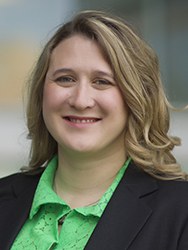 Katie Hoadley合作论文数Department of Genetics, School of Medicine, University of North Carolina at Chapel Hill16Tara M Lichtenberg合作论文数15
 Charles M. Perou合作论文数Department of Genetics, School of Medicine, University of North Carolina at Chapel Hill;Reveal Genomics, S.L.;GeneCentric Therapeutics, Inc.15
 Gad A. Getz合作论文数Harvard Medical School;Department of Pathology, Massachusetts General Hospital;Broad Institute of Harvard and MIT15
 Steven Jones合作论文数Department of Medical Genetics, Faculty of Medicine, University of British Columbia;Genome Sciences Centre, BC Cancer15
 Rehan Akbani合作论文数Department of Bioinformatics and Computational Biology, Graduate School of Biomedical Sciences, University of Texas MD Anderson Cancer Center15
 Chip Stewart合作论文数Broad Inst15Miruna Balasundaram合作论文数14John A. Demchok合作论文数14Noreen Dhalla合作论文数14Angela Tam合作论文数14
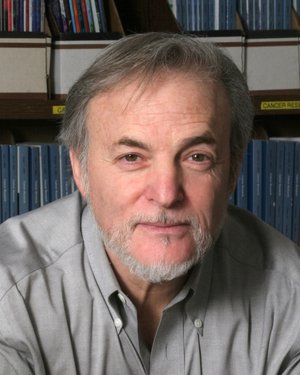 Stephen B. Baylin合作论文数Johns Hopkins School of Medicine;Cancer Genetics and Epigenetics, Johns Hopkins University14
 Bowlby Reanne合作论文数BC Cancer Agency14Heidi J. Sofia合作论文数14Roy W. Tarnuzzer合作论文数14
 Nina Thiessen合作论文数14
 Andrew Cherniack合作论文数Meyerson Laboratory Dana-Farber Cancer Institute;Broad Institute of MIT14
 Matthew D Wilkerson合作论文数Department of Anatomy, Physiology & Genetics, School of Medicine, Uniformed Services University;Center for Military Precision Health, Uniformed Services University14Adrian Ally合作论文数14Eric Chuah合作论文数14Karen Mungall合作论文数Wellcome Trust Genome Campus, The Wellcome Trust Sanger Institute14Saianand Balu合作论文数13Janae V. Simons合作论文数13Alan Hoyle合作论文数13
 Moiz Bootwalla合作论文数Children’s Hospital Los Angeles13Jeff Roach合作论文数13Lisa Wise合作论文数13Gordon Saksena合作论文数13Denise Brooks合作论文数13Zhining Wang合作论文数13LiMing Yang (杨力明)合作论文数13Sipahimalani Payal合作论文数Michael Smith Labs, Univ British Columbia13
 Kasaian Katayoon合作论文数Canada's Michael Smith Genome Sciences Centre, British Columbia Cancer Agency13
 Piotr A Mieczkowski合作论文数Dept Genet, Univ N Carolina13Lisle E. Mose合作论文数Lineberger Comprehens Canc Ctr, Univ N Carolina13
 Heiman David合作论文数Broad Institute of MIT and Harvard, Cambridge, Massachusetts 02142, USA.13
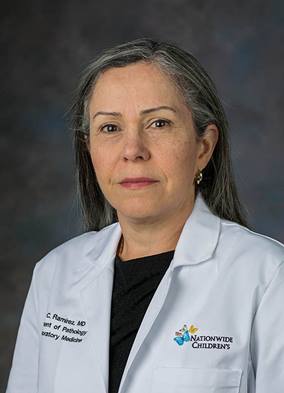 Nilsa Del Carmen Ramirez Milan合作论文数Department of Pathology and Laboratory Medicine, Nationwide Children’s;College of Medicine, Ohio State University13
 David Haussler合作论文数Department of Bioengineering and Therapeutic Sciences, University of California, San Francisco;Stanford University School of Medicine;Genomics Institute, University of California, Santa Cruz13
 John N. Weinstein合作论文数Department of Systems Biology, Division of Cancer Medicine, The University of Texas MD Anderson Cancer Center13Umadevi Veluvolu合作论文数13




