CDK12 mutations occur in 2-7% of metastatic prostate cancers (mPCa) and are considered to be exclusively somatic. Here, we identified five patients with mPCa (ages 44-62) harboring germline CDK12 truncating variants among 4,535 tested (0.1%). All had CDK12-driven cancers defined by an additional somatic CDK12 variant and the CDK12-specific hallmark genomic instability signature characterized by hundreds of tandem duplications. Two patients had multiple independent CDK12-driven tumors with distinct secondary somatic CDK12 variants. Germline CDK12 truncating variants were enriched in mPCa compared to gnomAD V4.1.0 controls (n=807,162; odds ratio 11.4, 95% CI 3.6-27.8) and V2.1.1 non-cancer controls (n=134,187; odds ratio 29.6; 95% CI 6.8-28.6). Family history revealed multiple related individuals with prostate or ovarian cancer, and germline variant inheritance was confirmed in the two tested pedigrees. Our data suggest that germline CDK12 truncating variants are a rare driver of lethal mPCa.
Temple syndrome is an imprinting disorder resulting from abnormal genomic or epigenomic aberrations of chromosome 14 including maternal uniparental disomy (matUPD), paternal deletion of 14q32, or aberrant methylation of the imprinting control regions at 14q32. Understanding the underlying molecular mechanism is essential to understanding the recurrence risk and physical effects. Currently, diagnosis requires the detection of aberrant methylation and copy number loss via methylation-sensitive assays such as methylation-specific multiplex ligation-dependent probe amplification, and short tandem repeat analysis to detect matUPD and the presence of epimutation. Therefore, a one-step approach that can detect aberrant methylation and underlying genetic mechanisms would be of high clinical value. Here we use nanopore sequencing to delineate the molecular diagnosis of a case with Temple syndrome. We demonstrate the application of nanopore sequencing to detect aberrant methylation and underlying genetic mechanisms simultaneously in this case, thus providing a proof of concept for a one-step approach for molecular diagnosis of this disorder.
A molecular diagnosis is currently achievable in approximately 50% of patients assessed by clinical geneticists at tertiary care centres. Next-Generation Sequencing Panels contain a defined group of genes associated with a clinically defined set of phenotypes. Most clinical sequencing providers streamline their wet-bench workflows by sequencing the entire exome or genome, followed by targeted bioinformatic extraction of variant data from a pre-specified gene set. Thus, additional data on these patients remain available but are only reviewed by special request. We interrogated clinical-grade sequencing data on two out of three affected members of a family with childhood-onset adrenal insufficiency in whom an autosomal recessive condition was suspected. Review of clinome data identified heterozygosity for CYP11A1 variants c.644T>C; p.(Phe215Ser) and c.1187G>A; p.(Arg396Lys) in both affected sibs. Long-read whole genome sequencing of the proband showed these variants were in trans, confirming compound heterozygosity and resolving the molecular etiology of the clinical diagnosis.
10595 Background: Determining the parental origin of germline variants is a critical gap in clinical genetics, essential for risk management, variant classification, and cascade genetic testing. Traditional methods rely on testing family members, which can be time-consuming and impractical when relatives are unavailable, deceased, or unwilling to participate. Parent-of-Origin-Aware Genomic Analysis (POAga) offers a transformative solution by enabling accurate assignment of any autosomal variant to either parent with 99% accuracy using only a blood sample from the proband. This method integrates methylation and sequence data from Oxford Nanopore long-read sequencing with chromosome-length haplotypes generated from Strand-seq, leveraging the accurate phasing of imprinted differentially methylated regions (iDMRs) that occur on each autosome to infer the parent of origin (PofO) of variants across the genome. This study aims to validate POAga across multiple hereditary cancer syndromes, including high-penetrance conditions such as hereditary breast and ovarian cancer (HBOC) and Lynch syndrome, as well as rarer syndromes with PofO effects and other genes associated with breast and gastrointestinal malignancies. Methods: Blood samples from carriers of pathogenic variants in ATM , BRCA1 , BRCA2 , CDH1 , MLH1 , MSH2 , MSH6 , PMS2 , EPCAM , PALB2 , SDHD , SDHAF2 and TP53 with known parental segregation, are currently being ascertained and undergoing whole-genome analysis to determine the analytic validity of POAga. These samples span diverse demographics, including variations in age, sex, ethnicity, and cancer status. PofO predictions are made according to previously described methods (Akbari V, Hanlon VCT, et al . Cell Genom. 2022 Dec 21;3(1):100233) under an REB-approved protocol. Results: To date, 188 individuals carrying 189 pathogenic variants with known parental segregation have been analyzed. The distribution of variants includes BRCA2 (n=31), MLH1 (n=23), MSH2 (n=22), BRCA1 (n=22), SDHD (n=21), MSH6 (n=20), PALB2 (n=14), PMS2 (n=13), ATM (n=9), CDH1 (n=9), SDHAF2 (n=2), EPCAM (n=2) and TP53 (n=1). PofO assignment was successful for 172 of 189 (91%) variants. Only one sample with an MLH1 variant was misassigned, while all other cases demonstrated concordance between the predicted and known parental origin (188 of 189, 99.5% accuracy). Conclusions: These results support the ability of POAga to accurately infer the parental origin of pathogenic variants in diverse hereditary cancer syndromes using only blood sample from the proband. Ongoing validation will further assess its feasibility in real-world clinical settings and refine its clinical translation. POAga represents a powerful advancement in hereditary cancer genetics, with the potential transform how we conduct genetic cancer risk assessments for patients and families.
[This corrects the article DOI: 10.1371/journal.pgen.1011192.].
Pancreatic solid pseudopapillary neoplasms (SPNs) are uncommon tumors that rarely exhibit aggressive behavior. Given disease rarity, comprehensive studies to understand tumor biology, clinical course, and optimal management are limited. We describe an unusual case of a 55-year-old man with metastatic pancreatic SPN, where whole-genome and transcriptome analyses of the primary tumor and a metastatic liver lesion revealed a shared homozygous non-canonical mutation in APC. The patient received upfront modified FOLFIRINOX (infusional 5-fluorouracil, irinotecan, and oxaliplatin) chemotherapy due to rapidly progressive symptoms, demonstrating an early and sustained treatment response. Therefore, we identified potential genetic determinants of tumorigenesis and progression in a pathologically and clinically aggressive SPN, which may have important prognostic and treatment implications.
As genes tend to be co-regulated as gene modules, feature selection in machine learning (ML) on gene expression data can be challenged by the complexity of gene regulation. Here, we present a protocol for reconciling differences in classifier features identified using different ML approaches. We describe steps for loading the PathwaySpace R package, preparing input for analysis, and creating density plots of gene sets. We then detail procedures for testing whether apparently distinct feature sets are related in pathway space. For complete details on the use and execution of this protocol, please refer to Ellrott et al.1.
Genomics has transformed the diagnostic landscape of pediatric malignancies by identifying and integrating actionable features that refine diagnosis, classification, and treatment. Yet, translating precision oncology data into effective therapies for hard-to-cure childhood, adolescent, and young adult malignancies remains a significant challenge. We present the case for combining proteomics with patient-derived xenograft models to identify personalized treatment for an adolescent with primary and metastatic spindle epithelial tumor with thymus-like elements (SETTLE). Within two weeks of biopsy, proteomics identified elevated SHMT2 as a target for therapy with the anti-depressant sertraline. Drug response was confirmed within two months using a personalized chicken chorioallantoic membrane model of the patient’s SETTLE tumor. Following failure of cytotoxic chemotherapy and second-line therapy, the patient received sertraline treatment and showed decreased tumor growth rates, albeit with clinically progressive disease. We demonstrate that proteomics and fast-track xenograft models provide supportive pre-clinical data in a clinically meaningful timeframe to impact clinical practice. By this, we show that proteome-guided and functional precision oncology are feasible and valuable complements to the current genome-driven precision oncology practices.
Accurate interpretation of genomic variants is critical for precision oncology but remains slow and dependent on specialized expertise. Public knowledgebases such as the Clinical Interpretation of Variants in Cancer (CIViC) help by curating literature-backed variant interpretations in a structured form, yet verification and review have become major bottlenecks. To address this, we developed CIViC-Fact, a benchmark dataset and pipeline for testing automated systems that verify the accuracy of cancer variant claims. CIViC-Fact links structured claims to sentence-level supporting or refuting evidence from full-text articles, and includes expert annotations and explanations. We evaluated multiple language models. Proprietary models performed well without training, but a smaller open-source model, fine-tuned on CIViC-Fact, achieved the highest accuracy (89%). Applying our fact-checking pipeline to real CIViC entries showed that reviewing less than 20% of content, focusing on flagged entries, would be sufficient to catch over half of all errors. This AI-assisted triage greatly accelerates the review process without replacing or reducing expert insight, ensuring that existing careful oversight remains in place while curators can work more efficiently. CIViC-Fact provides a realistic, high-consequence framework for biomedical fact-checking and a path toward more rigorous and efficient knowledgebase curation.
Squamous cell carcinomas (SCCs) are one of the most common cancer types and can arise at nearly any anatomic site. Because SCCs are one of the most common metastases, do not have reliable site-specific morphologic or genomic features, and have considerable morphologic and immunohistochemical overlap with urothelial carcinomas, distinguishing between primary and metastatic squamous-appearing tumors can be challenging. This distinction can be critical to clinical management. We present Squamous cell carcinoma Methylation for Origin Site (SquaMOS), a methylation-based classifier to predict site of origin of squamous-appearing carcinomas. Trained on publicly available array-based methylation data from 1062 primary SCCs (from lung, head and neck, cervix, and esophagus) and urothelial carcinomas, SquaMOS predicted site of origin in primary tumors with 96.1% accuracy in an internal test set (n = 458) and 97.4% accuracy in an external test set from 3 institutions (n = 78). On metastatic tumors (n = 51), SquaMOS predictions were 96.1% accurate. SquaMOS was directly applicable to shallow Nanopore sequencing data (CpG probe site coverage, 0.25-2.88×) with an accuracy of 91.7% (n = 36; 100% accurate for high-confidence predictions). When tested on SCCs outside the training set types (n = 15, including 3 metastases to lung), no cases were misclassified as of lung origin, supporting accuracy of lung vs nonlung origin classification for diverse SCC types. Overall, we demonstrate highly accurate performance of the SquaMOS classifier on primary and metastatic tumors from multiple data sources, robust to suboptimal tumor purity. We illustrate transferability of our array-based classifier to low-depth Nanopore sequencing data, a potentially rapid means of site of origin determination in a clinical setting.
The genome of the hemlock woolly adelgid (Adelges tsugae) is presented in 10 chromosomal pseudomolecules along with 132 unplaced scaffolds for a combined length of 216.56 Mb. The genome is highly contiguous with an N50 of 20.54 Mb and its longest scaffold 37.41 Mb in length. The assembly recovered 97.7% of benchmarked universal single-copy Hemiptera orthologs (BUSCO) with an overall completion score of 98.6%. On the basis of chromosomal synteny with other aphid genomes, the hemlock woolly adelgid's genome is composed of eight autosomes and two sex (X) chromosomes. Annotation of the assembly identified 11,800 coding genes, 1,930 noncoding genes, and 20,403 mRNA transcripts. The mitogenome is also presented in a single, annotated, circular contig 25,980 bases in length.
The identification and functional characterization of chemical modifications on an mRNA molecule, in particular N6-methyladenosine (m6A) modification, significantly broadened our understanding of RNA function and regulation. While interactions between RNA modifications and other RNA features have been proposed, direct evidence showing correlation is limited. Here, using Oxford Nanopore long-read direct RNA sequencing (dRNA-seq), we simultaneously interrogate the transcriptome and epitranscriptome of a human leukemia cell line to investigate the correlation between m6A modifications, mRNA abundance, mRNA stability, polyadenylation (poly(A)) tail length, and alternative splicing. High-quality dRNA-seq is important for unbiased and large-scale correlative analyses. Global assessments indicated a negative association between poly(A) tail length and mRNA abundance while uncovering pathway-specific responses upon depletion of the m6A-forming enzyme METTL3. Overall, our study presented a rich dRNA-seq data resource that has been validated and can be further exploited to inquire into the complexity of RNA modifications and potential interplays between RNA regulatory elements.
Tumour associated neutrophils (TANs) promote metastasis through interactions of Neutrophil Extracellular Traps (NETs) with tumour cells. However, molecular details surrounding the interactions between NETs and Pancreatic Ductal Adenocarcinoma (PDAC) cells are poorly understood. Here, we examine the contribution of NETs in the progression of PDAC, which is characterized by high metastatic propensity. We carry out consensus clustering and pathway enrichment analysis of NET-related genes in an integrated cohort of 369 resectable and metastatic PDAC patient tumour samples, and compile two gene expression signatures comprising of either, integrin-actin cytoskeleton and Epithelial to Mesenchymal Transition (EMT) signaling, or cell death signaling, which identifies patients with very poor to better overall survival, respectively. Tumour Infiltrating neutrophils and NETs associate with ITGB1, CCDC25 and ILK, within clinical and experimental PDAC tumours. Functionally, exposure of PDAC cells to NETs identifies a cytoskeletal dynamic-associated CCDC25-ITGB1-ILK signaling complex which stimulates EMT and migration/invasion. NETosis-driven experimental metastasis to the lungs of PDAC cells delivered through the tail vein of female non-obese diabetic (NOD) scid gamma (NSG) mice is significantly inhibited by ILK knock down. Our data identify novel NET-related gene expression signatures for PDAC patient stratification, and reveal targetable signaling axes to prevent and treat disease progression.
Human papillomavirus (HPV) integration has been implicated in transforming HPV infection into cancer. To resolve genome dysregulation associated with HPV integration, we performed Oxford Nanopore Technologies long-read sequencing on 72 cervical cancer genomes from a Ugandan data set that was previously characterized using short-read sequencing. We find recurrent structural rearrangement patterns at HPV integration events, which we categorize as del(etion)-like, dup(lication)-like, translocation, multi-breakpoint, or repeat region integrations. Integrations involving amplified HPV-human concatemers, particularly multi-breakpoint events, frequently harbor heterogeneous forms and copy numbers of the viral genome. Transcriptionally active integrants are characterized by unmethylated regions in both the viral and human genomes downstream from the viral transcription start site, resulting in HPV-human fusion transcripts. In contrast, integrants without evidence of expression lack consistent methylation patterns. Furthermore, whereas transcriptional dysregulation is limited to genes within 200 kb of an HPV integrant, dysregulation of the human epigenome in the form of allelic differentially methylated regions affects megabase expanses of the genome, irrespective of the integrant's transcriptional status. By elucidating the structural, epigenetic, and allele-specific impacts of HPV integration, we provide insight into the role of integrated HPV in cervical cancer.
The meiotic chromosome axis organizes chromatin and sets the stage for homolog pairing and recombination. Meiotic HORMA domain proteins (mHORMADs) are conserved axis components that conformationally transform during target binding. In C. elegans, four functionally distinct mHORMADs directly interact, but how binding between them is restricted to axis assembly is unknown. Using a mutation in the mHORMADs that delays axis assembly, we isolated a suppressor mutation in a TRiC (Tailless complex peptide 1 Ring Complex) chaperonin subunit that restored mHORMAD localization. CCT-4 associates with meiotic chromatin and forms in vivo complexes with mHORMADs, while germline disruption of TRiC results in axis defects, indicating a nuclear function for TRiC alongside meiotic chromosomes. We propose that chromosome-associated TRiC locally folds mHORMADs into the binding-competent conformation required for axis morphogenesis. More broadly, our results support the model that spatially-restricted folding by TRiC/CCT is a mechanism of controlling the assembly of multimeric complexes that function in tightly co-ordinated events.
 Marco Marra合作论文数Canada’s Michael Smith Genome Sciences Centre, BC Cancer Research Institute;Department of Medical Genetics, Faculty of Medicine, University of British Columbia;Michael Smith Laboratories, University of British Columbia356
 Andy Mungall合作论文数Canada's Michael Smith Genome Sciences Centre, BC Cancer150
 Janessa Laskin合作论文数Division of Medical Oncology, Department of Medicine, Faculty of Medicine, University of British Columbia;Canada's Michael Smith Genome Sciences Centre;BC Cancer126
 Yongjun Zhao合作论文数113Richard A Moore合作论文数105
 Robert Holt合作论文数Canada's Michael Smith Genome Sciences Centre, BC Cancer Research Institute;Simon Fraser University;University of British Columbia100Karen Mungall合作论文数Wellcome Trust Genome Campus, The Wellcome Trust Sanger Institute99Shen Yaoqing合作论文数98
 Daniel Renouf合作论文数Department of Medicine, Faculty of Medicine, The University of British Columbia;British Columbia Cancer Agency98
 Stephen Yip合作论文数Department of Pathology and Laboratory Medicine, Faculty of Medicine, The University of British Columbia;Vancouver General Hospital;BC Cancer95
 Erin Pleasance合作论文数Canada's Michael Smith Genome Sciences Centre, BC Cancer94
 Inanc Birol合作论文数Department of Medical Genetics, Faculty of Medicine, The University of British Columbia92
 Martin Hirst合作论文数Michael Smith Laboratories, The University of British Columbia;Department of Microbiology and Immunology, Faculty of Science, The University of British Columbia;BC Cancer Research Institute82Ma Yussanne P合作论文数77
 Howard Lim合作论文数Division of Medical Oncology, Faculty of Medicine, University of British Columbia64Jacqueline E. Schein合作论文数Genome Sciences Centre57Richard Corbett合作论文数BC Cancer Agency Genome Sciences Centre, West 7th Avenue, Vancouver, British Columbia, Canada V5Z 4S657
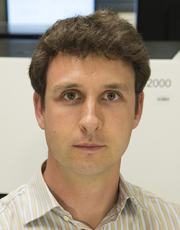 Obi L. Griffith合作论文数Divisions of Hematology & Oncology, Department of Medicine, Washington University School of Medicine in St. Louis57Gordon Robertson合作论文数56
 Laura Williamson合作论文数Canada's Michael Smith Genome Sciences Centre, BC Cancer56
 Nina Thiessen合作论文数53
 David Schaeffer合作论文数Department of Pathology and Laboratory Medicine, Faculty of Medicine, The University of British Columbia52Eric Chuah合作论文数52
 Heinz Feldmann合作论文数Disease Modeling and Transmission Section, Laboratory of Virology, National Institute of Allergy and Infectious Diseases, National Institutes of Health44Angela Tam合作论文数43
 Kasaian Katayoon合作论文数Canada's Michael Smith Genome Sciences Centre, British Columbia Cancer Agency43
 Sam Wiseman合作论文数Department of Surgery, Faculty of Medicine, The University of British Columbia41Karasinska Joanna M合作论文数Pancreas Ctr BC37Emma Titmuss合作论文数Canada's Michael Smith Genome Sciences Centre, BC Cancer35
 Kasmintan (Intan) Schrader合作论文数Department of Medical Genetics, Faculty of Medicine, The University of British Columbia35
 Ryan Morin合作论文数School of Computing Science, Simon Fraser University;Department of Molecular Biology and Biochemistry, Simon Fraser University35James T. Topham合作论文数34
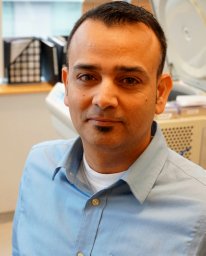 Pandoh Pawan合作论文数Canada's Michael Smith Genome Sciences Centre, BC Cancer Agency34
 Shaun Dunn Jackman合作论文数Genome Sciences Centre, British Columbia Cancer Agency34
 David Huntsman合作论文数Department of Pathology and Laboratory Medicine, Faculty of Medicine, The University of British Columbia;Department of Obstetrics & Gynaecology, Faculty of Medicine, The University of British Columbia;Department of Molecular Oncology, BC Cancer Research Centre34Luka Culibrk合作论文数Canadas Michael Smith Genome Sci Ctr, Vancouver, BC, Canada32Richard Varhol合作论文数31Yaron S. N. Butterfield合作论文数31
 Greg A Taylor合作论文数Genome Sciences Centre;BC Cancer Agency;Genome Sciences Centre, BC Cancer Agency31
 Eric Zhao合作论文数University Health Network, University of Toronto30Sun Sophie合作论文数30
 Richard Moore合作论文数Canada's Michael Smith Genome Sciences Centre, BC Cancer30
 Jörg Bohlmann合作论文数Michael Smith Laboratories, The University of British Columbia30
 Steve Kalloger合作论文数Genetic Pathology Evaluation Centre, Vancouver General Hospital30Thomas Zeng合作论文数30
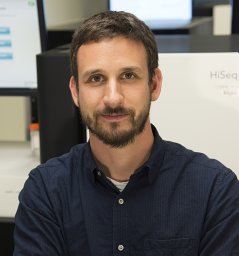 Malachi Griffith合作论文数Genome Sciences Centre, BC Cancer Agency30
 Karen A. Gelmon合作论文数Vancouver Coastal Health Research Institute, The University of British Columbia30
 Michael Taylor合作论文数Department of Medical Biophysics, Temerty Faculty of Medicine, University of Toronto;Departments of Pediatrics, Baylor College of Medicine;Texas Children’s Hospital29
 Robin Coope合作论文数29




