Glioblastoma is a highly aggressive brain tumor whose treatment has improved little over the past decade. We report on the synergistic effect of the FDA-approved anti-GBM drug (temozolomide) and inhibitors (acriflavine, PT2385) of hypoxia-inducible factors (HIFs) embedded into coaxial fiber membranes (NanoMesh). In vitro cytotoxicity has been evaluated for various glioma cell lines, and synergistic drug combinations have been identified. Preliminary animal studies with the three-drug-loaded NanoMesh indicate a significant improvement of median survival of >50 days and long-term (>120 days) survival rate of 40%, indicating the potential of this material platform as a translatable local GBM therapy.
INTRODUCTION:Focused ultrasound (FUS) is a noninvasive modality for targeted delivery of therapeutic agents across the blood-brain barrier (BBB). We conducted a systematic review and meta-analysis to evaluate the efficacy of FUS-mediated gene therapy in preclinical orthotopic glioblastoma (GBM) in vivo models. METHODS:PubMed, Embase, Scopus, and Web of Science were searched according with PRISMA guidelines to identify studies reporting FUS-mediated delivery of genetic material in orthotopic GBM animal models. Eligible studies assessed gene delivery or therapeutic efficacy in vivo. Data were extracted on vector type, gene payload, microbubble characteristics, and FUS parameters. Primary outcomes included tumor volume reduction, survival, and gene expression in brain tissue. Random-effects meta-analyses were performed to pool effect sizes. RESULTS:Nine studies met inclusion criteria, including viral, non-viral, nanoparticle, and exosome-based vectors. Delivered genes included therapeutic transgenes (MDA-7/IL-24, HSV-TK, shBirc5, CRISPR/Cas9) and reporter genes (luciferase, GFP). FUS parameters varied (0.65-1 MHz; 120-700 kPa; 1-3 min), as did microbubble formulations. Meta-analysis demonstrated FUS significantly enhanced gene expression in brain tissue (pooled effect size 6.34, 95% CI 2.21-18.18), tumor volume reduction (pooled effect size 4.03, 95% CI 1.46-11.12), and survival (HR 1.33, 95% CI 1.13-1.56). Heterogeneity was high, reflecting protocol variability. No significant FUS-related adverse effects were reported. CONCLUSION:FUS-mediated gene therapy improved gene delivery, tumor control, and survival in preclinical glioma models. These findings support FUS as a safe and effective strategy to overcome barriers to central nervous system gene therapy. Further studies are needed to standardize parameters and evaluate long-term outcomes before clinical translation.
Background/Objectives: Glioblastoma (GBM) remains one of the most aggressive primary brain malignancies, with limited therapeutic progress over the past two decades. Systemic administration of temozolomide (TMZ) is a pillar of clinical management but is constrained by poor brain penetration, short half-life, and systemic toxicity. Localized drug delivery systems represent a compelling approach to address these limitations. We report the development and evaluation of an injectable poly(sebacic acid–ricinoleic acid) poly(anhydride-ester) (pSARA) gel for sustained intratumoral delivery of TMZ. Methods: The pSARA gel was synthesized using a one-pot melt polycondensation technique, and its in vitro release dynamics were assessed using spectrophotometry. In vivo efficacy of the TMZ-loaded pSARA gel was evaluated as a monotherapy and as an adjuvant to radiation or surgical resection using an orthotopic 9L gliosarcoma rat model. Results: The formulation exhibits shear-thinning behavior, enabling syringe-based administration, and undergoes surface erosion in aqueous environments to achieve controlled drug release. In vivo, the TMZ-loaded pSARA significantly prolonged survival compared to controls and outperformed paclitaxel-loaded formulations. Furthermore, combination therapy with radiation or surgical resection demonstrated combined survival benefits, including long-term survivors. Conclusions: These findings highlight the translational potential of pSARA-based local delivery systems as an adjunct or alternative to systemic chemotherapy in GBM treatment.
Figure S3: Ccr6-/- Tregs are transcriptionally and metabolically distinct from WT Tregs.
Acute and chronic CNS pathologies that result in tissue loss remain among the most intractable problems in neurosurgery, with current treatments focused on stabilization and neuroprotection rather than structural repair. Neural interfaces such as recording, stimulating, or replacing neural activity have demonstrated value in restoring function via prostheses and brain-computer interfaces, yet these approaches are constrained by electrode design, bandwidth, and limited biological integration. Engineered neuroglial organoids offer a complementary, biologically based interface strategy. Derived from pluripotent stem cells, neuroglial organoids arrive as 3D constructs containing neurons and glia in intrinsic architecture, capable of vascularization, synaptic connectivity, and integration with host tissue. Building on dissociated stem cell suspensions, organoids act not only as reservoirs of cells but also as living neural interfaces, receiving inputs from host circuits and generating functional outputs. Preclinical studies have demonstrated that transplanted organoids can couple to host sensory pathways, respond to stimulation, and support recovery of motor and cognitive functions. Moreover, emerging work coupling organoid grafts to brain-computer interfaces highlights the potential for closed-loop biological electronic systems, in which engineered devices provide precise recording and stimulation while organoids contribute adaptive, active biological circuits. This combination allows real-time bidirectional communication, allowing the graft to be both monitored and adapted to structurally and functionally integrate into host tissue. In this review, the authors examine neuroglial organoid transplantation through the lens of neural interfacing. They outline lessons from non-CNS organoid transplantation, summarize neurotrauma studies where grafts engage host circuits, and highlight opportunities to integrate organoids with electrodes, stimulation paradigms, and computational models. They also discuss challenges, namely vascularization, immune tolerance, surgical delivery, and manufacturing standards, that parallel those in neural device translation. For neurosurgeons, the appeal of neuroglial organoids lies not only in tissue replacement but in establishing a new class of biological neural interfaces, extending the reach of restorative neurosurgery. By merging living constructs with engineered devices, organoid-based strategies may enable hybrid restorative systems that restore function after neurological injury and disease.
Intraoperatively applied local drug delivery systems (LDDS) offer a means of overcoming blood–brain barrier (BBB) impermeability. However, there is a paucity of LDDS development for paediatric tumours arising in the posterior fossa. Here we demonstrate applicability of an LDDS against medulloblastoma group 3 (G3 MB) and atypical teratoid/rhabdoid tumours (AT/RT), neoplasms associated with poor prognoses. A poly(ethyleneglycol)-poly(caprolactone)-poly(ethyleneglycol) (PECE) hydrogel loaded with chemotherapeutics identified as effective against primary G3 MB and AT/RT in vitro, was prepared as an injectable, biodegradable formulation. CHIR99021 (glycogen synthase kinase-3 inhibitor), ribavirin (guanosine analogue) and PG545 (heparanase inhibitor) were chosen based upon an inability to traverse the BBB. The hydrogel alone was well-tolerated, and drug-loaded hydrogel achieved > 1-month therapeutic release. Orthotopic xenograft studies against G3 MB and AT/RT indicated good tolerability to combined CHIR99021 and PG545 or combined CHIR99021 and ribavirin loaded loaded LDDS respectively. Median survival of AT/RT arms receiving XRT alone was comparable to CHIR99021- and ribavirin-loaded LDDS, with long-term survivors observed only in the latter arm, demonstrating a significant survival benefit. LDDS against cerebellar tumours using PECE offers a promising therapeutic alternative and the possibility of circumventing radiation-induced adverse effects for children impacted by these diseases.
Figure S5: Ccr6 ablation reduces Treg immunosuppression of CD8 T cells in the context of tumor growth.
BACKGROUND AND OBJECTIVES:Chemotherapeutic drug delivery to intramedullary spinal cord tumors (IMSCTs) is restricted by the blood-spinal cord barrier. Focused ultrasound (FUS), however, can transiently disrupt the blood-spinal cord barrier. Therefore, this study investigates the feasibility of using FUS-enhanced Abraxane (albumin-bound paclitaxel) delivery to improve the treatment of IMSCTs using a rodent model. METHODS:Twenty-eight F344 rats received an intramedullary injection of 100 000 luciferase-tagged 9L gliosarcoma cells. Rats were classified into 4 cohorts: no-treatment, FUS, Abraxane, and FUS-enhanced Abraxane delivery. Treatments were administered on days 7, 14, and 21. Tumor burden was assessed weekly using bioluminescence-based imaging. Twice a week, nociceptive thresholds were assessed using the Von Frey Filament test, and motor function was assessed using the Basso-Beattie-Bresnahan locomotor scale. RESULTS:The FUS-enhanced Abraxane delivery cohort had significantly decreased tumor burden ([1.52 ± 0.69] × 10 6 photons/s) compared with the no-treatment ([9.03 ± 5.13] × 10 6 photons/s), FUS-only ([8.25 ± 1.58] × 10 6 photons/s) and Abraxane-only ([4.19 ± 1.91] × 10 6 photons/s) groups (day 18, P < .0001). Although all rodents initially demonstrated motor decline, the FUS-enhanced Abraxane group had complete return-to-baseline motor scores (21.0) by day 27, whereas the no-treatment (8.3 ± 1.5), FUS-only (6.0 ± 1.4), and Abraxane-only (16.3 ± 1.3) cohorts maintained decreased Basso, Beattie, and Bresnahan scale scores to day 48. Similarly, while all animals demonstrated initial hypersensitivity to pain, only the FUS-enhanced Abraxane group returned to baseline pain response by day 48 (17.4 ± 6.1 g) when compared with the no-treatment (7.0 ± 6.2 g), FUS-only (5.0 ± 1.4 g), and Abraxane-only (11.2 ± 7.5 g) cohorts. CONCLUSION:FUS-enhanced Abraxane delivery significantly reduced IMSCT tumor burden and improved neurological recovery over intravenous administration alone. Therefore, FUS-mediated chemotherapeutic drug delivery may represent a noninvasive, clinically relevant, and effective treatment paradigm for intramedullary pathologies.
Figure S2: CCR6 expression is enhanced in tumor-infiltrating Tregs co-expressing checkpoints and Ccr6 ablation reduces immunosuppressive phenotype.
Abstract Despite encouraging advances in cancer immunotherapy, several malignancies leverage resistance pathways to escape the effects of treatment. Abnormal cell signaling and cytokine secretion modulated by cancer cells promote a tumor microenvironment (TME), wherein the efficacy of infiltrating immune cells is diminished. There is increasing evidence that alteration of the glycosylation profile of some TMEs is a key factor in exhausting the immune response. The sialic-acid/Siglec axis has received attention for its suspected involvement in this context through both preclinical study and several clinical trials. Against this backdrop, glioblastoma (GBM) is a well-established immune-suppressive tumor with disappointing responses to most traditional immunotherapies. Recent studies have suggested that GBM can exploit the sialic-acid/Siglec axis to promote immune evasion and resistance to traditional immune checkpoint inhibitors. This review examines all presently identified Siglec interactions, and the current state of Siglec-centered therapies with respect to GBM.
Despite advances in treatment and therapeutic strategies, patients with brain tumors, including glioblastoma (GBM) and meningioma, still face high rates of recurrence, morbidity, and mortality. Nonviral biodegradable nanoparticles are advanced materials with the potential to reprogram brain tumor cells and the tumor immune microenvironment. Localized delivery of poly(beta-amino ester) nanoparticles encapsulating immunostimulatory genes is utilized to reprogram brain tumor cells into tumor-associated antigen-presenting cells (tAPCs) by inducing overexpression of costimulatory 4-1BBL on the surface of brain tumor cells and IL-12 secreted into the tumor microenvironment. In both a humanized mouse model using human meningioma (IOMM-Lee) and an immunocompetent syngeneic orthotopic model using mouse GBM (CT-2A), delivery of 4-1BBL/IL-12 DNA-loaded nanoparticles results in reduced tumor growth, as well as complete tumor regression and long-term survival in some animals. The 4-1BBL/IL-12 gene delivery platform is an antigen-agnostic, off-the-shelf biotechnology that can successfully activate cytotoxic T-cells in tumors, improve tumor infiltration by immune cells, and enhance antitumor responses to otherwise refractory brain tumors. This nanoparticle reprogramming approach can lead to safe, long-lasting endogenous cellular immune responses that specifically target multiple types of brain tumors that exhibit antigen heterogeneity in a patient-accessible manner without using viruses or ex vivo cellular manufacturing.
Inflammation contributes to tumor pathogenesis and growth in vestibular schwannoma (VS) patients, but associations with facial nerve outcome following surgical resection remain unclear. We aimed to evaluate whether blood-based inflammatory indices are associated with postoperative facial nerve outcomes following VS resection. This retrospective cohort study included adult VS patients who consecutively underwent microsurgical resection at our institution between July 2016 and July 2024. Patients with neurofibromatosis, previous radiotherapy or resection, baseline facial weakness, and inadequate followup were excluded. The neutrophil-to-lymphocyte ratio (NLR) and other inflammatory indices were calculated at several timepoints. Multivariable logistic regression was used to evaluate associations with poor facial nerve outcome (House-Brackmann grade > 2) at last followup and with recovery of facial nerve function. Among 396 patients, favorable facial nerve outcome (HB ≤ 2) was achieved in 315(80
 Betty Tyler合作论文数Departments of Neurology and Neurosurgery, School of Medicine, Biomedical Engineering195
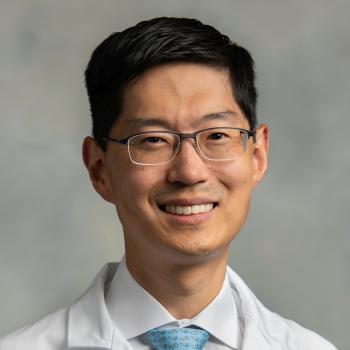 Michael Lim合作论文数School of Medicine, Johns Hopkins University;School of Medicine, Stanford University90
 Christina Jackson合作论文数Dept Neurosurg, Johns Hopkins Univ67
 J D Weingart合作论文数66Alessandro Olivi合作论文数59
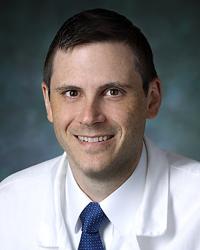 Gary L. Gallia合作论文数School of Medicine, Johns Hopkins University57
 Drew Mark Pardoll合作论文数Department of Oncology, School of Medicine, Johns Hopkins University;Bloomberg~Kimmel Institute for Cancer Immunotherapy, School of Medicine, Johns Hopkins University;Sidney Kimmel Comprehensive Cancer Center, School of Medicine, Johns Hopkins University55
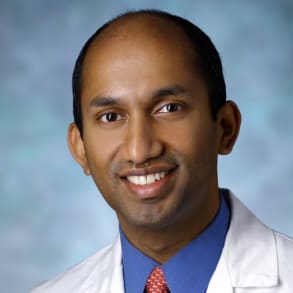 Bettegowda Chetan合作论文数The Johns Hopkins University45
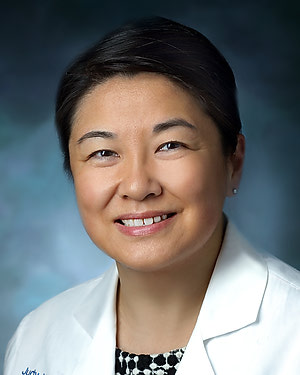 Judy Huang合作论文数Department of Neurosurgery, School of Medicine, Johns Hopkins University38
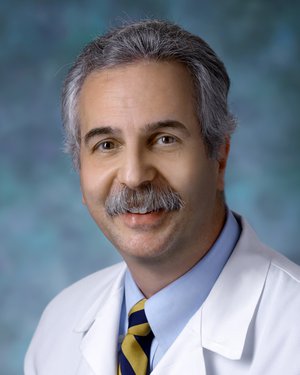 Rafael Tamargo合作论文数Department of Neurosurgery, School of Medicine, The Johns Hopkins University38Antonella Mangraviti合作论文数Sant'Andrea University Hospital;Department of Neuroscience, Mental Health and Sense Organs, Sapienza University of Rome38
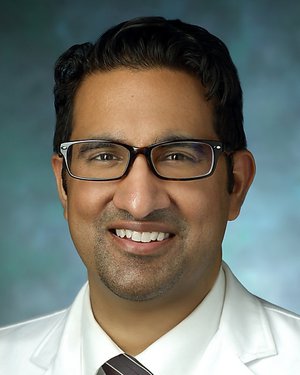 Debraj Mukherjee合作论文数Department of Neurosurgery, Johns Hopkins University School of Medicine34
 Robert S. Langer合作论文数Department of Chemical Engineering, Massachusetts Institute of Technology30
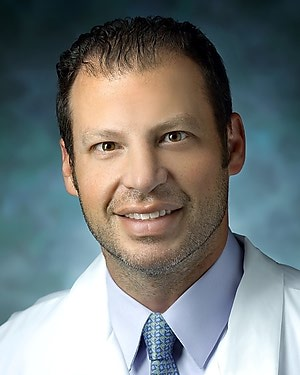 Chad Gordon合作论文数Department of Otolaryngology-Head and Neck Surgery, School of Medicine, Johns Hopkins University29
 Kaisorn Chaichana合作论文数Johns Hopkins University School of Medicine29Noah Gorelick合作论文数27
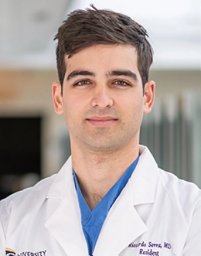 Riccardo Serra合作论文数Department of Neurosurgery, University of Maryland25
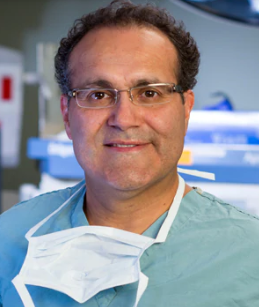 Alfredo Quinones-Hinojosa合作论文数Department of Neurosurgery, Mayo Clinic25
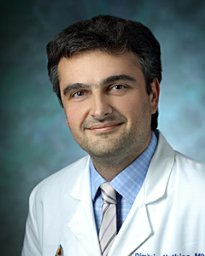 Mathios Dimitrios合作论文数24
 John S. Choi合作论文数jet propulsion laboratory24
 Peter Burger合作论文数Division of Neuropathology, Department of Pathology, School of Medicine, The Johns Hopkins University23
 Charles Drake合作论文数Herbert Irving Comprehensive Cancer Center, Columbia University;The Janssen Pharmaceutical Companies of Johnson & Johnson22
 Xiaobu Ye合作论文数Departments of Neurology and Neurosurgery, School of Medicine, Biomedical Engineering21Francesco DiMeco合作论文数Dept of Pathophysiology and Transplantation, University of Milan21
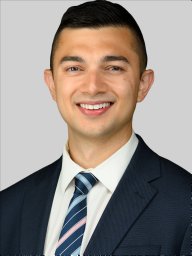 Sakibul Huq合作论文数Dept Neurosurg, Johns Hopkins Univ20
 Jon Weingart合作论文数Department of The Sidney Kimmel Comprehensive Cancer Center, School of Medicine, Johns Hopkins University19
 Jennifer Kim合作论文数Department of Neurology, Yale School of Medicine, Yale University19
 Gustavo Pradilla合作论文数Department of Neurosurgery, The Johns Hopkins University School of Medicine19Ayush Pant合作论文数17Joshua Casaos合作论文数Department of Neurosurgery, Los Angeles (UCLA),17
 Eric Sankey合作论文数Department of Neurosurgery, The Johns Hopkins University School of Medicine17
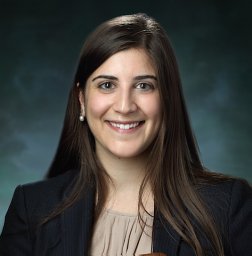 Rincon-Torroella Jordina合作论文数Faculty of Medicine, University of Barcelona17Eileen Kim合作论文数16Liu Ann合作论文数16Laura Saleh合作论文数15Ruman Rahman合作论文数15Ravi Medikonda合作论文数15
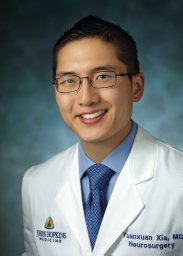 Yuanxuan Xia合作论文数Dept Neurosurg, Johns Hopkins Univ15Khan Li合作论文数15Stephany Tzeng合作论文数Department of Biomedical Engineering, Whiting School of Engineering, Johns Hopkins University15Garzon-Muvdi Tomas合作论文数Department of †Neurosurgery;‡Oncology Center-Chemical Therapeutics, The Johns Hopkins University School of Medicine;§Technion Faculty of Medicine, Technion-Israel Institute of Technology;Technion-Israel Institute of Technology, The Johns Hopkins University School of Medicine15
 Debebe Theodros合作论文数Department of Neurosurgery, School of Medicine, Stanford University15Prakash Sampath合作论文数Brown Medical School, Rhode Island Hospital15
 Adham M Khalafallah合作论文数Department of Neurological Surgery, University of Miami Miller School of Medicine14
 Amir Manbachi合作论文数Department of Otolaryngology-Head and Neck Surgery, School of Medicine, Johns Hopkins University14James Feghali合作论文数13Jillian Phallen合作论文数13




