12114 Background: A retrospective study suggested a potential benefit from rose geranium in sesame oil nasal spray for alleviating nasal vestibulitis symptoms in patients (pts) undergoing chemotherapy. Methods: Pts undergoing active chemotherapy who reported moderate or worse nasal symptoms were randomized 1:1 to receive a rose geranium in sesame oil nasal spray (RG) or an isotonic saline nasal spray (IS), administered twice daily for two weeks. Consenting pts completed nasal symptom questionnaires at baseline and then weekly while on treatment. The number and percentage of pts experiencing improvements in their nasal symptoms 2 weeks after initiating the nasal spray, defined as symptoms moderately (2) or very much (3) better on a 7-point global impression of change score (ranging from scores of -3: very much worse, to 3: very much better), was estimated within and then between each randomized arm, using Fisher’s exact test (5% significance level). The estimated odds ratio was determined (95% confidence interval). After 2 weeks, pts initially randomized to IS were allowed to cross-over to RG and completed weekly surveys. Results: 106 pts consented to this study; 43 pts in the RG arm and 41 in the IS arm were evaluable for the primary endpoint. Pts had a mean age of 57.8 (SD 13.9). Demographic characteristics and baseline nasal symptoms were similar between arms. The most prominent baseline nasal symptoms were dryness (36%) and bleeding (35%). Of the 43 evaluable pts who received RG, 67.4% reported improved nasal symptoms, compared with 36.6% of the 41 pts who received IS (p=0.009; Table). On the global impression of change score, pts who received RG had a mean score of 1.93 (SD 1.16), compared to a mean score of 0.98 (SD 1.41) among pts who received IS. Adjusting for potential confounding factors, pts who received RG had a 4.56 odds of responding to the nasal spray, compared with those who received IS (p=0.005). There were no significant differences between pt responses based upon type of nasal symptoms, age, allergies, or gender. Adverse events were sparse and did not differ between arms. 34 pts crossed over to RG after week 2. Among the 29 pts who completed final surveys, 37% reported a response on IS, 79% reported a response on RG. Conclusions: Rose geranium in sesame oil nasal spray significantly improves nasal vestibulitis symptoms among patients undergoing chemotherapy. Clinical trial information: NCT04620369 . [Table: see text]
2001 Background: PolyADP-ribose polymerase (PARP) is an important modulator of DNA repair following temozolomide (TMZ) therapy. Pre-clinical testing demonstrated significant survival benefit for the combination of TMZ and PARP inhibitor veliparib in a subset of GBM pt-derived xenografts with MGMT promoter hypermethylation. Methods: After central pathology review and MGMT testing, patients (pts) with newly diagnosed, MGMT promoter hypermethylated GBM who had completed concurrent radiation and TMZ were randomized to adjuvant therapy with TMZ (Days 1-5 q28 days) combined with either placebo or veliparib (Days 1-7 q28 days). Veliparib/placebo+TMZ treatment was continued for up to 6 cycles. Pts accrued on the phase II and III portions of the trial were included in the primary endpoint analysis of overall survival (OS), with 90% power to detect a hazard ratio of 0.71 using a one-sided log-rank test with type I error rate of 0.05. The planned phase III sample size was 400 pts with data maturity after 302 deaths. Results: The phase II and III portions of the trial were open to accrual from 12/15/2014 to 2/6/2017 and 11/8/2017 to 10/15/2018, respectively; 447 pts were accrued to the trial and used in this intention to treat analysis. The two treatment groups were well balanced for prognostic factors, 421 pts initiated treatment, median follow-up was 57.8 months (mos), 380 pts had disease progression and 335 pts have died. There was no difference in OS (p = 0.15; HR 0.89 (0.71-1.11), median OS 28.1 vs. 24.8 mo. for TMZ+veliparib vs. TMZ+placebo, respectively) and no difference in secondary endpoint progression free survival (PFS, p = 0.31; HR 1.05 (0.86-1.30), median 13.2 vs. 12.1 mo, respectively). There was a notable trend for extended OS with TMZ+veliparib treatment at intermediate time-points between 24 and 42 mos (3-year OS 36.6% vs. 28.9% with TMZ+placebo, p = 0.09). In an unplanned exploratory analysis, treatment with TMZ at the time of first recurrence was associated with extended post-recurrence OS (p = 0.03) for pts treated on the experimental arm; median post-recurrence OS with TMZ salvage was 17.0 mo in the TMZ+veliparib arm and 12.6 mo in the TMZ+placebo arm, as compared to 9.6 mo in either arm if TMZ salvage was not used. These data are consistent with a possible effect of veliparib limiting the emergence of TMZ resistance in a subset of GBM pts. Conclusions: Veliparib combined with adjuvant TMZ therapy was not associated with significant extension in OS or PFS in newly diagnosed, MGMT hypermethylated GBM pts. However, a subset of pts treated with TMZ+veliparib may have an extended survival following re-treatment with TMZ at first recurrence. Clinical trial information: NCT02152982.
1016 Background: The ph III EMBRACE trial of E vs physician’s choice of tx led to FDA approval of E as ≥3rd-line tx for MBC pts with prior exposure to anthracyclines/taxanes. The ph III BOLD 301 trial of E vs capecitabine in advanced BC treated with anthracyclines/taxanes showed a nonsignificant trend to improved median OS for all pts; pre-planned analysis by HER2 status revealed a nominally significant benefit for HER2- pts. Methods: RU011201I is an investigator initiated ph III trial with 1:1 randomization to E (1.4 mg/m2 D1,8 q21days) vs P (90 mg/m2 D1,8,15 q28days) within strata defined by (neo)adjuvant taxanes (yes/no), HR status (+/-), and line of tx (1st/2nd). Pts had measurable or non-measurable disease by RECIST v1.1; new or progressive mets; peripheral neuropathy (PN) gr<2; ≤1 prior chemotx regimens for advanced or MBC. Asymptomatic brain mets with stable MRIs for >3 mos were allowed. (Neo)adjuvant taxanes were allowed if >12 mos between tx completion and disease recurrence. Radiographic studies occur q12wks. Survival data are collected q12wks after the Off-Tx Visit. Pts reported side effects weekly; post-baseline symptomatic AE rates worse than baseline were compared between arms using Fisher’s exact tests. We report clinical outcomes and the primary objective related to PRO-CTCAE use. Results: 201 pts enrolled 3/2014 - 5/2018 with 33.8 mos median f/u; 3 are on tx as of 2/20/20 (1E, 2P). Pt characteristics were the same between E vs P: median age 62 yrs (range 27-85); 42% prior taxane; 78% ER+; 70% starting 1st line tx. Baseline lesion distribution was similar except for lung mets (37E, 53P). No difference was seen between E vs P in PFS (5.7 vs 5.9 mos; P=0.72), OS (18.1 vs 16.4 mos; P=0.75), TTF (5.3 vs 4.9 mos; P=0.82), DOR (10.8 vs 12.3 mos; P=0.84), or number of metastatic events (55 vs 54). 37E and 36P pts required ≥1 dose reduction. Hematologic toxicities ≥ gr 3 were higher with E (40 vs 22%). PN events were similar: 56 vs 58 total, 4 vs 7 motor, 52 vs 51 sensory. Median duration of PN and median time to 1st PN event were 74 vs 140 and 56 vs 41 days. Worsened numbness/tingling severity and other pt-reported AE rates were similar, but worsened numbness/tingling interference (63% vs 78%, P=0.04) and vomiting frequency (35% vs 57%, P=0.005) were lower with E. Conclusions: Clinical outcomes were equivalent with E vs P as 1st/2nd line tx for HER2- advanced BC. The nature and severity of PN were similar between arms, but time of onset, duration, and interference with daily living favor E. E may be a suitable treatment option in this setting. Clinical trial information: NCT02037529 .
Many factors contribute to the poor survival of malignant brain tumor patients, some of which are not easily remedied. However, one contributor to the lack of progress that may be modifiable is poor clinical trial accrual. Surveys of brain tumor patients and neuro-oncology providers suggest that clinicians do a poor job of discussing clinical trials with patients and referring patients for clinical trials. Yet, data from the Cancer Action Network of the American Cancer Society suggest that most eligible oncology patients asked to enroll on a clinical trial will agree to do so. To this end, the Society for Neuro-Oncology (SNO) in collaboration with the Response Assessment in Neuro-Oncology (RANO) Working Group, patient advocacy groups, clinical trial cooperative groups, including the Adult Brain Tumor Consortium (ABTC), and other partners are working together with the intent to double clinical trial accrual over the next 5 years. Here we describe the factors contributing to poor clinical trial accrual in neuro-oncology and offer possible solutions.
e18154 Background: Due to an increase in the elective decision to pursue contralateral prophylactic mastectomy (CPM), the incidence of bilateral mastectomy (BM) with/without postmastectomy reconstruction (R) [BM+/-R] has increased in the last decade. While prior studies at academic centers have investigated concerns regarding its impact on subsequent cancer therapy, we hypothesized that BM+/-R is associated with a delay in initiation of adjuvant therapy (AT) in a community oncology clinic. Methods: This study involved chart review of all patients who underwent mastectomy as definitive surgery for stage I-III breast cancer between 2007 and 2012 and were subsequently followed at Essentia Health Cancer Center. The primary endpoint of the study was the proportion of patients receiving subsequent AT within 6 weeks of surgery (TST6) when compared between different surgical groups. Results: A total of 478 patients were included in the study, with a median age of 63 years. Patients were divided into 4 groups, BM-R (n = 133), BM+R (n = 73), unilateral mastectomy (UM) –R (n = 244) and UM+R (n = 28). Significant demographic differences were identified between the groups including age ( p< 0.001), medical comorbidities ( p< 0.001), and BMI ( p< 0.001). The incidence of any major post-operative complication (including flap/implant failure, infection and wound necrosis/dehiscence) or additional surgeries within 6 weeks of surgery was higher in patients undergoing reconstruction, [BM+R (19%) and UM+R (18%)] compared to those who did not [BM-R (6%) and UM-R (4%)] ( p< 0.001). Patients having major complications or needing additional surgeries within 6 weeks had a lower adjusted likelihood of achieving TST6 compared to those who did not (OR = 0.35; p= 0.009). However, there was no significant difference in TST6 between the surgical groups ( p= 0.31). Conclusions: Immediate post-mastectomy reconstruction is associated with a significantly increased risk of postoperative complications or need for additional surgeries within 6 weeks. In an appropriately selected patient population, CPM and reconstruction do not significantly delay subsequent AT in a community oncology clinic.
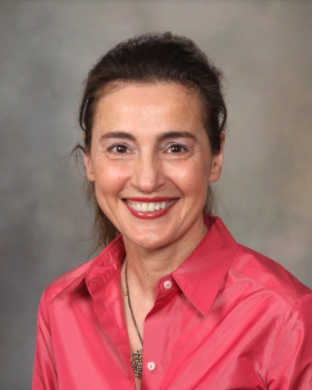 Evanthia Galanis合作论文数Division of Medical Oncology, Department of Oncology, Mayo Clinic;Mayo Clinic Comprehensive Cancer Center, Mayo Clinic2
 Martin van den Bent合作论文数1Sandeep H. Mashru合作论文数1DeQuincy Andrew Lewis合作论文数1Anthony John Jaslowski合作论文数1Ashley Frith合作论文数1
 Stephan Thome合作论文数1Donald B. Wender合作论文数1John T. Cole合作论文数1
 Amylou C. Dueck合作论文数Division of Health Sciences Research, Mayo Clinic;Division of Clinical Trials and Biostatistics, Department of Quantitative Health Sciences, Mayo Clinic1Terra Register合作论文数1Nguyet A Le-Lindqwister合作论文数1Erik Asmus合作论文数1
 Rajshekhar Chakraborty合作论文数Irving Medical Center, Columbia University1
 Brian Johnson合作论文数Dept Biomed Engn, Univ Wisconsin1Jesse G Dixon合作论文数Dept Quantitat Hlth Sci, Mayo Clin1
 Priya U Kumthekar合作论文数Hematology and Oncologys, Department of Medicine, Feinberg School of Medicine, Northwestern University1
 Karla Ballman合作论文数Division of Biostatistics and Epidemiology, Weill Cornell Medicine1
 Charles L. Loprinzi合作论文数Mayo Clinic Comprehensive Cancer Center1
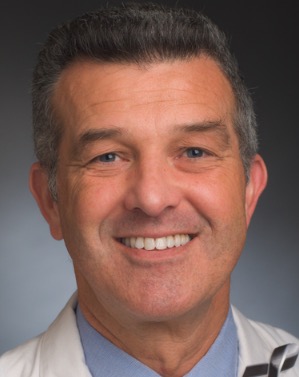 David Reardon合作论文数Center for Neuro-Oncology, Dana-Farber Cancer Institute;Harvard Medical School1
 Benjamin Ellingson合作论文数University of California Los Angeles1Rogak Lauren J合作论文数1Giridhar Karthik V合作论文数1Penas-Prado Marta合作论文数1Weckstein Douglas J合作论文数1David Piccioni合作论文数1
 Eudocia Q. Lee合作论文数Division of Cancer Neurology, Department of Neurology, Brigham and Women's Hospital, Harvard Medical School;Center for Neuro-Oncology, Dana-Farber Cancer Institute1Cathcart-Rake Elizabeth合作论文数1Kizilbash Sani H合作论文数Authors' Affiliations: Departments of Radiation Oncology, and.1Kathy Oliver合作论文数1
 Nancy U. Lin合作论文数Department of Medical Oncology, Dana-Farber Cancer Institute;Harvard Medical School1
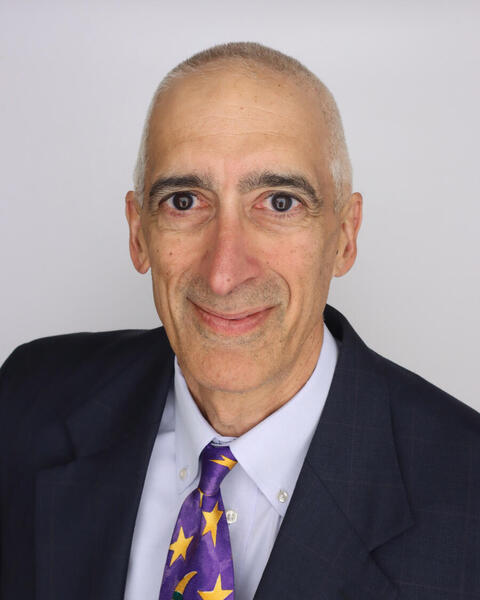 Jann N. Sarkaria合作论文数Department of Radiation Oncology, Mayo Clinic;Mayo Clinic Comprehensive Cancer Center1
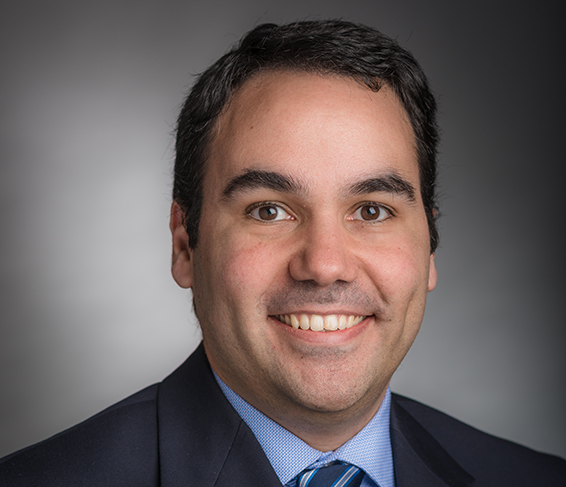 Jose Pablo Leone合作论文数Breast Oncology Center, Dana-Farber Cancer Institute;Harvard Medical School1Thomas H. Openshaw合作论文数1Claudine Isaacs合作论文数1
 Kendrith Rowland合作论文数Carle Illinois College of Medicine, University of Illinois Urbana-Champaign;Carle Cancer Center;Carle Foundation Hospital;Cancer Center at Illinois, University of Illinois Urbana-Champaign1
 Michael Weller合作论文数Department of Neurology, University Hospital Zurich1
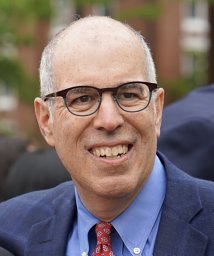 Michael Vogelbaum合作论文数Moffitt Cancer Center;Research Institute, Inc1
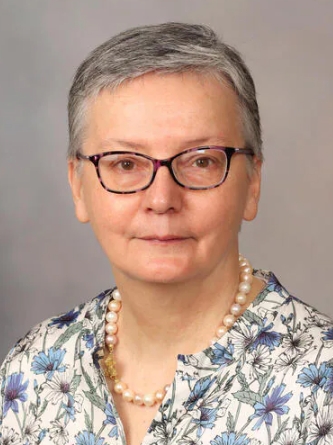 Caterina Giannini合作论文数Comprehensive Cancer Center, Mayo Clinic;Department of Laboratory Medicine & Pathology, Mayo Clinic;Dipartimento di Scienze Biomediche e Neuromotorie, University of Bologna1
 Brian M. Alexander合作论文数Dana-Farber Cancer Institute;Harvard Medical School;GCAR;Roche/Genentech Pharma R&D1
 Brian Kabat合作论文数1
 Susan M. Chang合作论文数Weill Institute for Neurosciences, University of California, San Francisco;School of Medicine, University of California, San Francisco1Erik P. Sulman合作论文数Division of Oncology, Children's Hospital of Philadelphia1
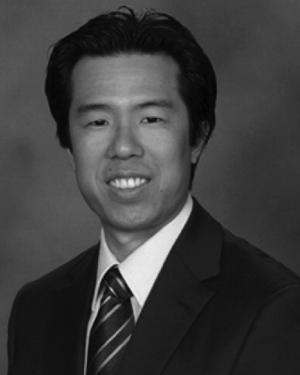 Leland Hu合作论文数1
 David R Hillman合作论文数School of Human Sciences, The University of Western Australia1
 Shawn Hervey-Jumper合作论文数School of Medicine, University of California, San Francisco;Weill Institute for Neurosciences, University of California, San Francisco;Medical School, University of Michigan1
 Nadia N. Laack合作论文数Department of Radiation Oncology, Mayo Clinic1
 Patrick Y. Wen合作论文数Department of Neurology, Harvard Medical School;Center For Neuro-Oncology, Dana-Farber Cancer Institute1S. Keith Anderson合作论文数1




