Abstract Len. ti. sphae. ro'ta. N.L. fem. n. Lentisphaera , type genus of the phylum; ‐ ota , ending to denote a phylum; N.L. pl. neut. n. Lentisphaerota , the Lentisphaera phylum.
Decomposition of brine shrimp carcasses has a crucial role in carbon cycling of saline lakes, yet the microbial dynamics remain poorly understood. Here we integrated metagenomics, metatranscriptomics, culturomics, metabolomics, and microcosm experiments to investigate microbial community succession and function during brine shrimp (Artemia sp.) carcass decomposition in Barkol Lake, a hypersaline lake in China. A total of 149 metagenome-assembled genomes (MAGs) and 77 pure culture genomes were recovered across 33 phyla, with 72.12
Many thermophiles that are abundant in high-temperature geothermal systems have never been cultivated and are poorly understood, including deeply branching members of the archaeal phylum Thermoproteota. Here, we describe the genome-guided cultivation of one such organism, Calditenuis ramacidaminiphagus, and show that it has evolved a heterotrophic metabolism focused on branched-chain amino acids (BCAAs). Initially, fluorescence in situ hybridization and nanoscale secondary ion mass spectrometry (FISH-nanoSIMS) showed that Cal. ramacidaminiphagus assimilated amino acids rapidly in casamino acid-amended enrichment cultures. Metagenome and metaproteome analyses showed a high abundance and expression of BCAA transporter genes, suggesting a BCAA-focused metabolism. This inference was supported by the subsequent enrichment of Cal. ramacidaminiphagus in BCAA-fed cultures, reaching 2.66×10⁶ cells/mL and 48.7% of the community, whereas it was outcompeted when polar amino acids were included. Metabolic reconstruction and metaproteomics suggest that BCAAs are channeled into the mevalonate pathway for lipid biosynthesis and fuel ATP production through the TCA cycle coupled with aerobic respiration and through production of branched-chain organic acids by overflow metabolism. Ancestral state reconstructions and phylogenetic analyses of 62 Caldarchaeales genomes revealed multiple horizontal transfers of BCAA transporters to the ancestor of the genus Calditenuis. Our study highlights the crucial role of BCAAs in the early evolution and niche of this genus, and suggests a high degree of resource partitioning even within low-diversity thermophilic communities.
Hypersaline environments constitute ideal systems for studying evolutionary processes and microbial diversification due to their relatively low (and thus tractable) diversity and geographically isolated nature. Based on metagenomic sequencing of samples from 25 hypersaline sites in 11 countries taken within a single year, we explored the relationships between environmental factors, geographic distance, and microbial community structure and diversification. Our results revealed that microbial communities of coastal sites were more similar to each other than those of the inland sites, reflecting higher connectivity due to ocean currents and nearly unrestricted dispersal. Conversely, inland hypersaline environments showed less connectivity and higher genetic and taxonomic dissimilarities that did not correlate with the distance between the sampled sites. The latter results reflect reduced species migration characterizing inland sites as well as site-specific environmental factors selecting for divergent taxa. The 484 MAGs recovered, representing 284 distinct species, revealed a striking global ubiquity, with 62.5% of the species showing cosmopolitanism, defined as being present at both coastal and inland sites. Most cosmopolitan species showed allopatric differentiation, reflected by an increased frequency of non-synonymous substitutions between MAGs of the same species recovered from more distant sites. However, a few cases of truly cosmopolitan genomovars (average nucleotide identity, or ANI > 99.8%), were also observed. Our results suggest that extreme halophiles have nearly unrestricted global dispersal among ocean-connected sites, and to a lesser extent, among geographically isolated inland sites, although cases of allopatric diversification were also observed.
Most bacterial phyla have few or no pure cultures, including Atribacterota, comprised of ubiquitous anaerobes. Here, we report genome-guided enrichment and isolation of two Atribacterota species representing a new family, Caldatribacterium saccharofermentans from a hot spring, and Caldatribacterium inferamans from a deep aquifer. Both were co-enriched with sulfate-reducing bacteria and initially resisted isolation, which we link to inadvertent removal of precipitated folic acid by filter-sterilization of unbuffered Wolin's vitamin solution. We then predict folate auxotrophy across the Atribacterota and ~29% of all bacteria, with extensive auxotrophy in 27% of phyla. Since ≥604 of 791 ( ≥ 76%) media with folic acid additions in the MediaDive database use unbuffered vitamin solutions in which folic acid is likely removed during filter-sterilization, we propose that folate auxotrophy limits culturability in defined media en masse. We also uncover unusual features of Caldatribacterium, including three lipid membrane-like layers (LMLs), with the inner LML surrounding the nucleoid, and a high percentage of secreted proteins, supporting a unique cell biology of Atribacterota.
Abstract Ver. ru. co. mi. cro. bi.o'ta. N.L. neut. n. Verrucomicrobium , type genus of the phylum; ‐ ota , ending to denote a phylum; N.L. pl. neut. n. Verrucomicrobiota , the Verrucomicrobium phylum.
The US Department of Energy’s Joint Genome Institute recently held the New Lineages of Life Symposium at the University of Nevada, Las Vegas. The symposium brought together researchers focused on diverse and varied ecosystems but united by their goal to discover and characterize microbial dark matter.
Archaeological research on the Shivwits Plateau, northwestern Arizona, suggests that the Ancestral Puebloan inhabitants of that area engaged in both hide processing and the heat treatment of calcareous stones. This paper proposes a connection between these two activities, arguing that (at least some of) the heated rocks were transformed into lime for use in hide preparation. We suggest that the decision to use lime was influenced by local social and environmental conditions, and arose from an intimate familiarity with the landscape and a sophisticated understanding of lime, hides, and pathogens. Once adopted, however, this practice would have provided several benefits. Specifically, experimental results show that soaking hides in a lime solution, compared to plain water, significantly reduces bacterial growth—including pathogens—by several orders of magnitude, and decreases dehairing time by more than fivefold. We argue that these health and time-saving advantages would have been particularly valuable given the logistical challenges faced by the Shivwits Plateau people in hide processing, and that the Ancestral Puebloan people, drawing on generations of Indigenous scientific knowledge, would have keenly understood them.
Cable bacteria are filamentous microorganisms capable of centimeter-scale electron transport, which have great impacts on sediment biogeochemistry, especially oxygen consumption and sulfide depletion. While 16S rRNA sequences related to known cable bacteria have been identified in saline lakes, their genomic diversity, metabolic potentials, and evolution remain unknown. Eight cable bacteria genomes were retrieved from 23 sediment metagenomes across four saline lakes, representing five novel species adapted to different salinity niches. A deep-branching Electronema species, named Electronema qinghaiense, was found preferentially in brackish to saline environments, implying an ecological and evolutionary link between marine and freshwater lineages. Based on genome analysis, the three newly named cable bacteria species are likely mixotrophic diazotrophs capable of degrading diverse complex carbohydrates, while also participating in hydrogen metabolism via various groups 3 and 4 [NiFe]-hydrogenases. Genome streamlining and horizontal gene transfer likely drove ecophysiological differentiation among these Electrothrix and Electronema species, including an interphylum horizontal transfer of glycine/sarcosine N-methyltransferase (gsmt) and sarcosine/dimethylglycine N-methyltransferase (sdmt) genes into their common ancestor. Subsequent loss of these genes in some descendants led to adaptation to different salinity niches. Given the inferred ancestral physiological properties, phylogenomic analysis and the evidence that "freshwater" Electronema species experienced stronger purification selection than "saline" Electronema and "hypersaline" Electrothrix species, the evolutionary progression of cable bacteria occurred most likely in the saline-to-freshwater direction. Additionally, cable bacteria ecotypes adapted to specific salinity niches likely formed from selective sweeps with low homologous recombination. Collectively, these findings deepen our understanding of the ecophysiology and evolution of cable bacteria.
Hypersaline environments, due to their discrete and geographically isolated nature, constitute ideal systems for studying evolutionary patterns and microbial diversification, and especially here when contrasting coastal with inland systems. Based on metagenomic comparisons of 25 hypersaline sites across 11 countries, we explored the influence of environmental factors, ionic composition, and geographic distance on their microbial community structures and taxa diversification. Our results revealed that microbial communities from coastal environments were taxonomically and functionally more similar to each other than to those from inland sites. A distance-decay relationship in the genetic relatedness, significantly more pronounced for the coastal sites, was observed among reconstructed metagenome-assembled genomes (MAGs), clearer at distances below 400 km, but still detectable across global scales up to 20,000 km. The 484 MAGs recovered, representing 284 distinct species, revealed a striking global ubiquity, with 62.5% of the species showed cosmopolitanism as were detected across multiple sites. The higher taxonomic and genetic similarity of coastal environments over the inland sites seems to reflect an environmental connection that may be related to the ocean current dynamics. Most cosmopolitan species showed clear allopatric differentiation, although few cases of a single globally dominant genomovar (average nucleotide identity, ANI > 99.8%) were also observed, especially for some Haloquadratum species. The findings suggest that coastal hypersaline systems are loosely constrained by geographic isolation, with clear signals of allopatric speciation at the mesoscale (tenths to hundreds of kilometers) that become blurrier at larger scales. ### Competing Interest Statement The authors have declared no competing interest. Spanish Ministry of Science, Innovation and Universities, PGC2018-096956-B-C41, RTC-2017-6405-1, PID2021-126114NB-C42, PID2024-158829NB-C42, PID2021-126114NB-C41, PID2024-158829NB-C41
Heterotrophic denitrifiers play crucial roles in global carbon and nitrogen cycling. However, their inability to oxidize sulfide renders them vulnerable to this toxic molecule, which inhibits the key enzymatic reaction responsible for reducing nitrous oxide (N2O), thereby raising greenhouse gas emissions. Here, we applied microcosm incubations, community-isotope-corrected DNA stable-isotope probing, and metagenomics to characterize a cohort of heterotrophic denitrifiers in estuarine sediments that thrive by coupling sulfur oxidation with denitrification through chemolithoheterotrophic metabolism. Remarkably, ecophysiology experiments from enrichments demonstrate that such heterotrophs expedite denitrification with sulfur acting as alternative electron sources and substantially curtail N2O emissions in both organic-rich and organic-limited environments. Their flexible, non-sulfur-dependent physiology may confer competitive advantages over conventional heterotrophic denitrifiers in detoxifying sulfide, adapting to organic matter fluctuations, and mitigating greenhouse gas emissions. Our study provides insights into the ecological role of heterotrophic denitrifiers in microbial communities with implications for sulfur cycling and climate change. Beyond the long-established chemolithoautotrophs, a new study by Shao et al. uncovers heterotrophic denitrifiers as previously concealed contributors to sulfur cycling, with profound implications for greenhouse gas mitigation.
Fervidibacter sacchari is an aerobic hyperthermophile belonging to the phylum Armatimonadota that degrades a variety of polysaccharides. Its genome encodes 117 enzymes with one or more annotated glycoside hydrolase (GH) domain, but the roles of these putative GHs in polysaccharide catabolism are poorly defined. Here, we describe one F. sacchari enzyme encoding a GH10 domain, Fsa02490Xyn, that was previously shown to be active on Miscanthus, oat β-glucan, and beech-wood xylan, with optimal activity at 90-100 °C. We show that Fsa02490Xyn is also active on birch-wood xylan and gellan gum. The pH range on beech-wood xylan was 4.5 to 9.5 (pHopt 7.0-8.0). Fsa024940Xyn had a Km of 2.375 mm, Vmax of 1250 μm·min-1, and kcat/Km of 1.259 × 10⁴ s-1·m-1 when using a para-nitrophenyl-𝛽-xylobioside assay. A phylogenetic analysis of GH10 family enzymes revealed a large clade of enzymes from diverse members of the class Fervidibacteria, including Fsa02490Xyn and a second enzyme from F. sacchari, with apparent horizontal gene transfer within Fervidibacteria and between Fervidibacteria and thermophilic Bacillota. This study establishes Fsa02490Xyn as a hyperthermophilic GH10 enzyme with endo-β-1,4-xylanase activity and identifies a large clade of homologous GH10 enzymes within the class Fervidibacteria. Impact statement The depolymerization of xylan at high temperatures is important because this process limits the degradation of polysaccharides in nature and the synthesis of biofuels from plant wastes. Our study is also important because F. sacchari is one of only a few cultivated members of the Armatimonadota, which are polysaccharide-degradation specialists.
Haloquadratum walsbyi is generally the dominant species in hypersaline ecosystems at salt saturation conditions. Here, we followed the dynamics of its genomovars and associated viruses during recurrent evaporation-dilution disturbances of varying intensities at the mesocosm scale over 813 days. The diversity observed within a single mesocosm was also compared with that in a global-scale inventory of hypersaline environments of thalassohaline origin. The 140 binned metagenome assembled genomes (MAGs) together with the genomes of the (only) two available of H. walsbyi isolates grouped into four highly related (98.25% > Average Nucleotide Identity [ANI] > 99.5%) dominant genomovars (intra-genomovar ANI > 99.5%). In mesocosm experiments, moderate disturbances (i.e. recurrent dilution from saturation to 20% salts) enhanced the abundance of the already-dominant genomovar Hqrw1, resulting in reduced intraspecific diversity. This genomovar also dominated in almost all sites sampled around the globe. In contrast, more intense disturbance (i.e. recurrent dilution from saturation to 13% salts) decreased the abundance of Hqrw1 to lower levels than genomovar Hqrw2 by the end of the incubation, which seems to resist better osmotic changes. Further, our results showed that genomovars were followed by their viral cohorts, who play a significant role in the global dominance of the four H. walsbyi genomovars and their replacement under unfavorable conditions. We propose that the global dominance of H. walsbyi in thalassohaline hypersaline sites is enabled by both the success of Hqrw1 in high but stable salinities and the larger resistance of Hqrw2 to extreme osmotic stress, safeguarding the presence of the species in the system.
The DPANN superphylum is a deep-branching radiation of archaea with small cell and genome sizes. Most DPANN lineages are predicted or validated to be host-dependent. However, certain lineages have substantial biosynthetic capacities and are potentially less dependent on hosts, or even free-living. Here, we reconstructed 163 Micrarchaeota genomes, comprising 48 assigned to previously undescribed orders and 115 affiliated with known orders. Investigation of their genetic repertoire revealed substantial metabolic capacity in Norongarragalinales-, Anstonellales- and the newly proposed Wunengiarchaeales-associated lineages, including complete or near-complete glycolysis and de novo biosynthetic pathways for nucleotides, amino acids, cofactors and cell envelopes. We classified genes related to the central metabolism but which are uncommon in DPANN archaea as putative free-living associated genes (pFLAGs). The extensive presence of pFLAGs in Norongarragalinales suggests a potential host-independent lifestyle. Reconstruction of evolutionary history revealed that these pFLAGs were not ancestral within the DPANN superphylum. Instead, we suggest that less-host-dependent organisms evolved from symbionts through the gradual acquisition of pFLAGs through horizontal gene transfer, whereas other Micrarchaeota lineages with streamlined genomes experienced reductive evolution due to thermal adaptation. Our analyses demonstrate that host dependency is not always an evolutionary dead end, but can be reversed through the acquisition of new metabolic capabilities by horizontal transfer.
Members of the Aquificota play important roles in hydrogen, sulfur, and carbon cycles in geothermal systems as ubiquitous and abundant chemolithoautotrophs; however, their roles in the nitrogen cycle are poorly defined. Here, we show that Aquificaceae isolate T-2T from Tengchong, China, fixes nitrogen based on growth with dinitrogen as the sole nitrogen source and incorporation of 15N atoms when grown with 15N2. We further show evidence that suggests its nitrogen fixation (nif) genes are transcribed in situ in a nearby spring. We propose the name Pampinifervens diazotrophicum gen. et sp. nov., with strain T-2T (= JCM 35475T = DSM 116324T) as the nomenclatural type. Its close relative designated Pampinifervens florentissimum sp. nov. T-8T (= CGMC 1.5214T = JCM 33569T) does not fix nitrogen but respires nitrate. Analysis of 104 metagenome-assembled genomes from 84 metagenomes allowed us to circumscribe the genus Pampinifervens and identify at least 16 sympatric Pampinifervens species that dominate the Aquificaceae populations in diverse hot springs in southwest China, with distinct species globally. Analysis of these Pampinifervens genomes revealed variable presence of nif and denitrification genes and frequent gene loss and horizontal transfer. Genes for pH homeostasis were also present in Pampinifervens genomes, with a proliferation in species from Tengchong, consistent with the wide pH growth range of both Pampinifervens isolates and the prevalence of Pampinifervens in both alkaline and acidic springs. The dynamic evolution of nif and denitrification genes, along with pH homeostasis genes, may facilitate the diversification of Pampinifervens into diverse springs with different nitrogen availability.
The aerobic hyperthermophile “Fervidibacter sacchari” catabolizes diverse polysaccharides and is the only cultivated member of the class “Fervidibacteria” within the phylum Armatimonadota. It encodes 117 putative glycoside hydrolases (GHs), including two from GH family 50 (GH50). In this study, we expressed, purified, and functionally characterized one of these GH50 enzymes, Fsa16295Glu. We show that Fsa16295Glu is a β-1,3-endoglucanase with optimal activity on carboxymethyl curdlan (CM-curdlan) and only weak agarase activity, despite most GH50 enzymes being described as β-agarases. The purified enzyme has a wide temperature range of 4–95°C (optimal 80°C), making it the first characterized hyperthermophilic representative of GH50. The enzyme is also active at a broad pH range of at least 5.5–11 (optimal 6.5–10). Fsa16295Glu possesses a relatively high kcat/KM of 1.82 × 10⁷ s−1 M−1 with CM-curdlan and degrades CM-curdlan nearly completely to sugar monomers, indicating preferential hydrolysis of glucans containing β-1,3 linkages. Finally, a phylogenetic analysis of Fsa16295Glu and all other GH50 enzymes revealed that Fsa16295Glu is distant from other characterized enzymes but phylogenetically related to enzymes from thermophilic archaea that were likely acquired horizontally from “Fervidibacteria.” Given its functional and phylogenetic novelty, we propose that Fsa16295Glu represents a new enzyme subfamily, GH50_3.
The SeqCode, formally called the Code of Nomenclature of Prokaryotes Described from Sequence Data, is a new code of nomenclature in which genome sequences are the nomenclatural types for the names of prokaryotic species. While similar to the International Code of Nomenclature of Prokaryotes (ICNP) in structure and rules of priority, it does not require the deposition of type strains in international culture collections. Thus, it allows for the formation of permanent names for uncultured prokaryotes whose nearly complete genome sequences have been obtained directly from environmental DNA as well as other prokaryotes that cannot be deposited in culture collections. Because the diversity of uncultured prokaryotes greatly exceeds that of readily culturable prokaryotes, the SeqCode is the only code suitable for naming the majority of prokaryotic species. The start date of the SeqCode was January 1, 2022, and the online Registry ( https://seqco.de/ ) was created to ensure valid publication of names. The SeqCode recognizes all names validly published under the ICNP before 2022. After that date, names validly published under the SeqCode compete with ICNP names for priority. As a result, species can have only one name, either from the SeqCode or ICNP, enabling effective communication and the creation of unified taxonomies of uncultured and cultured prokaryotes. The SeqCode is administered by the SeqCode Committee, which is comprised of the SeqCode Community and elected administrative components. Anyone with an interest in the systematics of prokaryotes is encouraged to join the SeqCode Community and participate in the development of this resource.
The Atribacterota are widely distributed in the subsurface biosphere. Recently, the first Atribacterota isolate was described and the number of Atribacterota genome sequences retrieved from environmental samples has increased significantly; however, their diversity, physiology, ecology, and evolution remain poorly understood. We report the isolation of the second member of Atribacterota, Thermatribacter velox gen. nov., sp. nov., within a new family Thermatribacteraceae fam. nov., and the short-term laboratory cultivation of a member of the JS1 lineage, Phoenicimicrobium oleiphilum HX-OS.bin.34TS, both from a terrestrial oil reservoir. Physiological and metatranscriptomics analyses showed that Thermatribacter velox B11T and Phoenicimicrobium oleiphilum HX-OS.bin.34TS ferment sugars and n-alkanes, respectively, producing H2, CO2, and acetate as common products. Comparative genomics showed that all members of the Atribacterota lack a complete Wood-Ljungdahl Pathway (WLP), but that the Reductive Glycine Pathway (RGP) is widespread, indicating that the RGP, rather than WLP, is a central hub in Atribacterota metabolism. Ancestral character state reconstructions and phylogenetic analyses showed that key genes encoding the RGP (fdhA, fhs, folD, glyA, gcvT, gcvPAB, pdhD) and other central functions were gained independently in the two classes, Atribacteria (OP9) and Phoenicimicrobiia (JS1), after which they were inherited vertically; these genes included fumarate-adding enzymes (faeA; Phoenicimicrobiia only), the CODH/ACS complex (acsABCDE), and diverse hydrogenases (NiFe group 3b, 4b and FeFe group A3, C). Finally, we present genome-resolved community metabolic models showing the central roles of Atribacteria (OP9) and Phoenicimicrobiia (JS1) in acetate- and hydrocarbon-rich environments. Our findings expand the knowledge of the diversity, physiology, ecology, and evolution of the phylum Atribacterota. This study is a starting point for promoting more incisive studies of their syntrophic biology and may guide the rational design of strategies to cultivate them in the laboratory.
Terrestrial geothermal springs are physicochemically diverse and host abundant populations of Archaea. However, the diversity, functionality, and geological influences of these Archaea are not well understood. Here we explore the genomic diversity of Archaea in 152 metagenomes from 48 geothermal springs in Tengchong, China, collected from 2016 to 2021. Our dataset is comprised of 2949 archaeal metagenome-assembled genomes spanning 12 phyla and 392 newly identified species, which increases the known species diversity of Archaea by ~48.6%. The structures and potential functions of the archaeal communities are strongly influenced by temperature and pH, with high-temperature acidic and alkaline springs favoring archaeal abundance over Bacteria. Genome-resolved metagenomics and metatranscriptomics provide insights into the potential ecological niches of these Archaea and their potential roles in carbon, sulfur, nitrogen, and hydrogen metabolism. Furthermore, our findings illustrate the interplay of competition and cooperation among Archaea in biogeochemical cycles, possibly arising from overlapping functional niches and metabolic handoffs. Taken together, our study expands the genomic diversity of Archaea inhabiting geothermal springs and provides a foundation for more incisive study of biogeochemical processes mediated by Archaea in geothermal ecosystems.
 Jeremy A. Dodsworth合作论文数University of Nevada, University of Nevada Las Vegas69
 Wenjun Li (李文均)合作论文数School of Life Sciences, Sun Yat-sen University51
 Tanja Woyke合作论文数Joint Genome Institute, Lawrence Berkeley National Laboratory;School of Natural Sciences, University of California Merced34Murugapiran Senthil K合作论文数School of Life Sciences, University of Nevada Las Vegas28
 Jianyu Jiao (焦建宇)合作论文数School of Life Sciences, Sun Yat-Sen University26
 Marike Palmer合作论文数Sch Life Sci, Univ Nevada23
 Hailiang Dong (董海良)合作论文数China University of Geosciences23
 Zhengshuang Hua (花正双)合作论文数School of Environment, University of Science and Technology of China22
 Lan Liu (刘岚)合作论文数School of Marine Sciences, Sun Yat-sen University20
 Chuanlun Zhang (张传伦)合作论文数Department of Ocean Science and Engineering, Southern University of Science and Technology19
 Ariel D Friel合作论文数16
 Cale O Seymour合作论文数15
 James T Staley合作论文数Department of Microbiology and Astrobiology Program, University of Washington Seattle15
 Bruce Hungate合作论文数Center for Ecosystem Science & Society, Northern Arizona University;Department of Biological Sciences, Northern Arizona University;Colorado Plateau Stable Isotope Laboratory15
 Laura K Rademacher合作论文数Department of Geologocal Sciences, University of California15
 Hongchen Jiang (蒋宏忱)合作论文数State Key Laboratory of Biogeology and Environmental Geology, China University of Geosciences14
 Natalia Ivanova合作论文数DOE Joint Genome Institute14
 Wensheng Shu (束文圣)合作论文数School of Life Sciences, South China Normal University14
 Marty D. Frisbee合作论文数Department of Earth and Environmental Science;Water Resources Research Institute;New Mexico State University;Water Resources Research Institute, New Mexico State University14
 Nikos Kyrpides合作论文数Joint Genome Institute, Lawrence Berkeley National Laboratory, U.S. DOE Office of Science National Laboratory14
 Paul Dijkstra合作论文数Department of Biological Sciences Merriam Powell Center for Environmental Research, Northern Arizona University14
 Dengxun Lai (赖登训)合作论文数13
 Zachary P. Meyers合作论文数Dept Earth Atmospher & Planetary Sci, Purdue Univ13
 Emiley Eloe-Fadrosh合作论文数DOE Joint Genome Institute;Lawrence Berkeley National Laboratory13
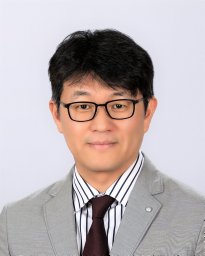 Jang-Cheon Cho合作论文数Division of Biology;Ocean Sciences;Inha University;Ocean Sciences, Inha University13
 Duane P Moser合作论文数Center for Great Lakes Studies;University of Wisconsin—Milwaukee;Center for Great Lakes Studies, University of Wisconsin—Milwaukee13
 Amanda Williams合作论文数Kyowa Kirin International12
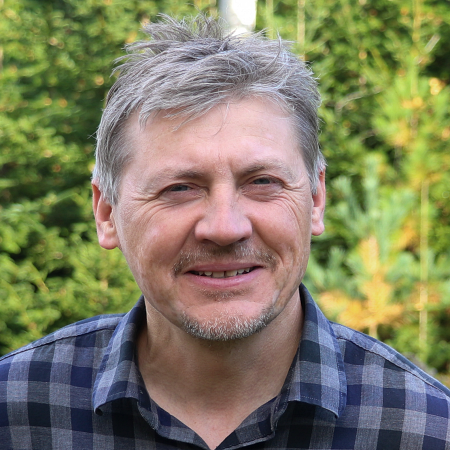 Ramunas Stepanauskas合作论文数Single Cell Genomics Center, Bigelow Laboratory for Ocean Sciences12
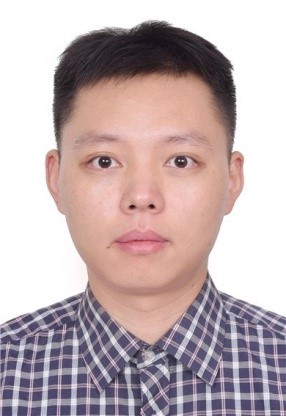 Enmin Zhou (周恩民)合作论文数Department of Geographic Sciences, School of Earth Science, Yunnan University12
 Phil Hugenholtz合作论文数Australian Centre for Ecogenomics, School of Chemistry and Molecular Biosciences, Faculty of Science, University of Queensland11
 Briggs Brandon R合作论文数Department of Geology and Environmental Earth Science, Miami University11
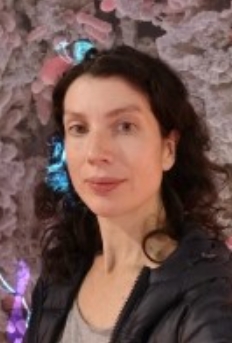 Muriel Derrien合作论文数Laboratory of Molecular Bacteriology, Katholieke Universiteit Leuven Rega Institute for Medical Research;Department of Microbiology and Immunology, Katholieke Universiteit Leuven Rega Institute for Medical Research11
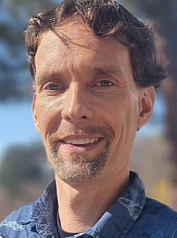 Chris Rinke合作论文数Leopold-Franzens Universität Innsbruck;School of Chemistry and Molecular Biosciences, The University of Queensland10
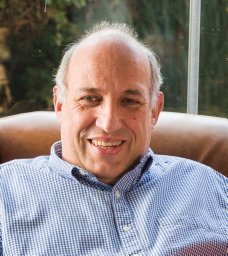 Stephanus N Venter合作论文数Dept Microbiol & Plant Pathol, Univ Pretoria10
 Peter H. Janssen合作论文数Grasslands Research Centre10
 Kostas Konstantinidis合作论文数School of Civil and Environmental Engineering, College of Engineering, Georgia Institute of Technology;School of Biological Sciences, Georgia Institute of Technology;Coulter Department of Biomedical Engineering, Emory University10Khaled Pordel合作论文数9Zheng-Han Lian合作论文数School of Life Sciences, Sun Yat-Sen University9Yan-Ni Qu合作论文数9Yuxian Li合作论文数9Geng Wu (吴耿)合作论文数9
 Ramon Rosselló-Móra合作论文数Institut Mditerrani d’Estudis Avançats, Consejo Superior de Investigaciones Cientificas9Donald W. Sada合作论文数9Chrisabelle C. Mefferd合作论文数8
 Weiguo Hou (侯卫国)合作论文数Institute of Earth Sciences, China University of Geosciences8
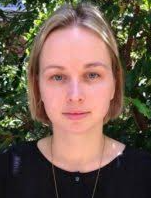 Maria Chuvochina合作论文数Section of Environmental Microbiology, Department of Chemistry and Bioscience, The Faculty of Engineering and Science, Aalborg University8
 Yang-Zhi Rao合作论文数State Key Laboratory of Biocontrol, Guangdong Provincial Key Laboratory of Plant Resources and Southern Marine Science and Engineering Guangdong Laboratory (Zhuhai), School of Life Sciences, Sun Yat-Sen University, Guangzhou, People's Republic of China.8Yan-Ling Qi合作论文数State Key Laboratory of Biocontrol, Guangdong Provincial Key Laboratory of Plant Resources and Southern Marine Science and Engineering Guangdong Laboratory (Zhuhai), School of Life Sciences, Sun Yat-Sen University, Guangzhou, People's Republic of China.8Meng-Meng Li合作论文数8




