Chronic lung allograft dysfunction (CLAD) is the major barrier for long-term survival in lung transplant recipients (LTRs). CLAD remains a diagnosis of exclusion with poor responses to therapies. A molecular diagnostic for CLAD is needed to risk-stratify LTRs for prognosis and identify new targets to mitigate CLAD progression. We used weighted gene correlation network analysis on the airway brush-derived airway transcriptome to identify immune pathways and markers relevant to CLAD. Weighted gene correlation network analysis was performed on RNA sequencing from airway brushings of 37 LTRs with CLAD compared with 37 stable LTRs. We analyzed gene coexpression networks (modules) for their biological significance and association with CLAD. Three gene modules were positively correlated with CLAD, its severity, allograft dysfunction, and survival. These enriched components of the acute phase response, type 1 adaptive immunity, and innate immunity, respectively. A fourth module correlated with protection and was inversely correlated with the other modules. We validated our findings by identification of downstream protein and eicosanoid levels in the bronchoalveolar lavage, and an external validation cohort where module expression differentiated LTRs with CLAD and correlated with worse survival. The CLAD airway transcriptome enriches for coexpression networks associated with network modules that correlate with allograft dysfunction and survival.
We administered severe acute respiratory syndrome coronavirus-2 viral-specific T cells (VSTs) under emergency investigational new drug applications to 6 immunocompromised patients with persistent coronavirus disease 2019 (COVID-19) and characterized clinical and virologic responses. Three patients had partial responses after failing other therapies but then died. Two patients completely recovered, but the role of VSTs in recovery was unclear due to concomitant use of other antivirals. One patient had not responded to 2 courses of remdesivir and experienced sustained recovery after VST administration. The use of VSTs in immunocompromised patients with persistent COVID-19 requires further study.
Rationale: Lymphopenia is common in severe coronavirus disease (COVID-19), yet the immune mechanisms are poorly understood. As inflammatory cytokines are increased in severe acute respiratory syndrome coronavirus 2 (SARS-CoV-2) infection, we hypothesized a role in contributing to reduced T-cell numbers. Objectives: We sought to characterize the functional SARS-CoV-2 T-cell responses in patients with severe versus recovered, mild COVID-19 to determine whether differences were detectable. Methods: Using flow cytometry and single-cell RNA sequence analyses, we assessed SARS-CoV-2-specific responses in our cohort. Measurements and Main Results: In 148 patients with severe COVID-19, we found lymphopenia was associated with worse survival. CD4(+) lymphopenia predominated, with lower CD4(+)/CD8(+) ratios in severe COVID-19 compared with patients with mild disease (P < 0.0001). In severe disease, immunodominant CD4(+) T-cell responses to Spike-1 (S1) produced increased in vitro TNF-alpha (tumor necrosis factor-alpha) but demonstrated impaired S1-specific proliferation and increased susceptibility to activation-induced cell death after antigen exposure. CD4(+) TNF-alpha(+) T-cell responses inversely correlated with absolute CD4(+) counts from patients with severe COVID-19 (n = 76; R = - 0.797; P < 0.0001). In vitro TNF-alpha blockade, including infliximab or anti-TNF receptor 1 antibodies, strikingly rescued S1-specific CD4 (+) T-cell proliferation and abrogated S1-specific activation-induced cell death in peripheral blood mononuclear cells from patients with severe COVID-19 (P < 0.001). Single-cell RNA sequencing demonstrated marked downregulation of type-1 cytokines and NFKB signaling in S1-stimulated CD4(+) cells with infliximab treatment. We also evaluated BAL and lung explant CD4(+) T cells recovered from patients with severe COVID-19 and observed that lung T cells produced higher TNF-alpha compared with peripheral blood mononuclear cells. Conclusions: Together, our findings show CD4(+) dysfunction in severe COVID-19 is TNF-alpha/TNF receptor 1-dependent through immune mechanisms that may contribute to lymphopenia. TNF-alpha blockade may be beneficial in severe COVID-19.
Acute cellular rejection is common after lung transplantation and is associated with an increased risk of early chronic rejection. We present combined single-cell RNA and TCR sequencing on recipient-derived T cells obtained from the bronchoalveolar lavage of three lung transplant recipients with rejection and compare them with T cells obtained from the same patients after treatment of rejection with high-dose systemic glucocorticoids. At the time of rejection, we found an oligoclonal expansion of cytotoxic CD8+ T cells that all persisted as tissue resident memory T cells after successful treatment. Persisting CD8+ allograft-resident T cells have reduced gene expression for cytotoxic mediators after therapy with glucocorticoids but accumulate around airways. This clonal expansion is discordant with circulating T cell clonal expansion at the time of rejection, suggesting in situ expansion. We thus highlight the accumulation of cytotoxic, recipient-derived tissue resident memory T cells within the lung allograft that persist despite the administration of high-dose systemic glucocorticoids. The long-term clinical consequences of this persistence have yet to be characterized.
RATIONALE Lymphopenia is common in severe COVID-19 disease, yet the immune mechanisms are poorly understood. As inflammatory cytokines are increased in severe SARS-CoV-2 infection, we hypothesized a role in contributing to reduced T-cell numbers. OBJECTIVES We sought to characterize the functional SARS-CoV-2 T-cell responses in severe versus recovered, mild COVID-19 patients to determine whether differences were detectable. METHODS Using flow cytometry and single cell RNA sequence analyses we assessed SARS-CoV-2-specific responses in our cohort. MEASUREMENTS/MAIN RESULTS In 148 patients with severe COVID-19, we found lymphopenia was associated with worse survival. CD4+ lymphopenia predominated, with lower CD4+/CD8+ ratios in severe COVID-19 compared to patients with mild disease (p<0.0001). In severe disease, immunodominant CD4+ T-cell responses to Spike-1(S1) produced increased in vitro TNF-α, but demonstrated impaired S1-specific proliferation and increased susceptibility to activation-induced cell-death(AICD) following antigen exposure. CD4+TNF-α+ T-cell responses inversely correlated with absolute CD4+ counts from severe COVID-19 patients (n=76; R=-0.797, P<0.0001). In vitro TNF-α blockade including infliximab or anti-TNFRI antibodies strikingly rescued S1-specific CD4+ T-cell proliferation and abrogated S1-specific AICD in PBMC from severe COVID-19 patients (P<0.001). Single-cell RNAseq demonstrated marked downregulation of Type-1 cytokines and NFkB signaling in S1-stimulated CD4+ cells with infliximab treatment. We also evaluated bronchoalveolar lavage (BAL) and lung explant CD4+ T-cells recovered from severe COVID-19 patients and observed that lung T-cells produced higher TNF-α compared to PBMC. CONCLUSIONS Together, our findings show CD4+ dysfunction in severe COVID-19 is TNF-α/TNFRI-dependent through immune mechanisms that may contribute to lymphopenia. TNF-α blockade may be beneficial in severe COVID-19. This article is open access and distributed under the terms of the Creative Commons Attribution Non-Commercial No Derivatives License 4.0 (http://creativecommons.org/licenses/by-nc-nd/4.0/).
Lymphopenia is common in severe COVID-19 disease, yet the mechanisms are poorly understood. In 148 patients with severe COVID-19, we found lymphopenia was associated with worse survival. CD4 + lymphopenia predominated, with lower CD4 + /CD8 + ratios in severe COVID-19 compared to recovered, mild disease (p<0.0001). In severe disease, immunodominant CD4 + T cell responses to Spike-1(S1) produced increased in vitro TNF-α, but impaired proliferation and increased susceptibility to activation-induced cell death (AICD). CD4 + TNF-α + T cell responses inversely correlated with absolute CD4 + counts from severe COVID-19 patients (n=76; R=-0.744, P<0.0001). TNF-α blockade including infliximab or anti-TNFRI antibodies strikingly rescued S1-specific CD4 + proliferation and abrogated S1-AICD in severe COVID-19 patients (P<0.001). Single-cell RNAseq demonstrated downregulation of Type-1 cytokines and NFκB signaling in S1-stimulated CD4 + cells with infliximab treatment. Lung CD4 + T cells in severe COVID-19 were reduced and produced higher TNF-α versus PBMC. Together, our findings show COVID-19-associated CD4 + lymphopenia and dysfunction is autocrine TNF-α/TNFRI-dependent and therapies targeting TNF-α may be beneficial in severe COVID-19. One Sentence Summary Autocrine TNF-α/TNFRI regulates CD4 + T cell lymphopenia and dysfunction in severe COVID-19 disease.
Alveolar macrophages (AM) play critical roles in lung tissue homeostasis, host defense, and modulating lung injury. The rate of AM turnover (donor AM replacement by circulating monocytes) after transplantation has been incompletely characterized. Furthermore, the anatomic pattern of recipient-derived lung macrophages repopulation has not been reported, nor has their ability to accumulate and present donor major histocompatibility complex (a process we refer to as MHC cross-decoration). We longitudinally characterized the myeloid content of bronchoalveolar lavage (BAL) and biopsy specimens of lung transplant recipients and found a biphasic rate in AM turnover in the allograft, with a rapid turnover perioperatively, accelerated by both the type of induction immunosuppression and the presence of primary graft dysfunction. We found that recipient myeloid cells with cell surface AM phenotype repopulated the lung in a disorganized pattern, comprised mainly of large clusters of cells. Finally, we show that recipient AM take up and present donor peptide-MHC complexes yet are not able to independently induce an in vitro alloreactive response by circulating recipient T cells.
Chronic lung allograft dysfunction (CLAD) remains the major complication limiting long-term survival among lung transplant recipients (LTRs). Limited understanding of CLAD immunopathogenesis and a paucity of biomarkers remain substantial barriers for earlier detection and therapeutic interventions for CLAD. We hypothesized the airway transcriptome would reflect key immunologic changes in disease. We compared airway brush-derived transcriptomic signatures in CLAD (n = 24) versus non-CLAD (n = 21) LTRs. A targeted assessment of the proteome using concomitant bronchoalveolar lavage (BAL) fluid for 24 cytokines/chemokines and alloimmune T cell responses was performed to validate the airway transcriptome. We observed an airway transcriptomic signature of differential genes expressed (DGEs) in CLAD marked by Type-1 immunity and striking upregulation of two endogenous immune regulators: indoleamine 2, 3 dioxygenase 1 (IDO-1) and tumor necrosis factor receptor superfamily 6B (TNFRSF6B). Advanced CLAD staging was associated with a more intense airway transcriptome signature. In a validation cohort using the identified signature, we found an area under the curve (AUC) of 0.77 for CLAD LTRs. Targeted proteomic analyses revealed a predominant Type-1 profile with detection of IFN-γ, TNF-α, and IL-1β as dominant CLAD cytokines, correlating with the airway transcriptome. The airway transcriptome provides novel insights into CLAD immunopathogenesis and biomarkers that may impact diagnosis of CLAD.
Purpose Chronic lung allograft dysfunction (CLAD) is the major limitation to long-term survival in lung transplant recipients (LTRs). The underlying biologic mechanisms that drive CLAD are poorly understood. To address the pathogenesis of CLAD at the molecular level, we performed RNA-seq analysis of airway brush samples and Meso Scale Discovery (MSD) multiplex cytokine and chemokine measurements in bronchial lavage (BAL) samples. Methods Total RNA was extracted from distal bronchial brush samples and sequenced using an Illumina instrument to obtain bulk RNA-seq data which were subsequently analyzed for differential gene expression (DGE) profiling with correction for a potential batch effect. Gene enrichment and gene and cell ontology analyses of DGE profile was done and used to predict canonical pathways and cellular upstream regular of activated signal pathways. False discovery rate (FDR) p<0.05 distinguished significantly overrepresented expression in CLAD samples. For upstream regulator analysis, a z-score score above 2.00 with p<0.05 was significant. BAL from corresponding LTRs were subject to the multiplex MSD cytokine and chemokine array. Mann-Whitney U test was used and any analytes with p<0.05 was considered to be significant. Results 21 CLAD and 18 stable control LTRs were included for RNA-seq analysis. Corresponding MSD measurements were performed on 17 CLAD and 11 control BAL samples. 1031 DEGs were overrepresented in CLAD samples. Gene analyses revealed enrichment of the Type-1 adaptive immune response and the inflammasome. TNF- α (p<1.09E-41), IL-1β (p<5.24E-40), IL-1α (p<8.71E-24), STAT1 (p<7.96E-31), and IFN-γ (p<7.07E-45) were identified as key immune pathways upregulated in CLAD. MSD protein multiplex analysis of BAL demonstrated significantly increased levels of the Type I cytokines IL-12/IL23p40 (p<0.01) and TNF-α (p<0.007), the inflammasome component, IL-1β (p<0.03) and the B cell regulatory cytokine IL-21 (p<0.001) in CLAD LTRs. Conclusion Transcriptome analyses and the lung allograft BAL immune proteome, provide novel insights into the immune activation pathways prevalent in CLAD versus controls. Further analyses may provide the rationale for testing select immune targets in CLAD and uncover distinct immune endotypes within CLAD.
Background When selecting a donor for lung transplantation, it is generally believed that the best outcomes occur when the donor has no smoking history. Because we experienced unexpected adverse outcomes after transplant of lungs from teenaged donors with no smoking history, this study revisited the effects of donor smoking history in relation to age on transplant outcomes. Methods We conducted a retrospective review of 532 consecutive lung transplants performed at our institution. Most donors (293, 55%) had a history of smoking; 239 donors were nonsmokers. The smoking donors were further subgrouped based on consumption (<20, 20–40, or >40 pack-years). The nonsmoking donors were subgrouped by age (<20 years or ≥20 years). Recipients’ characteristics and outcomes were compared. Results The recipients of lungs from donors with a smoking history showed better 5-year survival than recipients of lungs from nonsmokers (65.8% vs. 48.3%, P<0.05), but recipients of lungs from heavy smokers (>40 pack-years smoking history) exhibited a significantly higher incidence of severe primary graft dysfunction and higher short- and long-term mortality than the recipients of lungs from donors who smoked less. Surprisingly, recipients of lungs from teenaged donors with no smoking history exhibited a higher morbidity and mortality than recipients of lungs from adult nonsmoking donors but did not exhibit decreased posttransplant forced expiratory volume in 1 sec. Conclusions In this large, single-center experience, the absence of smoking history in the donor did not result in better long-term outcomes after lung transplantation. Potential problems with lungs from teenaged donors with no smoking history were suggested.
BACKGROUNDInhaled cyclosporine (CsA) is being investigated as a prophylaxis for lung transplant rejection. Lung deposition and systemic exposure of nebulized CsA in lung transplant patients was evaluated as part of the Phase 3 cyclosporine inhalation solution (CIS) trial (CYCLIST).METHODSTen patients received 300 mg of CIS (62.5 mg/mL CsA in propylene glycol) admixed with 148 MBq of Tc-DTPA (technetium-99m bound to diethylenetriaminepentaacetic acid) administered using a Sidestream(®) disposable jet nebulizer. Deposition was assessed using a dual-headed gamma camera. Blood samples were collected over a 24-hr time period after aerosol dosing and analyzed for CsA levels. A pharmacokinetic analysis of the resulting blood concentration versus time profiles was performed.RESULTSThe average total deposited dose was 53.7 ± 12.7 mg. Average pulmonary dose was 31.8 ± 16.3 mg, and stomach dose averaged 15.5 ± 11.1 mg. Device performance was consistent, with breathing maneuvers influencing dose variation. Predose coaching with five of 10 patients reduced stomach deposition (22.6 ± 11.2 vs. 8.3 ± 5.2 mg; p=0.03). Blood concentrations declined quickly from a maximum of 372 ± 140 ng/mL to 15.3 ± 9.7 ng/mL at 24 hr post dose. Levels of AUC(0-24) [area under the concentration vs. time curve from 0 to 24 hr] averaged 1,493 ± 746 ng hr/mL. On a three times per week dose regimen, this represents <5% of the weekly systemic exposure of twice per day oral administration.CONCLUSIONSSubstantial doses of CsA can be delivered to the lungs of lung transplant patients by inhaled aerosol. Systemic levels are small relative to typical oral CsA administration.
Background. Early major neurologic complications after lung transplantation represent a major source of morbidity for patients and compromise their quality of life; however, the mechanisms underlying neurologic complications and their impact on outcomes in lung transplantation remain largely unknown.Methods. Patients who received lung transplants at our institution between January 2004 and December 2010 were identified (n=759). Data on complications including occurrence, timing, management, and outcome were extracted from our transplant database and medical record review. Major neurologic complications were defined as those that were potentially life threatening, required urgent treatment/intubation, or required admission to the intensive care unit.Results. Seventy (9.2%) patients experienced major neurologic complications within 2 weeks after lung transplantation. Most common complications were stroke (41%) and severe toxic/metabolic encephalopathy (37%). Multivariate analysis demonstrated that advanced age, history of coronary artery disease, prolonged use of cardiopulmonary bypass, and severe primary graft dysfunction increased the risk for death in patients with early major neurologic complications (P<0.05). There was a significant difference in survival between patients with neurologic complications and without (90-day mortality: 15% of patients who developed neurologic complications versus 4% of patients who did not; P=0.03; 5-year survival: 51.1% in patients who developed neurologic complication versus 62.1% in patients who did not; P<0.05).Conclusions. Early major neurologic complications after lung transplantation are common and carry substantial morbidity and mortality. Given the risk factors identified in this study, additional pretransplantation workup and intraoperative and postoperative monitoring for high-risk patients may help reduce the incidence of neurologic complications.
We conducted a multi-center, randomized, controlled trial to determine the effect of cyclosporine inhalation solution (CIS) on bronchiolitis obliterans syndrome (BOS)-free survival and all-cause mortality in lung transplant (LTX) recipients.
Self-care agency, defined as the capability and willingness of lung transplant recipients (LTRs) to engage in self-care behaviors (e.g., home monitoring, adherence, and communicating with transplant providers), is crucial to prevent and detect complications. However, little is known about the level of self-care agency and its predictors among LTRs at the time of transplant. We examined self-care agency and potential predictive factors to better identify LTRs prior to discharge who may need assistance performing self-care behaviors.
BACKGROUND Concomitant tricuspid valve repair (TVR) and double lung transplantation (DLTx) has been a surgical option at our institution since 2004 in an attempt to improve the outcome of DLTx for end-stage pulmonary hypertension, severe tricuspid regurgitation, and right ventricle (RV) dysfunction. This study is a review of that single institutional experience. METHODS Consecutive cases of concomitant TVR and DLTx performed between 2004 and 2009 (TVR group, n = 20) were retrospectively compared with cases of DLTx alone for severe pulmonary hypertension without TVR (non-TVR group, n = 58). RESULTS There was one in-hospital death in the TVR group. The 90-day and 1- and 3-year survival rates for the TVR group were 90%, 75%, and 65%, respectively, which were not significantly different from those for the non-TVR group. The TVR group required less inotropic support and less prolonged mechanical ventilation in the ICU. Follow-up echocardiography demonstrated immediate elimination of both volume and pressure overload in the RV and tricuspid regurgitation in the TVR group. Notably, there was a significantly lower incidence of primary graft dysfunction following transplantation in the TVR group (P < .05). Pulmonary functional improvement shown by an FEV(1) increase after 6 months was also significantly better in the TVR group (40% vs 20%, P < .05). CONCLUSIONS Combined TVR and DLTx procedures were successfully performed without an increase in morbidity or mortality and contributed to decreased primary graft dysfunction. In our experience, this combined operative approach achieves clinical outcomes equal or superior to the outcomes seen in DLTx patients without RV dysfunction and severe tricuspid regurgitation.
The choice of single versus double lung transplantation for emphysema remains unsettled, and one of the confounders is native lung hyperinflation (NLH) after single lung transplant (SLT). We reported the use endobronchial valves for NLH and we sought to determine the prevalence of NLH prior to a planned clinical trial four years ago. We were unable to secure local regulatory approval, so we present here the prevalence then and the subsequent natural history of untreated NLH.
BACKGROUND:Inhaled amphotericin preparations have been used for prophylaxis against invasive aspergillosis in lung transplant recipients. However, no published data exist regarding the pharmacokinetic profile of amphotericin B lipid complex in lung transplant recipients. METHODS:We prospectively determined the concentrations of amphotericin B in the epithelial lining fluid (ELF) and plasma after aerosolized nebulization (AeroEclipse), of amphotericin B lipid complex at 1 mg/kg every 24 hr for 4 days in 35 lung transplant recipients. One brochoalveolar lavage sample and a simultaneous blood sample were collected at various time points after the fourth dose from each subject. High-performance liquid chromatography and high-performance liquid chromatography-MS-MS were used to measure amphotericin B. RESULTS:Concentrations of amphotericin B in ELF (median, 25-75 IQR) were at 4 hr (n=5) 7.20 μg/mL (1.3-17.6), 24 hr (n=6) 8.26 μg/mL (3.9-82.7), 48 hr (n=5) 2.15 μg/mL (1.4-5.5), 72 hr (n=4) 1.25 μg/mL (0.75-5.5), 96 hr (n=6) 0.86 μg/mL (0.55-1.4), 120 hr (n=4) 1.04 μg/mL (0.44-1.6), 144 hr (n=1), 4.25 μg/mL, 168 hr (n=3) 1.14 μg/mL, and 192 hr (n=1) 1 μg/mL. The plasma concentration of the drug remained below 0.08 μg/mL at all time points. During the study, the side effects noted included wheezing, coughing, and 12% decline in forced expiratory volume in 1 sec. CONCLUSIONS:We conclude that administration through aerosolized nebulization of amphotericin B lipid complex every 24 hr for 4 days in lung transplant recipients achieved amphotericin B concentrations in ELF above minimum inhibitory concentration of the Aspergillus nearly at 168 hr after the last inhaled dose and is well tolerated.
Extremes of weight are thought to negatively impact survival after lung transplant. The purpose of this study is to evaluate the impact of body mass index (BMI) on survival following lung transplant.
The CYCLIST study is a randomized-controlled trial to determine the effect of inhaled cyclosporine (CIS) on bronchiolitis obliterans syndrome-free survival in recipients of a lung transplant.
 Joseph M. Pilewski合作论文数Division of Pulmonary, Allergy and Critical Care Medicine, Department of Medicine, School of Medicine, University of Pittsburgh22
 Maria Crespo合作论文数9
 Maria M Crespo合作论文数9
 Yoshiya Toyoda合作论文数Cardiopulmonary Transplantation, University of Pittsburgh Medical Center9Kenneth R Mccurry合作论文数9E. A. Lendermon合作论文数8
 John F. Mcdyer合作论文数Division of Pulmonary, Allergy, Critical Care, and Sleep Medicine, Department of Medicine, School of Medicine, University of Pittsburgh8
 Christian A. Bermudez合作论文数Surgery Faculty, Perelman School of Medicine, University of Pennsylvania7
 Iulia Popescu合作论文数Department of Surgery, University of Pittsburgh7
 Jay K. Bhama合作论文数Michael E. DeBakey Department of Surgery, Baylor College of Medicine7
 Mark E. Snyder合作论文数Department of Urology, Memorial Sloan-Kettering Cancer Center7Silpa D Kilaru合作论文数6Aldo Iacono合作论文数6Carlo J Iasella合作论文数6
 Kong Chen合作论文数6
 Shahid Husain合作论文数Toronto General Hospital Research Institute;University of Toronto6
 Pablo G. Sanchez合作论文数UChicago Medicine Duchossois Center for Advanced Medicine6Norihisa Shigemura合作论文数6SM Studer合作论文数6Ritchie Koshy合作论文数5
 Timothy E. Corcoran合作论文数Department of Biomedical Engineering,Carnegie Mellon University5Sean M. Studer合作论文数5
 Jonathan K. Alder合作论文数Department of Oncology, Johns Hopkins University School of Medicine4Stefanie J Hannan合作论文数3Wayne F. Grgurich合作论文数3Sophia C. Lieber合作论文数3Kelsey Linstrum合作论文数3Jh Dauber合作论文数3Sa Yousem合作论文数3Emily J. Lyons合作论文数3Robin Burke合作论文数3Xiaoping Chen合作论文数3
 Antu Das合作论文数Div Pulm Allergy & Crit Care Med, Univ Pittsburgh3
 Daniel J. Kass合作论文数Department of Medicine, School of Medicine, University of Pittsburgh;Dorothy P. and Richard P. Simmons Center for Interstitial Lung Disease, University of Pittsburgh3
 Kitsios Georgios D合作论文数Div Pulm Allergy & Crit Care Med, Univ Pittsburgh3XiaoJing An合作论文数3
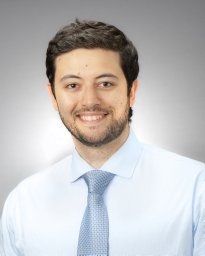 Konstantinidis Ioannis合作论文数Department of Medicine, Icahn School of Medicine at Mount Sinai3Jeffrey A. Golden合作论文数Department of Pathology, Brigham and Women’s Hospital;Harvard Medical School3Morrell Matthew R合作论文数3Gries Cynthia J合作论文数3
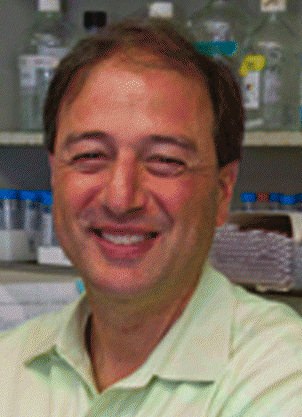 Alan Wells合作论文数Department of Pathology, School of Medicine, University of Pittsburgh;Department of Bioengineering, School of Medicine, University of Pittsburg;VA Pittsburgh Healthcare System University Drive Division3Brown Mark J合作论文数3
 John C Sembrat合作论文数Vascular Medicine Institute, University of Pittsburgh;School of Medicine, University of Pittsburgh3Brack G. Hattler合作论文数3
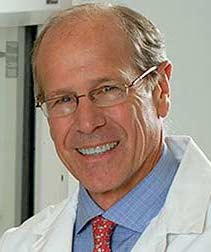 Bartley P. Griffith合作论文数School of Medicine, University of Maryland;Breethe, Inc.;Edwards Lifesciences LLC;ABIOMED, Inc.3
 Mary Amanda Dew合作论文数Department of Psychology, School of Medicine and Medical Center, University of Pittsburgh3
 Bryan J. Mcverry合作论文数Center for Translational Respiratory Medicine, Johns Hopkins University School of Medicine3
 Darrell J. Triulzi合作论文数Institute for Transfusion Medicine, School of Medicine, University of Pittsburgh;Division of Transfusion Medicine, Department of Pathology, University of Pittsburgh3




