Distraction has been a behavior evaluated among drivers and more recently pedestrians but remains understudied among bicyclists. Demographic variables have often been used to differentiate those who are likely to be distracted. However, there are differing conclusions about demographic influences of distracted bicycling and even distraction’s relationship itself to bicycle safety. This study observed bicyclist distraction and safety behaviors, along with possible demographic factors that could predict these behaviors. The authors observed cyclists on the Elizabeth River Trail, a bicyclist/pedestrian shared trail that covers 10.5 miles of an urban area. During data collection, observers collected data about the direction the cyclist was traveling, if they were with children, if they were wearing a helmet, if a distraction was present, and the type of distraction, if applicable (e.g., hand-held use of mobile phones, wearing headphones, eating, drinking). Observers also recorded participants’ perceived sex and estimated age. Frequency analyses revealed that 55.4% of 426 cyclists were not helmeted and 30.0% were distracted. The most common distraction was wearing headphones (19.5% of total cyclists observed). No significant relationship was found between helmet use and distraction. Younger cyclists were more likely than older cyclists to not wear a helmet and be distracted. These findings show a high prevalence of behaviors that may impact safety on designated cycling paths. The significant number of cyclists without a helmet and being distracted should create concern for potential injury risks to bicyclists on trails being built within urban areas if those bicyclists were to crash.
At the 7th International Conference on Traffic and Transport Psychology (ICTTP), I made a comment that our special issue to come from 10 selected papers could be augmented by one more: a brief history of ICTTP, its home division (Division 13 of the International Association of Applied Psychology, or IAAP), and flagship journal (Transportation Research Part F: Traffic Psychology and Behaviour, or TRF). This paper is the result of that suggestion. What follows is not an empirical article that readers are accustomed to finding in TRF. It is a narrative that introduces readers to a few key individuals and moments in time that were critical in the creation of these three components of the traffic psychology discipline. The history in this paper could not be comprehensive, for as I explored the public record and spoke with or received email communications and documents from 12 individuals who were among the founders or knew critical details about their actions, I discovered there is so much more material worthy of exploration than could be addressed in this one manuscript. Alas, I am limited to introducing our historical organization only as a launching point for readers and me to have a foundation to research more. Readers will learn (and for some be reminded) of the discipline's international organizational roots. We as a community have benefited in significant ways from these founding members. It is time to give them their due.
Overreliance on cars can promote individual, environmental, economic and social problems, requiring the development of measures to encourage more sustainable transport options. We report a cross-cultural study conducted in Brazil ( n = 312) and the United States ( n = 518) investigating the applicability of a psychological model in predicting use of public transport. Results indicated the model is equivalent across samples, regarding both the measures and the relations between the variables. Intention was a strong predictor of public transport behaviour, explaining 49% of the variance. Intention was mainly influenced by perceived behavioural control, explaining 55% of the variance, suggesting that the more people perceive public transportation as an easy behaviour, the greater their intention to use it. Social aspects have appeared as more relevant in the formation of attitudes than pro-environmental concern, suggesting that measures should highlight what social impacts will result from the use of public transport.
Seat belt use is a critical topic to investigate, as a significant number of deaths occur each year due to a lack of seat belt use (Calisir and Lehto, Accid Anal Prev 34:793–805, 2002. https://doi.org/10.1016/S00014575(01)00079-3 ; Lerner et al. in Accid Anal Prev 33:659–662, 2001. https://doi.org/10.1016/S00014575(00)00080-4 ]. Several model approaches to analyzing seat belt use include beta binomial, generalized estimation equation (GEE) including generalized linear models (GLM), and weighting probability; however, many models show limitations due to the computational challenge, temporal and spatial components, categorical variables or groupings, confounding factors, and design aspects. In this manuscript, we investigated seat belt use in Virginia using novel methods, with comparisons between gender, locations, vehicle type, road classification (road class), and road segment length. Moreover, because of the unbalanced sample categories, classical methods were not appropriate. We proposed two alternatives for such big data analyses, also taking into consideration multilevel models of hierarchical data and a bivariate model with copula dependence under a Gaussian version. The methods we proposed allowed us to predict seat belt use for subsequent years with the prospect of innovative research tools that involved dependence within and between groups in the multilevel context.
Speeding as a cause of fatal crashes is well-documented. For example, in the United States (our home country), at least one driver was speeding in 26% of traffic fatalities (2018 data, latest available; National Center for Statistics and Analysis, 2020). There are significant economic impacts, too. In the United States, the economic costs of speed-related crashes were $52 billion in 2010, or an average of $168 per person (Blincoe et al., 2015; also see CDC, 2014). Developing countermeasures to reduce speeding is worth the efforts required for public safety and economics. Our chapter provides the latest, best practice information for understanding speeding's prevalence as well as its countermeasures. Our goal is to produce concrete suggestions for how the behavior is shaped so that readers know how to build programs to address its reduction. The chapter considers how preventing speeding is also critical to protect the public commons of the roadway (Ruckelshous, 1998). We note given the human costs, that it is imperative for future research to: (1) focus on driver speeding as a central public health concern, (2) continue to develop effective countermeasures, and (3) examine how to break barriers (cultural and policy ones) to their implementation.
Problem: Several approaches to analyze survey data have been proposed in the literature. One method that is not popular in survey research methodology is the use of item response theory (IRT). Since accurate methods to make prediction behaviors are based upon observed data, the design model must overcome computation challenges, but also consideration towards calibration and proficiency estimation. The IRT model deems to be offered those latter options. We review that model and apply it to an observational survey data. We then compare the findings with the more popular weighted logistic regression. Method: Apply IRT model to the observed data from 136 sites within the Commonwealth of Virginia over five years collected in a two stage systematic stratified proportional to size sampling plan. Results: A relationship within data is found and is confirmed using the weighted logistic regression model selection. Practical Application: The IRT method may allow simplicity and better fit in the prediction within complex methodology: the model provides tools for survey analysis.
Background: Distracted pedestrian behavior is a significant public health concern, as research suggests distracted pedestrians have significantly higher risk of injury compared to fully attentive pedestrians. Despite this, efforts to reduce distracted pedestrian behavior are scant. Objective: Using a repeated measures experimental research design, we implemented a behavioral intervention to reduce distracted pedestrian behavior in the high-risk environment of an urban college campus and simultaneously monitored behavior on a control urban college campus not exposed to the intervention. We had two primary aims: reduce perceived vulnerability to injury among individual pedestrians and reduce distracted pedestrian behavior in the environment through a change in community-based norms.Methods: The hallmark of the behavioral intervention was a week-long opportunity for community members to experience personally the risks of distracted pedestrian behavior by attempting to cross a virtual pedestrian environment street while text-messaging. This was supplemented by traditional and social marketing and publicity through various campus partners. A sample of 219 individuals completed self report surveys about perceived vulnerability to distracted pedestrian injury before experiencing the distracted virtual street-crossing and again after 2 weeks and 5 months. Observational assessment of distracted pedestrian behavior was conducted at a busy intersection on the campus as well as at a control campus not exposed to the intervention at baseline, post-intervention, 10 weeks, and 6 months. Results: The intervention achieved mixed results. Individuals exposed to texting within a simulated pedestrian environment reported changes in their intentions to cross streets while distracted and in perceived vulnerability to risk while crossing streets, but we did not witness evidence of changed community norms based on observed rates of distracted pedestrian behavior before and after the intervention compared to a control campus not exposed to the intervention.Discussion: The intervention created some change in self-reported intentions and thoughts but did not create significant behavior change on the campus exposed to it. Further efforts to develop interventions that will yield a reduction in distracted pedestrian behavior are needed. (C) 2017 ElSevier Ltd. All rights reserved.
Pedestrian injuries injure about 180,000 individuals and kill 6000 each year in the United States, and pedestrian injury rates have increased each of the last several years. Distracted pedestrian behavior may play a role in the trend of increasing risk for pedestrian injury. Using in vivo behavioral coding over the course of two weeks on two urban college campuses, this study aimed to (1) understand the type and rate of distractions engaged in by pedestrians on urban college campuses, and (2) investigate the impact of distraction on street-crossing safety and behavior. A total of 10,543 pedestrians were observed, 90% of them young adults. Over one-third of those pedestrians were distracted while actively crossing roadways. Headphones were the most common distraction (19% of all pedestrians), followed by text-messaging (8%) and talking on the phone (5%). Women were more likely to text and talk on the phone than men, and men were more likely to be wearing headphones. Distracted pedestrians were somewhat less likely to look for traffic when they entered roadways. As handheld device usage continues to increase, behavioral interventions should be developed and implemented. Changes to policy concerning distracted pedestrian behavior, including improvement of the built environment to reduce pedestrian risk, should be considered in busy pedestrian areas like urban college campuses.
Sleep apnea increases risk of driving crashes when left untreated. This study examined the driving performance decrements of untreated, undiagnosed sleep apnea drivers compared with healthy controls in a monotonous highway driving simulator task. It was hypothesized that the sleep apnea group would perform worse during a driving simulator test compared with the control group. A significant group by time interaction occurred indicating that sleep apnea participants' performance degraded more quickly over the course of the drive. In contrast with previous studies, this sleep apnea group did not include sleep disorder center patients, but rather community volunteers whose screening indicated a significant apnea/hypopnea index of 15 or greater. There may be inherent differences between patients and nonpatients with sleep apnea, as patients may have a more significant impact on their quality of life, causing them to seek treatment. Still, the results are clear that although the sleep apnea group drove similarly to the control group at the start of the drive, they are sensitive to time on task effects. These results support the need to diagnose and treat sleep apnea.
Rectangular Rapid-Flash Beacons (RRFBs) are safety measures that have become popular in recent years in the USA. Such equipment has demonstrated effectiveness in reducing vehicle speed and conflicts among road users, and increasing drivers' yielding to pedestrians. However, RRFB effects on pedestrian behaviors are less well documented, and perhaps could produce contraindicated effects in crossing behavior. Specifically, RRFBs may give pedestrians a feeling of protection and induce them to more risk-taking when crossing the road. The current study was designed to investigate drivers and pedestrians' reactions to a RRFB system installed at a university campus located in Virginia, USA. We deployed (a) field observation, using a multiple pretest/posttest non-equivalent control group quasi experiment design and (b) interviews of students throughout the project's multiple time periods. In total, 2454 pedestrians and 1312 drivers were observed and 265 students were interviewed. RRFB installations did not distinguish driver yielding likelihood between sites with or without RRFBs. However, driver yielding overall increased linearly over the five rounds of the study. Whether this was the result of the general presence of RRFBs on campus from the third round to the end of the fifth round is unknown. There is evidence from person interviews that students perceived increased safety for pedestrians over time. Being a RRFB chosen site or actual activation of the RRFBs did not have a significant relationship with pedestrian looking behavior either. The potential consequences of these results as well as the context of RRFB use on a university campus and generally low-speed roads are discussed. (C) 2016 Elsevier Ltd. All rights reserved.
Problem: Several approaches to analyze seatbelt use have been proposed in the literature. Two methods that has not been explored are the use of unweighted and weighted logistic regression model and the use of item response theory (IRT) or the Rasch model. Since accurate methods to predict seatbelt use behavior based upon observed data must include a builtin design method and model, and overcome computation challenges, weighted and IRT method deem to be other options for an observational survey of seat belt use in the state of Virginia. Method: The observed data from 136 sites within the Commonwealth of Virginia over two years was collected in a two stage systematic stratified proportional to size sampling plan. The data is analyzed using a weighted Rasch model. Results: A relationship between seatbelt use of drivers weighted for county aggregate population size and length of the road segment observed and the factors of vehicle type and gender standardized using a standardized scale is confirmed using logistic regression model selection and AIC analysis. IRT model was considered and was found highly significant. Practical Application: The addition of socio-economic measures, measure of road and driving difficulty, and data from other states may allow the prediction of seatbelt use with a in a new methodology: the models provide tools for policy decision-making.
Objectives: Primary enforcement laws have been shown to be effective methods for increasing seat belt use at the state level.Method: This study investigates state differences in the effectiveness of primary enforcement laws by assessing whether a state's academic achievement, health ranking, economic prosperity, violent crime rates, government effectiveness, gender distribution, or proportion of rural roads moderate the relationship between those laws and seat belt compliance rates.Results: Aggregate state-level academic achievement, health ranking, government effectiveness, and proportion of rural roads uniquely moderated the seat belt use differences between primary and secondary enforcement states.Conclusions: This evidence suggests that cultural, social, and demographic differences among regions may be important factors in explaining state-level differences in the effectiveness of primary enforcement of seat belt laws. (C) 2014 Elsevier Ltd. All rights reserved.
OBJECTIVE:In this article, the authors investigated the effectiveness of a behavior modification program using global positioning system (GPS) vehicle tracking devices with contingency incentives and disincentives to reduce the speeding behavior of drivers with ADHD.METHOD:Using an AB multiple-baseline design, six participants drove a 5-mile stable driving route weekly while GPS devices recorded speeds. The dependent variable was percentage of feet speeding. Following an initial baseline period, five participants received treatment. One participant remained at baseline.RESULTS:Visual inspection of individual participant graphs, reductions in mean percentages of speeding from baseline to treatment across participants (M = 82%), C-statistic analyses, and visual graphs with applied binomial formula supported a treatment effect. The between-participant analysis using R n Test of Ranks was significant, R n = 6, p < .01, and complemented a clean multiple-baseline result.CONCLUSION:Results indicated that this treatment program was effective in reducing speeding by drivers with ADHD and warrants replication.
 Thomas D. Berry合作论文数Dept Psychol, Christopher Newport Univ9
 Kristie L. Johnson合作论文数6
 Turker Ozkan合作论文数6Timo Juhani Lajunen合作论文数Department of Psychology, Norges Teknisk-Naturvitenskapelige Universitet4M. K Cobern合作论文数4
 David C. Schwebel合作论文数Department of Psychology, College of Arts and Sciences, The University of Alabama at Birmingham3Kristie L. Hebert Martinez合作论文数3William O Dwyer合作论文数3
 Norou Diawara合作论文数Old Dominion University3F. C. Leeming合作论文数3Kelli England Will合作论文数2Krystall E. Dunaway合作论文数2Frank C. Leeming合作论文数2Leslie A. Mcclure合作论文数2
 Ingrid Neto合作论文数Department of Psychology, University of the Federal District – UDF2
 David Sleet合作论文数Centers for Disease Control and Prevention, National Center for Injury Prevention and Control2William O. Dwyer合作论文数2Jennifer F. May合作论文数Old Dominion University2
 Jennifer Ann Morrow合作论文数2
 James Bliss合作论文数Old Dominion University2J. Ware合作论文数1
 Caroline Machado合作论文数1John Mark Jackson合作论文数1Hayley Wells合作论文数1Jeffrey P Michael合作论文数1Jihan Kannane合作论文数1Hodaya Levy合作论文数1Rosa Surinach合作论文数1Jan Eusebio合作论文数1
 Cristiano Martins Monteiro合作论文数1Sonali Nandavar合作论文数1
 Filip Fors Connolly合作论文数Dept Sociol, Umea Univ1Cláudia A. Soares Machado合作论文数Polytech Sch, Univ Sao Paulo1
 An-Magritt Kummeneje合作论文数Department of Psychology, Norwegian University of Science and Technology1
 Paul Boase合作论文数1Soheil Sohrabi合作论文数1
 David Rodwell合作论文数Centre for Accident Research & Road Safety-Queensland (CARRS-Q),, Queensland University of Technology (QUT),1Paweł Gołda合作论文数Air Force Inst Technol1
 Haneen Khreis合作论文数School of Clinical Medicine, University of Cambridge1
 Milad Mehdizadeh合作论文数NTNU, Norwegian University of Science and Technology1
 Hanne Sundfør合作论文数1Mariusz Izdebski合作论文数Fac Transport, Warsaw Univ Technol1
 Ilona Jacyna-Gołda合作论文数Faculty of Production Engineering, Warsaw University of Technology1
 Mohsen Fallah Zavareh合作论文数Dept Civil Engn, Kharazmi Univ1
 Fernando Tobal Berssaneti合作论文数Polytech Sch, Univ Sao Paulo1
 Emilian Szczepański合作论文数Fac Transport, Warsaw Univ Technol1Teresa Senserrick合作论文数Ctr Accid Res & Rd Safety Queensland CARRS Q, Queensland Univ Technol QUT1
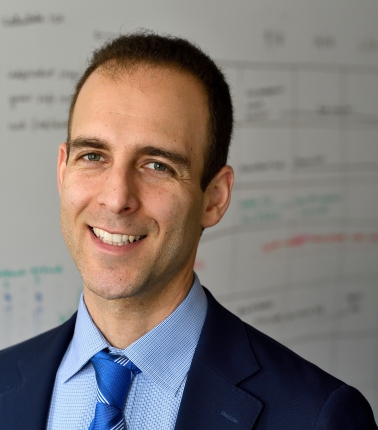 Johnathon P. Ehsani合作论文数Health Policy and Management, Bloomberg School of Public Health, Johns Hopkins University1
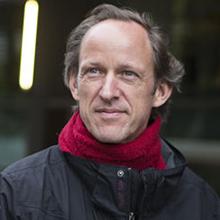 Mark J Nieuwenhuijsen合作论文数Instituto de Salud Global de Barcelona1




