Language holds power & can harm: @justin_p_boyle and Justin Bullock explore the cisheteropatriarchy and epistemic violence regarding language in #MedEd.
Previous eras of assessment in medical education have been defined by how assessment is done, from knowledge exams popularized in the 1960s to the emergence of work-based assessment in the 1990s to current efforts to integrate multiple types and sources of performance data through programmatic assessment. Each of these eras was a response to why assessment was performed (e.g., assessing medical knowledge with exams; assessing communication, professionalism, and systems competencies with work-based assessment). Despite the evolution of assessment eras, current evidence highlights the graduation of trainees with foundational gaps in the ability to provide high-quality care to patients presenting with common problems, and training program leaders report they graduate trainees they would not trust to care for themselves or their loved ones. In this article, the authors argue that the next era of assessment should be defined by why assessment is done: to ensure high-quality, equitable care. Assessment should place focus on demanding graduates possess the knowledge, skills, attitudes, and adaptive expertise to meet the needs of all patients and ensuring that graduates are able to do this in an equitable fashion. The authors explore 2 patient-focused assessment approaches that could help realize the promise of this envisioned era: entrustable professional activities (EPAs) and resident sensitive quality measures (RSQMs)/TRainee Attributable and Automatable Care Evaluations in Real-time (TRACERs). These examples illustrate how the envisioned next era of assessment can leverage existing and new data to provide precision education assessment that focuses on providing formative and summative feedback to trainees in a manner that seeks to ensure their learning outcomes prepare them to ensure high-quality, equitable patient outcomes.
Graduate medical education (GME), the period of specialty and subspecialty training following attainment of a medical degree, is the final step in a continuum of medical education culminating in independent physician practice. This manuscript uses the metaphor "our house" to describe all aspects of the GME environment in which health care professionals and trainees learn and work. Our house's inhabitants have unequivocally stated that our house is in a state of disrepair. While physicians-in-training inevitably face challenges on their journey to independent practice, those from historically marginalized backgrounds face these challenges compounded by the disproportionate impact of identity-based harms. The authors use critical and liberatory theories to explore dominant power dynamics in GME, classifying identity-based harms as silence, pain, and despair. To strive for true transformation, the authors advocate for a new set of house rules, a different way of coexisting based on the principles of liberatory design. The authors call on readers to rebuild the house of GME by drawing parallels between the foundational human values of peace, love, and hope and the educational principles of psychological safety, identity safety, and belonging. To transform GME, our community must make space in our house for all individuals to join and, indeed, to rebuild together.
@meekslisa and @jbullockruns in @MedEd_Journal highlight the struggles of disabled students and call for strategic disruptions to dismantle ableism and foster inclusion in #HPE. #DocsWithDisabilities #MedTwitter #MedEd
This cohort study examines the prevalence of burnout among students underrepresented in medicine by race and ethnicity with multiple disability types.
Purpose:Increased attention to improving a culture of belonging in clinical learning environments has led to various approaches to addressing microaggressions. However, most approaches in the literature focus on responding or reacting to microaggressions with insufficient attention to building trust before microaggressions might occur. Research on microaggressions in clinical learning environments suggests anticipatory or pre-emptive conversations about microaggressions may foster greater trust. In this study, the authors explored how diverse participants perceived the experience of anticipatory conversations about potential microaggressions. Overall, the authors sought to gain a deeper understanding of how pre-emptive and anticipatory conversations may influence an organization's approach to addressing microaggressions in clinical learning environments.Methods:The authors utilized constructivist grounded theory methodology and conducted individual qualitative interviews with 21 participants in an academic department within a larger health sciences center in the United States.Results:Findings suggest that anticipatory conversations about microaggressions were challenging due to existing norms in dynamic clinical learning and working environments. Participants shared that the idea of anticipating microaggressions elicited dissonance. Conversations about microaggressions could potentially be facilitated through leaders who role model vulnerability, organizational supports, and an individualized approach for each team member and their role within a complex hierarchical organization.Discussion:Anticipating and addressing microaggressions in clinical learning environments holds tremendous potential, however, any conversations about personal identity remain challenging in medical and healthcare environments. This study suggests that any attempts to address microaggressions requires attention to cultural norms within healthcare environments and the ways that hierarchical organizations can constrain individual agency.
Assessing learners is foundational to their training and developmental growth throughout the medical education continuum. However, growing evidence shows the prevalence and impact of harmful bias in assessments in medical education, accelerating the urgency to identify solutions. Assessment bias presents a critical problem for all stages of learning and the broader educational system. Bias poses significant challenges to learners, disrupts the learning environment, and threatens the pathway and transition of learners into health professionals. While the topic of assessment bias has been examined within the context of measurement literature, limited guidance and solutions exist for learners in medical education, particularly in the clinical environment. This article presents an overview of assessment bias, focusing on clinical learners. A definition of bias and its manifestations in assessments are presented. Consequences of assessment bias are discussed within the contexts of validity and fairness and their impact on learners, patients/caregivers, and the broader field of medicine. Messick’s unified validity framework is used to contextualize assessment bias; in addition, perspectives from sociocultural contexts are incorporated into the discussion to elaborate the nuanced implications in the clinical training environment. Discussions of these topics are conceptualized within the literature and the interventions used to date. The article concludes with practical recommendations to overcome bias and to develop an ideal assessment system. Recommendations address articulating values to guide assessment, designing assessment to foster learning and outcomes, attending to assessment procedures, promoting continuous quality improvement of assessment, and fostering equitable learning and assessment environments.
This Clinical Perspectives will examine how trainees navigate the disclosure of mental health concerns to supervisors. The role of the training program’s response and best practices will be discussed.
IntroductionIdentity threats, such as stereotype threat and microaggressions, impair learning and erode well-being. In contrast to identity threat, less is known about how learners experience feelings of safety regarding their identity. This exploratory study aims to develop a theory of identity safety in the clinical learning environment. MethodsThis multi-institutional, qualitative interview study was informed by constructivist grounded theory and critical pedagogy. Participants were clinical students at three public medical schools in the United States in 2022. Investigators purposively sampled participants for interviews based on their responses to an 11-item survey with an open-ended question soliciting students' personal identities and responses to both the racial/ethnic and gender Stereotype Vulnerability Scales. The investigators interviewed, coded, constantly compared and continued sampling until the codes could be developed into categories, then concepts and finally into a theory. The team engaged in critical reflexivity throughout the analytic process to enrich data interpretations. ResultsSixteen diverse students were interviewed. We organised their identity-salient experiences into identity threat, threat mitigation and identity safety. Participants experienced identity threat through unwelcoming learning environments, feeling compelled to change their behaviour in inauthentic ways or sociopolitical threat. Threat mitigation occurred when a participant or supervisor intervened against an identity threat, dampening but not eliminating the threat impact. Participants characterised identity safety as the ability to exist as their authentic selves without feeling the need to monitor how others perceive their identities. Identity safety manifested when participants demonstrated agency to leverage their identities for patient care, when others upheld their personhood and saw them as unique individuals and when they felt they belonged in the learning environment. DiscussionAttending to identity safety may lead to educational practices that sustain and leverage team members' diverse identities. Identity safety and threat mitigation may work together to combat identity threats in the learning environment.
1Division of Nephrology, Kidney Research Institute, University of Washington, Seattle, Washington 2Nephrology Section, VA Puget Sound Health Care System, Seattle, Washington Correspondence: Dr. Yoshio N. Hall, Kidney Research Institute, University of Washington, 325 9th Avenue, Box 359606, Seattle, WA 98104. Email: [email protected] Published online ahead of print. Publication date available at www.cjasn.org. See related article, “Social Determinants of Health and Their Impact on the Black Race Coefficient in Serum Creatinine–Based Estimation of GFR: Secondary Analysis of MDRD and CRIC Studies,” on pages 446–454.
Background Despite similar numbers of women and men in internal medicine (IM) residency, women face unique challenges. Stereotype threat is hypothesized to contribute to underrepresentation of women in academic leadership, and exploring how it manifests in residency may provide insight into forces that perpetuate gender disparities. Objective To quantify the prevalence of stereotype threat in IM residency and explore experiences contributing to that stereotype threat. Design We used a mixed methods study design. First, we surveyed IM residents using the Stereotype Vulnerability Scale (SVS) to screen for stereotype threat. Second, we conducted focus groups with women who scored high on the SVS to understand experiences that led to stereotype threat. Participants The survey was sent to all IM residents at University of California, San Francisco (UCSF), in September–November 2019. Focus groups were conducted at UCSF in Spring 2020. Approach The survey included an adapted version of the SVS. For focus groups, we developed a focus group guide informed by literature on stereotype threat. We used a thematic approach to data analysis. The mixed methods design enabled us to draw metainferences by integrating the two data sources. Key Results Survey response rate was 61% (110/181). Women were significantly more likely than men to have a score indicating stereotype threat vulnerability (77% vs 0%, p < 0.001). Four themes from focus groups characterized women’s experiences of gender bias and stereotype threat: gender norm tension, microaggressions and sexual harassment, authority questioned, and support and allyship. Conclusions Gender-based stereotype threat is highly prevalent among women IM residents. This phenomenon poses a threat to confidence and ability to execute patient care responsibilities, detracting from well-being and professional development. These findings indicate that, despite robust representation of women in IM training, further attention is needed to address gendered experiences and contributors to women’s vulnerability to stereotype threat.
Purpose Microaggressions targeting clinical learners cause harm and threaten learning. Clinical supervisors can be powerful allies by intervening when microaggressions occur. This study explored general and student-nominated skilled supervisors’ perspectives on responding to microaggressions targeting clinical learners. Method This single-institution, qualitative study within a constructivist paradigm explored faculty supervisor experiences with bystander response to microaggressions targeting learners. Clinical supervisors in medicine and surgery departments and those across departments nominated by students as skilled microaggression responders were invited to discuss microaggression scenarios targeting students in semistructured focus groups in the U.S. in 2020–2021. Investigators applied the framework method of thematic analysis to identify themes. Results Forty-two faculty (31 medicine and surgery [“general”], 11 “student-nominated” as skilled responders) joined 10 focus groups (6 “general,” 3 “student-nominated,” 1 mixed). Four themes characterized experiences responding to microaggressions targeting learners: bystander goals, noticing, acting, and continuous learning. Participants’ response goals were protecting learners, safeguarding learning, and teaching microaggression response skills. Noticing was influenced by past experiences with microaggressions and acculturation to clinical environments. Bystander action stemmed from (1) microaggression type, (2) personal emotional vulnerability, (3) knowledge of student preferences for supervisor response, and (4) clinical and educational context. Bystander action was more common when participants regarded all microaggressions as harmful, understood student preferences for faculty response, expected to err (growth mindset), and framed microaggressions as opportunities for humble reflection, intellectual candor, and teaching. Microaggression response required continuous learning through informal and formal skills development. Conclusions Complex factors govern faculty bystander response to microaggressions targeting clinical learners. Efforts to strengthen faculty bystander response should incorporate skill-building around preemptive discussions with learners and using intellectual candor to promote psychological safety, learning, and bystander action. Additional investigation is needed on how to incorporate these skills into team workflows and to assess outcomes of specific response strategies.
PurposeProfessionalism has historically been viewed as an honorable code to define core values and behaviors of physicians, but there are growing concerns that professionalism serves to control people who do not align with the majority culture of medicine. This study explored how learners, particularly those from historically marginalized groups, view the purpose of professionalism and how they experience professionalism as both an oppressive and valuable force.MethodThe authors conducted a qualitative study with a critical orientation. In 2021 and 2022, they interviewed fourth-year medical students and senior residents at 3 institutions about their perceptions and experiences of professionalism. After cataloguing participants’ stories, the authors combined critical theory with narrative and thematic analysis to identify mechanisms by which professionalism empowered or disempowered individuals or groups based on identities.ResultsForty-nine trainees (31 medical students and 18 senior residents from multiple specialties) participated in interviews; 17 identified as a race/ethnicity underrepresented in medicine and 15 as people of color not underrepresented in medicine. Their stories, especially those of participants underrepresented in medicine, identified professionalism as an oppressive, homogenizing force that sometimes encoded racism through various mechanisms. These mechanisms included conflating differences with unprofessionalism, enforcing double standards of professionalism, and creating institutional policies that regulated appearance or hindered advocacy. Participants described deleterious consequences of professionalism on their learning and mental health. However, participants also described useful aspects of professionalism as a means of advocating for marginalized groups. Additionally, participants described how they reconceived professionalism to include their own identities and values.ConclusionsTrainees, especially those from historically marginalized groups, experience professionalism as a restrictive, assimilative force while also finding value in and constructive adaptations for professionalism. Understanding both the destructive and empowering aspects of professionalism on individual and institutional levels can help improve the framing of professionalism in medical education.
ObjectiveTo understand how patients and primary care practitioners (PCPs) discuss racism and their perspectives on having these conversations during primary care visits. Data Sources/Study SettingWe conducted semi-structured interviews from September 2020-March 2021 at a Federally Qualified Health Center in the San Francisco Bay Area. Study DesignWe conducted an inductive qualitative descriptive pilot study using one-on-one, semi-structured interviews with 5 members of a Patient Advisory Council and 10 internal medicine PCPs. Data Collection/Extraction MethodsInterviews were conducted via video conferencing, recorded, and transcribed. An iterative analytic process was used to thematically assess participants' experiences and perspectives and identify key themes. Principal FindingsPatients and PCPs identified benefits from engaging in conversations about racism during primary care visits and noted challenges and concerns. Patients and PCPs highlighted strategies to advance communication about racism in primary care. ConclusionsInitiating conversations about racism with patients in primary care can be meaningful, but also has risks. More research is needed for deeper exploration of patients' perspectives and development of trainings. Improving how PCPs communicate with patients about racism represents an opportunity to advance antiracism in medicine and improve health outcomes for individuals who have historically been poorly served by our health care system.
PurposeJournals have begun to expand the racial diversity of editors as a first step to countering institutional racism. Given the power editors hold as gatekeepers, a diverse team helps ensure that minoritized scholars have equal opportunity to contribute. In 2021, Teaching and Learning in Medicine (TLM) created an editorial internship for racially minoritized individuals. This study examines the first 6 months of this program to better understand its creation and initial successes.MethodThe authors employed critical collaborative autoethnography, a qualitative methodology, focusing on the underlying assumptions around power and hierarchy that are implicit in the design and implementation of the TLM internship. Participants included 13 TLM editorial board members (10 internship selection committee members, 3 mentors, 2 independent researchers), 3 external selection committee members, and 3 interns, with some holding multiple roles. Ten participants served as authors of this report. Data included archival emails, planning documents, and focus groups. The initial analysis explored what happened and how and was followed by a thematic analysis in which participants reflected on their responsibility for implementing an antiracist program.ResultsWhile the program developed interns' editorial skills, which they greatly valued, and diversified the TLM editorial board, it did not achieve the goal of fostering antiracism. Mentors focused on conducting joint peer reviews with interns, assuming that racial experiences can and should be separate from the editorial process, thus working within, rather than trying to change, the existing racist system.ConclusionsGiven these findings, greater structural change is needed to disrupt the existing racist system. These experiences underscore the importance of recognizing the harmful impact a race-neutral lens can have on antiracist efforts. Moving forward, TLM will implement lessons learned ahead of offering the internship again with the goal of creating the transformative change intended with the creation of the program.
Problem Clerkship grades contribute to a summative assessment culture in clerkships and can therefore interfere with students' learning. For example, by focusing on summative, tiered clerkship grades, students often discount accompanying feedback that could inform future learning. This case report seeks to explore whether an assessment system intervention which eliminated tiered grades and enhanced feedback was associated with changes in student perceptions of clerkship assessment and perceptions of the clinical learning environment. Intervention: In January 2019, our institution eliminated tiered clerkship grading (honors/pass/fail) for medical students during the core clerkship year and implemented pass/fail clerkship grading along with required twice weekly, work-based assessments for formative feedback. Context: In this single institution, cross-sectional survey study, we collected data from fourth-year medical students one year after an assessment system intervention. The intervention entailed changing from honors/pass/fail to pass/fail grading in all eight core clerkships and implementing an electronic system to record twice-weekly real-time formative work-based assessments. The survey queried student perceptions on the fairness and accuracy of grading and the clinical learning environment-including whether clerkships were mastery- or performance-oriented. We compared responses from students one year after the assessment intervention to those from the class one year before the intervention. Comparisons were made using unpaired, two-tailed t-tests or chi-squared tests as appropriate with Cohen's d for effect size estimation for score differences. Content analysis was used to analyze responses from two open-ended questions about feedback and grading. Impact: Survey response rates were similar before and after intervention (76% (127/168) vs. 72% (118/163), respectively) with no between-group differences in demographics. The after-intervention group showed statistically significant increases in the following factors: "grades are transparent and fair" (Cohen's d = 0.80), "students receive useful feedback" (d = 0.51), and "resident evaluation procedures are fair" (d = 0.40). After-intervention respondents perceived the clerkship learning environment to be more mastery-oriented (d = 0.52), less performance approach-oriented (d = 0.63), and less performance avoid-oriented (d = 0.49). There were no statistical differences in the factors "attending evaluation procedures are fair," "evaluations are accurate," "evaluations are biased," or "perception of stereotype threat." Open-ended questions revealed student recommendations to improve clerkship summary narratives, burden of work-based assessment, and in-person feedback. Lessons Learned: After an assessment system change to pass/fail grading with work-based assessments, we observed moderate to large improvements in student perceptions of clerkship grading and the mastery orientation of the learning environment. Our intervention did not improve perceptions around bias in assessment in clerkships. Other medical schools may consider similar interventions to begin to address student concerns with clerkship assessment and promote a more adaptive learning environment.
Purpose This study explores medical students' perspectives on the key features of ideal supervisor responses to microaggressions targeting clerkship medical students. Method This single-institution, qualitative focus group study, based in an interpretivist paradigm, explored clerkship medical students' perceptions in the United States, 2020. During semistructured focus groups, participants discussed 4 microaggression scenarios. The authors employed the framework method of thematic analysis to identify considerations and characteristics of ideal supervisor responses and explored differences in ideal response across microaggression types. Results Thirty-nine students participated in 7 focus groups, lasting 80 to 92 minutes per group. Overall, students felt that supervisors' responsibility began before a microaggression occurred, through anticipatory discussions ("pre-brief") with all students to identify preferences. Students felt that effective bystander responses should acknowledge student preferences, patient context, interpersonal dynamics in the room, and the microaggression itself. Microassaults necessitated an immediate response. After a microaggression, students preferred a brief one-on-one check- in with the supervisor to discuss the most supportive next steps including whether further group discussion would be helpful. Conclusions Students described that an ideal supervisor bystander response incorporates both student preferences and the microaggression context, which are best revealed through advanced discussion. The authors created the Bystander Microaggression Intervention Guide as a visual representation of the preferred bystander microaggression response based on students' discussions. Effective interventions promote educational safety and shift power dynamics to empower the student target.
Supplementary Material Please note: The publisher is not responsible for the content or functionality of any supporting information supplied by the authors. Any queries (other than missing content) should be directed to the corresponding author for the article.
As an intern with a mental illness, I approached the starting line knowing that at some point my vulnerabilities would be exposed and that hitting the wall was inevitable. I didn't know when, but if my history of mental illness was any indicator, my crash would be bad.
 Karen E. Hauer合作论文数10Tai M. Lockspeiser合作论文数Office of Medical Education, University of California School of Medicine4Amira Del Pino-Jones合作论文数3
 Lisa M. Meeks合作论文数Department of Family Medicine, University of Michigan Medical School;Meeks and Company Consulting3O'Sullivan Patricia S合作论文数3
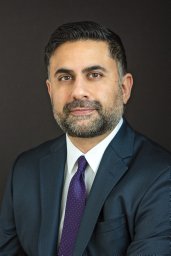 Javeed Sukhera合作论文数University of Rochester Medical Center3Cindy J Lai合作论文数2Katherine Lupton合作论文数2Prabhjot K Minhas合作论文数2
 Timothy G. Dyster合作论文数Department of Medicine, University of California2
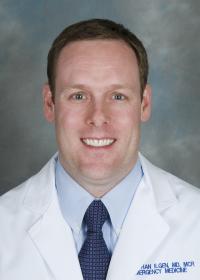 Jonathan Ilgen合作论文数Department of Emergency Medicine, University of Washington;Department of Biomedical Informatics and Medical Education, University of Washington;Medical Center, Faculty Development and Education, University of Washington;Emergency Departments, Harborview Medical Center, Faculty Development and Education, University of Washington2O'Brien Meghan合作论文数2
 P.W. Teunissen合作论文数School of Health Professions Education, Maastricht University;Maastricht UMC+;Uniformed Services University of the Health Sciences2Amy N Addams合作论文数1Anabelle Andon合作论文数1Christopher L Knight合作论文数1
 Annabel Frank合作论文数1Daniela Maristany合作论文数1Jackie Lin合作论文数1Lee Seligman合作论文数1Martha L Elks合作论文数1Priya Joshi合作论文数1Rebecca A Berman合作论文数1
 Gareth Gingell合作论文数Dell Med Sch, Univ Texas Austin1Christopher Moreland合作论文数1Mytien Nguyen合作论文数Yale School of Medicine, New Haven, CT.1Hannah Borowsky合作论文数1
 Bridget O'Brien合作论文数Ctr Fac Educators, Univ Calif San Francisco1Tengfei Zheng合作论文数1Adelaide H McClintock合作论文数1Markus D Boos合作论文数1
 Zareen Zaidi合作论文数Department of Medicine, George Washington School of Medicine and Health Sciences1
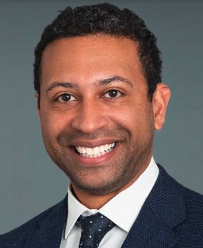 Dowin H. Boatright合作论文数Department of Emergency Medicine, Grossman School of Medicine, New York University1
 Sanziana Roman合作论文数School of Medicine, University of California, San Francisco1
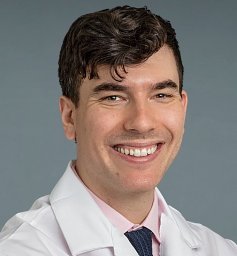 Burk-Rafel Jesse合作论文数UCL Institute of Neurology, University of Michigan Medical School1Kinnear Benjamin R合作论文数1
 Daniel Schumacher合作论文数1Hunderfund Andrea Leep合作论文数1
 Best Jennifer A合作论文数University of Washington;University of Washington1
 Yoon Soo Park合作论文数1
 Nynikka Palmer合作论文数1Mylona Elza合作论文数1
 Ashok Kumbamu合作论文数Mayo Clinic1
 Heeyoung Han合作论文数Southern Illinois University, Colorado State University1
 Pereira-Lima K合作论文数School of Medicine of Ribeirao Preto, University of São Paulo1
 Leigh S Kimberg合作论文数1Maria A. Yialamas合作论文数1
 Alicia Fernandez合作论文数Department of Medicine, School of Medicine, University of California San Francisco;Zuckerberg San Francisco General Hospital1
 Arianne Teherani合作论文数Office of Medical Education, University of California at San Francisco1




