IN PREVIOUS REPORTS (1, 2) , we have provided a detailed technical description of right hepatic trisegmentectomy and discussed the relation of this procedure to other more commonly used resections of the liver. At that time, the four standard kinds of anatomic liver resection were right lobectomy; right trisegmentectomy, extended right lobectomy; left lobectomy, and left lateral segmentectomy. We report herein upon a fifth proced ure, left hepatic trisegmentectomy, or an extended left lobectomy, with which the true left lobe of the liver and most, or all, of the anterior segment of the right lobe have been removed in continuity.
HepatologyVolume 44, Issue S1 p. 1A-36A AASLD ProgramFree Access AASLD program First published: 25 September 2006 https://doi.org/10.1002/hep.21393Citations: 1AboutPDF ToolsRequest permissionExport citationAdd to favoritesTrack citation ShareShare Give accessShare full text accessShare full-text accessPlease review our Terms and Conditions of Use and check box below to share full-text version of article.I have read and accept the Wiley Online Library Terms and Conditions of UseShareable LinkUse the link below to share a full-text version of this article with your friends and colleagues. Learn more.Copy URL Share a linkShare onFacebookTwitterLinked InRedditWechat Citing Literature Volume44, IssueS1Supplement: 57th Annual Meeting of the American Association for the Study of Liver DiseasesOctober 2006Pages 1A-36A RelatedInformation
Hepatoblastoma (HB) is the most common malignant liver tumor in children. The application of living donor liver transplantation (LDLT) in the management of unresectable HB may add new therapeutic opportunities. We evaluated the outcomes of patients who underwent liver transplantation for treatment of unresectable HB in the period between August 1985 and June 2003. Ten children had a diagnosis of unresectable HB. Mean age at transplantation was 5.8 yr. Eight patients were transplanted with deceased donor grafts. Two patients underwent LDLT. Pre-transplant chemotherapy was used in 90% of cases. Post-transplant survival ranges from 3.7 to 18.6 yr. Three patients died of recurrent disease at 4, 14 and 38 months. The two LDLT recipients were able to get pre-transplant chemotherapy with a rapid decision towards transplantation; both are alive and well at 5.5 and 11 yr post-transplant. Our experience supports the role of LDLT and deceased donor liver transplantation in the management of unresectable HB when waiting times can be detrimental to the patient's survival.
Infants with short bowel syndrome (SBS) and associated liver failure are often referred for combined liver/intestinal transplantation. We speculated that in some young children, nutritional autonomy would be possible with restoration of normal liver function. Features we believed to predict nutritional autonomy include history of at least 50% enteral tolerance, age less than 2 yr, and no underlying intestinal disease. This report documents our experience with liver transplantation alone in children with liver failure associated with SBS. Twenty-three children with SBS and end-stage liver disease, considered to have good prognostic features for eventual full enteral adaptation, underwent isolated liver transplantation. Median age was 11 months (range, 6.5 to 48 months). Median pretransplant weight was 7.4 kg (range, 5.2 to 15 kg). All had growth retardation and advanced liver disease. Bowel length ranged from 25 to 100 cm. Twenty-three children underwent 28 isolated liver transplants. There were 14 whole livers,and 14 partial grafts (five living donors). Seventeen patients are alive at a median follow-up of 57 months (range, 6 to 121 months). Actuarial patient and graft survival rates at 1 yr are 82% and 75% and at 5 yr are 72% and 60%, respectively. Four deaths resulted from sepsis, all within 4 months of transplantation, and 1 death resulted from progressive liver failure. Two allografts developed chronic rejection; both children were successfully retransplanted with isolated livers. Of 17 surviving patients, three require supplemental intravenous support; the remaining 14 have achieved enteral autonomy, at a median of 3 months (range, 1 to 72 months) after transplantation. Linear growth is maintained and, in many, catch-up growth is evident. Median change in z score for height is 0.57 (range, -4.47 to 2.68), and median change in z score for weight is 0.42 (range, -1.65 to 3.05). In conclusion, isolated liver transplantation in children with liver failure as a result of SBS, who have favorable prognostic features for full enteral adaptation, is feasible with satisfactory long-term survival.
The syndrome of multiple intestinal atresia with immunodeficiency is a rare, invariably fatal congenital disorder. At 16 months of age, a child with this syndrome underwent liver-small bowel transplantation from a 1-of-6 HLA-matched donor. He acquired full enteral tolerance and normal liver function and has never shown evidence of allograft rejection. After mild graft-versus-host disease developed, studies revealed that more than 99% of his CD3(+) lymphocytes and 50% of his CD19(+) lymphocytes were of donor origin, whereas granulocytes and monocytes remained of recipient origin. He synthesizes polyclonal immunoglobulin G (IgG), IgA, and IgM and has developed antibodies to cytomegalovirus (CMV) and parainfluenza 3. His T lymphocytes are predominately CD3(+)CD4(-)CD8(-) with T-cell receptor gammadelta heterodimers and CD3(+)CD4(-)CD8(+) with CD8alphaalpha homodimers, populations consistent with an intraepithelial lymphocyte phenotypic profile. We postulate that he has engrafted a donor intestine-derived immune system and is incapable of rejecting his engrafted organs.
Results of liver transplantation in the treatment of cholangiocarcinoma have been poor as a result of the high incidence of locoregional dissemination and tumor recurrence. This study evaluates the effect of neoadjuvant chemoradiation therapy combined with orthotopic liver transplantation in a carefully selected group of patients with hilar cholangiocarcinoma. Seventeen patients were included in the study. The neoadjuvant protocol included 6,000 cgy biliary brachy-therapy delivered through percutaneous transhepatic catheters and intravenous infusion of 5-fluorouracil (300mg/m2/day) until transplantation. Five of the 17 patients demonstrated tumor progression precluding transplantation. One patient died of sepsis on the waiting list. Eleven patients underwent liver transplantation, a median of 3.4 months (range = 1-26 months) after diagnosis. Five of the 11 (45%) are alive without evidence of tumor recurrence with a median follow up of 7.5 years (range = 2.8-14.5 years). Six deaths occurred in the transplanted patients. Tumor recurrence was responsible for two deaths at 10 and 18months, respectively, after transplantation. Three mortalities resulted from bacterial or fungal peritonitis and sepsis. One patient underwent re-transplantation for chronic rejection and died from graft failure resulting from hepatic artery thrombosis 16 months after diagnosis without evidence of tumor recurrence. Complications of transhepatic catheter placement included bile duct perforation (n = 4) and biliary-portal vein fistula (n = 1). All these patients died of tumor recurrence or sepsis. Cholangiocarcinoma should not be considered an absolute exclusion criteria for orthotopic liver transplantation. Long-term, tumor-free survival was achieved in 45% of the transplanted patients. Complications of biliary catheter placement for brachytherapy were associated with poor outcome.
American Journal of TransplantationVolume 2, Issue s3 p. 49-71 Free Access American Transplant Congress. Day-at-a-Glance, Sunday, April 28,2002 First published: 22 July 2008 https://doi.org/10.1034/j.1600-0854.2004.00009.xAboutPDF ToolsRequest permissionExport citationAdd to favoritesTrack citation ShareShare Give accessShare full text accessShare full-text accessPlease review our Terms and Conditions of Use and check box below to share full-text version of article.I have read and accept the Wiley Online Library Terms and Conditions of UseShareable LinkUse the link below to share a full-text version of this article with your friends and colleagues. Learn more.Copy URL Share a linkShare onFacebookTwitterLinked InRedditWechat Volume2, Issues3April 2002Pages 49-71 AST and ASTS members - please log in via your Society website for full journal access.AST Members >> ASTS Members >> RelatedInformation
Liver TransplantationVolume 7, Issue 10 p. 928-932 EditorialFree Access Editorial: Where monsters hide Byers W. Shaw Jr MD, Corresponding Author Byers W. Shaw Jr MD [email protected] Department of Surgery, University of Nebraska Medical Center, Omaha, NEDepartment of Surgery, University of Nebraska Medical Center, 600 S 42nd St, Omaha, NE 68198-3280. Telephone: 402-559-8272; FAX: 402-559-6749Search for more papers by this author Byers W. Shaw Jr MD, Corresponding Author Byers W. Shaw Jr MD [email protected] Department of Surgery, University of Nebraska Medical Center, Omaha, NEDepartment of Surgery, University of Nebraska Medical Center, 600 S 42nd St, Omaha, NE 68198-3280. Telephone: 402-559-8272; FAX: 402-559-6749Search for more papers by this author First published: 30 December 2003 https://doi.org/10.1053/jlts.2001.28919Citations: 23AboutPDF ToolsRequest permissionExport citationAdd to favoritesTrack citation ShareShare Give accessShare full text accessShare full-text accessPlease review our Terms and Conditions of Use and check box below to share full-text version of article.I have read and accept the Wiley Online Library Terms and Conditions of UseShareable LinkUse the link below to share a full-text version of this article with your friends and colleagues. Learn more.Copy URL Share a linkShare onEmailFacebookTwitterLinkedInRedditWechat References 1 Singer PA, Siegler M, Whittington PF, Lantos JD, Emond JC, Thistlewaite JR, Broelsch CE. Ethics of liver transplantation with living donors. N Engl J Med 1989; 321: 620–622. MEDLINE 2 Cotler SJ, McNutt R, Patil R, Banaad-Omiotek G, Morrissey M, Abrams R, et al. Adult living donor liver transplantation: Preferences about donation outside the medical community. Liver Transpl 2001; 7: 335–340. MEDLINE Citing Literature Volume7, Issue10October 2001Pages 928-932 ReferencesRelatedInformation
Sudan, Debra1; Iverson, Angie1; Weseman, Rebecca1; Kaufman, Stuart1; Horslen, Simon1; Fox, Ira1; Shaw, Byers Jr.1; Langnas, Alan1 Author Information
To review a single center's 10-year experience with liver transplantation (LTx) for the biliary atresia-polysplenia syndrome (BA-PS) and to define surgical and clinical guidelines for its management.BA is the most common indication for pediatric liver transplantation (LTx) and is associated with PS in 12% of cases. Only a few studies of LTx for BA-PS have been reported, and the optimal management of BA-PS patients undergoing LTx has yet to be determined.From July 1985 to September 1995, 166 liver transplants were performed in 130 patients with BA and were included in the study. The malformations most commonly associated with BA-PS, surgical techniques used to overcome these anomalies, and surgical pitfalls that could have contributed to the outcome were characterized. Actuarial 10-year patient and graft survival for patients undergoing LTx for BA-PS were calculated and compared to those with isolated BA.Ten patients (7.8%) with BA had associated PS. An additional patient with PS without BA was included in the study. The diagnosis of PS was unknown before the transplantation in 72% of cases. Thirteen liver transplants were performed in these 11 patients. Modifications of the usual surgical technique were used to overcome the complex anatomy encountered. There was no association between the type of anomaly and the outcome, nor were there any significant differences in patient survival (72% vs. 73.5%, p = 0.79) or graft survival (56.4% vs. 54.6%, p = 0.54).The association of BA with various anomalies should be considered a spectrum that may vary widely from patient to patient. The finding of two or more of these malformations in a patient awaiting transplantation should lead the surgeon to look systematically for other associated anomalies. With some special surgical considerations, the outcome in BA-PS patients should not differ from those with isolated BA.
Liver transplantation is the treatment of choice for end stage liver disease and not a treatment specifically for portal hypertension. A patient with complications of portal hypertension must be evaluated for the presence, etiology, and severity of liver disease to determine the most appropriate therapy. In a Child's Class A patient, who would not be a liver transplant candidate for two to three years, surgical shunts may be indicated. Shunt surgery, however, does not address the underlying liver disease. Liver transplantation is reserved for the patient with complications of cirrhosis (such as ascites, encephalopathy, malnutrition, intractable pruritus, and variceal hemorrhage) for whom no other form of therapy exists.
 Alan N. Langnas合作论文数Division of Transplant Surgery, Department of Surgery, College of Medicine, University of Nebraska Medical Center17
 Shunzaburo Iwatsuki合作论文数University of Pittsburgh12R P Wood合作论文数11
 Thomas E. Starzl合作论文数University of Pittsburgh10
 Debra L. Sudan合作论文数Division of Abdominal Transplantation, Department of Surgery, Duke University10
 Bob Stratta合作论文数Wake Forest University Baptist Medical Center;Wake Forest Institute of Regenerative Medicine, School of Medicine, Wake Forest University8I. J. Fox合作论文数8
 Robert D Gordon合作论文数Department of Psychology, North Dakota State University6
 Michael Sorrell合作论文数University of Nebraska Medical Center6
 Rodney S. Markin合作论文数Department of Pathology, Microbiology and Immunology, College of Medicine, University of Nebraska Medical Center5Todd Pillen合作论文数5Jeremiah Donovan合作论文数5Bj Zitelli合作论文数4J. Carlton Gartner合作论文数4
 David H. Van Thiel合作论文数Rush University Medical Center;Rush Oak Park Hospital;University of Pittsburgh3Wendy J. Grant合作论文数3
 Jean F Botha合作论文数University of Nebraska;Univesity of Nebraska;University of Nebraska, Univesity of Nebraska3J. Jeffrey Malatack合作论文数3
 Rebecca A Weseman合作论文数2J. T. Rosenthal合作论文数2
 Goran Klintmalm合作论文数Baylor University Medical Center2
 Ronald Busuttil合作论文数Division of Liver and Pancreas Transplantation, Department of Surgery, University of California, Los Angeles;Jonsson Comprehensive Cancer Center, University of California, Los Angeles2Robert R. Schade合作论文数2David R. Mack合作论文数2Thomas Heffron合作论文数2Gail L Woods合作论文数2
 Lewis W Teperman合作论文数2Wagner C. Marujo合作论文数2Stuart S. Kaufman合作论文数2
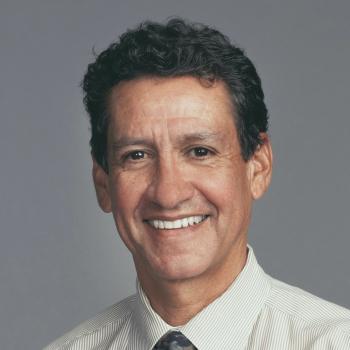 Carlos O. Esquivel合作论文数Division of Gastroenterology, Hepatology, and Nutrition, Department of Podiatric, School of Medicine, Stanford University;Department of Surgery, School of Medicine, Stanford University2
 Ashokkumar Jain合作论文数Department of Surgery, Penn State Hershey Medical Center;Department of Surgery, Penn State College of Medicine2Clarivet Torres合作论文数2Timothy M. Mccashland合作论文数2
 Simon Horslen合作论文数Department of Pediatrics, School of Medicine, University of Pittsburgh;UPMC Children's Hospital of Pittsburgh2Andrew H. Urbach合作论文数2Daniel F. Schafer合作论文数2Angie Iverson合作论文数2Dean L. Antonson合作论文数2Laurel Williams合作论文数2Michael de Vera合作论文数1Elizabeth I. Ruby合作论文数1john o colonna合作论文数1Andrew Dekker合作论文数1Thomas R. Hakala合作论文数1Claire F Ozaki合作论文数1Lawrence S. Milner合作论文数1H Albin Gritsch合作论文数1YG KANG合作论文数1Munci Kalayoglu合作论文数1




