To better understand the mechanism by which T cells mediate allograft rejection, we investigated the fate and function of graft-specific CD8+ T cells expressing the activated isoform of CD43 in mice and humans. Agonism of the CD43 1B11 receptor in vitro induced CD8+ T cell proliferation in the presence of subthreshold antigen stimulation, and CD43 1B11 agonism in vivo overcame costimulation-blockade induced tolerance and enhanced CD8+ T cell cytokine production and cytotoxic function. Effector CD43 1B11+ CD8+ T cells not only expressed high levels of T-bet but also maintained Interleukin-7 receptor subunit alpha (IL-7R[alpha]), and T cell factor 1 (TCF-1) expression at both effector and memory timepoints. In adoptive transfer experiments, CD43 1B11+ CD8+ T cells were persistent following graft rechallenge and also formed TCF-1+IL-7Rα+ memory cells. Human CD8+ T cells expressing CD43 and the glycosyltransferase GCNT1 were present in rejecting kidney allografts and had high expression of IFNG, ICOS, and perforins/granzymes. In healthy human donors and transplant candidates, the CD43 1D4 monoclonal antibody clone defined antigen-experienced cytokine-producing CD8+ T cells. In sum, these data support an important role for activated CD43+ CD8+ T cells as potent effectors and point to a potential role for CD43 1B11 signaling in augmenting effector functions in the context of subthreshold antigen or costimulation.
Vascularized composite allotransplantation has emerged as a valuable reconstructive option that enables the transfer of multiple tissue types, including skin, muscle, bone, nerves, and blood vessels, as a functional unit for patients with extensive tissue loss. Murine models, particularly the hind limb transplantation models, have become indispensable tools for advancing our understanding of the complex immunologic and physiological aspects of vascularized composite allotransplantation. This review provides a comprehensive description of established protocols for orthotopic and heterotopic hind limb transplantation in mice. It also discusses critical technical considerations and evaluates the models' utility, impact, and limitations. By examining various aspects, including surgical techniques, immunosuppression regimens, rejection criteria, and translational relevance, this review aims to highlight best practices for the harmonization of the use of this valuable preclinical model in supporting continuous progress in the field.
Interleukin-7 (IL-7) plays a crucial role in cell survival and proliferation through the phosphatidylinositol-3-kinase (PI3K)/AKT signaling. While we previously demonstrated the beneficial role of IL-7 in early porcine embryonic development, the underlying molecular mechanisms remained unclear. We hypothesized that IL-7 would enhance early embryogenesis and promote inner cell mass (ICM) formation via PI3K/AKT pathway activation. To test this, embryos were cultured with wortmannin (Wort), a PI3K inhibitor, with or without IL-7 after parthenogenetic activation. IL-7 supplementation significantly increased cleavage and blastocyst formation rates compared to the control (p < 0.05), while mitigating Wort-induced developmental impairment. Moreover, IL-7 significantly reduced blastocyst apoptosis and increased total cell numbers compared to the control (p < 0.05), thereby counteracting pro-apoptotic effects of Wort. Furthermore, IL-7 treatment significantly promoted ICM formation through the PI3K/AKT pathway, as demonstrated by increased SOX2 + cell numbers and ICM-specific gene expression, with elevated phosphorylated AKT levels compared to the control (p < 0.05). Notably, IL-7 significantly improved mitochondrial function and biogenesis-related gene expression compared to the control (p < 0.05) through a PI3K/AKT-independent pathway. These findings suggest that IL-7-mediated PI3K/AKT signaling enhances porcine early embryonic development in vitro, providing insights into mechanisms that regulate early embryonic development in mammals.
This study investigated the influence of Myo-inositol (Myo-Ins) treatment during in vitro maturation (IVM) on porcine oocytes and their developmental competence following parthenogenetic activation (PA). To assess oocyte quality and function, several parameters were measured: cumulus cell (CC) expansion, nuclear maturation, intracellular glutathione (GSH) and reactive oxygen species (ROS) levels, mitochondrial membrane potential (MMP), mitochondrial ROS (mtROS) levels, and mitochondrial content. In addition, lipid droplet (LD) accumulation, fatty acid (FA) levels, mRNA expression of key regulatory genes, and overall developmental competence were evaluated. For IVM, oocytes were cultured for 42 h in media supplemented with Myo-Ins at varying concentrations: 0, 5, 10, and 20 mM. Myo-Ins treatment significantly promoted CC expansion, though it did not affect nuclear maturation rates. A significant elevation in intracellular GSH was observed in the 5 and 20 mM groups, whereas ROS levels were reduced by 6 % at 5 mM and by 5 % at 10-20 mM compared with control. Among the treatment groups, 5 mM Myo-Ins notably improved blastocyst formation rates. Mitochondrial function was also enhanced, as indicated by increased MMP in the 10 and 20 mM groups, higher mitochondrial content, and reduced mitochondrial ROS (mtROS) in all treated groups. Furthermore, Myo-Ins significantly increased LD and FA accumulation. Gene expression analysis via qPCR revealed the upregulation of NRF2 in CCs. In oocytes, antioxidant-related genes (NRF2, SOD1, SOD2, GCLC, GPX1), maternal competence markers (NPM2, ZAR1), the anti-apoptotic gene BCL2, and mitochondrial function genes (NRF1, ATP5F1A) were significantly upregulated. Overall, Myo-Ins supplementation during IVM was shown to improve mitochondrial efficiency and alleviate oxidative stress, thereby promoting the developmental potential of porcine embryos derived from PA.
Vascularized composite allotransplantation (VCA) has revolutionized restorative surgery of devastating injuries. Unfortunately, these grafts undergo significant injury during prolonged cold ischemia and subsequent reperfusion. Ex-vivo machine perfusion (EVMP) is a technique that has shown significant promise in solid organ transplant, but study of its utility in VCA has been limited. A systematic review was conducted to identify preclinical publications investigating perfusion in limb VCAs. Articles published through June 2023 were screened. 29 articles met inclusion criteria, comprising 370 VCA limbs from swine, rats, canines, and humans. EVMP was conducted under normothermic (n = 6), near-normothermic (n = 11), sub-normothermic (n = 3), or hypothermic (n = 13) conditions. While each study used a unique perfusate recipe, most were based on a premade medium. Many incorporated additives, including antibiotics and red blood cells. The duration varied from 3 to over 24 h. Multiple studies showed improved or equivalent biomarkers, histology, and outcomes for normothermic or near-normothermic EVMP (n = 4) and hypothermic EVMP (n = 8) compared to static cold storage, suggesting that EVMP may be a superior storage method to SCS. While there is no definitive evidence regarding the optimal temperature, perfusate composition, or perfusion time for VCAs, each perfusion factor should be chosen and adapted based on the individual goals of the study. This review offers a summary of the current literature to serve as an accessible reference for the design of future protocols in this field.
Oculocutaneous albinism type 1 (OCA1) is an autosomal recessive disorder caused by mutations in the tyrosinase (TYR) gene, resulting in melanin deficiency and severe visual impairments. Although mouse models provide insights into OCA1 pathogenesis, they exhibit significant anatomical and physiological differences from humans, particularly in ocular structure and function, thereby limiting their ability to recapitulate human OCA1 phenotypes. Therefore, in this study, we generated a porcine OCA1 model by selection-free genome editing via somatic cell nuclear transfer to characterize ophthalmological features and evaluate their translational relevance to human OCA1. Our approach utilized TYR-targeting CRISPR/Cas9 ribonucleoproteins without the need for single-cell-derived clonal expansion, thus streamlining the generation process. After somatic cell nuclear transfer with TYR knockout donor cells, the embryos demonstrated normal in vitro embryonic development comparable to the control, resulting in four healthy OCA1 piglets that exhibited characteristic OCA1 phenotypes with complete melanin loss in ocular and cutaneous tissues. Comprehensive ophthalmological analyses revealed significant structural abnormalities, including marked reduction in retinal layer thickness and elevated intraocular pressure. Remarkably, electroretinography revealed selective impairment of the rod bipolar pathway with reduced b-wave amplitudes and increased oscillatory potentials, indicating disturbances in synaptic processing. Overall, our study demonstrates the efficiency and reliability of selection-free genome editing for generating porcine OCA1 models. Moreover, the ophthalmological findings provide valuable insights for exploring retinal dysfunction and pigmentation mechanisms and advancing the preclinical evaluation of potential therapeutic interventions for human OCA1.
Machine perfusion has evolved as a viable strategy for ex vivo organ assessment, monitoring, treatment, optimization, as well as to prolong preservation times. Large animal models have been paramount for the development and optimization of these technologies. However, in order to ensure graft quality and data reproducibility, standardized and clinically translatable surgical techniques for organ and tissue procurement should be followed. Thus, here, we describe an optimized protocol for kidney procurement in a preclinical swine model. Kidney recovery is performed using mixed breed (Yorkshire cross/mix) pigs. Briefly, following sterile disinfection and draping of the surgical field, a complete midline incision is performed to gain optimal access to both kidneys. The ureter, renal vein, and artery are dissected until their origin from the inferior vena cava and the aorta, respectively. After complete renal dissection, the ureter is tied and cut distally. The donor animal is then fully heparinized with 100 IU per kg/body weight. Next, the renal artery is clamped close to the aorta, and the renal vein is clamped close to the vena cava using a Satinsky vascular clamp. The kidney graft is then resected, and the renal artery is immediately cannulated back table. The kidney will then be flushed with an ice-cold preservation solution and stored on ice until either machine perfusion or transplantation. Finally, the renal artery stump is ligated with a 2-0 silk ligature, and the vena cava is closed with a 6-0 polypropylene suture. This technique recovers kidneys and simulates either a living (single kidney) or deceased (dual kidney) donor setting. The single kidney recovery offers the advantage to perform a subsequent autotransplantation. In the deceased donor model, blood can be collected prior to euthanasia by inserting blood bag needles directly into the aorta, thereby exsanguinating the animal and providing blood for ex vivo machine perfusion.
Vascularized composite allotransplantation (VCA) involves the transplantation of multiple tissue types -- including skin, muscle, bone, and nerves -- offering a promising reconstructive option for patients with severe traumatic injuries or disfigurements. Despite its transformative potential, VCA has encountered significant challenges such as graft rejection, chronic immunosuppression complications, and neuromuscular recovery's intricacies. We utilize a rat forelimb model as a cost-effective and anatomically relevant platform to address these challenges. The rat forelimb closely mirrors human limb anatomy, enhancing our findings' translational impact. Previous studies have validated this model for reliably and reproducibly measuring functional recovery, thereby establishing it as a key tool for assessing the rejection trajectory of forelimb grafts. Moreover, the model offers a valuable opportunity to explore innovative therapeutic approaches and serve as a good translational platform for novel preservation techniques. Through further investigation of this model, we aim to deepen our understanding of the mechanisms behind graft rejection and neuromuscular recovery. Ultimately, this work strives to pave the way for improving clinical outcomes of VCA, addressing both current limitations and future challenges in transplant medicine.
Uterine transplantation has revolutionized previously incurable causes of infertility. While most transplants are performed with live donors, the use of deceased donors could potentially expand the donor pool and increase the number of transplants performed. One limitation of deceased donor use is warm and cold ischemia time, which may be potentially mitigated by the implementation of ex-vivo machine perfusion (EVMP). This comprehensive review synthesizes the existing literature on uterine EVMP, highlighting both experimental and translational developments up to February 2025. A total of 31 relevant studies were identified from 244 screened articles, most involving human aor large-animal uteri. The majority of studies employed normothermic machine perfusion (NMP) as a model for physiologic conditions, focusing on endocrine or functional analysis, inflammatory reactions, or technical aspects of perfusion. Only in the past 6 years have articles looked at EVMP as a preservation technique for transplantation, or employed hypothermic machine perfusion (HMP). While EVMP has only recently increased in popularity for transplant preservation, uterine EVMP has historically been used in multiple studies as a model for physiologic conditions. While further research is needed to optimize preservation protocols, much can be gleaned from prior models of uterine perfusion.
Background: Ex vivo machine perfusion (EVMP) is a versatile platform utilized in vascularized composite allotransplantation (VCA) to prolong preservation, salvage tissue, and evaluate graft viability. However, there is no consensus on best practices for VCA. This article discusses the common components, modifications, and considerations necessary for a successful VCA perfusion. Methods: A systematic literature review was performed in several databases (PubMed, Scopus, Embase, Web of Science, Cochrane Library, and ClinicalTrials.gov) to identify articles published on VCA EVMP (face, limb, abdominal wall, uterus, penis, and free flaps) before August 2022. Graft type and animal model, general perfusion parameters, core components of the circuit, and optional components for enhanced monitoring were extracted from the articles. Results: A total of 1370 articles were screened, and 46 articles met inclusion criteria. Most articles (84.8%) were published in the last 10 years. Pigs were the main model used, but 10 protocols used human grafts. Free flaps were the most common graft type (41.3%), then upper extremities/forelimbs (28.3%), uteruses (17.4%), and hindlimbs (13.0%). Postperfusion replantation occurred in 15.2% of studies. Normothermic perfusion predominated (54.1%), followed by hypothermic (24.3%), and subnormothermic (21.6%). The majority of studies (87.0%) oxygenated their systems, most commonly with carbogen. Conclusions: EVMP is a rapidly growing area of research. Leveraging EVMP in VCA can optimize VCA procedures and allow for expansion into replantation, flap salvage, and other areas of plastic surgery. Currently, VCA EVMP is achieved through a variety of approaches, but standardization is necessary to advance this technology and attain clinical translation.
PURPOSE OF REVIEW:A major hurdle hindering more widespread application of reconstructive transplantation is the very limited cold ischemia time (CIT) of vascularized composite allografts (VCAs). In this review, we discuss cutting edge machine perfusion protocols and preservation strategies to overcome this limitation.RECENT FINDINGS:Several preclinical machine perfusion studies have demonstrated the multifactorial utility of this technology to extend preservation windows, assess graft viability prior to transplantation and salvage damaged tissue, yet there are currently no clinically approved machine perfusion protocols for reconstructive transplantation. Thus, machine perfusion remains an open challenge in VCA due to the complexity of the various tissue types. In addition, multiple other promising avenues to prolong preservation of composite allografts have emerged. These include cryopreservation, high subzero preservation, vitrification and nanowarming. Despite several studies demonstrating extended preservation windows, there are several limitations that must be overcome prior to clinical translation. As both machine perfusion and subzero preservation protocols have rapidly advanced in the past few years, special consideration should be given to their potential complementary utilization.SUMMARY:Current and emerging machine perfusion and preservation technologies in VCA have great promise to transform the field of reconstructive transplantation, as every extra hour of CIT helps ease the complexities of the peri-transplant workflow. Amongst the many advantages, longer preservation windows may allow for elective procedures, improved matching, establishment of novel immunomodulatory protocols and global transport of grafts, ultimately enabling us the ability to offer this life changing procedure to more patients.
Central venous catheters (CVCs) are invaluable devices in large animal research as they facilitate a wide range of medical applications, including blood monitoring and reliable intravenous fluid and drug administration. Specifically, the tunneled multi-lumen Hickman catheter (HC) is commonly used in swine models due to its lower extrication and complication rates. Despite fewer complications relative to other CVCs, HC-related morbidity presents a significant challenge, as it can significantly delay or otherwise negatively impact ongoing studies. The proper insertion and maintenance of HCs is paramount in preventing these complications, but there is no consensus on best practices. The purpose of this protocol is to comprehensively describe an approach for the insertion and maintenance of a tunneled HC in swine that mitigates HC-related complications and morbidity. The use of these techniques in >100 swine has resulted in complication-free patent lines up to 8 months and no catheter-related mortality or infection of the ventral surgical site. This protocol offers a method to optimize the lifespan of the HC and guidance for approaching issues during use.
Since 2006, five penis transplants have been performed worldwide. Mixed outcomes have been reported, and two of the five penile transplants have required explantation. However, the long-term outcomes have been encouraging when compliance is implemented, whether standard induction and triple therapy maintenance, or single therapy maintenance. Follow-up monitoring of transplant recipients has enabled a synthesis of technical considerations for surgical success and has shown stable leukocyte counts and renal function after a donor bone-marrow-based immunomodulatory regimen followed by tacrolimus monotherapy as long as 3 years post-transplant, as well as continuous nerve regeneration of penile allografts 3 years post-transplant. Areas of uncertainty include the ethics of donor-recipient colour mismatch, surveillance for sexually transmitted infections and how to optimize patient compliance. Questions also remain with respect to the long-term immunological sequelae of penile tissue, functional outcomes, psychosocial implications and patient selection. Patient counselling should be modified to mention the possibility of long-term improvement in nerve regeneration and sufficient renal function with single-therapy maintenance, and to build a longitudinal dialogue and partnership between the patient and the multidisciplinary care team regarding the risks of sexually transmitted infection instead of surveillance.
Vascularized composite allotransplantation (VCA) is a restorative option for patients suffering from severe tissue defects not amenable to conventional reconstruction. However, the toxicities associated with life-long multidrug immunosuppression to enable allograft survival and induce immune tolerance largely limit the broader application of VCA. Here, we investigate the potential of targeted immunomodulation using CTLA4-Ig combined with a biological porcine-derived extracellular matrix (ECM) scaffold that elicits a pro-regenerative Th2 response to promote allograft survival and regulate the inflammatory microenvironment in a stringent mouse orthotopic hind limb transplantation model (BALB/c to C57BL/6). The median allograft survival time (MST) increased significantly from 15.0 to 24.5 days (P = 0.0037; Mantel-Cox test) after adding ECM to the CTLA4-Ig regimen. Characterization of the immune infiltration shows a pro-regenerative phenotype prevails over those associated with inflammation and rejection including macrophages (F4/80hi+CD206hi+MHCIIlow), eosinophils (F4/80lowSiglec-F+), and T helper 2 (Th2) T cells (CD4+IL-4+). This was accompanied by an increased expression of genes associated with a Type 2 polarized immune state such as Il4, Ccl24, Arg1 and Ym1 within the graft. Furthermore, when ECM was applied along with a clinically relevant combination of CTLA4-Ig and Rapamycin, allograft survival was prolonged from 33.0 to 72.5 days (P = 0.0067; Mantel-Cox test). These studies implicate the clinical exploration of combined regimens involving local application of pro-regenerative, immunomodulatory biomaterials in surgical wound sites with targeted co-stimulatory blockade to reduce adverse effects of immunosuppression and enhance graft survival in VCA.
Central venous catheters (CVCs) are invaluable devices in large animal research as they facilitate a wide range of medical applications, including blood monitoring and reliable intravenous fluid and drug administration. Specifically, the tunneled multi-lumen Hickman catheter (HC) is commonly used in swine models due to its lower extrication and complication rates. Despite fewer complications relative to other CVCs, HC-related morbidity presents a significant challenge, as it can significantly delay or otherwise negatively impact ongoing studies. The proper insertion and maintenance of HCs is paramount in preventing these complications, but there is no consensus on best practices. The purpose of this protocol is to comprehensively describe an approach for the insertion and maintenance of a tunneled HC in swine that mitigates HC-related complications and morbidity. The use of these techniques in >100 swine has resulted in complication-free patent lines up to 8 months and no catheter-related mortality or infection of the ventral surgical site. This protocol offers a method to optimize the lifespan of the HC and guidance for approaching issues during use.
Static cold storage is the cheapest and easiest method and current gold standard to store and preserve donor organs. This study aimed to compare the preservative capacity of gluconate-lactobionate-dextran (Unisol) solutions to histidine-tryptophan-ketoglutarate (HTK) solution. Murine syngeneic heterotopic heart transplantations (Balb/c-Balb/c) were carried out after 18 h of static cold storage. Cardiac grafts were either flushed and stored with Unisol-based solutions with high-(UHK) and low-potassium (ULK) ± glutathione, or HTK. Cardiac grafts were assessed for rebeating and functionality, histomorphologic alterations, and cytokine expression. Unisol-based solutions demonstrated a faster rebeating time (UHK 56 s, UHK + Glut 44 s, ULK 45 s, ULK + Glut 47 s) compared to HTK (119.5 s) along with a better contractility early after reperfusion and at the endpoint on POD 3. Ischemic injury led to a significantly increased leukocyte recruitment, with similar degrees of tissue damage and inflammatory infiltrate in all groups, yet the number of apoptotic cells tended to be lower in ULK compared to HTK. In UHK- and ULK-treated animals, a trend toward decreased expression of proinflammatory markers was seen when compared to HTK. Unisol-based solutions showed an improved preservative capacity compared with the gold standard HTK early after cardiac transplantation. Supplemented glutathione did not further improve tissue-protective properties.
PURPOSE:Penile vascularized composite allotransplantation is a powerful tool for penile reconstruction. Traditional methods of reconstruction utilizing free tissue and prostheses have well-known complications, can require reoperation and cannot truly emulate the natural form or function of the penis. While vascularized composite allotransplantation may alleviate these difficulties, penile transplantation carries its own ethical, surgical and medical complications. To date, the procedure has only been attempted 5 times. Broader use of this procedure requires unique surgical considerations. We present the first comprehensive, detailed review of this procedure in order to present lessons learned from both our own and the global experience.MATERIALS AND METHODS:A review of published reports of penile transplant methods and outcomes was conducted to compile lessons learned from these cases.RESULTS:Five penile transplant cases have been reported in literature, 4 with published methodology and outcomes data. All 4 detailed unique surgical approaches and postoperative immunosuppressive regimens. Three of these cases resulted in successful sensory and functional outcomes.CONCLUSIONS:Though all 4 analyzed cases employed unique anastomotic and immunosuppressive approaches, 3 resulted in successful recovery of penile urinary and sexual function. Still, specific approaches used by different teams circumvented otherwise common complications, and these differences should guide future research and penile transplant cases.
 Gerald Brandacher合作论文数Department of Otolaryngology-Head and Neck Surgery, School of Medicine, Johns Hopkins University60
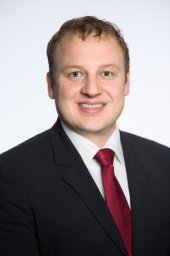 Furtmüller Georg合作论文数33
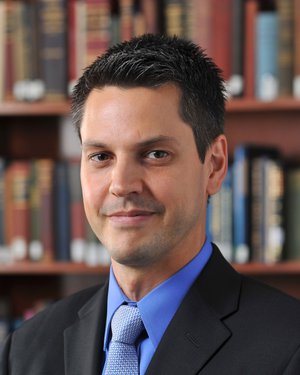 Giorgio Raimondi合作论文数Department of Otolaryngology-Head and Neck Surgery, School of Medicine, Johns Hopkins University23
 W.P. Andrew Lee合作论文数University of Pittsburgh23
 Damon S. Cooney合作论文数18
 Madeline Fryer合作论文数15Yinan Guo合作论文数12
 Saami Khalifian合作论文数Vascularized Composite Allotransplantation (VCA) Laboratory, Johns Hopkins University School of Medicine8Jeong Ryul Lee合作论文数8
 Franka Messner合作论文数7Etra Joanna W合作论文数Department of Surgery, Winship Cancer Institute-Emory University7
 Richard J. Redett合作论文数Dept Plast & Reconstruct Surg, Johns Hopkins Univ7Samuel A J Fidder合作论文数6Yichuan Zhang合作论文数6
 Dong Sup Lee合作论文数Department of Anatomy and Immunology, Seoul National University College of Medicine6
 Barbara Kern合作论文数5
 Alisa Girard合作论文数Div Plast Surg, Rutgers Robert Wood Johnson Med Sch5
 devin miller合作论文数5
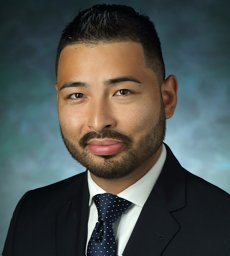 Christopher D Lopez合作论文数Dept Plast & Reconstruct Surg, Johns Hopkins Univ5
 Cory Brayton合作论文数Department of Molecular and Comparative Pathobiology, School of Medicine Biochemistry, Johns Hopkins University5
 Sarah E. Beck合作论文数Department of Molecular & Comparative Pathobiology, School of Medicine, Johns Hopkins University5
 Jaimie Shores合作论文数5Hak Mo Lee合作论文数4
 Piotr Walczak合作论文数4Marcos Iglesias合作论文数4
 Maria Chicco合作论文数4Richa Kalsi合作论文数4Gene Lee合作论文数4
 Sudipto Ganguly合作论文数Johns Hopkins Sidney Kimmel Comprehensive Cancer Research Center4Cho Jaejin合作论文数4Lim Hong-Gook合作论文数4Grahammer Johanna合作论文数4Bonawitz Steven C合作论文数4Lough Denver M合作论文数4
 Amanda H. Loftin合作论文数UCLA Santa Monica Orthopaedic Center4Stefan Schneeberger合作论文数4Jeffrey M. Dodd-O合作论文数4Caroline Garrett合作论文数3
 Veronika Malek合作论文数3Keli Kolegraff合作论文数3Xianyu Zhou合作论文数3Marcos Iglesias Lozano合作论文数3Isabel V Lake合作论文数3Sara AlFadil合作论文数3Hakmo Lee合作论文数3
 Swanson Edward W合作论文数Department of Plastic and Reconstructive Surgery, Johns Hopkins Hospital3Cheng Chih-Hsien合作论文数3
 Barbara Slusher合作论文数School of Medicine, Johns Hopkins University;Johns Hopkins Center for the Advancement of HIV Neurotherapeutics, Johns Hopkins University3




