Marginal zone lymphoma (MZL) is a group of indolent B-cell malignancies that have a natural history that follows a remitting and relapsing course. For systemic disease, available first-line therapies include anti-CD20 antibody as monotherapy with or in combination with chemotherapy (chemoimmunotherapy), with second-line options such as covalent (c) Bruton tyrosine kinase inhibitors (BTKi). However, management of relapsed and refractory (R/R) MZL remains a challenge. Pirtobrutinib, a highly selective, non-covalent BTKi has shown promising efficacy and tolerability in patients with poor-prognosis B-cell malignancies following prior therapy, including cBTKi. Here we report the safety and efficacy of pirtobrutinib in patients with MZL from the phase 1/2 BRUIN study. Endpoints included investigator assessed ORR by Lugano 2014 criteria, DOR, PFS, OS, and safety. Among 36 R/R MZL patients (EMZL: n=6; NMZL: n=17; SMZL: n=13), median age was 68 years (range, 22-83) and median prior lines of therapy were 3 (range, 2-10) including anti-CD-20 antibody (100%), chemotherapy (86%) and cBTKi therapy (72%). The ORR was 55.6% (95% confidence interval [CI], 38.1- 72.1) including 3 (8.3%) complete responses and 17 (47.2%) partial responses. Median DOR was 17.8 months (95%CI, 7.4-non-estimable [NE]), and median PFS was 16.6 months (95%CI, 9.0-22.1). With median follow-up of 32.4 months (IQR, 28.0, 41.3), median OS was NE (95%CI, 29.5-NE). The ORR for patients with prior cBTKi therapy was 53.8% (95%CI, 33.4-73.4). Pirtobrutinib was well-tolerated with dose reductions in 4 patients (11.1%) and permanent discontinuation due to TEAEs in 4 (11.1%). Pirtobrutinib showed promising efficacy and safety in patients with heavily pre-treated R/R MZL, including prior cBTKi. NCT03740529
Introduction: Chimeric antigen receptor (CAR) T-cell therapies have radically changed the treatment paradigm of patients (pts.) with relapsed/refractory (r/r) hematologic malignancies. Despite their remarkable efficacy, health care disparities can impact outcomes of pts. in the real-world setting. Living in a disadvantaged neighborhood has been associated with inferior outcomes after allogenic hematopoietic stem cell transplantation (HSCT), independent from individual-level socioeconomic (SE) factors. Our study aimed to identify the impact of neighborhood adversity on survival outcomes of recipients of CAR T-cell therapies, as this has not been yet described. Methods: We retrospectively identified consecutive adult pts. with r/r B-cell non-Hodgkin lymphoma (B-NHL) and multiple myeloma (MM) who received CAR T-cell therapies at our center from May 2018- January 2023. Neighborhood disadvantage was defined by Area Deprivation Index (ADI), a validated tool that allows for ranking of census block groups based on SE domains (income, education, employment, and housing quality) at a national level. The 2021 national ADI percentile ranks (1-100) were obtained for each pt. using the 9-digit zip code of place of residence, with a higher rank corresponding to higher level of disadvantage. We compared overall survival (OS) and progression free survival (PFS) between pts. with high vs. low ADI. We also examined survival outcomes in relation to estimated distance from place of residence to treatment center (DTC). Time dependent outcomes were calculated from date of CAR T infusion. Pts. with B-NHL and MM were analyzed separately. Baseline variables were compared between groups using chi-squared, t-test, and Wilcoxon rank sum tests as appropriate. Survival estimates were calculated with Kaplan-Meier method, and hazard ratios were generated using cox proportional hazards model. Results: CAR T therapy was administered in 124 and 45 pts. with B-NHL and MM, respectively. Median ages were 65 and 62 yrs., 68% and 51% were male, 94% and 84% were White, 47% and 20% had high-risk disease (based on IPI/MIPI for B-NHL, and FISH for MM), 30% and 69% had prior HSCT, and median number of prior therapies were 3 (range 1-6) and 6 (range 4-14), among pts. with B-NHL and MM, respectively. B-NHL subtypes included DLBCL (84%), MCL (6%), FL (5%), and PMBCL (5%), and CAR T products for B-NHL were axi-cel (52%), tisa-cel (24%), liso-cel (18%) and brexu-cel (6%). Ide-cel (82%) and cilta-cel (18%) were used in pts. with MM. We treated pts. from 169 census block groups over 8 states, although 89% pts. were from Ohio. For the entire cohort, median ADI rank was 62.5 (range 1-100) and median DTC was 42.5 (range 1-4559) miles (m). Pts. were categorized (based on median) as having high (> 62.5) or low (≤ 62.5) ADI, and long (> 42.5m) or short (≤ 42.5m) DTC. Longer DTC was significantly associated with higher ADI ( p<0.001). Baseline characteristics (age, sex, prior therapies, prior HSCT, high risk disease, CAR T product) were similar across groups with low vs. high ADI and short vs. long DTC. Median follow up time up was 12 (range 4-60) and 9 (range 4-22) months for living pts. with B-NHL and MM, respectively. For pts. with B-NHL, objective response rates (ORR) (85% vs. 80%; p=0.4), relapse rates (RR) (66% vs. 66%; p=0.9), median OS (19 vs. 14 months; HR of death: 1.2; 95% CI 0.7-1.8; p=0.5) ( Fig.1), and median PFS (10 vs. 5 months, HR of relapse: 1.1, 95% CI 0.7-1.7; p=0.6) were similar for pts. with low vs. high ADI. For pts. with MM, there were no differences in ORR (77% vs. 87%; p=0.3), RR (77% vs. 70%; p=0.5), median OS (14 vs. 18 months; HR of death: 0.8; 95% CI: 0.3-2; p=0.6) ( Fig.2), and median PFS (7 vs. 9 months, HR of relapse: 0.7, 95% CI 0.3-1.4; p=0.3) between those with low vs. high ADI. There were no differences in median OS of pts. with short vs. long DTC for NHL (19 vs. 14 months; HR: 1.2, 95% CI 0.7-1.9, p=0.4) or MM (14 vs. 20 months; HR: 0.9, 95% CI 0.3-2.5; p=0.9), or when DTC was analyzed as a continuous variable. Conclusion: In patients with r/r B-NHL and MM who received CAR T-cell therapies, response rates and survival outcomes were comparable regardless of neighborhood disadvantage level or distance to treatment center. Pts. living in more disadvantaged neighborhoods travelled longer distances for treatment. These findings prompt future investigation into referral patterns and access barriers to cellular immunotherapy, especially in disadvantaged neighborhoods.
Posttransplant lymphoproliferative disorder (PTLD) is a serious complication of solid organ transplantation. While usually Epstein-Barr virus (EBV)-positive PTLD, EBV-negative PTLD is a distinct, typically late-onset, and aggressive entity. A 66-year-old man developed progressive abdominal distension and anemia 11 years after bilateral lung transplantation for idiopathic pulmonary fibrosis. Paracentesis with flow cytometry of ascitic fluid revealed a monoclonal B-cell population (CD10, CD19, and CD20 positive). EBV PCR and EBER chromogenic in situ hybridization confirmed EBV negativity, establishing EBV-negative PTLD. Mycophenolate mofetil was discontinued, and tacrolimus levels were maintained at 6-8 ng/mL. Five additional EBV-negative PTLD cases after lung transplantation were identified in the literature; most occurred beyond 1 year, were diagnosed by biopsy, and had high mortality. EBV-negative PTLD is rare and often fatal. Ascitic fluid cytology can facilitate early, minimally invasive diagnosis, warranting high clinical suspicion in transplant recipients with unexplained ascites.
Background Cytokine release syndrome (CRS) and immune effector cell–associated neurotoxicity syndrome (ICANS) are common, potentially life-threatening toxicities after CAR T-cell therapy. Elevated IL-6 is mechanistically linked to CRS, yet most studies have retrospectively assessed static or peak cytokine levels. We hypothesized that real-time IL-6 measurement is feasible and that early IL-6 kinetics could predict CRS and ICANS. Methods We prospectively enrolled 42 patients (pts) with relapsed/refractory B-cell non-Hodgkin lymphoma (NHL) or multiple myeloma (MM) treated with commercial CAR T-cell products. Serum samples were collected at predefined timepoints [apheresis, day −5 of lymphodepletion (LD), day 0 (infusion), 12 h post-infusion (day 0.5), and days 1, 2, 4, and 7] for real-time IL-6 assay (Beckman Coulter). IL-6 log-slope was calculated using log-transformed values from day 0 to the last sample before toxicity onset, excluding samples drawn after CRS onset or tocilizumab/steroid use. CRS and ICANS were graded per ASTCT criteria. Associations were analyzed using nonparametric tests, logistic regression, and ROC analysis; optimal cutoffs were derived via Youden's index. Results Of 42 pts, 18 (43%) had MM and 24 (57%) NHL; median age was 67 y (39–84), 19% ECOG ≥2, and 36% had prior autologous transplant. CAR T-cell products included cilta-cel (43%), liso-cel (24%), axi-cel (21%), and brexu-cel (12%); 71% received fludarabine/cyclophosphamide LD. CRS occurred in 30 pts (71%) and ICANS in 13 (31%), with grade ≥2 events in 53% and 62%, respectively. Median time to onset was 5 d for CRS and 6 d for ICANS. Median IL-6 turnaround time was 1.7 d (IQR 0.6–3.5). Day 1 IL-6 was higher in ≥G2 CRS (20 vs 8 pg/mL, p=0.013), and peak IL-6 correlated with CRS (33 vs 12 pg/mL, p=0.002) and severity (p=0.005). IL-6 log-slope was higher in CRS (0.77 vs 0.30, p<0.001) and ≥G2 CRS (0.92 vs 0.47, p=0.009). ROC analysis demonstrated that IL-6 log-slope predicts CRS with an area under the curve (AUC) of 0.88. An optimal log-slope cutoff of 0.64 -corresponding to a daily IL-6 increase of ≈90% per day-yielded 89% sensitivity and 92% specificity. For ICANS, ROC analysis demonstrated that IL-6 log-slope predicts ICANS with an AUC of 0.72. A cut-off of 0.25 (increase by ≈29% per day)- yielded sensitivity and specificity of approximately 67% for predicting ICANS. Conclusions Early IL-6 kinetics over the first 4–7 days post-infusion, are significantly associated with the development and severity of CRS, and potentially predictive signal for ICANS. A slope threshold of 0.058, corresponding to a modest ∼6% daily rise, identified patients at high risk for CRS with high specificity. Incorporation into real-time monitoring could enable preemptive tocilizumab use, guide outpatient vs inpatient management, and improve safety in high-risk patients. Further prospective validation in larger cohorts is warranted.
Trial registration: ClinicalTrials.gov number: NCT01777152
Introduction T-PLL is a rare, aggressive leukemia with poor prognosis and limited therapies. Previous studies on T-PLL patients receiving an alloSCT are limited by small numbers with limited disease and transplant characteristics. Our recent data demonstrated significant survival difference between TCL1A+/- T-PLL, and CD8+/- T-PLL. Methods We retrospectively evaluated 572 diagnosed with T-PLL at 21 academic cancer centers, of which 169 proceeded with alloSCT. Survival characteristics were assessed using Kaplan-Meier methods and Cox proportional hazard models. Results Among 169 alloSCT recipients with T-PLL, median follow-up time was 20.9 months post-alloSCT, the median age at transplant was 59 years (range: 35-77) and 52% were male, and 69% were TCL1A+. 90 (53%) of patients were CD4+CD8-, 17 (10%) were CD4-CD8+ and 52, (31%) were CD4+CD8+. At alloSCT, 136 (80%) patients were in CR and 23 (14%) patients were in PR. 45% (43/96) of known patients had minimal residual disease (MRD) at the time of alloSCT. 49 (30%) had myeloablative conditioning (MAC) and 114 (70%) had reduced intensity conditioning (RIC). 80 (49%) patients had total body irradiation (TBI) within conditioning. The most common regimens were fludarabine (Flu)/melphalan based regimens (n=44; 26.0%), lu/cyclophosphamide (Cy) based regimens (n=33; 19.5%), Flu/Busulfan based regimens (n=22; 13.0%), and Flu/TBI (n=8; 4.7%).The median OS (Figure 1) and PFS post-alloSCT was 32.6 months (95% CI: 21.0-41.9) and 20.8 months (95% CI: 14.4-30.5) months while the 1-year cumulative incidences (CI) of NRM and relapse were 17% and 20%. The incidences of grade II-IV acute and chronic GVHD were 19% and 23%. There was no difference between MAC or RIC in OS or PFS (Table 1). Patients that were MRD+ had worse OS and PFS and higher rates of relapse (1-year relapse 20% vs 8%; p=0.08) (Table 1). PFS was improved in those who received alloSCT though only trended towards significance due to low numbers (HR 0.76, p=0.09).TCL1A+ disease had significantly worse OS (21.6 vs 63.1; p=0.01) and PFS (12.4 vs 50.7; p=0.01) (Table 2). Additionally, CI of NRM (24% vs 3%; p=0.02) and relapse (25% vs 12%; p=0.86) was higher in TCL1A+ PLL. CD4+CD8-, CD4-CD8+, and CD4+CD8+ disease had no difference in survival via either OS or PFS (Table 2) as well as no difference 1-year CI of NRM (11.6 vs 23.5 vs 26.2; p=0.35) and relapse (18.5 vs 23.5 vs 20.0; p=0.67). Conclusions AlloSCT significantly improved outcomes for patients with T-PLL and remains the only curative therapy. OS, PFS, and CI relapse were significantly worse for patients with TCL1A+ T-PLL, MRD positivity, or PR prior to alloSCT. Novel strategies to decrease relapse such as post-alloSCT maintenance therapy to improve outcomes are urgently needed in these patients.
Patients with classic Hodgkin lymphoma (cHL) with primary refractory disease, early relapse, or extranodal disease have a higher risk of relapse after salvage therapy and autologous stem cell transplant (ASCT). Post-ASCT brentuximab vedotin (BV) maintenance improved progression-free survival (PFS) in high-risk relapsed/refractory (R/R) cHL in the AETHERA trial, but subgroup analysis suggested that the benefit in patients transplanted in complete metabolic response (CMR) is unclear. In a large international real-world cohort, we assessed the efficacy of BV maintenance stratified by pre-ASCT metabolic response and by the number of clinical risk factors as defined in the AETHERA trial. Adult patients with R/R cHL who met AETHERA risk criteria were included. Utilizing propensity score analyses, PFS and OS were assessed overall and in subgroups of CMR (442 pts) and partial metabolic response (PMR, 249 pts). We observed that post-ASCT BV maintenance was associated with significantly higher PFS in the subgroup with PMR (5-year PFS: 59.6% vs 43.3% HR = 0.52, CI95: 0.33-0.82; p = 0.007). In the subgroup of patients with CMR, BV maintenance did not significantly improve PFS (5-year PFS: 75.8% vs 62.3% HR = 0.88, CI95: 0.59-1.32; p = 0.29). However, when focusing on patients with CMR treated post-FDA approval of BV, there was a significant PFS benefit observed in those treated with BV maintenance vs. not (5-year PFS: 81.2% vs 55.2% HR = 0.40, CI95: 0.22-0.72; p = 0.003). Overall, BV maintenance after ASCT remains an important therapy for high-risk R/R cHL patients, especially for those in PMR or those in CMR.
Older patients with lymphoma are typically underrepresented in clinical trials with chimeric antigen receptor T cell (CAR T) therapy. In this multicenter, observational study we aimed to assess the safety and efficacy of standard CD19 CAR T in patients 80 years of age or older. At total of 88 patients, median age 82 (range, 80-89) years, were included. Diffuse large B cell lymphoma (DLBCL) (N = 60, 68.2%) represented the most common histology. Patients were treated mostly with axicabtagene ciloleucel (N = 41, 46.6%) followed by lisocabtagene maraleucel (N = 25, 28.4%). Cytokine release syndrome (CRS) (any grade) was seen in 68 (77.3%) and 51 (58%) developed immune effector cell-associated neurotoxicity syndrome (ICANS). Incidence of grade 3-4 CRS and ICANS were 7.4% and 31.4%, respectively. For patients with DLBCL/tFL, the 1-year NRM, relapse, PFS, and OS were 11.6%, 40.8%, 47.6%, and 61.2%, respectively. We conclude that CAR T is feasible and effective in patients 80 years or older with B cell lymphomas. These patients must be provided the opportunity to be evaluated for this curative approach.
Background T-cell engaging bispecific antibodies (BsAbs) have shown promising activity in patients with relapsed/refractory (r/r) B-cell non-Hodgkin lymphoma (NHL) and multiple myeloma (MM), including those that have progressed after chimeric antigen receptor (CAR) T-cell therapy. Bispecific antibodies have unique side effect profiles related to robust activation of the immune system. Although the rates of severe cytokine release syndrome (CRS) and neurotoxicity are significantly lower with BsAbs than CAR T, hematological toxicity is increasingly recognized as a common adverse event, with reported rates of grade ≥ 3 neutropenia ranging from 15 to 65% in pivotal trials. We sought to further characterize the incidence of cytopenias in patients receiving BsAbs, evaluate their impact on outcomes and identify predisposing risk factors. Methods We collected baseline, treatment and outcome information from our institutional databases, identifying patients with r/r NHL or MM treated with a BsAb as a single agent between 2020–2024. To test differences between groups, Wilcoxon rank sum test was used on numerical variables, and Fisher's exact test or Pearson's Chi-squared test for categorical variables. Overall survival (OS) and progression-free survival (PFS) were analyzed using Kaplan–Meier methods, with log-rank test used for comparisons between groups. Median follow-up time was estimated using the reverse Kaplan-Meier method. All tests were performed as two-tailed tests, with p < 0.05 considered statistically significant. “Cytopenia” was defined as any grade neutropenia and/or grade ≥3 anemia/thrombocytopenia. Results We identified 199 patients treated with single-agent BsAb, 56 (28%) NHL and 143 (72%) had MM. BsAbs prescribed included teclistamab (n = 80, 40%), talquetamab (n = 38, 19%), epcoritamab (n = 34, 17%), elranatanab (n = 25, 13%), mosunetuzumab (n = 14, 7%), odronextamab (n = 6, 3%) and glofitamab (n = 2, 1%). Median age at initiation of therapy was 68 years (IQR 61 – 76 years), 45% of patients were women, 74% were White, and 22% were Black. Cytopenia was observed in 152 patients (76%). Neutropenia (any grade) occurred in 125 (63%) patients, severe neutropenia (SN; ANC <500 cells/µL) in 51 (26%), grade ≥3 anemia in 84 (34%) and grade ≥3 thrombocytopenia in 66 (34%). The incidence of cytopenia was similar among patients on all BsAbs (p=0.4), ranging from 62% with epcoritamab to 100% with glofitamab. Pre-treatment characteristics associated with development of cytopenia included lower albumin (median 3.7 vs. 3.95 g/dL, p <0.05), higher CRP (median 2.2 vs. 0.4 mg/L, p <0.05), and lower baseline WBC (median 4.4 vs. 6.7x10³/µL, p < 0.05), ANC (2.7 vs. 4.5x10³/µL, p < 0.05), hemoglobin (9.7 vs. 12.4 g/dL, p < 0.05) and platelets (median 136 vs. 207 x103/µL, p<0.05), when compared to the group with no cytopenias. Previous CAR T cell treatment was not associated with higher incidence of cytopenia (79% vs. 77%, p=0.79), even when CAR T was received in the preceding six months (p = 0.99). Patients experiencing severe neutropenia (SN) had higher rates of CRS (75% vs. 54%, p=0.01), longer time on BsAb therapy (median 5.8 vs. 2.7 months, p=0.01), and higher overall response rate (91% vs. 73%, p=0.01). However, we observed a numeric trend towards higher rates of treatment discontinuation due to BsAb toxicity in patients with SN (25 vs. 14%, p = 0.06). Median follow-up did not differ between patients with SN (13.4 mo, 95% CI 9.9 - 24.8) and no SN (12.6 mo, 95% CI 10.7 - 15.9). The presence of SN was not associated with statistically significant differences in survival outcomes [median PFS: SN 10.4 mo (95% CI 8.1-25.4) vs. no SN 8 mo (95% CI 4.6-12.9); and median OS: SN 24.9 mo (95% CI 14.5-not reached) vs. no SN 14.1 mo (95% CI 11.4-27.4)]. Conclusions In our cohort of patients with r/r NHL and MM treated with a variety of single agent T-cell engaging BsAbs we observed a high incidence of all-grade and severe cytopenias. Higher rates of CRS and disease response in patients experiencing SN suggest the mechanism underlying hematologic toxicity is related to immune activation and possibly anti-tumor immune response. The absence of improved survival outcomes could be due to higher rates of toxicity-related treatment discontinuation. Future studies aimed at prevention and mitigation of BsAb-associated cytopenias while avoiding impacting disease control could improve outcomes of patients treated with this modality.
INTRODUCTION:Mycosis fungoides (MF) and Sézary syndrome (SS) are the most common subtypes of cutaneous T-cell lymphoma. While MF generally follows an indolent course, a subset of patients will experience progressive and/or treatment-refractory disease. SS is an aggressive cutaneous T-cell lymphoma associated with high morbidity and mortality secondary to immune compromise and opportunistic infection. Although allogeneic hematopoietic cell transplant (allo-HCT) is currently the only available potentially curative treatment modality for MF/SS and is included in the National Comprehensive Cancer Network and the American Society for Transplantation and Cellular Therapy treatment guidelines, there is no published guidance regarding referral criteria, timing and allo-HCT approach to help guide clinicians caring for these patients. METHODS:Delphi survey of 32 specialists in dermatology (n = 9), transplant hematology/oncology (n = 10), nontransplant hematology/oncology (n = 8), and radiation oncology (n = 5) from across the United States. Consensus required agreement of ≥75% of participants. RESULTS:Sixteen consensus statements were generated on 4 topics: 1) criteria for referral for consideration for allo-HCT, 2) allo-HCT preparative regimens and procedures, 3) disease status at the time of allo-HCT, and 4) multidisciplinary management in the pre- and post-transplant settings. CONCLUSION:These clinical practice guidelines provide a framework for decision-making regarding allo-HCT for MF/SS and highlight areas for future prospective investigation.
e19019 Background: CAR-T cell therapies and bispecific antibodies (BsAbs) emerged as transformative treatment options for relapsed or refractory lymphomas. Despite their efficacy, these therapies come with distinct safety profiles. CAR-T therapies modify the patient's T-cells to target tumor cells, while BsAbs engage both T-cells and tumor cells. This study compares the adverse event (AE) profiles of CAR-T and BsAb therapies in lymphoma treatment. Methods: A retrospective analysis was conducted using the FAERS database to assess AE reports associated with CAR-T therapies (Breyanzi, Kymriah, Yescarta, and Tecartus) and BsAbs (Epcoritamab, Glofitamab, Odronextamab, Mosunetuzumab, and Plamotamab). AEs were categorized by System Organ Classes (SOCs) using MedDRA terminology, and the frequency of events was calculated for each drug. Results: A total of 114,398 reports were analyzed: Yescarta (44,620), Kymriah (35,135), Tecartus (15,043), Epcoritamab (9,927), Glofitamab (4,373), Breyanzi (2,929), Mosunetuzumab (2,344), Odronextamab (22), and Plamotamab (5). For CAR-T therapies, the most frequently reported AEs were nervous system AEs (15.33%), General AEs (11.23%), and immune system AEs (9.59%). In contrast, BsAbs had higher incidences of AEs related to Infections (11.96%), General AEs (11.80%), and Immune system AEs (8.28%). CAR-T therapies showed an increased incidence of nervous system and psychiatric disorders, while BsAbs were more commonly associated with infection-related AEs. Notably, Immune system disorders were prevalent across both therapeutic modalities. The results are summarized in the table below. Conclusions: This analysis highlights key differences in the safety profiles of CAR-T and BsAb therapies for lymphoma. CAR-T therapies were associated with a higher incidence of neurological and psychiatric AEs, while BsAbs demonstrated a greater risk of infections. These findings may offer valuable guidance for clinicians in therapy selection and underscore the importance of vigilant monitoring, particularly for neurological toxicities in CAR-T treatments and infection-related risks with BsAbs. Further research is recommended to better understand these trends and inform improved management strategies for both therapeutic options. AE* Breyanzi % Epcoritamab % Glofitamab % Kymriah % Mosunetuzumab % Odronextamab % Plamotamab % Tecartus % Yescarta % Nerv 15 5 4 10 9 - - 15 16 Genrl 11 12 17 11 15 64 20 13 12 Immun 10 8 10 7 7 - 40 9 10 Infec 6 12 9 6 10 14 20 6 5 Resp 6 8 8 5 11 5 20 5 4 Blood 6 8 8 10 6 - - 5 6 Inv 4 5 6 13 4 9 - 4 5 Musc 2 2 2 3 2 5 20 2 2 Neopl 3 5 5 8 6 - - 4 3 Vasc 4 4 4 4 3 9 20 4 4 Card 3 3 2 2 3 - - 3 3 Metab 3 3 2 2 2 - - 2 3 Skin 2 2 2 2 4 - - 2 2 Surg 1 1 0 0 1 - - 1 1 * Nerv: Nervous system;Card: Cardiac; Genrl: General disorders; Immun: Immune system; Infec: Infections; Inv: Investigations; Metab: Metabolism; Musc: Musculoskeletal; Neopl: Neoplasms;Resp: Respiratory; Surg: Surgical and medical procedures; Vasc: Vascular.
Introduction: The real-world outcomes in patients (pts) with PCALCL in the era of targeted therapies like Brentuximab Vedotin (BV) is not well defined due to lack of large multicenter studies. We conducted a multicenter retrospective analysis (RWA) to assess patient and disease characteristics, treatment patterns, survival outcomes and impact of novel therapies in this rare type of cutaneous T cell lymphoma (CTCL). Methods: The analysis included 167 adult (≥18 years) patients (pts) with PCALCL across 9 academic institutions in the United States diagnosed between 01/2012 to 06/2022. The study was approved by the Institutional Review Boards at the respective sites. Demographic and disease factors were summarized using descriptive statistics. Overall survival (OS) and relapse-free survival (RFS) were estimated using Kaplan-Meier method and compared via log rank tests. Prognostic models included factors such as age, sex, race, performance status (PS), disease stage, type of initial lesion, presence of B symptoms, previous history of lymphomatoid papulosis and prior transplant. Prognostic factors for survival were assessed using both univariable and multivariable Cox proportional hazard models. Results: The median age at diagnosis was 61 (range 18-93) years. The majority of pts were male (55%) and white (82%), with good PS as indicated by an ECOG 0-1 (71%). The initial skin presentation consisted of tumors in 62% of the pts, while 34% presented with plaques or patches. Notably, no pts presented with erythroderma. Most pts underwent PET scan for staging at initial diagnosis (83%) with the majority having early-stage (IA-IIA) disease (86%). Furthermore, palpable lymph nodes (11%) and the presence of B symptoms (4%) were rare at diagnosis, and no pts had blood involvement. The most common sites of involvement were extremities (33%) followed by the head and neck (H&N) and trunk (31% each). Immunophenotyping revealed CD4 positivity in 59% of pts and CD8 positivity in 25%. The T cell receptor (TCR) rearrangement was positive in 28% of pts, though it was not completed in the majority of cases (72%). Most common initial treatments included localized radiation (61%) and surgical excision (19%). A small subset of pts received frontline systemic chemotherapy regimens such as cytotoxic chemotherapy (11%), BV (8%) and oral methotrexate (MTX) (8%). Approximately 7% of the pts had a stem cell transplant. Overall response rate (ORR) for radiation, oral MTX, BV and cytotoxic chemotherapy were 78% (CR:78% 74/100), 42% (CR:63% 6/12) and 39% (CR:67% 6/12), 89% (CR: 88% 15/18) respectively. At a median follow-up of 3.8 years (range 0.04-10.23), the median RFS and OS were 2.7 years (95% CI:1.86, 3.43) and 12 years (95% CI:10.6- NA) respectively. The estimated 3- and 5-year RFS are 46% (95% CI:0.38, 0.55) and 37% (95% CI:0.28, 0.46) respectively. The estimated 3- and 5-year OS were 89% (95% CI:0.82, 0.93) and 82% (95% CI:0.73, 0.88) respectively. At the time of the last follow-up, 79% were alive, while 21% were deceased. The cause of death (COD) was unknown in 50% of the cases and only 10% (3/of deaths were attributed to lymphoma. Other known CODs included infection (20%) and second malignancies 7%. On univariate analysis (UVA), age (p=.007), female sex (p=.04), ECOG PS 1-2 compared to 0 (p=.007) and prior transplant (p=.009) predicted for worse RFS. On multivariate analysis (MVA), only ECOG PS 1-2 (HR 2.31, 95 CI:1.06, 1.18, p=.009) and prior transplant (HR 5.38, 95 CI:2.30, 12.57, p=.0001) had a significant impact on RFS. Age and presence of B symptoms were strong predictors of OS on both UVA (age p=<.0001; B symptoms p=<.0001) and MVA (age: HR 1.12, 95 CI:1.06, 1.18, p=<.0001; B symptoms: HR 16.48, 95 CI: 3.69, 73.60, p=.0002). However, the impact of B symptoms should be interpreted with caution as only 4% of pts presented with this at baseline. On UVA, each one-year increase in age was associated with an 8.5% rise in the risk of death. ECOG PS 1-2 was associated with worse OS on univariate analysis (HR 2.62, 95% CI 0.99, 6.93, p=.05), but was not significant on MVA (HR 1.05, 95% CI 0.368, 2.974, p=.93). Conclusions: In this large RWA of PCALCL, excellent long-term survival was observed with predominantly skin directed frontline therapies. The use of systemic treatments, including BV, was infrequent as first line therapy. Older age and poor PS were significant predictors for reduced survival.
Introduction:Angioimmunoblastic T-cell lymphoma (AITL) is a rare and aggressive lymphoma with a poor prognosis. AITL is associated with Epstein-Barr virus (EBV)-positive B cells in most cases, suggesting a possible role for the virus in the pathobiology of AITL. Cell lines from AITL patients do not exist and models of human AITL are needed. We aim to establish such a model and use it for preclinical therapeutic evaluation. Methods:Primary lymph node tissue from an AITL patient was used for tumor cell isolation and injection to NSG mice. The established patient-derived xenograft (PDX) model was characterized by immunophenotyping, whole-exome sequencing (WES), and T/B-cell receptor gene rearrangement studies. In vivo AITL PDX trials were performed with elotuzumab, romidepsin, and rituximab. Results:An AITL PDX mouse model that includes a coexisting EBV+ B-cell proliferation was established. We confirmed clonal identity of the engrafted T cells with the primary T-lymphoma cells. WES on DNA from xenografted sorted T and B cells identified eight and three mutations previously reported in the COSMIC database, respectively. Primary tumor cells could be passaged serially in NSG mice with an increasing percentage of monoclonal B cells that mimic the human condition in which the clonal B-cell component in some cases may mask an underling T-cell lymphoma. In this PDX mouse study, single agent elotuzumab or rituximab significantly improved mice survival. Survival was further improved when elotuzumab or romidepsin was combined with rituximab. Conclusion:To our knowledge, this is the first molecular characterization of AITL model coexisting with associated EBV+ B cells, and use of such a PDX model for therapeutic evaluation of agents targeting both malignant T cells and B cells simultaneously.
Background T-cell engaging bispecific antibodies (BsAbs) are increasingly utilized in patients with relapsed/refractory (r/r) B-cell non-Hodgkin lymphoma (NHL) and multiple myeloma (MM). Although high response rates have been reported, infections were common on initial trials with these agents. Clinically significant infections (≥ grade 3) were reported in >10% of patients receiving CD20-targeting BsAbs for NHL and as many as 40-50% of those receiving BCMA-targeted BsAbs for MM. We sought to describe the incidence, characteristics, and risk factors associated with infections in patients receiving BsAbs. Methods We collected baseline, treatment and outcome information from our institutional databases, identifying patients with r/r NHL or MM treated with a BsAb as a single-agent between 2020–2024. To determine factors associated with incidence of infection, Wilcoxon rank sum test was used on numerical variables, and Fisher's exact test or Pearson's Chi-squared test for categorical variables. All tests were performed as two-tailed tests, with p < 0.05 considered statistically significant. Results We identified 200 patients, 56 (28%) NHL and 144 (72%) had MM. 113 (57%) had one or more infections during the treatment period or following BsAb discontinuation (90 days from last dose or until initiation of next line of therapy). Of these, 55 (49%) had 1 infection, 32 (28%) had 2 distinct infections and 26 (23%) had 3 or more. Of the total of 197 individual infection events, 21 (11%) led to death, 16 (8%) were grade 4, 66 (33%) were grade 3, and 94 (48%) were grade 1-2. Fifty percent of infections were confirmed or presumed based on clinical presentation and diagnostic evaluation to be bacterial, 37% viral, 8% fungal (excluding PJP) and 1% PJP, while the etiology was unknown in 4% of cases. A causal organism was identified in 127 (64%) of cases and the most common organisms were SARS-CoV-2 (16 cases; 8%), E. coli (13; 7%), Influenza (10; 5%), K. pneumoniae (9; 5%), Rhinovirus/Enterovirus (9; 5%), CMV (7; 4%), P. aeruginosa (8; 4%), C. difficile (6; 3%), Parainfluenza (6; 3%), RSV (4; 2%), MRSE (3; 2%), E. faecium (3; 2%), E. faecalis (3; 2%); Aspergillus sp. (3; 2%) and P. jirovecii (2; 1%). The incidence of grade≥ 3 infections varied among patients treated with different BsAbs (p<0.05): odronextamab (4/6, 67%), elranatamab (10/25, 40%), epcoritamab (13/34, 38%) teclistamab (22/81, 27%), talquetamab (6/38, 16%), mosunetuzumab (2/14, 14%). No grade 3 or higher infections were reported with glofitamab (0/2). Antiviral prophylaxis was prescribed in 189 (95%) of patients, and anti-PJP in 180 (90%), while anti-fungal and antibacterial prophylaxis were prescribed in 5 (2.5%) and 12 (6%), respectively. Prophylactic intravenous IVIG was prescribed in 85 (43%) cases. Receipt of IVIG was associated with decreased incidence of grade ≥ 3 infections (19% vs. 35%, p<0.05). Patients who experienced ICANS were more likely to have a grade ≥ 3 infection, 46% vs. 26% (p<0.05). The occurrence of CRS did not predispose to higher grade ≥ 3 infection risk (p=0.8) and neither did administration of tocilizumab (p=0.5). Patients who developed grade ≥ 3 infections had lower albumin (p<0.05) and higher LDH levels (p<0.05) at baseline. Baseline neutropenia was not related to incidence of infection (p=0.4), neither was development of severe neutropenia (ANC<0.5) while on BsAb (p=0.08). Although patients who developed any infection had longer time to resolution of neutropenia (median 34 vs. 22.5 days, p<0.05). Conclusions In our patient cohort, infection rates were higher than in trials for those diagnosed with NHL, while rates were lower for patients treated with teclistamab. This could reflect the use of prophylaxis as well as the deeper immunosuppressive effect of prior lines of therapy in NHL patients. The correlation of ICANS with infection risk is important, likely a result of steroid therapy and should prompt close observation of patients experiencing this complication. Our results highlight the effect of IVIG, and this measure should be considered in hypogammaglobulinemic patients. While non-bacterial infection prophylaxis was common, half of the infections were presumed or demonstrated to be bacterial, and prospective evaluation of antibacterial prophylaxis should be considered for high-risk patients.
Allogeneic hematopoietic cell transplantation requires intensive chemotherapy conditioning followed by donor-derived hematopoietic cell rescue. As compared to peripheral blood stem cell (PBSC) grafts bone marrow (BM) has been associated with slower neutrophil and platelet count recovery. Efforts to hasten engraftment are critical to improve transplant-related morbidity and mortality. Nicotinamide adenine dinucleotide (NAD+) is important to increase sirtuins, which assist with the differentiation process of stem cells. Nicotinamide riboside (NR) has been shown in pre-clinical and clinical studies to safely increase NAD+ levels. In the murine system, NR supplementation resulted in a significantly enlarged pool of progenitors, accelerated blood count recovery and improved survival (Cell Stem Cell. 2019 Mar 7;24(3):405-418.e7). In the human umbilical cord blood setting, nicotinamide-based cell expansion technology (NiCord) has been used ex-vivo to expand the number of donor cells, while maintaining their function. Patients treated with NiCord had more rapid hematopoietic recovery and shorter hospital length of stay (LOS) as compared to transplant with standard cord blood units (J Clin Oncol. Feb 10 2019;37(5):367-374). We hypothesized that NR supplementation during the peri-transplant conditioning regimen administration for allogeneic BM transplant (alloBMT) is safe and tolerable, while hastening engraftment and shortening hospital LOS. A single center pilot study (NCT04332341) was designed to test 4 study cohorts (5 patients per cohort) with dose escalation of oral NR as follows: observation group (cohort 1), 500 mg BID Day -14 to day +7 (cohort 2), +14 (cohort 3), or +21 (cohort 4). The primary objective was to evaluate safety and tolerability of NR in this population. The secondary objective evaluated neutrophil (NE) and platelet engraftment (PE), which were compared to contemporary control patients who received BM and PBSC grafts. We here report the interim results of the trial which is currently in cohort 3. Pre-clinical correlative studies were performed with BM and peripheral blood mononuclear cells (PBMCs) from patients pre- and post-treatment to measure NAD+, NADPH and associated metabolite levels that reflected the overall cellular redox state. Colony forming unit assays were performed with and without NR from the donor PBMCs at screening. Thirteen adult hematologic malignancy patients who received myeloablative HLA matched related or unrelated alloBMT were enrolled from 4/13/23-4/14/25. NR was safe and well-tolerated with no treatment-related adverse events. As compared to cohort 2, cohort 3 patients had more rapid platelet engraftment (PE) at a median of 18 vs. 22 days (p=.024), and shorter LOS (median 21 vs. 25 days, p=.072). There were no differences in these outcomes between cohort 2 and BM control patients (which included cohort 1). Cohort 3 had more rapid PE (median 18 vs. 21 days, p=.022) and shorter LOS (21 vs. 24 d, p=.047) compared to BM controls. PBSC controls had more rapid NE (median 12 vs. 16 d, p=.031) and shorter LOS (median 21 vs. 25 d, p=.028) than cohort 2, but no significant differences were observed compared to cohort 3. At a median follow-up of 8.4 months no study patients relapsed and only 1 death occurred in a cohort 2 patient at day +47 from pneumonia unrelated to NR. Median NAD+/NADPH levels were stable from day -14 to day +30 for cohort 1. However, compared to day -14 these levels increased 2-fold on day 0 (p=0.02) and 3-fold on day 30 for cohort 2. At the time of analysis cohort 3 had a 1.6-fold (p=0.02), 2.5 (p= 0.05) and 3.5-fold (p= 0.03) increase of these levels on days -7, 0 and +30, respectively. In the pre-clinical set-up, donor PBMCs exposed to 1mM NR in a colony forming assay using Methocult™, for 14 days had a nearly 40% increase (p=<.0001) in the number of colonies compared to vehicle controls, consistent with prior reports of NR for ex vivo hematopoietic cellular expansion. We conclude that NR supplementation is safe and well tolerated in alloBMT with dose dependent increases in NAD+/NADPH levels that preliminarily are associated with more rapid PE and shorter LOS. These findings may have implications for improved resource utilization and cost-effectiveness in alloBMT, which will be further assessed as the trial proceeds to cohort 4.
Introduction: Patients (pts) with relapsed/refractory (R/R) multiple myeloma (MM) often receive urgent chemotherapy (chemo) in the inpatient (inpt) setting for disease progression (PD). The long-term benefits and outcomes of such interventions remain undefined. We report a retrospective study evaluating outcomes of urgent inpatient chemo for R/R MM. Methods: The analysis includes 82 adult pts (≥18 years) with R/R MM who received unplanned inpt chemo at the Cleveland Clinic from January 2021 to October 2023. Pts receiving planned chemo were excluded. Pt and disease characteristics were analyzed. Primary endpoints assessed include inpt chemo continuation at 3 months post discharge, response rates, 3-month overall survival (OS) and progression-free survival (PFS) rates, and 30-day mortality after inpt chemo. OS and PFS were estimated using the Kaplan-Meier method, and the log-rank test was used for comparisons in univariate analysis (UVA). Results: The median age at the time of admission was 61.5 years (range 44–86). A majority of the pts were female (56%), Caucasian (72%), and had poor performance status, with an ECOG ≥2 (52%). Most pts (95%) had MM, while 5% had plasma cell leukemia. At the time of initial diagnosis, the Revised International Staging System stage was II-III in 45% of the pts. Charlson comorbidity scores on admission were 0-2 in 39%, 3-4 in 37%, and ≥5 in 23%. Lytic bone lesions and extramedullary disease were present in 96% and 37% of pts respectively. Renal dysfunction (glomerular filtration rate (GFR) < 45 mL/min/1.73m2) and anemia (Hb < 8.5 g/dL) were present in 48% each. Hypoalbuminemia [<4 gm/dl], thrombocytopenia (<100 k/µL), and elevated lactate dehydrogenase [LDH] (>225 U/L) were noted in 87%, 57%, and 52% of pts, respectively. The median number of prior therapies was 4 (range 1-15). Refractory disease to the last line of therapy was observed in 66% of pts, and 44% had relapsed after a prior autologous transplant. Among the inpt chemo regimens used, VTD-PACE (bortezomib, thalidomide, dexamethasone, cisplatin, doxorubicin, cyclophosphamide, and etoposide) was the most common regimen (42%), followed by daratumumab-based (27%), bortezomib-based (16%), and others (24%). The median hospital stay was 10 days (range 2–89). A subset of pts required a higher level of care: intensive care unit (ICU) stay (29%), use of vasopressors (20%), mechanical ventilation (13%), and dialysis (21%). The median days of ICU stay was 6 (range 2-83). More than half (55%) received growth factors post chemo. Most pts were discharged home (68%), 17% were discharged to a rehab facility, and 6% transitioned to hospice. The 30-day readmission, ED visit, and ICU admission rates were 37%, 38%, and 35%, respectively. Post-chemo complications include cytopenias (61%) and infections (34%). Less than half (43%) continued the inpatient chemo regimen post-discharge, with only 7 pts remaining on the same regimen for 3 months. Moreover, the response rates were poor, with 24 pts experiencing PD, 21 partial responses, and 8 very good partial responses, with only 2 complete remissions. A subset of pts received novel therapies like bispecific (22%) and CAR T-cell therapy (21%) for relapsed disease after admission. The median OS was 4.9 months (95% CI: 3.4-9.4), and the median PFS was 1.5 months (95% CI: 1.2-2.6). The 3-month PFS and OS rates were 38% (95% CI: 28-50%) and 68% (95% CI: 59-79%), respectively. At the time of analysis, 88% of the cohort were dead, with only 10% alive without PD. MM was the leading cause of death (57%). The 30-day mortality rate after inpt chemo was 16%. On UVA, pts refractory to the last line of therapy (pOS = .0035; pPFS = .0363) and those requiring ICU admission (pOS = 0.0012; pPFS = 0.0156) had inferior OS and PFS. Discharge to home was associated with better survival (pOS = 0.0021; pPFS = 0.0344). High LDH (p=.0384) and low GFR (≤40-60 mL/min/1.73m2) (p=.0234) predicted worse OS. Treatment with bispecifics (p = 0.0005) and CAR-T (p = 0.0121) following inpt chemo was associated with improved OS; however, it had no significant impact on PFS. Conclusions: Urgent inpt chemo for RR MM resulted in dismal outcomes with median OS <6 months. Refractoriness to last therapy, ICU stay, high LDH, discharge home, and use of novel therapies were key determinants for survival. Although the rapid emergence of novel therapies for MM broadens treatment options, careful patient selection remains critical to optimize outcomes.
Background: Covalent Bruton tyrosine kinase inhibitors (cBTKi) have dramatically changed the treatment (tx) landscape of chronic lymphocytic leukemia/small lymphocytic lymphoma (CLL/SLL), especially in the first-line setting. However, cBTKi resistance or intolerance eventually occurs. Pirtobrutinib is a highly selective, non-covalent BTKi that inhibits BTK with low nM potency throughout the daily dosing interval. Pirtobrutinib demonstrated safety and efficacy in the phase 1/2 BRUIN study among patients (pts) with R/R CLL/SLL, including pts previously treated with a BTKi. Pirtobrutinib is approved for treating CLL in adults in the EU after prior tx with a BTKi, and in the USA for adults with CLL/SLL who have received at least 2 prior lines of therapy, including a BTKi and a BCL-2i. Here, we report the final results from the phase 1/2 BRUIN study (NCT03740529) with more than 5 years (yrs) follow-up (f/u), focusing on efficacy and safety of pirtobrutinib in pts with CLL/SLL in the post-cBTKi setting. Methods: Pts with prior cBTKi-exposed CLL/SLL were eligible for tx with pirtobrutinib. Endpoints included overall response rate (ORR) per 2018 iwCLL criteria, ORR including partial response with lymphocytosis (PR-L), duration of response (DOR), and progression-free survival (PFS), assessed by independent review committee (IRC; presented herein) and investigator, overall survival (OS), and safety. Data cut was 27 January 2025, providing a median study f/u of 34.1 months (mos; range, 0.5-69.8). Results: Among the 282 pts with CLL/SLL who were cBTKi-exposed and treated with pirtobrutinib, of which 84.4% (238/282) received 200 mg as the starting dose, the median age was 69 yrs (range, 36-88). The median number of prior therapies was 4 (range, 1-11), with 45.4% of pts having received prior BCL2i, and 77.0% having discontinued prior cBTKi due to progressive disease (PD), 19.5% due to toxicity, and 3.5% due to other reasons/missing. High-risk features were frequent: unmutated IGHV in 85.8% (193/225), mutated TP53 in 40.4% (99/245), and del(17p) in 29.2% (59/202). The ORR was 72.3% (95% CI, 66.7-77.5). ORR including PR-L was 81.6% (95% CI, 76.5-85.9), which was consistent across subgroups including BCL2i-exposed (80.5%; 95% CI, 72.5-86.9), BCL2i-naive (82.5%; 95% CI, 75.5-88.1), unmutated IGHV (82.9%; 95% CI, 6.8-87.9), del(17p) (88.1%; 95% CI, 77.1-95.1), and prior cBTKi discontinuation due to PD (79.7%; 95% CI, 73.8, 84.9) or toxicity (87.5%; 95% CI, 76.8-94.4). The median DOR was 18.4 mos (95% CI, 14.82-20.27), with 36-mos DOR rate of 28.0% (21.6-34.7). The median PFS was 18.7 mos (95% CI, 16.6-21.8) among all pts and the 36-mos PFS rate was 25.0% (95% CI, 19.4-31.0) with 44 mos of f/u. Further, the median PFS was 22.3 mos (95% CI, 19.3-27.6) for BCL2i-naive pts, and 15.9 mos (95% CI, 13.6-17.5) for BCL2i-exposed pts; 16.6 mos (95% CI, 13.8-19.4) among those who discontinued prior cBTKi therapy due to PD, and not estimable (NE) (95% CI, 25.2-NE) in those who discontinued due to toxicity. Among all pts with CLL/SLL, with a median f/u of 46.5 mos, the median OS was NE (95% CI, 47.8-NE), with the 36-mos OS rate of 62.0% (95% CI, 55.8-67.7). Median time on pirtobrutinib was 20.0 mos (range, 0.2-69.8), and 43 (15.2%) pts were still on tx at data cutoff. The most frequent TEAEs, regardless of attribution, were fatigue (38.7%), neutropenia/neutrophil count decreased (35.8%), diarrhea (30.5%), cough (29.8%), COVID-19 (28.4%), and contusion (27.7%). The most frequent grade ≥3 TEAEs were infection (36.5%) and neutropenia/neutrophil count decreased (29.8%). Low rates of grade ≥3 TEAE of hypertension (5.3%), hemorrhage/hematoma (2.5%), and atrial fibrillation/flutter (2.1%) were observed. Grade 5 TEAEs, regardless of attribution, occurred in 35 (12.4%) pts. Overall, 11 (3.9%) pts had a TRAE leading to a dose reduction, and 9 (3.2%) pts had a TRAE leading to pirtobrutinib discontinuation. Conclusion: In heavily pretreated R/R post-cBTKi CLL/SLL pts, pirtobrutinib continues to show favorable and durable efficacy. Pirtobrutinib is well-tolerated, with low rates of hypertension, hemorrhage/hematoma, and atrial fibrillation/flutter, which can be frequently observed with cBTKi. Additionally, dose reductions/discontinuations due to pirtobrutinib TRAEs were low. No new pirtobrutinib safety signals were identified with more than 5 yrs of f/u.
 Robert M. Dean合作论文数Department of Medicine, School of Medicine, Case Western Reserve University;Case Comprehensive Cancer Center, Case Western Reserve University;Department of Hematology and Medical Oncology, Taussig Cancer Institute, Cleveland Clinic112
 Brian T. Hill合作论文数Department of Hematology and Medical Oncology, Cleveland Clinic;Department of Medicine, School of Medicine, Case Comprehensive Cancer Center, Case Western Reserve University109
 Brad Pohlman合作论文数97
 Matt Kalaycio合作论文数Department of Hematology and Medical Oncology, Cleveland Clinic80
 Betty K. Hamilton合作论文数Department of Medicine, School of Medicine, Case Western Reserve University;Case Comprehensive Cancer Center, Case Western Reserve University;Department of Hematology and Medical Oncology, Cleveland Clinic76
 Ronald Sobecks合作论文数Department of Hematologic Oncology and Blood Disorders, Taussig Cancer Institute, Cleveland Clinic;Transplantation Center, Division of Surgery, Cleveland Clinic;Cleveland Clinic Lerner College of Medicine, Case Western Reserve University75
 Navneet Majhail合作论文数Sarah Cannon;Tristar Division, HCA Healthcare71Lisa A. Rybicki合作论文数63
 Aaron Gerds合作论文数Hematology and Medical Oncology Department, Cleveland Clinic Main Campus;Department of Medicine, School of Medicine, Case Western Reserve University;Case Comprehensive Cancer Center, Case Western Reserve University51Allison M. Winter合作论文数44
 Paolo F. Caimi合作论文数Department of Medicine, Division of Hematology and Oncology, School of Medicine, Case Western Reserve University;Case Comprehensive Cancer Center, Case Western Reserve University;Department of Hematology and Medical Oncology, Cleveland Clinic44
 Brian J Bolwell合作论文数32
 Faiz Anwer合作论文数Department of Hematology, Oncology, Blood Marrow Transplantation, University of Arizona Medical Center32
 Jack Khouri合作论文数Dept Hematol Oncol, Taussig Canc Inst29Mitchell R. Smith合作论文数29Abounader Donna合作论文数25
 Andrew M. Evens合作论文数Rutgers Biomedical Health Sciences, Rutgers University;Rutgers Robert Wood Johnson Medical School;Rutgers Cancer Institute of New Jersey;Institute of New Jersey, Robert Wood Johnson University Hospital and Rutgers Cancer21
 Rabi Hanna合作论文数20
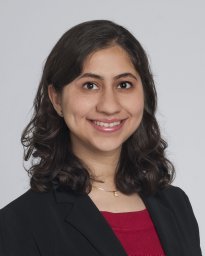 Agrima Mian合作论文数Cleveland Clin, Dept Med, Cleveland, OH 44106 USA19
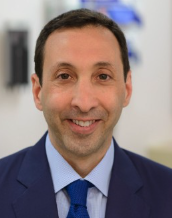 Steven M. Horwitz合作论文数Memorial Sloan Kettering Cancer Center19
 Nishitha M M Reddy合作论文数Division of Hematology Oncology, Department of Medicine, Vanderbilt University Medical Center19
 Vaishalee Kenkre合作论文数Department of Medicine, School of Medicine and Public Health, University of Wisconsin-Madison18Hien Liu合作论文数18Sauter Craig合作论文数17
 Izidore S. Lossos合作论文数Division of Hematology, Department of Medicine, Sylvester Comprehensive Cancer Center, University of Miami17
 Eric Hsi合作论文数Department of Pathology, Wake Forest University School of Medicine16
 Louis Williams合作论文数Perlmutter Cancer Center, NYU Langone Health14Diefenbach Catherine合作论文数14
 Craig A Portell合作论文数13Tatyana Feldman合作论文数13
 Benoit Tessoulin合作论文数Nantes University School of Medicine & University Hospital;Team 11 : reMoVE-B (CRCI2NA)12
 Neha Mehta-Shah合作论文数12
 Brad Haverkos合作论文数Department of Medicine-Hematology, University of Colorado Anschutz Medical Campus12
 Adam S Asch合作论文数12Jacob D. Soumerai合作论文数12Kirsten M. Boughan合作论文数11
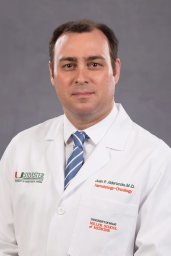 Juan Pablo Alderuccio合作论文数University of Miami11Brenda W. Cooper合作论文数11
 Shuo Ma合作论文数Hematology and Oncologys, Department of Medicine, Feinberg School of Medicine, Northwestern University11Smith Stephen D合作论文数11
 Kristie Blum合作论文数Winship Cancer Institute, Emory University;Department of Hematology and Medical Oncology, School of Medicine, Emory University11
 Stefan Barta合作论文数University of Pennsylvania School of Medicine;Fox Chase Cancer Center11
 Brad S. Kahl合作论文数Division of Oncology, John T. Milliken Department of Medicine, Washington University School of Medicine11
 Adam Olszewski合作论文数10Seo-Hyun Kim合作论文数Med Ctr, Rush Univ10Klein Andreas K合作论文数10
 Silvana Novelli合作论文数10
 Jason Valent合作论文数10
 Narendranath Epperla合作论文数Department of Internal Medicine, Marshfield Clinic10




