RATIONALE:Prior clinical trials established the safety but not the efficacy of bone marrow-derived mesenchymal stromal cells (MSCs) in acute respiratory distress syndrome (ARDS). OBJECTIVES:To compare the efficacy of bone marrow-derived MSCs versus placebo in ARDS. METHODS:Prospective, double-blind, multicenter, randomized phase 2b clinical trial of one dose of intravenous MSCs (10 × 106/kg predicted body weight) versus placebo in 120 ventilated patients with ARDS (PaO2/FiO2 ratio <250 mm Hg). The primary endpoint was change in oxygenation index during the 36 hours after baseline. MEASUREMENTS AND MAIN RESULTS:Enrollment began in January 2020. Because of the coronavirus disease (COVID-19) pandemic, ARDS developed from COVID-19 in the majority of subjects (101 of 120; 84%). There were no significant baseline differences in severity of illness between patients treated with MSCs and those who received placebo in the entire cohort of 120 patients or in the 101 patients with COVID-19 ARDS. There were no differences in the primary endpoint of change in oxygenation index from baseline during the 36 hours after study product administration for the entire cohort or the COVID-19 subgroup, nor were there significant differences in mortality at 14, 28, 60, or 180 days. Plasma protein biomarker and gene expression analyses identified subgroups of patients with differential treatment responses in terms of clinical outcomes. CONCLUSIONS:This phase 2b clinical trial identified no physiologic or clinical benefit from a single dose of MSCs in patients with ARDS, including those with COVID-19 ARDS. In future trials, baseline plasma biological markers may help identify patients who are more likely to benefit from MSC therapy.Clinical trial registered with www. CLINICALTRIALS:gov (NCT03818854).
The acute respiratory distress syndrome (ARDS) inflammatory environment alters mesenchymal stromal cell (MSC) gene and protein expression but effects on microRNA (miRNA) content of MSC-extracellular vesicle (EVs) remain unknown. To assess this, sequencing analysis of EV-miRNAs prepared from human bone marrow-derived MSCs (hMSCs) exposed ex vivo to bronchoalveolar lavage fluid (BALF) from ARDS patients or healthy volunteers (HV) identified a number of differentially expressed miRNAs. Discriminant, differential expression, and functional enrichment analyses identified 14 miRNAs significantly changed following ARDS versus HV BALF exposure. Network analysis showed 4 (miR-760, miR-3175, miR-885-3p, and miR-766-3p) of the 14 EV-miRNAs formed a regulatory “hub”, suggesting co-targeting of specific gene pathways. In silico prediction identified a number of pathways important in lung injury. Two miRNAs involved in regulation of the cystic fibrosis transmembrane conductance regulator (CFTR), miRNA-145-5p and miRNA-138-5p, were also significantly increased in ARDS BALF-exposed hMSCs EVs. Functionally, EVs from hMSCs exposed to either ARDS or HV BALF had differential effects on CFTR Cl- secretion by cultured primary human bronchial epithelial cells, an effect predicted to reduce mucociliary clearance. The potential clinical impact of these finding highlights the need for further studies assessing the role of hMSC-EV miRNAs in regulating lung inflammation and mucociliary clearance.
Organoids, which are tiny, lab-grown 3D structures that mimic some organizational and functional properties of human organs, are slowly transforming the face of systems and developmental biology, biomedical research, pharmaceutical testing, environmental toxin testing, and healthcare. Significant investments are essential for the mass production, preservation, and distribution of organoids, with the aim to accelerate innovation and progress across multiple fields-much like the investments made in cell and biologics manufacturing over the past 2 decades.
INTRODUCTION:The prognosis of stage IV gastrointestinal (GI) carcinomas is poor with a 15% five-year survival rate for colorectal carcinomas. To improve efficacy of tumor infiltrating lymphocytes (TIL), we isolated mutation-reactive autologous TIL and employed CRISPR/Cas9 to knockout (KO) the intracellular checkpoint protein CISH, which has been shown to enhance T cell expansion, functional avidity, and cytokine polyfunctionality, with consequent durable regression of established tumors in an animal model. MATERIALS & METHODS:TIL cultures were initiated from resected tumor fragments and maintained for six weeks before harvest and cryopreservation. Candidate neoantigens were nominated by exome sequencing and peptides were used to identify mutation reactive (MR) TIL. Selected MR TIL were thawed and allowed to recover for 24-36 h in media with 10% AB serum, 6000 IU/mL IL-2, and 5 ng/mL IL-7 and IL-15 followed by stimulation with plate-bound anti-CD3/soluble anti-CD28 for 4 days. CISH KO was performed by electroporation of Cas9 mRNA and chemically modified single guide RNA. Between 5 -7.5 million viable cells were added to each 100 cm2 G-Rex vessel containing 600 mL expansion media (with allogeneic feeder MNC:TIL = 100:1) and incubated for 6-8 days. Cultures were evaluated and split according to cell concentration criteria (and dose cohort) and incubated for an additional 6-8 days. On day 14, all of the cells were harvested, washed with buffer and cryopreserved (5% DMSO). Lot release testing included: viability, %CD3+, cytology review, Gram stain, sterility, endotoxin, mycoplasma, and interferon gamma (IFN-γ) production. Additional testing included DNA sequencing to determine genomic CISH editing efficiency and a Western blot for determination of CISH protein loss. RESULTS:Patients with GI cancers (colon [10], rectal [8], pancreatic [1], and esophageal [1]) underwent tumor collection. Nineteen of 22 tumor biopsies sampled from 20 patients total proceeded to KO/expansion. Final TIL product results (mean [SD], median [range]) were: viable count (x 1010) -3.25 (3.67), 1.95 (0.018-12.40); viable TIL fold expansion -327.1 (364.8), 153.1 (8-1454); % viability - 76 (13), 78 (43-92); % CD3 -94.4 (5.4), 95.8 (78.6-99.4); % CISH KO efficiency - 75 (29), 87 (0-96); % editing efficiency - 59.9 (24.8), 66.9 (0.4-86). Viability fell below 70% for five TIL products. All other lot release testing has met specification. Thirteen patients have received TIL; six patients were not treated due to disease progression prior to anticipated infusion. CONCLUSION:The translation of CRISPR/Cas9-based CISH KO MR TIL from the basic research lab to current good manufacturing practices The (cGMP) facility was successful, allowing for optimized, large-scale expansion in support of a first-in-human clinical trial to treat patients with metastatic GI cancers (ClinicalTrials.gov Identifier: NCT04426669).
Given the dramatic rise in incidence of colorectal cancer in young adults, there remain limited treatment options effective in metastatic disease. Although T cell-based therapies have been successful in treating highly antigenic cancers, like melanoma and lung, they have not yet been shown to induce consistent and durable tumor regression in common epithelial malignancies, including metastatic colorectal cancer (mCRC). CISH (Cytokine inducible SH2 containing protein) is a novel intracellular checkpoint target demonstrating PD-L1 ligand independent mechanisms of enhanced anti-cancer activity. Given that CISH is not currently tractable via antibody or small molecule drug modalities, we employed CRISPR for precise inhibition of CISH in tumor infiltrating lymphocytes (TILs). Here, we provide the first clinical report of safety and anti-tumor activity of CISH edited TILs in 12 patients with metastatic gastrointestinal cancers (NCT04426669), including a clinical complete response (CR) in a young-adult patient with immunotherapy-refractory mCRC. Tumors were surgically resected for TIL harvest, followed by a rapid expansion protocol and CRISPR/Cas9 knockout (KO) CISH. CISH KO, neoantigen-reactive TILs were expanded, then infused following non-myeloablative lymphocyte depleting (LD) chemotherapy (cyclophosphamide & fludarabine) followed by high-dose IL-2. To establish mechanistic attribution of the CR, we used iR-RepSeq+ for serial analysis of the TCR immune repertoire. Our CRISPR engineering led to KO of CISH in T cells with high-efficiency (>90%) without detectable off-target editing. We safely dosed patients at all five dose levels (range: 1.91e8 to 9.93e10 cells). No dose-limiting toxicities attributable to the CISH-KO TIL product were observed. Adverse events were consistent with established risks of LD chemotherapy, IL-2, or disease progression. A durable ongoing complete response (>21 months) was achieved in a patient with microsatellite instability-high (MSI-H) mCRC refractory to anti-PD1/CTLA-4 combination therapy. We provide the first clinical report of CISH checkpoint targeting via genetically modified T cell therapy, with complete response in a patient with mCRC. Persistence and expansion of unique TCR clonotypes detected in neoantigen responsive TIL was temporally consistent with spikes in CISH edited alleles detected by NGS assay; in the patient with CR, four of the clonotypes exhibiting prolonged persistence greater than one-year post-infusion exhibited significantly reduced or undetectable expression of CISH compared to the total infused TIL population. Given these findings, further investigation of CISH checkpoint inhibition, via gene and cell therapy, and next-generation small molecule drugging modalities, is underway. Emil Lou, Modassir S. Choudhry, Timothy K. Starr, Timothy Folsom, Jason Bell, Blaine Rathmann, Anthony P. DeFeo, Ji Hyun Kim, Nicholas Slipek, Zhaohui Jin, Darin Sumstad, Christopher A. Klebanoff, Katherine Ladner, Akshat Sarkari, R Scott McIvor, Thomas A. Murray, Jeffrey Miller, Madhuri Rao, Eric Jensen, Jacob Ankeny, Mahmoud A. Khalifa, Anil Chauhan, Benjamin Spilseth, Ajay Dixit, Paolo P. Provenzano, Wenjing Pan, Daniel Weber, Miranda Byrne-Steele, Tom Henley, David H. McKenna, Matthew J. Johnson, Beau R. Webber, Branden S. Moriarity. First-in-human trial in patients with metastatic colorectal cancer using CRISPR-engineered tumor infiltrating lymphocytes in which the intracellular immune checkpoint CISH is inhibited [abstract]. In: Proceedings of the American Association for Cancer Research Annual Meeting 2025; Part 2 (Late-Breaking, Clinical Trial, and Invited Abstracts); 2025 Apr 25-30; Chicago, IL. Philadelphia (PA): AACR; Cancer Res 2025;85(8_Suppl_2):Abstract nr CT269.
Abstract Purpose: Vaccination with dendritic cell (DC)/multiple myeloma (MM) fusions has been shown to induce the expansion of circulating MM-reactive lymphocytes and consolidation of clinical response following autologous hematopoietic cell transplant (autoHCT). Patients and Methods: In this randomized phase II trial (NCT02728102), we assessed the effect of DC/MM fusion vaccination, GM-CSF, and lenalidomide maintenance as compared to control arms of GM-CSF and lenalidomide or lenalidomide maintenance alone on clinical response rates and induction of MM-specific immunity at 1-year post-transplant. Results: The study enrolled 203 patients, with 140 randomized post-transplantation. Vaccine production was successful in 63/68 patients. At 1 year, rates of CR were 52.9% (vaccine) and 50% (control) (p=0.37, 80% CI 44.5%, 61.3% and 41.6%, 58.4%, respectively), and rates of VGPR or better were 85.3% (vaccine) and 77.8% (control) (p=0.2). Conversion to CR at 1 year was 34.8% (vaccine) and 27.3% (control) (p=0.4). Vaccination induced a statistically significant expansion of MM-reactive T cells at 1 year as compared to prior to vaccination (p=0.024) and in contrast to the non-vaccine arm (p=0.026). Single-cell transcriptomics revealed clonotypic expansion of activated CD8 cells and shared dominant clonotypes between patients at 1-year post-transplant. Conclusions: DC/MM fusion vaccination with lenalidomide did not result in a statistically significant increase in CR rates at 1-year post-transplant but was associated with a significant increase in circulating MM-reactive lymphocytes indicative of tumor-specific immunity. Site-specific production of a personalized cell therapy with centralized product characterization was effectively accomplished in the context of a multicenter cooperative group study.
Due to its small size and lifelong optical transparency, the fish Danionella cerebrum is an emerging model organism in biomedical research. How can this small vertebrate under 12 mm length produce sounds over 140 dB? We found that it possesses ...Motion is the basis of nearly all animal behavior. Evolution has led to some extraordinary specializations of propulsion mechanisms among invertebrates, including the mandibles of the dracula ant and the claw of the pistol shrimp. In contrast, vertebrate ...
Background: Over the past 2 decades, sequential improvements in conditioning regimens for patients with Fanconi anemia (FA) undergoing hematopoietic cell transplantation (HCT), including T cell depletion (TCD), have led to marked improvements in outcomes (MacMillan, Blood 2015). We performed a single center phase II prospective clinical trial (NCT03579875) to test the hypothesis that TCRa/b depletion would sufficiently deplete graft-versus-host disease (GVHD) causing a/b T cells to eliminate the need for prolonged immunosuppression, and reduce the risk for opportunistic infections after related or unrelated donor peripheral blood stem cell (PBSC) transplantation in patients with FA. Methods: Patients received our previously published conditioning regimen with fludarabine, cyclophosphamide and methylprednisolone alone if the patient had marrow failure only and an HLA matched sibling donor (n=2), or in combination with total body irradiation with thymic shielding (n=12) or busulfan (n=17) if there was clonal disease, or if the donor was a haploidentical related or HLA matched or mismatched unrelated donor. Additionally, all but the first patient received one dose of rituximab the day before transplant for B cell depletion. PBSCs collected after Neupogen mobilization were depleted of TCRa/b cells prior to transplant. Mycophenolate mofetil was given after transplant if the TCRa/b dose ≥2 x 10⁵ TCR α/β T cells/kg recipient weight (n=4). Mass cytometry (CyTOF) was used for immune reconstitution studies, targeting markers for delineating naïve, effector and effector memory CD4 cells and naïve, stem memory, central memory and effector memory CD8 cells, as well as T regulatory, B and gd T cell subpopulations. Results: 31 patients with FA, median age 9.5 years (range 1.7-43.8) were enrolled. Genotypes included 17 FANCA, 4 FANCC, 6 BRCA2, and one of each FANCB, FANCF, FANCG and FANCJ. Patients received TCRa/b depleted PBSCs for marrow failure (n=18), myelodysplastic syndrome MDS (n=4), relapsed MDS (n=1), APML (n=1), ALL (n=1), immune deficiency (n=1), BRCA2 with clonal abnormality (n=2) or pre-emptively for BRCA2 (n=3), with 2 patients having had a prior transplant. Median CD34+ cells/kg was 1.14 x 10⁷/kg and median TCRa/b dose was 6.2 x 10⁴/kg. Neutrophil engraftment occurred in all patients at a median of 9 days. Platelet recovery ≥20,000/uL occurred in 30 patients at a median of 15 days. Complete donor myeloid engraftment was achieved by day 21 in all patients with sustained neutrophil engraftment who did not relapse. Donor lymphoid engraftment was slower with complete CD3+ chimerism achieved in only 15 patients at 1 year after PBSCT. To date, 3 patients developed grade II-IV acute GVHD. No patient has developed chronic GVHD requiring systemic therapy. With a median follow-up of 27 months, probability of survival at 2 years is 90% (95% CI, 71-97%), including 5 of 6 BRCA2 patients and all 7 adult patients. Secondary graft failure occurred in 2 patients, both of whom were successfully retransplanted. Relapse was observed in 3 patients, two of whom were successfully retransplanted and remain in remission. By 1 year, 6 patients developed viral infections requiring systemic therapy: CMV (n=2), 1 adenovirus (n=1), adenovirus and BK (n=1), HHV6 (n=1) BK, HHV6 and EBV-PTLD (n=1). Fifteen patients had sufficient follow up for evaluating immune recovery to 1 year. Compared to 10 historical FA patients similarly treated except for GVHD prophylaxis (TCD by CD34 selection in combination with calcineurin inhibitor, MacMillan, Blood 2015), the significant finding were: lower proportions of total CD4+ cells (43.0% vs 76.7%, p <0.0002), lower proportions of memory Tregs (4.8% vs 14.6%, p<0.01), and higher proportions of gd T cells (30.8% vs 4.8%, p<0.0003) in recipients of TCRa/b PBSC at day 28. Analysis of gd T cell proportions at 6 months (16.2% vs 3.2%, p = 0.0106; TCRa/b PBSC vs. CD34 selection) indicated that TCRa/b depletion resulted in a lasting immune imprint, underpinning the differences in reconstitution between these two transplant methodologies. Conclusions: TCRa/b depleted PBSC transplantation without CNI results in excellent engraftment, minimal GVHD, few viral infections and excellent survival in FA patients with promising outcomes in those with hematologic malignancy, biallelic BRCA2 genotype and older age who historically often did poorly.
Supplemental Figure 1: (A) Progression Free Survival Kaplan Meier Curve. (B) Overall Survival Kaplan Meier Curve.
BACKGROUND AIMS:Mesenchymal stromal cells (MSCs) are attractive as a therapeutic modality in multiple disease conditions characterized by inflammation and vascular compromise. Logistically they are advantageous because they can be isolated from adult tissue sources, such as bone marrow (BM). The phase 2a START clinical trial determined BM-MSCs to be safe in patients with moderate-to-severe acute respiratory distress syndrome (ARDS). Herein, we examine a subset of the clinical doses of MSCs generated for the phase 2a START trial from three unique donors (1-3), where one of the donors' donated BM on two separate occasions (donor 3 and 3W). METHODS:The main objective of this study was to correlate properties of the cells from the four lots with plasma biomarkers from treated patients and relevant to ARDS outcomes. To do this we evaluated MSC donor lots for (i) post-thaw viability, (ii) growth kinetics, (iii) metabolism, (iv) surface marker expression, (v) protein expression, (vi) immunomodulatory ability and (vii) their functional effects on regulating endothelial cell permeability. RESULTS:MSC-specific marker expression and protection of thrombin-challenged endothelial barrier permeability was similar among all four donor lots. Inter and intra-donor variability was observed in all the other in vitro assays. Furthermore, patient plasma ANG-2 and protein C levels at 6 hours post-transfusion were correlated to cell viability in an inter- and intra-donor dependent manner. CONCLUSIONS:These findings highlight the potential of donor dependent (inter-) and collection dependent (intra-) effects in patient biomarker expression.
BACKGROUND:Natural killer (NK) cells are dysfunctional in chronic human immunodeficiency virus (HIV) infection as they are not able to clear virus. We hypothesized that an infusion of NK cells, supported by interleukin 2 (IL-2) or IL-15, could decrease virus-producing cells in the lymphatic tissues. METHODS:We conducted a phase 1 pilot study in 6 persons with HIV (PWH), where a single infusion of haploidentical related donor NK cells was given plus either IL-2 or N-803 (an IL-15 superagonist). RESULTS:The approach was well tolerated with no unexpected adverse events. We did not pretreat recipients with cyclophosphamide or fludarabine to "make immunologic space," reasoning that PWH on stable antiretroviral treatment remain T-cell depleted in lymphatic tissues. We found donor cells remained detectable in blood for up to 8 days (similar to what is seen in cancer pretreatment with lymphodepleting chemotherapy) and in the lymph nodes and rectum up to 28 days. There was a moderate decrease in the frequency of viral RNA-positive cells in lymph nodes. CONCLUSIONS:There was a moderate decrease in HIV-producing cells in lymph nodes. Further studies are warranted to determine the impact of healthy NK cells on HIV reservoirs and if restoring NK-cell function could be part of an HIV cure strategy. Clinical Trials Registration. NCT03346499 and NCT03899480.
BACKGROUND Chimeric antigen receptor (CAR) T-cell therapy has revolutionized treatment of hematologic malignancies and holds promise for solid tumors. While responses to CAR T-cell therapy have surpassed other available options for patients with refractory malignancies, not all patients respond the same way. The reason for this variability is not currently understood. Therefore, there is a strong need to identify characteristics of patients as well as cellular products that lead to an effective response to CAR T-cell therapy. CONTENT In this review, we discuss potential biomarkers that may predict clinical outcomes of CAR T-cell therapy. Based on correlative findings from clinical trials of both commercially available and early-phase products, we classify biomarkers into categories of pre- and post-infusion as well as patient and product-related markers. Among the biomarkers that have been explored, measures of disease burden both pre- and post-infusion, as well as CAR T-cell persistence post-infusion, are repeatedly identified as predictors of disease response. Higher proportions of early memory T cells at infusion appear to be favorable, and tracking T-cell subsets throughout treatment will likely be critical. SUMMARY There are a growing number of promising biomarkers of CAR T-cell efficacy described in the research setting, however, none of these have been validated for clinical use. Some potentially important predictors of response may be difficult to obtain routinely under the current CAR T-cell therapy workflow. A collaborative approach is needed to select biomarkers that can be validated in large cohorts and incorporated into clinical practice.
Background and Aim An essential aspect of ensuring availability and stability of mesenchymal stem/stromal cells (MSCs) products for clinical use is that these cells are cryopreserved before individual infusion into patients. Currently, cryopreservation of MSCs involves use of a cryoprotectant solution containing dimethyl sulfoxide (DMSO). However, it is recognized that DMSO may be toxic for both the patient and the MSC product. In this Production Assistance for Cellular Therapies (PACT) and Biomedical Excellence for Safer Transfusion (BEST) Collaborative study, we compared a novel DMSO-free solution with DMSO containing cryoprotectant solutions for freezing MSCs. Methods A DMSO-free cryoprotectant solution containing sucrose, glycerol, and isoleucine (SGI) in a base of Plasmalyte A was prepared at the University of Minnesota. Cryoprotectant solutions containing 5-10% DMSO (in-house) were prepared at seven participating centers (five from USA, one each from Australia and Germany). The MSCs were isolated from bone marrow or adipose tissue and cultured ex vivo per local protocols at each center. The cells in suspension were frozen by aliquoting into vials/bags. For six out of the seven centers, the vials/bags were placed in a controlled rate freezer (one center placed them at -80°C freezer overnight) before transferring to liquid nitrogen. The cells were kept frozen for at least one week before thawing and testing. Pre- and post-thaw assessment included cell viability and recovery, immunophenotype as well as transcriptional and gene expression profiles. Linear regression, mixed effects models and two-sided t-tests were applied for statistical analysis. Results MSCs had an average viability of 94.3% (95% CI, 87.2-100%) before cryopreservation, decreasing by 4.5% (95% CI: 0.03-9.0%; p: 0.049) and 11.4% (95% CI: 6.9-15.8%; p<0.001), for MSCs cryopreserved in the in-house and SGI solutions, respectively. The average recovery of viable MSCs cryopreserved in the SGI was 92.9% (95% CI: 85.7-100.0%), and it was lower by 5.6% (95% CI: 1.3-9.8%, p<0.013) for the in-house solution. Additionally, MSCs cryopreserved in the two solutions had expected level of expressions for CD45, CD73, CD90 and CD105 with no significant difference in global gene expression profiles. Conclusion MSCs cryopreserved in a DMSO-free solution containing sucrose, glycerol, and isoleucine in a base of Plasmalyte A had slightly lower cell viability, better recovery, and comparable immunophenotype and global gene expression profiles compared to MSCs cryopreserved in DMSO containing solutions. The average viability of MSCs in the novel solution was above 80% and, thus, likely clinically acceptable. Future studies are suggested to test the post-thaw functions of MSCs cryopreserved in the novel DMSO-free solution.
Higher doses of infused nucleated cells (NCs) are associated with improved clinical outcomes in bone marrow transplantation (BMT) recipients. Most clinicians recommend infusing at least 2.0 × 10⁸ NCs/kg. BMT clinicians request a target NC dose, but the harvested NC dose may be below the requested NC dose even before cell processing. We conducted this retrospective study to investigate the quality of bone marrow (BM) harvest and factors that influence infused NC doses at our institution. We also correlated infused NC doses with clinical outcomes. The study population included 347 BMT recipients (median age, 11 years; range, <1 to 75 years) at the University of Minnesota between 2009 and 2019. Underlying diagnoses mainly included 39% malignant and 61% nonmalignant diagnoses. Requested, harvested, and infused NC doses, as well as cell processing data, were obtained from the Cell Therapy Laboratory; clinical outcomes data were obtained from the University of Minnesota BMT Database. BM harvests were facilitated either by our institution (61%) or by the National Marrow Donor Program (39%). Associations of infused doses with baseline characteristics were assessed using the general Wilcoxon test/Pearson's correlation coefficient. The association of infused dose with neutrophil engraftment (absolute neutrophil count >500) by day 42, platelet engraftment (>20,000) by 6 months, acute graft-versus-host disease grade II-IV, and overall survival (OS) at 5 years were evaluated using regression and Kaplan-Meier curves. The median requested NC dose was 3.0 × 10⁸/kg (range, 2 to 8 × 10⁸/kg), and the median harvested and infused NC doses were 4.0 × 10⁸/kg and 3.6 × 10⁸/kg, respectively. Only 7% of donors had a harvested dose below the minimum requested dose. Moreover, the correlation between requested doses and harvested doses was adequate, with a harvested/requested dose ratio <.5 observed in only 5% of harvests. Additionally, the harvest volume and cell processing method were significantly correlated with the infused dose. Harvest volume exceeding the median of 948 mL was related to a significantly lower infused dose (P < .01). Moreover, hydroxyethyl starch (HES)/buffy coat processing (used to reduce RBCs with major ABO incompatibility) led to a significantly lower infused dose (P < .01). Donor age (median, 19 years; range, <1 to-70 years) and sex did not significantly influence the infused dose. Finally, the infused dose was significantly correlated with neutrophil and platelet engraftment (P < .05) but not with 5-year OS (P = .87) or aGVHD (P = .33). In our program's experience, BM harvesting is efficient and meets the requested minimum dose for 93% of recipients. Harvest volume and cell process play significant roles in determining the final infused dose. Minimizing harvest volume and cell processing could lead to increased infused dose and thus improved outcomes. Moreover, a higher infused dose leads to a better rate of neutrophil and platelet engraftment but not to improved OS, which may be linked to the sample size of our study.
Manufacturers of Food and Drug Administration-approved chimeric antigen receptor T-cell (CAR-T) therapies specify apheresis collection parameters (ACP) for harvest of mononuclear cells (MNCs). With the growing number of products, the varying requirements for ACP are increasing apheresis unit operations complexity and decreasing efficiency. Given the lack of ACP standardization, we investigated the rationale for the ACPs requested by the manufacturers. We assessed if ACPs were based on the pivotal study protocols or publications and whether physician authors involved in the publications were transfusion medicine (TM) affiliated. Pivotal study protocols and publications for the 6 approved CAR-T products were reviewed to search for ACP. The standard operating procedure (SOP) provided by each company was reviewed to obtain ACP. ACP were compared for alignment between the SOP and protocols or publications. Study author affiliations were identified through PubMed and verified on department websites or LinkedIn if available. Study results are summarized in Table 1. All (100%) of the products request specific ACP in the collection SOPs. ACP were stated in study protocols for three of six products (50%). When stated in protocols, ACP matched those requested in collection SOPs. Only one of six (16.7%) products specified target ACP in the study publication and this product, which is the most recently approved, required only a target MNC number in the SOP. The minimum target MNC number requested in the SOPs varied from 1 × 10⁹ to 5 × 10⁹. Finally, only one of six (16.7%) study publications had a physician author who was clearly affiliated with a TM department or division, but none were found that were trained in TM. TABLE 1: Comparison of ACP in approved CAR-T products. ACP, apheresis collection parameters; CAR-T, chimeric antigen receptor T cell.
 Jeffrey Miller合作论文数Division of Hematology, Oncology and Transplantation, Medical School, University of Minnesota59
 John Wagner合作论文数Division of Blood and Marrow Transplant & Cellular Therapy, Department of Pediatrics, University of Minnesota;Medical School, University of Minnesota55
 Darin Sumstad合作论文数36
 Bruce Blazar合作论文数Division of Pediatric Blood and Marrow Transplantation & Cellular Therapy, Department of Pediatrics, Medical School, University of Minnesota;Center for Translational Medicine, University of Minnesota35
 Claudio Brunstein合作论文数Department of Hematology and Oncology, Taussig Cancer Institute, Cleveland Clinic34
 Todd E. Defor合作论文数University of Minnesota31Sarah Cooley合作论文数27
 Daniel Weisdorf合作论文数Division of Hematology, Oncology and Transplantation, Department of Medicine, Medical School, University of Minnesota;Clinical and Translational Science Institute, University of Minnesota23
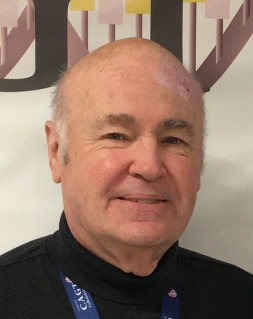 Adrian Gee合作论文数Center for Cell and Gene Therapy, Baylor College of Medicine21
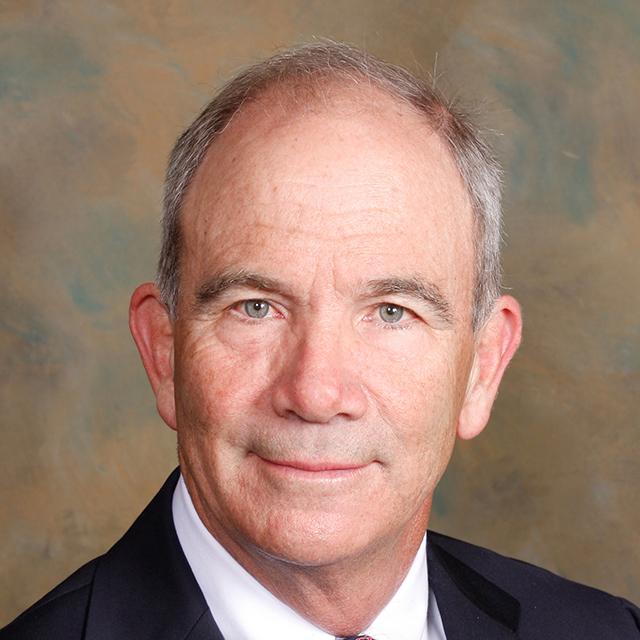 Michael Matthay合作论文数Department of Medicine, University of California San Francisco;School of Medicine, University of California San Francisco20Curtsinger Julie M合作论文数19Diane Kadidlo合作论文数17
 Jo-Anna Reems合作论文数17D. Kadidlo合作论文数16
 Michael Verneris合作论文数School of Medicine, University of Colorado;Children's Hospital Colorado;University of Minnesota16
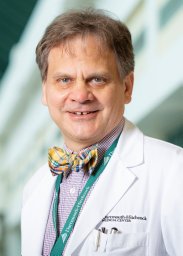 Szczepiorkowski Zbigniew M合作论文数Dept Pathol, Dartmouth Hitchcock Med Ctr15
 Allison Hubel合作论文数Department of Mechanical Engineering, College of Science and Engineering, University of Minnesota;Evia Bio15Hippen Keli L合作论文数14David F. Stroncek合作论文数14Peiman Hematti合作论文数14
 Philip B. Mcglave合作论文数University of Minnesota Blood and Marrow Transplant Clinic;Division of Hematology, Oncology and Transplantation, University of Minnesota Medical School13D Sumstad合作论文数13
 Veronika Bachanova合作论文数Division of Adult and Pediatric Hematology, Oncology, and Transplantation, University of Minnesota Cancer Center13Qing Cao合作论文数University of Minnesota Blood and Marrow Transplant Program11J Mccullough合作论文数10Lindblad Robert合作论文数10Anthony E. Boitano合作论文数10Kathleen D Liu合作论文数9
 Jae Woo Lee合作论文数Department of Chemical and Biomolecular Engineering, College of Engineering, Korea Advanced Institute of Science and Technology9
 Cliona M Rooney合作论文数Department of Molecular Virology and Microbiology, Baylor College of Medicine;Department of Immunology, Baylor College of Medicine9Daniel J. Weiss合作论文数9Margaret L. Macmillan合作论文数Department of Pediatrics, University of Minnesota9michael paul cooke合作论文数8
 Natalie Callander合作论文数Department of Medicine, School of Medicine and Public Health, University of Wisconsin-Madison8
 Lina Bisharat合作论文数Harvard Med Sch, Beth Israel Deaconess Med Ctr8
 Lynn O'Donnell合作论文数8Chodon Thinle合作论文数8
 Steven Devine合作论文数Be The Match BioTherapies8
 David Chung合作论文数Northwell Health Cancer Institute8
 Edmund Waller合作论文数Department of Hematology and Medical Oncology, School of Medicine, Emory University;Winship Cancer Institute, Emory University8
 Nancy Geller合作论文数Division of Intramural Research, National Heart, Lung, and Blood Institute, National Institutes of Health8James W. Young合作论文数8Jacalyn Rosenblatt合作论文数8
 Hillard M. Lazarus合作论文数Department of Medicine, School of Medicine, Case Western Reserve University8
 Magali Fontaine合作论文数Department of Pathology, School of Medicine, University of Maryland8
 Lynne Uhl合作论文数8Marcelo C. Pasquini合作论文数Center for International Blood and Marrow Transplant Research, Medical College of Wisconsin8Dina Stroopinsky合作论文数8
 David E. Avigan合作论文数Beth Israel Deaconess Medical Center;Dana-Farber / Harvard Cancer Center;Harvard Medical School8




