Mars sample return (MSR) is classified by COSPAR as a Class V restricted science mission because of the non-zero risk that selected rock and regolith may contain an unknown extra-terrestrial microbiology. Once returned to Earth, the samples will be initially curated in a specialized high-containment sample receiving facility (SRF), using isolators that meet or exceed the containment standards of a Class III biosafety cabinet (BSC). A key challenge in designing such a facility is integrating biological containment with ultra-clean cabinet operations for curation. A double-walled isolator (DWI) concept is often discussed as a containment solution to this challenge. To support planetary protection (PP) requirements of the mission, a DWI breadboard (DWI BB) model has been developed in the UK to demonstrate and test the double-wall concept. Its multi-barrier technology enables the safe handling/movement, analysis and curation of precious samples in a pristine environment. This article explores the technical challenges of sample curation under high containment and how the double-wall design, incorporating a tertiary pressure barrier, supports enhanced Class III BSC development within a biosafety level (BSL) 3 or 4 (BSL-3/4) laboratory. This article is part of the theme issue 'Planetary Protection for sustainable space exploration'.
NASA’s Mars 2020 mission has initiated collection of samples from Mars’ Jezero Crater, which has a wide range of ancient rocks and rock types from lavas to lacustrine sedimentary rocks. The Mars Sample Return (MSR) Campaign, a joint effort between NASA and ESA, aims to bring the Perseverance collection back to Earth for intense scientific investigation. As the first return of samples from a habitable world, there are important challenges to overcome for the successful implementation of the MSR Campaign from the point of sample collection on Mars to the long-term curation of the samples on Earth. In particular, the successful execution of planetary protection protocols adds well-warranted complexity to every step of the process from the two MSR Program flight elements to the ground element at the sample receiving facility (SRF). In this contribution, we describe the architecture of the MSR Campaign, with a focus on infrastructure needs for the curation (i.e., the clean storage, processing, and allocation) of pristine Martian samples. Curation is a science-enabling and planetary protection-enabling activity, and the curation practices described in this contribution for the SRF and any long-term curation facility will enable the sample safety assessment, initial scientific investigations of the samples, and establish the MSR collection as a scientific resource that will enable generations of science and discovery through studies of the returned Mars samples. The planetary protection and curation processes established for MSR will provide critical insights into potential future sample return missions from other habitable worlds like Enceladus and Europa.
The NASA Mars 2020 mission Perseverance rover carries a piece of Martian meteorite Sayh al Uhaymir (SaU) 008 as part of the calibration payload for the SHERLOC science instrument. We report SHERLOC observations of the SaU 008 flight piece over the first 1,000 sols of the mission and compare them to measurements done prior to launch, showing consistent detection of the same deep‐ultraviolet (DUV) Raman and fluorescence signatures in the same locations. Co‐located X‐ray fluorescence (XRF) and DUV mapping of a reference SaU 008 piece on Earth confirm that the meteorite is comprised of an igneous mineral matrix consistent with shergottite, rich in olivine, maskelynite, and Fe‐Mg pyroxenes detectable by SHERLOC. Terrestrial weathering features consist of fractures and vugs filled with Ca‐carbonate. Fluorescence mapping reveals two major signatures: (a) broad‐spectrum fluorescence present throughout the igneous matrix but strongest in weathering features, attributed to organic material, and (b) narrow‐band 340 nm fluorescence spatially associated with ∼48 ppm cerium in <100 μm Ca‐phosphate grains. Raman revealed organic material in both the igneous matrix and terrestrial carbonate in the form of macromolecular carbon (MMC) with defect and graphitic bands at ∼1,380 and ∼1,600 cm −1 respectively. Raman band parameters suggest that MMC associated with terrestrial weathering is less thermally mature, most likely the result of chemical alteration after landing on Earth. This study serves as a demonstration of SHERLOC's capabilities when supported by co‐located XRF data from PIXL and suggests that SHERLOC can detect Ce in phosphate minerals at concentrations as low as 4 ppm.
The Mighei-like carbonaceous (CM) chondrites have been altered to various extents by water-rock reactions on their parent asteroid(s). This aqueous processing has destroyed much of the primary mineralogy of these meteorites, and the degree of alteration is highly heterogeneous at both the macroscale and nanoscale. Many CM meteorites are also heavily brecciated juxtaposing clasts with different alteration histories. Here we present results from the fine-grained team consortium study of the Winchcombe meteorite, a recent CM chondrite fall that is a breccia and contains eight discrete lithologies that span a range of petrologic subtypes (CM2.0-2.6) that are suspended in a cataclastic matrix. Coordinated multitechnique, multiscale analyses of this breccia reveal substantial heterogeneity in the extent of alteration, even in highly aqueously processed lithologies. Some lithologies exhibit the full range and can comprise nearly unaltered coarse-grained primary components that are found directly alongside other coarse-grained components that have experienced complete pseudomorphic replacement by secondary minerals. The preservation of the complete alteration sequence and pseudomorph textures showing tochilinite-cronstedtite intergrowths are replacing carbonates suggest that CMs may be initially more carbonate rich than previously thought. This heterogeneity in aqueous alteration extent is likely due to a combination of microscale variability in permeability and water/rock ratio generating local microenvironments as has been established previously. Nevertheless, some of the disequilibrium mineral assemblages observed, such as hydrous minerals juxtaposed with surviving phases that are typically more fluid susceptible, can only be reconciled by multiple generations of alteration, disruption, and reaccretion of the CM parent body at the grain scale.
The Winchcombe meteorite fell on February 28, 2021 and was the first recovered meteorite fall in the UK for 30 years, and the first UK carbonaceous chondrite. The meteorite was widely observed by meteor camera networks, doorbell cameras, and eyewitnesses, and 213.5 g (around 35% of the final recovered mass) was collected quickly-within 12 h-of its fall. It, therefore, represents an opportunity to study very pristine extra-terrestrial material and requires appropriate careful curation. The meteorite fell in a narrow (600 m across) strewn field similar to 8.5 km long and oriented approximately east-west, with the largest single fragment at the farthest (east) end in the town of Winchcombe, Gloucestershire. Of the total known mass of 602 g, around 525 g is curated at the Natural History Museum, London. A sample analysis plan was devised within a month of the fall to enable scientists in the UK and beyond to quickly access and analyze fresh material. The sample is stored long term in a nitrogen atmosphere glove box. Preliminary macroscopic and electron microscopic examinations show it to be a CM2 chondrite, and despite an early search, no fragile minerals, such as halite, sulfur, etc., were observed.
The shergottites are the most abundant and diverse group of Martian meteorites and provide unique insights into the mafic volcanic and igneous history of Mars. Their ages, however, remain a source of debate. Different radioisotopic chronometers, including 40Ar/39Ar, have yielded discordant ages, leading to conflicting interpretations on whether the shergottites originate from young (mostly <700 Ma) or ancient (>4,000 Ma) Martian volcanoes. To address this issue, we have undertaken an 40Ar/39Ar investigation of seven shergottite meteorites utilizing an innovative approach to correcting data for cosmogenic isotope production and resolution of initial trapped components which, crucially, do not require assumptions concerning the sample's geologic context. Our data yield statistically robust 40Ar/39Ar isochron ages ranging from 161 ± 9 Ma to 540 ± 63 Ma (2σ), synchronous with the U-Pb, Rb-Sr, and Sm-Nd ages for the respective meteorites. These data indicate that, despite experiencing shock metamorphism, the shergottites were sourced from the youngest volcanoes on Mars.
Paleoarchean stromatolites are among the oldest compelling evidence for life. We present advanced two- and three-dimensional (2-D and 3-D) reconstructions of the morphology, mineralogy, trace element geochemistry, and taphonomy of permineralized stromatolites from the lowermost horizons of the ca. 3.5 Ga Dresser Formation, Pilbara, Western Australia. Rare earth element plus yttrium compositions suggest a restricted paleodepositional setting influenced by marine influxes; this contrasts with other Dresser stromatolites, which developed around terrestrial hot springs. Mineral phase relationships and positive Eu anomalies denote syndepositional hydrothermal influence and silicification promoting high-fidelity microstructural preservation. Although no primary kerogen is preserved, numerous 2-D and 3-D morphological characteristics denote a biogenic origin, including the onlap of sedimentary layers onto stromatolitic topography, fine-scale undulatory laminations, non-isopachous laminations with crestal thickening, laminoid fenestrae, and subvertical pillar-like fabrics interpreted as microbial palisade structure; these features suggest that the stromatolite eco-system was dominantly phototrophic. The deep iron-rich weathering profile of the Dresser stromatolites makes them pertinent analogues for potential microbialites in altered carbonates on Mars. Were similar putative biogenic macro-, meso- and micromorphologies identified in habitable Martian settings by rover imaging systems, such materials would be compelling targets for sample return.
Dust transported in the martian atmosphere is of intrinsic scientific interest and has relevance for the planning of human missions in the future. The MSR Campaign, as currently designed, presents an important opportunity to return serendipitous, airfall dust. The tubes containing samples collected by the Perseverance rover would be placed in cache depots on the martian surface perhaps as early as 2023-24 for recovery by a subsequent mission no earlier than 2028-29, and possibly as late as 2030-31. Thus, the sample tube surfaces could passively collect dust for multiple years. This dust is deemed to be exceptionally valuable as it would inform our knowledge and understanding of Mars' global mineralogy, surface processes, surface-atmosphere interactions, and atmospheric circulation. Preliminary calculations suggest that the total mass of such dust on a full set of tubes could be as much as 100 mg and, therefore, sufficient for many types of laboratory analyses. Two planning steps would optimize our ability to take advantage of this opportunity: (1) the dust-covered sample tubes should be loaded into the Orbiting Sample container (OS) with minimal cleaning and (2) the capability to recover this dust early in the workflow within an MSR Sample Receiving Facility (SRF) would need to be established. A further opportunity to advance dust/atmospheric science using MSR, depending upon the design of the MSR Campaign elements, may lie with direct sampling and the return of airborne dust.
Oral epithelial dysplasia (OED) is a histopathologically-defined, potentially premalignant condition of the oral cavity. The rate of transformation to frank carcinoma is relatively low (12% within 2 years) and prediction based on histopathological grade is unreliable, leading to both over- and under-treatment. Alternative approaches include infrared (IR) spectroscopy, which is able to classify cancerous and non-cancerous tissue in a number of cancers, including oral. The aim of this study was to explore the capability of FTIR (Fourier-transform IR) microscopy and machine learning as a means of predicting malignant transformation of OED. Supervised, retrospective analysis of longitudinally-collected OED biopsy samples from 17 patients with high risk OED lesions: 10 lesions transformed and 7 did not over a follow-up period of more than 3 years. FTIR spectra were collected from routine, unstained histopathological sections and machine learning used to predict malignant transformation, irrespective of OED classification. PCA-LDA (principal component analysis followed by linear discriminant analysis) provided evidence that the subsequent transforming status of these 17 lesions could be predicted from FTIR data with a sensitivity of 79 ± 5% and a specificity of 76 ± 5%. Six key wavenumbers were identified as most important in this classification. Although this pilot study used a small cohort, the strict inclusion criteria and classification based on known outcome, rather than OED grade, make this a novel study in the field of FTIR in oral cancer and support the clinical potential of this technology in the surveillance of OED.
Collections assessments can inform strategic planning, project management, baseline assessment reports, project cost-benefit analyses, support funding requests and collections advocacy. In 2018, 77 staff at the Natural History Museum, London, took part in a successful collections assessment exercise on its 80 million item collection. 17 questions provided details of the Condition, Importance/Significance, Information available and Outreach use/potential about 2602 Collection Units covering the entire Natural History science departments and Library and Archives. Results can be displayed and filtered via a bespoke dashboard in Microsoft Power BI, accessed via a web link available internally to all staff. The project successfully recorded the expertise of the curatorial staff and produced the first comprehensive assessment of the Natural History Museum’s collection. The methodology is outlined here to encourage other institutions to run the same assessment. Future developments in the methodology such as automation of scoring and development of the dashboard are discussed.
The Scanning Habitable Environments with Raman and Luminescence for Organics and Chemicals (SHERLOC) is a robotic arm-mounted instrument onboard NASA's Perseverance rover. SHERLOC combines imaging via two cameras with both Raman and fluorescence spectroscopy to investigate geological materials at the rover's Jezero crater field site. SHERLOC requires in situ calibration to monitor the health and performance of the instrument. These calibration data are critically important to ensure the veracity of data interpretation, especially considering the extreme martian environmental conditions where the instrument operates. The SHERLOC Calibration Target (SCT) is located at the front of the rover and is exposed to the same atmospheric conditions as the instrument. The SCT includes 10 individual targets designed to meet all instrument calibration requirements. An additional calibration target is mounted inside the instrument's dust cover. The targets include polymers, rock, synthetic material, and optical pattern targets. Their primary function is calibration of parameters within the SHERLOC instrument so that the data can be interpreted correctly. The SCT was also designed to take advantage of opportunities for supplemental science investigations and includes targets intended for public engagement. The exposure of materials to martian atmospheric conditions allows for opportunistic science on extravehicular suit (i.e., "spacesuit") materials. These samples will be used in an extended study to produce direct measurements of the expected service lifetimes of these materials on the martian surface, thus helping NASA facilitate human exploration of the planet. Other targets include a martian meteorite and the first geocache target to reside on another planet, both of which increase the outreach and potential of the mission to foster interest in, and enthusiasm for, planetary exploration. During the first 200 sols (martian days) of operation on Mars, the SCT has been analyzed three times and has proven to be vital in the calibration of the instrument and in assisting the SHERLOC team with interpretation of in situ data.
Samples returned from Mars would be placed under quarantine at a Sample Receiving Facility (SRF) until they are considered safe to release to other laboratories for further study. The process of determining whether samples are safe for release, which may involve detailed analysis and/or sterilization, is expected to take several months. However, the process of breaking the sample tube seal and extracting the headspace gas will perturb local equilibrium conditions between gas and rock and set in motion irreversible processes that proceed as a function of time. Unless these time-sensitive processes are understood, planned for, and/or monitored during the quarantine period, scientific information expected from further analysis may be lost forever. At least four processes underpin the time-sensitivity of Mars returned sample science: (1) degradation of organic material of potential biological origin, (2) modification of sample headspace gas composition, (3) mineral-volatile exchange, and (4) oxidation/reduction of redox-sensitive materials. Available constraints on the timescales associated with these processes supports the conclusion that an SRF must have the capability to characterize attributes such as sample tube headspace gas composition, organic material of potential biological origin, as well as volatiles and their solid-phase hosts. Because most time-sensitive investigations are also sensitive to sterilization, these must be completed inside the SRF and on timescales of several months or less. To that end, we detail recommendations for how sample preparation and analysis could complete these investigations as efficiently as possible within an SRF. Finally, because constraints on characteristic timescales that define time-sensitivity for some processes are uncertain, future work should focus on: (1) quantifying the timescales of volatile exchange for core material physically and mineralogically similar to samples expected to be returned from Mars, and (2) identifying and developing stabilization or temporary storage strategies that mitigate volatile exchange until analysis can be completed.
The Mars Sample Return (MSR) Campaign must meet a series of scientific and technical achievements to be successful. While the respective engineering responsibilities to retrieve the samples have been formalized through a Memorandum of Understanding between ESA and NASA, the roles and responsibilities of the scientific elements have yet to be fully defined. In April 2020, ESA and NASA jointly chartered the MSR Science Planning Group 2 (MSPG2) to build upon previous planning efforts in defining 1) an end-to-end MSR Science Program and 2) needed functionalities and design requirements for an MSR Sample Receiving Facility (SRF). The challenges for the first samples brought from another planet include not only maintaining and providing samples in pristine condition for study, but also maintaining biological containment until the samples meet sample safety criteria for distribution outside of biocontainment. The MSPG2 produced six reports outlining 66 findings. Abbreviated versions of the five additional high-level MSPG2 summary findings are: Summary-1. A long-term NASA/ESA MSR Science Program, along with the necessary funding and human resources, will be required to accomplish the end-to-end scientific objectives of MSR. Summary-2. MSR curation will need to be done concurrently with Biosafety Level-4 containment. This would lead to complex first-of-a-kind curation implementations and require further technology development. Summary-3. Most aspects of MSR sample science can, and should, be performed on samples deemed safe in laboratories outside of the SRF. However, other aspects of MSR sample science are both time-sensitive and sterilization-sensitive and would need to be carried out in the SRF. Summary-4. To meet the unique science, curation, and planetary protection needs of MSR, substantial analytical and sample management capabilities would be required in an SRF. Summary-5. Because of the long lead-time for SRF design, construction, and certification, it is important that preparations begin immediately, even if there is delay in the return of samples.
Direct links between carbonaceous chondrites and their parent bodies in the solar system are rare. The Winchcombe meteorite is the most accurately recorded carbonaceous chondrite fall. Its pre-atmospheric orbit and cosmic-ray exposure age confirm that it arrived on Earth shortly after ejection from a primitive asteroid. Recovered only hours after falling, the composition of the Winchcombe meteorite is largely unmodified by the terrestrial environment. It contains abundant hydrated silicates formed during fluid-rock reactions, and carbon- and nitrogen-bearing organic matter including soluble protein amino acids. The near-pristine hydrogen isotopic composition of the Winchcombe meteorite is comparable to the terrestrial hydrosphere, providing further evidence that volatile-rich carbonaceous asteroids played an important role in the origin of Earth's water.
The Mars Sample Return Planning Group 2 (MSPG2) was tasked with identifying the steps that encompass all the curation activities that would happen within the MSR Sample Receiving Facility (SRF) and any anticipated curation-related requirements. An area of specific interest is the necessary analytical instrumentation. The SRF would be a Biosafety Level-4 facility where the returned MSR flight hardware would be opened, the sample tubes accessed, and the martian sample material extracted from the tubes. Characterization of the essential attributes of each sample would be required to provide enough information to prepare a sample catalog used in guiding the preparation of sample-related proposals by the world’s research community and informing decisions by the sample allocation committee. The sample catalog would be populated with data and information generated during all phases of activity, including data derived concurrent with Mars 2020 sample-collecting rover activity, sample transport to Earth, and initial sample characterization within the SRF. We conclude that initial sample characterization can best be planned as a set of three sequential phases, which we have called Pre-Basic Characterization (Pre-BC), Basic Characterization (BC), and Preliminary Examination (PE), each of which requires a certain amount of instrumentation. Data on specific samples and subsamples obtained during sample safety assessments and time-sensitive scientific investigations would also be added to the catalog. There are several areas where future work would be beneficial to prepare for the receipt of samples, which would include the design of a sample tube isolation chamber and a strategy for opening the sample tubes and removing dust from the tube exteriors.
 Monica M. Grady合作论文数34
 Martin R. Lee合作论文数Department of Geology and Geophysics, University of Edinburgh33
 Hilary Downes合作论文数Department of Earth and Planetary Sciences, Birkbeck, University of London25
 Sara Russell合作论文数Natural History Museum25
 Francis McCubbin合作论文数Astromaterials Research and Exploration Science Division, Johnson Space Center, National Aeronautics and Space Administration21
 Ian Franchi合作论文数Department of Physical Sciences, The Open University21
 Aurore Hutzler合作论文数European Space Agency18
 Andrew Steele合作论文数Geophysical Laboratory, Carnegie Institution of Washington;Carnegie Science18Frances Westall合作论文数Centre De Biophysique Moléculaire, CNRS-Orléans17
 Vinciane Debaille合作论文数Laboratoire G-Time, Université Libre de Bruxelles16Darren F. Mark合作论文数15
 N. V. Almeida合作论文数Planetary Mat Grp, Nat Hist Museum14
 Marc Fries合作论文数Geophysical Laboratory, 5251 Broad Branch Road N.W., Washington, DC 20015, USA14Gerhard Kminek合作论文数14
 Aidan J. Ross合作论文数Impacts and Astromaterials Centre;Natural History Museum;Department of Mineralogy;Impacts and Astromaterials Centre, Natural History Museum14
 Tomkinson Tim合作论文数Scottish Universities Environmental Research Centre13
 Barbara Cavalazzi合作论文数Dipartimento di Scienze della Terra e Geologico-Ambientali;Università di Bologna;Centre de Biophysique Moléculaire;Centre de Biophysique Moléculaire, Università di Bologna13G. K. Benedix合作论文数12
 Richard Greenwood合作论文数Faculty of Science, Technology, Engineering & Mathematics, The Open University;School of Physical Sciences, The Open University12
 David W. Beaty合作论文数12
 Meenakshi Wadhwa合作论文数School of Earth and Space Exploration, Arizona State University11
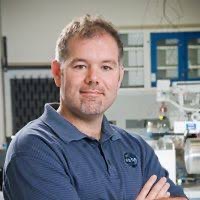 Daniel P Glavin合作论文数NASA Goddard Space Flight Center11Brandi L Carrier合作论文数10
 Bernard Marty合作论文数Centre de Recherches Petrographiques et Geochimiques, Universite de Lorraine10
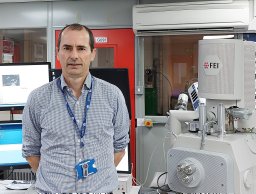 John Bridges合作论文数Space Research Centre;Dept . of Physics & Astronomy University;Dept . Earth;Planetary Sciences;Univ of Hawaii;Dept . of Geology and Geophysics;y University, Univ of Hawaii10Henner Busemann合作论文数10
 Ernst Hauber合作论文数10Akira Yamaguchi合作论文数Natl Inst Polar Res9
 Maria-Paz Zorzano合作论文数Centro de Astrobiologia, 28850 Torrejón de Ardoz, Madrid, Spain;Centro de Astrobiologia, 28850 Torrejón de Ardoz, Madrid, Spain;9Lydia J Hallis合作论文数9
 Jutta Zipfel合作论文数Naturmuseum und Forschungsinstitut Senckenberg9Timothy D. Swindle合作论文数Lunar and Planetary Laboratory, University of Arizona9
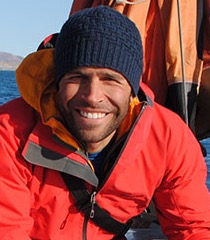 Nicholas Tosca合作论文数Department of Earth Sciences, University of Cambridge9
 Hasnaa Chennaoui Aoudjehane合作论文数9
 Paul F. Schofield合作论文数Department of Geology and Department of Chemistry, University of Manchester9
 Lucy Berthoud合作论文数Matra Marconi Space9Michael A Meyer合作论文数8
 John Vrublevskis合作论文数8
 Linda Welzenbach合作论文数Open Univ8Arya Udry合作论文数8
 Charles Cockell合作论文数School of Physics and Astronomy, University of Edinburgh;Centre for Science at Extreme Conditions, University of Edinburgh8
 Matthieu Gounelle合作论文数Laboratoire d'Etude la Matiere Extraterrestre;Museum National d'Histoire Naturelle;Laboratoire d'Etude la Matiere Extraterrestre, Museum National d'Histoire Naturelle8
 Luigi Folco合作论文数Museo Nazionale dell'Antartide, Università di Siena8
 Lisa M. Pratt (Lisa Pratt)合作论文数Department of Earth and Atmospheric Sciences, College of Arts and Sciences, Indiana University Bloomington8Timothy W. Haltigin合作论文数8
 Michael A Velbel合作论文数Department of Earth & Environmental Sciences, College of Natural Science, Michigan State University8
 C. D. K. Herd合作论文数Dept Earth & Atmospher Sci, Univ Alberta8R. A. Zeigler合作论文数8
 Tomohiro Usui合作论文数LABORATORY FOR GEOCHEMISTRY AND COSMOCHEMISTRY;INSTITUTE FOR STUDY OF;OKAYAMA UNIVERSITY;INSTITUTE FOR STUDY, OKAYAMA UNIVERSITY8




