Background Colony-stimulating factor 1 receptor (CSF1R) signaling is a key pathway involved in the expansion and infiltration of donor-derived macrophages that mediate chronic graft-versus-host disease (cGVHD). Vimseltinib, an oral, selective small molecule inhibitor of CSF1R, has recently received US Food and Drug Administration (FDA) approval for the treatment of adult patients with tenosynovial giant cell tumor (TGCT), and is currently being investigated for treatment of cGVHD. As an oral agent targeting this key inflammatory and fibrotic pathway that characterizes cGVHD, vimseltinib may offer an advantage over other therapies. Objective To describe an ongoing Phase 2 study evaluating vimseltinib therapy in adults with active moderate-to-severe cGVHD. Methods This is a Phase 2, open-label, dose-finding, multicenter study to evaluate the safety, tolerability, pharmacokinetics (PK), and efficacy of twice weekly vimseltinib in adults with active cGVHD after prior systemic therapy failure. Doses under investigation have been evaluated in patients with TGCT and advanced solid malignancy. For inclusion, patients ≥18 years of age must be hematopoietic stem cell transplant (HSCT) recipients with moderate-to-severe cGVHD requiring systemic immune suppression; patients may have persistent active acute GVHD (aGVHD) and cGVHD manifestations (ie, overlap syndrome). Patients must have failed ≥2 prior lines of systemic therapy and can only be on systemic corticosteroid use ≤1 mg/kg/day prednisone equivalent and 1 additional immunosuppressive agent, provided doses are stable for ≥2 weeks prior to starting vimseltinib. Other inclusion criteria include adequate organ and bone marrow function, and a Karnofsky Performance Scale score of ≥60. Exclusion criteria include prior use of a CSF1R inhibitor; history or other evidence of severe illness, uncontrolled infection, and/or malignancy (except for the underlying malignancy for which HSCT was performed); use of other systemic cGVHD treatment; and malabsorption syndrome. Enrolled patients across dose escalation cohorts will receive vimseltinib orally in 28-day cycles. Based on a 3+3 design (Figure), 2 of 3 dose levels have been successfully evaluated and cleared to date. The primary outcome measures for dose escalation include safety assessments (eg, frequency and severity of dose-limiting toxicities, adverse events [AEs], and serious AEs). Secondary outcome measures include objective response rate (from baseline up to Cycle 7, Day 1), duration of response, organ-specific response, failure-free survival, and PK. Enrollment is ongoing. Clinical trial information: NCT06619561. Funding Deciphera Pharmaceuticals, LLC.
Relapse remains the main cause of death following allogeneic hematopoietic cell transplantation (HCT) for patients with high-risk myeloid malignancies. Post-transplant maintenance therapy may reduce relapse risk and improve outcomes. We previously showed that post-transplant azacitidine + venetoclax (ven/aza) maintenance after reduced intensity conditioning (RIC) HCT with tacrolimus/methotrexate (Tac/MTX) graft-versus-host disease (GVHD) prophylaxis is feasible, safe, and associated with encouraging outcomes. The ability to deliver prophylactic maintenance after modified RIC conditioning including post-transplant cyclophosphamide/tacrolimus/mycophenolate mofetil (PTCy/Tac/MMF) GVHD prophylaxis has not yet been shown. We sought to determine the extent to which PTCy/Tac/MMF GVHD prophylaxis affected the safety, tolerability, and preliminary efficacy of venetoclax/FluBu2 RIC HCT followed by ven/aza maintenance in patients with high-risk MDS and AML. Venetoclax was administered at 400 mg daily dose on days -8 to -2, overlapping with FluBu2. Eligible patients included those with adverse risk AML (by ELN 2017/2022 or therapy-related AML) or adverse risk MDS (IPSS Intermediate-2/High or MDS with high-risk mutations). We compared clinical outcomes with our previously published venetoclax/FluBu2 RIC HCT Tac/MTX cohort. This phase 1 trial was registered at clinicaltrials.gov/NCT03613532. Twenty-three patients enrolled in the PTCy cohort including 13/23 (57%) whose disease harbored TP53 mutations (12/13 multi-hit). At pretransplant screening (within 28 days of day -8), multi-parameter flow cytometry-measurable residual disease was detected in 11/20 (55%) patients in CR. With this study regimen, neutrophils engrafted at a median of 15 days and platelets engrafted at a median of 22 days from transplant. 100-day nonrelapse mortality (NRM) was 0%, 6-month grade II-IV acute GVHD rate was 4.4% (95% confidence interval [CI] .30 to 18.8) and 1-year chronic GVHD was 9.1% (95% CI: 1.4 to 26.1). 100-day event-free survival (EFS) was 59.1% (95% CI: 41.7 to 83.7). With median 14.9 months follow-up (range: 7.34 to 21.6), 1 year overall survival (OS) was 59.1% (95% CI: 41.6 to 84.0), progression-free survival (PFS) was 47% (95% CI: 30.2 to 73.1), relapse was 48.7% (95% CI: 26.4 to 67.8), and GVHD-free relapse free survival (GRFS) was 37.7% (95% CI: 21.9 to 64.7). We further compared safety and efficacy with another prospective cohort enrolled with identical inclusion criteria who underwent ven/FluBu2 HCT with Tac/MTX GVHD prophylaxis (n = 27). No differences were observed in 100-day cumulative incidence of grade ≥2 infections, though the PTCy cohort had numerically increased bacterial (26% versus 15%) and viral (17% versus 7%) infections. We did not identify differences in OS (P = .33), PFS (P = .55), relapse (P = .76), NRM (P = .28), GRFS (P = .97), EFS (P = .6), acute GVHD (P = .12), or chronic GVHD (P = .41). Furthermore, no significant differences were detected in FACT-BMT quality of life scores when comparing longitudinal changes between pretransplant and post-transplant/premaintenance timepoints by GVHD prophylaxis cohort. We demonstrate acceptable safety and encouraging efficacy of ven/FluBu2 with PTCy in an exceedingly high risk cohort and equivalent outcomes in comparison with Tac/MTX GVHD prophylaxis. Subtle differences in tolerability however highlight the need for additional studies to confirm the optimal backbone for poor-risk MDS/AML cases.
Despite significant progress in chronic GVHD therapies, challenges remain in understanding pleomorphic phenotypes and varying responses to treatment. The aim of this study was to identify predictors of treatment response. We conducted a prospective, observational cohort study of patients beginning first-, second-, or third-line systemic therapy for chronic GVHD with defined agents. We describe best and 6-month response rates, failure-free survival (FFS), and clinical predictors of response. Best response rates were 60%-70% to index therapies, which subsequently declined to 40% at 6 months. Similarly, failure-free survival at 6 months was 66%, but dropped to 41% at 18 months and did not vary based on agent or line of therapy. No clear clinical predictors of FFS or survival were identified. Patient-reported fatigue was associated with NIH response, but we did not find any other clinical predictors of response. Six-month responders were associated with higher FFS at 1 year. When patients were responding to therapy, more than one organ improved. Conversely, one organ usually accounted for patients progressing. In the contemporary era, we demonstrate high but not durable responses across all agents and the first three lines of therapy. There remain large variations in practice, and no specific patterns of agents used, organ responsiveness, or overall responsiveness were identified. Additional study is needed to identify clinical and biologic phenotypes and define predictors of treatment response. Trial Registration: clinicaltrials.gov identifier: NCT04431479.
Introduction Early detection of relapses in patients undergoing allogeneic hematopoietic cell transplantation (HCT) may enable early intervention. The ACROBAT study (NCT04635384) evaluates the use of AlloHeme, a next-generation sequencing (NGS)-based, ultra-sensitive monitoring test for relapse prediction in post-HCT patients. Methods Post-HCT acute myeloid leukemia (AML) and or myelodysplastic syndrome (MDS) patients enrolled in ACROBAT were included in this analysis. Testing was performed at 14 post-HCT time points over 2 years, as outlined in the study protocol. An increase of ≥0.2% in recipient chimerism between two consecutive time points was defined as increasing mixed chimerism (iMC) and an AlloHeme test positive. Treating physicians determined relapses per the Center for International Blood & Marrow Transplant Research criteria. Here we describe the findings of the 18-month interim analysis with the intent of presenting the final study readout for all subjects at Tandem Meetings 2026. Results Table 1 presents the demographics and disease characteristics of 227 enrolled AML and MDS patients. Out of the 227 enrolled patients, 32 subjects were excluded from the analysis due to events (non-relapse mortality (NRM), study withdrawal, and relapses) that occurred before the two tests used to determine iMC. Among the remaining 195 subjects with 18+ months of follow-up (median, 23.4 months; range, 1.8-24), 37 subjects (19%) experienced relapse, and 26 (13.3%) subjects had non-relapse mortality (NRM). AlloHeme had an AUC of 86% for relapse prediction based on sensitivity (88%), specificity (85%), PPV (60%), and NPV (97%). In comparison, modeling at the STR-PCR threshold of 1% iMC and site-reported multi-flow cytometry measurable residual disease (MFC-MRD) demonstrated lower sensitivity to predict relapse (Table 2). A time-varying risk model showed that the relapse risk for patients with an iMC is 54.0 times (95% CI = 22.4, 142.8; p < 0.001) higher than that of non-iMC patients. 3- and 6-month landmark analyses demonstrated significantly higher relapse incidence in subjects with iMC compared with non-iMC (p-values < 0.05) (Figure 1). Among subjects who were iMC positive before or at the time of the relapse event, the test provided a median lead time of 36 days to clinical relapse (IQR: 18–72 days), with 47% of relapses identified at least 45 days before the relapse.Further optimizing the performance for risk prediction by incorporating additional AlloHeme cell subtype analytes into an algorithm improved specificity to >92% and PPV to >74% without affecting sensitivity and NPV. Conclusion ACROBAT interim results demonstrate that AlloHeme monitoring for post-HCT AML and MDS patients can identify relapses with a significant lead time compared to traditional methods of relapse detection, which could enable timely interventions.
ABSTRACT:Peer support has been associated with improved patient-reported outcomes (PROs), including reduced psychological distress, among patients undergoing hematopoietic stem cell transplantation (HSCT), but structured interventions are limited. This study assessed the feasibility, acceptability, and preliminary effects of a scalable peer support intervention to reduce psychological distress and enhance quality of life (QOL) post-HSCT. We conducted a pilot randomized clinical trial evaluating the Supporting Transplant Experiences with Peer Program (STEPP), a 5-session, telephone-based intervention delivered by an HSCT survivor offering psychoeducation and coping strategies. Participants were recruited 1 to 2 weeks pre-HSCT admission and randomized to STEPP or usual care. Feasibility was defined as ≥60% enrollment and ≥60% completing ≥3 sessions. Acceptability was assessed using the Client Satisfaction Questionnaire (CSQ; ≥3/4 mean benchmark). PRO measures of anxiety, depression (Hospital Anxiety and Depression Scale), posttraumatic stress (Post-Traumatic Stress Disorder Checklist-Civilian Version), QOL (Functional Assessment of Cancer Therapy-Bone Marrow Transplant), social support (Social Support and Effectiveness Questionnaire), and self-efficacy (Cancer Self-Efficacy Scale) were assessed pre-HSCT and at 30 and 60 days post-HSCT. Mixed-effects models explored preliminary effects. We enrolled 77% (90 of 117) of eligible patients (STEPP, n = 45; usual care, n = 45); 12 became ineligible due to HSCT cancellation or postponement. Among 78 active participants (mean age, 58.9 years [standard deviation, 12.3]; 57.7% women), all STEPP participants completed ≥3 sessions, and the mean CSQ score was 3.5. STEPP showed small-to-moderate improvements in day 30 anxiety (d = -0.36) and day 60 anxiety (d = -0.58), depression (d = -0.25), posttraumatic stress (d = -0.28), QOL (d = 0.48), social support (d = 0.36), and self-efficacy (d = 0.46). STEPP exceeds feasibility and acceptability thresholds, showing promising psychosocial benefits warranting a fully powered multisite efficacy trial. This trial was registered at www.clinicaltrials.gov as NCT06010017.
BACKGROUND:Previous studies identified plasma proteins associated with chronic graft-versus-host disease (cGVHD). The goal of this cross-sectional study was to evaluate whether plasma biomarkers were associated with specific organ manifestations to help guide treatment choice. METHODS:Plasma proteins were measured in patients with cGVHD (N = 695) from Chronic GVHD Consortium studies. Correlations of plasma protein levels with individual organ involvement were tested with a P value of 0.05 or less considered significant after Benjamini-Hochberg adjustment and adjustment for 5 baseline clinical variables. RESULTS:Median time from cGVHD diagnosis to blood draw was 0.9 months (IQR 0.1-9.5). Donors were 50% HLA-matched unrelated, 32% matched related, and the remainder were umbilical cord blood, haploidentical, or mismatched unrelated donors. Methotrexate and calcineurin inhibitor prophylaxis for acute GVHD was used in 53% of patients. Overall, 326 (47%) had moderate and 244 (35%) had severe cGVHD with the following organ involvement at time of blood draw: skin (67%), mouth (60%), eye (49%), joint (34%), GI (31%), lung (23%), and liver (17%). After adjustment for batch effects and patient and transplant characteristics, 14 plasma proteins were associated with organ involvement with independent AUCs of 0.7-0.8. All organs except the eye were associated with at least 1 biomarker. However, no combination of plasma proteins improved model fit after adjusting for patient and transplant clinical variables. CONCLUSION:Correlations between plasma proteins and organ involvement were identified but are not actionable. Our future investigations will focus on more granular and immediately proximal determinants of cGVHD biology in both blood and tissue.
Importance:Clinician-reported and patient-reported outcomes are critical measures of therapeutic efficacy in cutaneous chronic graft-vs-host disease (cGVHD) but are not always correlated. Discordance in treatment response between clinicians and patients hinders interpretation of outcomes in clinical trials and complicates therapeutic decision-making in clinical practice. Objective:To identify factors associated with discordance in clinician-reported and patient-reported treatment response assessments and to evaluate the association of clinician-reported and patient-reported responses with survival. Design, Setting, and Participants:This multicenter longitudinal cohort study included adults 18 years and older with cutaneous cGVHD at study enrollment, assembled from 2 observational studies and 1 randomized clinical trial. Data were collected from August 2007 to March 2024, and data were analyzed from July 2024 to May 2025. Main Outcomes and Measures:A global 8-point cutaneous cGVHD treatment response assessment (with 1 indicating resolved and 8 indicating very much worse) was reported by clinicians and patients 3 to 6 months after study enrollment. Clinician-reported and patient-reported treatment responses were categorized into improved, stable, and worse from the 8-point scale, and discordance was defined as a difference in response between clinicians and patients. Positive clinician discordance indicates the clinician reported a better response than the patient, and negative clinician discordance indicates the clinician reported a worse response than the patient. The association of clinician-reported and patient-reported responses with survival was measured by nonrelapse mortality. Results:Of 489 adults with cutaneous cGVHD, 192 (39.3%) were female, 297 (60.7%) were male, and the median (IQR) age was 55 (43-62) years. A total of 321 adults (65.6%) had concordant responses and 168 (34.4%) had discordant responses between clinician-reported and patient-reported treatment responses. Patients with sclerotic cGVHD had greater odds of discordance compared with those without sclerosis, with clinicians reporting both better and worse treatment response than patients (positive clinician discordance: adjusted odds ratio, 3.14; 95% CI, 1.41-6.95; P = .005; negative clinician discordance: adjusted odds ratio, 2.33; 95% CI, 1.19-4.56; P = .01). Worsening compared with improved overall cutaneous cGVHD was associated with nonrelapse mortality when reported by clinicians (adjusted hazard ratio, 2.28; 95% CI, 1.46-3.54; P < .001) and patients (adjusted hazard ratio, 1.86; 95% CI, 1.12-3.08; P = .02), while only patient-reported worsening was significantly associated with nonrelapse mortality in patients with sclerotic disease (adjusted hazard ratio, 2.00; 95% CI, 1.02-3.90; P = .04). Conclusions and Relevance:In this cohort study, discordance in treatment response assessments between clinicians and patients was common in cutaneous cGVHD, yet clinician-reported and patient-reported treatment responses were both associated with survival. In patients with sclerosis who were more likely to experience discordance, patient-reported response was a critical treatment end point, and approaches should be developed to bridge discordance.
Introduction Given inpatient (IP) bed constraints, we operationalized an outpatient (OP) cellular therapy (CT) clinic for chimeric antigen receptor (CAR) T-cell therapy and hematopoietic cell transplant (HCT) into a single service line. Objectives We aimed to establish safe and reliable OP administration of autologous and reduced-intensity allogeneic HCTs and CAR T cells in carefully selected patients using existing resources, staff, and physical clinic space. Methods We merged HCT and immune effector cell (IEC) OP teams into a dedicated clinic space, administering CAR T products Cilta-cel and Liso-cel, allo and auto transplants. This required stakeholder engagement across clinical, operational, administrative, and financial teams. We identified knowledge gaps among OP nursing and emergency department (ED) staff and developed standard operating procedures (SOPs), a framework for toxicity triage and management, and targeted education. Specially curated patient workbooks including education, a personalized medication record, and key vital sign and lab data worksheets were created.During chemotherapy and for 7-10 days following CAR T infusion or until HCT engraftment, respectively, patients are evaluated daily by CT Advanced Practice Providers (APP). Patients receiving CAR T cells monitor vital signs at home, enabled by SOPs for device distribution and calibration. Cytokine release syndrome (CRS) management and triage is available 24/7: for Grade 1 CRS, tocilizumab is provided during routine clinic hours or patients may self-administer one dose of oral dexamethasone to avoid overnight ED visits while inpatient admission is arranged.To close ED safety gaps, we implemented an electronic medical record (eMR) tool guiding prioritization and initial management of CT patients. Daily emails connect the outpatient CT team with the ED and daytime and nocturnist CT hospital teams. Results An APP-led OP CT clinic, open 7 days a week with rotating MD oversight, now provides CT patients with access to dedicated staff (APPs, MDs, nurses, pharmacists).In Q1-3 of CY 2025, we treated 51 IEC and 94 HCT patients in the OP setting – 30% of commercial CAR and 25% of HCT patients at DFCI. Median inpatient bed days saved per CAR T patient was 8 and for Allo HCT was 13, totaling > 1300 bed days. Patients developing any grade CRS were admitted. Patients presenting to the ED were triaged to an ED bed and team within 25 minutes. Conclusion We optimized patient experience without compromising safety by delivering CT in the OP setting, utilizing existing clinical staff and space resources. Our long-term objective is to initiate all CTs as OP, clinical complexity and caregiver logistics permitting. Future priorities include wearable monitoring devices integrated with the eMR, a dedicated observation CT bed enabling patients to bypass the ED, and caregiver enrichment and respite resources.
PURPOSE:Chronic graft-versus-host disease (cGVHD) is a multisystem alloimmune disorder associated with abnormal B-cell biology and aberrant antibody responses. As B-cell-directed therapy can effectively treat established cGVHD, we tested whether prophylactic B-cell depletion could prevent the development of corticosteroid-requiring cGVHD following allogeneic transplantation. METHODS:We performed a randomized, placebo-controlled, and blinded trial comparing four doses of the B-cell-depleting antibody obinutuzumab (1,000 mg once on days 90, 180, 270, and 365 after transplantation) with placebo in transplant recipients receiving tacrolimus-based GVHD prevention at higher risk of cGVHD. The primary end point was the 1-year incidence of corticosteroid-requiring cGVHD. We measured antibody responses against Y chromosome-encoded minor histocompatibility (H-Y) antigens and correlated their occurrence with corticosteroid-requiring cGVHD incidence. RESULTS:One hundred seventy-eight participants were analyzed. The prophylactic administration of obinutuzumab resulted in profound B-cell depletion, a significant reduction in the incidence of steroid-requiring cGVHD at 1 year (13.3% v 35.2%; P = .0005), and an improvement in immunosuppression-free, relapse-free survival (48% v 34% at 2 years; P = .02). Neutropenia was more common in the obinutuzumab arm, but nonrelapse mortality was not different. In participants without preformed H-Y antibodies at the time of study intervention, obinutuzumab resulted in the most significant reduction in steroid-requiring cGVHD at 12 months (8.6%) compared with obinutuzumab participants with H-Y antibodies (40%) or placebo participants regardless of antibody status (41% with antibodies, 57% without antibodies). CONCLUSION:In allogeneic transplant recipients at higher risk of cGVHD, early B-cell depletion results in a significant reduction in the incidence of corticosteroid-requiring cGVHD.
Acute graft-versus-host disease (aGVHD) remains a serious complication of allogeneic hematopoietic stem cell transplantation (HSCT), and no nonimmunosuppressive pharmacologic therapies are currently available for prophylaxis. We conducted a Phase 1b, open-label, dose-escalation study to evaluate the safety, pharmacokinetics (PK), and preliminary activity of efmarodocokin alfa, an interleukin-22 agonist, administered with standard-of-care prophylaxis in patients undergoing matched unrelated and matched related donor allogeneic HSCT following myeloablative conditioning. Eighteen patients were enrolled across 3 dose cohorts receiving efmarodocokin alfa at 30 µg/kg every 4 weeks, 30 µg/kg every 2 weeks, or 60 µg/kg every 2 weeks. Efmarodocokin alfa was well-tolerated and demonstrated an acceptable safety and PK profile, characterized by predominantly Grades 1 to 2 adverse events and linear PK across all dose levels. All patients achieved neutrophil engraftment by Day 30. By Day 100 post-transplant, 5 patients (27.8%) developed Grade 2 aGVHD, 2 (11.1%) of which had Stage 1 lower GI aGVHD. No patients developed Grades 3 to 4 aGVHD. Exploratory analysis demonstrated a lower gastrointestinal aGVHD-free survival rate of 83.3% at Day 180 and overall survival of 77.8% at Day 365. Although conclusions regarding efficacy are limited by the small sample size and exploratory design, these results demonstrate favorable safety and PK characteristics and provide initial observations regarding the potential role of efmarodocokin alfa in the prevention of lower gastrointestinal aGVHD as a nonimmunosuppressive prophylactic strategy.
ABSTRACT:The hallmark of ERCC6L2 disease (ED) is a highly penetrant progression from bone marrow failure to erythroid-predominant, TP53-mutated myeloid malignancy with a dismal prognosis. Allogeneic hematopoietic stem cell transplant (HSCT) remains the only potentially curative option, but concerns exist regarding transplant-related toxicities (TRT) due to the underlying DNA repair defect. To the best of our knowledge, this is the first study to report a systematic analysis of HSCT in ED. We conducted a retrospective multicenter study involving 45 patients with ED who underwent HSCT in 2004-2024. The primary outcomes were overall survival (OS), TRT, and nonrelapse mortality (NRM). The 1-year and 3-year OS were 79% (95% confidence interval [CI], 66-91) and 54% (95% CI, 35-73), respectively. Previous history of excess blasts significantly predicted inferior survival (hazard ratio [HR], 6.8; 95% CI, 2.2-20.3; P< .001), with a median survival of 12 months (95% CI, 0-24). Grade 3 to 5 endothelial toxicities occurred in 27% of patients and were associated with higher NRM (HR, 7.7; 95% CI, 1.5-38.8; P = .016). The use of nontreosulfan-based myeloablative conditioning (MAC) regimens increased the risk of endothelial complications compared with reduced-intensity conditioning (RIC; HR, 4.9; 95% CI, 1.1-22.0; P = .040), whereas outcomes with treosulfan-based MAC were comparable to RIC. In summary, allogeneic HSCT is a viable curative strategy for ED when performed before transformation to an aggressive malignancy, for example myelodysplasia with excess blasts or acute myeloid leukemia. However, the elevated incidence of endothelial toxicity highlights the importance of optimizing conditioning intensity and enhancing peritransplant monitoring in this population.
BACKGROUND:Stem cell collection for autologous stem cell transplant after induction therapy remains standard for multiple myeloma (MM). Motixafortide, a novel C-X-C motif chemokine receptor 4 (CXCR4) antagonist with prolonged receptor occupancy compared to plerixafor, potentially enhances stem cell mobilization. Direct comparison with plerixafor in MM has not been reported. This quality initiative compares motixafortide + granulocyte colony-stimulating factor (G-CSF) versus plerixafor + G-CSF for stem cell mobilization in MM patients at a single center, assessing feasibility, collection/mobilization outcomes, and safety. STUDY DESIGN AND METHODS:A prospective cohort of 30 MM patients receiving motixafortide + G-CSF was compared to a contemporary, retrospective cohort of covariate-matched 30 patients receiving plerixafor + G-CSF. Institutional apheresis procedure practices were followed. Primary outcomes included number of collection days, apheresis procedure duration, and adverse events requiring intervention. RESULTS:Twenty-nine of 30 motixafortide patients completed mobilization. CD34+ stem cell yields and apheresis procedure times were similar between groups; 27 patients per group reached collection targets in 1 day. Motixafortide recipients experienced more frequent adverse reactions (ARs) than plerixafor recipients. CONCLUSIONS:In this first real-world comparison, use of motixafortide was feasible but not superior to plerixafor for MM mobilization. Motixafortide was associated with substantially higher rates of injection-site and systemic ARs requiring intervention and imposed additional workflow demands for premedication and post-injection monitoring. Due to the non-superiority of motixafortide, decreasing acquisition costs for plerixafor and motixafortide's higher resource utilization, our institution favors continuing plerixafor as the default for MM mobilization. We reserve motixafortide for select patients, with ongoing evaluation of poor mobilizers to clarify its role in collection and post-transplant outcomes.
Introduction The hematopoietic cell transplantation specific comorbidity index (HCT-CI) is a prognostic tool for baseline assessment for allogeneic hematopoietic cell transplantation (HCT). The results of BMT CTN 1703, has led to increased use of post-transplant cyclophosphamide (PTCY) in reduced intensity conditioning (RIC) matched related (MRD) and unrelated donor (MUD) transplants for graft versus host disease (GVHD) prevention. High-dose cyclophosphamide has a distinct risk profile, including bladder and cardiac toxicity, which could influence HCT-CI-based prognostication. Objective Assess the prognostic value of HCT-CI in modern transplant cohort and evaluate the impact of HCT-CI comorbidities on prognosis between patients undergoing PTCY and non-PTCY based GVHD prophylaxis. Methods Patients with MDS or AML undergoing HCT in 2018-22 at DFCI were identified. HCT-CI comorbidities, HCT protocols, and outcomes were retrieved from an institutional database and validated by two independent reviewers with chart review. Multivariable Fine and Gray regression analysis was used with a bootstrap validation method for NRM to identify an optimized subset of HCT-CI. We used the Akaike information index (AIC) for the assessment of model fit and C-index for predictive ability of models. Results 586 patients were included - 184/586 (31%) received PTCY. HCT-CI comorbidities were balanced between non-PTCY and PTCY subgroups (Table 1). Higher HCT-CI score was associated with an increased cumulative incidence of NRM in univariable analysis (3-year NRM: 22% (≥ 5) vs 12% (2-4) vs 4.8% (0-1), p=0.0002) and multivariable analysis (sub distribution HR 4.28 for HCT-CI≥ 5, p=0.0003, 2.61 for 2-4, p=0.013). A subset of the comorbidities: diabetes, infection, peptic ulcer disease, renal, rheumatologic, and severe pulmonary comorbidities, had the similar impact on NRM as the total HCT-CI score, with C-index 0.773 (95% CI 0.722, 0.824) for the subset vs 0.768 (95% CI 0.716, 0.82) (p=0.78) for the total score. Presence of any of the six comorbidities was associated with high NRM (3-year estimate: 23% vs 6.6% (p<0.0001) regardless of PTCY use. Cardiac comorbidities and diabetes had a strong association with NRM only in the PTCY subgroup. (Figure 1) Addition of cardiac comorbidities further improved the C-index to 0.848 (95% CI 0.757, 0.94) in the PTCY group and not in the non-PTCY. Conclusion HCT-CI retains prognostic significance in patients receiving PTCY. Subset of six comorbidities had similar prognostic power as the total score. Cardiac comorbidities and diabetes showed a strong association with NRM only in the PTCY group, indicating the need to account for this increased risk in HCT-CI score. Future work can elucidate the links between cardiac comorbidities and NRM when using PTCY, and experiment various strategies to reduce NRM.
Importance Although sharing care with local oncologists after allogeneic hematopoietic cell transplantation (HCT) has been proposed for patients living far from HCT centers, it is not known whether a shared strategy is safe or improves patient quality of life (QOL). Objective To determine the efficacy and safety of sharing follow-up care after HCT between the HCT specialty center and local oncologists. Design, Setting, and Participants This was a multicenter collaborative randomized clinical trial of patients undergoing HCT at Dana-Farber Cancer Institute (DFCI)-a high volume HCT center in Boston (Massachusetts)-and 8 local oncology practices. Eligible patients were enrolled from December 2017 to December 2021 and were randomized 1:1 to shared vs usual care after neutrophil engraftment, stratified by local sites in Massachusetts, Rhode Island, New Hampshire, New York, and Maine. Data analyses were performed in January 2024. Intervention Shared care involved alternating post-HCT visits at DFCI and local oncology practices through day 100; for usual care, all post-HCT visits occurred only at DFCI. Main Outcomes and Measures Coprimary outcomes were nonrelapse mortality (NRM) at day 100, and QOL measured by the FACT-BMT (Functional Assessment of Cancer Therapy-Bone Marrow Transplantation) instrument and the QLQ-C30 (European Organization for Research and Treatment of Cancer's Quality of Life Questionnaire) at day 180. Prespecified secondary outcomes included day 100 QOL and 1-year overall survival. Results A total of 302 participants (median [range] age, 63 [20-79] years; 117 [38.7%] females; 185 [61.3%] males) were included in the analysis; 152 were randomized to shared care and 150 to usual care. Day 100 NRM was noninferior for shared vs usual care (2.6% [95% CI, 0.7% to 6.6%] vs 2.7% [95% CI, 0.7% to 6.7%]; P = .98). There were no differences at day 180 for the FACT-BMT total score (mean difference, 3.8; 95% CI, -2.1 to 9.6; P = .20) or QLQ-C30 global score (1.9; 95% CI, -4.9 to 8.8; P = .58). At day 100, the FACT-BMT total score was better for shared care (mean difference, 6.6; 95% CI, 1.0 to 12.1; P = .02) as was the QLQ-C30 global score (8.8; 95% CI, 1.8 to 15.7; P = .02). Conclusions and Relevance This randomized clinical trial found that shared care resulted in noninferior NRM at day 100 but similar QOL at day 180, with improved QOL at day 100. These data suggest that shared care is safe, improves QOL early on, and has the potential to become a routine model for post-HCT care.
Introduction: Medication adherence is essential for treatment and recovery following hematopoietic stem cell transplantation (HSCT). However, limited data exist on the most effective methods to measure adherence and the factors influencing it in HSCT patients. Materials and Methods: A prospective longitudinal study assessed immunosuppressant medication adherence in 150 patients with hematologic malignancies undergoing allogeneic HSCT. Adherence was assessed using pill counts, immunosuppressant medication levels, patient-reported medication logs, and the Medication Adherence Response Scale-5 (MARS-5) at 30, 100, and 180 days post-HSCT. We evaluated adherence rates, agreement between methods, and sociodemographic and clinical predictors. From patient-reported logs, we calculated dose adherence (comparing reported doses to expected doses) and timing adherence (comparing medication intake within ±3 h of the prescribed time). Kappa analysis assessed agreement among methods. Results: Of 190 eligible patients, 150 (78.9%) enrolled. The mean age was 57.5 years (SD = 13.5); 41.3% (n = 62) were female, 85.3% (n = 128) were non-Hispanic White, and 73.3% (n = 110) were married or living with a partner. Medication adherence varied across the three timepoints and by measurement type: 52–64% (pill counts), 18–24% (medication levels), 96–98% (medication log dose adherence), 83–84% (medication log timing adherence), and 97–98% (MARS−5). There was minimal agreement between measures (Kappa range: 0.008–0.12). Conclusions: Despite the feasibility of leveraging objective and patient-reported measures to assess medication adherence in HSCT patients, there was little agreement between these measures. Patient-reported measures showed high adherence, while objective measures like pill counts and medication levels revealed more modest adherence. The complexity of medication regimens likely contributes to this discrepancy. A rigorous approach to understanding medication adherence in the HSCT population may entail both objective and subjective measures of medication adherence.
Background Since the introduction of post-transplant cyclophosphamide (PTCY) for graft versus host disease (GVHD) prophylaxis, the available donor pool for each recipient has substantially expanded, and in this context donor age remains an independent prognostic factor for allogeneic hematopoietic cell therapy (HCT) outcomes. We hypothesized that donor age impacts both quantitative and qualitative aspects of the infused grafts that in turn affect their activity both in the early and later periods of HCT. We sought to evaluate the graft characteristics that are impacted by donor age, and to correlate these with both early HCT events as well as later outcomes. Methods This is a single center retrospective study of patients undergoing HLA mismatched HCT using PTCY-based GVHD prophylaxis. Clinical data on baseline patient characteristics and disease characteristics as well as donor characteristics was collected on an IRB approved protocol. A flow cytometry panel evaluating CD3+, CD4+, CD8+, CD19+, CD56+, and CD34+ cell counts was applied to donor grafts prior to their infusion. Peripheral blood chimerism was performed following HCT per standard protocol. A non-parametric method (Spearman correlation, Wilcoxon rank sum test) was used to investigate the associations between graft content, donor characteristics, and incidence of cytokine release syndrome (CRS). Cumulative incidences and cause-specific hazards for relapse and acute/chronic GVHD in the presence of a competing risk were evaluated using the Gray method. Overall (OS) and progression-free survival (PFS) were evaluated with the log-rank test and Cox regression models. All p-values are 2-sided unless otherwise indicated. Results A total of 296 patients with graft content data were included in the study, of which 233 received a peripheral blood stem cell (PBSC) product and 63 received a bone marrow (BM) product. Among patients receiving either a PBSC or BM product, donor age was not independently associated with OS or PFS. On multivariable analysis, among patients receiving HLA mismatched PBSC (haploidentical, n=143, or HLA mismatched unrelated donor, n=90), donor age was independently associated with cumulative incidence of relapse (HR=0.97 (95% CI: 0.95, 0.99), p=0.020). Among PBSC grafts, younger vs older donors (age < 33 vs ≥ 33) had higher CD8+ (p < 0.001), lower CD4+ (p=0.014), and median CD4+:CD8+ ratio 2.0 vs 3.2 (p < 0.001). A similar, though numerically smaller, difference was observed with BM grafts (median CD4+:CD8+ in younger vs older donors: 1.2 vs. 1.5; p = 0.034). There was no significant correlation between donor age and CD34+ content, absolute total nucleated cell count, CD3-CD56+ or CD19+ content of the grafts. To evaluate whether the CD4+ and CD8+ contents of PBSC grafts translated to early post-HCT events, we correlated them with CRS and CD3+ T cell engraftment. The incidence of CRS was most positively correlated with the absolute CD4+ count (p < 0.001) and CD4+:CD8+ (p<0.001), but not CD8+ count (p=0.93) in the HLA mismatched PBSC grafts. Day +30 T cell donor chimerism >90% was not associated with any donor graft cellular content but was associated with the development of CRS (p=0.01). With respect to later HCT outcomes, on univariable analysis we found no association of any graft cellular PBSC graft content with OS, PFS, or incidence of relapse. However, higher PBSC graft CD4+ (1-sided p=0.025) and presence of CRS (1-sided p=0.020) were associated with development of any acute GVHD. Similarly, higher PBSC graft CD4+ (1-sided p=0.029), CD8+ (1-sided p=0.010) and presence of CRS (1-sided p=0.034) were associated with development of any chronic GVHD. Conclusions In a large cohort of HCT recipients receiving PTCY-based GVHD prophylaxis, the CD4⁺:CD8⁺ ratio was lower in grafts from younger donors. However, this age differential in cellular graft content did not account for the association of donor age with relapse in HLA mismatched PBSC transplants. Higher CD4⁺, but not CD34⁺, cell counts in PBSC grafts were associated with increased risk of CRS, and both acute and chronic GVHD, suggesting a potential interplay between graft T-cell composition and the early post-HCT cytokine milieu. Although these associations did not translate into differences in OS or PFS, evaluating graft cell content may help identify patients at higher risk of CRS or GVHD. Further studies characterizing the graft cellular content and immune reconstitution are ongoing.
Hematopoietic stem cell transplantation (HSCT) offers the best curative option for acute myeloid leukemia (AML) and myelodysplastic syndrome (MDS), yet relapse remains common. Current relapse detection methods are often too late for effective intervention. To identify earlier predictors and therapeutic targets, we performed longitudinal single-cell RNA and T cell receptor (TCR) sequencing of bone marrow from 33 AML/MDS patients during post-transplant immune reconstitution, comparing those who relapsed to those who remained in remission. Persistence of recipient hematopoietic stem and progenitor cells (HSPCs) in the marrow was associated with relapse months later. These residual recipient HSPCs harbored copy number variations (CNVs), supporting their leukemic origin, and overexpressed PRAME and CALCRL compared to coexisting donor HSPCs. Further, in a subset of TP53 -mutant disease, low TCR diversity with skewing toward dominant clonotypes foreshadowed relapse. These findings lay the groundwork for improved relapse prediction and nominate therapeutic targets for early post-transplant intervention.
Abstract Background: We previously demonstrated that incorporating venetoclax (Ven) into reduced intensity conditioning (RIC) chemotherapy for patients undergoing allogeneic hematopoietic cell transplantation (HCT) with tacrolimus (Tac)/methotrexate (MTX) graft-vs-host disease (GVHD) prophylaxis followed by maintenance with azacitidine (Aza) and Ven was safe and associated with promising outcomes in older patients with high risk MDS/AML (Garcia Blood Adv 2021). BMT CTN 1703 findings indicate that post-transplant cyclophosphamide (PTCy) should be considered standard prophylaxis for older adults. Here, we report the safety of Ven plus fludarabine/busulfan (Ven+FluBu2) with PTCy/Tac/mycophenolate mofetil (MMF) followed by Ven/Aza maintenance in patients with high risk MDS/AML. Methods: In this Phase 1 trial (NCT03613532), patients with an 8/8 HLA-matched donor and diagnosis of AML with <5% blasts (adverse ELN 2022) or MDS with ≤10% blasts (IPSS Intermediate-2/High, or TP53 mutation) received Ven+FluBu2 HCT, as previously described (Garcia Blood Adv 2021), with PTCy/Tac/MMF GVHD prophylaxis. Following neutrophil and platelet engraftment and in the absence of relapse or uncontrolled GVHD, maintenance therapy was initiated (days +42-90) with Ven 400 mg (days 1-14) and Aza 36 mg/m2 (days 1-5 by IV/SC). In exploratory analyses, we compare early outcomes in the current cohort (PTCy) with a previously reported cohort of Ven+FluBu2+Tac/MTX (MTX-cohort, n=27). Results: At 6/1/25 data-cut, 23 patients underwent Ven+FluBu2 HCT + PTCy/Tac/MMF (11 AML and 12 MDS) with a matched unrelated donor. Median age at HCT was 70 years (range, 55-76) with median HCT-CI of 4 (range, 1-10). 16 (70%) received prior Ven for initial MDS/AML therapy. 20 (87%) had <5% blasts at screening; 9 (39%) in CR. Diagnostic TP53 mutations were present in 14 (61%), with 13/14 (93%) multihit TP53 allelic status. Neutrophil engraftment for those who nadired (18/23, 78%) occurred at median 17 days (range, 5-26); platelet engraftment for those who nadired (20/23, 87%) occurred at median 20.5 days (range, 10-42). Median granulocyte and T-cell donor chimerism at day +28 was 100% (range, 99-100) and 80% (range, 37-100%), and at day +100 was 100% (range, 88-100) and 92.5% (range, 65-100), respectively. 17/23 (74%) started maintenance, 4 relapsed at a median of 58.5 days from HCT (all TP53-mutated), and 2 withdrew. Maintenance was initiated at a median 69 days (range, 47-90) after HCT (vs 57 days after HCT in the MTX-cohort). Patients have received a median of 3 of 8 cycles, with 6 patients still-ongoing. Maintenance was prematurely discontinued in 11 patients due to relapse (n=6), GVHD (n=3), and other (n=2). Ven was dose reduced in 9% for adverse events (AE) or tolerability. From day -8 until day +100, all patients experienced at least 1 grade 3-4 treatment-emergent AE (TEAE), including 100% with a grade 3-4 hematologic TEAE and 5/23 (22%) with ≥1 non-hematologic grade 3-4 TEAE. Non-hematologic grade 3-4 TEAEs were mucositis (n=2) and ALT increase, hyperbilirubinemia, anorexia, diarrhea, esophagitis, nausea, and renal colic, each in 1 patient. There were no graft failures. Grade 1 CRS occurred in 2 patients. There was 1 DLT: a grade 4 subdural hematoma on day +14 surgically managed. Infection of any grade during this period occurred in 9 (39%) patients, including 6 patients (26%) with grade 3-4 infection (all bacteremia). This compares to 9/27 (33%) infection (any grade) and 3/27 (11%) grade 3-4 infection in the MTX-cohort. Median follow-up in the PTCy cohort is 349 days (range, 111-562). There have been 11 relapses (7/11 were TP53 mutated), with median time from HCT to relapse of 97 days (range, 55-373). Among the 7 deaths to date, 6 were due to primary disease. Comparing early outcomes (PTCy-cohort vs MTX-cohort): 100-day non-relapse mortality was 0% vs 0% and 6-month cumulative incidence of acute GVHD grade 2-4 was 4.6% vs 18.5%, respectively. To date, the PTCy-cohort has had 1 mild and 1 moderate chronic GVHD events. Clinical outcomes with mature follow-up and NGS-MRD will be presented at the meeting. Conclusions: Ven+FluBu2 HCT with PTCy/Tac/MMF followed by Ven/Aza maintenance was safe but associated with delayed maintenance start and a higher proportion of severe infections as compared to our prior MTX-based GVHD prophylaxis cohort. Incidence of acute GVHD was low.
6568 Background: MDS risk assessed by the IPSS-R and IPSS-M at diagnosis impacts outcomes post-hematopoietic stem cell transplant (HSCT). Recent EBMT data showed no post-HSCT survival benefit from downstaging IPSS-R scores with hypomethylating agent (HMA) therapy. However, the lack of mutational data precluded evaluating dynamic IPSS-M changes. This study aimed to determine whether evaluating IPSS-M at diagnosis or pre-HSCT more accurately predicts post-HSCT outcomes in pts treated with HMA. Additionally, in the absence of consensus on the role of cytoreductive therapy in the pre-HSCT setting for pts with higher-risk MDS, we investigated whether the dynamic application of IPSS-M offers any advantages for such therapy. Methods: We analyzed 176 paired samples from higher-risk MDS pts treated with HMA followed by HSCT at Dana-Farber (n=91) and Moffitt (n=85). Disease risk was assessed by IPSS-M at diagnosis and after HMA therapy pre-HCT. Dynamic assessment was categorized as decrease (improvement), no change, or increase (progression) in IPSS-M risk category from diagnosis to HSCT. The primary outcome was post-HSCT progression-free survival (PFS). Results: In the cohort, 60% were male, with a median age of 66 yrs (range 26-79). At diagnosis, 87.5% had MDS with increased blasts and 9.7% had MDS with low blasts. Pts received a median of 4 cycles of HMA prior to HSCT, with 63.1% having MUD donors and 84.1% receiving RIC. At diagnosis, 80% were higher-risk (MH/H/VH) per IPSS-M. Post-HMA, 61.4% improved in IPSS-M, while 24.4% had no change and 14.2% progressed. The 4y PFS for the cohort was 47%, with no significant differences between centers (48% vs 47%, p=0.75). In MVA, there was no difference in prognostic accuracy between IPSS-M estimated at diagnosis and pre-HSCT (c-index: 0.635 vs. 0.645). Dynamic assessment showed a 4y PFS of 50% for both improved/unchanged IPSS-M vs 31% for progressive IPSS-M (c-index: 0.647, p=0.09). Substantial improvement in IPSS-M (≥2.5 score change) yielded a 4y PFS of 38%, comparable to those with progression (23%) and much worse than those with discreet/evident improvement (53%/56%). Pts with substantial improvement in IPSS-M had a higher proportion of VH risk MDS at diagnosis than those with discreet/evident improvement (77% vs. 28%), indicating that adverse disease biology at diagnosis negatively affected outcomes despite favorable response to HMA. Conclusions: Pre-HSCT IPSS-M assessment did not enhance post-HSCT outcome predictions compared to evaluation at diagnosis. Worsening IPSS-M correlated with worse outcomes, while improvement did not yield better results than unchanged risk. For those with high-risk disease, improvement in IPSS-M achieved through HMA does not appear to mitigate the adverse risk established at diagnosis. Thus, in HMA-treated pts, downstaging of IPSS-M pre-HSCT should not be a therapeutic goal or an endpoint for response evaluation in MDS trials.
 Joseph H. Antin合作论文数Dana-Farber Cancer Institute, Harvard Medical School;Brigham and Women's Hospital401
 Robert J. Soiffer合作论文数Department of Medical Oncology, Dana-Farber Cancer Institute;Division of Hematologic Malignancies, Dana-Farber Cancer Institute;Harvard Medical School378
 John Koreth合作论文数Dana-Farber Cancer Institute;Harvard Medical School;Stem Cell Transplantation Institute Physician294
 Haesook T. Kim合作论文数Department of Data Science, Dana-Farber Cancer Institute;Harvard School of Public Health;Department of Biostatistics and Computational Biology, Dana-Farber Cancer Institute259
 Jerome Ritz合作论文数Connell and O'Reilly Families Cell Manipulation Core Facility, Dana-Farber Cancer Institute;Harvard Medical School247
 Vincent Ho合作论文数Vancouver Coastal Health Research Institute, The University of British Columbia;Department of Dermatologic Oncology, British Columbia Cancer Agency206
 Edwin P. Alyea合作论文数199
 Stephanie Lee合作论文数Clinical Research Division, Fred Hutchinson Cancer Center166
 Philippe Armand合作论文数Dana-Farber Cancer Institute153
 Sarah Nikiforow合作论文数Dana-Farber Cancer Institute, Harvard Medical School129
 Vincent T. Ho合作论文数Dana-Farber Cancer Institute;Harvard Medical School98
 Joseph Pidala合作论文数H. Lee Moffitt Cancer Ctr & Research Institution, Moffitt Cancer Center;Department of Oncologic Sciences, University of South Florida91
 Mukta Arora合作论文数Botany Department, Ahir College, Rewari83
 Mahasweta Gooptu合作论文数82
 Daniel Weisdorf合作论文数Division of Hematology, Oncology and Transplantation, Department of Medicine, Medical School, University of Minnesota;Clinical and Translational Science Institute, University of Minnesota81Madan Jagasia合作论文数Department of Medicine, Vanderbilt University Medical Center80Steven Z. Pavletic合作论文数74Karen K. Ballen合作论文数74
 Mary Flowers合作论文数Clinical Research Division, Fred Hutchinson Cancer Center;Division of Hematology and Oncology, University of Washington72
 Rizwan Romee合作论文数Sch Med, Washington Univ67
 Yi-Bin Chen合作论文数Mass General Research Institute, Massachusetts General Hospital;Harvard Medical School65
 Bruce Blazar合作论文数Division of Pediatric Blood and Marrow Transplantation & Cellular Therapy, Department of Pediatrics, Medical School, University of Minnesota;Center for Translational Medicine, University of Minnesota65
 Paul J. Martin合作论文数Clinical Research Division, Fred Hutchinson Cancer Center;Division of Medical Oncology, University of Washington52
 Sally Arai合作论文数Blood and Marrow Transplantation and Cellular Therapy Division, School of Medicine, Stanford University50
 Mary M. Horowitz合作论文数Center for International Blood and Marrow Transplant Research, Medical College of Wisconsin;Division of Hematology and Oncology, Medical College of Wisconsin;Cancer Center, Froedtert Hospital49
 Catherine J. Wu合作论文数Department of Medical Oncology, Dana-Farber Cancer Institute;Division of Stem Cell Transplantation and Cellular Therapies, Dana-Farber Cancer Institute;Harvard Medical School48
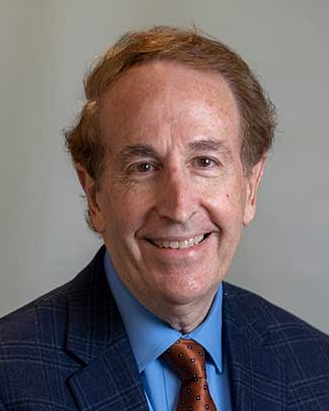 Thomas Spitzer合作论文数Mass General Cancer Center, Massachusetts General Hospital;Harvard Medical School45Reynolds Carol G合作论文数43
 Roman Shapiro合作论文数43
 Yoshihiro Inamoto合作论文数Department of Hematology and Oncology, Graduate School of Medicine, Nagoya University;Department of Hematopoietic Stem Cell Transplantation, National Cancer Center Hospital43Li Shuli合作论文数41Palmer Jeanne M合作论文数40
 Areej El-Jawahri合作论文数Mass General Cancer Center, Massachusetts General Hospital40
 Chai Xiaoyu合作论文数39
 Robert Peter Gale合作论文数Centre for Haematology, Department of Immunology and Inflammation, Imperial College London;Division of Experimental Medicine, Imperial College London38
 Bimalangshu Ranjan Dey合作论文数Mass General Brigham;Harvard Medical School38Saber Wael合作论文数35Steven L. Mcafee合作论文数35David A. Jacobsohn合作论文数33
 Nathaniel Treister合作论文数Department of Oral Medicine, Infection, and Immunity, Harvard School of Dental Medicine, Harvard University;Brigham and Women's Hospital32Stephen Spellman合作论文数National Marrow Donor Program32
 Ryotaro Nakamura合作论文数Division of Leukemia, Department of Hematology and Hematopoietic Cell Transplantation, City of Hope;Center for Stem Cell Transplantation, City of Hope32R Coleman Lindsley合作论文数Dana-Farber Cancer Institute30
 Stefanie Sarantopoulos合作论文数Department of Medicine, School of Medicine, Duke University30
 Kristen Stevenson合作论文数Novartis30Iskra Pusic合作论文数30
 Paul A. Carpenter合作论文数29Ep Alyea合作论文数28
 Zachariah DeFilipp合作论文数28




