Assessment of deconvolution performance of synthetic chimeric cell populations in in-silico mixing experiments.
The determinants of immune checkpoint blockade (ICB) response in glioblastoma (GBM) with wild-type isocitrate dehydrogenase remain poorly understood. Here we profiled 181 ICB-treated GBM cases using bulk DNA sequencing, bulk RNA sequencing and single-nucleus RNA sequencing to investigate the genomic features associated with ICB outcomes. Baseline tumor transcriptional subtype was predictive of overall survival following ICB, with mesenchymal (MES) GBM associated with improved outcomes to ICB but not standard chemoradiation. Non-MES-associated genetic lesions, including those in PDGFRA and CDKN2A, were associated with worse survival following ICB but not standard therapy. Tumor mutational burden was not predictive of outcomes. Survival was associated with pre-ICB enrichment for MES-like malignant cells, marked by high human leukocyte antigen class I expression and greater T cell infiltration. Paired tumor analyses linked ICB exposure to outgrowth of subclones harboring lesions associated with non-MES subtypes, supporting MES-to-non-MES transition as a common trajectory of acquired resistance to ICB, distinct from standard chemoradiation.
Longitudinal changes of somatic nuclear and mitochondrial DNA mutations in genetically stable CLL.
Patient and sample characteristics of scRNA/scTCR sequencing cohort, related to Figure 1.
BACKGROUND:Chronic lymphocytic leukemia (CLL) develops from physiologic B cells through low- and high-count monoclonal B cell lymphocytosis (LC-/HC-MBL). The timing and nature of early B cell expansion and molecular evolution remain unclear, limiting prediction of progression. RESULTS:Using multi-omics single-cell sequencing integrating chromatin accessibility, transcriptional, proteomic, and mitochondrial DNA (mtDNA) profiles across normal B cells, LC-/HC-MBL, and CLL, we delineate clonal relationships and evolutionary trajectories. Our data reveals subclonal, epigenetic, and transcriptomic stability during the transition from HC-MBL to CLL, suggesting a continuous disease spectrum rather than distinct evolutionary phases. CLL-like molecular states already exist in LC-MBL and, along with individual-specific heterogeneity across HC-MBL/CLL, are linked with disease progression. Finally, we find genetic evidence for a shared progenitor between physiologic and monoclonal B cells. CONCLUSIONS:These results position LC-MBL as a key inflection point in early CLL pathogenesis and a potential target for progression risk prediction or preventive strategies.
Supplementary Table 3. Demographic and clinical characteristics of patients from the HCRN 16-260 trial included and not included in the study.
Supplementary Table 5. Association between density of terminally exhausted CD8+ TILs measured as continuous variables and clinical outcomes (ORR, PFS).
ABSTRACT:The mechanisms that lead to extramedullary tropism of acute myeloid leukemia (eAML) remain obscure and no specific therapeutic approaches for this entity exist. Because the long-term survival of eAML is poor, a deeper understanding of the immune microenvironment and leukemia phenotypes underlying this entity is warranted. Here, we performed bulk and single-cell transcriptome profiling of 23 eAML biopsies from 10 patients with isolated extramedullary disease in skin and subcutaneous tissue. Unlike normal healthy skin, we found leukemia cutis to be heavily immune infiltrated; in extramedullary relapse after allogeneic stem cell transplantation, >90% of T/natural killer cells were donor derived. eAML-associated T cells expressed a clear signature of T-cell exhaustion, dissimilar to leukemia-associated immune populations in bone marrow relapse (n = 7) but related to acute and chronic skin inflammation. Furthermore, HLA class II was downregulated in 4 of 7 leukemia cutis specimens, consistent with an immune escape phenotype in eAML. Extramedullary and bone marrow-resident leukemia cells differed with regard to the expression of 8 homing receptor molecules (ICAM1 [encoding CD54], PECAM1 [CD31], ITGA4, ITGA6, ITGAL, ITGB4, ITGA5, and ITGAV). Serial samples obtained from 1 leukemia cutis throughout consecutive immune checkpoint blockade with ipilimumab followed by nivolumab showed a consistently high degree of overlap between local and circulating T-cell receptor sequences, suggesting that only a minority of eAML-associated T cells are leukemia specific. Our analysis reveals eAML to associate with complex changes in leukemia and T-cell gene expression profiles that suggest multiple potential avenues for therapeutic targeting.
ABSTRACT:Remarkable progress in the understanding of disease pathogenesis and treatment across hematologic malignancies has been achieved in the past 2 decades. Nevertheless, the reliable elimination of disease remains elusive for many cancers. Chronic lymphocytic leukemia (CLL) exemplifies the needs that must be addressed to close the gap between discovery science and the remaining clinical challenges. In CLL, targeted therapies have substantially prolonged survival and enabled long-term disease control for many patients. However, curative outcomes remain exceptional, particularly in high-risk groups such as those with TP53 disruption, dual resistance to Bruton tyrosine kinase and B-cell lymphoma 2 inhibitors, or transformation to aggressive lymphoma. Recent insights into the interconnection between cancer and immunity have positioned CLL as a model example of cancer-associated immunodeficiency, a realization brought into sharp focus by the severe acute respiratory syndrome coronavirus 2 pandemic during which patients with CLL were at extremely high-risk for infection and poor outcomes. Therefore, complications related to infections, autoimmunity, and secondary cancers continue to contribute substantially to morbidity and mortality, underscoring the need for research on immune dysfunction in CLL. Furthermore, pronounced heterogeneity in disease progression and therapeutic resistance highlight the need for mechanistic studies to clarify these distinct biological patterns. Advances in these areas not only hold the promise of curative therapy for broader patient subgroups in CLL but will also inform innovation in research on other cancers, particularly in establishing a molecular definition of disease and defining those interactions with the underlying and resultant immune deficiencies.
Identification of cell types and tracking of mitochondrial DNA mutations in immunosuppression tapering (IST) cohort using ASAP-seq.
Across cancer, one of the most frequent examples of histologic transformation is the evolution of follicular lymphoma (FL) to an aggressive large cell lymphoma. Despite recent progress, understanding of the molecular and cellular underpinnings of transformation remains incomplete. Here, we dissect the interplay of tumor and microenvironment cell populations across transformation through a multimodal investigation of 95 FL and transformed FL (tFL) samples, including single-cell and bulk RNA-sequencing alongside spatial transcriptomics and proteomics, and validate findings across independent FL-tFL pairs. Upon transformation, fibroblasts and GPNMB+ macrophages increase while lymph-node organizing follicular dendritic and CCL21+ fibroblastic reticular cells were lost, resulting in an altered spatial distribution of cytokines that impacts T cell infiltration and macrophage differentiation and function. Secreted stromal and macrophage signals were further evident by non-invasive plasma proteomics. Taken together, our data reveal expansion of macrophages and fibroblasts as key features of transformation with potential diagnostic and therapeutic implications.
Abstract Despite advances in immunotherapy, most solid tumors remain resistant to treatment. Immune cell engagers redirect cytotoxic lymphocytes against cancer, but limited tumor access, immunosuppressive microenvironments and systemic immune activation limit efficacy. Here we develop live immune modulating engagers (LIME), a modular platform where non-pathogenic, tumor-tropic Escherichia coli display tandem single-chain variable fragments targeting a tumor-associated antigen and an activating receptor on T or natural killer cells. LIME bridged effector and tumor cells, induced transcriptional programs of T cell activation, metabolism and proliferation, and enhanced cytotoxicity across cancer cell lines and patient-derived organoids. In mouse models, LIME safely accumulated in tumors, outperformed tarlatamab in small cell lung cancer, and induced durable immunity in lymphoma. RAS inhibition and PD-L1 blockade enhanced LIME activity in pancreatic cancer and induced humoral responses. Multi-lineage immune modulation remained tumor-confined, without organ toxicity. These findings establish LIME as a versatile living therapeutic platform for programmable, tumor-restricted immune orchestration.
Identification of high-confidence mitochondrial DNA mutations for Tapestri analysis.
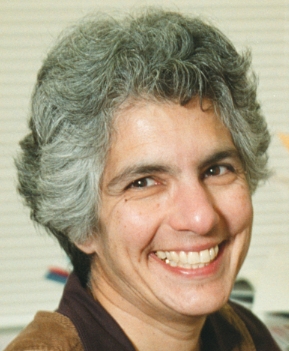 Donna Neuberg合作论文数Department of Biostatistics, Harvard T.H. Chan School of Public Health;Dana-Farber Cancer Institute230
 Jerome Ritz合作论文数Connell and O'Reilly Families Cell Manipulation Core Facility, Dana-Farber Cancer Institute;Harvard Medical School181
 Shuqiang Li合作论文数157
 Robert J. Soiffer合作论文数Department of Medical Oncology, Dana-Farber Cancer Institute;Division of Hematologic Malignancies, Dana-Farber Cancer Institute;Harvard Medical School149
 Gad A. Getz合作论文数Harvard Medical School;Department of Pathology, Massachusetts General Hospital;Broad Institute of Harvard and MIT145Kenneth J Livak合作论文数106
 Sachet Shukla合作论文数Department of Hematopoietic Biology Malignancy, Graduate School of Biomedical Sciences, The University of Texas MD Anderson Cancer Center;Broad Institute100
 Derin Keskin合作论文数Translational Immunogenomics Lab, Center for Immuno-Oncology, Dana Farber Cancer Institute, Medical School, Harvard University;Department of Medicine, Medical School, Harvard University99Braun David A合作论文数87Oliveira Giacomo合作论文数IRCCS, San Raffaele Scientific Institute85
 Haesook T. Kim合作论文数Department of Data Science, Dana-Farber Cancer Institute;Harvard School of Public Health;Department of Biostatistics and Computational Biology, Dana-Farber Cancer Institute83
 Jennifer R. Brown合作论文数CLL Center, Division of Hematologic Malignancies, Dana-Farber Cancer Institute;Harvard Medical School82Signoretti Sabina合作论文数79
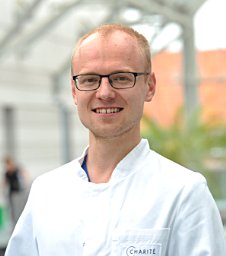 Livius Penter合作论文数Labor für Pädiatrische Molekularbiologie, Charité - Universitätsmedizin Berlin79
 Nir Hacohen合作论文数Center for Cancer Immunology, Massachusetts General Hospital;Mass General Research Institute;Broad Institute69Satyen Gohil合作论文数66Wandi Zhang合作论文数65
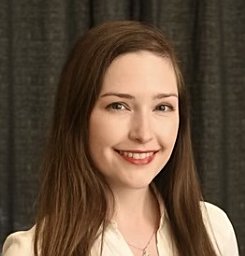 Maurer Katie合作论文数Kimmel Center for Biology and Medicine at the Skirball Institute, New York University School of Medicine;Sackler Institute of Graduate Biomedical Sciences, New York University School of Medicine;New York University School of Medicine, New York University School of Medicine64
 Michael Atkins合作论文数Department of Oncology, Georgetown University Medical School64
 Jeffrey A Sosman合作论文数Division of Hematology and Oncology, Department of Medicine, Feinberg School of Medicine, Northwestern University57
 Naomi B. Haas合作论文数Abramson Cancer Center, University of Pennsylvania;Perelman Center for Advanced Medicine, University of Pennsylvania;Department of Medicine, Perelman School of Medicine, University of Pennsylvania57
 Hans Hammers合作论文数Department of Internal Medicine, UT Southwestern Medical Center;Harold C. Simmons Comprehensive Cancer Center, UT Southwestern Medical Center;Division of Hematology and Oncology, UT Southwestern Medical Center56
 John Koreth合作论文数Dana-Farber Cancer Institute;Harvard Medical School;Stem Cell Transplantation Institute Physician56
 Ignaty Leshchiner合作论文数Broad Institute of MIT and Harvard;Department of Medicine, Boston University55Cieri Nicoletta合作论文数55
 Joseph H. Antin合作论文数Dana-Farber Cancer Institute, Harvard Medical School;Brigham and Women's Hospital55Lili Wang合作论文数Graduate School of Medicine, University of Tokyo54
 Scott J. Rodig合作论文数Department of Pathology, Brigham and Women's Hospital, Harvard Medical School;Tissue Biomarker Laboratory, Center for Immuno-Oncology, Dana-Farber Cancer Institute54
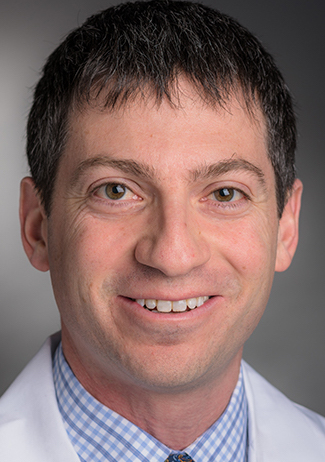 Matthew S. Davids合作论文数Division of Lymphoma, Dana-Farber Cancer Institute;Harvard Medical School;Brigham and Women's Hospital51
 Thomas Denize合作论文数Department of Pathology, Brigham and Women's Hospital, Boston, MA, USA50
 Neil Ruthen合作论文数49Edwin P. Alyea合作论文数49
 Corey Cutler合作论文数Center for Hematologic Oncology, Dana-Farber Cancer Institute;Division of Hematologic Oncology, Department of Medical Oncology, Dana-Farber Cancer Institute;Harvard Medical School48Haoxiang Lyu合作论文数47Garcia Jacqueline S合作论文数Department of Medicine, The University of Chicago47
 Fernandes Stacey M合作论文数47
 Elisa ten Hacken合作论文数46Dan Landau合作论文数Computational Biology, Weill Cornell Graduate School of Medical Sciences, Cornell University44
 Ludwig Leif S合作论文数Charité-Universitätsmedizin Berlin, MIT and Harvard44
 Gordon J. Freeman合作论文数Dana-Farber Cancer Institute;Harvard Medical School43
 Thomas Kipps合作论文数Moores Cancer Center, University of California San Diego43Pavan Bachireddy合作论文数43
 Stacey Gabriel合作论文数The Broad Institute of Harvard and Massachusetts Institute of Technology42
 Laura Rassenti合作论文数Cancer Center, University of California, San Diego42Nicholas Schindler合作论文数41
 Caleb Lareau合作论文数School of Humanities and Sciences, Stanford University;School of Medicine, Stanford University;Sloan Kettering Institute, Memorial Sloan Kettering Cancer Center41Wesley Lu合作论文数40
 Kelly Street合作论文数Harvard T.H. Chan School of Public Health, Harvard University39
 Iorgulescu J Bryan合作论文数Brigham & Womens Hosp37




