This Viewpoint discusses the importance of standardizing organ procurement practices, particularly normothermic regional perfusion for donation after circulatory death recovery.
BackgroundUtilization of extracorporeal membrane oxygenation (ECMO) has expanded substantially, yet structured training for surgical residents remain limited. We established a dedicated ECMO/mechanical circulatory support (MCS) fellowship for general surgery residents on dedicated academic time and evaluated its feasibility, educational impact, and association with institutional outcomes.MethodsA single-center retrospective review was performed comparing ECMO activity and outcomes before and after fellowship implementation. . Institutional outcomes were compared across pre-fellowship and fellowship eras. Fellows' clinical involvement was quantified through procedural logs and self-reported comfort levels. A multidisciplinary survey assessed perceptions of workflow, communication, and education using 5-point Likert scales and free-text feedback.ResultsTwo fellows completed the program during the study period. Since initiation, annual ECMO runs increased from 59 to 119 (+101%), with total ECMO hours rising 59%. The proportion of patients successfully weaned from ECMO improved significantly in 2025 compared with 2024 (59% vs 41%, χ2 = 6.12, p = 0.013), with a corresponding decline in on-support mortality (22% vs 37%). Two fellows matriculated, each participating in approximately 75 cannulations annually and reporting independent cannulation competency by year-end. Of approximately 70 eligible stakeholders, 30 responded (42%), with most agreeing the fellowship improved ECMO care (90%) and ICU-surgical communication (90%), though fewer endorsed reduced workload (43%). Open-ended feedback emphasized enhanced teamwork and continuity of care.ConclusionsEarly implementation of a dedicated ECMO/MCS fellowship for surgical residents was feasible and associated with increased program volume, improved interdisciplinary communication, and robust trainee experience. Early results suggest potential educational and institutional benefits, warranting longer-term evaluation.
Introduction: Delirium is a common, distressing, and dangerous complication after cardiac surgery with cardiopulmonary bypass (CPB) with few modifiable risk factors. This study aims to determine the association between post-operative oxygen delivery (DO2i) and the risk of delirium and assess the critical threshold for DO2i associated with delirium risk after surgery. Methods: This study is a multi-site retrospective cohort study with 1690 patients undergoing elective cardiac surgery with CPB who had multiple cardiac output measurements with a pulmonary artery catheter and arterial blood gas analyses. Results: The cohort of 1690 patients analyzed included 185 patients diagnosed with delirium within 7 days of surgery (11%). Patients with delirium had a lower post-operative DO2i (mean difference of 26 ml/min/m(2), 95% CI 14 to 36, p < 0.0001) compared to the 1505 patients without delirium. In a multivariable analysis controlling for age, sex, race, heart failure, diabetes, obstructive sleep apnea, body mass index, CPB time, circulatory arrest time, aortic cross clamp time, carotid stenosis, and cognitive impairment the post-operative mean DO2i was not independently associated with delirium. Post-operative DO2i was inversely correlated with CPB time with a decrease of 0.27 ml/min/m(2) per minute of CPB exposure (p < 0.0001). The critical threshold of DO2i after cardiac surgery is lower with increased age and female sex. Conclusions: Post-operative DO2i over 7 days is not independently associated with the risk of delirium but significantly correlated with CPB time. Older patients may have a lower DO2i critical threshold for risk of delirium.
BACKGROUND:Donation after circulatory death (DCD) has historically been underutilized compared with donation after brain death (DBD). Advances in preservation strategies and policy reforms have accelerated DCD adoption, raising the potential for meaningful shifts in the US donor pool. METHODS:We analyzed national donor trends using Scientific Registry of Transplant Recipients (SRTR) Explorer data from 2015 to 2025. Donor type (DCD vs. DBD) was evaluated across organ types and organ procurement organizations (OPOs). Temporal trends were assessed and crossover intervals were identified. RESULTS:We identified an interval in which the 30-day rolling donor count for DCD exceeded that of DBD for the first time (May 18 and June 18, 2025). During this period, DCD accounted for 52% of kidney, 44% of liver, and 26% of heart and lung recoveries. In 2025, DCD increased by 2.7 donors per day while DBD declined by 0.6 per day (p < 0.001). Over the past decade, DCD growth outpaced DBD nearly threefold, with kidney and lung showing the steepest increases. Both high- and low-volume OPOs demonstrated upward trends. Since reporting began in 2023, use of normothermic regional perfusion has expanded steadily. CONCLUSIONS:This analysis identifies an interval in which the 30-day rolling donor count for DCD exceeded that of DBD, reflecting a notable shift in donor-availability trends. These findings underscore the need for standardized practices to ensure equitable allocation and minimize organ discard as reliance on DCD continues to grow.
BACKGROUND:Donation after the circulatory determination of death (DCD) heart transplantation (HT) is becoming more widely adopted across the United States (US) and Europe. OBJECTIVE:This study compared donor and recipient demographics, intraoperative parameters, and outcomes between DCD HT centers in Europe and the US that contributed to the Outcomes after DCD Cardiac Transplantation Database. METHODS:This was a retrospective observational study across 22 HT centers in Belgium, Spain, the United Kingdom (UK), and the US. All patients undergoing DCD HT at participating centers, from the start of each center's DCD program through 01/01/2023, were included with censor date 01/01/2024. The primary outcome was 1-year survival. Secondary outcomes included severe primary graft dysfunction and incidence of acute cellular rejection. RESULTS:Data from 223 patients in Europe and 281 in the US were analyzed. DCD donors in Europe were significantly older (37 years vs 28 years; p < 0.001). Recipients in Europe had inferior 1-year survival (86.6% vs 91.8%; p = 0.043), but 1-month and 3-years survival were similar. 1-year survival in the direct procurement and preservation (DPP) cohort was significantly higher in the US group (91.2% vs 82.6%; p = 0.02). In the thoraco-abdominal normothermic regional perfusion (taNRP) cohort 1-year survival was similar between Europe and the US. Recipients in Europe had higher use of mechanical circulatory assist post-transplant (17.9% vs 11%; p = 0.03). CONCLUSION:This study further confirms the safety and efficacy of DCD HT across centers in the US and Europe, despite important differences in donor and recipient demographics and clinical outcomes. Continued collection of international data may identify opportunities to improve outcomes.
Pulmonary thromboendarterectomy (PTE) is the only curative treatment for chronic thromboembolic pulmonary hypertension. While combining PTE with a single cardiac procedure is well established, evidence for performing it with multiple major procedures is limited. We report a successful bilateral PTE with coronary artery bypass grafting, ascending aortic and hemiarch repair, patent foramen ovale closure, and left atrial appendage ligation. The patient recovered uneventfully, with marked functional and hemodynamic improvement at 6 months. This case demonstrates the safety and feasibility of complex cardiac surgery with PTE, underscoring the value of thorough, multidisciplinary preoperative planning.
Failure to rescue (FTR), defined as mortality after a postoperative complication, is now a central quality metric in cardiac surgery, where high-acuity patients and resource-intensive care increase vulnerability to deterioration. Although complications are common, survival depends on timely recognition, effective escalation, and coordinated multidisciplinary management. This article synthesizes current evidence on the epidemiology, mechanisms, and system-level drivers of FTR, highlighting how patient, provider, and institutional factors influence rescue success. We outline practical, evidence-based strategies to reduce FTR in cardiac surgery after prolonged ventilation, renal failure, stroke, and reoperation, by emphasizing protocolized care, staffing models, team communication, and rapid response infrastructure.
Donation after circulatory death (DCD) heart transplantation has expanded the donor pool, but the biologic consequences of different recovery strategies remain incompletely understood. Using coronary sinus blood obtained immediately following reperfusion, we performed metabolomic profiling in 31 DCD heart transplant recipients and lipidomic profiling in a nested cohort of 11 recipients with various DCD procurement methods as follows: thoraco-abdominal normothermic regional perfusion (n=10); normothermic machine perfusion (n=10), or cold oxygenated rapid recovery (n=11). Partial least squares discriminant analysis demonstrated distinct metabolomic clustering according to procurement strategy. Moderate or severe PGD occurred in 16 recipients (51.6%) and was associated with depletion of tricarboxylic acid (TCA) cycle and redox metabolites together with accumulation of acylcarnitines and amino-acid catabolic intermediates, consistent with impaired mitochondrial energetics, oxidative stress, and membrane injury. Despite distinct procurement-specific metabolic phenotypes, PGD was associated with a common metabolic signature characterized by impaired mitochondrial energetics, oxidative stress, acylcarnitine accumulation, and phospholipid remodeling, highlighting potential mechanistic targets for graft preservation and risk stratification.
Survival with acute cardiopulmonary failure remains a formidable challenge despite advances in mechanical circulatory support (MCS). Although venoarterial extracorporeal membrane oxygenation (ECMO) provides combined cardiopulmonary support, patients with improving cardiac function and persistent respiratory failure may no longer require arterial ECMO. We describe our early experience using a combine venovenous (VV) ECMO and Impella 5.5 (VVECPella) as a de-escalation strategy in this setting. We report a series of five patients supported with the VVECPella configuration at our institution from January 2025 to January 2026. Impella 5.5 was implanted via axillary, innominate, or direct ascending grafts. Operative details, hospital course, and patient outcomes were retrospectively reviewed. In total, five patients underwent VVECPella support. The most common indication was persistent severe respiratory failure despite improving hemodynamics following cardiogenic shock. Median VV ECMO duration was 4 days (range 1-8), Impella support 6 days (3-15), and combined support 4 days (2-8). Four patients (80%) were successfully weaned from both devices with recovery of cardiac and respiratory function, while one patient died from multiorgan failure. Major hemolysis occurred in 3 patients (60%), whereas vascular complications were attributable to prior VA ECMO cannulation rather than the VVECPella configuration. In conclusion, VVECPella appears to be a feasible de-escalation strategy for carefully selected patients with improving circulatory failure but persistent respiratory insufficiency, allowing independent titration of cardiac and respiratory support while avoiding prolonged arterial ECMO. Larger multicenter studies are warranted.
BACKGROUND:Out-of-sequence (OOS) allocation allows organ procurement organizations (OPOs) to expedite organ placement outside of match-run order, but outcomes for candidates bypassed during OOS placement are poorly described. We evaluated the frequency, timing, and outcomes of candidates skipped when a lung offer was placed OOS. METHODS:Using Scientific Registry of Transplant Recipients (SRTR) data, we identified all adult lung transplant prevalent candidates between January 1, 2021 and November 30, 2024. Candidates were classified as skipped if bypassed during an OOS offer. Competing-risk analyses estimated cumulative incidence of transplant, death, or removal for clinical deterioration following first skip. Cox models with time-dependent skip exposure evaluated associations with outcomes. Sensitivity analyses were restricted to candidates listed after implementation of Composite Allocation Score (CAS). RESULTS:Among 12,967 candidates, 7468 (58%) were skipped at least once. Median time from listing date (or January 1, 2021) to first skip was 9 days (IQR 3-26). After first skip, 6-month cumulative incidence was 74% for transplant, 2.0% for death, and 1.5% for removal due to deterioration. In time-dependent models, skipping was associated with a higher likelihood of transplant (adjusted HR 1.43, 95% CI 1.37-1.49) and lower hazard of death (adjusted HR 0.76, 95% CI 0.64-0.90). Center-level transplant rates among skipped candidates varied substantially, with a median of 218 (IQR 157-372) transplants per 100 patient-years. CONCLUSION:OOS allocation is common, occurs early after listing, and is not associated with worse short-term waitlist survival. However, marked center-level variation in post-skip transplant rates suggests heterogeneity in implementation and raises concern for inconsistent application of OOS practice and potential inequity in lung allocation.
BACKGROUND:Donation after circulatory death (DCD) can increase the cardiac transplant donor pool and decrease waitlist time. Patients with certain characteristics may be more difficult to match with appropriate donors. This study aimed to evaluate the impact of DCD heart donations on these candidates. METHODS:This was a retrospective study using the Scientific Registry of Transplant Recipients database including adult patients listed for heart transplant between 11/1/2018 and 3/2/2024. The cohort was divided into pre-DCD era, early DCD era, and contemporary DCD era. The following factors were used to classify candidates as difficult to transplant: height or weight greater than 2 SD above the average, blood type O, congenital heart disease, left ventricular assist device (LVAD), and status 4, 5, or 6. RESULTS:Findings revealed a decrease in median waitlist time from 2.8 months in the pre-DCD era to 1.6 months in the contemporary era and an increase in the transplantation rate from 65% to 73%. However, factors such as type O blood, presence of durable LVAD, and listing status significantly correlated with lower transplant likelihood across eras. DCD transplant recipients faced longer waitlist times compared to donation after brain death (DBD) counterparts in the early DCD era, while this disparity diminished in the contemporary era. CONCLUSIONS:Early DCD utilization alleviated the prolonged waiting times seen by hard-to-transplant recipients. As experience with DCD hearts increased, DCD hearts augmented the donor pool, reducing waitlist time in across all cohorts.
BACKGROUND:Donation after circulatory death (DCD) is characterized as organ procurement after irrevocable termination of cardiopulmonary function. Historically grafts from DCD donors were used with caution due to complication rates, but new techniques have led to significant strides in utilization. Normothermic regional perfusion (NRP) establishes in situ perfusion after circulatory death pronouncement, mitigating ischemic injury seen with classic cold perfusion. NRP has shown excellent clinical outcomes and the potential for significant donor pool expansion. METHODS:For every NRP case, our team consists of two perfusionists, one transplant surgeon, and one surgical assistant. Communication between team members as well as an organized setup of the mayo stand and perfusion system are crucial for success. Cases proceed in the following fashion: sternotomy incision and retractor placement, pericardial incision and innominate vein ligation, occlusion of the brachiocephalic arteries, venous cannula insertion, aortic cannula insertion, and initiation of NRP. RESULTS:Since October 2022, our center has utilized NRP for all DCD cases when possible, leading to 128 attempts, of which 108 progressed to cardiac death, resulting in 94 liver transplants. CONCLUSIONS:Thoracic cannulation can be challenging, particularly in the hands of an abdominal transplant surgeon unfamiliar with the territory. The evolution of technique and strategy has permitted reliable results and desired outcomes to allow for proper and efficient cannulation. This article reviews the tips, tricks, and pitfalls of thoracic cannulation with NRP for the abdominal transplant surgeon.
Objective:The "Head First" graft technique has emerged as a preferred approach for aortic replacement by many surgeons. This study evaluated its performance and safety, focusing on operative efficiency, cerebral protection, and its role in open arch repair outcomes. Methods:We reviewed 150 patients who underwent zone 2 or more extensive arch replacement using the "Head First" approach from August 2020 to March 2025. Perioperative variables were compared between patients with acute type A aortic dissection (n = 40) and elective repair (n = 84). Logistic regression identified risk factors for stroke. Results:Patients' median age was 62 [49-69] years, and 64.7% were male. A total of 44% cases were urgent/emergent; 46.7% of patients underwent redo sternotomy, and 77.3% of patients received the frozen elephant trunk procedure. Nadir temperature was 27.4 °C [26 °C-28 °C]. Overall disabling stroke and 30-day mortality were 10.7% and 16.7%, respectively. Compared with elective patients, patients with acute type A aortic dissection had longer bypass (223.5 vs 156 minutes, P < .001) and circulatory arrest (24 vs 16 minutes, P < .001), and more prolonged intubation (65% vs 26.2%, P < .001) and 30-day mortality (40% vs 6%, P < .001). Disabling stroke rates were not significantly different (17.5% vs 8.3%, P = .219), and 3-year cumulative incidence of unplanned reintervention was similar. Male gender was independently protective against stroke (adjusted odds ratio, 0.34, P = .034). In univariable analysis, diabetes was a risk factor for stroke (odds ratio, 3.84, P = .046), whereas age (odds ratio, 1.03, P = .072) and frozen elephant trunk (odds ratio, 7.29, P = .057) showed borderline associations. Conclusions:The "Head First" approach demonstrated acceptable outcomes in complex arch replacement. It prioritizes cerebral protection, facilitates timely reconstruction with shorter circulatory arrest, and may improve technical feasibility.
Background: The impact of thoracoabdominal normothermic regional perfusion (TA-NRP) use in donation after circulatory death (DCD) on rates of graft survival after heart transplantation has yet to be established. Methods: A cohort study of the Scientific Registry of Transplant Recipients was performed identifying all primary adult heart transplants performed in the United States between January 1, 2020, and May 31, 2024, comparing donation after brain death (DBD), DCD with direct procurement and perfusion (DPP) (defined as declaration of circulatory death to cross clamp <30 min), and DCD with TA-NRP (defined as declaration of circulatory death to cross clamp >40 min). The primary outcome was graft loss (re-transplant or death). Results: There were 474 (3.5%) DCD TA-NRP, 899 (6.6%) DCD DPP, and 12,185 (89.9%) DBD heart transplants during the study period, with varying donor and baseline characteristics, including more male and non-Hispanic White DCD TA-NRP recipients, and fewer DCD TA-NRP recipients listed as Status 1. On multivariable analysis, graft survival rates did not significantly differ between cohorts [Adjusted Hazard Ratio (aHR) (95% CI): 0.98 (0.70, 1.37) for DCD TA-NRP vs. DBD; and 1.04 (0.69, 1.56) for DCD TA-NRP vs. DCD DPP]. Conclusion: DCD TA-NRP recovery in heart transplantation yields comparable rates of two-year graft survival compared to DCD DPP and DBD recovery, supporting greater utilization of TA-NRP recovery in DCD allografts.
 Jordan R H Hoffman合作论文数18Sarah Y Park合作论文数9
 Nicholas R Teman合作论文数9Joyce Lyle D合作论文数9
 Thomas Brett Reece合作论文数Department of Surgery, University of Virginia Health System9
 Joseph Cleveland合作论文数Department of Surgery-Cardiothoracic, School of Medicine, University of Colorado Denver8
 Jessica Rove合作论文数7
 Lucian Durham合作论文数6
 Syed Shahyan Bakhtiyar合作论文数Department of Surgery, Johns Hopkins University5
 Muhammad Aftab合作论文数4
 Jeniel Nett合作论文数Department of Medicine, School of Medicine and Public Health, University of Wisconsin-Madison4Asim Mohammed合作论文数4
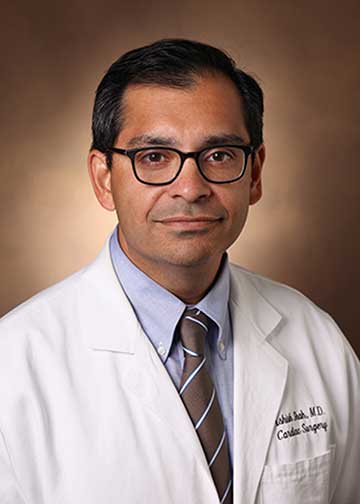 Ashish S. Shah合作论文数Department of Cardiac Surgery, Vanderbilt University Medical Center;Division of Cardiac Surgery, The Johns Hopkins Hospital4
 Nathan Smith合作论文数4
 Michal Schäfer合作论文数Childrens Hosp Colorado, Univ Colorado Denver4Bruce Kaplan合作论文数4Gray Alice合作论文数4
 David Andes合作论文数Department of Medicine, School of Medicine and Public Health, University of Wisconsin;Department of Medical Microbiology and Immunology, University of Wisconsin4
 Marian Urban合作论文数4Elizabeth A. Pomfret合作论文数4
 Marius Berman合作论文数Department of Cardiothoracic Surgery;Rabin Medical Center;Department of Cardiothoracic Surgery, Rabin Medical Center4Simon Messer合作论文数3Nader Moazami合作论文数3
 John Stephen Malamon合作论文数3O. Dar合作论文数3
 Mario Royo-Villanova合作论文数3
 Paul J Pearson合作论文数3
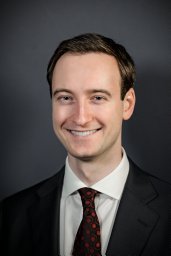 Michael J Kirsch合作论文数University of Colorado Department of Surgery3
 Rocio Lopez合作论文数3
 Hiram Sanchez合作论文数Departments of Medicine and Medical Microbiology and Immunology, University of Wisconsin3Justison George A合作论文数3
 Stephen Pettit合作论文数Transplant Unit.3
 Lima Brian合作论文数Department of Cardiac Surgery, Baylor University Medical Center3Gaglianello Nunzio合作论文数3
 Stephen Large合作论文数Royal Papworth Hospital NHS Foundation Trust3Mitchell T. Saltzberg合作论文数3
 Sai Bhagra合作论文数3
 Sanjay Sinha合作论文数Wellcome - MRC Cambridge Stem Cell Institute, University of Cambridge/Department of Medicine, University of Cambridge3Elizabeth a David合作论文数3
 F. Gonzalez-Vilchez合作论文数Facultad de Ciencias, Universidad de Cadiz3
 Vincent Tchana-Sato合作论文数Hemodynamic Research Center (HemoLiège),, University of Liège3
 Helen Luikart合作论文数3
 Filip Rega合作论文数3David N. Campbell合作论文数3
 Beatriz Dominguez-Gil合作论文数Organización Nacional de Trasplantes3L. Durham合作论文数2Sarah Y. Park合作论文数2David C. Ishizawar合作论文数2Simran K. Randhawa合作论文数Division of Cardiothoracic Surgery, Washington University School of Medicine2




