OBJECTIVE:Vasoplegia syndrome (VS) after cardiopulmonary bypass (CPB) is associated with a dysregulated inflammatory response and greater rates of morbidity and mortality, but the molecular pathways involved have been incompletely identified. We used multiplexed proteomic and transcriptomic analyses and targeted biochemical assays to identify the inflammatory and metabolic mediators that characterize post-CPB VS. METHODS:Sixteen matched pairs of patients with (+) and without (-) VS were analyzed pre-CPB and post-CPB for comparative proteomic and transcriptomic differences, with Gene Ontology pathway enrichment. Circulating nitric oxide (NO) metabolites, acetylcholine (ACh), and choline acetyltransferase levels were measured and correlated with VS. RESULTS:Baseline proteomic analysis demonstrated elevated tumor necrosis factor-alpha, interleukin-1R1, and interleukin-17RA in patients who were VS+, with activation of inflammatory cytokine, leukocyte activation, and NO biosynthesis pathways. Analysis of temporal pre-to-post CPB proteomic changes in patients who were VS+ demonstrated post-CPB elevation of IL-17A, CXCL2, and VEGFR/FLT, and decreased immune resolving proteins. Post-CPB comparative proteomic analysis demonstrated differential activation of leukocyte trafficking, T-cell differentiation, interleukin-6, and interleukin-17 pathways in patients who were VS+. Transcriptomic analysis demonstrated post-CPB activation of cellular response to hypoxia, cellular stress response, and decreased response to angiotensin pathways. Circulating NO metabolites, ACh, and choline acetyltransferase levels were elevated pre-CPB in patients who were VS+ and increased further post-CPB. Pre-CPB ACh had a 99% area under the curve correlation with post-CPB VS+. CONCLUSIONS:We demonstrated increased baseline cardiovascular inflammation in patients identified as VS+, which predisposed them to a dysregulated inflammatory response to CPB, and we identified CPB-induced activation of IL-17-skewed multicytokine inflammatory pathways and endothelial activation as mechanistic mediators of post-CPB VS. Circulating ACh was identified as a potential biomarker.
BACKGROUND:Multiorgan heart and kidney transplants (HKTx) performed for patients with end-stage heart failure and chronic kidney disease have increased in recent years. However, no established protocols exist on whether a heart and kidney from the same donor should be transplanted in the same operation versus 1-2 days apart. METHODS:Using SRTR data 1993-2023, we compared same-donor HKTx recipients with both transplants performed on the same day ("simultaneous") to recipients with kidney transplants performed within 1 day of the heart transplant ("staged"). We examined differences in weighted post-transplant clinical characteristics using average treatment effect. Post-transplant mortality and graft failure was also assessed using Kaplan-Meier curves and instrumental variable analysis adjusted for recipient characteristics and year of transplant. RESULTS:The proportion of staged HKTx increased from 20.7% in 2015 to 58.8% in 2023. Recipients of simultaneous versus staged HKTx had similar rates of stroke (3.4% vs. 4.1%, p = 0.3), permanent pacemaker prior to discharge (2.0% vs. 1.8%, p = 0.7), and kidney primary non-function (2.7% vs. 2.6%, p = 0.8). However, simultaneous HKTx recipients had shorter kidney cold ischemic time (median (IQR) (h) 10.0 (7.5 vs. 14.6) versus 20.3 (15.9, 24.8), p < 0.001) and a lower weighted hospital stay compared to staged HKTx recipients (1.08 1.09 1.11, p < 0.001). Weighted patient mortality, all cause heart failure (ACHF), and all cause kidney failure (ACKF) 4 years post-transplant were slightly lower for simultaneous versus staged HKTx recipients (17.1% vs. 19.9%, 17.2% vs. 20.1%, 20.8% vs. 24.7%). However, instrumental variable analysis found no meaningful differences in adjusted patient survival, ACHF, or ACKF by HKTx type. CONCLUSION:Simultaneous HKTx recipients have shorter hospital stays, decreased mortality, and higher rates of graft survival post-transplant compared to staged HKTx recipients, which may reflect favorable patient factors that enable both operations to be performed on the same day rather than an inherent benefit of simultaneous HKTx, given equivalent adjusted patient mortality, ACHF, and ACKF.
Introduction: Tremendous advancement has occurred in the field of heart transplantation (HTx) over the last decade in the form of utilization of circulatory-death donors (DCD), machine perfusion of organs as well as controlled temperature preservation to transport donor hearts leading to increased transplant volumes and reduced waitlist mortality. However, data comparing outcomes between brain-dead donor (DBD) and DCD donors remains limited.Methods: A retrospective chart review of adult patients who underwent heart transplantation (both DBD and DCD) at NYU Langone Hospital was conducted. Baseline characteristics included age, gender, BMI, race, etiology of heart failure, diabetes, creatinine levels, pre-operative mechanical circulatory support, UNOS status at listing. Primary outcomes studied were 1-year, primary graft dysfunction, rejection rates and vasoactive inotropic score (VIS). Secondary outcomes included post-operative MCS (mechanical circulatory support), cardiac allograft vasculopathy (CAV), postoperative ventricular function, and renal failure requiring dialysis.Results: From January 2018 to September 2023, a total of 282 patients underwent heart transplantation (HTx), of which 250 had DBD HTx and 32 patients had DCD. Baseline characteristics were similar in the two groups. The total ischemic time was significantly longer in DBD compared to DCD cohort (181.5 + 56.0 min vs. 109.3 + 64.8 min; p< 0.0001). The cardiac index was also significantly higher in DBD compared to DCD (3.9 + 1.0 vs. 3.0 + 0.8; p < 0.0001). There were no significant differences between the groups for CPB time, LV ejection fraction, graft rejection rates, acute kidney injury (AKI), renal failure requiring dialysis, postoperative MCS utilization, VIS score, or mortality at 30 days, 1-year, and 3-year follow-up. The postoperative MCS (IABP/ECMO) was higher in DBD compared to DCD (35% vs. 20%; p=0.10), although not statistically significant. Similarly, the rate of AKI was higher in DBD grp (19% vs. 31%; p=0.12). Patients undergoing HTx with a DCD donor had 1-yr survival comparable to the conventional group.Conclusion: Utilization of DCD donors yields comparable short-term and long-term outcomes to those using conventional DBD donors, despite significantly shorter ischemic times and lower cardiac indices in DCD. The comparable survival rates at 1-year follow-up suggest that DCD heart transplantation is a practical and effective option. Continued evolution in technology of donor organ transport and preservation, supplemented by clinical evidence, will likely lead to further interest in DCD heart utilization.
BACKGROUND:Donation after the circulatory determination of death (DCD) heart transplantation (HT) is becoming more widely adopted across the United States (US) and Europe. OBJECTIVE:This study compared donor and recipient demographics, intraoperative parameters, and outcomes between DCD HT centers in Europe and the US that contributed to the Outcomes after DCD Cardiac Transplantation Database. METHODS:This was a retrospective observational study across 22 HT centers in Belgium, Spain, the United Kingdom (UK), and the US. All patients undergoing DCD HT at participating centers, from the start of each center's DCD program through 01/01/2023, were included with censor date 01/01/2024. The primary outcome was 1-year survival. Secondary outcomes included severe primary graft dysfunction and incidence of acute cellular rejection. RESULTS:Data from 223 patients in Europe and 281 in the US were analyzed. DCD donors in Europe were significantly older (37 years vs 28 years; p < 0.001). Recipients in Europe had inferior 1-year survival (86.6% vs 91.8%; p = 0.043), but 1-month and 3-years survival were similar. 1-year survival in the direct procurement and preservation (DPP) cohort was significantly higher in the US group (91.2% vs 82.6%; p = 0.02). In the thoraco-abdominal normothermic regional perfusion (taNRP) cohort 1-year survival was similar between Europe and the US. Recipients in Europe had higher use of mechanical circulatory assist post-transplant (17.9% vs 11%; p = 0.03). CONCLUSION:This study further confirms the safety and efficacy of DCD HT across centers in the US and Europe, despite important differences in donor and recipient demographics and clinical outcomes. Continued collection of international data may identify opportunities to improve outcomes.
We aimed to investigate myocardial temperatures of allografts after removal from cold static storage (CSS) and the relationship between temperature and early outcomes of heart transplantation (HT). Between January and September 2024, 22 allografts preserved with CSS underwent prospective temperature measurements at the left ventricular free wall (LVFW) and interventricular septum; preservation solution temperatures were also measured. Median LVFW temperature was 4.0°C, septal temperature was 3.9°C, and solution temperature was 3.7°C. LVFW and septal temperatures were significantly correlated (p < 0.001), as were septal and solution temperatures (p = 0.03). Ischemic time inversely correlated with solution temperature (p = 0.021), and septal thickness correlated with septal temperature (p = 0.04). One patient developed severe primary graft dysfunction, and 30-day recipient and graft survival were 100% (22/22). We conclude that CSS maintains myocardial temperatures near 4°C, and it can achieve excellent post-HT outcomes with a low incidence of PGD.
The inaugural Richard Slayman Clinical Xenotransplantation Workshop convened >140 participants from North America, Europe, and Asia to discuss emerging advances and challenges in translating xenotransplantation from bench to bedside. This report summarized key discussions spanning kidney, heart, and liver xenotransplantation, with an emphasis on clinical readiness and future directions. Core themes included the importance of patient selection, the role of genetic editing to reduce immune incompatibility, adaptive immunosuppressive strategies, novel molecular tools for immune and infectious surveillance, and the growing recognition of innate immune activation as a barrier to long-term graft survival. The workshop highlighted decedent models as a translational bridge, the use of machine perfusion in liver xenograft applications, and progress in living recipients. Notably, 1 patient achieved 9 mo of kidney xenograft function, underscoring the feasibility of extended survival in carefully selected candidates. Perspectives from patients and families, including a reflection honoring Richard Slayman, the first living recipient of a genetically edited pig kidney, framed the scientific dialogue within the broader human impact of this emerging field. The workshop marked a pivotal moment in aligning scientific, ethical, and regulatory efforts to advance safe and equitable access to xenotransplantation.
Background Simultaneous heart-kidney transplant (SHKT) is an effective therapy for patients with advanced cardiac and renal disease, and confers a survival benefit over isolated heart transplant. However, reported increases in delayed renal graft function, particularly after the 2018 UNOS allocation policy change, may be correlated with decreased long-term survival. We aimed to clarify the contemporary impact of post-transplant dialysis on 1-year survival in patients undergoing SHKT. Methods This is a single-center retrospective review of patients who underwent SHKT post-allocation change between 12/2018 and 3/2023. Patients were stratified into two groups based on the need for post-transplant dialysis: No Dialysis (N=26) and Postop Dialysis (N=19). Demographic, peri-operative, and donor variables were compared between the groups. The primary outcome was 1-year survival. Secondary outcomes included overall mortality, ICU and postoperative lengths of stay, and dialysis at most recent follow-up. Results Over the study period, 45 patients underwent SHKT (Table 1). Median age of the cohort was 59 years. Postop Dialysis patients were significantly younger (55 vs 61 years, p=0.011) and were more frequently dialysis-dependent pre-transplant (63% vs 15%, p=0.001). The most common cardiac and renal etiologies were non-ischemic cardiomyopathy (76%) and cardio-renal syndrome (56%), respectively. A majority of the cohort (60%) was bridged to SHKT on temporary mechanical circulatory support, while 11% was bridged with a durable LVAD. While not significant, Postop Dialysis patients were waitlisted for considerably longer (40 vs 14 days, p=0.295). Operatively, Postop Dialysis patients had longer bypass (130 vs 123 min, p=0.046) and cold heart ischemia times (207 vs 175 min, p=0.017). Post-transplant, Postop Dialysis patients remained intubated longer (36 vs 14 hours, p=0.007) with longer ICU stays (21 vs 7 days, p=0.047) and more frequent tracheostomies (5% vs 0%, p=0.006). One-year survival remained similar between the groups (92% vs 100%, p=0.216). Likewise, at a median follow-up of 966 days, there was no difference in overall mortality (8% vs 5%, p=0.747). Conclusions In patients undergoing SHKT, the need for post-transplant dialysis did not appear to impact 1-year survival. However, patients with delayed graft function also experienced longer intubations, more frequent tracheostomies, and extended ICU stays, likely reflecting the clinical acuity of this patient population. The success of SHKT is predicated upon appropriate patient stratification and risk optimization to achieve acceptable survival outcomes.
The increasing demand for donor hearts presents both a critical challenge and a significant opportunity for innovation in cardiac transplantation. Advancements in immunosuppressive regimens and genetic engineering have reignited recent interest in xenotransplantation. Notably, 2 human patients have received genetically modified pig hearts under expanded-access authorization. They survived for 40 and 60 days, with xenograft failure preceding death in both cases. Concurrently, decedent studies have focused on monitoring the short-term physiological function of genetically modified cardiac xenografts in legally brain-dead recipients, representing a novel experimental paradigm for preclinical testing to help bridge the gap between nonhuman primate studies and clinical trials. These contemporary achievements build on a large body of exploratory efforts in cardiac xenotransplantation in nonhuman primates. Despite significant progress in overcoming hyperacute rejection, adaptive cellular and humoral immunological barriers remain. This review aims to critically evaluate the current advancements in xenotransplantation, to explore ongoing challenges, and to discuss the future potential of this innovative approach in addressing the growing demand for donor organs in cardiac transplantation.
 Smith Deane E合作论文数69
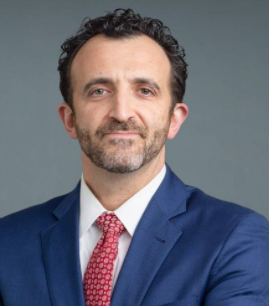 Alex Reyentovich合作论文数Division of Cardiology, Department of Medicine, Grossman School of Medicine, New York University51
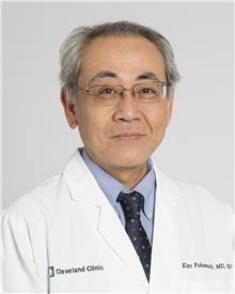 Kiyotaka Fukamachi合作论文数Department of Biomedical Engineering, Lerner Research Institute, Cleveland Clinic35
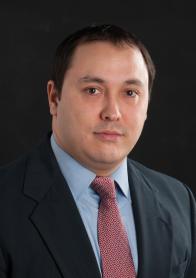 Jamshid H. Karimov合作论文数Lerner College of Medicine, Cleveland Clinic;Department of Biomedical Engineering, Lerner Research Institute;Case Western Reserve University30Zachary N. Kon合作论文数24
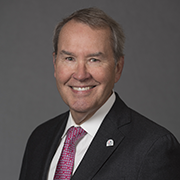 Randall Starling合作论文数Kaufman Center for Heart Failure, Cleveland Clinic23
 Gengo Sunagawa合作论文数Department of Cardiovascular Surgery, Kurashiki Central Hospital22
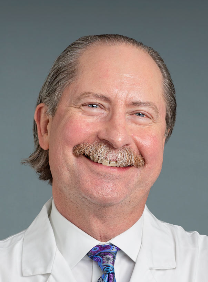 Robert Montgomery合作论文数Department of Surgery, NYU Grossman School of Medicine;NYU Langone Health/NYU Transplant Associates;550 First Avenue, 7th Floor, New York, NY 10016/403 East 34th Street;Third Floor;New York, NY 1001621
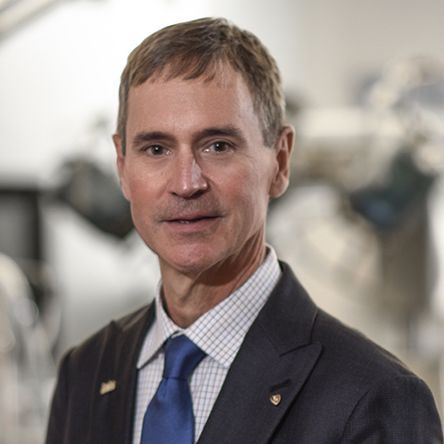 Marc Moon合作论文数Division of Cardiothoracic Surgery, Baylor College of Medicine;Baylor St. Luke’s Medical Center, Texas Heart Institute;Adult Cardiac Surgery Section, Baylor St. Luke's Medical Center19T. Saraon合作论文数Leon H. Charney Division of Cardiology, NYU Langone Health18Michael K. Pasque合作论文数Division of Cardiothoracic Surgery, Washington University School of Medicine18
 Ralph James Damiano合作论文数Department of Surgery, Washington University School of Medicine in St.Louis18D Horvath合作论文数18Les James合作论文数17K. Khalil合作论文数17Jeffrey Stern合作论文数Transplant Inst, NYU Langone Hlth17
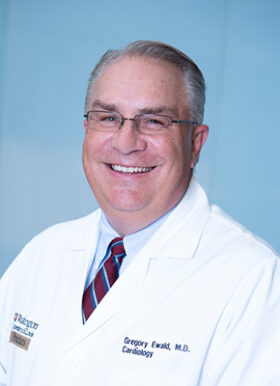 Gregory A. Ewald合作论文数John T. Milliken Department of Medicine, School of Medicine, Washington University in St. Louis;Barnes-Jewish Hospital;Freeman Hospital - Joplin17
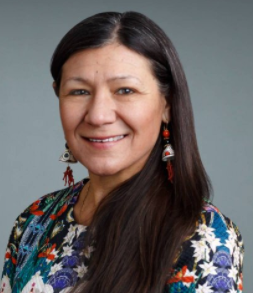 Claudia G. Gidea合作论文数RWJBarnabas Health;Newark Beth Israel Medical Center16Chang Stephanie H合作论文数16
 Nicole Byram合作论文数16
 Aubrey C. Galloway合作论文数Division of Adult Cardiac Surgery, Grossman School of Medicine, New York University15
 Michael Argenziano合作论文数15
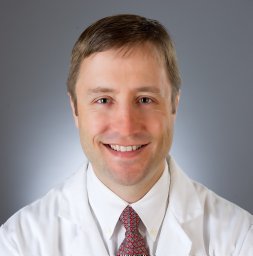 Adam Griesemer合作论文数Department of Molecular Biology, Pharmacology, Washington University School of Medicine15Ian Jaffe合作论文数14
 Jacqueline Kim合作论文数14
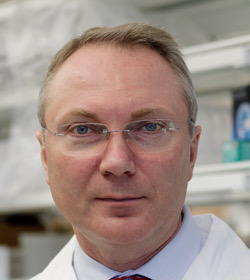 Igor Efimov合作论文数McCormick School of Engineering, Northwestern University14
 Bernard Shown Kadosh合作论文数14Edward G. Soltesz合作论文数14
 Jennifer S. Lawton合作论文数Johns Hopkins University14Nicholas G. Smedira合作论文数14Mc Oz合作论文数13
 Vadim V Fedorov合作论文数G. V. Karpenko Physicomechanical Institute, Academy of Sciences of the Ukrainian SSR13Randal Goldberg合作论文数12
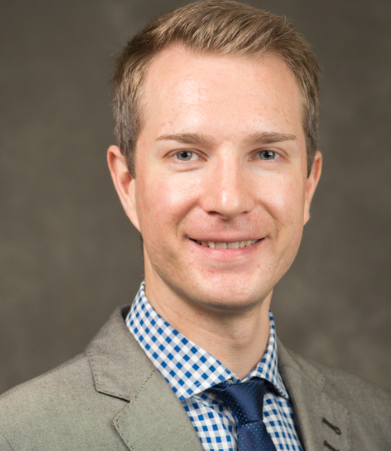 Alexey Glukhov合作论文数Department of Medicine, School of Medicine and Public Health, University of Wisconsin-Madison12D. Ayares合作论文数12Rao Shaline合作论文数12
 Leonard “Len” A.R. Golding合作论文数Department of Biomedical Engineering, Cleveland Clinic12Katherine G Phillips合作论文数11
 Francis Dominic Pagani合作论文数Frankel Cardiovascular Center, University of Michigan, Ann Arbor11Elaina Weldon合作论文数10Ea Rose合作论文数10Tyler C Lewis合作论文数10Julius A Carillo合作论文数10Neel K Ranganath合作论文数10
 Ranjit John合作论文数Division of Cardiothoracic Surgery, Department of Surgery, Medical School, University of Minnesota10Richard B. Schuessler合作论文数10Imad Aljabban合作论文数9
 Shiva Sale合作论文数9Robert Steffen合作论文数8




