Background: There is an inverse relationship between exposure to greenspaces and prevalence of cardiovascular disease and cardiovascular disease risk factors. More specifically, green exposure is associated with electrocardiogram (ECG) changes, suggesting a potential alteration of cardiac autonomic balance. One proposed mechanism by which cardiac autonomic balance may be altered is a direct physiologic effect of inhalable plant derived compounds, or biogenic volatile organic compounds (bVOCs), including limonene, α- and β-pinene which are commonly released from vegetation. Therefore, we examined the relationship between acute exposure of isolated bVOCs and cardiac autonomic tone. Hypothesis: We hypothesize that controlled exposure to isolated individual bVOCs will decrease cardiac sympathetic tone. Methods: Under controlled conditions after a bVOC washout period, healthy adults ages 18-70 were exposed to limonene (n=32), α-pinene (n=24), β-pinene (n=17), and a control (room air, n=9). Exposure consisted of one inhalation every 30 seconds for a total of 5 minutes (10 inhalations total). Pre- and post-exposure measurements of supine heart rate variability (HRV) were conducted following a 10-minute rest period. HRV was analyzed using a clean, 5-minute epoch with >95% effective data length. Statistical analysis was performed using paired t-tests to determine changes in HR and HRV. Significance level was set at p<0.05, a priori . Results: Our population was primarily female (56%, 18 of 32), white (53%, 17 of 32), high income (47%, 15 of 32), and had an education higher than a 4-year degree (62.5%, 20 of 32). There were significant decreases in HR when exposed to limonene (pre: 64.87±9.86bpm vs. post: 63.26±9.10bpm, p<.001) and α-pinene (pre: 63.98±9.32bpm vs. post: 61.64±9.72bpm, p=.008), along with trends seen in β-pinene (pre: 65.78±10.60bpm vs. post: 63.74±9.65bpm, p=.066). Control exposure showed no difference (pre: 65.40±8.38bpm vs. post: 64.14±9.35bpm, p=.301). Normalized low- (LF) and high-frequency (HF) HRV parameters showed no change across isolated bVOCs, however the LF/HF ratio scores decreased significantly following β-pinene exposure (pre: 1.62±1.69 vs. post: 0.96±0.96, p=.039). HRV time-domain parameters RMSSD and SDNN did not change following isolate exposure. Conclusions: Post-exposure decreases in HR and LFHF ratios indicate the potential for cardiovascular disease risk reduction from bVOC exposure leading to decreased sympathetic tone. Additional work is required to determine the mechanism of exposure-related changes.
Background: Venipuncture is the standard technique for blood sample acquisition but requires expertise, larger volumes of blood, and can be challenging in special populations. Capillary sampling may provide an alternative, but its reliability is unclear for assessing hematological parameters, especially following acute exercise. Objectives: The purpose of the study was to compare the agreement and accuracy of complete blood counts (CBC) from capillary and venous blood sampled before, immediately after a single bout of aerobic exercise, and into recovery. An exploratory purpose was to examine potential biological sex differences within the CBC between blood sampling sites. Methods: Recreationally active healthy adults (N = 13 male and N = 13 female) completed three visits including familiarization, graded exercise testing, and a 40-minute exercise bout at 90–98% of ventilatory threshold. Venous and capillary blood samples were collected simultaneously at rest, immediately post-exercise (0 h) and 30-minutes into recovery (0.5 h). Results: White blood cells (WBC), lymphocytes (LYM), and neutrophils (NEUT) were strongly correlated at all timepoints (r > 0.8, p < 0.05) with low bias, and moderate level of agreement (LOA). Mixed cells (MXD), hemoglobin (HGB), and hematocrit (HCT) were strongly correlated at baseline (r > 0.7, p < 0.05), but showed weaker correlations following exercise. There were no differences in mobilization or egress of CBC outcomes between sites by sex except for lymphocyte egress. Males had lower lymphocyte egress in venous versus capillary sampling whereas females had higher lymphocyte egress in venous versus capillary sampling. Discussion: These data indicate capillary sampling is an accurate alternative to venous sampling following acute exercise based on LOA and reliability data.
Objective: Climate change and urbanization increasingly cause extreme conditions hazardous to health. The bedroom environment plays a key role for high-quality sleep. Studies objectively assessing multiple descriptors of the bedroom environment as well as sleep are scarce. Methods: Particulate matter with a particle size < 2.5 mu m (PM2.5), temperature, humidity, carbon dioxide (CO2), barometric pressure, and noise levels were continuously measured for 14 consecutive days in the bedroom of 62 participants (62.9% female, mean +/- SD age: 47.7 +/- 13.2 years) who wore a wrist actigraph and completed daily morning surveys and sleep logs. Results: In a hierarchical mixed effect model that included all environmental variables and adjusted for elapsed sleep time and multiple demographic and behavioral variables, sleep efficiency calculated for consecutive 1-hour periods decreased in a dose-dependent manner with increasing levels of PM2.5, temperature, CO2, and noise. Sleep efficiency in the highest exposure quintiles was 3.2% (PM2.5, p < .05), 3.4% (temperature, p < .05), 4.0% (CO2, p < .01), and 4.7% (noise, p < .0001) lower compared to the lowest exposure quintiles (all p-values adjusted for multiple testing). Barometric pressure and humidity were not associated with sleep efficiency. Bedroom humidity was associated with subjectively assessed sleepiness and poor sleep quality (both p < .05), but otherwise environmental variables were not statistically significantly associated with actigraphically assessed total sleep time and wake after sleep onset or with subjectively assessed sleep onset latency, sleep quality, and sleepiness. Assessments of bedroom comfort suggest subjective habituation irrespective of exposure levels. Conclusions: These findings add to a growing body of evidence highlighting the importance of the bedroom environment-beyond the mattress-for high-quality sleep. (c) 2023 National Sleep Foundation. Published by Elsevier Inc. All rights reserved.
Background Breast (BCa) and prostate (PCa) cancer are two of the most common but survivable cancers. One important component of survivorship that is impacted by treatment long term is diminished quality of life (QoL). Supervised exercise improves QoL and subsequent outcomes but is not accessible for all survivors. Additionally, many factors influence QoL including physical activity (PA), cardiorespiratory fitness (CRF), physical function, and fatigue. However, the COVID-19 pandemic has highlighted the need to increase access to exercise beyond supervised exercise facilities. Home-based exercise may provide a feasible alternative for cancer survivors especially for those living in rural communities. Objectives The primary aim is to investigate the effects of home-based exercise training (Pre-training vs. Post-training) on QoL in BCa/PCa. A secondary aim is to investigate PA, CRF, physical function, and fatigue and potential moderators (age, cancer-type, intervention duration and type). Home-based exercise trials (randomized crossover or quasi-experimental design) with adults (aged 18 years and over) breast or prostate cancer survivors (not currently undergoing chemotherapy or radiation treatment) were eligible for inclusion. Data sources Electronic databases were searched (inception-December 2022) for studies which included adult BCa or PCa survivors (not currently on chemotherapy/radiation), at least measured QoL, and undergoing unsupervised, home-based exercise training. Appraisal and synthesis methods Initially, 819 studies were identified, from which 17 studies (20 effects) involving 692 participants were extracted. Effect sizes were calculated as standardized mean differences (SMD). Data were pooled using a 3-level model with restricted maximum likelihood estimation. Pooled SMD was used to assess the magnitude of effect, where <0.2, 0.2, 0.5, and 0.8 was defined as trivial, small, moderate, and large respectively. Results Home-based exercise resulted in small improvements in QoL (SMD = 0.30, 95% CI 0.01, 0.60, p = 0.042), PA (SMD = 0.49, 95% CI 0.26, 0.75, p<0.001) and CRF (SMD = 0.45, 95% CI -0.01, 0.91, p = 0.056). Physical function (SMD = 0.00, 95% CI -0.21, 0.21, p = 1.000) and fatigue (SMD = -0.61, 95%CI -1.53, 0.32, p = 0.198) did not change. Conclusions Home-based exercise results in small improves QoL in BCa/PCa survivors, independent of cancer type, intervention duration and type, or age. Home-based exercise also improves PA and CRF enhancing survivorship. Therefore, home-based exercise is an efficacious alternative option to improve QoL for BCa and PCa survivors especially for those who live in rural communities or lack access to exercise facilities.
Background Home-based training increases accessibility to exercise and mitigates the side effects of hormone therapy for prostate cancer (PC). However, it is unknown if men with more advanced disease are willing to partake in such interventions. Purpose To determine the feasibility of a home-based exercise intervention in men with metastatic castration-resistant prostate cancer (mCRPC). Methods mCRPC patients on androgen receptor signaling inhibitors (ARSI) were prescribed a 12-week, home-based exercise intervention using resistance bands and walking. Feasibility was assessed using recruitment, retention, adherence, and outcome capture. Physiological changes and patient reported outcomes were assessed before and after the intervention. Results Of the 62 referrals, 47 were eligible with 22 men performing baseline testing (47% recruitment rate) and 16 completing the intervention (73% retention). Task completion was >86% for all physiological tests. Walking adherence was 80% and resistance training was 63%, the latter falling short of the study target (75%). Training increased thigh muscle cross-sectional area by 22%, time to exhaustion by 19% (both p < 0.05) and peak oxygen uptake by 6% (p = 0.057). Improvements in short physical performance battery scores and 400 m walk demonstrated moderate effect sizes that did not reach significance. Conclusions Home-based exercise is feasible during ARSI treatment for mCRPC. Greater endurance capacity and localized hypertrophy appear as the primary improvements following training. These preliminary findings suggest home-based training may increase exercise accessibility, with important lessons that will inform subsequent trials investigating the efficacy of home-based exercise interventions during mCRPC.
Androgen deprivation therapy (ADT) for prostate cancer (PC) has detrimental effects on physical function and quality of life (QoL), but the addition of androgen receptor signalling inhibitors (ARSI) on these outcomes is unclear. To compare body composition, physical function, and QoL across progressive stages of PC and non-cancer controls (CON). In men with hormone sensitive PC (HSPC, n = 43) or metastatic castration-resistant PC (mCRPC, n = 22) or CON (n = 37), relative and absolute lean and fat mass, physical function (6 m walk, chair stands, timed up and go [TUG], stair climb), and QoL were determined. Relative body composition differed amongst all groups, along with ~39% greater absolute fat mass in mCRPC vs. CON. TUG and chair stands were ~71% and ~33% slower in mCRPC compared to both CON and HSPC, whereas stair climb was ~29% and 6 m walk was ~18% slower in mCRPC vs. CON. Relative body composition was correlated with physical function (r = 0.259–0.385). Clinically relevant differences for mCRPC were observed for overall QoL and several subscales vs. CON, although body composition and physical function did not influence QoL. PC progression is associated with deteriorations in body composition and physical function. As ADT length was similar between groups, ARSI use for mCRPC likely contributed in part to these changes. Given the difficulties of improving lean mass during ADT, interventions that reduce adiposity may lessen the side effects of hormone therapy.
Breast cancer treatment has been shown to alter carbohydrate, lipid, and lactate metabolism at rest and during acute, steady-state exercise. Currently, it is unknown if chronic exercise training can mitigate the metabolic dysfunction observed in breast cancer survivors (BCS). PURPOSE: To assess differences in substrate utilization between BCS and sedentary-healthy controls (HC) before and after a community-based exercise training program. METHODS: Early stage (0-III), non-metastatic BCS (n = 28, age 55 ± 11, BMI 27.4 ± 4.9 kg/m2) and age-matched HC (n = 15, age 54 ± 8, BMI 29.3 ± 4.9 kg/m2) completed a cardiopulmonary exercise test (CPET) before and after a 16-week combined aerobic and resistance training intervention. Respiratory exchange ratio (RER) values were derived based on percentages of absolute peak power output (PPO) achieved during the CPET, along with 3-minute post-exercise blood lactate (3MBL) measures, to estimate substrate utilization. RESULTS: Prior to training, overall RER values increased from 40% to 60% to 70% of PPO (0.84 ± 0.06; 0.93 ± 0.07; 0.98 ± 0.07), with all values being different from each other (all p < 0.001), with no group differences. There was a trend towards group differences in 3MBL (BCS: 6.4 ± 1.9 mmol/L, HC: 7.2 ± 2.0 mmol/L, p = 0.072). Following training, CPET PPO increased in BCS (∆16.3 ± 2.5 W, p < 0.001) and HC (∆6.7 ± 2.5 W, p = 0.020). However, RER values were unchanged with training at each intensity. Overall, 3MBL trended towards being higher (PRE: 6.9 ± 1.9 mmol/L, POST: 7.5 ± 2.1 mmol/L, p = 0.075). CONCLUSIONS: There were no observed differences in substrate utilization during acute exercise between groups, in contrast to previous work. Additionally, RER at various intensities was not impacted by the training intervention, which may be due to a lack of a steady state during the CPET. Greater PPO after training may have allowed BCS and HC to work at a higher wattage relative to RER, which could have diminished differences in RER. While BL was lower in BCS before training, the response in both groups appeared to increase following the intervention and may reflect improved carbohydrate metabolism.
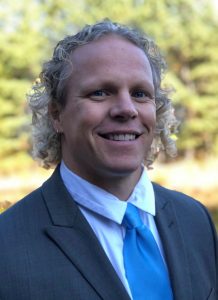 Erik Hanson合作论文数Department of Exercise and Sport Science, College of Arts and Sciences, The University of North Carolina at Chapel Hill5
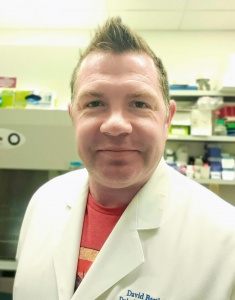 David Bruce Bartlett合作论文数Department of Medicine, Duke University School of Medicine3
 Aruni Bhatnagar合作论文数Division of Environmental Medicine, Department of Medicine, School of Medicine, University of Louisville3
 Claudio Battaglini合作论文数Department of Exercise and Sport Science, College of Arts and Sciences, The University of North Carolina at Chapel Hill3
 Rachel Keith合作论文数3
 Kaileigh M. Moertl合作论文数2Mohamdod Alzer合作论文数2Jackson Carver合作论文数2
 Lauren Bates-Fraser合作论文数Department of Exercise and Sport Science, University of North Carolina at Chapel Hill2
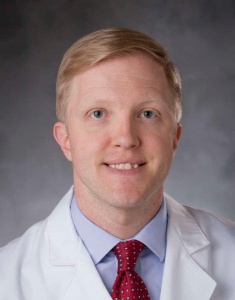 Michael Roger Harrison合作论文数Department of Medicine, Duke University School of Medicine2Rhonda L Bitting合作论文数Department of Medicine, Duke University School of Medicine2
 Alexander R. Lucas合作论文数2
 Allison M. Deal合作论文数Lineberger Comprehensive Cancer Center, School of Medicine, University of North Carolina at Chapel Hill2
 Matthew I. Milowsky合作论文数Lineberger Comprehensive Cancer Center, School of Medicine, University of North Carolina2
 Young E. Whang合作论文数University of North Carolina at Chapel Hill2
 Brian Jensen合作论文数McAllister Heart Institute, University of North Carolina at Chapel Hill;School of Medicine, University of North Carolina at Chapel Hill2Anthony C. Hackney合作论文数Department of Exercise and Sport Science, College of Arts and Sciences, The University of North Carolina at Chapel Hill2
 Lee Stoner合作论文数Department of Exercise and Sport Science, College of Arts and Sciences, The University of North Carolina at Chapel Hill2
 Michael G. Smith合作论文数1Kia Howard合作论文数1Sasha Riley合作论文数1Marc Kaizi-Lutu合作论文数1
 Hyman B. Muss合作论文数Lineberger Comprehensive Cancer Center, School of Medicine, University of North Carolina-Chapel Hill1Adrian Ecker合作论文数1Allison E Smith合作论文数1Sierra Park-Chavar合作论文数1Victoria Schneller合作论文数1Alan Hayes合作论文数1
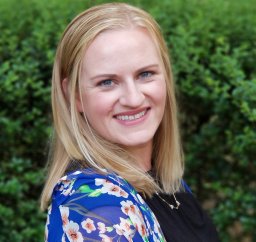 Makayla Cordoza合作论文数Perelman School of Medicine, University of Pennsylvania1
 Chad W Wagoner合作论文数Faculty of Kinesiology, University of Calgary1Alexander C. Stahn合作论文数Department of Psychiatry, Perelman School of Medicine, University of Pennsylvania1
 Haochang Shou合作论文数Department of Biostatistics, Epidemiology and Informatics, Perelman School of Medicine, University of Pennsylvania1
 Mathias Basner合作论文数Department of Psychiatry, Perelman School of Medicine, University of Pennsylvania1
 Kirsten Nyrop合作论文数1
 Jonathan Mitchell合作论文数EPFL),, Swiss Federal Institute of Technology1
 David F. Dinges合作论文数Unit for Experimental Psychiatry, Division of Sleep and Chronobiology, University of Pennsylvania Perelman School of Medicine;Center for Sleep and Circadian Neurobiology, University of Pennsylvania Perelman School of Medicine1
 Yeager Ray合作论文数Department of Environmental and Occupational Health Sciences, University of Louisville1
 Jordan Lee合作论文数1
 Ted Smith合作论文数1
 Kristin S Ondrak合作论文数1




