Recent advances in DNA synthesis technology have enabled the construction of novel genetic pathways and genomic elements, furthering our understanding of system-level phenomena. The ability to synthesize large segments of DNA allows the engineering of pathways and genomes according to arbitrary sets of design principles. Here we describe a synthetic yeast genome project, Sc2.0, and the first partially synthetic eukaryotic chromosomes, Saccharomyces cerevisiae chromosome synIXR, and semi-synVIL. We defined three design principles for a synthetic genome as follows: first, it should result in a (near) wild-type phenotype and fitness; second, it should lack destabilizing elements such as tRNA genes or transposons; and third, it should have genetic flexibility to facilitate future studies. The synthetic genome features several systemic modifications complying with the design principles, including an inducible evolution system, SCRaMbLE (synthetic chromosome rearrangement and modification by loxP-mediated evolution). We show the utility of SCRaMbLE as a novel method of combinatorial mutagenesis, capable of generating complex genotypes and a broad variety of phenotypes. When complete, the fully synthetic genome will allow massive restructuring of the yeast genome, and may open the door to a new type of combinatorial genetics based entirely on variations in gene content and copy number.
Mutations in the leucine-rich repeat kinase 2 (LRRK2) gene are associated with late-onset, autosomal-dominant, familial Parkinson's disease (PD) and also contribute to sporadic disease. The LRRK2 gene encodes a large protein with multiple domains, including functional Roc GTPase and protein kinase domains. Mutations in LRRK2 most likely cause disease through a toxic gain-of-function mechanism. The expression of human LRRK2 variants in cultured primary neurons induces toxicity that is dependent on intact GTP binding or kinase activities. However, the mechanism(s) underlying LRRK2-induced neuronal toxicity is poorly understood, and the contribution of GTPase and/or kinase activity to LRRK2 pathobiology is not well defined. To explore the pathobiology of LRRK2, we have developed a model of LRRK2 cytotoxicity in the baker's yeast Saccharomyces cerevisiae. Protein domain analysis in this model reveals that expression of GTPase domain-containing fragments of human LRRK2 are toxic. LRRK2 toxicity in yeast can be modulated by altering GTPase activity and is closely associated with defects in endocytic vesicular trafficking and autophagy. These truncated LRRK2 variants induce similar toxicity in both yeast and primary neuronal models and cause similar vesicular defects in yeast as full-length LRRK2 causes in primary neurons. The toxicity induced by truncated LRRK2 variants in yeast acts through a mechanism distinct from toxicity induced by human alpha-synuclein. A genome-wide genetic screen identified modifiers of LRRK2-induced toxicity in yeast including components of vesicular trafficking pathways, which can also modulate the trafficking defects caused by expression of truncated LRRK2 variants. Our results provide insight into the basic pathobiology of LRRK2 and suggest that the GTPase domain may contribute to the toxicity of LRRK2. These findings may guide future therapeutic strategies aimed at attenuating LRRK2-mediated neurodegeneration.
The Saccharomyces cereivisiae gene deletion project revealed that approximately 20% of yeast genes are required for viability. The analysis of essential genes traditionally relies on conditional mutants, typically temperature-sensitive (ts) alleles. We developed a systematic approach (termed "diploid shuffle") useful for generating a ts allele for each essential gene in S. cerevisiae and for improved genetic manipulation of mutant alleles; and gene constructs in general. Importantly, each ts allele resides at its normal genomic locus, flanked by specific cognate UPTAG and DNTAG bar codes. A subset of 250 ts mutants, including ts alleles for all uncharacterized essential genes and prioritized for genes with human counterparts, is now ready for distribution. The importance of this collection is demonstrated by biochemical and genetic screens that reveal essential genes involved in RNA processing and maintenance of chromosomal stability.
Background Mutations within the leucine-rich repeat kinase 2 ( LRRK2 ) gene account for a significant proportion of autosomal-dominant and some late-onset sporadic Parkinson's disease. Elucidation of LRRK2 protein function in health and disease provides an opportunity for deciphering molecular pathways important in neurodegeneration. In mammals, LRRK1 and LRRK2 protein comprise a unique family encoding a GTPase domain that controls intrinsic kinase activity. The expression profiles of the murine LRRK proteins have not been fully described and insufficiently characterized antibodies have produced conflicting results in the literature. Results Herein, we comprehensively evaluate twenty-one commercially available antibodies to the LRRK2 protein using mouse LRRK2 and human LRRK2 expression vectors, wild-type and LRRK2 -null mouse brain lysates and human brain lysates. Eleven antibodies detect over-expressed human LRRK2 while four antibodies detect endogenous human LRRK2. In contrast, two antibodies recognize over-expressed mouse LRRK2 and one antibody detected endogenous mouse LRRK2. LRRK2 protein resides in both soluble and detergent soluble protein fractions. LRRK2 and the related LRRK1 genes encode low levels of expressed mRNA species corresponding to low levels of protein both during development and in adulthood with largely redundant expression profiles. Conclusion Despite previously published results, commercially available antibodies generally fail to recognize endogenous mouse LRRK2 protein; however, several antibodies retain the ability to detect over-expressed mouse LRRK2 protein. Over half of the commercially available antibodies tested detect over-expressed human LRRK2 protein and some have sufficient specificity to detect endogenous LRRK2 in human brain. The mammalian LRRK proteins are developmentally regulated in several tissues and coordinated expression suggest possible redundancy in the function between LRRK1 and LRRK2 .
Long interspersed element type 1 (L1) retrotransposons are ubiquitous mammalian mobile elements and potential tools for in vivo mutagenesis; however, native L1 elements are relatively inactive in mice when introduced as transgenes. We have previously described a synthetic L1 element, ORFeus , containing two synonymously recoded ORFs relative to mouse L1. It is significantly more active for retrotransposition in cell culture than all native L1 elements tested. To study its activity in vivo , we developed a transgenic mouse model in which ORFeus expression was controlled by a constitutive heterologous promoter, and we established definitive evidence for ORFeus retrotransposition activity both in germ line and somatic tissues. Germ line retrotransposition frequencies resulting in 0.33 insertions per animal are seen among progeny of ORFeus donor element heterozygotes derived from a single founder, representing a >20-fold increase over native L1 elements. We observe somatic transposition events in 100% of the ORFeus donor-containing animals, and an average of 17 different insertions are easily recovered from each animal; modeling suggests that the number of somatic insertions per animal exceeds this number by perhaps several orders of magnitude. Nearly 200 insertions were precisely mapped, and their distribution in the mouse genome appears random relative to transcription units and guanine-cytosine content. The results suggest that ORFeus may be developed into useful tools for in vivo mutagenesis.
The yeast long terminal repeat (LTR) retrotransposon Ty1, like retroviruses, encodes a terminally redundant RNA, which is packaged into virus-like particles (VLPs) and is converted to a DNA copy by the process of reverse transcription. Mutations predicted to interfere with the priming events during reverse transcription and hence inhibit replication are known to dramatically decrease transposition of Ty1. However, additional cis-acting sequences responsible for Ty1 replication and RNA dimerization and packaging have remained elusive. Here we describe a modular mini-Ty1 element encoding the minimal sequence that can be retrotransposed by the Ty1 proteins, supplied in trans by a helper construct. Using a mutagenic screening strategy, we recovered transposition-deficient modular mini-Ty1-HIS3 elements with mutations in sequences required in cis for Ty1 replication and integration. Two distinct clusters of mutations mapped near the 5'-end of the Ty1 RNA. The clusters define a GAGGAGA sequence at the extreme 5'-end of the Ty1 transcript and a complementary downstream UCUCCUC sequence, 264 nt into the RNA. Disruption of the reverse complementarity of these two sequences decreased transposition and restoration of complementarity rescued transposition to wild-type levels. Ty1 cDNA was reduced in cells expressing RNAs with mutations in either of these short sequences, despite nearly normal levels of Ty1 RNA and VLPs. Our results suggest that the intramolecular interaction between the 5'-GAGGAGA and UCUCCUC sequences stabilizes an RNA structure required for efficient initiation of reverse transcription.
When telomerase is inactivated in Saccharomyces cerevisiae, telomeric DNA shortens with every cell division, and cells stop dividing after approximately 100 generations. Survivors that form in these senescent populations and resume growing have variably amplified arrays of subtelomeric Y' elements. We marked a chromosomal Y' element with the his3AI retrotransposition indicator gene and found that Y'HIS3 cDNA was incorporated into the genome at approximately 10- to 1,000-fold-higher frequencies in survivors compared to telomerase-positive strains. Y'HIS3 cDNA mobility was significantly reduced if assayed at 30 degrees C, a nonpermissive temperature for Ty1 retrotransposition, or in the absence of Tec1p, a transcription factor for Ty1. Microarray analysis revealed that Y' RNA is preferentially associated with Ty1 virus-like particles (VLPs). Genomic copies of Y'HIS3 cDNA typically have downstream oligo(A) tracts, followed by a complete Ty1 long terminal repeat and TYA1 or TYB1 sequences. These data are consistent with the use of Ty1 cDNA to prime reverse transcription of polyadenylated Y' RNA within Ty1 VLPs. Unmarked Y'-oligo(A)-Ty1 cDNA was also detected in survivors, reaching copy numbers of approximately 10(-2) per genome. We propose that Y'-oligo(A)-Ty1 cDNA recombines with Y' elements at eroding telomeres in survivors and may play a role in telomere maintenance in the absence of telomerase.
 Jef D. Boeke合作论文数Department of Biochemistry and Molecular Pharmacology, Grossman School of Medicine, New York University;School of Medicine, Johns Hopkins University;CDI Labs, Inc.5
 Valina Dawson合作论文数Institute for Cell Engineering, School of Medicine, The Johns Hopkins University;Department of Neurology, School of Medicine, The Johns Hopkins University2
 Darren Moore合作论文数Department of Neurodegenerative Science, Van Andel Institute2
 Ted M. Dawson合作论文数Institute for Cell Engineering, School of Medicine, Johns Hopkins University2
 Sarah M. Richardson合作论文数1Edward S Davis合作论文数1Alison E. Kenny合作论文数1Timothy D. Babatz合作论文数1Eric C Bolton合作论文数1Xiaojie Li合作论文数1
 Andrew Bradley West合作论文数Department of Neurology, Duke University School of Medicine1
 Sarah J Wheelan合作论文数The National Institutes of Health1Eby Y合作论文数1
 Heloise Muller合作论文数1
 Ben-Aroya Shay合作论文数Faculty of Life Sciences, Bar-Ilan University1
 O'Donnell Kathryn A合作论文数Department of Molecular Biology, University of Texas Southwestern Medical Center1
 Phil Hieter合作论文数Department of Biochemistry & Molecular Biology, Faculty of Medicine, The University of British Columbia;Michael Smith Laboratories, The University of British Columbia1
 Patrick Maxwell合作论文数School of Clinical Medicine, University of Cambridge1Junbiao Dai (戴俊彪)合作论文数1
 Ping Ye合作论文数South Dakota State University;McKesson1
 William J. Bowers合作论文数University of Rochester Medical Center1
 Narayana Visu Annaluru合作论文数Institute of Advanced Energy, Kyoto University1C. Triplett合作论文数1Bettina Lorenz-Deperieux合作论文数1Joseph F. Lawler合作论文数1
 M. Joan Curcio合作论文数New York State Dept Hlth, Wadsworth Ctr1William J. Blake合作论文数Department of Biomedical Engineering, Boston University1Jessica S. Dymond合作论文数1Srinivasan Chandrasegaran合作论文数1
 Aaron D. Gitler合作论文数Department of Genetics, School of Medicine, Stanford University;Bio-X, Stanford University;Wu Tsai Neurosciences Institute, Stanford University1
 Saskia Biskup合作论文数1Alexis Rea合作论文数1
 Joel Bader合作论文数Department of Biomedical Engineering, School of Medicine, Johns Hopkins University1Derek L. Lindstrom合作论文数1
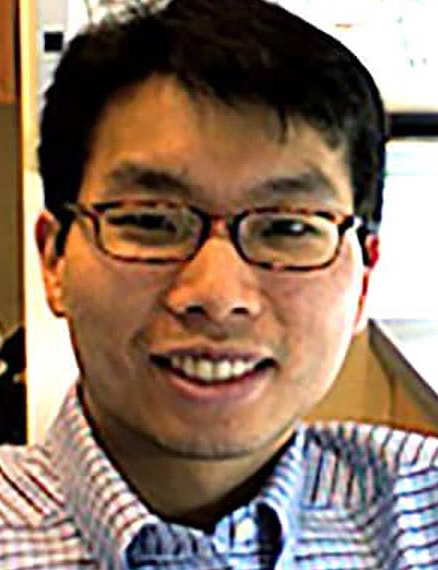 Jeffrey S. Han合作论文数Department of Biochemistry and Molecular Biology, Tulane University School of Medicine;Tulane Cancer Center, Tulane University School of Medicine1
 Daniel E. Gottschling合作论文数Department of Molecular Genetics and Cell Biology,The University of Chicago1
 Wenfeng An合作论文数1
 Yulan Xiong合作论文数School of Pharmaceutical Sciences, Peking University1Teresa Kwok合作论文数1




