Retrotransposons are mobile DNA elements that are more active with increasing age and exacerbate aging phenotypes in multiple species. We previously reported an unexpected extension of chronological lifespan in the yeast, Saccharomyces paradoxus, due to the presence of Ty1 retrotransposons when cells were aged under conditions of mild stress. In this study, we tested a subset of genes identified by RNA-seq to be differentially expressed in S. paradoxus strains with a high-copy number of Ty1 retrotransposons compared with a strain with no retrotransposons and additional candidate genes for their contribution to lifespan extension when cells were exposed to a moderate dose of hydroxyurea (HU). Deletion of ADE8, NCS2, or TRM9 prevented lifespan extension, while deletion of CDD1, HAC1, or IRE1 partially prevented lifespan extension. Genes overexpressed in high-copy Ty1 strains did not typically have Ty1 insertions in their promoter regions. We found that silencing genomic copies of Ty1 prevented lifespan extension, while expression of Ty1 from a high-copy plasmid extended lifespan in medium with HU or synthetic medium. These results indicate that cells adapt to expression of retrotransposons by changing gene expression in a manner that can better prepare them to remain healthy under mild stress.
Determining changes in the composition of cell populations is made possible by technologies like single-cell transcriptomics, CyTOF, and microbiome sequencing. However, existing methods for differential abundance do not model some ...Cellular omics such as single-cell genomics, proteomics, and microbiomics allow the characterization of tissue and microbial community composition, which can be compared between conditions to identify biological drivers. This strategy has been critical to ...
Genomics and other large-scale analyses have drawn increasing attention to the potential impacts of transposable elements (TEs) on their host genomes. However, it remains challenging to transition from identifying potential roles to clearly demonstrating the level of impact TEs have on genome evolution and possible functions that they contribute to their host organisms. I summarize TE content and distribution in four well-characterized yeast model systems in this review: the pathogens Candida albicans and Cryptococcus neoformans, and the nonpathogenic species Saccharomyces cerevisiae and Schizosaccharomyces pombe. I compare and contrast their TE landscapes to their lifecycles, genomic features, as well as the presence and nature of RNA interference pathways in each species to highlight the valuable diversity represented by these models for functional studies of TEs. I then review the regulation and impacts of the Ty1 and Ty3 retrotransposons from Saccharomyces cerevisiae and Tf1 and Tf2 retrotransposons from Schizosaccharomyces pombe to emphasize parallels and distinctions between these well-studied elements. I propose that further characterization of TEs in the pathogenic yeasts would enable this set of four yeast species to become an excellent set of models for comparative functional studies to address outstanding questions about TE-host relationships.
Retrotransposons are abundant mobile DNA elements in eukaryotic genomes that are more active with age in diverse species. Details of the regulation and consequences of retrotransposon activity during aging remain to be determined. Ty1 retromobility in Saccharomyces cerevisiae is more frequent in mother cells compared to daughter cells, and we found that Ty1 was more mobile in nonquiescent compared to quiescent subpopulations of stationary phase cells. This retromobility asymmetry was absent in mutant strains lacking BRP1 that have reduced expression of the essential Pma1p plasma membrane proton pump, lacking the mRNA decay gene LSM1, and in cells exposed to a high concentration of calcium. Mother cells had higher levels of Ty1 Gag protein than daughters. The proportion of protease-processed Gag decreased as cells transitioned to stationary phase, processed Gag was the dominant form in nonquiescent cells, but was virtually absent from quiescent cells. Treatment with calcium reduced total Gag levels and the proportion of processed Gag, particularly in mother cells. We also found that Ty1 reduced the fitness of proliferating but not stationary phase cells. These findings may be relevant to understanding regulation and consequences of retrotransposons during aging in other organisms, due to conserved impacts and regulation of retrotransposons.
A variety of mild stresses have been shown to extend lifespan in diverse species through hormesis, which is a beneficial response to a stress or toxin that would cause a negative response at a higher exposure. Whether particular stresses induce hormesis can vary with genotype for a given species, and the underlying mechanisms of lifespan extension are only partly understood in most cases. We show that low doses of the DNA damaging or replication stress agents hydroxyurea, methyl methanesulfonate, 4-nitroquinoline 1-oxide, or Zeocin (a phleomycin derivative) lengthened chronological lifespan in Saccharomyces cerevisiae if cells were exposed during growth, but not if they were exposed during stationary phase. Treatment with these agents did not change mitochondrial activity, increase resistance to acetic acid, ethanol, or heat stress, and three of four treatments did not increase resistance to hydrogen peroxide. Stationary phase yeast populations consist of both quiescent and nonquiescent cells, and all four treatments increased the proportion of quiescent cells. Several mutant strains with deletions in genes that influence quiescence prevented Zeocin treatment from extending lifespan and from increasing the proportion of quiescent stationary phase cells. These data indicate that mild DNA damage stress can extend lifespan by promoting quiescence in the absence of mitohormesis or improved general stress responses that have been frequently associated with improved longevity in other cases of hormesis. Further study of the underlying mechanism may yield new insights into quiescence regulation that will be relevant to healthy aging.
Background: Accumulation of DNA damage, mutations, and chromosomal abnormalities is associated with aging in many organisms. How directly various forms of genomic instability contribute to lifespan in different aging contexts is still under active investigation. Testing whether treatments that alter lifespan change mutation rates early during lifespan could provide support for genomic instability being at least partly responsible for changes in the rates of aging.Results: Rates of mutations, direct repeat recombination, or retrotransposition were measured in young cell populations from two strain backgrounds of Saccharomyces cerevisiae exposed to several growth conditions that shortened or extended yeast chronological lifespan. In most cases, rates of genomic instability did not consistently increase in young cells exposed to lifespan-shortening conditions or decrease in young cells exposed to lifespan-extending conditions. The mutation rate for a copy of the CAN1 gene integrated onto the right arm of chromosome VIII did show expected increases or decreases in young cells in the lifespan-altering growth conditions. These mutations were determined to frequently result from non-allelic recombination events, including non-reciprocal translocations, and were more strongly stimulated by using hydroxyurea to induce DNA replication stress than by the general DNA-damaging agent methyl methanesulfonate.Conclusions: The results are not consistent with changes in mutation rates in general mediating the influence of alternative growth conditions on yeast lifespan. The strong correlation between non-allelic recombination events and the effects of the alternative growth conditions on lifespan indicates that genomic instability due to changes in recombination rates may directly contribute to the rate of aging or that lifespan-altering treatments may consistently increase or decrease DNA replication stress. These results further support the connection between DNA replication stress and aging observed in multiple organisms. Chromosomal abnormalities that likely arise from recombination events are more prevalent in multiple human tissues with increasing age, and further work in yeast could help to define mechanisms responsible for this observation and the impact of chromosomal abnormalities on aging.
Retrotransposons are activated as organisms age, based on work from several model systems. Since these mobile DNA elements can promote genome instability, this has raised the possibility that they can contribute to loss of cellular function with age. Many questions remain to be addressed about the relationship between retrotransposons and aging, so it is unclear if changes in their activity will be found to contribute to aging or to be a consequence of aging. A few broad perspectives are presented regarding how continued work on these elements could provide important insights into the aging process, regardless of whether their mobility is ultimately found to significantly contribute to reduced lifespan and healthspan.
Retrotransposon expression or mobility is increased with age in multiple species and could promote genome instability or altered gene expression during aging. However, it is unclear whether activation of retrotransposons during aging is an indirect result of global changes in chromatin and gene regulation or a result of retrotransposon-specific mechanisms. Retromobility of a marked chromosomal Ty1 retrotransposon in Saccharotnyces cerevisiae was elevated in mother cells relative to their daughter cells, as determined by magnetic cell sorting of mothers and daughters. Retromobility frequencies in aging mother cells were significantly higher than those predicted by cell age and the rate of mobility in young populations, beginning when mother cells were only several generations old. New Ty1 insertions in aging mothers were more strongly correlated with gross chromosome rearrangements than in young cells and were more often at non-preferred target sites. Mother cells were more likely to have high concentrations and bright foci of Ty1 Gag-GFP than their daughter cells. Levels of extrachromosomal Ty1 cDNA were also significantly higher in aged mother cell populations than their daughter cell populations. These observations are consistent with a retrotransposon-specific mechanism that causes retrotransposition to occur preferentially in yeast mother cells as they begin to age, as opposed to activation by phenotypic changes associated with very old age. These findings will likely be relevant for understanding retrotransposons and aging in many organisms, based on similarities in regulation and consequences of retrotransposition in diverse species. (C) 2015 Elsevier B.V. All rights reserved.
Retrotransposons can have significant influences on gene expression and genome stability through their ability to integrate reverse-transcript copies of their sequences at new genomic locations by retrotransposition. These elements have been long known to retrotranspose in mammalian germ cells to give rise to inherited insertion alleles, but more recent work has also shown that retrotransposition can occur in mammalian somatic cells, particularly in brain tissue and tumors. Retrotransposition makes appreciable contributions to spontaneous disease-causing alleles in humans and a more significant contribution to spontaneous mutations in mice. Genome-wide studies have found high levels of polymorphic retrotransposon insertions in human populations that are consistent with ongoing retrotransposition. Many insertions do not disrupt exons, but insertions into introns or flanking genes can alter gene expression patterns, generate truncated or antisense gene transcripts, alter splicing patterns, or result in premature polyadenylation of gene transcripts. Furthermore, the very high genomic copy numbers of these elements can lead to nonallelic homologous recombination events that produce gene deletions/duplications and genome rearrangements, and can also lead to evolution of particular insertions or types of elements to have cellular functions through exaptation. Mobility of these elements occurs despite multiple epigenetic mechanisms to restrict their expression. While the potential for retrotransposons to significantly influence mammalian health and cellular functions is clear, substantial research efforts will be needed to fully elucidate the actual contributions of natural levels of mobility of endogenous elements to the health and development of humans and other mammals. Keywords: retrotransposon, human, mouse, mutations, epigenetics, exaptation
Retrotransposons are mobile DNA elements present throughout eukaryotic genomes that can cause mutations and genome rearrangements when they replicate through reverse transcription. Increased expression and/or mobility of retrotransposons has been correlated with aging in yeast, Caenorhabditis elegans, Drosophila melanogaster, and mammals. The many copies of retrotransposons in humans and various model organisms complicate further pursuit of this relationship. The Saccharomyces cerevisiae Ty1 retrotransposon was introduced into a strain of S. paradoxus that completely lacks retrotransposons to compare chronological lifespans (CLSs) of yeast strains with zero, low, or high Ty1 copy number. Yeast chronological lifespan reflects the progressive loss of cell viability in a nondividing state. Chronological lifespans for the strains were not different in rich medium, but were extended in high Ty1 copy-number strains in synthetic medium and in rich medium containing a low dose of hydroxyurea (HU), an agent that depletes deoxynucleoside triphosphates. Lifespan extension was not strongly correlated with Ty1 mobility or mutation rates for a representative gene. Buffering deoxynucleoside triphosphate levels with threonine supplementation did not substantially affect this lifespan extension, and no substantial differences in cell cycle arrest in the nondividing cells were observed. Lifespan extension was correlated with reduced reactive oxygen species during early stationary phase in high Ty1 copy strains, and antioxidant treatment allowed the zero Ty1 copy strain to live as long as high Ty1 copy-number strains in rich medium with hydroxyurea. This exceptional yeast system has identified an unexpected longevity-promoting role for retrotransposons that may yield novel insights into mechanisms regulating lifespan.
Saccharomyces cerevisiae has been an excellent model system for examining mechanisms and consequences of genome instability. Information gained from this yeast model is relevant to many organisms, including humans, since DNA repair and DNA damage response factors are well conserved across diverse species. However, S. cerevisiae has not yet been used to fully address whether the rate of accumulating mutations changes with increasing replicative (mitotic) age due to technical constraints. For instance, measurements of yeast replicative lifespan through micromanipulation involve very small populations of cells, which prohibit detection of rare mutations. Genetic methods to enrich for mother cells in populations by inducing death of daughter cells have been developed, but population sizes are still limited by the frequency with which random mutations that compromise the selection systems occur. The current protocol takes advantage of magnetic sorting of surface-labeled yeast mother cells to obtain large enough populations of aging mother cells to quantify rare mutations through phenotypic selections. Mutation rates, measured through fluctuation tests, and mutation frequencies are first established for young cells and used to predict the frequency of mutations in mother cells of various replicative ages. Mutation frequencies are then determined for sorted mother cells, and the age of the mother cells is determined using flow cytometry by staining with a fluorescent reagent that detects bud scars formed on their cell surfaces during cell division. Comparison of predicted mutation frequencies based on the number of cell divisions to the frequencies experimentally observed for mother cells of a given replicative age can then identify whether there are age-related changes in the rate of accumulating mutations. Variations of this basic protocol provide the means to investigate the influence of alterations in specific gene functions or specific environmental conditions on mutation accumulation to address mechanisms underlying genome instability during replicative aging.
Genetic damage through mutations and genome rearrangements has been hypothesized to contribute to aging. The specific mechanisms responsible for age-induced increases in mutation and chromosome rearrangement frequencies and a potential causative role for DNA damage in aging are under active investigation. Retrotransposons are mobile genetic elements that cause insertion mutations and contribute to genome rearrangements through nonallelic recombination events in humans and other organisms. We have investigated the role of endogenous Ty1 retrotransposons in aging-associated increases in genome instability using the Saccharomyces cerevisiae chronological aging model. We show that age-induced increases in loss of heterozygosity and chromosome loss events are consistently diminished by mutations or treatments that reduce Ty1 retrotransposition. Ty1 mobility is elevated in very old yeast populations, and new retromobility events are often associated with chromosome rearrangements. These results reveal a correlation between retrotransposition and genome instability during yeast aging. Retrotransposition may contribute to genetic damage during aging in diverse organisms and provides a useful tool for studying whether genetic damage is a causative factor for aging.
TPS293 Background: Nonsquamous (NS-) NSCLC is a predictive factor for response to pemetrexed (pem). Laboratory evidence suggests that this differential outcome may be related to low TS mRNA expression in NS-NSCLC. In this exploratory phase II trial the primary objective ( PO) is to test prospectively, the correlation between TS protein expression (TSPE) and progression free survival (PFS). This abstract reports the TS assay (TSA) protocol to measure TSPE using IHC. Methods: An open-label, single-arm, multicentric study (with appropriate UK approvals) was undertaken to test the PO in eligible patients (n=68) receiving pem/cisplatin induction followed by maintenance pem until tumour progression (PD). Key eligibility criteria included ECOG PS 0-1, histological diagnosis of stage IIIB/IV NS-NSCLC, and informed consent. The TSA protocol for this study was designed on a validated procedure developed by study sponsors. Diagnostic slides and FFPE blocks are centrally collected for diagnostic verification and TS staining. Sections of 3 μ m will be stained using primary antibody (Zymed clone 4H4B1, 1:40 dilution) in a proprietary automated system (Ventana Discovery). Positive controls used are cell lines with low/medium/high TS and archival lung carcinomas. An experienced pulmonary pathologist and a clinical scientist will independently score both the IHC stained slides and corresponding scanned digital images using previously agreed thresholds for staining intensity. Joint review will secure scores for discrepant cases. An H score will be calculated for cytoplasmic and nuclear staining-the sum of products of both staining intensity (1, 2 and 3) and distribution (0-100% of cells). An agreed final score will be established. Where possible, additional studies, at DNA and mRNA levels, of pathways related to folate metabolism will be undertaken. The aims are to i) demonstrate that routine TSPE by IHC on the usual range of diagnostic material is feasible and practical, ii) discover the range of TS protein expression in a series of NS-NSCLC, and iii) assess clinical relevance of TS IHC in predicting response to pem. Author Disclosure Employment or Leadership Position Consultant or Advisory Role Stock Ownership Honoraria Research Funding Expert Testimony Other Remuneration Almac Dignostics, Lilly AstraZeneca, Lilly Lilly Lilly Lilly Lilly
 Peter Ratcliffe合作论文数Nuffield Department of Medicine, University of Oxford;Magdalen College, University of Oxford;Ludwig Institute of Cancer Research8
 M. Joan Curcio合作论文数New York State Dept Hlth, Wadsworth Ctr7
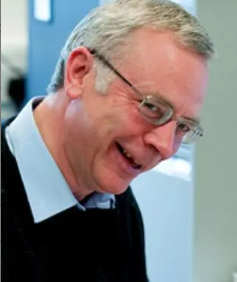 Chris Pugh合作论文数Nuffield Department of Medicine, University of Oxford;Kellogg College, University of Oxford7
 Nick P Talbot合作论文数3
 Thomas Smith合作论文数School of Basic & Medical Biosciences, Faculty of Life Sciences & Medicine, King’s College London3
 Peter Robbins合作论文数Department of Physiology, Anatomy and Genetics, Medical Sciences Division, University of Oxford;The Queen's College, University of Oxford3Alison E. Kenny合作论文数2Patterson Melissa N合作论文数2
 Adrian Harris合作论文数Department of Oncology, Medical Sciences Division, University of Oxford;NIHR Oxford Biomedical Research Centre;St Hugh's College, University of Oxford2Melanie J. Percy合作论文数2Mary Frances Mcmullin合作论文数2Robert W Levis合作论文数2
 Jonathan M Gleadle合作论文数The Henry Wellcome Building of Genomic Medicine2
 Keith L. Dorrington合作论文数Department of Physiology, Anatomy & Genetics, University of Oxford2John M. Belote合作论文数Department of Biology;Syracuse University;Department of Biology, Syracuse University2ludmila jelinkova合作论文数1Linda O'Flaherty合作论文数1gabriele u dachs合作论文数1Vanessa Potter合作论文数1Marilyn Treacy合作论文数1Emine Hatipoglu合作论文数1
 Rinat Abramovitch合作论文数1Gordon Stamp合作论文数1
 Terry R J Lappin合作论文数1Jean-Marc Herbert合作论文数1Sebastian Bachmann合作论文数Institute of Functional Anatomy, Charité – Universitätsmedizin Berlin1Savanna Dorsey合作论文数Biol Sci, Rensselaer Polytech Inst1Hiroko Nagase合作论文数1Mark Layton合作论文数Univ London Imperial Coll Sci Technol & Med, Dept Haematol, Hammersmith Hosp, Imperial Coll Healthcare NHS Trust, London W12 0NN, England1Lingling Liu合作论文数1Julie Adam合作论文数Univ Oxford, Oxford OX3 7BN, England1
 Ah-Mee Park合作论文数1
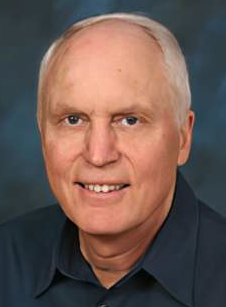 Oliver Hankinson合作论文数Department of Environmental Health Sciences, Fielding School of Public Health, University of California, Los Angeles1Alistair Grinham合作论文数School of Civil Engineering, Faculty of Engineering, Architecture and Information Technology, The University of Queensland1Badin Gibbes合作论文数School of Civil Engineering, Faculty of Engineering, Architecture and Information Technology, The University of Queensland1
 Federico Formenti合作论文数School of Basic & Medical Biosciences, Faculty of Life Sciences & Medicine, King’s College London1
 Dai Fukumura合作论文数Massachusetts General Hospital;Mass General Research Institute;Harvard Medical School, Harvard University1
 Daniel Gale合作论文数Centre for Genetics and Genomics, Department of Renal Medicine, University College London;Royal Free Hospital;Great Ormond Street Hospital1Miranda Melroy X合作论文数1Lehtonen Heli J合作论文数1East Philip合作论文数1
 Cameron J. Koch合作论文数Department of Radiation Oncology, School of Medicine, University of Pennsylvania1Iqball Sharifah合作论文数1Stamenova Radostina合作论文数1
 Rajesh Shah合作论文数Radiology Department, Stanford University1Brooks J T合作论文数1Croft Quentin P合作论文数1
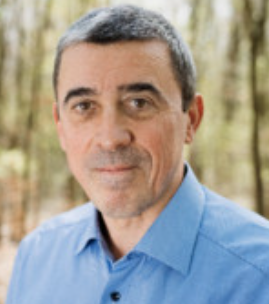 Peter Carmeliet合作论文数Department of Oncology, Faculty of Medicine, KU Leuven;Laboratory of Angiogenesis and Vascular Metabolism, VIB-KU Leuven Center for Cancer Biology1
 Chris Schofield合作论文数Department of Chemistry, Hertford College, University of Oxford;Ineos Oxford Institute for Antimicrobial Resistance, University of Oxford1




