Supplementary Figure 1 from MicroRNA Microarray Identifies Let-7i as a Novel Biomarker and Therapeutic Target in Human Epithelial Ovarian Cancer
This figure addresses the reviewer's questions about the effect of blocking type I IFN on tumor cells and tumor-infiltrating lymphocytes.
Supplementary Table 3 from Cyclin G1 Is a Target of miR-122a, a MicroRNA Frequently Down-regulated in Human Hepatocellular Carcinoma
This figure shows that CD11b+Gr-1+ cells from anti-PD-1 resistant tumors also show downregulation of MHC class I molecules
Supplementary Table 2 from MicroRNA Microarray Identifies Let-7i as a Novel Biomarker and Therapeutic Target in Human Epithelial Ovarian Cancer
Supplementary References from MicroRNA Microarray Identifies Let-7i as a Novel Biomarker and Therapeutic Target in Human Epithelial Ovarian Cancer
Supplementary Table 1 from Cyclin G1 Is a Target of miR-122a, a MicroRNA Frequently Down-regulated in Human Hepatocellular Carcinoma
Supplementary Table S1 from MicroRNA Gene Expression Deregulation in Human Breast Cancer
Supplementary Fig. S1 from MicroRNA expression profiles for the NCI-60 cancer cell panel
Supplementary Table 4 from Cyclin G1 Is a Target of miR-122a, a MicroRNA Frequently Down-regulated in Human Hepatocellular Carcinoma
Legends for Supplementary Figures 1-6 from Genomic Profiling of MicroRNA and Messenger RNA Reveals Deregulated MicroRNA Expression in Prostate Cancer
Supplementary Data from MicroRNA Expression in Squamous Cell Carcinoma and Adenocarcinoma of the Esophagus: Associations with Survival
Abstract MicroRNAs are strongly implicated in such processes as development, carcinogenesis, cell survival, and apoptosis. It is likely, therefore, that they can also modulate sensitivity and resistance to anticancer drugs in substantial ways. To test this hypothesis, we studied the pharmacologic roles of three microRNAs previously implicated in cancer biology (let-7i, mir-16, and mir-21) and also used in silico methods to test pharmacologic microRNA effects more broadly. In the experimental system, we increased the expression of individual microRNAs by transfecting their precursors (which are active) or suppressed the expression by transfection of antisense oligomers. In three NCI-60 human cancer cell lines, a panel of 60 lines used for anticancer drug discovery, we assessed the growth-inhibitory potencies of 14 structurally diverse compounds with known anticancer activities. Changing the cellular levels of let-7i, mir-16, and mir-21 affected the potencies of a number of the anticancer agents by up to 4-fold. The effect was most prominent with mir-21, with 10 of 28 cell-compound pairs showing significant shifts in growth-inhibitory activity. Varying mir-21 levels changed potencies in opposite directions depending on compound class; indicating that different mechanisms determine toxic and protective effects. In silico comparison of drug potencies with microRNA expression profiles across the entire NCI-60 panel revealed that ∼30 microRNAs, including mir-21, show highly significant correlations with numerous anticancer agents. Ten of those microRNAs have already been implicated in cancer biology. Our results support a substantial role for microRNAs in anticancer drug response, suggesting novel potential approaches to the improvement of chemotherapy. [Mol Cancer Ther 2008;7(1):1–9]
This figure shows that PD-L1 expression is not quantitatively altered on the anti-PD-1 resistant tumor cells, compared to parental tumor cells.
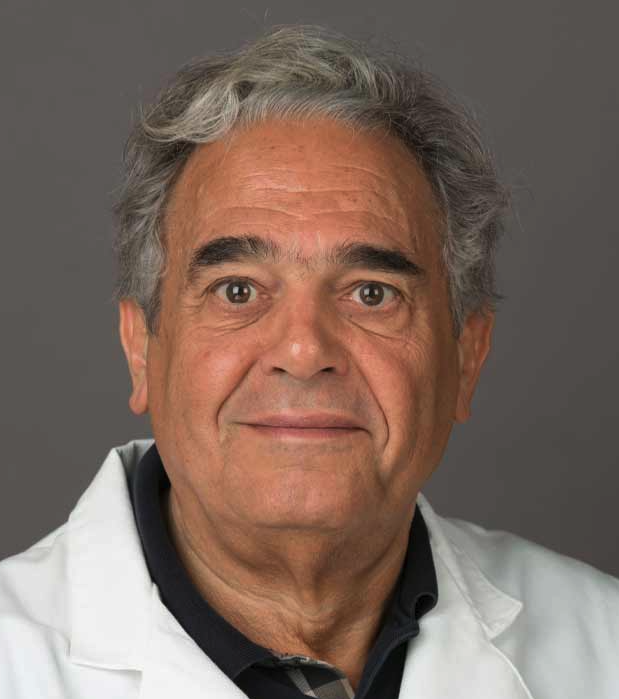 Carlo Maria Croce合作论文数Comprehensive Cancer Center, The Ohio State University99
 George Calin合作论文数Department of Translational Molecular Pathology, Division of Pathology-Lab Medicine Div, The University of Texas MD Anderson Cancer Center;Department of Leukemia, Division of Cancer Medicine, The University of Texas MD Anderson Cancer Center76
 Stefano Volinia合作论文数Dipartimento di Medicina Traslazionale, Universita' degli Studi di Ferrara52
 Liu Xiuping合作论文数27Massimo Negrini合作论文数26Hansjuerg Alder合作论文数The Ohio State University Medical Center24
 Xiuping Liu (刘秀萍)合作论文数School of Basic Medical Sciences, Fudan University23
 Manuela Ferracin合作论文数University of Ferrara, Università di Ferrara23
 Cristian Taccioli合作论文数Telethon Facility, Università degli Studi di Ferrara21Fanyin Meng合作论文数13
 Gianfranco Alpini合作论文数School of Medicine, Indiana University13
 Angelo Veronese合作论文数Dipartimento di Medicina Sperimentale e Diagnostica, Università di Ferrara13
 Yuyan Han合作论文数School of Biological Sciences, College of Natural and Health Sciences, University of Northern Colorado13
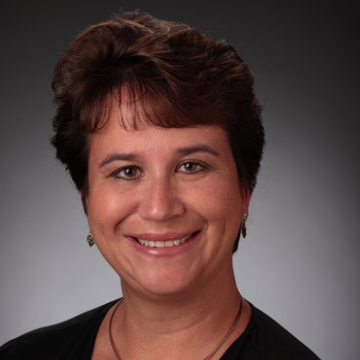 Shannon S. Glaser合作论文数Naresh K. Vashisht College of Medicine, Texas A&M University13Julie Venter合作论文数12M. Fabbri合作论文数11
 Thomas Kipps合作论文数Moores Cancer Center, University of California San Diego11
 John Hagan合作论文数University of Texas Medical School, Univ. Texas Med. Sch.11Silvia Sabbioni合作论文数11
 Amelia Cimmino合作论文数Department of Molecular Virology, Immunology and Medical Genetics and Comprehensive Cancer Center, Ohio State University11Robert M. Stephens合作论文数10
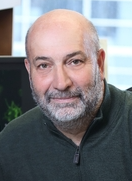 Stefan Ambs合作论文数National Cancer Institute, National Institutes of Health10Laura Gramantieri合作论文数10
 Laura Rassenti合作论文数Cancer Center, University of California, San Diego10
 Yuri Pekarsky合作论文数College of Medicine, The Ohio State University10
 Simona Rossi合作论文数Telethon Facility, Università degli Studi di Ferrara10Masayoshi Shimizu合作论文数9
 Luigi Bolondi合作论文数Università di Bologna9
 John N. Weinstein合作论文数Department of Systems Biology, Division of Cancer Medicine, The University of Texas MD Anderson Cancer Center9Catia Giovannini合作论文数9Heather L. Francis合作论文数8
 Gian Luca Grazi合作论文数8
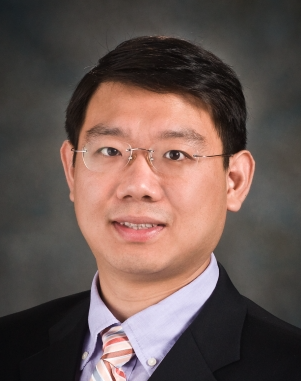 Han Liang (梁晗)合作论文数Department of Bioinformatics and Computational Biology, Division of Basic Science Research, The University of Texas MD Anderson Cancer Center;Department of Systems Biology, Division of Basic Science Research, The University of Texas MD Anderson Cancer Center8Alexey Palamarchuk合作论文数Thomas Jefferson University8Riccardo Spizzo合作论文数Center for RNA Interference and Non-Coding RNAs, M.D. Anderson Cancer Center8
 Eros Ferrazzi合作论文数Medical Oncology Division, Rovigo, Italy8
 Francesxa Fornari合作论文数8Hidekazu Tsukamoto合作论文数7
 Curtis C. Harris合作论文数Laboratory of Human Carcinogenesis, Center for Cancer Research, National Cancer Institute, National Institutes of Health7
 Manel Esteller合作论文数Cancer Epigenetics Group, Josep Carreras Leukaemia Research Institute;Faculty of Medicine and Health Sciences, University of Barcelona;Catalan Institution for Research and Advanced Studies7Lixia Diao合作论文数MD Anderson Cancer Center, The University of Texas7Ramiro Garzon合作论文数and the Comprehensive Cancer Center, The Ohio State University7
 Yon Hui Kim合作论文数7
 Flavia Pichiorri合作论文数6Daniel Gomez合作论文数6
 Jonathan E Schoenhals合作论文数Department of Radiation Oncology, University of Texas MD Anderson Cancer Center6Ming Yi合作论文数6Prueitt Robyn L合作论文数6
 Thomas D Schmittgen合作论文数Department of Pharmaceutics, College of Pharmacy, University of Florida6




