STUDY QUESTION:What is the association between treated (ART, ovulation induction (OI)) and untreated subfertility and risk of cerebral palsy (CP)? SUMMARY ANSWER:There is no increased risk of CP in births to subfertile untreated women; the risk of CP has declined in ART conceptions (IVF, ICSI) and is greatest in births conceived using OI medications as a sole therapy. WHAT IS KNOWN ALREADY:Nordic data suggest a decline in risk of CP for ART births over time with the shift to single embryo transfer (SET), but there are no recent data from other countries and no Australian data for births after 2002. Few studies have examined the risk of CP in births conceived after OI or untreated subfertility; these comparison groups may assist in separating ART treatment effects from potential effects of subfertility itself. STUDY DESIGN, SIZE, DURATION:Retrospective cohort study using linked population-based data for women with a live birth (LB) in Western Australia from 2003 to 2014, corresponding to 10 126 ART births (3.1%), 4102 births after OI (1.2%), 11 554 births to subfertile untreated women (3.5%), and 305 508 (92.2%) births to fertile women conceiving naturally. PARTICIPANTS/MATERIALS, SETTING, METHODS:Statutory ART, birth, hospital, CP, and pharmacy data were linked to identify four 'conception groups' (ART, OI, subfertile untreated, and fertile natural conceptions), outcome data, and potential confounders. CP descriptions were verified at 5 years of age. Birth prevalence of CP was calculated for each conception group per 1000 LB. Poisson regression with robust standard errors was used to estimate adjusted risk ratios (aRR) for CP with adjustment for maternal demographic characteristics, pre-existing conditions, and adverse obstetric history (with 95% CI). Births to fertile women were the reference group. Analyses included all children and singletons and twins separately. Weinberg's differential rule was used to estimate the rate of monozygotic twinning across our four conception groups and, for ART births, by length of embryo culture. MAIN RESULTS AND THE ROLE OF CHANCE:CP was diagnosed in 29 ART children (2.9/1000 LB; 95% CI 1.92-4.11), 16 children born after OI (3.9/1000 LB; 95% CI 2.23-6.33), 23 children in the subfertile untreated group (2.0/1000 LB; 95% CI 1.26-2.99), and 610 in the fertile group (2.0/1000 LB; 95% CI 1.84-2.16). When stratified by plurality and prematurity, risk was increased only for ART twins (aRR 2.8, 95% CI 1.42-5.39) born preterm (<37 weeks) and OI singletons (aRR 2.9, 95% CI 1.41-5.84) born preterm. Twins after SET comprised an increasing proportion of all ART twins over time, and of all ART twins with CP. Most twins after SET were same-sex twins (90.7%) and we estimated that 81% were monozygous, with the majority conceived after the transfer of a single blastocyst. The monozygotic twinning rate was higher after blastocyst-SET compared with cleavage-SET (prevalence ratio 1.7 (95% CI 1.07-2.73)). LIMITATIONS, REASONS FOR CAUTION:Small numbers of children with CP in subfertile groups prevented more detailed analyses of pregnancy complications and ART cycle characteristics. More recent data from larger populations are required to confirm whether risk of CP is increased following blastocyst transfer, in twins after SET, and following OI as a sole therapy. As zygosity data were not available, Weinberg's differential rule was used to estimate the rate of monozygotic twinning and may have led to some misclassification. WIDER IMPLICATIONS OF THE FINDINGS:Prevalence of CP following ART has declined in Western Australia, as in the Nordic countries. Avoiding multiple embryo transfer remains important. Monozygotic twinning after SET may increase the risk of CP for ART twins and is more common after blastocyst compared with cleavage-stage transfer. Embryo culture, manipulation, and freezing strategies to reduce monozygotic twinning should be explored. Data about OI (as a sole therapy) are not routinely collected in most countries, but OI-conceived births had the highest risk of CP and may warrant closer scrutiny. Pre-treatment counselling should continue to promote SET while incorporating the small risk of embryo splitting; risk of multiple birth should be discussed with those planning to use OI. STUDY FUNDING/COMPETING INTEREST(S):This work was supported by the Australian National Health and Medical Research Council, grant number 1086530 (to M.H.) and The Research Foundation of Cerebral Palsy Alliance, grant number 06221 (to M.H.). The sponsors had no role in the design or conduct of the study, or the decision to submit for publication.Professor Hart is the Medical Director of Fertility Specialists of Western Australia and National Medical Director of City Fertility Clinic, a shareholder in CHA SMG; he has received accommodation support from Merck to attend ESHRE and has received travel and accommodation support, as well as educational sponsorship from MSD, Merck-Serono, Origio, Igenomix, and Ferring Pharmaceuticals. He has also received personal fees for presenting a Merck webinar. There are no other conflicts of interest to declare. TRIAL REGISTRATION NUMBER:N/A.
INTRODUCTION:To evaluate use and utility of the Fetal Alcohol Spectrum Disorder (FASD) Hub Australia website. METHODS:Online REDCap user survey incorporating the Website Evaluation Questionnaire, open ended questions, Google metrics data and an accessibility audit. RESULTS:Seventy-six participants: researchers (32%), health professionals (29%) and policymakers/advocates (16%) completed the survey. Most were from Australia (95%) and were likely or very likely to recommend the FASD Hub to colleagues (92%), friends (74%) and patients (72%). The mean Website Evaluation Questionnaire score was at least 3.45/5 for all dimensions (ease of use, hyperlinks, structure, relevance, comprehension, completeness, layout, search option); range 3.45 (search option) to 4.04 (relevance). Participants found the content trustworthy (92%) but wanted more information for, and to support, Aboriginal and Torres Strait Islander peoples, and improved search capacity. Google metrics identified 25,534 unique users over 6 months (82% new users); 83% aged 18-44 years, 72% female and 35% international. CONCLUSIONS:Users found the FASD Hub accessible, authoritative and useful and suggested improvements.
BACKGROUND:Assisted reproductive technology (ART) pregnancies are at greater risk of birth defects than non-ART pregnancies. Teratogenic medication exposure is a potential cause of birth defects that has not been compared between ART and non-ART pregnancies. AIMS:To determine whether the prevalence of exposure to teratogenic medicines during pregnancy varies by conception method (ART and three non-ART groups: ovulation induction (OI), subfertile untreated, and fertile naturally conceiving). MATERIALS AND METHODS:We linked state and commonwealth datasets for all live and stillbirths (≥20 weeks) in Western Australia with a conception date ≥1 July 2012 and date of birth ≤31 December 2014. We calculated the prevalence of exposure to teratogenic medicines (Therapeutic Goods Association Category D/X) across conception groups for the: (i) first trimester, and (ii) second and third trimesters. RESULTS:We identified 2041 ART, 590 OI, 2063 subfertile and 52 987 fertile pregnancies (57 681). The overall prevalence of exposure to Category D/X medicines was 0.8% in the first trimester, and 0.7% in the second and third trimesters. Category X medicines exposure was <0.5% for all conception groups and trimesters. The first trimesters of ART and OI pregnancies were more often exposed to Category D medicines than subfertile and fertile pregnancies, (ART = 4.9%, OI = 2.0% vs subfertile = 1.3%, fertile = 0.6%) as were later trimesters (ART = 3.4%, OI = 1.4% vs subfertile = 0.9%, fertile = 0.6%). CONCLUSIONS:The overall prevalence of exposure to teratogenic medicines is low; however, exposure was greatest in pregnancies arising from ART and may be a modest contributing factor to the higher rate of birth defects observed among ART babies.
To identify and characterise appropriate comparison groups for population studies of health outcomes in ART-conceived births: ovulation induction (OI), subfertile untreated and fertile natural conceptions. Our secondary objective was to examine whether known risks of pregnancy complications and adverse birth outcomes in ART births are elevated in comparison with subfertile (untreated and OI) conception groups. We linked State and Commonwealth datasets to identify all live and stillbirths (≥ 20 weeks) in Western Australia from 2003 to 2014 by method of conception. Demographic characteristics, maternal pre-existing conditions, adverse obstetric history and pregnancy complications were compared across conception groups. Generalised estimating equations were used to estimate adjusted risk ratios (aRRs) and 95
Background Children with congenital heart defects (CHDs) are at higher risk of developing an intellectual disability. However, severity of intellectual disabilities among this group of children are largely unknown. Our objective was to determine the risk of intellectual disability (ID), ID severity, and autism among children with CHDs. Methods We conducted a retrospective cohort study of singleton live births in Western Australia ( n = 20,592) between 1983 and 2010. Children with CHDs were identified from the Western Australian Register for Developmental Anomalies ( n = 6563) and infants without CHDs were randomly selected from state birth records ( n = 14,029). Children diagnosed with ID before 18 years were identified by linkage to statewide Intellectual Disability Exploring Answers database. Odds ratios (OR) and 95% confidence intervals (CI) were calculated from logistic regression models for all CHDs combined and by CHD severity adjusting for potential confounders. Results Of 20,592 children, 466 (7.1%) with CHDs and 187 (1.3%) without CHDs had an ID. Compared to children without CHDs, children with any CHD had 5.26 times (95% CI 4.42, 6.26) the odds of having an ID and 4.76 times (95% CI 3.98, 5.70) the odds of having mild/moderate ID. Children with any CHD had 1.76 times the odds of having autism (95% CI 1.07, 2.88), and 3.27 times the odds of having an unknown cause of ID (95% CI 2.65, 4.05) compared to children without CHD. The risk of having autism (aOR 3.23, 95% CI 1.11, 9.38), and unknown cause of ID (aOR 3.45, 95% CI 2.09, 5.70) was greatest for children with mild CHD. Conclusions Children with CHDs were more likely to have an ID or autism. Future research should elucidate underlying etiology of ID in children with CHDs.
Fetal alcohol spectrum disorder (FASD) is a lifelong disability of varying severity that occurs among individuals prenatally exposed to alcohol. Among Aboriginal and Torres Strait Islander (Indigenous) Australians, the effects of colonisation and ongoing racism could increase the risk of alcohol consumption during pregnancy. Much of the research and the effort towards prevention of and caring for people with FASD in Indigenous communities has been targeted towards women and children. More support and effort towards prevention of FASD is needed across the whole Indigenous community. In this paper, we discuss several areas for increased involvement by Indigenous men in future FASD research, prevention, care and support.
Supplemental Tables 1-9. Supplemental Table S1: Tests for deviation from Hardy-Weinberg Equilibrium using parental genotypes. Supplemental Table S2: Folate pathway genotype and the risk of CBT with only cases also available for case-parent trio analysis (N=246). Supplemental Table S3: Folate pathway genotype and the risk of CBT with adjustment only for matching variables. Supplemental Table S4: Folate pathway genotype and the risk of CBT where child has 3 or more European grandparents. Supplemental Table S5: Folate-pathway genotype and the risk of CBT (excluding FTA samples). Supplemental Table S6: Child's folate pathway genotype and risk of CBT by tumor subtype. Supplemental Table S7: Maternal folate pathway genotype and risk of CBT by tumor subtype. Supplemental Table S8: Paternal folate pathway genotype and risk of CBT by tumor subtype. Supplemental Table S9: Child's folate pathway genotype and risk of CBT by sex of the child.
Supplementary Table S3. Odds ratios for other folate pathway genotypes stratified by maternal use of folic acid (>300ug) in the pre-pregnancy period
BACKGROUND:Advances in screening and diagnostics have changed the way in which we identify and diagnose congenital anomalies. OBJECTIVE:To examine changes in rates of prenatal diagnosis of congenital anomalies over time and by demographic characteristics. METHODS:We undertook a population-based retrospective cohort study of all children born in Western Australia between 1980 and 2020 and diagnosed with a congenital anomaly. Age at diagnosis (prenatal, neonatal, infancy, early childhood or childhood) prevalence (all-type and type-specific), and prevalence ratios (PR) were calculated. We fit joinpoint regression models to describe the average annual percentage change (APC) in prenatal diagnosis over time, and log-binomial regression models to estimate the association between prenatal diagnosis and demographic characteristics. RESULTS:Prenatal diagnosis prevalence between the first (1980-1989: 28.3 per 10,000 births) and last (2005-2014: 156.1 per 10,000 births) decades of the study increased 5.5-fold (95% confidence interval [CI] 5.0, 5.9). Substantial increases were observed for cardiovascular (PR 10.7, 95% CI 8.0, 14.6), urogenital (PR 10.5, 95% CI: 8.7, 12.6) and chromosomal anomalies (PR 7.0, 95% CI 5.9, 8.3). Prenatal diagnosis was positively associated with the birth year (adjusted risk ratio [RR] 1.04, 95% CI 1.03, 1.04), advanced maternal age (RR 1.14, 95% CI 1.11, 1.18), multiple anomalies (RR 2.86, 95% CI 2.77, 2.96) and major anomalies (RR 3.75, 95% CI 3.36, 4.19), and inversely associated with remoteness (RR 0.89, 95% CI: 0.83, 0.95) and Aboriginality (RR 0.90, 95% CI 0.83, 0.97). CONCLUSIONS:Increases in prenatal diagnosis of congenital anomalies were observed in Western Australia from 1980 to 2020, reflecting advances in screening. Prenatal diagnosis was less common in remote regions and in Aboriginal children, strengthening calls for increased provision of antenatal care services for these populations.
Purpose To present a case study of the considerations of mandatory fortification with folic acid in Australia and New Zealand. Methods Review of published reports and consumer advocacy views. Results Australia and New Zealand jointly approved mandatory fortification of flour with folic acid to prevent neural tube defects in 2007. Fortification was fully implemented in Australia in 2009 and has resulted in reduction in NTD. At the last minute, industry lobbying led to the New Zealand government not proceeding with fortification. With continued consumer advocacy, mounting scientific evidence, and a change of government, approval was given in 2021 for mandatory fortification of flour with folic acid. Conclusion In large part as a response to consumer pressure, New Zealand has now joined with Australia (and around 70 other countries) in fortifying flour with folic acid for the prevention of NTD.
Fetal Alcohol Spectrum Disorder (FASD) is a neurodevelopmental disorder caused by exposure to alcohol in utero. It has pervasive, lifelong impacts and is recognised as a major public health concern in many countries where alcohol is used. The FASD Research Australia Centre of Research Excellence (CRE) was funded by the National Health and Medical Research Council to generate and translate evidence to address prevention, diagnosis, and management of FASD in Australia. The current paper describes the approach to policy and practice impact taken by our CRE, including our stakeholder engagement processes and the key principles that underlie our approach. We provide examples of policy and practice influence in FASD prevention, diagnosis and management that have been achieved over the past five years and discuss challenges that are routinely faced in the translation of our work.
Objectives To describe the comprehensive clinical paediatric assessment of a representative sample of children and adolescents (young people) sentenced to detention in Western Australia (WA) and participating in the first Fetal Alcohol Spectrum Disorder (FASD) prevalence study. Settings Individuals with FASD have lifelong difficulties with memory, attention, communication, emotional regulation and social skills with associated risk of engagement with juvenile justice. We found prevalence of FASD in 36% of young people sentenced to juvenile detention in WA. This paper describes the comprehensive clinical paediatric assessment of all young people participating in this study. Participants All young people aged 10–17 years 11 months and sentenced to detention in WA were eligible. All assessments were completed by a multidisciplinary team comprising a speech and language pathologist, occupational therapist, neuropsychologist and a paediatrician. Results In all, 103 young people completed the comprehensive clinical paediatric assessment, with maximum number of males (93%) and Aboriginal Australians (73%). One in two participants reported someone close to them, or themselves, having experienced a frightening event with associated symptoms of post-traumatic stress. One-third (36%) of participants had experienced suicide of a family member. Half of the young people had one or no parent (53%), an incarcerated sibling (44%) or an incarcerated family member (57%). One-fifth of participants talked about experiences of emotional neglect (20%), physical neglect (19%), physical abuse (21%) and suicidal ideation (18%). More than half (60%) of participants were 1 year or more behind their school-year grade according to their chronological age, and 73% reported waking tired. Polysubstance use was common, including cigarettes (82%), marijuana (76%), alcohol (66%) and methamphetamine (36%). Almost two-thirds (64%) had abnormal neuromotor findings, 47% reported head injury without hospitalisation, 38% had prior musculoskeletal injuries, 29% had impaired motor skills and 15% had abnormal visual fields. Conclusion Comprehensive clinical paediatric assessment of young people sentenced to detention in WA found significant psychosocial and physical difficulties. The findings of multiple and serious impairments and health issues, through completion of comprehensive clinical paediatric and multidisciplinary health and neuro-developmental assessments for this study, support their routine provision to all young people on entry to systems of juvenile justice.
Fetal Alcohol Spectrum Disorder (FASD) is a preventable, lifelong disability that disproportionately affects Aboriginal and Torres Strait Islander people. This review provides a comprehensive synthesis of the available information on FASD among Aboriginal and Torres Strait Islander people, with reference to the limitations on population-based data and evaluated programs. The review outlines; the harms of alcohol use in the context of colonisation, cultural perspectives on assessment and diagnosis, effective prevention programs and a summary of state and national policies. Health impacts, educational outcomes and the effects of FASD on vulnerable populations such as children in protection and young people in the justice system, are also discussed. Specific perspectives on why women drink during pregnancy and the role of Aboriginal women in preventing FASD are explored. Recommendations include that there be greater focus on the benefits of involving men in the prevention and management of FASD and that future FASD prevention strategies for Aboriginal and Torres Strait Islander people should be community identified, led, and driven. FASD assessment, treatment and public health programs must also consider the history of trauma incurred by Aboriginal and Torres Strait Islander communities as a result of colonisation.
Objective: The aim was to determine literacy and numeracy outcomes, among children with and without ADHD by gestational age and gender. Method: De-identified linked population data from the Western Australian Monitoring of Drugs of Dependence System and Western Australian Literacy and Numeracy Assessment databases, and the Midwives Notification System used information on 6,819 children with ADHD compared with 14,451 non-ADHD children. Results: A total of 23% of boys and 28% of girls with ADHD had numeracy scores below the benchmark in School Year 3, compared with 11% of children without ADHD. These differences were also evident for reading, writing, and spelling through primary school. Children with ADHD and reduced gestational age were at a greater risk of not meeting numeracy and reading benchmarks, compared with children born at term. Conclusion: Children with ADHD are disadvantaged from an early age in key areas of learning, and this risk increased with reduction in gestational age at birth.
The first study to investigate the prevalence of fetal alcohol spectrum disorder (FASD) within an Australian juvenile detention centre has identified the highest known prevalence of FASD among a justice-involved population worldwide. However, there has been limited investigation into the capacity of the custodial workforce to identify and manage young people in Australian detention centres with FASD or other neurodevelopmental impairment (NDI), and no published interventions aiming to develop environments appropriate for those with FASD in justice settings. Using the Template for Intervention Description and Replication checklist, this study describes the conception, implementation and evaluation of a training intervention aiming to upskill the custodial workforce in the management of youth with FASD and NDI; 117 staff participated in the intervention, and 109 completed pre- and post-intervention surveys. Improvements were seen across almost all knowledge and attitude items, and the intervention was considered highly necessary, appropriate and valuable by the workforce.
Background and ObjectivePrenatal alcohol exposure is a common preventable cause of intellectual disability, but alcohol useremains high during pregnancy. We identified where Australian women obtained information about alcohol during pregnancy, their preferred sources of information, and their perceptions of the role of health professionals in providing information. Materials and MethodsIn 2006, 1103 nonpregnant Australian women of childbearing age (18–45 years) were interviewed using computer-assisted telephone interview. Information about their actual and preferred sources of information about consuming alcohol during pregnancy and the perceived role of health professionals in pregnancy education were obtained.ResultsMost (99%) of the Australian women interviewed said information about the effects of consuming alcohol during pregnancy should be readily available, but only half had sighted any such information. Brochures were the most-sighted source (16%), followed by media programs/articles (13%). Women preferred health professionals (52%) as the best source of information, followed by television advertisements (12%). Health professional platforms (e.g., antenatal classes) were preferred by women who had previously given birth, while the Internet was preferred by nulliparous and Australian-born women. Message recall was associated with knowledge that alcohol consumption during pregnancy can cause fetal alcohol spectrum disorder, growth problems, and lifelong disabilities in a child (P < 0.05). Women agreed that health professionals should ask pregnant women about alcohol, advise how much alcohol consumption is safe during pregnancy, and advise pregnant women or those planning pregnancy to give up alcohol consumption.
OBJECTIVES: Investigate the relationship between maternal alcohol-use disorder and multiple biological and social child outcomes, including birth outcomes, child protection, justice contact, and academic outcomes for both Indigenous and non-Indigenous children. METHODS: Women with a birth recorded on the Western Australian Midwives Notification System (1983–2007) and their offspring were in scope. The exposed cohort were mothers with an alcohol-related diagnosis (International Classification of Diseases, Ninth Revision and International Classification of Diseases, 10th Revision) recorded in an administrative data set and their offspring (non-Indigenous: n = 13 969; Indigenous: n = 9635). The exposed cohort was frequency matched with mothers with no record of an alcohol-related diagnosis and their offspring (comparison cohort; non-Indigenous: n = 40 302; Indigenous: n = 20 533). RESULTS: Over half of exposed non-Indigenous children (55%) and 84% of exposed Indigenous children experienced ≥1 negative outcome. The likelihood of any negative outcome was significantly higher for the exposed than the comparison cohort (non-Indigenous: odds ratio [OR] = 2.67 [95% confidence interval (CI) = 2.56–2.78]; Indigenous: OR = 2.67 [95% CI = 2.50–2.85]). The odds were greatest for children whose mothers received a diagnosis during pregnancy (non-Indigenous: OR = 4.65 [95% CI = 3.87–5.59]; Indigenous: OR = 5.18 [95% CI = 4.10–6.55]); however, numbers were small. CONCLUSIONS: The effects of maternal alcohol-use disorder are experienced by the majority of exposed children rather than a vulnerable subgroup of this population. These findings highlight the need for universal prevention strategies to reduce harmful alcohol use and targeted interventions to support at-risk women and children.
Little is known about the significance of cultural differences to how caregivers receive a diagnosis of neurodevelopmental disability. As part of a Fetal Alcohol Spectrum Disorder prevalence study among sentenced, detained youth, our qualitative study explored the experiences of diagnostic assessment among detained young people and their caregivers. We present findings from the perspectives of caregivers. In conversation with the sociology of diagnosis literature, we present vignettes of three Aboriginal and two non-Aboriginal caregivers' experiences of the diagnostic assessment process. We found that Aboriginal caregivers conceptualised their children's diagnosis and ongoing management in the context of their family networks and community. In contrast, non-Aboriginal caregivers focused on how the diagnosis would affect their child and interactions with various institutions including healthcare systems and schools. Caregivers' engagement with diagnostic reports and resources also followed cultural lines. Reflections on intergenerational drinking were voiced by Aboriginal caregivers, who expressed shame at receiving diagnosis. These findings advance our appreciation of cultural difference in receiving a diagnosis, the examination of which is in its nascent stages. We also suggest ways to mitigate harm from a stigmatising diagnosis and soften the well-established effects of medical dominance over the process of defining a person's capacity and status.
Undertaking research with young people presents an array of methodological challenges. We report the findings from a qualitative study that took place alongside a fetal alcohol spectrum disorder (FASD) prevalence study among detainees in Australia. Of 38 participants, 27 were Aboriginal youth. Interviews were conducted using “social yarning” and “research topic yarning,” an Indigenous research method which allows for data collection in an exploratory, culturally safe way. A complex interplay emerged between social yarning and research topic yarning which provided a space to explore responsively with participants their experiences of FASD assessments. Flexibility, including language adaptation and visual descriptions about assessments, was utilized to assist participants recall and retell their experiences. There were, however, challenges in gathering data on the assessment experiences of some participants. We describe how employing a “yarning” method for collecting data could benefit children and young people undergoing neurodevelopmental assessments in the future.
 Fiona Stanley合作论文数School of Paediatrics and Child Health, University of Western Australia;Melbourne School of Population and Global Health, The University of Melbourne51
 Helen Leonard合作论文数Telethon Kids Institute;Child Disability Group, Centre for Child Health Research, University of Western Australia;Disability Services, Western Australia46
 Elizabeth Elliott合作论文数Faculty of Medicine and Health, University of Sydney;Sydney Children's Hospitals Network45
 O'Leary Colleen M合作论文数41
 Nick De Klerk合作论文数Telethon Institute for Child Health Research37
 Natasha Nassar合作论文数School of Medicine, Faculty of Medicine and Health, The University of Sydney34Elizabeth Milne合作论文数31
 Stephen R Zubrick合作论文数Telethon Inst Child Hlth Res, Univ Western Australia28Heather D'Antoine合作论文数27
 Rochelle E Watkins合作论文数27
 Raewyn Mutch合作论文数25Lyn Colvin合作论文数Telethon Institute for Child Health Research, The University of Western Australia23
 Jenny Kurinczuk合作论文数Nuffield Department of Population Health, Medical Sciences Division, University of Oxford21Jenny Bourke合作论文数18Emma Glasson合作论文数17Jan Payne合作论文数16
 Margaret Miller合作论文数15Payne Janet M合作论文数15Elizabeth Peadon合作论文数15Jack Goldblatt合作论文数15
 Linda Slack-Smith合作论文数School of Population and Global Health, The University of Western Australia14Anne Bartu合作论文数14
 Heather Jones合作论文数Virginia Commonwealth University14
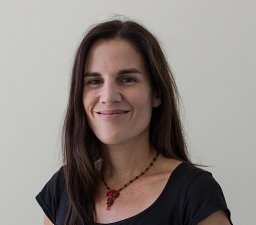 Michele Hansen合作论文数Centre for Child Health Research;University of Western Australia;Telethon Institute for Child Health Research;Epidemiology Unit;University of Oxford;University of Western Australia, University of Oxford14
 Assen Jablensky合作论文数School of Psychiatry and Clinical Neurosciences, University of Western Australia14Peter O'Leary合作论文数Div Obstet & Gynaecol, Univ Western Australia13Halliday Jane合作论文数13
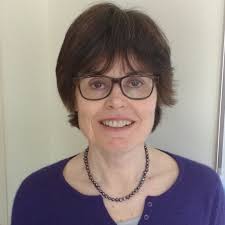 Helen Bailey合作论文数Curtin Medical School, Faculty of Health Sciences, Curtin University13Beverly Petterson合作论文数12
 John Attia合作论文数CReDITSS Unit, School of Medicine and Public Health, College of Health, Medicine and Wellbeing, The University of Newcastle, Australia12
 Peter Jacoby合作论文数Centre for Child Health Research, Telethon Institute for Child Health Research12
 Jan E Dickinson合作论文数School of Women's and Infants' Health, University of Western Australia11
 Anne Mckenzie合作论文数10Greenop Kathryn R合作论文数10
 James Fitzpatrick合作论文数10
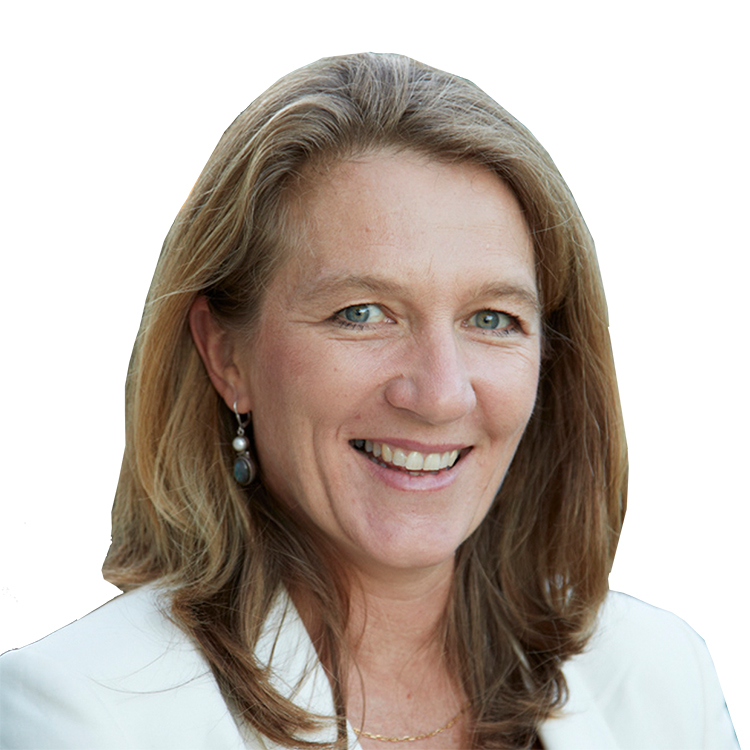 Liz Davis合作论文数Children’s Diabetes Centre, The Kids Research Institute Australia;UWA Medical School, University of Western Australia;Perth Children's Hospital10Nadine Henley合作论文数10Timothy W Jones合作论文数9Gavin Pereira合作论文数9
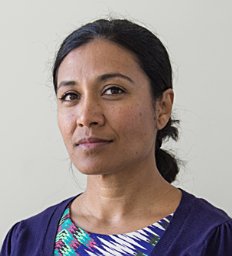 Aveni Haynes合作论文数9Maxine L. Croft合作论文数TVW Telethon Institute for Child Health Research9
 Rodney Scott合作论文数School of Biomedical Sciences and Pharmacy, University of Newcastle;Centre for Bioinformatics, Biomarker Discovery and Information-Based Medicine, University of Newcastle;College of Health, Medicine and Wellbeing, University of Newcastle9
 Amanda Wilkins合作论文数8J Payne合作论文数8
 Hayley M Passmore合作论文数School of Paediatrics and Child Health, The University of Western Australia8
 Angus Cook合作论文数School of Population and Global Health, The University of Western Australia8
 Jane Latimer合作论文数School of Public Health, Faculty of Medicine and Health, The University of Sydney8Carter Maureen合作论文数8V. Morgan合作论文数8




