Despite emerging novel therapies, treating acute myeloid leukemia (AML) remains challenging. Complexities persist in designing pivotal clinical trials and establishing acceptable endpoints for AML. Recent FDA guidance for drug and biological products development for AML outlines considerations for trial design. The guidance defines overall survival (OS) and event-free survival (EFS) as endpoints representing clinical benefit for AML therapies without curative intent. We highlight the EFS definition, particularly the assignment of day 1 as the event date for patients with induction treatment failures (ITFs), as recommended in the guidance. Through a comprehensive simulation study, our results show that the guidance EFS definition performs adequately with high complete remission (CR) rates but may pose challenges for low CR rates. When the experimental arm CR rate is 5% or less over the control, the use of the ITF events at day 1 for EFS definition leads to a critical power decrease, hampering the ability to predict survival benefit for a moderate OS duration. We further expand upon the EFS definition with the event date at ITF period end. Our goal is to inform investigators and regulatory agencies about the implications and limitations of various EFS definitions for future pivotal trials in AML.
7053 Background: In ECHELON-1 (NCT01712490), 6-year follow-up (FU) analyses demonstrated significant improvements in overall survival (OS) and progression-free survival (PFS) with A+AVD (brentuximab vedotin plus doxorubicin, vinblastine, and dacarbazine) versus ABVD (doxorubicin, bleomycin, vinblastine, and dacarbazine), with a comparable safety profile. Here, we report data at 7-year median FU. Methods: Analyses of OS and PFS per investigator were conducted in the intent-to-treat (ITT) population (data cut-off March 11, 2023). Patients (pts) were randomized 1:1 to receive ≤6 cycles of A+AVD (n=664) or ABVD (n=670) on days 1 and 15, every 28 days. PET scan after cycle 2 (PET2) evaluation was mandatory. Long-term safety outcomes in the safety population included resolution or improvement of peripheral neuropathy (PN), second malignancies, and pregnancies. Results: At median FU of 89.3 months (95% CI 87.0–90.2), 7-year OS rates were 93.5% (95% CI 91.1–95.2) with A+AVD and 88.8% (95% CI 85.8–91.1) with ABVD; OS favored A+AVD over ABVD (HR 0.62; 95% CI 0.42–0.90; p=0.011). Subgroup analyses showed consistent OS benefit for A+AVD, including in the age <40 years and Stage IV disease subgroups (Table). 7-year PFS rates with A+AVD vs ABVD were 82.3% (95% CI 79.1–85.0) vs 74.5% (95% CI 70.8–77.7; HR 0.68 [95% CI 0.53–0.86]; p=0.001). PN improved/resolved in most pts at last FU (A+AVD: 86%; ABVD: 87%). Median (range) time to complete resolution of PN (A+AVD vs ABVD) was 16 (0–373) vs 10 (0–343) weeks; median (range) time to improvement was 42 (2–182) vs 19 (15–142) weeks. PN was ongoing in 28% (4% grade ≥3) of A+AVD and 20% (1% grade ≥3) of ABVD pts. Second malignancies were reported in 5% of A+AVD and 6% of ABVD pts. Pts and their partners reported 84/92 livebirths/pregnancies with A+AVD and 59/73 with ABVD; no stillbirths were recorded. Conclusions: At 7-year median FU, pts with stage III/IV cHL who received A+AVD showed a sustained PFS and OS benefit vs ABVD, with PFS rates indicating potential curability. The safety profile in pts treated with A+AVD showed no new safety signals at 7 years. Clinical trial information: NCT01712490 . [Table: see text]
Topic: 14. Myeloma and other monoclonal gammopathies - Clinical Background: Peripheral T-cell lymphoma (PTCL) is a heterogeneous, rare and aggressive group of mature T and NK cells neoplasms, representing 10% of newly diagnosed lymphoma in China. CD30 expression is a hallmark of diagnosis in systemic anaplastic large cell lymphoma (sALCL) and is well documented in some other most common PTCL subtypes. ECHELON-2 have shown significant improvement in progression-free survival (PFS) and overall survival (OS) with CD30-directed monoclonal antibody-drug conjugate, brentuximab vedotin (BV) in combination with cyclophosphamide, doxorubicin (hydroxydaunorubicin), prednisone (CHP) regimen in patients with treatment naïve CD30-positive PTCL, comparing with cyclophosphamide, doxorubicin (hydroxydaunorubicin), vincristine, prednisone (CHOP) regimen. In order to determine the efficacy and safety of BV combined with CHP regimen in Chinese population with untreated PTCL, a bridging study was planned to be conducted. Aims: To investigate the efficacy, safety, and PK of BV+CHP in the frontline treatment of Chinese patients with CD30+ PTCL. Methods: This phase 2, single-arm, open-label, multicenter study will include patients aged ≥18 years with newly diagnosed CD30+ PTCL and ECOG performance status ≤2. Following histological subtypes will be included - anaplastic lymphoma kinase (ALK)-positive sALCL with ≥2 International Prognostic Index score, ALK-negative sALCL, PTCL-not otherwise specified, angioimmunoblastic T-cell lymphoma, enteropathy-associated T-cell lymphoma, and hepatosplenic T-cell lymphoma. Patients will receive 1.8 mg/kg of BV intravenously for 30 mins on day 1 of 21-day cycle followed by IV administration of cyclophosphamide (750 mg/m2), doxorubicin (50 mg/m2) and daily oral dose of 100 mg of prednisone from day 1 to 5. The treatment will be continued until first occurrence of any one of these criteria: Progressive disease, unacceptable toxicity, or completion of the desired 6 to 8 cycles. The study will recruit approximately 52 patients including 36 patients with diagnosis of sALCL. Overall response rate (ORR) following the completion of study treatment as assessed by independent review facility and adverse events will be the primary endpoints. The secondary endpoints will include complete response rate following the completion of study treatment, 1-year PFS and OS rate, time to response (TTR), duration of response, pharmacokinetic analyses and antidrug antibody status. Results:Summary/Conclusion: The results from this bridging study will determine if they are consistent with results from global population and may provide support for the use of BV in treatment of Chinese patients with CD30+ PTCL. Study registration number: NCT05673785. Keywords: ALK/ALCL, CD30, Adult, Peripheral T-cell lymphoma
In this updated analysis, A+AVD treatment resulted in a 41% reduction in risk of death vs ABVD, with a manageable safety profile. These outcomes are important in advancing treatment of patients with previously untreated stage Ill/IV cHL.
Summary Pevonedistat (TAK-924/MLN4924) is an investigational small molecule inhibitor of the NEDD8-activating enzyme that has demonstrated clinical activity across solid tumors and hematological malignancies. Here we report the results of a phase 1 study evaluating the effect of rifampin, a strong CYP3A inducer, on the pharmacokinetics (PK) of pevonedistat in patients with advanced solid tumors (NCT03486314). Patients received a single 50 mg/m 2 pevonedistat dose via a 1-h infusion on Days 1 (in the absence of rifampin) and 10 (in the presence of rifampin), and daily oral dosing of rifampin 600 mg on Days 3–11. Twenty patients were enrolled and were evaluable for PK and safety. Following a single dose of pevonedistat at 50 mg/m 2 , the mean terminal half-life of pevonedistat was 5.7 and 7.4 h in the presence and in the absence of rifampin, respectively. The geometric mean AUC 0–inf of pevonedistat in the presence of rifampin was 79% of that without rifampin (90% CI: 69.2%–90.2%). The geometric mean C max of pevonedistat in the presence of rifampin was similar to that in the absence of rifampin (96.2%; 90% CI: 79.2%–117%). Coadministration of pevonedistat with rifampin, a strong metabolic enzyme inducer, did not result in clinically meaningful decreases in systemic exposures of pevonedistat. The study results support the recommendation that no pevonedistat dose adjustment is needed for patients receiving concomitant CYP3A inducers. ClinicalTrials.gov identifier NCT03486314.
7503 Background: To date, an overall survival (OS) benefit from upfront treatment for new treatment combinations over existing approaches has rarely been shown in first-line classical Hodgkin lymphoma (cHL). With the introduction of newer active therapies for relapsed/refractory disease, demonstration of improved OS with first-line therapy has been challenging. In ECHELON-1 (NCT01712490), 5-year follow-up analyses supported the long-term progression-free survival (PFS) benefit with first-line brentuximab vedotin, doxorubicin, vinblastine, and dacarbazine (A+AVD) vs doxorubicin, bleomycin, vinblastine, and dacarbazine (ABVD) in patients (pts) with stage III/IV cHL, independent of interim positron emission tomography status. A+AVD had a manageable long-term safety profile, with numerically fewer second malignancies and a greater number of pregnancies reported vs ABVD (Connors et al, NEJM 2018; Straus et al, Lancet Haematol 2021). We report a prespecified OS analysis after approximately 6 years’ follow-up (cut-off, June 1, 2021). Methods: Pts were randomized 1:1 to receive up to 6 cycles of A+AVD (n = 664) or ABVD (n = 670) on day 1 and 15 every 28 days. OS was the key secondary endpoint and was an event-driven, pre-specified, alpha-controlled analysis in the intention to treat population. Results: At a median follow-up of 73 months, 39 and 64 OS events occurred in A+AVD and ABVD arms, respectively: OS significantly favored A+AVD vs ABVD (HR 0.590; 95% confidence interval [CI] 0.396–0.879; p = 0.009). Estimated 6-year OS rates (95% CI) were 93.9% (91.6–95.5) vs 89.4% (86.6–91.7) with A+AVD vs ABVD, respectively. There was a consistent OS benefit for A+AVD vs ABVD across prespecified subgroups. The 6-year PFS estimate was 82.3% (79.1–85.0) vs 74.5% (70.8–77.7) with A+AVD vs ABVD, respectively (HR 0.678 [95% CI 0.532–0.863]). Overall, A+AVD had a comparable long-term safety profile to ABVD. Treatment-emergent peripheral neuropathy continued to resolve or improve in both arms, with 86% (379/443) and 87% (249/286) of cases in the A+AVD and ABVD arms either completely resolving (72% vs 79%) or improving (14% vs 8%) by last follow-up. Fewer second malignancies were reported in the A+AVD vs ABVD arm (23 vs 32). More female patients reported pregnancy (49 vs 28) or live births (42 vs 19 in females) in the A+AVD vs the ABVD arm; no stillbirths were reported. No new safety signals were identified. Conclusions: A+AVD treatment resulted in a statistically significant 41% reduction in the risk of death vs ABVD, with a manageable safety profile consistent with prior reports. These outcomes confirm A+AVD as a preferred option for pts with previously untreated stage III/IV cHL. Clinical trial information: NCT01712490.
BACKGROUND Five-year follow-up in a trial involving patients with previously untreated stage III or IV classic Hodgkin's lymphoma showed long-term progression-free survival benefits with first-line therapy with brentuximab vedotin, a CD30-directed antibody-drug conjugate, plus doxorubicin, vinblastine, and dacarbazine (A+AVD), as compared with doxorubicin, bleomycin, vinblastine, and dacarbazine (ABVD). A planned interim analysis indicated a potential benefit with regard to overall survival; data from a median of 6 years of follow-up are now available. METHODS We randomly assigned patients in a 1:1 ratio to receive up to six cycles of A+AVD or ABVD. The primary end point, modified progression-free survival, has been reported previously. The key secondary end point was overall survival in the intention-to-treat population. Safety was also assessed. RESULTS A total of 664 patients were assigned to receive A+AVD and 670 to receive ABVD. At a median follow-up of 73.0 months, 39 patients in the A+AVD group and 64 in the ABVD group had died (hazard ratio, 0.59; 95% confidence interval [CI], 0.40 to 0.88; P=0.009). The 6-year overall survival estimates were 93.9% (95% CI, 91.6 to 95.5) in the A+AVD group and 89.4% (95% CI, 86.6 to 91.7) in the ABVD group. Progression-free survival was longer with A+AVD than with ABVD (hazard ratio for disease progression or death, 0.68; 95% CI, 0.53 to 0.86). Fewer patients in the A+AVD group than in the ABVD group received subsequent therapy, including transplantation, and fewer second cancers were reported with A+AVD (in 23 vs. 32 patients). Primary prophylaxis with granulocyte colony-stimulating factor was recommended after an increased incidence of febrile neutropenia was observed with A+AVD. More patients had peripheral neuropathy with A+AVD than with ABVD, but most patients in the two groups had resolution or amelioration of the event by the last follow-up. CONCLUSION Patients who received A+AVD for the treatment of stage III or IV Hodgkin's lymphoma had a survival advantage over those who received ABVD.
pts omicron). Four pts (31%) received antiviral treatment, consisting in monoclonal antibodies (n=3) and remdesivir (n=1). A median of 1 cycle of CT (1–2) after a median time of 25 days (1–45) from the first SARS-CoV-2 positivity was delivered. Ten pts (77%) received ABVD, in two cases with bleomycine omission, 1 pt (8%) received escBEACOPP and 2 pts (15%) brentuximab-vedotin. None of the pts experienced COVID worsening following CT administration. Median duration of SARS-CoV-2 positivity was 21 days (9–60). After a median follow-up of 11 months (1–61), one pt died due to cHL progressive disease while positive but asymptomatic for SARS-CoV-2. All the remaining pts were alive and negative for SARS-CoV-2 infection, and 8 pts (62%) achieved cHL complete response. In conclusion, in this preliminary analysis CT administration to high-risk cHL pts positive but asymptomatic for SARS-CoV-2 seems feasible and did not induce clinical worsening of viral infection. Introduction: Our data demonstrated an unfavorable prognostic value of THRLBCL-like histopathological growth patterns in the tumor sub-strate. Differentiated approaches of the therapy of and 62%, and on the R-CHOP - 100% and 69% (p-0.02), respec-tively. The 3-year EFS on the R-BEACORP-14 scheme was 91% and 44%, and on the R-CHOP - 50% and 29% (p-<0.0001), respectively. Median follow-up is 34 months. Conclusion: Induction therapy with R-BEACORP-14 allows to achieved the best overall and event-free survival in an unfavorable group of advanced stages NLPHL patients with the presence and predominance of THRLBCL-like growth patterns. Background: The prognostic role of bone marrow (BM) involvement in advanced-stage Hodgkin lymphoma is unclear, particularly for patients receiving intensive first-line treatment. We thus retrospectively examined its impact on early response and progression-free survival (PFS) among individuals receiving escalated bleomycin, etoposide, doxorubicin, cyclo- phosphamide, vincristine, procarbazine, and prednisone (eBEACOPP) in the HD18 trial. Patients and Methods: A total of 424 individuals were suitable for analysis, of which 124 (29%) had BM involvement according to initial pos- itron emission tomography (PET). Patient outcome was measured by PET response after 2×eBEACOPP and five-year PFS rate. Results: After 2×eBEACOPP, 79 of the BM PET-negative individuals (26%) and 26 of the BM PET-positive patients (21%) were found to be PET-positive (odds ratio [OR] 0.74, P=0.25). The five-year PFS rate was 90.7% in BM PET-negative individuals and 91.8% for BM PET-positive patients (hazard ratio 0.82, P=0.6). In our BM PET-positive subgroup, nine (16%) of the 56 subjects with one or two sites of skeletal uptake were PET-positive after 2×eBEACOPP as compared to 17 (25%) of the 68 individuals showing three or more BM lesions (OR 1.74, P=0.23). Conclusions: The present analysis demonstrates that BM involvement, irrespective of its extent, does not lead to increased risk for a positive interim PET result or inferior PFS in advanced-stage Hodgkin lymphoma patients undergoing eBEACOPP treatment. Skeletal lesions cannot therefore be considered as an additional prognostic marker of therapy failure or disease recurrence for individuals receiving intensive first-line treatment. New first-line treatment strategies for classical Hodgkin lymphoma (cHL) have not improved overall survival (OS) compared with doxo-rubicin, bleomycin, vinblastine, and dacarbazine (ABVD). Five-year data from ECHELON-1 (NCT01712490) supported long-term pro-gression-free survival (PFS) with brentuximab vedotin, doxorubicin, vinblastine, and dacarbazine (A+AVD) in patients (pts) with previously untreated stage III/IV cHL vs ABVD, with a manageable long-term safety profile. We report an OS analysis from ECHELON-1 after a median of Inferior reported for and young adults (AYAs) across several types, older patients (pts). HL for pts the impact of on
Introduction The phase 3 ECHELON-2 study (NCT01777152) demonstrated that frontline treatment with brentuximab vedotin (BV) plus cyclophosphamide, doxorubicin, and prednisone (A+CHP) is superior to cyclophosphamide, doxorubicin, vincristine, and prednisone (CHOP) for patients (pts) with systemic anaplastic large cell lymphoma (sALCL) or other CD30-expressing peripheral T-cell lymphomas (PTCL) (Horowitz S, et al. Lancet 2019). With a median follow-up of 36.2 months for progression-free survival (PFS), the hazard ratio (HR) (0.71 [95% confidence interval {CI}: 0.54, 0.93], P=0.01) favored A+CHP over CHOP. The median PFS was 48.2 months (95% CI: 35.2, not evaluable) versus 20.8 months (95% CI: 12.7, 47.6) for A+CHP and CHOP, respectively. With a median follow-up of 42.1 months for overall survival (OS), the HR (0.66 [95% CI: 0.46, 0.95], P=0.02) also favored A+CHP over CHOP. Median OS was not reached for either arm. With these results, A+CHP was the first treatment regimen to show an OS benefit over CHOP in this pt population. Herein, we report results with a median follow-up of 44.3 months for PFS and 55.5 months for OS. Methods ECHELON-2 is a phase 3, randomized, double-blind, double-dummy, placebo-controlled, active-comparator, multicenter study. Eligible adult pts with previously untreated CD30-positive PTCL (targeting 75% ± 5% with sALCL) were randomized to A+CHP or CHOP for six or eight cycles. Randomization was stratified by histological subtype and international prognostic index score. The primary endpoint of PFS was assessed per blinded independent central review in the primary analysis and per investigator in this updated analysis. Key secondary endpoints were OS, PFS in sALCL, complete remission (CR) rate, and objective response rate (ORR). Subsequent therapies, including BV or BV-containing regimens, were permitted. Results A total of 452 pts were enrolled and randomized 1:1 with 226 pts in each arm. The study included pts with advanced disease (Stage III [27%] and Stage IV [53%]; IPI ≥2 [78%]); given target enrollment, most pts (316 [70%]) had sALCL (218 [48%] anaplastic lymphoma kinase [ALK]-negative and 98 pts [22%] ALK-positive). With additional follow-up, the HRs for PFS per investigator (0.70 [95% CI: 0.53, 0.91], P=0.0075) (Figure 1) and OS (0.74 [95% CI: 0.54, 1.02], P=0.0688) continue to favor A+CHP over CHOP. The median PFS was 63.5 months (95% CI: 42.0, not evaluable) versus 23.8 months (95% CI: 13.6, 55.9) for A+CHP and CHOP, respectively. The estimated 5-year PFS was 50.9% (95% CI: 42.1, 59.1) for the A+CHP arm versus 42.7% (95% CI: 35.3, 49.8) for the CHOP arm. Median OS was not reached for either arm. The estimated 5-year OS was 68.7% (95% CI: 61.3, 75.0) for the A+CHP arm versus 60.3% (95% CI: 52.8, 67.0) for the CHOP arm. The PFS analyses for key prespecified subgroups were generally consistent with the overall study results (Figure 2). In the subset of pts with sALCL, the HR for PFS (0.55 [95% CI: 0.39, 0.78]) also favors A+CHP over CHOP, with an estimated 5-year PFS of 59.8% (95% CI: 48.0, 69.7) for the A+CHP arm versus 48.1% (95% CI: 39.1, 56.6) for the CHOP arm. A total of 23 pts (10%) in the A+CHP arm (16 pts with sALCL, 4 pts with PTCL not otherwise specified, and 3 pts with angioimmunoblastic T-cell lymphoma) and 51 pts (23%) in the CHOP arm received subsequent systemic therapy with BV. In the A+CHP arm, the median time to retreatment was 12.3 months (range, 3, 51); 15 pts (ORR: 65%) had CR (9 pts) or partial remission (6 pts) after retreatment with BV monotherapy (21 pts) or BV-containing regimen (2 pts). With additional follow-up in pts with treatment-emergent peripheral neuropathy (PN) (117 pts A+CHP and 124 pts CHOP), 68% of pts in the A+CHP arm had either resolution or improvement of these events compared with 77% of pts in the CHOP arm. Of the pts with ongoing PN events at last follow-up, 73% in A+CHP arm and 74% in the CHOP arm had grade 1 events, 25% and 23% of pts, respectively, had grade 2 events, and 2% of pts in each arm had grade 3 events. Conclusions At 5 years, frontline treatment with A+CHP continues to provide clinically meaningful improvement in PFS and OS versus CHOP, including ongoing remission in ~60% of pts with sALCL, with a manageable safety profile, including continued resolution or improvement of PN. Additional 5-year results, including data from prespecified subgroups, will be presented. Disclosures Horwitz: C4 Therapeutics: Consultancy; Daiichi Sankyo: Research Funding; Affirmed: Consultancy; GlaxoSmithKline: Consultancy; Janssen: Consultancy; Kura Oncology: Consultancy; Miragen: Consultancy; Myeloid Therapeutics: Consultancy; Verastem: Consultancy, Research Funding; ASTEX: Consultancy; Vividion Therapeutics: Consultancy; Beigene: Consultancy; ADCT Therapeutics: Consultancy, Research Funding; Aileron: Consultancy, Research Funding; Celgene: Consultancy, Research Funding; Forty Seven: Consultancy, Research Funding; Infinity/Verastem: Research Funding; Kyowa Hakka Kirin: Consultancy, Research Funding; Millenium/Takeda: Consultancy, Research Funding; Seattle Genetics: Consultancy, Research Funding; Trillium: Consultancy, Research Funding; Corvus: Consultancy; Innate Pharma: Consultancy; Mundipharma: Consultancy; Portola: Consultancy, Research Funding. Pro:Verastem Oncology: Research Funding. Illidge:Takeda: Current Employment, Membership on an entity's Board of Directors or advisory committees, Speakers Bureau. Iyer:Legend Biotech: Consultancy; Rhizen: Research Funding; Spectrum: Research Funding; CRISPR: Research Funding; Curio Biosciences: Honoraria; Trillium: Research Funding; Target Oncology: Honoraria; Afffimed: Research Funding; Daiichi Sankyo: Consultancy; Merck: Research Funding; Seattle Genetics, Inc.: Research Funding. Advani:Astra Zeneca, Bayer Healthcare Pharmaceuticals, Cell Medica, Celgene, Genentech/Roche, Gilead, KitePharma, Kyowa, Portola Pharmaceuticals, Sanofi, Seattle Genetics, Takeda: Consultancy; Celgene, Forty Seven, Inc., Genentech/Roche, Janssen Pharmaceutical, Kura, Merck, Millenium, Pharmacyclics, Regeneron, Seattle Genetics: Research Funding. Bartlett:BTG: Consultancy; Seattle Genetics: Membership on an entity's Board of Directors or advisory committees, Research Funding; ADC Therapeutics: Consultancy; Forty Seven: Research Funding; Autolus: Research Funding; Acerta: Consultancy; Pfizer: Consultancy, Membership on an entity's Board of Directors or advisory committees, Research Funding; Immune Design: Research Funding; Janssen: Research Funding; Kite, a Gilead Company: Research Funding; Merck: Research Funding; Millennium: Research Funding; Pharmacyclics: Research Funding; Seattle Genetics: Consultancy, Research Funding; Affimed Therapeutics: Research Funding; BMS/Celgene: Research Funding; Roche/Genentech: Consultancy, Research Funding. Christensen:Odense University Hospital: Current Employment; Seattle Genetics, Inc.: Research Funding. Morschhauser:Abbvie: Membership on an entity's Board of Directors or advisory committees; Celgene: Membership on an entity's Board of Directors or advisory committees; Epizyme: Membership on an entity's Board of Directors or advisory committees; Gilead: Consultancy, Membership on an entity's Board of Directors or advisory committees; Janssen: Honoraria; Roche: Consultancy, Honoraria, Membership on an entity's Board of Directors or advisory committees; Servier: Consultancy. Domingo-Domenech:Takeda: Consultancy, Other: Travel, accomodations and expenses , Research Funding; Bristol-Myers Squibb: Other: Travel, Research Funding; Roche: Other: Travel, accomodations and expenses ; Janssen: Other: Travel, accomodations and expenses ; Seattle Genetics, Inc.: Research Funding. Rossi:Takeda: Honoraria, Membership on an entity's Board of Directors or advisory committees; Novartis: Other: Advisory board; Astellas: Membership on an entity's Board of Directors or advisory committees; Amgen: Honoraria; Daiichi Sankyo: Consultancy, Honoraria; Sanofi: Honoraria; Jazz: Membership on an entity's Board of Directors or advisory committees; Janssen: Membership on an entity's Board of Directors or advisory committees; Celgene: Membership on an entity's Board of Directors or advisory committees; Pfizer: Membership on an entity's Board of Directors or advisory committees; Alexion: Membership on an entity's Board of Directors or advisory committees; Abbvie: Membership on an entity's Board of Directors or advisory committees. Kim:Donga: Research Funding; Joihnson & Johnson: Research Funding; Kyowa Kirin: Research Funding; Mundipharma: Research Funding; Pfizer: Research Funding; Roche: Research Funding; Takeda: Research Funding; Celltrion: Research Funding. Feldman:Celgene: Honoraria, Research Funding; Cell Medica: Research Funding; Amgen: Research Funding; Kite: Honoraria, Other: Travel expenses, Speakers Bureau; Rhizen: Research Funding; Janssen: Speakers Bureau; Pharmacyclics: Honoraria, Other, Speakers Bureau; AstraZeneca: Consultancy; Bayer: Consultancy, Honoraria; Abbvie: Honoraria; Takeda: Honoraria, Other: Travel expenses; Pfizer: Research Funding; BMS: Consultancy, Honoraria, Research Funding; Trillium: Research Funding; Portola: Research Funding; Corvus: Research Funding; Kyowa Kirin: Consultancy, Research Funding; Eisai: Research Funding; Seattle Genetics, Inc.: Consultancy, Honoraria, Other: Travel expenses, Research Funding, Speakers Bureau; Viracta: Research Funding. Menne:Daiichi Sankyo: Honoraria; Kyowa Kirin: Other: Travel expenses; Pfizer: Honoraria, Other; Roche: Honoraria; Bayer: Other: Travel expenses; Kite/Gilead: Honoraria, Other: Travel expenses; Novartis: Honoraria, Research Funding; Celgene: Honoraria, Other: Travel expenses; Takeda: Honoraria; Atara: Honoraria; AstraZeneca: Research Funding; Amgen: Honoraria, Other: Travel expenses; Janssen: Honoraria, Research Funding. Belada:Takeda: Consultancy, Membership on an entity's Board of Directors or advisory committees, Other: Travel expenses, Research Funding; Roche: Consultancy, Membership on an entity's Board of Directors or advisory committees, Other: Travel expenses, Research Funding; Janssen: Consultancy, Membership on an entity's Board of Directors or advisory committees, Research Funding; Gilead: Consultancy, Membership on an entity's Board of Directors or advisory committees, Other: Travel expenses, Research Funding; Celgene: Research Funding. Illés:Celgene, Janssen, Novartis,Roche, Takeda: Consultancy; Novartis, Janssen, Pfizer, Roche;: Other: Travel, Accommodations, Expenses; Janssen, Celgene, Takeda, Novartis Pharma SAS, Pfizer Pharmaceuticals Israel, Roche;: Consultancy, Honoraria; Takeda, Seattle Genetics: Research Funding. Tobinai:Daiichi Sankyo: Consultancy, Honoraria; Kyowa Kirin: Consultancy, Honoraria; Bristol-Myers Squibb: Honoraria; Celgene: Consultancy, Honoraria; Mundipharma: Consultancy, Honoraria; Ono Pharma: Consultancy, Honoraria; Solasia: Honoraria; SymBio: Consultancy; Takeda: Consultancy, Honoraria; HUYA Bioscience: Consultancy, Honoraria; Eisai: Honoraria; Yakult: Consultancy, Honoraria; Zenyaku Kogyo: Consultancy, Honoraria; Chugai Pharma: Consultancy, Honoraria. Tsukasaki:Ono Pharma: Consultancy; Mundy Pharma: Honoraria; HUYA: Consultancy, Research Funding; Kyowa Kirin: Honoraria, Research Funding; Celgene: Honoraria; Chugai Pharma: Honoraria, Research Funding; Daiichi Sankyo: Consultancy; Eizai: Research Funding; Seattle Genetics: Research Funding. Yeh:AbbVie: Membership on an entity's Board of Directors or advisory committees; Amgen: Membership on an entity's Board of Directors or advisory committees; Janssen: Membership on an entity's Board of Directors or advisory committees; Astellas: Membership on an entity's Board of Directors or advisory committees; Astex: Membership on an entity's Board of Directors or advisory committees. Shustov:Seattle Genetics: Research Funding. Hüttmann:Lead Discovery Center GmbH: Consultancy; Celgene: Honoraria, Other: TRAVEL, ACCOMMODATIONS, EXPENSES (paid by any for-profit health care company); Gilead: Honoraria; Takeda: Honoraria, Membership on an entity's Board of Directors or advisory committees, Other: TRAVEL, ACCOMMODATIONS, EXPENSES (paid by any for-profit health care company); Roche: Other: Travel expenses; Seattle Genetics: Research Funding; University Hospital Essen, University of Duisburg-Essen, Essen, Germany: Current Employment. Savage:Verastem: Honoraria; Takeda: Honoraria; Servier: Consultancy; Seattle Genetics: Consultancy, Honoraria, Research Funding; Merck: Consultancy, Honoraria; Bristol-Myers Squibb: Consultancy, Honoraria, Membership on an entity's Board of Directors or advisory committees; Abbvie: Consultancy, Honoraria. Zinzani:Roche: Consultancy, Honoraria, Membership on an entity's Board of Directors or advisory committees, Speakers Bureau; AbbVie: Honoraria, Membership on an entity's Board of Directors or advisory committees, Speakers Bureau; TG Therapeutics, Inc.: Honoraria, Speakers Bureau; EUSA Pharma: Consultancy, Honoraria, Membership on an entity's Board of Directors or advisory committees, Speakers Bureau; Merck: Honoraria, Membership on an entity's Board of Directors or advisory committees, Speakers Bureau; Immune Design: Membership on an entity's Board of Directors or advisory committees, Speakers Bureau; Kirin Kyowa: Honoraria, Membership on an entity's Board of Directors or advisory committees, Speakers Bureau; ADC Therapeutics: Honoraria, Membership on an entity's Board of Directors or advisory committees, Speakers Bureau; Sanofi: Consultancy, Membership on an entity's Board of Directors or advisory committees; Verastem: Consultancy, Honoraria, Membership on an entity's Board of Directors or advisory committees, Speakers Bureau; Janssen: Consultancy, Honoraria, Speakers Bureau; Servier: Consultancy, Honoraria, Membership on an entity's Board of Directors or advisory committees, Speakers Bureau; Incyte: Honoraria, Membership on an entity's Board of Directors or advisory committees, Speakers Bureau; Kyowa Kirin: Consultancy, Speakers Bureau; Eusapharma: Consultancy, Speakers Bureau; Portola: Consultancy, Membership on an entity's Board of Directors or advisory committees, Research Funding, Speakers Bureau; Celgene: Consultancy, Membership on an entity's Board of Directors or advisory committees, Speakers Bureau; Immune Design: Consultancy, Membership on an entity's Board of Directors or advisory committees, Speakers Bureau; Sandoz: Consultancy, Membership on an entity's Board of Directors or advisory committees, Speakers Bureau; MSD: Consultancy, Membership on an entity's Board of Directors or advisory committees, Speakers Bureau; Janssen-Cilag: Consultancy, Membership on an entity's Board of Directors or advisory committees, Speakers Bureau; Celltrion: Consultancy, Membership on an entity's Board of Directors or advisory committees, Speakers Bureau; Takeda: Honoraria, Membership on an entity's Board of Directors or advisory committees, Speakers Bureau; Gilead: Consultancy, Honoraria, Membership on an entity's Board of Directors or advisory committees, Speakers Bureau; BMS: Consultancy, Honoraria, Membership on an entity's Board of Directors or advisory committees, Speakers Bureau. Miao:Takeda: Current equity holder in publicly-traded company. Bunn:Seattle Genetics: Research Funding; Takeda: Current Employment. Fenton:Seattle Genetics: Current Employment, Current equity holder in publicly-traded company. Fanale:Seattle Genetics: Current Employment, Current equity holder in publicly-traded company. Puhlmann:Seattle Genetics: Current Employment, Current equity holder in publicly-traded company. Truemper:Janssen: Consultancy; Mundipharma: Research Funding; Nordic Nanovector: Consultancy; Roche: Research Funding; Seattle Genetics: Research Funding; Takeda Europe: Consultancy, Research Funding.
7528 Background: Hodgkin lymphoma (HL) is a rare disease that commonly occurs in adolescents and young adults (AYAs) which is typically defined as 15 to 39 years. Given their young age at presentation, key factors in treatment selection include a high cure rate and limiting long-term toxicities. Brentuximab vedotin (Adcetris®; A) is a CD30-directed ADC approved in combination with doxorubicin, vinblastine, and dacarbazine chemotherapy (A+AVD) for adults with previously untreated stage III/IV cHL based on results from the phase 3 ECHELON-1 trial. Recent 5-year data demonstrated a significantly improved PFS per investigator (INV) vs doxorubicin, bleomycin, vinblastine, and dacarbazine (ABVD) (HR, 0.69; 95% CI, 0.54–0.9; P = 0.003) (Straus 2020). Here we describe key efficacy and safety results for AYA pts enrolled in ECHELON-1. Methods: ECHELON-1 (N = 1334) is a global, open-label, multicenter, randomized trial of pts with previously untreated stage III/IV cHL. A total of 771 AYAs (57.8%) received either A+AVD (n = 396) or ABVD (n = 375) with a PET scan after cycle 2 (PET2). An analysis of PFS (time from randomization to progression or death from any cause) per INV was conducted. Results: After a median follow-up of 60.7 months (95% CI, 60.4-61.0), there was a 36% reduction in the risk of progression or death in AYAs receiving A+AVD vs ABVD (HR 0.64; 95% CI, 0.45-0.92; P = 0.013) with a 5-year PFS of 86.3% vs 79.4%, respectively, similar to the ITT population. The PFS benefit of A+AVD vs ABVD was independent of PET2 status; PET2 positivity (Deauville 4-5) was 6% and 8%, respectively. On the A+AVD arm, 81 AYAs (20%) had at least 1 subsequent anticancer therapy vs 96 AYAs (26%) on the ABVD arm; 26 AYAs (7%) received subsequent high dose chemotherapy and autologous stem cell transplant vs 32 AYAs (9%) on the A+AVD and ABVD arms, respectively. Resolution or improvement of peripheral neuropathy (PN) were similar in both arms; 224 AYAs (88%) on the A+AVD had resolution or improvement of PN vs 133 AYAs (89%) on the ABVD arm. Ongoing PN was predominantly Gr 1 (62%) and Gr 2 (26%), with 8 AYAs (13%) on the A+AVD arm and 1 AYA (5%) on the ABVD arm reporting ongoing Gr 3 PN. Finally, 7 AYAs (1.8%) and 5 AYAs (1.4%) on the A+AVD and ABVD arms, respectively, reported a secondary malignancy. Subsequent pregnancies were reported in female pts (44 A+AVD; 26 ABVD) and partners of male pts (31 A+AVD; 30 ABVD). No stillbirths were reported. All but 1 pt in each arm was < 40. Conclusions: Consistent with the ITT population, AYAs treated with A+AVD compared to ABVD had a durable PFS benefit at this significant 5-year milestone. No impact on the rate of secondary malignancies and a numerically greater number of pregnancies were observed, outcomes of interest to AYAs. Additionally, the majority of PN events improved or resolved over time. A+AVD should be considered a treatment option for AYAs with stage III/IV cHL. Clinical trial information: NCT01712490.
Tucatinib (TUC), approved in the US for metastatic HER2+ breast cancer (MBC), including patients (pts) with brain metastases (BM), is an oral tyrosine kinase inhibitor (TKI) highly selective for HER2 with minimal inhibition of EGFR. Ado-trastuzumab emtansine (T-DM1), approved for treatment (tx) of pts with HER2+ MBC after trastuzumab (Tras) and a taxane, has led to significant improvements in progression-free survival (PFS) and overall survival (OS). Still, further improvements are needed, including pts with active BM.
Abstract Background - Tucatinib (TUC), an oral tyrosine kinase inhibitor (TKI) highly selective for HER2 with minimal inhibition of EGFR, is approved in the US for use in combination with trastuzumab (Tras) and capecitabine for treatment (tx) of adult patients (pts) with metastatic HER2+ breast cancer (MBC), including pts with brain metastases (BM), who have received 1 or more prior anti-HER2-based regimens in the metastatic setting. Ado-trastuzumab emtansine (T-DM1), approved for tx of pts with HER2+ MBC after Tras and a taxane, has led to significant improvements in progression-free survival (PFS) and overall survival (OS). Still, further improvements are needed, including pts with active BM. A phase 1b trial evaluated TUC (300 mg PO BID) with T-DM1 in 50 pts with HER2+ MBC who received prior tx with Tras and a taxane (Borges 2018). Common AEs included nausea (72%), diarrhea (60%), and fatigue (56%); mostly grade 1/2. Median PFS was 8.2 months and the objective response rate (ORR) in pts with measurable disease (n=34) was 47%. Sixty percent of pts treated with TUC + T-DM1 had BM at baseline and showed a brain specific response rate (RECISTv1.1) of 36% in pts with measurable BM. This encouraging clinical activity, including in pts with BM, provides rationale for a randomized trial to further evaluate this combination. Trial design - HER2CLIMB-02 is a randomized, double-blind, placebo-controlled phase 3 study to evaluate efficacy and safety of TUC + T-DM1 in pts with unresectable locally advanced or metastatic HER2+ breast cancer; ~460 pts will be randomized 1:1 to receive 21-day cycles of TUC (300 mg PO BID) or placebo with T-DM1 (3.6 mg/kg IV). Pts must have had prior tx with Tras and a taxane in any setting, be ≥18 yrs, with an ECOG ≤1 and histologically confirmed HER2+ MBC. Prior tx with any investigational antiHER2 or anti-EGFR agent or HER2 TKI is not permitted. Prior pertuzumab tx is allowed, but not required. Baseline brain MRIs are required for all pts; pts with stable, progressing, or untreated BM not requiring immediate local therapy are eligible. While on tx, radiographic disease evaluations (RECISTv1.1) will occur every 6 weeks for the first 24 weeks, and then every 9 weeks. The primary endpoint is PFS per investigator, with OS and ORR as key secondary endpoints. Enrollment is ongoing in the US (NCT03975647) and planned for Canada, the EU, and the Asia/Pacific region. Citation Format: Sara Hurvitz, Linda Vahdat, Nadia Harbeck, Antonio C. Wolff, Sara M. Tolaney, Sherene Loi, Norikazu Masuda, Joyce O’Shaughnessy, Cassie Dong, Luke Walker, Evelyn Rustia, Virginia F. Borges. HER2CLIMB-02: A randomized, double-blind, phase 3 study of tucatinib or placebo with T-DM1 for unresectable locally-advanced or metastatic HER2+ breast cancer [abstract]. In: Proceedings of the 2020 San Antonio Breast Cancer Virtual Symposium; 2020 Dec 8-11; San Antonio, TX. Philadelphia (PA): AACR; Cancer Res 2021;81(4 Suppl):Abstract nr OT-28-01.
Abstract Background: Tucatinib is an orally-available, reversible HER2 small molecule tyrosine kinase inhibitor (TKI) being developed as a novel treatment for patients with HER2+ metastatic breast cancer (mBC), including patients with brain metastases. Two key features of tucatinib are its potency and selectivity for HER2, compared to the epidermal growth factor receptor (EGFR). Ado-trastuzumab emtansine (T-DM1) is approved for the treatment of patients with HER2+ mBC after prior treatment with trastuzumab and a taxane. While treatment with T-DM1 has led to significant improvements in progression-free survival (PFS) and overall survival, further improvements in therapy are needed, especially for patients with active brain metastases. Based upon evidence that dual targeting of HER2 may lead to further improvements in efficacy in mBC, a phase 1b trial enrolled subjects with HER2+ mBC, previously treated with trastuzumab and taxane, to receive tucatinib (300 mg orally [PO] twice a day [BID]) with T-DM1 (Borges et al, 2018). Forty-six percent of these subjects had received prior pertuzumab. The combination of tucatinib with T-DM1 demonstrated a median PFS of 8.2 months (95% CI, 4.8-10.3) and an objective response rate of 47% in subjects with measurable disease. Sixty percent of subjects treated with this combination had baseline brain metastases and showed a brain-specific response rate (using modified RECIST v1.1 criteria) of 36% in subjects with measurable central nervous system disease. Tucatinib with T-DM1 was found to have a tolerable safety profile, the most common adverse events were nausea (72%), diarrhea (60%), and fatigue (56%), with the majority of events being grade 1 or 2. This encouraging clinical activity, including in subjects with brain metastases, provides rationale for a randomized trial to further evaluate this combination. Study Design: This is a randomized, double-blind, placebo-controlled, international, multicenter, phase 3 study designed to evaluate the efficacy and safety of tucatinib in combination with T-DM1 in subjects with unresectable locally-advanced or metastatic HER2+ breast cancer. Subjects must have had prior treatment with a taxane and trastuzumab in any setting (adjuvant, neoadjuvant, or metastatic). The primary objective of the study is to compare PFS between the treatment arms per investigator assessment, with overall survival as a key secondary endpoint. In this study, subjects must be ≥18 years, with an ECOG of ≤1 and have histologically confirmed HER2+ mBC. Prior treatment with any investigational anti-HER2 or anti-EGFR agent or HER2 TKI agent is not permitted. Prior pertuzumab therapy is allowed, but not required. Subjects with stable, progressing, or untreated brain metastases not requiring immediate local therapy, are eligible for inclusion in the trial. Approximately 460 subjects will be randomized 1:1 to receive 21-day cycles of either tucatinib (300 mg PO BID) or placebo in combination with T-DM1 (3.6 mg/kg intravenously). Disease response and progression will be assessed using RECIST v1.1. While on study treatment, radiographic disease evaluations will be performed every 6 weeks for the first 24 weeks, and every 9 weeks thereafter. A subset of subjects will participate in a pharmacokinetic substudy. Citation Format: Sara Hurvitz, Linda Vahdat, Nadia Harbeck, Antonio C Wolff, Sara M Tolaney, Sherene Loi, Norikazu Masuda, Cassie Dong, Luke Walker, Evelyn Rustia, Virginia Borges. Randomized, double-blind, phase 3 study of tucatinib or placebo in combination with T-DM1 for subjects with unresectable locally-advanced or metastatic HER2+ breast cancer [abstract]. In: Proceedings of the 2019 San Antonio Breast Cancer Symposium; 2019 Dec 10-14; San Antonio, TX. Philadelphia (PA): AACR; Cancer Res 2020;80(4 Suppl):Abstract nr OT2-01-01.
 Keenan Fenton合作论文数9
 Kerry Savage合作论文数Division of Medical Oncology, Faculty of Medicine, University of British Columbia9
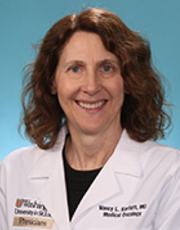 Nancy L. Bartlett合作论文数Divisions of Hematology & Oncology, Department of Medicine, Washington University School of Medicine in St. Louis8
 David J. Straus合作论文数Lymphoma Service, Division of Hematologic Oncology, Department of Medicine, Memorial Sloan Kettering Cancer Center8
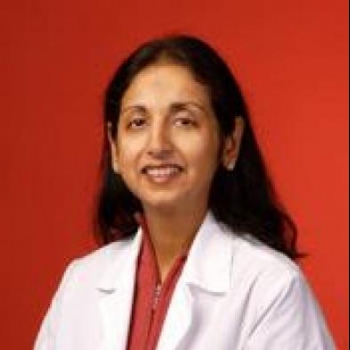 Ranjana Advani合作论文数Division of Oncology, Department of Medicine, Stanford University;Stanford Cancer Institute7Frank Campana合作论文数6Ramchandren Radhakrishnan合作论文数Department of Hematology Oncology, 4245 Karmanos Cancer Institute, Detroit, Michigan 48201, USA. ramchanr@karmanos.org6
 John Radford合作论文数The University of Manchester6
 Joseph M Connors合作论文数Department of Medicine, Faculty of Medicine, University of British Columbia6
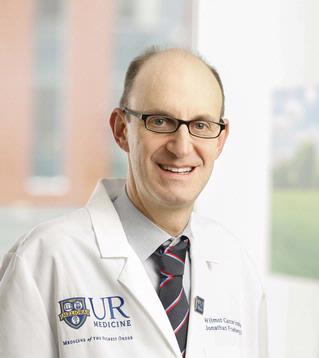 Jonathan W. Friedberg合作论文数Wilmot Cancer Institute6
 Won Seog Kim合作论文数Division of Hematology-Oncology, Department of Medicine, Sungkyunkwan University School of Medicine6
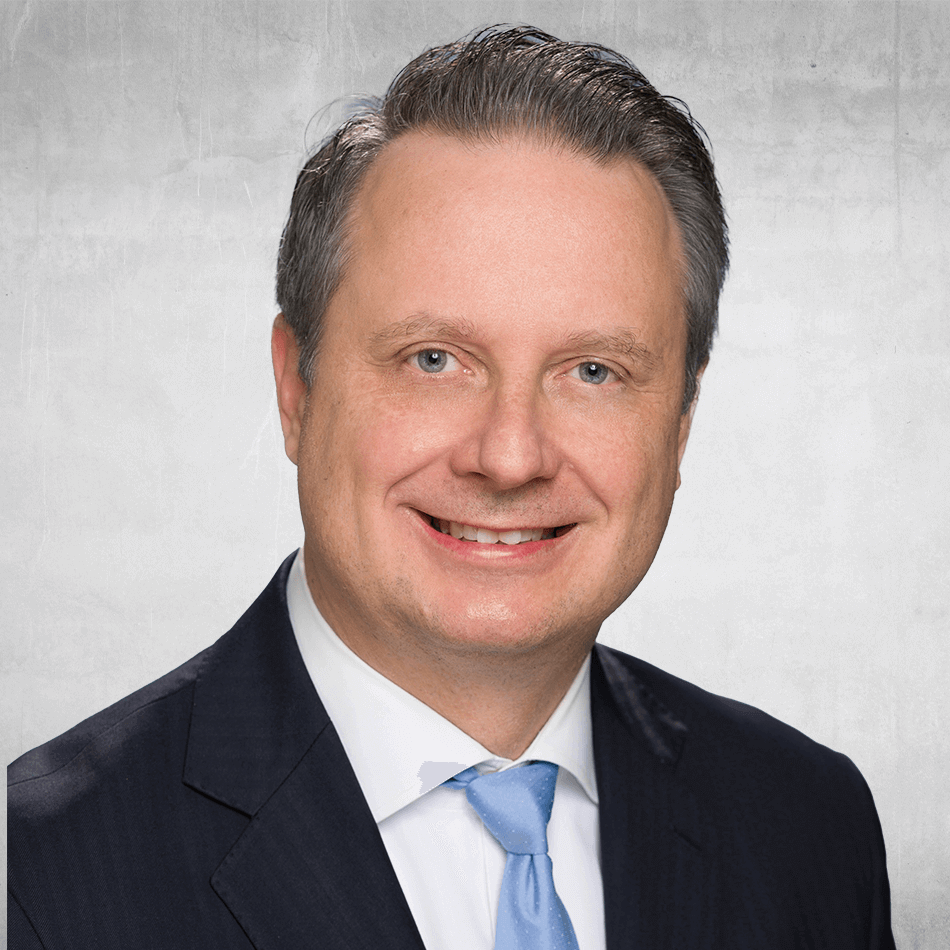 Andrew M. Evens合作论文数Rutgers Biomedical Health Sciences, Rutgers University;Rutgers Robert Wood Johnson Medical School;Rutgers Cancer Institute of New Jersey;Institute of New Jersey, Robert Wood Johnson University Hospital and Rutgers Cancer6Markus Puhlmann合作论文数5
 Martin Hutchings合作论文数Rigshospitalet5
 Stephen M. Ansell合作论文数Division of Hematology, Department of Internal Medicine, Mayo Clinic5
 Jeremy Abramson合作论文数Jon and Jo Ann Hagler Center for Lymphoma, Massachusetts General Hospital Cancer Center;Harvard Medical School5Hyeon-Seok Eom合作论文数5Piotr Smolewski合作论文数5
 Andrea Gallamini合作论文数Hematology Department, Azienda Ospedaliera S. Croce e Carle5Evelyn Rustia合作论文数4Luke Walker合作论文数4
 Linda Vahdat合作论文数Weill Cornell Medical College,New York,USA4
 Sara M. Tolaney合作论文数Department of Medical Oncology, Dana-Farber Cancer Institute;Harvard Medical School4
 Sherene Loi合作论文数Translational Breast Cancer Genomics and Therapeutics Lab, Peter MacCallum Cancer Centre4
 Sara A. Hurvitz合作论文数Clinical Research Division, Fred Hutchinson Cancer Center;Division of Hematology and Oncology, Department of Medicine, School of Medicine, University of Washington4
 Virginia Borges合作论文数Division of Medical Oncology, School of Medicine, University of Colorado;University of Colorado Hospital;UCHealth Highlands Ranch Hospital4
 Antonio C. Wolff合作论文数School of Medicine, Johns Hopkins University4
 Norikazu Masuda合作论文数Department of Surgery, Osaka National Hospital4
 Nadia Harbeck合作论文数Department of Obstetrics & Gynecology, University of Munich4
 Graham Collins合作论文数GenesisCare;Oxford University Hospitals3Michelle A. Fanale合作论文数3Howland E. Crosswell合作论文数2Harry Miao合作论文数2
 Ann S. Lacasce合作论文数Department of Medical Oncology, Dana-Farber Cancer Institute;Harvard Medical School2
 Andrew Grigg合作论文数Eastern Haematology Oncology Group2
 Monika Długosz-Danecka合作论文数2
 Joyce O'Shaughnessy合作论文数Texas Oncology/Texas Oncology-Baylor Charles A.Sammons Cancer Center/Baylor University Medical Center//The US Oncology Network2
 Pier Luigi Zinzani合作论文数Department of Medical and Surgical Sciences, Università di Bologna2Tatyana Feldman合作论文数2
 Douglas V Faller (Douglas Faller)合作论文数Viracta Therapeutics, Inc.;Nanotechnology Innovation Center, Boston University;Takeda Pharmaceutical Company Ltd2Athanasios Zomas合作论文数1Farhad Sedarati合作论文数1Y. Sidi合作论文数Takeda Pharmaceut1
 Barbara Pro合作论文数Herbert Irving Comprehensive Cancer Center, Columbia University Irving Medical Center;Department of Medicine, Division of Hematology/Oncology, Vagelos College of Physicians and Surgeons, Columbia University1Chung Ki Young合作论文数1
 Ulka Vaishampayan合作论文数Rogel Cancer Center, University of Michigan1
 Steven M. Horwitz合作论文数Memorial Sloan Kettering Cancer Center1
 Tim Illidge合作论文数Division of Cancer Sciences, The University of Manchester1
 Wojciech Jurczak合作论文数Dept Hematol, Jagiellonian Univ1




