Silicon (Si) is widely regarded as a leading high-capacity anode candidate for next-generation lithium-ion batteries (LIBs), benefiting from its ultrahigh theoretical specific capacity and ultralow lithiation potential. However, its practical commercialization has long been impeded by severe volume variation over successive lithiation/delithiation cycles, which causes electrode pulverization, unregulated solid electrolyte interphase (SEI) growth, and consequent rapid capacity degradation. In this work, we develop a room-temperature liquid-phase plasma strategy to engineer interfacial covalent bonding in dual-confinement Si anodes with long-cycle stability. The liquid-phase plasma process produces abundant oxidative radicals and high-energy electrons, which simultaneously promote robust covalent coupling between composite components and enable in situ conformal growth of an amorphous TiO2 interlayer on Si nanoparticles. This design constructs a hierarchical dual-confinement architecture in which Si−O−Ti covalent bonds act synergistically with physical encapsulation. This synergy effectively mitigates cycle-induced mechanical stress, preserves the structural integrity of the Si@TiO2@MXene electrode, and simultaneously balances electron and ion transport. Consequently, the optimized 60 wt% Si anode delivers an initial discharge capacity of 2784 mAh g−1 at 0.1 A g−1, paired with an initial Coulombic efficiency (ICE) of 89.2%. It retains 931.4 mAh g−1 of reversible capacity after 1000 continuous cycles at 1 A g−1, indicating improved cycling durability relative to Si-based anodes with non-covalent interfaces. The proposed liquid plasma-enabled strategy provides a versatile interfacial engineering approach for fabricating durable, high-capacity Si-based anodes for high-energy LIBs.
Achieving both a low operating temperature for photovoltaic (PV) and a high heat collection temperature for photothermal (PT) conversion in full-spectrum solar energy utilization is challenging with traditional spectrum-splitting methods. Therefore, this study focuses on the full-spectrum solar utilization and proposes a novel multi-stage concentrating and spectrum-splitting coupling approach for complementary photovoltaic-thermophotovoltaic (PV-TPV) conversion. Multi-stage thermophysical models are developed based on thermodynamic analysis, Shockley-Queisser model coupling, and external quantum efficiency model coupling, incorporating cell combinations with different bandgaps and temperature coefficients, enabling performance analysis from idealized scenarios to realistic conditions. A single-stage spectrum splitting PV-TPV system is optimized as a baseline, and the impact of multi-stage spectrum coupling on system performance is investigated. Results show that low-bandgap cells with higher temperature coefficients can achieve superior performance at lower concentration ratios compared with high-bandgap cells at higher concentration ratios. Considering the practical external quantum efficiency (EQE) model, low-bandgap cells demonstrate additional advantages, achieving a maximum system efficiency of 41.82
Engineering interfacial built-in electric fields (BEFs) has emerged as a powerful strategy to boost the electrochemical performance of sodium-ion batteries (SIBs), yet the controllable amplification of BEF intensity remains a long-standing challenge. Herein, we propose an anion reconfiguration strategy enabled by in situ thermodynamically driven phase transition processes to tailor heterojunction crystal structures (i.e., FexSez/CoySez). This approach enables precise regulation of Fermi-level alignment and interfacial charge redistribution, thereby achieving effective BEF modulation with a high field intensity. We further propose a theoretical framework that elucidates the role of the BEF effect in accelerating electron/ion kinetics, suppressing irreversible side reactions, and promoting the formation of the inorganic-dominated solid-electrolyte interphase. Benefiting from the strengthened BEF, the optimized Fe3Se4/CoSe2 heterojunction electrode delivers outstanding rate capability (236.8 mAh g-1 at 100 A g-1) and exceptional cycling stability, retaining similar to 100% capacity over 6000 cycles at 20 A g-1, which significantly outperforms commercial hard carbon and ranks among the best reported to date. Furthermore, industrial-scale pouch cells are assembled to validate the practical feasibility of this strategy. This work broadens the understanding of BEF formation and modulation mechanisms for unlocking the full potential of high-performance SIBs.
From the perspective of combustion radiation energy utilization, this study investigates the conversion and release of chemical energy into radiative energy during the combustion of typical gaseous hydrocarbon fuels. The effects of atmosphere, oxygen ratio, equivalence ratio, fuel input load, and fuel type on flame radiative characteristics, spectral radiation distribution, and energy conversion efficiency are comprehensively analyzed. A self-developed program, combined with CFD simulations, was employed to model and analyze spatial temperature fields, heat flux, and spectral radiation distributions with validation against a Hencken flat-flame burner platform. Results show that for CH4 combustion in O2/N2 atmospheres, a moderate oxygen ratio (about 40%) favors short-wavelength radiation, while in O2/CO2 atmospheres, increasing the oxygen ratio enhances mid- to far-infrared waveband radiation. As the equivalence ratio increases from lean fuel to rich fuel, short-wavelength radiation proportion first increases then decreases, peaking at 25% (0-2 mu m) at stoichiometry (phi = 1), while spectral radiation proportion above 4 mu m continues to grow, reaching 47%.There are distinct differences among fuels, reflecting the effect of carbon chain structure on the combustion spectral radiation, the spectrum of CH4 combustion is relatively uniform, while of C2H4 shifts toward shorter wavelengths under high oxygen ratio, and that of C3H8 is mainly in the mid- to far-infrared waveband. These findings not only provide insights into mechanisms of radiation energy conversion of fuel combustion, but also offer guidance for radiation heat transfer in thermal engineering and for design of photo-thermal energy cascade conversion.
Data-driven methods have shown great promise in accurately estimating the state of health (SOH) of lithium-ion batteries. However, most existing data-driven approaches rely on complete charging or discharging curves, which are often difficult to obtain in practical applications. Current studies on feature extraction from partial charging curves typically rely on per-cell optimization, resulting in poor feature transferability and high computational cost. Here, this work proposes a framework that combines a cross-cell voltage interval mining strategy with the Pyraformer. Specifically, a transferable voltage interval mining approach is developed to identify globally optimal intervals from a few representative cells. These intervals can be directly applied to other cells of the same chemistry without re-optimization, maintaining an average correlation coefficient above 0.99. Leveraging its pyramidal attention mechanism, Pyraformer adaptively models each cell's own optimal interval within the extracted global interval. Consequently, a model trained offline on representative cells can be reliably deployed online to unseen cells of the same chemistry without retraining. Experimental results demonstrate the superior performance of the proposed method, achieving an average MAE of 0.0069 and RMSE of 0.0084. Furthermore, correlation and distance analyses confirm the strong cross-cell consistency of the extracted features.
Solid-state sintering regeneration offers a promising strategy for repairing spent lithium iron phosphate (LFP) cathodes, yet conventional homogeneous-mixing (HM) sintering approaches neglect the intrinsic heterogeneity of FePO4 within LFP particles. This induces additional long-range Li+ solid-state migration from Li-rich to Li-deficient domains during regeneration, creating substantial solid-state diffusion barriers that necessitate extended high-temperature sintering duration while triggering local over-lithiation, ultimately degrading regeneration performance. Inspired by specific antigen-antibody-phagocyte interactions, we propose a novel mechanistic concept of site-specific atomic repair (SAR) for energy-efficient LFP regeneration. Through targeted-adsorption-enhanced evaporation-nucleation processes, lithium sources and reductants are selectively anchored onto heterogeneous FePO4 domains for localized repair, which shortens Li+ solid-state diffusion pathways, lowers migration barrier, and reduces FePO4 → LiFePO4 transition temperature from 300-400°C to 100-200°C. Consequently, the SAR-regenerated LFP cathodes deliver enhanced performance while requiring only half of the high-temperature sintering duration of conventional HM approaches, thereby achieving ∼20%-30% reduction in energy consumption & CO2 emissions with a markedly improved profit by ∼40%. With additional heteroatom doping, SAR demonstrates exceptional rate performance (73.0 mAh g-1 at 15 C) and long-term stability (90.0% after 600 cycles), ranking among the best reported to date, demonstrating cost-effective mechanistic advances for industrial-scale LFP recycling.
Solar selective absorbers are employed in concentrating solar power (CSP) and thermophotovoltaic (TPV) systems to enhance solar energy conversion efficiency. This study proposed a metamaterial absorber with a tungsten-silicon dioxide (W-SiO2) ring array structure, which can achieve an average absorptance of 0.9445. By combining optical measurements with the Lorentz-Drude model, the optical parameters of W under different temperatures are obtained and then applied in the analysis of metamaterial absorber. The results show that temperature variation significantly affects the optical properties of W, thus influencing the absorption performances and mechanisms of metamaterial. The effects of temperature and concentration ratio on absorption efficiency are investigated, and it reaches a maximum efficiency of 94.68 % within temperature range of 473-873 K. At high temperatures, the energy absorption efficiency can be improved by re-optimizing the geometry parameters. Additionally, an equivalent LC circuit model for the ring structure is developed to predict magnetic polariton resonance conditions of the absorber, and the LC model is also improved to describe the effect of temperature. The model exhibits maximum prediction deviations of 1.26 % at room temperature and 3.42 % at high temperature. These offer guidance for enhancing energy conversion efficiency of solar absorbers in hightemperature environments.
Accurate capacity estimation is indispensable for the reliable operation of lithium-ion battery energy storage systems. Data-driven capacity prediction methods, an extensively employed approach, highly depend on the selection of suitable features. To address this issue, this study proposes a Decoupled Parameter Identification-Equivalent Circuit Model (DPI-ECM) designed specifically for extracting battery physical features that exhibit strong correlations with the remaining capacity. The proposed model enables the identification of precise characteristic parameters that accurately characterize the battery's physical state using only less than five minutes of relaxation voltage data. Furthermore, an adaptive decoupling strategy is developed to accommodate the diverse requirements of varying operating environments, enhancing the model's robustness and applicability. Validations conducted on the XJTU Battery Dataset and TCU Battery Dataset demonstrate that the proposed method exhibits superior physical feature descriptive capability, with descriptive errors reduced by more than 57% compared to conventional equivalent circuit models (ECMs). To verify the practical effectiveness of the extracted physical parameters, they are fed into the eXtreme Gradient Boosting (XGBoost) algorithm for capacity prediction. In battery-lifetime simulations conducted under conditions close to real operating environments, the model using features extracted by adaptive timescale DPI-ECM achieves a 30.63% reduction in mean absolute percentage error (MAPE) and a 31.25% reduction in root mean square error (RMSE) compared to conventional ECM. This study provides a practical solution for capacity prediction under realistic conditions, holding broad application prospects in electric vehicles and energy storage systems.
Aqueous zinc-ion batteries (AZIBs) face significant challenges at high current densities, where conventional single-layer solid electrolyte interphases (SEIs) dissolve or collapse under zinc volume fluctuations. We introduce an in situ synergistic decomposition strategy that constructs a mechanically adaptive bilayer SEI featuring a nitrogen-rich amorphous carbon outer layer and a crystalline ZnF2/ZnCO3 inner layer. This architecture forms through controlled decomposition of iminodiacetic acid and zinc trifluoromethanesulfonate at the inner Helmholtz plane, combining Zn2+ conductivity, hydrophilicity, and electrical insulation with robust corrosion resistance. The resulting bilayer SEI enables dendrite-free zinc plating at high current densities, achieving >1690 h at 10 mA cm-2 and >667 h at 30 mA cm-2 with cumulative capacity exceeding 10 Ah cm-2. Furthermore, it supports stable operation under deep stripping (89% depth of discharge for 140 h in Zn||Zn) and long-term cycling (4500 cycles at 5 A g-1 in Zn||V2O5). This ordered bilayer SEI, constructed from a unique in situ synergistic excitation process, provides a generalizable framework for mechanically adaptive interface engineering, advancing the development of fast-charging and high-power AZIBs.
The radiative characteristics of photothermal catalyst particles directly affect the capture and utilization of solar radiation in photothermal chemical reactions. However, mechanisms by how temperature rise affects the radiative characteristics of composite catalyst micro/nanoparticles are neglected. In this study, the temperature-dependent thermal radiative characteristics of the composite CuO/ZnO/Al2O3 (Cu/Zn/Al) catalyst were measured and simulated under multi-temperature conditions. The results indicate that when the temperature is greater than 479 K, the normal reflectance of the Cu/Zn/Al particles for near-infrared waveband beyond 1100 nm increases compared with that at room temperature. The optical constants of the catalyst that determine the absorption and scattering properties of particles are temperature dependent and are reported for reference, with a maximum relative variation of 4.71 %. Elevating temperature increases the extinction cross-section of the particles in the near-infrared region, while also enhancing the interaction in particle clusters. In addition to the enhancement of overall extinction, elevated temperature significantly alters the ratio of the scattering crosssection to the absorption cross-section. When the temperature increases to 563K, the relative increase in the scattering/absorption cross-section ratio for near-infrared radiation is up to 40.03 %, accompanied by an enhancement in backscattering. These results suggest that temperature leads to an increase in the catalyst reflectance of near-infrared waveband. The obtained temperature-dependent radiation characteristics provide a reference for the radiation heat transfer calculation application of the photothermal catalytic system.
In this study, an efficient solar-gas assisted hydrogen-electricity cogeneration system is proposed. It constructs from thermos-photovoltaics (TPV), supercritical carbon dioxide Brayton cycle (SCO2-BC) and Cu-Cl chemical cycle according to photo-thermal energy cascade conversion. A system thermophysical analysis model is established and the effect of parameters on the electricity/hydrogen production efficiency and irreversible loss are investigated based on second law. The design concept is proposed that using by-product oxygen from hydrogen generation to assist combustion for system stable running. Besides, the superiority of the novel system is discussed by comparing with different configurations. The results show that the concentration ratio, TPV area, and turbine inlet temperature can be used to adjust the ratio of electricity/hydrogen production. In actual applications, the system can keep continuous and efficient by appropriately increasing the oxygen ratio when solar energy input is insufficient. The second law analysis shows the exergy destruction factor of TPV module is the largest (about 30 %), followed by receiver module (11.68 %). The system energy efficiency can reach 61.26 % for electricity/hydrogen cogeneration, and the equivalent electrical efficiency can reach 52.98 %, which has obvious advantages compared with other different system configurations. This work provides guidance for the development of solar high-efficiency hydrogen/electricity cogeneration technology.
Solar-driven biomass gasification technology integrates two renewable energy sources in a complementary manner, enabling efficient solar energy storage and the clean, high-efficiency utilization of biomass. As an emerging approach, it holds significant potential. In this study, the gasification of biomass pyrolysis semi-coke (PC) driven by concentrated solar energy is investigated. The CO2 gasification performance of biomass PC was systematically studied using a self-developed solar-driven gasification-thermogravimetric experimental platform. Key influencing factors, including pyrolysis temperature, biomass type, reactant gas flow rate, catalyst type, and radiative power, were comprehensively examined. The results indicated that the maximum total absorptance of bamboo PC reached 0.91, which was 0.58 higher than that of the raw bamboo. Furthermore, lowash biomass exhibited superior gas yields and energy conversion efficiency. K2CO3 and Na2CO3 catalyst were proved to be effective, increasing the peak CO production rate by 54.5 % and 11.8 %, respectively. Kinetic analysis revealed that the activation energy for the solar-driven gasification for bamboo PC was 96.00 kJ/mol, with a pre-exponential factor of 9.399 s-1. Under a solar simulator with a power of 5.2 kW, the total yields of CO and H2 reached 143.8 mmol/g and 10.1 mmol/g, respectively. Correspondingly, the maximum energy upgrading factor reached 1.41, and the H2/CO ratio rose to 7.05 %. Collectively, these findings provide robust experimental support for optimizing solar-driven biomass PC gasification technology and accelerating its application in the field of renewable energy.
To analyze the physicochemical properties and formation mechanisms of atmospheric imidazole-containing particles, a single-particle aerosol mass spectrometer (SPAMS) was employed to sample particulate matter in a major city in eastern China from December 19, 2018, to January 19, 2019. Throughout the monitoring period, particles containing carbonyls (183,952), amines and carbonyls (64,019), and imidazole (120,429) were collected. Four pollution episodes (E1-E4) and three clean periods (C1-C3) were identified based on increases in dominant precursor carbonyl particle concentrations. During pollution episodes, carbonyl-containing, amine-carbonyl mixed and imidazole-containing particles increased by 79.4 %, 43.3 %, and 61.9 % on average, respectively. Relative humidity between 50 % and 70 % and aerosol acidity in the range of 20-30 facilitated the conversion of carbonyl and amine/ammonium precursors into imidazole. Notably, glyoxal and methylglyoxal exhibited higher uptake rates under RH < 70 %. Precursor particles peaked during the daytime. Imidazole particle concentrations were elevated at night, reflecting reduced photolysis and contributions from secondary formation processes. Principal component analysis (PCA) identified four factors, explaining 81.0 % of the total variance. PC1 (41.0 %) revealed C2HO3-, NH4HSO4, and DEA as key precursors. Factor loading analysis across different periods revealed that imidazole formation is a multi-factor process influenced by precursor composition and environmental parameters.
The current technology of hydrogen production from solar driven methanol steam reforming (MSR) converts solar radiation into thermal energy, leading to irreversible loss. To achieve cascading utilization of the full spectrum energy while reducing solar radiation absorption losses, this study investigates the thermodynamic characteristics and process of the solar-radiation-driven MSR reaction. Based on self-constructed MSR experimental device driven by multiple light sources, a comparative analysis of MSR performance under solarradiation-driven and solar-thermal-driven conditions with CuO/ZnO/Al2O3 catalyst system is conducted and the reaction kinetic models were built. Based on this, a thermodynamic model for a solar-driven MSR system based on parabolic trough mirror was developed and thermodynamic analysis of system was conducted. Results show that when driven by direct solar radiation, the methanol conversion percentage in MSR was increased relatively by 41.02%. Besides, the CO selectivity reduced significantly in the high-temperature range, enhancing the purity of product gas. Direct solar radiation could lower the activation energy of the MSR reaction, thus promoting its progress. It also indicates that the system energy and exergy efficiencies could achieve 72.39% and 65.34%, respectively. Directly introducing solar radiation into the reaction system could reduce exergy losses during the solar-to-thermal conversion process, thereby improving exergy efficiency.
To achieve cascade conversion of the full-spectrum solar energy and the complementary production of hydrogen from electric and thermal energy, this study proposes a new solar three-band spectrum-splitting photovoltaicphotothermal driven SOEC hydrogen production system. Three-band spectrum-splitting of solar spectrum is conducted basing on the different light energy qualities, which are used for photovoltaic and concentrated heat collection, then the electrical and thermal energy are input into SOEC system. This study develops a thermodynamic model of a solar spectrum splitting and SOEC system, and it investigates the coupled effects of SOEC parameters, including operating temperature and current density, and solar spectrum splitting parameters, including concentration ratio and spectrum splitting wavelength, on the system solar-to-hydrogen energy efficiency. After optimizing the parameters, the maximum efficiency achieved 47.38% within the investigated conditions, and the energy efficiency increase by 5-7 percentage points compared with non-splitting system. The system was further optimized by combining the S-CO2 Brayton cycle, which makes the spectrum splitting wavelength more stable, improves the efficiency of photovoltaic cells by 10 percentage points after the spectrum splitting and increases the energy efficiency under low-temperature SOEC conditions. The spectrum-splitting system also showed advantages in economic performance compared to non-splitting system on the levelized cost of hydrogen. This study provides guidance for the combination of solar spectrum splitting with hydrogen production.
This study investigates the solar energy efficient conversion of photovoltaic-concentrated photothermal (PVCPT), integrating the multilayer selective filter into a Linear Fresnel concentrating structure for full-spectrum splitting and residual-spectrum concentration. The optical filter designed for Si PV cell achieves high transmittance in the respond waveband, transmitting 60.7 % solar energy for PV power generation. The residual spectrum is reflected and concentrated by the Linear-Fresnel selective filter field to the thermal receiver. Three typical thermal utilization methods, Organic Rankine Cycle (ORC), Methanol Decomposition (MD) and coupling with Steam Rankine Cycle (SRC) are analyzed for CPT conversion. The exergy efficiencies of these processes are evaluated to understand the mechanism of irreversible losses. The power generation efficiencies of hybrid systems based on ORC, MD, and coupling with SCR are 31.56 %, 31.73 % and 32.65 %, respectively. The coupling with SRC method achieves a higher CPT exergy efficiency of 21 % while having the highest hybrid system efficiency, making it the optimal for residual-spectrum CPT conversion. An experimental device and a thermophysical model of the system are developed to evaluate system performance, with the receiver tube reaching 435 K at a concentration ratio of 9.8. This study provides valuable insights for the implementation of high-efficiency solar full-spectrum energy conversion.
Aqueous electrochemical energy storage (EES) systems offer promise for large-scale applications, yet their practical deployment is fundamentally constrained by the persistent corrosion of an aluminum current collector (AlCC) in aqueous environments. Existing strategies primarily suppressing water-electrode interactions still encounter serious Al corrosion issues and elevated interfacial resistance. Guided by insights into the two-step corrosion mechanisms, we propose a new mechanistic anti-corrosion paradigm that suppresses H+/OH--AlCC interactions for suppressing corrosion of the AlCC. As a proof of concept, representative nanomaterials with stronger H+/OH- adsorption capability (e.g., aluminum phosphate, AlPO4) are electrochemically deposited onto a commercial AlCC to form an AlPO4-modified current collector (APCC). The dual-functional APCC effectively blocks the corrosive attack of highly reactive H+/OH- ions on the AlCC and reduces interfacial resistance, thereby overcoming the long-standing limitations of conventional strategies. The universality and robustness of the APCC are demonstrated across both energy-type (lithium-ion batteries) and power-type (supercapacitors) systems. Notably, APCC-based pouch-cell supercapacitors exhibit an impressive capacity retention of similar to 86.4% after 15 000 cycles, significantly outperforming the commercial AlCC (similar to 32.0% after 5000 cycles). In aqueous lithium-ion batteries, the APCC enables an similar to 2.4-fold improvement in capacity retention compared to commercial AlCC counterparts. This work highlights interfacial H+/OH- dynamic regulation as a generalizable and scalable strategy for achieving stable, high-performance aqueous EES systems.
In this study, an efficient photo-thermal energy cascade power generation system is proposed, which combines thermophotovoltaics and external-combustion gas-steam combined cycle. According to the thermophysical model established in this study, the effects of fuel type and various system parameters on electricity production are investigated, and the irreversible losses are analyzed based on second law. Relying on the processes of one photovoltaic power generation and two thermal power generation, the proposed system realizes the three-stage photo-thermal energy cascade conversion in temperature gradient. Besides, the rationality and superiority of the novel system is discussed by comparing with different configurations. The results indicate that the system demonstrates great fuel adaptability and operates efficiently when using different fuels (all exceed 62 %). The increases in thermophotovoltaic area and heat-exchange coefficients both have positive impacts on system performance, while increasing compressor pressure affects adversely. The second law analysis shows that the exergy destruction factor of thermophotovoltaics module is the largest (about 35 %), followed by air Brayton cycle (2-3 %), and the steam Rankine cycle is the smallest (less than 2 %), thus optimizing the thermophotovoltaics module can effectively improve the entire system performance. The system energy efficiency can reach 65.20 % since it efficiently converts energy of different qualities, which is about 10 percentage points higher than the selected two reference systems. This work pays attention to the differences in energy quality, proposes specific cases for the theoretical research on photo-thermal energy cascade conversion, and provides important guidance for the development and application of energy efficient conversion and utilization technology.
Cathode-side chemical presodiation is a promising route to compensate for initial sodium loss in sodium-ion batteries (SIBs). However, conventional presodiated cathodes are prone to oversodiation, structural degradation, and consequent cycling instability under excessive thermodynamic impetus, necessitating stringent control over presodiation duration and thereby limiting their universality and practicality. Here, a universal and thermodynamically self-limiting chemical presodiation is proposed by synergistically integrating sodium diphenyl ketone (Na-DK) with fluoroethylene carbonate (FEC). Specifically, Na-DK enables controllable and self-limiting sodium insertion beyond the stability potential threshold of presodiated cathodes due to diminishing thermodynamic driving force, effectively preventing oversodiation while eliminating the requirement for strict presodiation time control. Simultaneously, Na-DK initiates a radical-mediated decomposition of FEC to form homogeneous inorganic-organic polymer-skeleton cathode-electrolyte interphases (CEIs) with enhanced mechanical robustness, surpassing conventional PVDF-derived heterogeneous inorganic-rich CEIs. Proof-of-concept experiments confirm that when applied to the widely used Na3V2(PO4)3 cathode, this strategy delivers exceptional cycling stability, retaining 93.5% capacity after 2000 cycles (4000 h) at 1 C and 92.3% after 5000 cycles at 10 C, among the best performances. Full cells exhibit over twofold capacity enhancement and markedly extended cycle life compared to commercial counterparts. More importantly, this strategy is successfully extended to other cathode chemistries (e.g., Na4Fe3(PO4)2P2O7), demonstrating its broad applicability.
 Junhu Zhou (周俊虎)合作论文数State Key Laboratory of Clean Energy Utilization, Zhejiang University;College of Energy Engineering, Zhejiang University984
 Zhongyang Luo (骆仲泱)合作论文数Institute of Thermal Power Engineering, College of Energy Engineering, Zhejiang University;State Key Laboratory of Clean Energy Utilization, Zhejiang University816
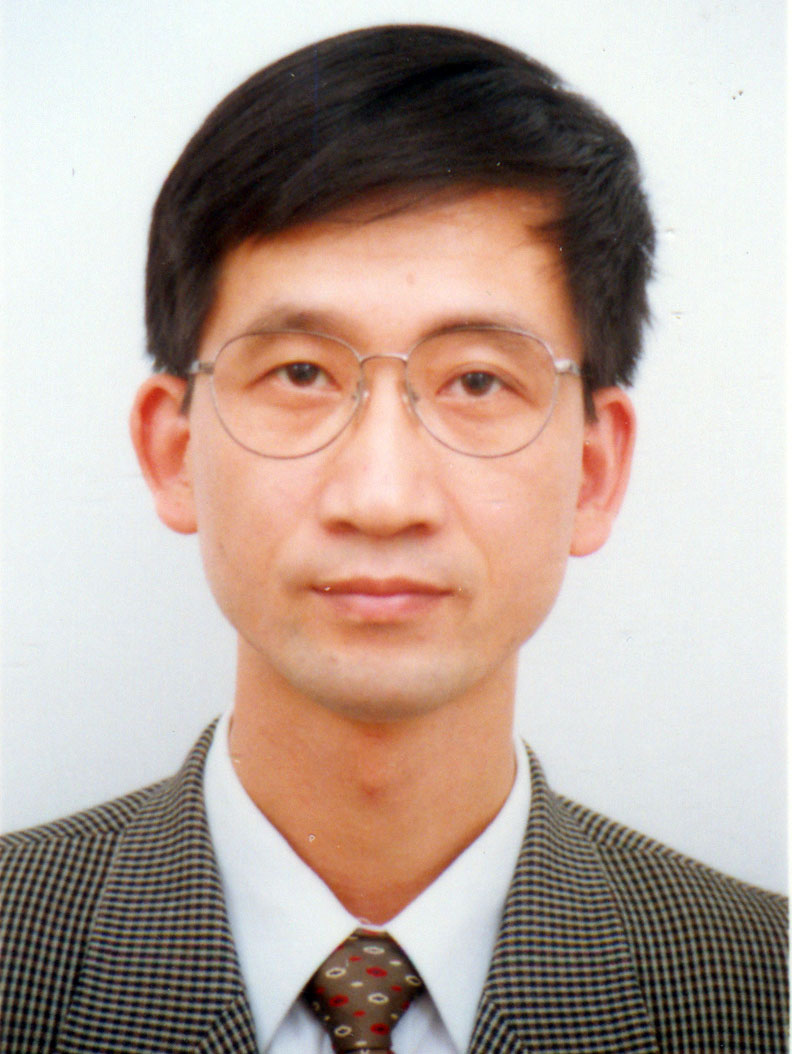 Jianhua Yan (严建华)合作论文数College of Energy Engineering, Zhejiang University;State Key Laboratory of Clean Energy Utilization, Zhejiang University601
 Jianzhong Liu (刘建忠)合作论文数College of Energy Engineering, Zhejiang University;Institute for Thermal Power Engineering, Zhejiang University569
 Mingjiang Ni (倪明江)合作论文数College of Energy Engineering, Zhejiang University486
 Zhihua Wang (王智化)合作论文数Institute for Thermal Power Engineering, College of Energy Engineering, Zhejiang University;State Key Laboratory of Clean Energy Utilization, Zhejiang University443
 Xiang Gao (高翔)合作论文数Dalian University of Technology390
 Jun Cheng (程军)合作论文数School of Energy and Power Engineering, Chongqing University;College of Energy Engineering, Zhejiang University296
 Hao Zhou (周昊)合作论文数College of Energy Engineering, Zhejiang University;State Key Laboratory of Clean Energy Utilization, Institute for Thermal Power Engineering, Zhejiang University270
 Yong Chi (池涌)合作论文数College of Energy Engineering, Zhejiang University;State Key Laboratory of Clean Energy Utilization, Zhejiang University268
 Mengxiang Fang (方梦祥)合作论文数College of Energy Engineering, Zhejiang University;Institute for Thermal Power Engineering, Zhejiang University248
 Jianren Fan (樊建人)合作论文数State Key Laboratory of Clean Energy Utilization, College of Energy Engineering, Zhejiang University247
 Xiaodong Li (李晓东)合作论文数College of Energy Engineering, Zhejiang University232
) Zhijun Zhou (周志军)合作论文数Institute for Thermal Power Engineering, College of Energy Engineering, Zhejiang University226
Zhijun Zhou (周志军)合作论文数Institute for Thermal Power Engineering, College of Energy Engineering, Zhejiang University226) Weijuan Yang (杨卫娟)合作论文数College of Energy Engineering, Zhejiang University187
Weijuan Yang (杨卫娟)合作论文数College of Energy Engineering, Zhejiang University187 XinYu Cao (曹欣玉)合作论文数173
 Qinhui Wang (王勤辉)合作论文数College of Energy Engineering, Zhejiang University;State Key Laboratory of Clean Energy Utilization, Institute for Thermal Power Engineering, Zhejiang University161
 Xuecheng Wu (吴学成)合作论文数Institute for Thermal Power Engineering, College of Energy Engineering, Zhejiang University;State Key Laboratory of Clean Energy Utilization157
 Jinsong Zhou (周劲松)合作论文数College of Energy Engineering, Zhejiang University;Insititute for Thermal Power Engeering, Zhejiang University;ZJMI Environmental Energy Co., Ltd.157
 Chenghang Zheng (郑成航)合作论文数National Environmental Protection Coal-fired Air Pollution Control Engineering Technology Centre, College of Energy Engineering, Zhejiang University144
 Zheng Bo (薄拯)合作论文数College of Energy Engineering, Zhejiang University;State Key Laboratory of Clean Energy Utilization, Zhejiang University;Polytechnic Institute, Zhejiang University139
 Fei Wang (王飞)合作论文数College of Energy Engineering, Zhejiang University;National Engineering Research Center for Clean Utilization Technology and Equipment of Solid Waste Energy, Zhejiang University125
 Leming Cheng (程乐鸣)合作论文数College of Energy Engineering, Zhejiang University;Institute for Thermal Power Engineering, Zhejiang University125
 Shurong Wang (王树荣)合作论文数Institute for Thermal Power Engineering, College of Energy Engineering, Zhejiang University121
 Yanwei Zhang (张彦威)合作论文数Institute for Thermal Power Engineering, College of Energy Engineering, Zhejiang University109
 Linghong Chen (陈玲红)合作论文数College of Energy Engineering, Zhejiang University108
 Chunjiang Yu (余春江)合作论文数Institute for Thermal Power Engineering, College of Energy Engineering, Zhejiang University100
 Zengyi Ma (马增益)合作论文数Institute for Thermal Power Engineering, College of Energy Engineering, Zhejiang University98
 Huachao Yang (杨化超)合作论文数College of Energy Engineering, Zhejiang University;State Key Laboratory of Clean Energy Utilization, Zhejiang University97
 Shengyong Lu (陆胜勇)合作论文数Institute for Thermal Power Engineering, College of Energy Engineering, Zhejiang University96Zheng-lun Shi合作论文数81
 Kun Luo (罗坤)合作论文数Institute for Thermal Power Engineering, College of Energy Engineering, Faculty of Engineering, Zhejiang University;State Key Laboratory of Clean Energy Utilization, Zhejiang University;Anhui University of Technology81Henry Huang合作论文数80
) Gang Xiao (肖刚)合作论文数Institute for Thermal Power Engineering, College of Energy Engineering, Zhejiang University78Yongxin Zhang (张涌新)合作论文数Jiaxing Research Institute, Zhejiang University77
Gang Xiao (肖刚)合作论文数Institute for Thermal Power Engineering, College of Energy Engineering, Zhejiang University78Yongxin Zhang (张涌新)合作论文数Jiaxing Research Institute, Zhejiang University77 Yanqun Zhu (朱燕群)合作论文数College of Energy Engineering, Zhejiang University77
 Yong He (何勇)合作论文数College of Biosystems Engineering and Food Science, Zhejiang University76
 Xuguang Jiang (蒋旭光)合作论文数State Key Laboratory of Clean Energy Utilization, Zhejiang University;College of Energy Engineering, Zhejiang University73
 Yingchun Wu (吴迎春)合作论文数College of Energy Engineering, Zhejiang University73Wu Weihong合作论文数66
) Kunzan Qiu (邱坤赞)合作论文数College of Energy Engineering, Zhejiang University66
Kunzan Qiu (邱坤赞)合作论文数College of Energy Engineering, Zhejiang University66 Zuohe Chi (池作和)合作论文数China Jiliang University65
 Qiang Yao (姚强)合作论文数Department of Energy and Power Engineering, Tsinghua University64
 Wenguo Weng (翁文国)合作论文数School of Safety Science, Tsinghua University59Xiang Zhao (赵翔)合作论文数57
) Tong Chen (陈彤)合作论文数College of Energy Engineering, Zhejiang University56
Tong Chen (陈彤)合作论文数College of Energy Engineering, Zhejiang University56 G. Grehan合作论文数54
 Xinbo Zhu (竺新波)合作论文数Faculty of Maritime and Transportation, Ningbo University51
 Kostya Ostrikov合作论文数School of Physics, The University of Sydney51




