The municipal sewage sludge (MSS) was hydrolyzed at 230 °C for 60 min to obtain an organic-rich aqueous phase (AQ). The effects of the volume ratio of AQ on the structural characteristics and electrochemical performance of nitrogen-doped porous carbon materials (A-BCs), prepared by co-HTC with cellulose were investigated. Elemental analysis and XPS results indicated that both the yield and the nitrogen content of the A-BCs increased proportionally with the amount of AQ added. The optimal AQ fraction (20 v%) effectively synergized with KOH activation, significantly increasing the specific surface area of the resulting A-BC-0.2 to 2279.20 m2/g. The A-BC-0.2 electrode exhibited a specific capacitance of 298.65 F/g at a current density of 1.0 A/g in a three-electrode system with a 6 M KOH electrolyte, which was 30.4% greater than that of the sample without AQ (A-BC-0). Moreover, excessive AQ addition (>20 v%) inhibited pore development and induced the formation of an aliphatic carbon structure, thereby decreasing the SSA of A-BC-1.0 to 952.15 m2/g. This study provides a theoretical basis for the preparation of high-performance supercapacitor electrode materials on the basis of the resource utilization of sewage sludge.
In this study, sewage sludge (SS) was mixed with chicken manure (ChM), swine manure (SM), and cow manure (CM) for cohydrothermal carbonization (co-HTC) to evaluate their synergistic effects on hydrochar properties and reaction mechanisms. The experiments were conducted with different mass ratios of SS to manure (1:3, 1:1, and 3:1) at 240 degrees C for 1 h. The elemental composition, yield, and physicochemical structure of the produced hydrochars were analyzed. These results demonstrated a significant synergistic effect on the co-HTC of SS with SM, and the synergistic effect was most prominent at the 1:3 SS to SM ratio, with the maximum values of hydrochar yield (58.63%), energy yield (56.98%), and C and N retention ratio (56.45% and 36.41%, respectively) achieved. The synergistic cohydrothermal effect resulted in increased hydrochar yield, energy yield, and C and N retention rates. The enhancement can be attributed to intensified cross-linking reactions, such as the Maillard reaction, which promoted the formation of stable C-N and C-O bonds and facilitated the incorporation of nitrogen, primarily pyrrole-N (>70%). In contrast, mixtures with ChM and CM had antagonistic effects, particularly at relatively high SS ratios, leading to decarboxylation and nitrogen loss through gasification or leaching into the liquid phase. Overall, co-HTC of SS and SM at a 1:3 mass ratio represents a promising approach for resource recovery, enabling the production of nutrient-rich, high-quality hydrochar, which has the potential to be used as a solid recovery fuel, soil conditioner, and supercapacitor material.
The development of society and science and technology is inextricably linked to the utilization of diverse energy sources. Conventional fossil energy reserves are dwindling, and their development and utilization will inevitably result in significant environmental degradation. Microalgae, a form of clean and renewable biomass energy, present several advantages, including rapid growth, no occupation of arable land, promotion of the carbon cycle, and a high oil production rate. These characteristics make microalgae bio-oil a promising raw material and alternative to fossil fuels in the future. Research on microalgae bio-oil production has been relatively comprehensive, but the promotion of microalgae bio-oil is still limited by the high cost of the process, and the reaction mechanism is still unclear, resulting in its inability to be applied in industrial production. This paper reviews the recent progress in research related to the production of renewable aviation fuels from microalgae. The cultivation of microalgae and the purification of wastewater, the optimization of microalgae hydrothermal liquefaction (HTL) reaction conditions, and the HTL reaction mechanism are discussed. The feasibility of microalgae as a feedstock for the production of renewable aviation fuels is the subject of this study, which includes a full life-cycle evaluation and a technoeconomic analysis of microalgae aviation fuels. Finally, this review summarizes and analyzes the feasibility of microalgae as a raw material for the preparation of renewable aviation fuels and finally considers the prospects for microalgae bio-oils and the challenges they encounter. This study provides support to further promote the development of microalgae bio-oil.
The organic matter in waste activated sludge (WAS) is extracted via a NaOH/urea aqueous solution combined with ultrasonic treatment to obtain an organic-enriched extractant (S-NaOH/urea). N-doped hierarchical porous carbons (NPCs) are prepared by dissolving cellulose in S-NaOH/urea followed by carbonization and in situ activation. The NaOH/urea aqueous solution serves as a trifunctional medium: organic extractant for WAS, chemical activator, and nitrogen precursor during pyrolysis, significantly enhancing process efficiency while minimizing secondary reagent consumption. Structural characterization revealed that the obtained NPCs exhibit well-defined hierarchical porosity and proper heteroatom doping, endowing them with exceptional capacitive performance (390.3 F g-1 at 0.5 A g-1) and excellent cycling stability in alkaline electrolytes. Furthermore, the contributions of surface control and diffusion control from nitrogen doping were also analyzed. Additionally, the carbon materials obtained from S-NaOH/urea with wheat straw and corncob also exhibit hierarchically porous networks and favorable electrochemical properties. These findings suggested that this strategy not only provides a novel method for the resource utilization of WAS but also offers a potentially convenient synthesis route for multisource biomass-based heteroatom-doped hierarchical porous carbons.
This study investigated co-gasification of municipal sludge (MS) and black liquor (BL) in supercritical water for hydrogen production and pollution handling. The influence of the blending ratio (0-100 %), alkali content of BL (10 %, 20 %), reaction time (5-40 min), reaction temperature (400-600 degrees C) and total concentration (5-20 wt%) was investigated through thermodynamic analysis and experimental study. Thermodynamic modelling showed that MS addition increased the hydrogen fraction, but reduced the yield of other gas components. A synergistic enhancement was observed in MS/BL co-gasification, and the gasification efficiency had the highest improvement with MS/BL ratio of 40:60. Co-gasification also reduced N-containing compounds and alkylphenols in the liquid residue but increased phenol content. Increasing the alkali content of BL to 20 % boosted the synergistic effect, and shifted the optimal ratio to 50:50. The extension of reaction time from 5 to 20 min improved the gasification efficiency and hydrogen production, but further extension beyond 20min showed little impact. Increasing temperature favored the gasification, and the highest gasification efficiency (118.57 %), hydrogen yield (18.73 mol/kg) and COD removal rate (97.97 %) were obtained at 600 degrees C. These parameters showed different impact on the cold gas efficiency, H2 selectivity and heating value of the gas product, where temperature exhibited highest influence.
To reduce fossil fuel consumption and expedite the transition to carbon neutrality, it is essential to use advanced machine learning technologies to study transesterification reactions, which effectively produce biofuels from various triglyceride sources. The complex and nonlinear relationships between the input and response variables in transesterification reactions pose significant challenges, and these difficulties impact data processing and forecasting in biofuel production. The use of data-based technologies is one approach to resolving these issues. In this review, we examine the modeling of transesterification reactions and the evaluation of response performance using a variety of machine learning (ML)-based technologies, including support vector machines (SVM) models, random forest (RF) models, k-Nearest Neighbor (kNN) models, adaptive boosting regression models, artificial neural network (ANN) models, etc. Examination of how several transesterification response variables were modelled using ML as a function of some vital input predictors were x-rayed. A hybridized experimental and modeling approach consisting of statistical and machine learning tools were also integrated and suggested in this effort. Recent studies imply that integrated machine learning approaches are effective, with model accuracies ranging from 95 to 99% at minimal MSEs and RMSEs when employing various model assessment methods. Integrating machine learning with statistical design and optimization tools enhances the accuracy and efficiency of modeling transesterification reactions, providing innovative solutions for sustainable biofuel production and supporting the transition to a carbon-neutral future.
In this study, a green and effective method for the production of acetic acid from crop residues via a two-step process (hydrolysis followed by oxidation) in subcritical water was proposed. For the first step, CO2 is used to catalyze the hydrolysis of crop residues to obtain intermediates. Next, the intermediates were oxidized in the presence of O2 to obtain acetic acid. The effects of crop residue type on the yield of acetic acid were first studied. Among all the crop residues selected, the corn cobs provided the highest acetic acid yield, which reached 16.70 wt% at 270 degrees C for 20 min; 0.11 mol CO2/corn cob (g) was added for the first step, and 250 degrees C was added for 50 min, with 0.15 mol O2/corn cob (g) added for the second step. By employing corn cobs as feedstock, the effects of the corn cob/water mass ratio, temperature, time, and CO2 loading in the first step and the effects of temperature, time, and O2 loading in the second step on the yield of acetic acid were examined. Among all the parameters examined, the corn cob/water mass ratio had the greatest influence on the acetic acid yield. The highest acetic acid yield of 25.80 wt% was obtained at a corn cob/water mass ratio of 0.0016:1. Under fixed reaction conditions, recycling the product mixture can increase the concentration of acetic acid in the final product and reduce the cost of subsequent separation and purification.
Biomass co-hydrothermal carbonization (co-HTC) is an environmentally friendly technology that enables the synergistic conversion of diverse biomass feedstocks (e.g., crop residues and livestock manure) into value-added product-hydrochar. This process offers high efficiency, sustainability, and product versatility, making it highly promising for agricultural applications. The solid-phase product, hydrothermal carbon, is characterized by a well-developed porous structure, excellent adsorption capacity, and stable carbon composition, making it valuable for soil improvement, carbon-based fertilizer production, and pollutant removal. In recent years, significant progress has been made in optimizing hydrothermal carbonization (HTC) properties, enhancing soil fertility, mitigating agricultural pollution, and developing multifunctional carbon-based materials. However, challenges remain in the synergistic processing of different biomass types, process optimization, and large-scale implementation. This review summarizes recent advances in co-HTC and its agricultural applications, focusing on (1) the fundamental mechanisms underpinning co-HTC, highlighting synergistic interactions such as Maillard and Mannich reactions; (2) the influence of key process parameters (temperature, solid-liquid ratio, reaction time, feedstock type/ratio) on hydrochar properties and yield; (3) nutrient migration and transformation (N, P, K) and their relevance to hydrochar functionality; and (4) applications in enhancing soil physicochemical properties, microbial richness, heavy metal immobilization, and crop productivity. Finally, the review discusses current challenges-such as synergistic reaction complexity, process optimization, and scale-up limitations-and proposes future research directions to guide biomass valorization and sustainable agricultural development.
Municipal sewage sludge, as a byproduct of the sewage treatment process, has a large yield and needs to be properly disposed of and utilized as resources. Hydrothermal carbonization (HTC) is a green, efficient and clean production technology that converts sewage sludge into solid-phase products (including hydrochar and ash) and liquid-phase products. Hydrochar has potential as a precursor of high-value-added carbon materials, but ash residues limit its application. Air flotation technology uses the differences in the physical and chemical properties of mineral particles to separate them. Owing to the differences between hydrochar and ash, they are expected to be separated by flotation technology. Therefore, this systematic review examines the migration and transformation pathways of sewage sludge components during HTC and discusses the parameters affecting HTC. The optimization of operating parameters (including bubble size, flotation reagent type, and dosage) in the air flotation process is briefly introduced. The key is to propose a coupling technology of HTC and air flotation, which is used to separate hydrochar and ash. Coupling technology provides a new perspective and reference for future research on the high value-added use of sludge, provides innovative references for sustainable organic solid waste disposal and supports the transition to a carbon-neutral future.
This study uses grapevine agricultural waste to prepare grapevine-derived biobased activated carbon (AGV) through chemical activation with NaOH after hydrothermal carbonization. A comprehensive analysis of the adsorption performance and mechanisms of AGV for methylene blue (MB) was conducted. The results demonstrated that AGV possesses a highly developed reticular pore structure, with a specific surface area of 3230.57 m2 g-1 and is rich in oxygen functional groups (OFGs). At pH 7.0, AGV achieved a removal rate of 90 % within 30 min, with a maximum adsorption capacity of 661.7 mg g-1, surpassing that of most previously reported activated carbons. Adsorption followed the Langmuir isotherm and pseudo-second-order kinetics, with thermodynamics confirming endothermic and spontaneous MB adsorption. The adsorption mechanism primarily involves chemical adsorption, including electrostatic interactions, pore filling, hydrogen bonding, acid-base interactions, and π-π stacking. The AGV maintained 86.7 % adsorption efficiency after 5 cycles, demonstrating excellent recyclability. This study provides a novel approach for preparing high-performance adsorption materials from waste biomass.
This study presents a hydrothermal-activation strategy to convert coffee grounds into N/O co-doped hierarchical porous carbons (ACG-X) for high-performance supercapacitors. Hydrothermal carbonization transforms biomass into aromatic-rich carbon skeletons while converting inherent N/O heteroatoms into electrochemically active groups (C--O and N-5), and subsequent KOH activation constructs a 3D hierarchical porous network (2473.15 m2 & sdot;g-1 surface area). The optimized material achieves exceptional electrochemical performance: a specific capacitance of 546.08 F & sdot;g-1 at 0.5 A & sdot;g-1 (74.6 % retention at 10 A & sdot;g-1) and symmetric supercapacitors delivering 16.48 Wh & sdot;kg-1 energy density at 125.03 W & sdot;kg-1 in 6 M KOH electrolyte, surpassing most reported biomass-derived carbons. Key innovations include (1) synergistic pore-heteroatom engineering via hydrothermal pretreatment and activation, (2) dual charge storage from electric double-layer capacitance (hierarchical pores) and pseudocapacitance (N/O functionalities), and (3) scalable waste-to-energy conversion with 81.19 % capacitance retention after 15,000 cycles. The work provides mechanistic insights into heteroatom-pore structure synergy during biomass conversion, establishing a paradigm for controllable synthesis of high-performance energy storage materials.
In this study, cohydrothermal carbonization (co-HTC) of cellulose and pyrazine for the production of super capacitor carbon was investigated at heating of 240 degrees C for 1 h. The effect of pyrazine loading on the yield of the resulting solid product (hydrochar, HC) and the properties of the activated hydrochar (AHC) were studied. The HC yield increased from 54.3 wt% to 67.2 wt% as the pyrazine loading increased from 4 wt% to 20 wt%. Further increasing the pyrazine loading had little effect on the HC yield. Adding acrylic acid (AA) to the reaction co-HTC system further increased the yield of HC, and the higher the amount of AA added, the higher the yield of hydrochar was. The results also showed that the presence of pyrazine improved the physical properties of the HC by increasing the proportion of functional groups and the specific surface area and promoting the pore-forming process of micropores. At 20 wt% pyrazine loading, the activated hydrochar (AHC) by KOH showed a specific capacitance of 195.8 F/g at a current density of 1 A/g. At a current density of 5 A/g, after 20,000 charge-discharge cycles, the capacity retention remained at 99.96 %. After addition of AA, the proportion of functional groups and the specific surface area of the resulting HC were further improved; however, the specific capacitance of the AHC decreased.
In this study, the gasification performance of different kinds of lignocellulosic biomass, including corn straw (CS), soybean straw (SS), cotton straw (CTS), rice straw (RS), wheat straw (WS), bamboo wood (BW), maple sawdust (MS), and pine sawdust (PS), was studied in a tube furnace reactor system under identical conditions (temperature = 800 °C, oxygen flow rate = 30 mL/min, steam flow rate= 5±1 mL/min, and time=55 min). SS showed good gasification characteristics and delivered the highest H2 yield of 28.96 mol/kg. By using the SS, additional optimization was carried out by considering different temperatures (650, 700, 750, 850, 950, and 1050 °C) and different oxygen flow rates (10, 20, 30, 40, and 50 mL/min). After optimization, the initial temperature and oxygen concentration were reduced to 750 °C and 10 mL/min, respectively. An H2 yield of 30.86 mol/kg was achieved with an increase of 6.56%. Finally, catalytic steam gasification employing three potassium-based catalysts, KCl, KOH, and K2CO3, was tested using SS. KOH and K2CO3 performed distinctly better than KCl. The utilization of KOH as a catalyst resulted in the greatest H2 yield, measuring 39.22 mol/kg, which represents a notable improvement of 27.09%.
In this study, sodium lignosulfonate was gasified in supercritical water over CuO-ZnO, and the gasification performance and sulfur transport and fate were investigated experimentally. The products and catalysts were characterized with GC-MS, IC, FTIR, XRD and XPS. It was found that the presence of CuO-ZnO improved the gasification efficiency, and the H2 yield peaked at 9.35mol/kg with 1.5g CuO-ZnO. The sulfur element was mainly distributed as H2S and CH3SH in the gas product owing to the reducing reaction atmosphere and SO42- in the liquid product. The presence of CuO-ZnO facilitated the conversion of sulfur from H2S and CH3SH in the gas product to SO42- in the liquid product. And the CuO component was converted into Cu2S, which fixed some sulfur in the solid residues. Three regenerating methods were tested for the sulfur-poisoned CuO-ZnO, and calcination showed superiorities over SCW and SubCW treatment. The calcination eliminated the sulfur and carbon deposited on the catalyst, and also converted Cu2S into CuO by oxidation. The calcined catalyst showed relatively high catalytic activity as the fresh catalyst. With further optimization, CuO-ZnO can be a promising catalyst for SCWG of sulfur-containing organic wastes.
To address the problem of the low nitrogen (N) content of carbon materials prepared through the direct carbonization of food waste, soybean meal and egg whites with high N contents were selected to carry out carbonization experiments on food waste. At 220 °C, the effects of hydrothermal carbonization and microwave carbonization on the properties of supercapacitor electrode materials were investigated. The results show that food waste doped with soybean meal and egg whites could achieve good N doping. At a current density of 1 A·g−1, the specific capacitance of the doped carbon prepared by hydrothermal doping is as high as 220.00 F·g−1, which is much greater than that of the raw material prepared through the hydrothermal carbonization of food waste alone, indicating that the hydrothermal carbonization reactions of soybean meal, egg white, and food waste promote the electrochemical properties of the prepared carbon materials well. However, when a variety of raw materials are mixed for pyrolysis carbonization, different raw materials cannot be fully mixed in the pyrolysis process, and under the etching action of potassium hydroxide, severe local etching and local nonetching occur, resulting in a severe increase in the pore size distribution and deterioration of the electrochemical performance of the prepared carbon materials. At a current density of 1 A·g−1, the specific capacitance of these prepared carbon materials is 157.70 F·g−1, whereas it is only 62.00 F·g−1 at a high current density of 20 A·g−1. Therefore, this study suggests that the hydrothermal carbonization process is superior to the microwave pyrolysis carbonization process for preparing supercapacitor electrode materials with multiple samples doped with each other.
The integration of optimization techniques and deep learning models, which offer a promising avenue for improving the efficiency and sustainability of biodiesel production processes from baobab seed oil (BSO), is rare. This study utilized a multi-input-multioutput (MIMO) deep learning technique and the most recent central composite design (CCD) optimization tool to model and optimize the yield and properties of biodiesel produced from BSO. First, the baobab seed oil was extracted using a solvent extraction method. BSO was subsequently analyzed and converted to biodiesel by reacting CH3OH catalyzed by waste banana bunch stalk biochar activated by KOH. Multiobjective optimization and prediction of the biodiesel yield (Y) and several key fuel properties, including the cetane number (CN), kinematic viscosity (VS), and purity (P), were achieved. With better correlation coefficients of 0.9709, 0.9464, and 0.9714 for response training, response testing, and response validation, respectively, and a root-mean-square error of 0.00755, the MIMO model on the logsig transfer function accurately predicted the biodiesel yield and properties more than did the MISO and response surface methodology models. The optimum Y (96 wt %), CN (48), VS (3.3 mm2/s), and P (98.3%) were concurrently accomplished at a reaction temperature of 56 °C, a reaction time of 115 min, a CH3OH/BSO molar ratio of 15:1, a catalyst dosage of 6 wt %, and a stirring speed of 400 rpm with 98% optimal validation accuracy. CCD sensitivity analysis revealed that the CH3OH/BSO ratio was the most sensitive (50.9%) input predictor among the other input variables studied.
The environmental impact of production-use studies of calabash seed oil (CSO) biodiesel and its modeling with the adaptive neuro-fuzzy inference system (ANFIS) are scarce. Therefore, it is difficult to determine how much the production process and exhaust emissions together contribute to the total environmental footprint during CSO biodiesel synthesis and use. This study examines the environmental impacts of using a CSO biodiesel blend (B20) and low-sulfur diesel (LSB0) in a 15-kW test bed at full load. It employs a life cycle assessment (LCA) tool to evaluate and compare their effects. This study also utilizes ANFIS modeling to gain a better understanding of the production process. The results revealed a 38.5 wt% CSO content in the seeds, with an unsaturated fatty acid content of approximately 77.38%. The ANFIS model revealed that a high cetane number, purity, yield, and lower viscosity could be obtained using a methanol-oil ratio (10:1-12:1), temperature (55-60 degrees C) and catalyst dosage (5-6 wt%). The engine performance tests showed that CSO-derived B20 has a significantly better fuel economy of approximately 13.2% than LSB0, with an improved thermal efficiency of 41.6% and reduced CO and HC emissions of 60% and 31.4%, respectively. The LCA results show that the most significant environmental impacts were found in the global warming potential, ecotoxicity potential, acidification potential, and eutrophication potential categories, with impact reductions of 52%, 49%, 68%, and 58%, respectively. The LCA analysis shows that the CSO-derived B20 has the potential to promote sustainable, cleaner, and more efficient energy sources.
Most research on the utilization of microalgae resources is the preparation of biodiesel, but this method will produce a large amount of defatted microalgae waste. This paper mainly studies the resource utilization of defatted microalgae waste, that is, through the cohydrothermal carbonization (C-HTC) of defatted Chlorella pyrenoidosa (DFCP) and glucose (G), to prepare nitrogen-containing carbon materials for the preparation of supercapacitor electrodes. The effects of feedstock, temperature, time, and G:DFCP mass ratio on the yield and properties of the hydrochar produced from the C-HTC of G and DFCP were examined. The hydrochar yield produced from the C-HTC of G and DFCP was 43 wt%, which is much higher than that of the HTC of G (34.0 wt %) and DFCP (25.5 wt%) alone due to the promotion of Maillard reactions between the derivatives produced from G and DFCP. The specific area and micropore volume played important roles in the specific capacitances of the activated hydrochars rather than the effect of heteroatomic doping. At a current density of 1 A/g, the activated hydrochar produced from the C-HTC of G and DFCP at 200 degrees C for 5 h (AHC-DFCP+G-200-5) achieved a specific capacity of 220.95 F/g. After 20,000 cycles at a charge density of 2 A/g, this kind of activated hydrochar still maintained an outstanding coulomb efficiency of 100 % and a good capacitance retention of 98.26 %. This study provides a new solution to the high-value-added utilization of defatted microalgae waste and the improvement of the economics of microalgae biorefinery.
In this chapter, polycarbonate plastics, polypropylene plastics, acrylonitrile butadiene styrene plastics, and other thermoplastic plastics were used as raw materials to analyze their resource utilization technology. First, supercritical water (SCW) gasification and liquefaction experiments were conducted, and the effects of reaction conditions on the products were discussed. In considering the issue of marine microplastics, artificial seawater was also used to study the gasification properties of plastics. Then, the possibility of fixing carbon dioxide when plastics degrade in the mixed environment of SCW and carbon dioxide was explored. We also studied the synergistic effect of several typical plastic cogasifications with lignite and soda lignin. Finally, the hydrophobic behavior of carbon spheres coated surfaces made from microplastics was studied experimentally, providing new insights into preparing hydrophobic materials.
This chapter first describes the raw material production companies and main chemical structures for all the materials in this monograph, including plastics, lignite, and soda lignin. Next, the instruments used to characterize the materials are introduced. The raw materials are analyzed by elemental analysis, industrial analysis, thermogravimetric analysis, etc. In addition, two reaction devices—a quartz tube reactor and a batch kettle reactor are introduced to assist readers in understanding better their characteristics, operation processes, and product collection methods. Finally, the analytical instruments, methods, and indexes of three products in the gas, liquid, and solid phases are introduced.
 Hui Jin (金辉)合作论文数State Key Laboratory of Multiphase Flow in Power Engineering, School of Energy and Power Engineering, Xi'an Jiaotong University46
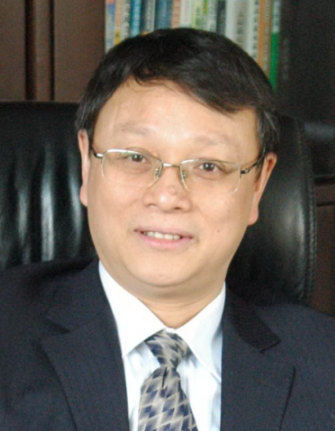 Liejin Guo (郭烈锦)合作论文数State Key Laboratory of Multiphase Flow in Power Engineering, Xi'an Jiaotong University;School of Advanced Energy, Faculty of Engineering, Sun Yat-sen University32
 Peigao Duan (段培高)合作论文数School of Chemical Engineering and Technology, Xi'an Jiaotong University20
 Wenwen Wei (w wei)合作论文数10
 Youjun Lv (吕友军)合作论文数State Key Laboratory of Multiphase Flow in Power Engineering, Xi'an Jiaotong University10
 Wen Cao (曹稳)合作论文数School of Energy and Power Engineering, Xi'an Jiaotong University9
 Chang Liu合作论文数7Simao Guo合作论文数7
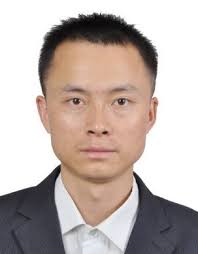 Jinwen Shi (师进文)合作论文数School of Energy and Power Engineering, Xi'an Jiaotong University7Jia Duo合作论文数6Bin Bai合作论文数6
 Shan Yaqi合作论文数5Chao Fan合作论文数5
 Xiao Zhao (x zhao)合作论文数State Key Lab Multiphase Flow Power Engn SKLMF, Xi An Jiao Tong Univ5
 Xie Yupeng合作论文数Key Lab Adv Nucl Energy & Technol, Xi An Jiao Tong Univ5Xiuyun QIN (秦秀云)合作论文数5ZongDing Hu (胡宗定)合作论文数5
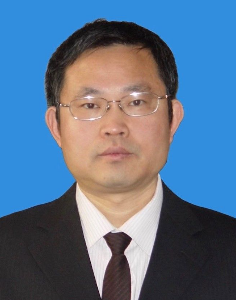 Mingyan Liu (刘明言)合作论文数School of Chemical Engineering and Technology, Tianjin University5
 Krzysztof Kapusta合作论文数Central Mining Institute5
 Zhenqun Wu合作论文数4Lin-Xin Yin合作论文数4Weizuo Wang合作论文数4Lihui Yu合作论文数4Zhiwei Ge (葛志伟)合作论文数University of Chinese Academy of Sciences;Institute of Engineering Thermophsics, Chinese Academy of Sciences4Kun Wang合作论文数4Zhi-Cong Wang合作论文数4
 Yunan Chen (陈渝楠)合作论文数School of Energy and Power Engineering, Xi'an Jiaotong University4
 Yiping Wang (王一平)合作论文数School of Chemical Engineering and Technology, Tianjin University4
 Ramzan Naveed合作论文数Lehrstuhl Anlagen-und Sicherheitstechnik, Brandenburgische Technische Universität4
 Ximin Zhang (张西民)合作论文数School of Energy and Power Engineering, Xi'an Jiaotong University4Weijing Ding合作论文数3Bingru Lu合作论文数3Shaoshuai Lei合作论文数3Gaoyun Wang合作论文数3
 Elendu Collins Chimezie合作论文数3Ce Bian合作论文数3
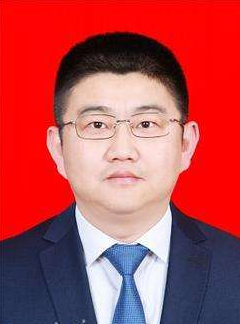 Gang Xie (谢刚)合作论文数太原理工大学国际教育交流学院3
 Xiangdong Yao合作论文数School of Environment and Science, Queensland Micro- and Nanotechnology Centre, Griffith University;School of Natural Sciences, Griffith University3
 Ziyang Huo合作论文数3rd Party Capital Group3Youyou He合作论文数2Linhu Li合作论文数2
 Yi Zhang合作论文数2Wen-Hao Li合作论文数2
 Rui Zhang (张瑞)合作论文数College of Chemical Engineering, Xiangtan University2
 Debra Bernhardt合作论文数School of Chemistry and Molecular Biosciences, Faculty of Science, The University of Queensland;Australian Institute for Bioengineering and Nanotechnology, The University of Queensland2
 Matthew Dargusch合作论文数School of Mechanical and Mining Engineering, Faculty of Engineering, Architecture and Information Technology, The University of Queensland2Yi Jia合作论文数Key Lab for Advanced Manufacturing by Materials Processing Technology (AMMPT) of Ministry of Education, Department of Mechanical Engineering, Tsinghua University, Beijing 100084, China2




