Objective:The optimal treatment with antithyroid drugs (ATDs) for a first episode of Graves' disease (GD) remains controversial. Methods:Retrospective, two academic centres study of newly diagnosed GD between 1990 and 2022, treated with ATD in block-and-replace (B+R) regimen for at least 12 months and followed up for at least 1 year after ATD discontinuation or until disease relapse. Sixty patients received high-dose B+R (HD) with fixed ATD dose maintained during the study, and 60 patients received low-dose B+R (LD) with lower ATD dose adjusted during the study. Results:Baseline characteristics were similar in both groups. The point-prevalence of euthyroidism was not different between HD and LD (38 vs 47%, P = 0.460 at 6 months, 69 vs 82%, P = 0.194 at 12 months, 70 vs 78%, P = 0.370 at 18 months, respectively). At 18 months, 27% HD vs 38% LD (P = 0.242) had thyroid eye disease. There were no differences in the number or type of ATD-related adverse events (AE) (no AE 73 vs 78%, P = 0.707). LD received mean lower ATD dose (15.3 ± 4.2 vs 30.0 ± 0.0 mg/day, P < 0.001) and lower levothyroxine dose (72.6 ± 16.7 vs 100.6 ± 24.5 μg/day, P < 0.001). After a first course of ATD, 63% of HD patients and 60% of LD patients relapsed (P = 0.707) after a median time (interquartile range) of 11.0 (18) vs 7.0 (19) months (P = 0.109). Conclusion:We observed similar relapse rates in patients with a first episode of GD receiving up to 50% less ATD and 30% less levothyroxine dose than high-dose B+R regimen.
Background: Intravenous glucocorticoids (IVGCs) are the first-line treatment for active moderate-to-severe thyroid eye disease (TED) in many countries worldwide, mainly because of their anti-inflammatory efficacy. Methods: Retrospective cohort study of 64 patients with active moderate-to-severe TED, without dysthyroid optic neuropathy, treated between 2003 and 2023 at a single tertiary centre with the 12 weeks IVGC EUGOGO (European Group on Graves Orbitopathy) protocol. All patients were evaluated for response to IVGC according to the clinical judgment (CL) and 44/64 (69%) patients were also evaluated with the EUGOGO 2021 revised composite index (CI). Results: The mean patients' age at IVGC initiation was 51.7 ± 11 years, 47/64 (73.5%) were women, 56/64 (87.5%) were Caucasians, and 33/64 (51.5%) were active smokers. At 6 months after IVGC, 48 out of 64 (75%) patients evaluated with CL and 32 out of 44 (73%) patients evaluated with EUGOGO CI responded to the treatment. Nonresponders tended to be older than responders (56.6 ± 10.2 vs. 50.1 ± 10.8 years, p = 0.040 for CL and 56.5 ± 11.9 vs. 50.3 ± 11.6 years, p = 0.131 for EUGOGO CI) and had higher clinical activity score (CAS) before IVGC (5.0 ± 1.1 vs.4.2 ± 1.1, p = 0.022 for CL and 4.7 ± 0.6 vs. 3.1 ± 0.8, p < 0.001 for EUGOGO CI). In patients evaluated with CL or EUGOGO CI, respectively, multivariable logistic regression identified age at IVGC initiation (odds ratio [OR] = 0.92 [95% confidence interval (CI) 0.86-0.99], p = 0.024 and OR = 0.88 [CI 0.77-0.99], p = 0.046) and CAS before IVGC (OR = 0.53 [CI 0.31-0.90], p = 0.021 and OR= 0.08 [CI 0.01-0.38], p = 0.001) but not active smoking as independent factors associated with response to IVGC. The optimal cut-off associated with poorer response to IVGC was CAS ≥4.5/7 (66.7% specificity, 56.3% sensitivity; Area Under the Curve [AUC] = 0.689 [CI 0.54-0.83], p = 0.010) in patients evaluated with CL and CAS ≥3.5/5 (65.6% specificity, 91.7% sensitivity; AUC = 0.910 [CI 0.80-1.01], p < 0.001) in patients evaluated with EUGOGO CI. Conclusion: Older age and higher CAS before treatment were associated with poorer response to IVGC. Patients with these characteristics could be offered other immunotherapies as a first-line treatment for active moderate-to-severe TED.
Background:Current guidelines recommend different postpartum approaches for patients started on levothyroxine (LT4) during pregnancy. Objective:We studied the postpartum management of these patients and determined factors associated with long-term hypothyroidism. Methods:A retrospective study was conducted at a tertiary center between 2014 and 2020, with LT4 initiation according to 2014 ETA recommendations. We performed multivariate logistic regression (MVR) and a receiver operating characteristic curve analysis to determine variables associated with long-term hypothyroidism and their optimal cutoffs. Results:LT4 was initiated in 177 pregnant women, and 106/177 (60%) were followed at long-term (at least 6 months post partum) (28.5 (9.0-81.9) months). LT4 could have been stopped in 45% of patients who continued it immediately after delivery. Thirty-six out of 106 (34%) patients were long-term hypothyroid. In them, LT4 was initiated earlier during pregnancy than in euthyroid women (11.7 ± 4.7 vs 13.7 ± 6.5 weeks, P = 0.077), at a higher thyroid-stimulating hormone (TSH) level (4.1 (2.2-10.1) vs 3.5 (0.9-6.9) mU/L, P = 0.005), and reached a higher dose during pregnancy (62.8 ± 22.2 vs 50.7 ± 13.9 µg/day, P = 0.005). In the MVR, only the maximal LT4 dose during pregnancy was associated with long-term hypothyroidism (odds ratio (OR) = 1.03, 95% CI: 1.00-1.05, P = 0.003). The optimal cutoffs for predicting long-term hypothyroidism were an LT4 dose of 68.75 µg/day (87% specificity, 42% sensitivity; P = 0.013) and a TSH level ≥ 3.8 mU/L (68.5% specificity, 77% sensitivity; P = 0.019). Conclusion:One-third of the patients who started on LT4 during pregnancy had long-term hypothyroidism. The TSH level at treatment initiation and the LT4 dose during pregnancy could guide the decision for continuing long-term LT4.
Context Gut bacteria can influence host immune responses but little is known about their role in tolerance-loss mechanisms in Graves disease (GD; hyperthyroidism caused by autoantibodies, TRAb, to the thyrotropin receptor, TSHR) and its progression to Graves orbitopathy (GO). Objective This work aimed to compare the fecal microbiota in GD patients, with GO of varying severity, and healthy controls (HCs). Methods Patients were recruited from 4 European countries (105 GD patients, 41 HCs) for an observational study with cross-sectional and longitudinal components. Results At recruitment, when patients were hyperthyroid and TRAb positive, Actinobacteria were significantly increased and Bacteroidetes significantly decreased in GD/GO compared with HCs. The Firmicutes to Bacteroidetes (F:B) ratio was significantly higher in GD/GO than in HCs. Differential abundance of 15 genera was observed in patients, being most skewed in mild GO. Bacteroides displayed positive and negative correlations with TSH and free thyroxine, respectively, and was also significantly associated with smoking in GO; smoking is a risk factor for GO but not GD. Longitudinal analyses revealed that the presence of certain bacteria (Clostridiales) at diagnosis correlated with the persistence of TRAb more than 200 days after commencing antithyroid drug treatment. Conclusion The increased F:B ratio observed in GD/GO mirrors our finding in a murine model comparing TSHR-immunized with control mice. We defined a microbiome signature and identified changes associated with autoimmunity as distinct from those due to hyperthyroidism. Persistence of TRAb is predictive of relapse; identification of these patients at diagnosis, via their microbiome, could improve management with potential to eradicate Clostridiales.
Background:Thyroperoxidase (TPOAb) and thyroglobulin (TgAb) antibodies are highly prevalent in Graves' disease (GD), but their significance is controversial. Methods:We retrospectively analyzed TPOAb and TgAb levels and evolution in 136 patients with newly diagnosed GD between 2000 and 2022, treated with anti-thyroid drugs (ATD) in a block-and-replace (B+R) regimen for at least 12 months and followed up for at least 1 year after ATD discontinuation or until disease relapse. Results:At diagnosis, 98 out of 136 (72%) patients were TPOAb positive and 73 out of 136 (54%) patients were TgAb positive. The presence of TPOAb or TgAb antibodies at diagnosis was generally not related to GD presentation and did not influence the risk of relapse (P = 0.304 and P = 0.348, respectively). There was less TED (thyroid eye disease) in TgAb-positive patients than TgAb-negative patients at diagnosis (11 out of 73 (15.1%) versus 21 out of 63 (33.3%) P = 0.012). In contrast, the presence of TPOAb at diagnosis was not associated with TED (P = 0.354). The absence of TgAb at diagnosis (P = 0.05) and time to euthyroidism (P = 0.009), but not smoking or TRAb levels, were associated with TED in multivariate logistic regression. TPOAb and TgAb levels during treatment and after its discontinuation were not predictive of relapse, except for lower titers of TgAb at 18 months in patients who relapsed (P = 0.034). Conclusion:In GD patients treated with a first course of ATD in a B+R regimen we observed lower titers of TgAb at the end of treatment in patients who relapsed and a significant protection against TED in patients with positive TgAb at diagnosis, irrespectively of TPOAb.
Searchable abstracts of presentations at key conferences in endocrinology ISSN 1470-3947 (print) | ISSN 1479-6848 (online)
Graves’ disease (GD) is an autoimmune thyroiditis often associated with Graves’ orbitopathy (GO). GD thyroid and GO orbital fat share high oxidative stress (OS) and hypervascularization. We investigated the metabolic pathways leading to OS and angiogenesis, aiming to further decipher the link between local and systemic GD manifestations. Plasma and thyroid samples were obtained from patients operated on for multinodular goiters (controls) or GD. Orbital fats were from GO or control patients. The NADPH-oxidase-4 (NOX4)/HIF-1α/VEGF-A signaling pathway was investigated by Western blotting and immunostaining. miR-199a family expression was evaluated following quantitative real-time PCR and/or in situ hybridization. In GD thyroids and GO orbital fats, NOX4 was upregulated and correlated with HIF-1α stabilization and VEGF-A overexpression. The biotin assay identified NOX4, HIF-1α and VEGF-A as direct targets of miR-199a-5p in cultured thyrocytes. Interestingly, GD thyroids, GD plasmas and GO orbital fats showed a downregulation of miR-199a-3p/-5p. Our results also highlighted an activation of STAT-3 signaling in GD thyroids and GO orbital fats, a transcription factor known to negatively regulate miR-199a expression. We identified NOX4/HIF-1α/VEGF-A as critical actors in GD and GO. STAT-3-dependent regulation of miR-199a is proposed as a common driver leading to these events in GD thyroids and GO orbital fats.
Background Hypothyroidism is a topic that continues to provoke debate and controversy with regards to specific indications, type of thyroid hormone substitution and efficacy. We investigated the use of thyroid hormones in clinical practice in Belgium, a country where currently only levothyroxine (LT4) tablet formulations are available. Method Members of the Belgian Endocrine Society were invited to respond to an online questionnaire. Results were compared with those from other THESIS surveys. Results Eighty (50%) of the invited 160 individuals, completed the questionnaire. LT4 was the first treatment of choice for all respondents. As secondary choice, some also prescribed liothyronine (LT3) and LT4 + LT3 combinations (2 and 7 respondents, respectively). Besides hypothyroidism, 34 and 50% of respondents used thyroid hormones for infertile euthyroid TPOAb positive women and the treatment of a growing non-toxic goiter, respectively. Had alternative formulations of LT4 to tablets been available (soft gel or liquid L-T4), 2 out of 80 (2.5%) participants would consider them for patients achieving biochemical euthyroidism but remaining symptomatic. This proportion was higher in case of unexplained poor biochemical control of hypothyroidism (13.5%) and in patients with celiac disease or malabsorption or interfering drugs (10%). In symptomatic euthyroid patients, 20% of respondents would try combined LT4 + LT3 treatment. Psychosocial factors were highlighted as the main contributors to persistent symptoms. Conclusions LT4 tablets is the preferred treatment for hypothyroidism in Belgium. A minority of the respondents would try combined LT4 + LT3 in symptomatic but biochemically euthyroid patients. Thyroid hormones are prescribed for euthyroid infertile women with thyroid autoimmunity and patients with non-toxic goiter, a tendency noted in other European countries, despite current evidence of lack of benefit.
Subclinical hypothyroidism is a common condition associated with a raised serum thyroid-stimulating hormone (TSH) but normal serum free thyroxine and triiodothyronine. It is more prevalent in women and people with advancing age. Most patients with subclinical hypothyroidism are asymptomatic. About 2.5% patients progress to overt hypothyroidism annually although the rate of progression is higher in the presence of thyroid autoantibodies. Subclinical hypothyroidism is associated with an increased risk of coronary heart disease, heart failure and cerebrovascular disease in younger patients (<65 years), particularly in those with TSH ≥10.0 mU/L. Currently, there is no randomized controlled trial evidence that levothyroxine prevents these complications, although a large observational study has shown that levothyroxine may reduce the risk of coronary heart disease in younger patients (<70 years). The treatment decision for subclinical hypothyroidism requires careful consideration of the patients’ age as well as the presence of symptoms, thyroid autoantibodies, and cardiovascular risk factors.
In Hashimoto's thyroiditis (HT), oxidative stress (OS) is driven by Th1 cytokines' response interfering with the normal function of thyrocytes. OS results from an imbalance between an excessive production of reactive oxygen species (ROS) and a lowering of antioxidant production. Moreover, OS has been shown to inhibit Sirtuin 1 (SIRT1), which is able to prevent hypoxia-inducible factor (HIF)-1α stabilization. The aims of this study were to determine the involvement of NADPH-oxidases (NOX), SIRT1, and HIF-1α in HT pathophysiology as well as the status of antioxidant proteins such as peroxiredoxin 1 (PRDX1), catalase, and superoxide dismutase 1 (SOD1). The protein expressions of NOX2, NOX4, antioxidant enzymes, SIRT1, and HIF-1α, as well as glucose transporter-1 (GLUT-1) and vascular endothelial growth factor A (VEGF-A), were analyzed by Western blot in primary cultures of human thyrocytes that were or were not incubated with Th1 cytokines. The same proteins were also analyzed by immunohistochemistry in thyroid samples from control and HT patients. In human thyrocytes incubated with Th1 cytokines, NOX4 expression was increased whereas antioxidants, such as PRDX1, catalase, and SOD1, were reduced. Th1 cytokines also induced a significant decrease of SIRT1 protein expression associated with an upregulation of HIF-1α, GLUT-1, and VEGF-A proteins. With the exception of PRDX1 and SOD1, similar results were obtained in HT thyroids. OS due to an increase of ROS produced by NOX4 and a loss of antioxidant defenses (PRDX1, catalase, SOD1) correlates to a reduction of SIRT1 and an upregulation of HIF 1α, GLUT-1, and VEGF-A. Our study placed SIRT1 as a key regulator of OS and we, therefore, believe it could be considered as a potential therapeutic target in HT.
BACKGROUND Even though the clinical features of Graves' orbitopathy (GO) are well known, its exact pathogenesis remains controversial. The imbalance of redox homeostasis in the connective tissue could play a crucial role leading to an inflammatory state and edema of soft orbital tissues thus contributing to orbital hypoxia and increase in hypoxia inducible factor (HIF)-1α. This oxidative stress appears to target the orbital cells like fibroblasts but also adipocytes. This study aims to explore which pathways can lead to the aforementioned oxidative stress in GO adipose cells and therefore offers new plausible therapeutic targets. METHODS Orbital fat samples were obtained from patients with GO (Western blot (WB): n=8, immunohistochemistry (IHC): n=8) or from control patients (WB: n=5, IHC: n=3-5). They were processed for WB analysis and IHC of the antioxidants (catalase, superoxide dismutase 1) and for HIF-1α. The expression of Caveolin-1 (Cav-1) and of Deiodinase 3 (DIO3), known to be regulated by HIF-1α, were also analyzed by WB and IHC, as well as the targets of Cav-1: Glucose transporter type 4 (Glut-4), NADPH oxidase (NOX)-2 and endothelial nitric oxide synthase (eNOS). Triiodothyronine (T3) expression was also analyzed by IHC. RESULTS In GO adipocytes, the expression of catalase was reduced whereas that of HIF-1α was strongly increased. A decreased local T3 supply was associated with DIO3 upregulation. The low expression of Cav-1 in GO adipocytes was associated with low expression of Glut-4 but also with an increased expression of NOX-2 and active eNOS phosphorylated on serine 1177. CONCLUSIONS Cav-1 and DIO3, both sensitive to hypoxia and to the increase of HIF-1α, play a pivotal role in the oxidative stress in GO adipocytes. DIO3 regulates the cellular supply of T3 which is essential for the cell homeostasis. Cav-1determines the cellular glucose supply through Glut-4 and regulates the activity of NOX-2 generating superoxide anions, and that of eNOS generating NO.
Whereas antithyroid drugs (ATD) are the preferred treatment modality for Graves’ hyperthyroidism (GH), there is still controversy about the optimal regimen for delivering ATD. To evaluate whether ‘Block and Replace’ (B + R) and ‘Titration’ (T) regimes are equivalent in terms of frequency of euthyroidism and Graves’ Orbitopathy (GO) during ATD therapy. A prospective multicentre observational cohort study of 344 patients with GH but no GO at baseline. Patients were treated with ATD for 18 months according to B + R or T regimen in line with their institution’s policy. Baseline characteristics were similar in both groups. In the treatment period between 6 and 18 months thyrotropin (TSH) slightly increased in both groups, but TSH was on average 0.59 mU/L (95% CI 0.27–0.85) lower in the B + R group at all time points (p = 0.026). Serum free thyroxine (FT4) remained stable during the same interval, with a tendency to higher values in the B + R group. The point-prevalence of euthyroidism (TSH and FT4 within their reference ranges) increased with longer duration of ATD in both groups; it was always higher in the T group than in the B + R group: 48 and 24%, respectively, at 6 months, 81 and 58% at 12 months, and 87 and 63% at 18 months (p < 0.002). There were no significant differences between the B + R and T regimens with respect to the fall in thyrotropin binding inhibiting immunoglobulins (TBII) or thyroid peroxidase antibodies (TPO-Ab). GO developed in 15.9% of all patients: 9.1 and 17.8% in B + R group and T group, respectively, (p = 0.096). GO was mild in 13% and moderate-to-severe in 2%. The prevalence of biochemical euthyroidism during treatment with antithyroid drugs is higher during T compared to B + R regimen. De novo development of GO did not differ significantly between the two regimens, although it tended to be higher in the T group. Whether one regimen is clinically more advantageous than the other remains unclear.
Purpose Patients with Graves’ orbitopathy can present with asymmetric disease. The aim of this study was to identify clinical characteristics that distinguish asymmetric from unilateral and symmetric Graves’ orbitopathy. Methods This was a multi-centre study of new referrals to 13 European Group on Graves’ Orbitopathy (EUGOGO) tertiary centres. New patients presenting over a 4 month period with a diagnosis of Graves’ orbitopathy were included. Patient demographics were collected and a clinical examination was performed based on a previously published protocol. Patients were categorized as having asymmetric, symmetric, and unilateral Graves’ orbitopathy. The distribution of clinical characteristics among the three groups was documented. Results The asymmetric group ( n = 83), was older than the symmetric ( n = 157) group [mean age 50.9 years (SD 13.9) vs 45.8 (SD 13.5), p = 0.019], had a lower female to male ratio than the symmetric and unilateral ( n = 29) groups (1.6 vs 5.0 vs 8.7, p < 0.001), had more active disease than the symmetric and unilateral groups [mean linical Activity Score 3.0 (SD 1.6) vs 1.7 (SD 1.7), p < 0.001 vs 1.3 (SD 1.4), p < 0.001] and significantly more severe disease than the symmetric and unilateral groups, as measured by the Total Eye Score [mean 8.8 (SD 6.6) vs 5.3 (SD 4.4), p < 0.001, vs 2.7 (SD 2.1), p < 0.001]. Conclusion Older age, lower female to male ratio, more severe, and more active disease cluster around asymmetric Graves’ orbitopathy. Asymmetry appears to be a marker of more severe and more active disease than other presentations. This simple clinical parameter present at first presentation to tertiary centres may be valuable to clinicians who manage such patients.
This paper deals with thyroid disease that can occur after treatment with alemtuzumab (humanized monoclonal anti-CD52) for relapsing-remitting multiple sclerosis (MS). The 5-year incidence of thyroid adverse events in phase 3 clinical trials is up to 40.7%. In most cases, the thyroid dysfunction is mild and easily manageable and only few serious thyroid adverse events have been reported. The need for patient education on the risk of thyroid dysfunction, as well as regular clinical and biochemical thyroid function screening is well described. However, practical clinical guidance in case of abnormal thyroid-related findings prior to or after alemtuzumab treatment is currently lacking. Therefore, a Belgian taskforce consisting of MS and thyroid experts was created in 2016, with the objective of issuing a clinical thyroid management algorithm based on available scientific evidence and personal experience with regard to alemtuzumab treatment-related thyroid adverse events.
L'hyperthyroïdie est une situation clinique fréquente pouvant s'exprimer par des signes très variables et de diagnostic biologique généralement facile. Cette revue propose de revoir la démarche diagnostique qui conditionne la prise en charge thérapeutique en distinguant les maladies avec thyroïde homogène ou nodulaire.Hyperthyroidism is a frequent clinical situation that can be expressed by various signs and it is generally easy to diagnose. This review proposes to explain the diagnostic approach that affects therapeutic management by separating diseases with homogeneous and nodular thyroid.
Searchable abstracts of presentations at key conferences in endocrinology ISSN 1470-3947 (print) | ISSN 1479-6848 (online)
OBJECTIVE:To construct a predictive score for the development or progression of Graves' orbitopathy (GO) in Graves' hyperthyroidism (GH).DESIGN:Prospective observational study in patients with newly diagnosed GH, treated with antithyroid drugs (ATD) for 18 months at ten participating centers from EUGOGO in 8 European countries.METHODS:348 patients were included with untreated GH but without obvious GO. Mixed effects logistic regression was used to determine the best predictors. A predictive score (called PREDIGO) was constructed.RESULTS:GO occurred in 15% (mild in 13% and moderate to severe in 2%), predominantly at 6-12 months after start of ATD. Independent baseline determinants for the development of GO were clinical activity score (assigned 5 points if score > 0), TSH-binding inhibitory immunoglobulins (2 points if TBII 2-10 U/L, 5 points if TBII > 10 U/L), duration of hyperthyroid symptoms (1 point if 1-4 months, 3 points if >4 months) and smoking (2 points if current smoker). Based on the odds ratio of each of these four determinants, a quantitative predictive score (called PREDIGO) was constructed ranging from 0 to 15 with higher scores denoting higher risk; positive and negative predictive values were 0.28 (95% CI 0.20-0.37) and 0.91 (95% CI 0.87-0.94) respectively.CONCLUSIONS:In patients without GO at diagnosis, 15% will develop GO (13% mild, 2% moderate to severe) during subsequent treatment with ATD for 18 months. A predictive score called PREDIGO composed of four baseline determinants was better in predicting those patients who will not develop obvious GO than who will.
Searchable abstracts of presentations at key conferences in endocrinology ISSN 1470-3947 (print) | ISSN 1479-6848 (online)
 Mariechristine Many合作论文数Laboratory of Histology, Louvain Medical College22Rahier J合作论文数11Petros Perros合作论文数11
 Julie Craps合作论文数10Boschi Antonella合作论文数10Michel Mourad合作论文数10
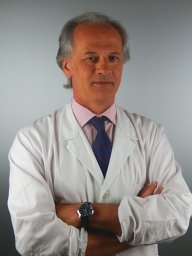 Mario Salvi合作论文数the Montreal General Hospital, McGill University;and the Thyroid Eye Disease Research Laboratory, Allegheny-Singer Research Institute;Allegheny-Singer Research Institute, McGill University9Jean Squifflet合作论文数Université Catholique de Louvain, Cliniques Universitaires Saint-Luc9A Boschi合作论文数9Nicola Currò合作论文数8Bartalena L合作论文数8
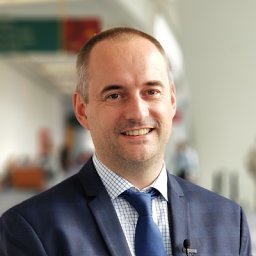 Gruson Damien合作论文数8Ides M. Colin合作论文数Unité de Morphologie Expérimentale, Université catholique de Louvain8Dominique Maiter合作论文数8
 Virginie Joris合作论文数7John H. Lazarus合作论文数School of Medicine, Cardiff University7Orsalia Alexopoulou合作论文数7Lelio Baldeschi合作论文数7
 Emmanuel Coche合作论文数7
 Benoit Lengele合作论文数Université Catholique De Louvain;Department of Plastic, Reconstructive and Aesthetic Surgery, Saint-Luc University Clinics7Christine de Ville de Goyet合作论文数6Maria-Cristina Burlacu合作论文数6Alexis Werion合作论文数6Wiersinga Wilmar M合作论文数6Kahaly George J合作论文数6
 Jean-Claude Henquin合作论文数Faculty of Medicine, University of Louvain6
 Marique Lancelot合作论文数Institut de Recherche Expérimentale et Clinique, Université catholique de Louvain6Claudio Marcocci合作论文数Cattedra di Endocrinologia, Universitá di Pisa6Sabine Costagliola合作论文数6
 Marco Nardi合作论文数6
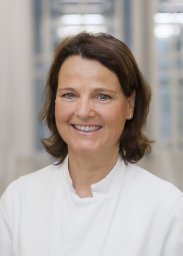 Anja Eckstein合作论文数Zentrum für Augenheilkunde, Universitätsklinikum Essen;Zentrum für Informations- und Mediendienste, Universität Duisburg-Essen6Martin Buysschaert合作论文数6a e lambert合作论文数5Michael Hepp合作论文数5
 Victoria Van Regemorter合作论文数5Okosieme Onyebuchi E合作论文数School of Medicine, Cardiff University5Lepoutre Thibault合作论文数5Laszlo Hegedus合作论文数5
 Fredericdebieve Debieve合作论文数5
 Susanne Pitz合作论文数5Michele Marino合作论文数5J Malaise合作论文数4Marc de Bournonville合作论文数4M. Mourad合作论文数4
 Kostas G Boboridis合作论文数School of Medicine, Aristotle University of Thessaloniki4Krassas Gerasimos E合作论文数4Covelli Danila合作论文数4Mourits Maarten P合作论文数4
 Rodrigo Moreno Reyes合作论文数Department of Nuclear Medicine, Erasme Hospital;Escuela de Salud Publica, Université Libre de Bruxelles;Departamento de Medicina Nuclear, Hospital Universitario de Bruselas4




