Cultural responsiveness and teacher-student relationships are important to establishing a healthy, positive school climate. Few studies have examined the relationship between teacher-student relationships and cultural responsiveness. Also, little is known about the moderating effect the number of ethnic minority school teachers has on culturally responsive practices and teacher-student relationships in schools with predominantly low-income Black student populations. Limited research studies have examined how the number of years teaching influences teacher-student relationships and culturally responsive practices. The participants included 174 classroom teachers and 1,365 students from Grades 3 to 5 in charter schools in a southern urban city. Results revealed that teacher cultural responsiveness can predict the quality of teacher-student relationships. Further, findings suggested there were no moderating effects of the number of ethnic minority school staff on culturally responsive practices and teacher-student relationships. Also, the results suggested no differences between cultural responsiveness and teacher-student relationships between less experienced and more experienced teachers.
To address the impacts of trauma, education systems have sought to integrate trauma-informed care (TIC) frameworks. Comprehensive TIC implementation includes providing school staff with trauma training. Despite the critical role they play in TIC, few studies have considered teachers’ perceptions of trauma training and post-training support, referred to as ‘continuity of support’ in this article. Researchers used a phenomenological approach to investigate teachers’ perspectives on trauma training and continuity of support. Twenty-one public middle and high school teachers were recruited nationally. Inductive-deductive data analyses revealed themes that described the positive impacts of available trauma training, as well as the need for consistent trauma training that goes beyond foundational knowledge about trauma and addresses cultural factors. Furthermore, teachers described the urgent need for continuity of support resources such as peer collaboration and consistent consultation with school-based mental health practitioners (SMHPs; e.g., school psychologists, school nurses, school counselors). Implications for trauma training, continuity of support resources, and school psychologists are discussed.
Trauma-informed Care (TIC) initiatives in schools have acknowledged the importance of cultivating strong, supportive relationships between teachers and students. This qualitative phenomenological study aimed to provide an in-depth examination of the teacher-student relationship (TSR) building process by obtaining information on U.S. teachers' perspectives on the role of TSRs in TIC delivery. Data were obtained from a nationwide sample of middle and high school teachers (N = 21). Using inductive-deductive data analysis, two major themes were identified: Building and maintaining TSRs as a facilitator of TIC and Difficulties in TSRs as a barrier of TIC. These themes were further broken down into sub-themes describing specific elements that promote or impede trauma-informed TSRs. Providing unconditional positive regard, holding space for student emotions, engaging in appropriate self-disclosure and increasing the length of time spent with students emerged as the most common ways of promoting TSRs. Tendency to take student behavior personally, lack of exposure to students, student history of trauma exposure, and lack of teacher wellbeing were identified as elements impeding positive TSR development. These findings informed recommendations for school psychologists who are working to implement TIC by facilitating safe and trusting relationships between teachers and students.
Secondary traumatic stress (STS) can impact teachers who are supporting students exposed to trauma. STS is associated with teacher burnout, but little research is available about certain demographic factors among teachers that can make some more susceptible than others, such as race and years of teaching. The purpose of this study was to examine racial differences and years of teaching among educators working in a majority Black student school system. Findings suggested there was no relationship between years of teaching and STS. However, the results indicated that White teachers reported higher levels of STS than reports by Black teachers.
ABSTRACTAlthough rates of suicide among Black American youth have increased in recent years, few brief assessment tools have been culturally tailored and validated to better identify suicide risk for this population. The current study addresses this gap by testing the validity and reliability of the Cultural Assessment of Suicide Risk‐short form (CARS‐S) in an online sample of Black American adolescents. Three hundred eighty‐one Black adolescents (Mage = 17.5) completed a 13‐item CARS‐S measure online. Cronbach's alpha and exploratory and confirmatory factor analysis were computed in Stata v.15 and Mplus v.8.0. The revised CARS‐S scale demonstrated acceptable internal consistency (Cronbach's α = 0.82). A four‐factor solution retained through exploratory analysis demonstrated the best model fit (χ2 = 46.62, p < 0.001; RMSEA = 0.05, 95% CI = 0.01–0.08 CFI = 0.99; TLI = 0.97) compared to other model solutions. Confirmatory analysis supported a four‐factor model with no cross‐loaded items. The four factors were: (1) Family conflict and idioms of distress‐suicidal actions (four items); Social Support (two items); Minority‐specific distress (three items); Idioms of distress‐emotional/somatic and cultural sanctions (four items). Researchers conducting future suicide prevention research focused on Black American adolescents and including the CAR‐S measure should consider the inclusion of items related to family conflict and racism‐related stress to better capture risk.
For several decades, researchers and practitioners have focused on school safety practices to promote a safe and supportive environment for students. Recent incidents of shootings at schools have heightened the attention of school officials to safety initiatives. In addition to preparing to prevent gun violence, it is important for schools to address other safety concerns such as bullying, victimization, and sexual violence. Over the years, there has been a growing body of evidence revealing how a positive school climate can promote safety and reduce aggressive and violent behaviors. Further, there has been an increasing focus on understanding the unique perceptions of minoritized youth with regard to school violence and school safety. Understanding how students' identities shape their experiences of school violence and climate can have significant implications for universal and targeted supports for students. The interdisciplinary articles featured in this special topic section further advance school safety and support research by contributing high-quality studies focusing on (a) the impact of bullying on youth from diverse backgrounds, (b) assessing and promoting a positive school climate, and (c) implementing school safety initiatives and interventions to prepare students for a crisis and mitigating peer victimization.
The intentional and sustained actions to advance diversity, equity, and inclusion (DEI) in school psychology science and scholarship, will have reciprocal and dynamic influences on graduate preparation and practice. Herein, the School Psychology Review leadership team provides reflections on several of our intentional efforts, to date, to advocate for and advance DEI in school psychology scholarship, and the associated implications for graduate preparation and practice. Contemporary actions of the School Psychology Review leadership team have included; (a) establishing commitments to advocating for and advancing DEI as the foundation of our scholarship; (b) diversifying journal leadership and editorial board members to reflect the diverse student body school psychologists serve; (c) preparing future diverse journal leadership through mentored editorial fellowship programs, and a student editorial board with members from diverse backgrounds; (d) featuring special topics relevant to further understanding and supporting diverse and minoritized children, youth, families, and school communities; (e) providing professional-development opportunities and resources; (f) implementation of Open Science opportunities in the journal, (g) implementing triple anonymous peer review to reduce bias, and (h) implementing a journal action plan focused on advancing DEI. Collectively these efforts are aimed to influence positive change in advancing and sustaining DEI efforts in school psychology science, scholarship, graduate preparation and practice.
The Cognitive Behavioral Intervention for Trauma in Schools (CBITS) has been effective in alleviating symptoms of trauma among students exposed to trauma. Despite its effectiveness, many schools struggle to implement such interventions due to limited time resulting from the required core instructional demands. This pilot study assesses the effectiveness of CBITS sessions with modifications in time lengths and elimination of trauma exposure sessions. The current study uses a mixed-methods approach to evaluate the impact of CBITS for nine middle-school students who presented with symptoms of trauma. For ten weeks, these students participated in 20-minute sessions once a week. The BASC-3 Behavioral and Emotional Screening System (BESS) was used to conduct a pretest-posttest analysis. While post-test results were higher than pretest scores, they were not significant. Qualitative analysis of the post-test interview questions suggested students had a positive change in their thought patterns, support systems, and coping strategies.
This article aims to illuminate the perceptions of a pilot grief- and trauma-informed empowerment arts summer program for adolescents who lived in an at-risk Southern, urban neighborhood identified by the city in question as having a high percentage of street violence. The study it is based on was grounded in qualitative techniques, which consisted of focus groups and interviews. All focus groups and interviews were analyzed for themes to determine common experiences among adolescent participants and instructors responsible for implementing the curriculum. Responses from 18 African American adolescents and four instructors were included in the data analysis. Themes from focus groups and interview results were explored. Some themes included positive rapport with instructors, resistance to the psychosocial components of the program, satisfaction with changes made midway through the program’s implementation, and greater levels of respect and transparency.
We examine broadly the worldwide impact of Coronavirus Disease (COVID-19) on children's mental health, and then argue for the importance of interpreting this impact as traumatic for many children in terms of their mental health, and academic and socioemotional functioning, partly due to disparities in how the COVID-19 pandemic affected different sectors of society. We look at mental health supports and address health promotion and how schools can differentiate students who need more intensive types of support. Finally, effective types of treatments are summarized.
This study examined the literacy trajectories of 185 Head Start-eligible Black children from preschool to first grade enrolled in a high-quality early learning program physically connected to an elementary school where they attended kindergarten and first grade. Social emotional, language, and literacy skills were assessed in the fall and spring of the school year in preschool and prekindergarten (PreK) and the fall only in kindergarten and first grade. Children made literacy and language gains in early childhood that were maintained into first grade. Although children in the connected early learning/elementary experience performed above peers on language and literacy skills, only differences in language skills reached significance. Advantages in kindergarten were gone by first grade as comparison children evidenced improvement of language skills that narrowed the performance gap. Findings point to the importance of creating clear academic pathways for young learners that prioritize instructional opportunities designed to maintain positive learning trajectories.
The present study sought to explore factors that impacted parental stress levels during the initial phase of the COVID-19 Pandemic. The initial phase of the COVID-19 pandemic was a significant challenge for both parents and their children. Many parents had to balance their work schedules and supporting their children's distance learning during the pandemic. Very little of known about parents' stress levels while they navigating their work responsibilities and their children's education. Also, a change in parenting style and children's emotional states during the pandemic could have affected parental stress levels. Four hundred and 22 parents with 95% of them being from Indiana were surveyed. Parents completed a survey to rate their parenting style, parental stress, and their children's overall well-being. Findings suggested that there were no significant interactions between parental stress and work schedule, grade of child, or child's qualification for free or reduced lunch. Participants' responses were examined with a dependent t-test and Factorial ANOVA with a post hoc analysis. Findings did suggest that parents who did not change their parenting style compared to parents who did or had child exhibiting lower levels of positive emotions were less stressed.
Ensuring a psychologically and physically safe learning environment for students and staff is necessary for students to learn and grow and for teachers to teach. However, for Black students and other marginalized students, the school environment is often physically and emotionally unsafe and they are targeted by anti-Black policies and practices, ultimately producing inequitable outcomes. As such, school safety must be reexamined and reconceptualized to promote a safe, secure, and welcoming environment for Black students. In this article, we will discuss the school-based experiences of Black students in American schools with a particular focus on Black students’ physical and emotional safety. Furthermore, implications and recommendations for establishing safe, affirming, and culturally relevant educational spaces for Black students are provided.
We explored mothers’ beliefs, expectations, and behaviors as these relate to early academic success, their roles as parents to young children, and the influence of other ecological factors. Eleven African American mothers of children in kindergarten through third grades were interviewed twice with daily journaling for 2 weeks. Utilizing both Bronfenbrenner’s ecological systems theory and Spencer’s phenomenological variant of ecological systems theory as our primary theoretical underpinnings, results were interpreted emphasizing contextual, cultural, and personal characteristics that may serve as protective or risk contributors during children’s education. As mothers defined their contributions to the early academic success of their children, related themes emerged from the data including the significance of parent involvement, family routine and cohesiveness, the availability of resources, and racial issues. Findings provide a contextualized cultural understanding of African American mothers’ beliefs and their potential influence on their children’s early school experiences and how these beliefs are enacted in structured and intentional ways.
Despite progress over the past decade in math and reading, proficiency scores of African American boys continue to trail behind those of White, Latino, and Asian male counterparts. African American boys’ reading and math disparities have been attributed to the negative portrayal and the pervasive deficit-oriented discourse about these young men. Using salient characteristics of organizational culture as a framework, this paper offers strategies for creating a culturally responsive environment that supports and promotes high academic performance among African American boys. Attention is given to policy, practice, personnel, programs, and process in schools and their role in culturally competent approaches for improving schools and individual academic achievement.
As a result of the COVID-19 pandemic, many school districts have closed for the remainder of the academic year. These closures are unfortunate because, for many students, schools are their only source of trauma-informed care and supports. When schools reopen, they must develop a comprehensive plan to address the potential mental health needs of their students. (PsycInfo Database Record (c) 2020 APA, all rights reserved).
 Samantha Francois合作论文数Sch Social Work, Tulane Univ5
 Linda Sperry合作论文数3
 Eui Kyung Kim合作论文数2
 Leslie Adams合作论文数Harvard T.H. Chan School of Public Health, Harvard University2
 Kenneth G. Rice合作论文数Department of Counseling and Psychological Services, College of Education & Human Development, Georgia State University2
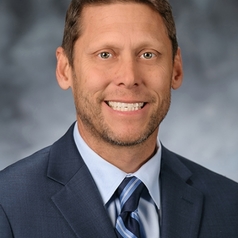 Shane R. Jimerson合作论文数Department of Counseling, Clinical, and School Psychology, University of California , Santa Barbara2Stacy Overstreet合作论文数Department of Psychology, Tulane University2
 Courtney N Baker合作论文数University of Massachusetts Amherst2
 Kristen Varjas合作论文数Georgia State Univ2Kamonta Heidelburg合作论文数1
 Meiki Chan合作论文数Dept Counseling Clin & Sch Psychol, Univ Calif Santa Barbara1
 Justin Allen合作论文数Sam Houston State Univ1Cixin Wang合作论文数1Stacy-Ann A. January合作论文数1
 Matthew J. Gormley合作论文数Education and Human Services, Lehigh University1
 Chunyan Yang合作论文数Graduate School of Education, University of California, Berkeley1
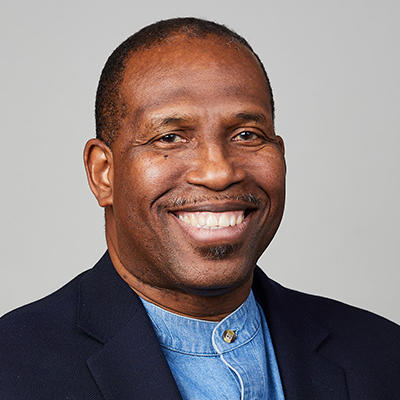 Frank C. Worrell合作论文数School Psychology Program, Graduate School of Education, University of California, Berkeley1
 Prerna Arora合作论文数Department of School Psychology, Teachers College, Columbia University1
 Sullivan Amanda L合作论文数1
 Blake Jamilia J合作论文数Department of Educational Psychology, Texas A&M University;Department of Educational Psychology, Texas A&M University1
 Collins Tai A合作论文数School of Human Services, University of Cincinnati.1
 Scott L. Graves合作论文数1
 Jorge E Gonzalez合作论文数Department of Psychological, Health and Learning Sciences, University of Houston1
 Francis Lim Huang合作论文数University of Virginia Charlottesville1
 Dorothy L. Espelage合作论文数School of Education, University of North Carolina at Chapel Hill;Research Addressing Violence in Education Lab, University of North Carolina at Chapel Hill1
 Gary E. Bingham合作论文数1
 Gary L. Canivez合作论文数Department of Psychology, Eastern Illinois University1
 Samuel Y Song合作论文数Educational Psychology, University of Nebraska Lincoln1
 Tyler L. Renshaw合作论文数Louisiana State Univ1




