Active control of optical nonlinearity is essential for advancing next-generation electronics and photonics, including high-speed wireless communications, optical information processing, and nonlinear signal manipulation. However, achieving tunable nonlinearity at terahertz (THz) frequencies faces significant challenges due to the lack of materials that combine high nonlinear responses with strong sensitivity to external stimuli in this spectral regime. Here, we show giant modulation of THz nonlinearity by optically tailoring the valley degree of freedom in semiconductor-based metasurfaces. Mediated by the resonant behaviors of metasurfaces, photoexcited electrons transition into different valleys in the conduction band in response to the driving THz field, with the transition rate controlled by light intensity. Since THz nonlinearities vary significantly with electron dynamics in different valleys, various nonlinear effects-such as nonlinear transmission and generation-can be efficiently enhanced and modulated within a single metasurface using weak optical pumping. With optical energy as low as several tens of picojoules, we achieve on-off switching of THz third harmonic generation with an extinction ratio exceeding 2 & times; 104%, along with effective tunability of its nonperturbative behaviors. Our approach breaks new ground in active THz devices fully compatible with semiconductor industry standards, indicating a promising building block for ultrafast THz signal processing, all-optical computing, and nonlinear optical elements.
We propose a novel spectrometer that integrates both dispersion and detection functionalities into a single metasurface. With machine learning, the wavelength-scale spectrometer can accurately analyze various types of spectra on a millisecond timescale.
The Oscillating Water Column (OWC) is a prominent technology for harnessing wave energy. This study presents a comprehensive numerical investigation of a cylindrical OWC device integrated into a vertical breakwater, focusing on the critical component of air turbine performance. The research aims to compare the dynamic behavior and overall efficiency of a traditional bidirectional impulse turbine with a novel unidirectional turbine configuration that utilizes a single row of guide vanes and a check valve for airflow rectification. A high-fidelity Computational Fluid Dynamics (CFD) model is developed within a numerical wave tank to simulate the fully coupled wave-to-mechanical energy conversion process. The check valve’s operation is accurately modeled using a porous media zone with anisotropic resistance coefficients. A systematic analysis is then conducted under both steady-state and transient wave conditions to evaluate the impact of key operational parameters. The results reveal a clear performance trade-off. The unidirectional turbine system demonstrates superior peak conversion efficiency, achieving a maximum air-to-mechanical efficiency of approximately 66% under steady flow, compared to 51% for the bidirectional turbine. In transient wave conditions, the unidirectional system yields 48.9% higher cycle-averaged mechanical power. However, this comes at the cost of operational stability; the bidirectional turbine provides smoother power output and is less sensitive to load variations due to its continuous bidirectional operation. Furthermore, the study identifies divergent optimal control strategies: a high-speed strategy for the unidirectional turbine and a variable-speed optimization for the bidirectional system. It also conclusively shows that neglecting air compressibility leads to a significant overestimation of system efficiency by more than 18% for the unidirectional configuration. Overall, the unidirectional system is identified as the candidate for maximizing efficiency in high-energy wave climates, while the bidirectional turbine offers greater robustness for variable conditions.
Backward Bent Duct Buoy (BBDB) is a special type of oscillating water column wave energy converter. Since its proposal in 1986, BBDB's potential for improving efficiency and practicality has attracted increasing research efforts. Studies have explored the BBDB from different perspectives and proposed diverse design modifications. However, so far, few reviews have focused on physical model tests of BBDB and its variants. The lack of structured summaries and statistical analysis could leave research themes unorganized and conclusions fragmented. Therefore, this review systematically summarizes and categorizes the major monitored indicators (dependent variables) and investigated characteristics (independent variables) in previous studies involving BBDB physical model tests. Key patterns and design insights are identified through statistical examination of data from 102 publications, including an optimal wavelength-to-device-length ratio around 2.2, an average efficiency reduction of 32 % under irregular waves, an optimal nozzle ratio clustering near 1.0 % and energy capture behavior that differs from traditional OWCs as wave tank breadth varies. Furthermore, available information on BBDB sea trial instances is compiled to bridge model-scale results with full-scale performance. This work provides the research community with a consolidated foundation for future research and design optimization, highlighting both a comprehensive compilation of previous studies and underexplored areas requiring future investigation, such as the decoupled and coupled effects of motions, performance discrepancy between turbines and orifices, assessments of variable sensitivity and array interactions.
Borosilicate glass-to-metal seals (BSGTMs) are prone to brittle cracking induced by thermal stress mismatch in extreme environments such as nuclear power and aerospace applications, leading to seal failure and resource wastage. However, existing research predominantly focuses on failure prevention, while the fundamental theory and technical approaches for repairing post-service damage remain unexplored. This study proposes a novel strategy for low-temperature co-sintering repair of borosilicate glass (BSG) utilizing low-softening-point phosphate glass (PG) as the bonding agent. By regulating the wetting-infiltration-adhesion behavior of PG, structural and functional regeneration of BSG and its sealed assemblies was achieved. The wetting kinetics and interfacial reaction mechanisms of PG on BSG under the coupled effects of repair temperature and holding time were elucidated. Insufficient wetting at low temperatures and short durations resulted in pore or crack formation, whereas excessive thermal deformation of the substrate occurred at high temperatures and prolonged durations, both compromising the repair efficacy. The optimal parameters were identified as 550 °C for 50 min, yielding a recovery of mechanical performance exceeding approximately 85% for both the repaired BSG and its sealing assemblies. This research provides theoretical foundations and a technical prototype for the emergency repair of brittle glass materials and heterogeneous sealing components, transcending the traditional limitation of discard-upon-failure, and holds significant engineering value for extending the service life of high-value sealing structures and enhancing resource utilization efficiency.
Delays are inevitably associated with network transmission, leading to out-of-order time series arrivals. To store the data in time order, time series databases (TSDBs) choose to merge them via compaction in an LSM-tree. It incurs huge write amplification cost. We notice that the out-of-order arrivals are often delayed further for only a short while. By deferring a bit the flush of the latest data to disk, most out-of-order data arrivals can be sorted in memory. The problem is thus how to determine the size of data in memory deferred flushing, in order to reduce the disordered data for compaction. In this paper, we analyze the properties of delay distributions and determine a proper number $\kappa$ of the latest data that will be deferred in flushing for lower write amplification. The proposal has been deployed in time series database Apache IoTDB. Extensive experiments on real and synthetic workloads demonstrate that the proposed method can reduce write amplification from 2.0 to almost 1.0, i.e., eliminating most disordered data. While it may slightly incur some cost of maintaining the deferred $\kappa$ data points in writing, the compaction as well as query time costs are significantly reduced.
Global warming has led to rising sea levels, intensifying storm surges and increasing the risks of extreme sea levels, which pose heightened threats to low-lying coastal communities. The fan-shaped tidal ridges in the south Yellow Sea, where significant nonlinear interactions occur between storm surges and tides, make the Jiangsu coast particularly vulnerable to large fluctuations in water levels, potentially worsening flooding risk in the face of sea level rise (SLR). This study establishes a wind-tide-surge framework for simulating surges and analyzing surge extremes influenced by three typhoon types: landfalling, right-recurving and north-forwarding. The maximum storm surges corresponding to each typhoon type and their variations under SLR scenario exhibit discrepancies, but higher surges are almost always found in the Radial Sand Ridges, indicating amplification effects by typhoons transiting from the south. Both typhoon trajectories and intensities are important for generating surges, but the right-recurving typhoons are the most influential because of their generally close positions to the Hangzhou Bay. Under SLR scenario, the enhancement of tidal regimes outweighs surge increases, along with their nonlinear interplay, collectively decide similar patterns of extreme sea levels in this region, with the most substantial extremes especially in the central-southern Radial Sand Ridges.
This study developed a fully integrated model of an Oscillating Water Column (OWC) chamber-turbine-generator system, seamlessly incorporated into a straight breakwater. The model comprehensively characterized the energy conversion process, encompassing the transformation of wave energy into pneumatic power, pneumatic power into mechanical power, and mechanical power into electrical energy. By employing a full-scale OWC device and accounting for three-dimensional wave-structure interactions, the study achieved more realistic power output estimations, free from scale effects. A detailed investigation was conducted on key parameters, including load coefficient and rotational speed, which influence the transient behavior of the impulse turbine. The study revealed a decline in initial-stage efficiency with increasing rotational speed, with optimal overall system efficiency achieved under a moderate load coefficient. The results also demonstrated that integrating the OWC system with a straight breakwater significantly enhanced initial-stage efficiency, ranging from 45.36% to 55.94% across various wave period conditions. In addition, this configuration achieved a maximum efficiency improvement of up to 161.84% compared to offshore deployment. While subsequent-stage efficiency remained stable, ranging from 44.02% to 47.56%, the overall efficiency of the system varied between 21.57% and 25.82%. Furthermore, initial-stage efficiency decreased with increasing wave height due to the slower rate of pneumatic power conversion relative to incident wave power. In contrast, subsequent-stage efficiency consistently exceeded 40%, with smaller wave heights yielding higher efficiency. Under the typical annual wave climate of the target project area, the designed OWC system, when deployed in an array along a 1000-m straight breakwater, demonstrated the potential to generate electrical power on a megawatt scale.
In order to provide reference data for the detailed design of the first 100 kW pneumatic backward bent duct buoy (BBDB) wave energy conversion (WEC) device 'WaveLoong' in China, a series of physical model tests were conducted in a wave flume. The effect of air chamber height, bow bottom plate length, mooring method and wave parameter on the distribution of operational range with high capture width ratio (CWR) were explored. Results revealed that the performance of a short air chamber is superior to that of a tall air chamber, and that the converter with bow bottom plates exhibit bimodal CWR distribution, while the converter with a floating ball mooring system exhibits trimodal CWR distribution and thus shows the widest working range among all tested cases. The influence of four representative actual waves on the mooring force of the wave energy converter with a floating ball mooring system was studied, and it was found that the maximum mooring force acting on the converter occurred under medium large wave conditions rather than the most extreme wave conditions.
In time series visualization, sampling is used to reduce the number of points while retaining the visual features of the raw time series. Area-based Largest Triangle Sampling (LTS) excels at preserving perceptually critical points. However, the heuristic solution to LTS by sequentially sampling points with the locally largest triangle area (a.k.a. Largest-Triangle-Three-Buckets, LTTB) suffers from suboptimal solution and query inefficiency. We address the shortcomings by contributing a novel Iterative Largest Triangle Sampling (ILTS) algorithm with convex hull acceleration. It refines the sampling results iteratively, capturing a broader perspective by integrating more points in each iteration. Remarkably, we prove that the largest triangle can always be found in the precomputed convex hulls, making the iterative sampling still efficient. Experiments demonstrate increased visual quality over state-of-the-art baselines and significant speedups over the brute force approach.
Data cleaning is an essential technique to enhance data quality. Despite the proposal of various algorithms with different cleaning strategies, current automated cleaning technologies still fall short of practical requirements when dealing with large-scale data containing mixed errors. This paper presents UniClean to efficiently solve the mixed error cleaning problem with three key technical contributions. (1) A unified construction and extension method for cleaners, enabling cleaning methods to easily utilize various cleaners to perform cleaning tasks. (2) Three optimization strategies to achieve efficiency-oriented cleaning preparation. (3) A cleaning algorithm based on an optimized cleaning process to effectively clean mixed errors. UniClean achieves a time complexity of O(| D error | 4 · | Op| + | D | · | D error |) , significantly enhancing scalability. Experiments on public and large-scale enterprise datasets demonstrate that UniClean achieves over 40% improvement across five metrics, compared to five state-of-the-art cleaning methods, and delivers more than 30% gains in F1 and REDR on complex datasets, while completing the cleaning process within hours even for millions of records.
The advancements of terahertz (THz) technologies for high-speed wireless communication and high-resolution radar systems are fundamentally constrained by the lack of efficient, compact, and broadband THz sources. Frequency synthesis via nonlinear conversion offers a compelling route for generating multiple THz frequencies from one or two fixed inputs, but its practical implementation is limited by the scarcity of nonlinear materials with strong responses at THz frequencies. Here, we demonstrated the process of THz frequency synthesis in metasurfaces, generating multiple discrete THz frequency lines with multioctave broadband coverage. The metasurface enables the simultaneous excitations of intrinsic third-order and extrinsic second-order nonlinearities, respectively arising from the inherent nonlinear responses of the materials and from magnetoelectric coupling induced by the resonant behavior of the metasurface. These dual nonlinear interactions facilitate the co-occurrence of five distinct processes: second- and third-harmonic generation, sum- and difference-frequency generation, and four-wave mixing. As a result, the metasurface generates 10 discrete THz frequencies spanning a 13-fold spectral range from 0.3 to 3.9 THz, corresponding to 3.7 octaves, with only two frequency inputs. This work provides a scalable and integrable approach to ultrabroadband, frequency-agile THz sources and nonlinear devices.
Denial constraints are vital in data quality management, but traditional mining algorithms struggle with time series data. To address this, we introduce a novel data quality rule, threshold Denial Constraints ($t$DCs), which enables predicate scaling in numerical contexts. We formalize the inference system for $t$DCs and demonstrate the monotonicity and abruptness of threshold predicates. To efficiently mine $t$DCs, we design the tDCDiscover algorithm, which leverages batch computation of differences and thresholds to significantly reduce the time required for acquiring homologous predicate evidence, achieving a 50% -66% decrease. Additionally, we introduce an evidence matrix to store evidence, lowering the complexity of evidence matching from $O(m)$ to $O(1)$. We propose two pruning strategies: triviality pruning and prediction coverage pruning, to effectively decrease the search paths to one-fifth of their original number and eliminating at least 90% of unnecessary paths. We theoretically prove that tDCDiscover ensures minimal, valid, and complete results. Experimental results on eight real-world datasets demonstrate that, compared to the current state-of-the-art denial constraint mining techniques, tDCDiscover achieves more than double the efficiency when processing high-dimensional time series data. In downstream data cleaning tasks, tDCDiscover improves error detection precision by an average of 40% and repair accuracy by 18%, further offering advantages in time series data quality management.
Time series data are generated on an unprecedented scale across various domains. Although traditional compression techniques reduce storage costs, they typically require full decompression before querying, leading to increased latency and higher resource consumption. Homomorphic compression (HC), which enables direct computation on the compressed data without decompression, shows the potential for both reduced storage and improved query performance. However, the unique complexities of time series data pose challenges that current HC methods have yet to adequately address. In this paper, we introduce HC theory in the time series domain, transformatively enabling HC to time series database queries. Building on our theory, we develop CompressIoTDB-a novel homomorphic compression framework integrated into Apache IoTDB. By leveraging our proposed CompColumn structure, our framework supports a wide range of query operators, including filtering, aggregation, and window-based functions, all while maintaining data in its compressed form. Furthermore, we incorporate system-level optimizations such as late decompression and dynamic auxiliary management to further boost query efficiency. Extensive experiments show that CompressIoTDB significantly enhances query processing for time series data, achieving an average throughput improvement of 53.4% and memory usage reduction of 20%.
Maximizing the utilization of marine infrastructure, while optimizing its form and arrangement, facilitates the deep integration and innovative development of the marine engineering sector and wave energy generation field. This study demonstrates the proof-of-concept of a linear arrayed structure composed of three identical cylindrical oscillating water column (OWC) sub-units integrated into a vertical breakwater with periodic wave-guiding walls. Acting as wave focusing structures, these walls enhance complex wave reflection and interference phenomena, leading to concentrated wave energy transmission. The hydrodynamic efficiency of an isolated OWC and a three-unit OWC arrayed structure, both embedded into a vertical breakwater with and without the wave-guiding walls, was compared. The effects of transverse spacing - which influences the geometrical scale of the periodic wave-guiding walls - and wave nonlinearity on wave power extraction performance were investigated. The results indicate several key findings. Firstly, for an isolated OWC with the wave-guiding walls, the maximum hydrodynamic efficiency at the resonant frequency increased from 82.8% to 189.78%, with significant enhancement in the short-wave regime and a shift in the resonance frequency. Secondly, for the three-unit OWC arrayed structure, wave-guiding walls significantly improved wave energy conversion efficiency, with the overall efficiency growth rate exceeding 25% across all tested wave conditions. Furthermore, adjusting the transverse spacing to three times the width of the OWC chambers resulted in up to a 400% increase in overall hydrodynamic efficiency, with peak efficiency reaching 650%. Additionally, wave height minimally affected the resonant frequency and hydrodynamic efficiency curves, but increasing wave height decreased efficiency for each sub-unit across all wave frequencies. Finally, compared to parabolic reflector walls, the wave-guiding walls broadened the efficient frequency band, with average hydrodynamic efficiency exceeding 0.5 across the entire tested range. These results highlight the potential of wave-guiding walls in enhancing wave energy capture efficiency in OWC structures integrated into vertical breakwaters.
Large-scale and multi-chamber pneumatic wave energy conversion devices have the potential to further reduce the levelized cost of energy and accelerate its commercialization process. In this study, a floating multi-chamber pneumatic wave energy conversion device with three wave energy conversion converters was examined, each with a backward bend duct. The computational fluid dynamics (CFD) technology was used to investigate the effects of transverse spacing between two adjacent units on its capture width ratio, flow field, motion responses, and wave attenuation performance. The findings revealed that the formation of energy depressions surrounding the floating multi-chamber device not only helps it absorb wave energy within its width but also enables it to capture energy from the surrounding sea area. Moreover, the energy efficiency of the multi-chamber device exhibits an increase with the transverse spacing, demonstrating that the relative capture width ratio increased by up to 26.3 % from the dimensionless transverse spacing Ds/w0 = 0 to Ds/w0 = 0.5. As the transverse spacing further increases, the relative capture width ratio begins to obviously diminish.
Numerical sequence data from intelligent devices often have quality issues. While existing data cleaning methods focus on repairing data, we address the problem of repairing both data errors and inaccurate constraints. We propose two operations for modifying inaccurate constraints: expanding and compressing their value domains. Our solution includes constraint modification functions and algorithms to prevent under- and over-fitting in data cleaning. Theoretical evaluations demonstrate its reliability and effectiveness of the proposed solution, which achieves optimal repair with the distance no greater than |Σ′ₗ|·𝜖𝑒 + |Σ′𝑟|·𝜖𝑠 from the optimal repair. Experiments on real-life and synthetic datasets show that our bND-CRepair method improves F1-score by 17.6% compared to using the original constraints and performs best in MNAD. Results show high-level performance with the combination of our bNDCRepair and the state-of-the-art CVtRepair and Clean4TSDB in sequential data tasks.
The exploitation of the relatively abundant wave energy resources in the South China Sea is hampered by their inherent instability and uneven spatial distribution, which necessitates more accurate wave modelling and multicriteria assessments for feasible site selection. This study first evaluates three wind datasets using meteorological data, identifying ERA5 as the most reliable for model forcing. Results from a wave spectral simulation show that maximum annual wave energy in 50-m waters corresponds to significant wave heights of 1 similar to 4 m and periods of 5 similar to 8 s. Multi-year average wave heights exceed 1.5 m, with energy >10 kW/m, except in the Beibu Gulf. The Taiwan Strait and western Guangdong show peak spectral density, with eastern Guangdong having the richest resources (similar to 130 MW/m). Seasonal distributions remind enhanced summer energy east of Taiwan due to tropical cyclone variability and latitude distinct of energy peaks. Dominate dynamics of wind waves and swells shift along the coast. Evaluated from metrics like optimum hotspot identifier and newly proposed Comprehensive Energy Index, as well as spectral analysis, the eastern Guangdong coast is recognized as the most suitable area for energy development for its abundant effective wave energy storage, high utilization rates, strong stability, and more concentrated wave direction distributions.
We propose a metamaterial strategy for achieving compact, fast terahertz linear polarization and intensity detection. The device consists of three metamaterial elements arranged in a triple rotational symmetry, with an overall size on the same order of magnitude as the operating wavelength. With terahertz excitation, the local dynamic fields generated by the metamaterial elements couple and produce a Lorentz force, which drives the unidirectional motion of carriers for photoelectric detection of intensity. Meanwhile, the polarization detection can be achieved based on the rotational arrangement of three identical metamaterial elements with their polarization-dependent voltage output. This method can be easily extended across multiple frequency bands, offering a new mechanism for developing miniaturized polarization imaging and on-chip photonic devices.
 Limin Dong (董利民)合作论文数State Key Laboratory of New Ceramics and Fine Processing, School of Materials Science and Engineering, Tsinghua University61
 Jiemo Tian合作论文数57
 Zan Qingfeng合作论文数41
 Jianmin Wang (王建民)合作论文数Institute of Information Systems Engineering, School of Software, Tsinghua University;MEM Education Center, Tsinghua University30
 Yongliang Zhang (张永良)合作论文数Department of Hydraulic Engineering, School of Civil Engineering, Tsinghua University26
 Ji Zhou (周济)合作论文数School of Materials Science And Engineering, Tsinghua University23
 Yongzheng Wen (文永正)合作论文数School of Materials Science and Engineering, Tsinghua University22Jingbo Sun (孙竞博)合作论文数21Xiangdong Huang (黄向东)合作论文数17
 Shaoxu Song (宋韶旭)合作论文数School of Software, Tsinghua University16Tongxiang Liang (梁彤祥)合作论文数Institute of Nuclear and New Energy Technology,Tsinghua University,Beijing ,China16Kaixin Yu合作论文数11Yuanfu Yi合作论文数10Jm Tian合作论文数9
 Shiqiang Zhao合作论文数8
 Xiaoou Ding (丁小欧)合作论文数Faculty of Computing, Harbin Institute of Technology8
 Hongzhi Wang (王宏志)合作论文数Department of Computer Science and Technology, School of Computer Science and Technology, Faculty of Computing, Harbin Institute of Technology8
 Zhengzhi Deng (邓争志)合作论文数Ocean College, Zhejiang University;Institute of Port, Coastal and Offshore Engineering, Zhejiang University8
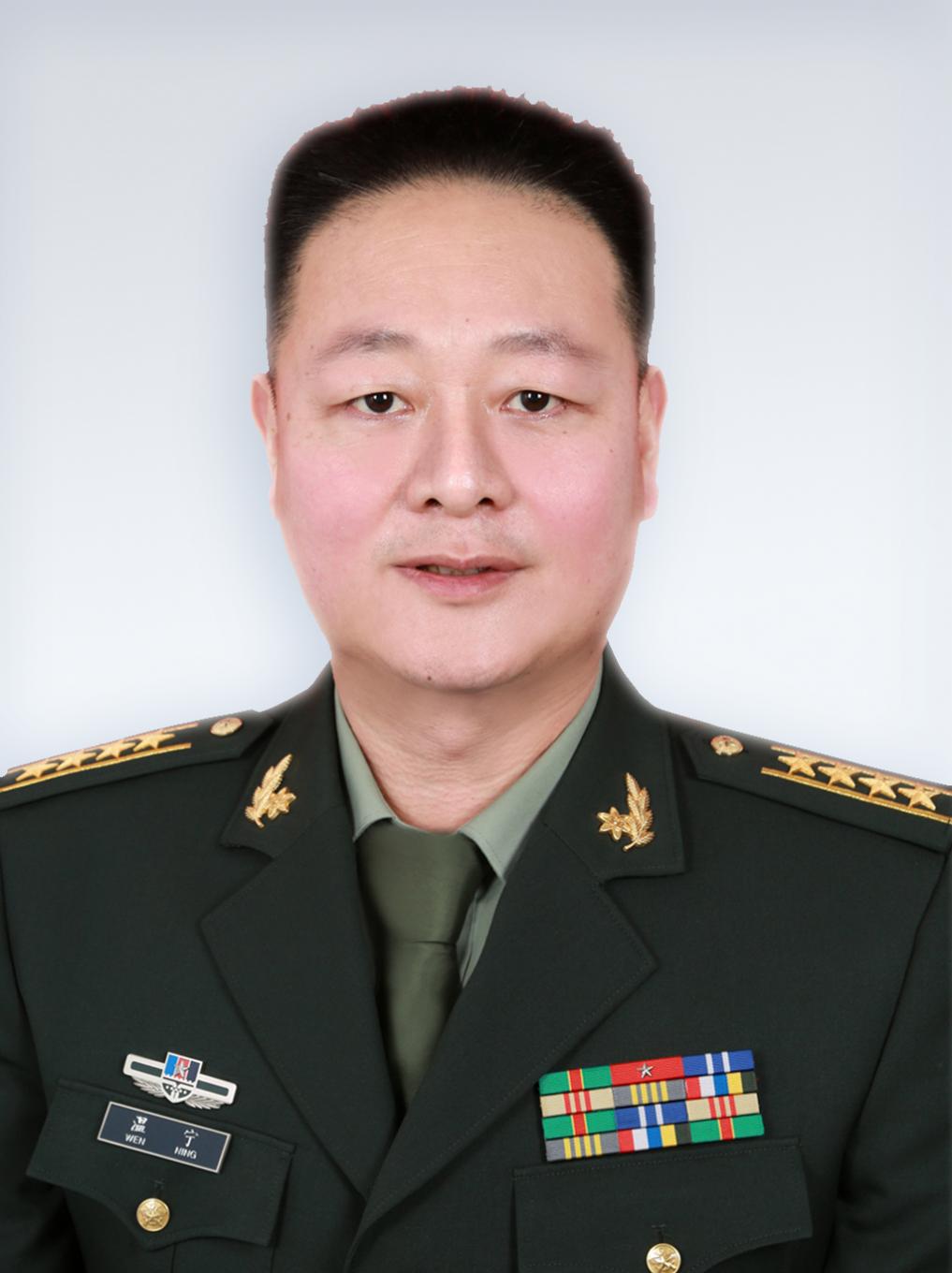 Ning Wen (温宁)合作论文数Chinese PLA General Hospital8
 Wenchuang Chen (陈文创)合作论文数School of Civil Engineering, Sun Yat-sen University6Haochun Xu合作论文数6
 Yong Zhang (张勇)合作论文数Institute of Nuclear and New Energy Technology, Tsinghua University6
 Peng Wang (王鹏)合作论文数College of Computer Science and Artificial Intelligence, Fudan University;Shanghai Key Laboratory of Data Science, Fudan University6Yaocong Han (韩要丛)合作论文数6
 Feiyu Kang (康飞宇)合作论文数School of Materials Science and Engineering, Tsinghua University;Tsinghua Shenzhen International Graduate School, Tsinghua University6QF Zan合作论文数5Ting Guo合作论文数5Zhaoxin Li合作论文数5Jialin Gu (顾家琳)合作论文数5Xiaogang Cao合作论文数5LM Dong合作论文数4Xinyong Li合作论文数4
 Rong Kang合作论文数ByteDance4Tian Jiang合作论文数Tsinghua University4Lei Rui合作论文数Tsinghua University4
 Yong Tan合作论文数4
 Jinlong Lv (吕金龙)合作论文数Sino-French Institute of Nuclear Engineering & Technology, Sun Yat-sen University4
 Xue-Min Cui (崔学民)合作论文数College of Chemistry and Chemical Engineering, Guangxi University4Xiangang Wang (王贤刚)合作论文数4Yuan Zhuang (庄媛)合作论文数4
 Ruitao Lv (吕瑞涛)合作论文数School of Materials Science and Engineering, Tsinghua University4Chenguang Fang合作论文数Tsinghua University4
 Zhiping Guo (郭志平)合作论文数School of Mechanical Engineering, Inner Mongolia University of Technology4
 Song Fu (符松)合作论文数Laboratory for Advanced Simulation of Turbulence, School of Aerospace Engineering, Tsinghua University4
 Weili (Lily) Wu (伍伟丽)合作论文数Data Communication and Data Management Laboratory, Department of Computer Science, The University of Texas at Dallas4
 Dehai Wu (吴德海)合作论文数Department of Mechanical Engineering, Tsinghua University4
 James Willson合作论文数4Myung Ah Park合作论文数4
 Xiaoming Liu (刘小明)合作论文数安徽师范大学3




