The sodium iodide symporter (NIS, encoded by SLC5A5) is exploited in thyroid cancer to uptake radioiodide. NIS appears to function in mammary epithelial cells, being upregulated during lactation, and offers the possibility of a novel breast cancer (BrCa) radiotherapy. Unfortunately, NIS appears repressed in BrCa, and therefore we are examining mechanisms to restore its expression and function. Retinoic Acid Receptor alpha (RARα) upregulates SLC5A5, and pre-clinical studies suggest this is epigenetically corrupted in BrCa. To investigate RARα-dependent epigenetic control of SLC5A5 levels we identified differentially expressed RARα coregulators in TNBC tumors in the TCGA BrCa cohort. This identified upregulation of PRAME, a known RARα co-repressor that interacts with histone deacetylase (HDAC) enzymes. We modulated PRAME expression using CRISPR methods in a panel of luminal A, luminal B and TNBC BrCa cell lines (MCF-7, T47-D, ZR-75-1, AU565 and MDA-MB-231). Elevated PRAME expression significantly repressed the antiproliferative response to ATRA (a pan-RAR ligand) and AM580 (a RARα-selective ligand). RNA-Seq confirmed that increased PRAME expression reduced by approximately half the number of significantly regulated genes in response to ATRA and AM580. For example SLC5A5 and a significant number of RARα-canonical target genes were upregulated in MCF-7 and AU565 cells and the magnitude was significantly reduced by elevated PRAME. In MDA-MB-231 cells elevated PRAME expression led to transrepression of numerous genes including SLC5A5 in response to ATRA and AM580. Gene set enrichment analyses also supported a significant role for PRAME to uniquely shape ATRA signaling by increasing inflammatory networks (MCF-7 and AU565) and decreasing estrogen (MCF-7) and TNFA (MDA-MB-231) signaling. Ongoing studies are repressing PRAME and examining its impact on activating and repressing histone marks. In a parallel orthogonal approach we have sought to stabilize NIS expression by targeting valosin-containing protein (VCP) that induces NIS proteolysis. We tested VCP inhibitors in combination with the HDAC inhibitor SAHA or the transcriptional potentiator, disulfiram metabolite Cu(DDC)2 in the same cell lines. Remarkably, in MDA-MB-231 cells, Cu(DDC)2 combined with the VCP inhibitor CB5339, significantly increased NIS expression and radioiodide uptake leading to a prominent decrease in cell proliferation and survival. These studies, along with ongoing drug strategies in TNBC xenograft and PDX tumors, combine to support the concept that SLC5A5/NIS expression can be restored and offer the possibility of promoting radioiodide as a novel BrCa radiotherapy. Khalid B. Mir, Katie Brookes, Martin L. Read, Daniel G. Stover, Mathew D. Ringel, Christopher J. McCabe, Moray J. Campbell. Epigenetic approaches to deliver a targeted radiotherapy for triple negative breast cancer [abstract]. In: Proceedings of the American Association for Cancer Research Annual Meeting 2025; Part 1 (Regular Abstracts); 2025 Apr 25-30; Chicago, IL. Philadelphia (PA): AACR; Cancer Res 2025;85(8_Suppl_1):Abstract nr 4750.
ABSTRACTThe current study in prostate cancer (PCa) focused on the genomic mechanisms at the cross-roads of pro-differentiation signals and the emergence of lineage plasticity. We explored an understudied cistromic mechanism involving RARγ’s ability to govern AR cistrome-transcriptome relationships, including those associated with more aggressive PCa features. The RARγ complex in PCa cell models was enriched for canonical cofactors, as well as proteins involved in RNA processing and bookmarking. Identifying the repertoire of miR-96 bound and regulated gene targets, including those recognition elements marked by m6A, revealed their significant enrichment in the RARγ complex. RARγ significantly enhanced the AR cistrome, particularly in active enhancers and super-enhancers, and overlapped with the binding of bookmarking factors. Furthermore, RARγ expression led to nucleosome-free chromatin enriched with H3K27ac, and significantly enhanced the AR cistrome in G2/M cells. RARγ functions also antagonized the transcriptional actions of the lineage master regulator ONECUT2. Similarly, gene programs regulated by either miR-96 or antagonized by RARγ were enriched in alternative lineages and more aggressive PCa phenotypes. Together these findings reveal an under-investigated role for RARγ, modulated by miR-96, to bookmark enhancer sites during mitosis. These sites are required by the AR to promote transcriptional competence, and emphasize luminal differentiation, while antagonizing ONECUT2.
This file contains Supplementary Materials and Methods, as well as Supplementary References.
New approaches are urgently needed to enhance the radioiodide (RAI) ablation of aggressive and metastatic thyroid cancer. We recently discovered that valosin-containing protein inhibitors (VCPi) such as clotrimazole and disulfiram transiently block sodium iodide symporter (NIS) proteasomal degradation, hence promoting RAI uptake. However, poor bioavailability diminishes their potential impact in vivo . Following 3D modelling and iterative drug design we appraised 26 novel analogues of clotrimazole, as well as albumin nano-encapsulated copper-diethyldithiocarbamate [Cu(DDC)2-alb] – a stabilised reformulation of a disulfiram metabolite. While several clotrimazole analogues specifically increased RAI uptake, the greatest impact was observed with Cu(DDC)2-alb in thyroid cancer cells as well as human primary thyrocytes from patients with thyroid hyperplasia. NanoBRET assays revealed that Cu(DDC)2 enhanced the plasma membrane accumulation of NIS in living cells. In BALB/c mice, both intraperitoneal and intravenous administration of Cu(DDC)2-alb significantly enhanced thyroidal 99mTc-uptake. RNA-Seq revealed the surprising observation that Cu(DDC)2-alb induced key thyroid transcription factors. Accordingly, expression of PAX8 and NKX2.1 was upregulated in thyroid glands from drug treated mice, with NIS levels correlating closely to 99mTc-uptake. As Cu(DDC)2 inhibits the VCP cofactor NPL4, with VCP being critical to the proteostatic processing of NIS protein, we identify a new dual agonist of RAI uptake in vivo , with the potential to directly impact RAI therapy for patients with aggressive thyroid cancer.### Competing Interest StatementThe authors have declared no competing interest.
Introduction: Healthcare professionals are vital in preparing people living with and beyond cancer about the risks of chronic pain after cancer treatment. To do so, healthcare professionals need to be knowledgeable and confident about chronic pain after cancer treatment, yet little is known about their understanding or confidence of this common long-term and late side effect of cancer treatment. Aim: To identify healthcare professionals' knowledge and understanding of chronic pain after cancer treatment and consider how confident they are to inform, listen and signpost people living with and beyond cancer to appropriate information and support. Method: A cross sectional online survey was distributed to healthcare professionals in the UK via cancer and primary care networks, cancer alliances and social media. The survey consisted of four domains: 1) knowledge and understanding, 2) information and support, 3) confidence and 4) barriers. Quantitative data were analysed with descriptive statistics and free text comments were analysed using qualitative content analysis. Results: Healthcare professionals reported limited knowledge and understanding of chronic pain after cancer treatment. Healthcare professionals lacked confidence to talk to people about chronic pain after cancer treatment and viewed their lack of knowledge as a barrier. Additional barriers included 'Limited service provision', 'Conflict between services', 'Not my role' and 'Challenges in diagnosing chronic pain in cancer survivors'. Conclusion: Chronic pain after cancer can be a significant issue for those living with and beyond cancer, yet healthcare professionals report limited knowledge of it or understanding of the impact. More education is needed to increase healthcare professionals' knowledge and confidence in chronic pain after cancer treatment.
Background There is interest in using treatment breaks in oncology, to reduce toxicity without compromising efficacy. Trial design A Phase II/III multicentre, open-label, parallel-group, randomised controlled non-inferiority trial assessing treatment breaks in patients with renal cell carcinoma. Methods Participants Patients with locally advanced or metastatic renal cell carcinoma, starting tyrosine kinase inhibitor as first-line treatment at United Kingdom National Health Service hospitals. Interventions At trial entry, patients were randomised (1 : 1) to a drug-free interval strategy or a conventional continuation strategy. After 24 weeks of treatment with sunitinib/pazopanib, drug-free interval strategy patients took up a treatment break until disease progression with additional breaks dependent on disease response and patient choice. Conventional continuation strategy patients continued on treatment. Both trial strategies continued until treatment intolerance, disease progression on treatment, withdrawal or death. Objective To determine if a drug-free interval strategy is non-inferior to a conventional continuation strategy in terms of the co-primary outcomes of overall survival and quality-adjusted life-years. Co-primary outcomes For non-inferiority to be concluded, a margin of ≤ 7.5% in overall survival and ≤ 10% in quality-adjusted life-years was required in both intention-to-treat and per-protocol analyses. This equated to the 95% confidence interval of the estimates being above 0.812 and −0.156, respectively. Quality-adjusted life-years were calculated using the utility index of the EuroQol-5 Dimensions questionnaire. Results Nine hundred and twenty patients were randomised (461 conventional continuation strategy vs. 459 drug-free interval strategy) from 13 January 2012 to 12 September 2017. Trial treatment and follow-up stopped on 31 December 2020. Four hundred and eighty-eight (53.0%) patients [240 (52.1%) vs. 248 (54.0%)] continued on trial post week 24. The median treatment-break length was 87 days. Nine hundred and nineteen patients were included in the intention-to-treat analysis (461 vs. 458) and 871 patients in the per-protocol analysis (453 vs. 418). For overall survival, non-inferiority was concluded in the intention-to-treat analysis but not in the per-protocol analysis [hazard ratio (95% confidence interval) intention to treat 0.97 (0.83 to 1.12); per-protocol 0.94 (0.80 to 1.09) non-inferiority margin: 95% confidence interval ≥ 0.812, intention to treat: 0.83 > 0.812 non-inferior, per-protocol: 0.80 < 0.812 not non-inferior]. Therefore, a drug-free interval strategy was not concluded to be non-inferior to a conventional continuation strategy in terms of overall survival. For quality-adjusted life-years, non-inferiority was concluded in both the intention-to-treat and per-protocol analyses [marginal effect (95% confidence interval) intention to treat −0.05 (−0.15 to 0.05); per-protocol 0.04 (−0.14 to 0.21) non-inferiority margin: 95% confidence interval ≥ −0.156]. Therefore, a drug-free interval strategy was concluded to be non-inferior to a conventional continuation strategy in terms of quality-adjusted life-years. Limitations The main limitation of the study is the fewer than expected overall survival events, resulting in lower power for the non-inferiority comparison. Future work Future studies should investigate treatment breaks with more contemporary treatments for renal cell carcinoma. Conclusions Non-inferiority was shown for the quality-adjusted life-year end point but not for overall survival as pre-defined. Nevertheless, despite not meeting the primary end point of non-inferiority as per protocol, the study suggested that a treatment-break strategy may not meaningfully reduce life expectancy, does not reduce quality of life and has economic benefits. Although the treating clinicians’ perspectives were not formally collected, the fact that clinicians recruited a large number of patients over a long period suggests support for the study and provides clear evidence that a treatment-break strategy for patients with renal cell carcinoma receiving tyrosine kinase inhibitor therapy is feasible. Trial registration This trial is registered as ISRCTN06473203. Funding This award was funded by the National Institute for Health and Care Research (NIHR) Health Technology Assessment Programme (NIHR award ref: 09/91/21) and is published in full in Health Technology Assessment; Vol. 28, No. 45. See the NIHR Funding and Awards website for further award information.
Abstract The sodium iodide symporter (NIS, encoded by SLC5A5) is the sole transporter of iodide, and successfully exploited in thyroid cancer to uptake radioiodide (RAI). NIS is essentially undetected in normal mammary epithelial cells but elevated during lactation, and has a heterogeneous expression profile in breast cancer (BRCA), as evidenced by TCGA cohort and also in a ~120 sample TMA we have profiled. Furthermore, pre-clinical studies support an epigenetic mechanisms that involves Retinoic Acid Receptor alpha (RARa) to regulate SLC5A5 expression. Therefore, we have applied an orthogonal approach to both elucidate and target mechanisms that control NIS expression and function to deliver a therapeutic strategy that targets this transporter as a novel radiotherapy in BRCA. To understand the epigenetic control of expression we segregated samples in the TCGA-BRCA cohort into lower and upper quartile SLC5A5 expression and identified ~600 significant differentially expressed of genes (DEG). Interestingly, restricting analyses to either triple negative (TN) or tumors from African American (AA) patients doubled the number of DEGs. These DEGs were significantly associated with several transcription factors including LHX3, a pituitary development transcription factor regulated by thyroid signaling. The most significantly altered ~70 DEGs significantly clustered tumors by genomic ancestry and ERBB2/HER2 IHC status. The DEGs also supported a footprint of RARa signaling include PRAME, a known RARa co-repressor associated with histone deacetylase, and reflects the finding that NIS expression is highly responsive to SAHA treatment. To investigate if PRAME expression suppresses RARa regulation of SLC5A5 we have established a panel of BRCA cell lines (AU565, SKB3 SUM52 and MDA-MB-231) stably transfected with either CRISPR-VP64 (activator) and CRISPR-KRAB (repressor) to modulate PRAME and measure the epigenomic impact, the expression of SLC5A5 and the ability to transport RAI. In parallel we have applied a drug screen approach that targets non-canonical approaches to govern NIS expression, for example by targeting valosin-containing protein (VCP) that induces NIS proteolysis. In the first instance we have developed a therapeutic strategy to target NIS by inhibiting VCP. Specifically, we are screening a range of VCP inhibitors in combination with the HDAC inhibitor SAHA or the transcriptional potentiator, disulfiram metabolite Cu(DDC)2 in BRCA cell lines by testing the ability to augment RAI uptake. Remarkably, in MDA MB 231 cells, Cu(DDC)2 combined with the VCP inhibitor CB5339, resulted in a significant additive increase in RAI uptake and a prominent decrease in cell proliferation and survival. These studies combined with future murine and PDX testing of CRISPR-edited tumors and drug exposures will develop a comprehensive analyses of the mechanisms that control SLC5A5 expression across breast cancer cell types, how this can be most effectively targeted to restore NIS expression, and exploited to promote RAI as a novel targeted BRCA radiotherapy. Citation Format: Katie Brookes, Martin Read, Sajad Wani, Sissy Jhiang, Daniel Stover, Mathew Ringel, Christopher McCabe, Moray Campbell. Epigenetic approaches to deliver a targeted radiotherapy for triple negative breast cancer [abstract]. In: Proceedings of the 2023 San Antonio Breast Cancer Symposium; 2023 Dec 5-9; San Antonio, TX. Philadelphia (PA): AACR; Cancer Res 2024;84(9 Suppl):Abstract nr PO3-26-07.
Searchable abstracts of presentations at key conferences in endocrinology ISSN 1470-3947 (print) | ISSN 1479-6848 (online)
AbstractPurpose: Patients with aggressive thyroid cancer are frequently failed by the central therapy of ablative radioiodide (RAI) uptake, due to reduced plasma membrane (PM) localization of the sodium/iodide symporter (NIS). We aimed to understand how NIS is endocytosed away from the PM of human thyroid cancer cells, and whether this was druggable in vivo. Experimental Design: Informed by analysis of endocytic gene expression in patients with aggressive thyroid cancer, we used mutagenesis, NanoBiT interaction assays, cell surface biotinylation assays, RAI uptake, and NanoBRET to understand the mechanisms of NIS endocytosis in transformed cell lines and patient-derived human primary thyroid cells. Systemic drug responses were monitored via 99mTc pertechnetate gamma counting and gene expression in BALB/c mice. Results: We identified an acidic dipeptide within the NIS C-terminus that mediates binding to the σ2 subunit of the Adaptor Protein 2 (AP2) heterotetramer. We discovered that the FDA-approved drug chloroquine (CQ) modulates NIS accumulation at the PM in a functional manner that is AP2 dependent. In vivo, CQ treatment of BALB/c mice significantly enhanced thyroidal uptake of 99mTc pertechnetate in combination with the histone deacetylase (HDAC) inhibitor vorinostat/SAHA, accompanied by increased thyroidal NIS mRNA. Bioinformatic analyses validated the clinical relevance of AP2 genes with disease-free survival in RAI-treated DTC, enabling construction of an AP2 gene–related risk score classifier for predicting recurrence. Conclusions: NIS internalization is specifically druggable in vivo. Our data, therefore, provide new translatable potential for improving RAI therapy using FDA-approved drugs in patients with aggressive thyroid cancer. See related commentary by Lechner and Brent, p. 1220
 Kristien Boelaert合作论文数Institute of Applied Health Research, College of Medical and Dental Sciences, University of Birmingham143
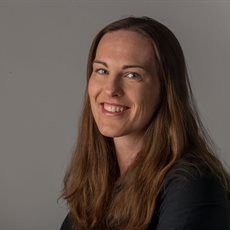 Vicki E. Smith合作论文数Institute of Metabolism and Systems Research, College of Medical and Dental Sciences, University of Birmingham126
 Martin Read合作论文数Institute of Metabolism and Systems Research, College of Medical and Dental Sciences, University of Birmingham121
 Claire Hulme合作论文数University of Exeter71
 Jayne Franklyn合作论文数University of Birmingham69Alice Fletcher合作论文数55Katie Brookes合作论文数49
 Richard Edlin合作论文数Department of Health Systems, School of Population Health, Faculty of Medical and Health Sciences, The University of Auckland45Ja Franklyn合作论文数44
 Neil Sharma合作论文数43
 Hannah R Nieto合作论文数Institute of Metabolism and Systems Research, College of Medical and Dental Sciences, University of Birmingham43
 Mark David Kilby合作论文数Department of Metabolism and Systems Science, University of Birmingham;Centre for Women's & Children's Health, University of Birmingham42
 Peter Hall合作论文数Devices and Systems Research Centre, Department of Electronic, Electrical and Systems Engineering, University of Birmingham38Ling Zha合作论文数32
 Moray J Campbell合作论文数32Andrew S. Turnell合作论文数30
 Vikki Poole合作论文数28Jim C W Fong合作论文数28Lewy Greg合作论文数28
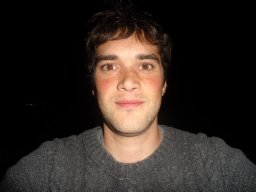 Robert Ian Seed合作论文数28
 David Cameron合作论文数Cancer Research UK Edinburgh Centre, Institute of Genetics and Cancer, University of Edinburgh28Caitlin Thornton合作论文数27
 Karl Claxton合作论文数Department of Economics and Related Studies, University of York27Rebecca Thompson合作论文数26
 Janet Dunn合作论文数Warwick Clinical Trials Unit, Warwick Medical School, University of Warwick26gavin ryan合作论文数25
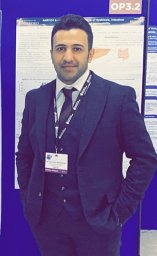 Mohammed Merae Alshahrani合作论文数Faculty of Applied Medical Sciences, Najran University25
 Mike Paulden合作论文数25
 Bhavika Modasia合作论文数24
 Shiao-Yng Chan合作论文数Yong Loo Lin School of Medicine, National University of Singapore23
 John C Watkinson合作论文数23Jana Kim合作论文数22Rachel Watkins合作论文数22
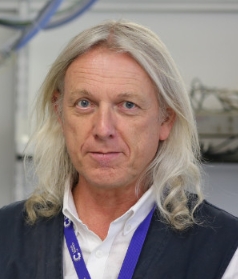 Phil Blower合作论文数Department of Imaging Chemistry & Biology, School of Biomedical Engineering & Imaging Sciences, Faculty of Life Sciences & Medicine, King’s College London22Kavitha Sunassee合作论文数St Thomas’ Hospital, King’s College London22
 Merve Kocbiyik合作论文数21Selvambigai Manivannan合作论文数21perkin kwan合作论文数20J. A. Round合作论文数Institute of Health Sciences, University of Leeds18
 Andrea Marshall合作论文数Mol Physiol & Biophys, Vanderbilt Univ16Jhiang Sissy M合作论文数16Hughes-Davies L合作论文数16
 John E Brazier合作论文数School of Medicine and Population Health, The University of Sheffield;School of Health and Related Research, The University of Sheffield16
 Helena Earl合作论文数Department of Ocology, University of Cambridge16
 Waraporn Imruetaicharoenchoke合作论文数15Yemi Oluboyede合作论文数15
 Matthew D Ringel合作论文数Division of Endocrinology, Diabetes and Metabolism, TheOhioStateUniversity15Adrienne Morgan合作论文数15




