BackgroundGraves’ Ophthalmopathy (GO), or thyroid eye disease, is an extrathyroidal complication of Graves’ disease, causing a significant impact on patients’ quality of life. There are consensus statements from both the American Thyroid Association (ATA) and the European Group on Graves’ Orbitopathy (EUGOGO) which provide guidance in management. However, there remain areas of ongoing debate and evolution in treatment approaches. This systematic review aims to evaluate immunomodulatory drugs in the treatment of GO.MethodsThe following databases were searched: Cochrane (CENTRAL), Embase, MEDLINE, ProQuest, PubMed, SCOPUS, and Web of Science. The last date of searching for each database was 10th October 2025. All primary studies on human patients with GO, treated with newer, targeted immunomodulatory therapies, in particular biologics and/or disease-modifying antirheumatic drugs, were included. Studies in languages other than English were excluded. The primary outcome of interest was Clinical Activity Score (CAS). A narrative synthesis was performed, including CAS and four other secondary outcomes. Cochrane risk of bias tools were used to assess quality of evidence. The study is registered on PROSPERO (CRD42023400285).ResultsOf 4839 records identified, 41 were eligible for data extraction. Teprotumumab and tocilizumab showed benefit in reducing CAS and proptosis, whilst rituximab was inconclusive. Methotrexate and reduced-dose steroids were beneficial in reducing CAS, and both methotrexate and cyclosporine with steroids were good for reducing proptosis. However, effects of immunomodulation on other secondary outcomes were unclear. Adverse events were higher in the steroid treated patients compared to all other drugs.ConclusionBiologics and steroid-sparing agents may be more effective than steroids at reducing CAS, but this is limited by the lack of head-to-head comparisons between drugs and significant heterogeneity amongst the included studies.Systematic Review Registrationhttps://www.crd.york.ac.uk/prospero/, identifier CRD42023400285.
Iodine deficiency, once considered eliminated in the United Kingdom, has re-emerged, particularly among women of reproductive age, in whom requirements are increased during pregnancy and lactation. The declining consumption of dairy and white fish, the emerging use of unfortified plant-based milk alternatives, and the absence of a national iodisation policy have contributed to a return of mild to moderate iodine deficiency. Vegans and individuals avoiding dairy are at particular risk. Simultaneously, social-media-driven wellness trends promote 'thyroid detoxes' or 'iodine resets' and kelp-based supplements that deliver supraphysiological iodine doses far exceeding recommended intake. Endocrinologists now face a dual challenge: widespread under-recognition of population iodine insufficiency and a growing minority of patients presenting with iodine-induced thyroid dysfunction. This review summarises current UK iodine status, the physiological and clinical relevance of iodine to thyroid and neurodevelopmental health, modern dietary risk factors and the clinical approach to those influenced by online misinformation. Routine dietary counselling and public health fortification represent cost-effective interventions to prevent both extremes. Population-based solutions would correct iodine status efficiently and align the UK with other high-income countries.
Monocarboxylate transporter 8 (MCT8) deficiency, also known as Allan-Herndon-Dudley syndrome, is a rare, severely debilitating, and life-limiting genetic disorder caused by variants in the SLC16A2 gene that render the MCT8 thyroid hormone transporter partially or completely dysfunctional. MCT8 is highly expressed throughout the body, including the brain. Its deficiency disrupts thyroid hormone homeostasis and is associated with 2 distinct concomitant clinical presentations: persistent peripheral thyrotoxicosis resulting from elevated serum levels of triiodothyronine and neurodevelopmental impairment arising from low thyroid hormone levels in the brain. The disorder severely impacts quality of life and reduces life expectancy to a median of 35 years due to a range of clinical sequelae, with approximately 30% of affected individuals dying during childhood. Recognition and treatment of thyrotoxicosis are crucial to prevent associated symptoms and long-term sequelae.
Myxoedema coma is a rare, life-threatening endocrine emergency resulting from severe hypothyroidism, most commonly affecting older adults. It is characterised by altered mental status, hypothermia, and multiorgan dysfunction, with a high mortality rate if not promptly recognised and treated. This consensus statement provides recommendations for the diagnosis, initial resuscitation, and definitive management of myxoedema coma based on clinician expertise and experience. Key elements include early recognition of precipitating factors, the use of early empiric stress dose glucocorticoids, supportive care in a high-dependency or intensive care setting, and cautious thyroid hormone replacement. Guidance is also given on ventilatory and circulatory support, correction of electrolyte and metabolic disturbances, and monitoring of therapy. The document emphasises a structured approach to diagnosis and management to improve outcomes in this rare but critical condition.
Thyroid storm is a rare but life-threatening endocrine emergency characterised by extreme thyrotoxicosis and multi-organ dysfunction. Prompt recognition and rapid, coordinated management are essential to reduce its high mortality. This consensus statement, developed by experts in endocrinology and acute care, provides practical recommendations for the diagnosis and treatment of thyroid storm. Diagnosis remains clinical, aided by validated scoring systems such as the Burch-Wartofsky and Japanese Thyroid Association/Japan Endocrine Society criteria, which also predict outcomes. Management requires a multidisciplinary approach in high-dependency or intensive care settings, incorporating supportive measures, aggressive treatment of precipitating factors, and targeted therapies. Core treatments include beta-blockade, high-dose antithyroid drugs, corticosteroids, and iodide, with careful attention to timing and contraindications. Adjunctive therapies, such as cholestyramine, lithium, plasmapheresis, and extracorporeal membrane oxygenation (ECMO), as well as surgical thyroidectomy in selected cases, may be required for refractory disease. This guidance also highlights the need for definitive management of underlying hyperthyroidism after stabilisation. By summarising current evidence and expert consensus, this document aims to standardise care, support clinical decision-making, and improve outcomes in patients presenting with thyroid storm.
Background Exploitation of the sodium iodide symporter (NIS) has potentially broad clinical application across different tumour ablative settings but often fails in aggressive cancer due to diminished transport activity. We aimed to discover whether enhancing NIS function by modulating proteostasis was targetable in vivo, as well as the clinical relevance to radioiodide (RAI) treatment of patients with cancer. Methods We used 3D modelling, iterative design, reformulation, RAI uptake, RNA-Seq, cell surface biotinylation assays and NanoBRET in transformed cell lines and primary thyroid cells from patients to identify new drugs targeted at enhancing NIS function and to uncover their respective mechanisms. Systemic drug responses were monitored via 99mTc pertechnetate gamma counting and SPECT/CT imaging in wild-type BALB/c and Tg-rtTA/tetO-BRAFV600E mice, as well as orthotopic NOD.Cg-Prkdcscid Il2rgtm1Wjl/SzJ (NSG) breast cancer. Findings Copper diethyldithiocarbamate (Cu(DDC)2), a metabolite of the FDA-approved drug disulfiram, modulated NIS function in thyroid and breast cancer cells (P < 0.05). Mechanistically, Cu(DDC)2 elicited a dual effect on NIS function, targeting valosin containing protein (VCP)—a key regulator of proteostasis—as well as inducing potent transcriptional responses (P < 0.05). In mice, the copper-bound metabolite stimulated NIS activity in normal thyroid tissue, thyroid tumours and in breast orthotopic tumours (P < 0.05), the latter augmented by the histone deacetylase inhibitor vorinostat (SAHA). Notably, there was clinical association of drug-perturbed genes in RAI-treated thyroid cancer, enabling construction of a robust dual risk score classifier for predicting recurrence (AUC >0.95; P < 0.001). Interpretation Our findings reveal a mechanistic pathway towards enhancing radionuclide uptake in vivo, with clinical relevance for RAI therapy and identifying survival indicators of recurrent disease. Funding This work was funded by the U.S. Department of Defense (BC201532P1), Medical Research Council (CiC/1001505 and MR/Z504828/1), British Thyroid Foundation (1002175). We further acknowledge support from the Wellcome Trust and EPSRC funded Centre for Medical Engineering at King’s College London (203148/Z/16/Z), the Wellcome Multiuser Equipment Radioanalytical Facility (212885/Z/18/Z), and the EPSRC programme for Next Generation Molecular Imaging and Therapy with Radionuclides (EP/S019901/1).
BACKGROUND:Evidence regarding thyroid function changes with ageing remains inconsistent and the implications of potential changes are unclear. We aimed to investigate ageing-related thyroid function changes and their associations with mortality. METHODS:In this individual participant data (IPD) analysis, prospective population-based cohorts were eligible for inclusion when data on thyroid function measurements and mortality were available in individuals aged 18 years and older. Eligible datasets were identified through a systematic search of PubMed. We excluded cohorts of participants with only thyroid disease or thyroid-altering medications, or pregnant individuals. We requested data from all eligible cohorts that agreed to participate in the study. Linear mixed models were used to investigate associations between age and thyroid function, stratified for sex and regional iodine status. Annual changes in thyroid-stimulating hormone (TSH) and free thyroxine (FT4) were estimated per individual and categorised into quintiles, with the highest and lowest quintiles defined as increasing and decreasing, respectively, and the rest as stable. Patterns of thyroid function change were identified based on combined TSH and FT4 evolution. We used cohort-stratified Cox models to assess associations between changing patterns and all-cause mortality. This study is registered with PROSPERO, CRD42023408086. FINDINGS:In this IPD analysis, we analysed data collected between Jan 1, 2011, and Oct 13, 2022, from 31 cohorts across Europe (n=19), the USA (n=5), Asia (n=3), Brazil (n=2), and Australia (n=2; 137 488 participants; 68 322 [49·7%] were female and 69 166 [50·3%] were male; median age 60 years [range 18-106]). Cross-sectionally, older age was associated with higher TSH in iodine-sufficient regions and with lower TSH in iodine-insufficient regions. Longitudinal analyses showed that TSH increased with increasing age regardless of iodine status. The overall increase in TSH from age 18 years to 100 years was 0·61 mIU/L (0·52 SD) for female participants and 0·99 mIU/L (0·76) for male participants from iodine-sufficient regions. Greater variability in population distribution and longitudinal TSH changes was observed in adults aged 65 years or older. Higher FT4 with older age was suggested cross-sectionally, but longitudinally FT4 increased in iodine-sufficient regions and decreased in iodine-insufficient regions. Compared with stable thyroid function, all changing patterns were associated with increased all-cause mortality: hazard ratios of 1·80 (95% CI 1·57-2·06) for increasing TSH with stable or decreasing FT4; 2·45 (2·01-2·97) for increasing TSH and increasing FT4; 2·45 (1·99-3·01) for decreasing TSH with decreasing FT4; and 1·94 (1·68-2·24) for decreasing TSH with stable or increasing FT4. INTERPRETATION:Ageing-related changes in thyroid function varied by sex and iodine status. Most individuals had stable thyroid function during ageing with a slight increase in TSH, although older adults displayed greater variability. Patterns of changing thyroid function were associated with an increased all-cause mortality risk, warranting further exploration of the underlying mechanisms and clinical management. FUNDING:None.
BACKGROUND:Thyroid disease in pregnancy, preconception, and postpartum is a common and clinically relevant problem. Since the publication of the American Thyroid Association (ATA) guidelines in 2017, substantial new clinical and scientific evidence has become available. The aim of these guidelines is to provide clinicians, patients, researchers, and policymakers with evidence-based recommendations on the care of women with thyroid disease before, during, and after pregnancy. METHODS:The clinical questions addressed were informed by prior ATA guidelines, stakeholder feedback, a global needs assessment, and input from the multidisciplinary task force. Systematic literature searches were conducted with the support from a medical librarian and evaluated using the Grading of Recommendations, Assessment, Development, and Evaluation framework. Recommendations were formulated based on the quality of evidence, balance of benefits and harms, patient values, feasibility, and equity. Where data were limited, Good Practice Statements were formulated. The task force included representatives from 10 international societies as well as patient advocacy groups and a methodologist. RESULTS:The updated guidelines include recommendations on thyroid function testing, iodine supplementation, thyroid autoimmunity, hypothyroidism, hypothyroxinemia, hyperthyroidism and Graves' disease, thyroid nodules and cancer, and postpartum thyroid dysfunction for women with infertility, pregnant women, and women during postpartum and/or lactation. Recommendations are presented using recommendation tables, additional practical considerations are highlighted in boxes, and background information is provided in the text, tables, and figures per disease entity and chronological subset. CONCLUSIONS:These 2026 ATA guidelines provide updated, evidence-based recommendations for the diagnosis and management of thyroid disease in women during preconception, pregnancy, and postpartum. While acknowledging that much of the evidence remains of low-to-moderate quality, these guidelines represent current best practices and consensus among international experts from different fields, offering an optimized framework for individualized patient care.
Background: The rising incidence of thyroid cancer presents a growing diagnostic and therapeutic challenge. Various risk stratification systems have sought to integrate clinical, ultrasonographic, and, in some cases, cytological features to aid malignancy prognostication. This systematic review aims to critically evaluate risk stratification tools (RSTs) for patients with thyroid nodules, which incorporate multimodal inputs to assess their diagnostic performance and clinical utility in supporting surgical decision-making. Methods: PubMed, Embase, and Cochrane databases were searched from inception to 04/13/2026, identifying studies evaluating multivariable risk prediction models for adult patients undergoing assessment of thyroid nodules. Studies were excluded if the proposed tool failed to incorporate clinical features, ultrasound findings, and cytology results or was not validated with histology. Data extraction encompassed methodology of model development, performance metrics, and approaches to validation. Risk of bias was assessed using the PROBAST+AI tool. Results: Seven studies describing five distinct RSTs met inclusion criteria Thyroid Nodule App (TNAPP), the McGill Thyroid Nodule Score (MTNS), CUT Score, Memorial Sloan Kettering Cancer Centre (MSKCC) nomogram, and Thyroid Prediction Score (TiPS). TiPS demonstrated the highest sensitivity (96.2%) and specificity (97.5%) with area under the curve (AUC) >0.9. The CUT score also showed strong performance (AUC >0.9), particularly in low-to-intermediate risk nodules. TNAPP underperformed (accuracy 50.5%; specificity 27.5%) despite broad clinical inputs. The MTNS and MSKCC, although promising for indeterminate cytology, lacked robust validation. Most models were derived from single-center, retrospective cohorts, limiting generalizability. Conclusions: RSTs integrating multimodal data may improve thyroid nodule risk stratification, particularly in cases of indeterminate cytology. However, methodological limitations and lack of external validation currently restrict clinical utility. Prospective evaluation in diverse populations is required to identify the most effective and generalizable tools. Until then, RSTs should be used as adjuncts to, not replacements for, clinical judgment and shared decision-making in thyroid nodule assessment.
Systematic reviews are essential for evidence-based healthcare but remain highly resource-intensive, with most retrieved studies ultimately excluded after manual screening. This study developed and evaluated a hybrid expert-LLM workflow to reduce human workload while maintaining accuracy and transparency. Within the Thyroid Risk Stratification Tool (ThyRST) project, ChatGPT-5 was used to classify 14,858 records on thyroid nodule malignancy risk into thematic categories. Recurrent irrelevant concepts were refined through expert consensus involving clinicians and informaticians and embedded as exclusion rules in structured prompts. The model then labelled each abstract as INCLUDE, EXCLUDE, or MAYBE, producing outputs for audit and verification. A random sample of 100 records was independently reviewed by human assessors to evaluate performance. The workflow achieved 96% concordance (κ = 0.91) with human reviewers, with only one false exclusion, and reduced manual screening time by approximately 70%. These results demonstrate that a transparent Delphi-inspired expert-LLM can accurately and reproducibly automate early-stage evidence screening, providing substantial efficiency gains while preserving human oversight and methodological rigor. The approach offers a practical pathway toward the responsible integration of generative AI in systematic review methodology and digital health research.
Adequate control of thyroid function is crucial for optimal pregnancy outcomes and neurodevelopment of the offspring, and testing for thyroid function is ideally performed using manufacturer- and gestation-specific reference ranges. While universal screening for thyroid dysfunction is not recommended, targeted case finding of women at risk of thyroid disease during pregnancy is advised. A number of controversies continue to fuel debate including: (i) the target range for thyroid stimulating hormone (TSH) in women with subfertility planning pregnancy, (ii) management of mild thyroid hypofunction before and during pregnancy, (iii) the treatment of thyroid peroxidase (TPO) antibody-positive euthyroid women with levothyroxine, (iv) the optimal choice of antithyroid treatment in women with hyperthyroidism. A significant body of evidence has accumulated in recent years, including large systematic reviews and meta-analyses of observational studies determining effects of thyroid dysfunction on pregnancy and fetal outcomes. In addition, outcomes from important randomised trials continue to inform current guidance on how to best care for women with thyroid dysfunction before and during pregnancy.
Objective:To compare the diagnostic test accuracy of Afirma GSC and ThyroSeq v3 in cytologically indeterminate thyroid nodules. Methods:PubMed, Embase, Cochrane Library, Medline, and the Web of Science were searched from the date of inception to May 9, 2025. Two independent reviewers screened articles for eligibility. Studies assessing Afirma gene sequencing classifier (GSC) or ThyroSeq v3 for indeterminate thyroid nodules were included. The Preferred Reporting Items for Systematic Reviews and Meta-Analysis reporting guidelines were followed. Statistical analysis was performed using R. Results:A total of 26 studies met the eligibility criteria. For surgically confirmed Afirma GSC results, the sensitivity, specificity, and negative predictive value (NPV) were 94, 42, and 96%, respectively. For unoperated negative cases, the values were 96, 86, and 99%. For ThyroSeq v3, the sensitivity, specificity, and NPV for surgically confirmed cases were 96, 40, and 93%, respectively, and for unoperated negative cases, they were 97, 83, and 99%. Conclusion:Both molecular tests demonstrate high NPV but low specificity; neither is clearly superior. Future research should prioritise randomised controlled trials, long-term follow-up of unoperated nodules, and direct comparisons of molecular tests.
 Chris McCabe合作论文数Institute of Metabolism and Systems Research, College of Medical and Dental Sciences, University of Birmingham143
 Vicki E. Smith合作论文数Institute of Metabolism and Systems Research, College of Medical and Dental Sciences, University of Birmingham109
 Martin Read合作论文数Institute of Metabolism and Systems Research, College of Medical and Dental Sciences, University of Birmingham104
 Jayne Franklyn合作论文数University of Birmingham67Alice Fletcher合作论文数51
 Neil Sharma合作论文数51Katie Brookes合作论文数39
 Hannah R Nieto合作论文数Institute of Metabolism and Systems Research, College of Medical and Dental Sciences, University of Birmingham33Ja Franklyn合作论文数31Jim C W Fong合作论文数29Lewy Greg合作论文数29
 Robert Ian Seed合作论文数28
 Moray J Campbell合作论文数28gavin ryan合作论文数26Andrew S. Turnell合作论文数25
 Vikki Poole合作论文数25
 Barbara Torlinska合作论文数Institute of Applied Health Research, College of Medical and Dental Sciences, University of Birmingham25Caitlin Thornton合作论文数24Rebecca Thompson合作论文数24
 Bhavika Modasia合作论文数23Rachel Watkins合作论文数22
 Mohammed Merae Alshahrani合作论文数Faculty of Applied Medical Sciences, Najran University22
 John C Watkinson合作论文数22perkin kwan合作论文数21Ling Zha合作论文数21Mc Sheppard合作论文数18Kavitha Sunassee合作论文数St Thomas’ Hospital, King’s College London18Jana Kim合作论文数17
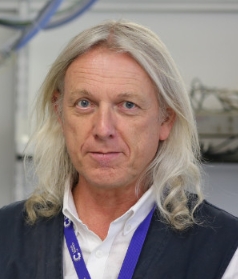 Phil Blower合作论文数Department of Imaging Chemistry & Biology, School of Biomedical Engineering & Imaging Sciences, Faculty of Life Sciences & Medicine, King’s College London17Jhiang Sissy M合作论文数17
 Matthew D Ringel合作论文数Division of Endocrinology, Diabetes and Metabolism, TheOhioStateUniversity17
 Shiao-Yng Chan合作论文数Yong Loo Lin School of Medicine, National University of Singapore15
 Waraporn Imruetaicharoenchoke合作论文数14
 Mark David Kilby合作论文数Department of Metabolism and Systems Science, University of Birmingham;Centre for Women's & Children's Health, University of Birmingham14Margeret Eggo合作论文数School of Clinical and Experimental Medicine, The University of Birmingham14
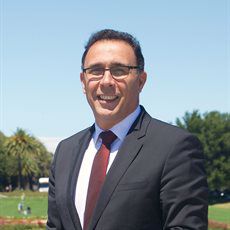 Hisham Mehanna合作论文数Institute of Cancer and Genomic Sciences, College of Medical and Dental Sciences, University of Birmingham14
 Merve Kocbiyik合作论文数13Selvambigai Manivannan合作论文数13
 Rima K. Dhillon-Smith合作论文数Institute of Metabolism and Systems Research, College of Medical and Dental Sciences, University of Birmingham13
 Neil John Lloyd Gittoes合作论文数Department of Metabolism and Systems Science, University of Birmingham;Centre for Endocrinology, Diabetes and Metabolism, Queen Elizabeth Hospital13
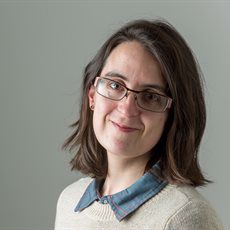 Caroline Gorvin合作论文数Institute of Metabolism and Systems Research, College of Medical and Dental Sciences, University of Birmingham13
 Krishna Chatterjee合作论文数Metabolic Research Laboratories, Institute of Metabolic Science, University of Cambridge;Department of Medicine, University of Cambridge;Churchill College, University of Cambridge;Cambridge Clinical Research Centre, National Institute for Health Research;Cambridge Clinical Research Centre, Cambridge University Hospitals13Anna L. Stratford合作论文数13
 George Firth合作论文数12
 Bijay Vaidya合作论文数12Okosieme Onyebuchi E合作论文数School of Medicine, Cardiff University12Lesley Tannahill合作论文数11Shiao Chan合作论文数11




