PURPOSE:Cooling the head, face, and neck can have strong perceptual effects that contribute to improved performance. This systematic review aimed to determine the effect of cooling strategies targeting the head, face, and neck on physical and cognitive performance, determine any associated physiological and perceptual responses, synthesize adverse events, and provide practical applications. METHODS:We conducted a systematic review and multilevel meta-analysis, adhering to PRISMA guidelines. Studies that investigated the effect of cooling strategies targeting the head, face, or neck on a physical or cognitive task using a controlled trial design were included. RESULTS:Sixty-three studies were identified, involving 618 participants (86.6% male). Cooling strategies included water-perfused devices (18.7%), phase-change neck collars (17.3%), fanning/cold air (14.7%), phase-change headwear (13.3%), ice/gel packs (13.3%), cold towels (5.3%), menthol application (4.0%), water spraying/dousing (4.0%), or a combination of strategies (9.3%). The effect of cooling on both self-paced and fixed-intensity exercise tasks was inconclusive; the 95% CI of the pooled effect was compatible with no effect and medium beneficial effects but not harmful effects. We were unable to pool cognitive data. Cooling reduced the skin temperature at the target site and improved thermal sensation and comfort. Effects on heart rate and core and mean skin temperatures were negligible. Adverse events were rare, and no intervention subgroup was superior. CONCLUSION:We recommend that athletes experiment with a range of head-, face-, and neck-cooling strategies, including using different doses and timings, to determine the optimal strategy for their individual and sport context.
There are concerns regarding high surface temperatures on synthetic grass sports surfaces influencing the surrounding thermal environment, potentially increasing heat stress and impacting athlete safety. As such, studies have investigated changes to the thermal environment surrounding synthetic grass surfaces in comparison to both natural grass, and synthetic surfaces with different features, but this body of research has not been systematically reviewed. Therefore, this systematic review aimed to (i) determine if there are differences in the thermal environment surrounding synthetic grass surfaces compared with natural grass surfaces, and (ii) determine if there are differences in the thermal environment between different types of synthetic grass surfaces. A systematic review adhering to the PRISMA guidelines was performed. The eligibility criteria required investigations to report at least one of the following environmental parameters on or directly above both a synthetic surface and a comparator group of either natural grass or an alternative synthetic grass surface used in sport: Air temperature, mean radiant temperature, humidity, wind velocity, unified heat stress indices (i.e. wet-bulb-globe temperature and heat index) and/or surface temperature. Twenty-three studies were identified. The only parameters that were consistently higher on synthetic grass compared to natural grass were the air temperature (range: 0.5–1.2 °C) and surface temperature (range: 9.4–33.7 °C), while the mean radiant temperature, humidity, wind velocity and wet-bulb-globe temperature remained similar or required more data to determine if any differences exist. Synthetic grass surfaces consisting of styrene butadiene rubber infill or a shock pad had increased surface temperatures, whereas surfaces with thermoplastic elastomer infill, Cool climate turf fibres or HydroChill had lower surface temperatures. This systematic review has demonstrated that air and surface temperatures can be increased on synthetic sports surfaces, compared to natural grass surfaces. However, it is uncertain whether the differences are enough to increase an individual’s heat stress risk and cause concern for athlete safety. While modifications to the turf infill or fibres can reduce synthetic surface temperatures, the effect of these features on the thermal environment as a whole is unclear. This review was prospectively registered with the Open Science Framework (Open Science Framework registration https://doi.org/10.17605/OSF.IO/BTKGE ).
Elite athletes will compete in extreme heat more frequently as global land and sea temperatures increase, alongside more intense, frequent and longer duration heatwaves. Best practices to protect athlete health and performance during competition include heat acclimation/acclimatisation [(HA); i.e., long-term pre-competition preparation] complemented by pre-planned and practised cooling and hydration strategies (i.e., short-term interventions immediately before or during competition). This review explores elite athletes’ current behaviours and practices when preparing for competition in the heat and assesses the level of knowledge that has been exhibited by athletes and their practitioners in this space. Recommendations for future research, discussions of current best practices, and methods to improve translation of research into practice are provided. Available research focuses on small samples of elite endurance athletes during a selection of World Championship/Olympic/Paralympic events (~6% of competing athletes). While generally an increase in the adoption of evidence-based HA is seen chronologically from 2015 onwards, universal adoption is not seen. HA adoption is lowest in those who live/train in cold/temperate environments with cost and access to facilities/equipment being the most commonly reported barriers. Further research is required across the sporting landscape to fully characterise elite athlete behaviours and practices in these spaces. International federations and national governing bodies should continue their efforts to educate athletes and focus on regularly updated and reinvigorated release of evidence-based guidelines (in multiple germane languages) for competing in the heat, to increase the adoption of HA and other heat related best practice.
INTRODUCTION:Pressure injuries are a preventable yet highly prevalent health concern. Wheelchair cushion prescription can have significant implications for wheelchair users' risk of pressure injury development, which can impact functional abilities and quality of life. The efficacy of a wheelchair cushion to redistribute pressure has been well-researched, but the efficacy to manage the microclimate is less clear, particularly in warm-hot environments. The aim of this study was to systematically review studies examining the effect of wheelchair cushions on temperature, moisture and thermal perception to determine which cushions are superior to improve these responses. METHOD:A systematic review with meta-analyses of randomised cross-over and randomised control trials of wheelchair cushion interventions on measures of temperature, moisture, and thermal perception was conducted. RESULTS:Eight studies were identified that met the eligibility criteria and six meta-analyses were conducted. Pooled analyses identified a significantly lower temperature on foam-gel cushions compared to air cushions (MD = 0.80, 95% CI: 0.31, 1.29; p = 0.002) and a significantly lower temperature on foam-gel cushions compared to foam cushions (SMD = 0.76, 95%CI; 0.45, 1.06; p < 0.00001). Pooled analyses also demonstrated significantly lower relative humidity (i.e., moisture) on foam cushions compared to foam-gel cushions (p = 0.02). Differences in thermal perception were inconclusive due to limited data found. CONCLUSION:It is clear that not one cushion is ideal in managing all aspects of microclimate, as foam-gel cushions were the superior cushion to manage temperature and foam cushions were the superior cushion to manage moisture. This article provides occupational therapists and other health professionals with evidence-based information to assist with wheelchair cushion prescription that minimises the temperature and moisture accumulation, and associated risk of pressure injury for wheelchair users.
Open goals (e.g. to "see how many steps you can reach today") may be a promising strategy for promoting physical activity. The findings from initial studies, typically based on single sessions of exercise, showed that open goals can produce at least as much activity as specific goals (e.g. to reach 10,000 steps a day), while promoting more positive experiences and higher intentions to repeat the activity, especially among less active individuals. However, the feasibility of using open goals over a longer duration remains unclear. Therefore, in this study, we examined the feasibility of using open goals in a 10-week step-based physical activity program. A single-arm mixed methods design was used, involving 15 healthy adults (13 female; Mage = 42.53) with low to moderate physical activity levels. Participants were provided with a pedometer, diary, and open goals for each week, alongside brief support sessions. The feasibility domains assessed included recruitment, acceptability, adherence, and retention. Quantitative methods assessed physical activity, enjoyment, and self-efficacy, while supplementary qualitative methods explored participants' perceptions of open goals. The study showed high recruitment and retention rates, increased physical activity, and positive psychological experiences, indicating the feasibility of the 10-week open-goal program. Secondary outcomes suggest that open goals may function by increasing enjoyment and self-efficacy while decreasing negative outcomes such as pressure, guilt, and failure. The findings indicate that using open goals in longer-term physical activity programs is feasible, expanding on the limitations of previous single-session designs, and offering recommendations for future trials.
PURPOSE:The current study aimed to determine the effect of a synthetic-grass sport surface on core body temperature, skin temperature, heart rate, thermal sensation, thermal comfort, and rating of perceived exertion (RPE) during intermittent exercise in hot conditions. METHODS:Using a randomized crossover design, 13 trained/developmental team-sport athletes completed two 50-minute standardized intermittent running protocols on a synthetic and a natural-grass surface, on separate days (control-condition air temperature 32.6 °C [1.3 °C], relative humidity 43.2% [5.3%]). RESULTS:Final skin temperature was significantly higher on synthetic compared with natural grass at the calf (40.1 °C [2.5 °C] vs 33.4 °C [0.6 °C]; P < .001), shoulder (36.6 °C [1.7 °C] vs 33.7 °C [0.7 °C]; P < .001), and chest (33.2 °C [1.1 °C] vs 31.8 °C [1.2 °C]; P = .02). Thermal sensation (median: 2.3; interquartile range [0.5] vs 2.2 [0.5], P = .03) and sweat rate (1.5 [0.4] L·h-1 vs 1.2 [0.3] L·h-1; P = .02) were also significantly higher on synthetic grass. While final core body temperature was significantly higher on the natural than synthetic grass (38.4 °C [0.3 °C] vs 38.2 °C [0.4 °C]), there were no significant differences in delta core temperature, as well as heart rate, thermal comfort, or RPE. CONCLUSIONS:Higher skin temperatures, thermal sensation, and sweat rates suggest that exercising on synthetic grass in hot conditions may increase some markers of heat strain during exercise. However, delta core body temperature, heart rate, thermal comfort, and RPE remained unaffected.
Flow states are associated with highly desirable outcomes including increased performance, well-being, and intrinsic rewards, making it sought after in sport and exercise. This study aimed to evaluate the efficacy of a flow intervention for runners (guided by an intervention development protocol), using a mixed-method design including a mixed 2 (group) x 2 (run) experimental design supplemented by qualitative data from event-focused interviews. Twenty Australian runners (six female, 14 male; M-age = 29.65 years, SD = 7.95) completed two 20-min runs on a self-paced treadmill. Participants were randomly assigned to a control (n = 10) or intervention group (n = 10). All participants completed a 20-min baseline run (with the goal to "run at a comfortable pace for 20 min"). The control group completed their second run following the same baseline instructions. The intervention group completed their second run following a protocol that incorporated a combination of open goals (i.e., "see how far you can run in 20 min"), performance feedback, and individualized metronome tempo. Measures included flow, distance run within 20 min, perceptions of challenge, and confidence during the run. A semistructured interview was conducted at the conclusion of the intervention. No significant differences were observed between the intervention and control groups; however, the qualitative data suggest that participants in both groups experienced periods of flow. Importantly, the mixed-methods approach enabled exploration of how and why flow occurred in both conditions. This study provides key considerations for the future development and evaluation of flow interventions in sport and exercise.
Exercise and Sport Science (EXSS) is a common degree offered at Australian universities, yet there is no systematic overview of this multidisciplinary field of study. This study aimed to determine the broad curriculum content of Australian EXSS degrees by summarizing the units offered, identify most commonly delivered content areas, and capture course information such as work-integrated learning (WIL) requirements and majors offered. Data were gathered through publicly available university course pages, with 30 EXSS courses included and only core units identified. The most common Australian EXSS units were “Exercise Physiology,” “Biomechanics,” “Research Methods and Data Analysis,” “Exercise Prescription and Delivery,” and “Exercise and Sport Psychology.” WIL requirements ranged from 140 to 300 h per course, and five courses offered majors. This study provides an overview of Australian EXSS courses, with the focus on exercise-related components reflecting accreditation requirements. Future research should examine how these courses equip students for the multidisciplinary EXSS industry.
PURPOSE:To assess elite racewalkers' preparation strategies, knowledge, and general practices for competition in the heat and their health status during the World Athletics Race Walking Teams Championships (WRW) Muscat 2022.METHODS:Sixty-six elite racewalkers (male: n = 42; mean age = 25.8 y) completed an online survey prior to WRW Muscat 2022. Athletes were grouped by sex (males vs females) and climate (self-reported) they live/trained in (hot vs temperate/cold), with differences/relationships between groups assessed. Relationships between ranking (medalist/top 10 vs nonmedalist/nontop 10) and precompetition use of heat acclimation/acclimatization (HA) were assessed.RESULTS:All surveyed medalists (n = 4) implemented, and top 10 finishers were more likely to report using (P = .049; OR = 0.25; 95% CI, 0.06%-1%), HA before the championships. Forty-three percent of athletes did not complete specific HA training. Females (8% [males 31%]) were less likely to have measured core temperature (P = .049; OR = 0.2; 95% CI, 0.041-0.99) and more likely to not know expected conditions in Muscat (42% vs 14%; P = .016; OR = 4.3; 95% CI, 1%-14%) or what wet bulb globe temperature is (83% vs 55%; P = .024; OR = 4.1; 95% CI, 1%-14%).CONCLUSIONS:Athletes who implemented HA before the championships tended to place better than those who did not. Forty-three percent of athletes did not prepare for the expected hot conditions at the WRW Muscat 2022, primarily attributed to challenges in accessing and/or cost of equipment/facilities for HA strategies. Further efforts to bridge the gap between research and practice in this elite sport are needed, particularly in female athletes.
Flow is an intrinsically rewarding psychological state characterized by effortlessness, absorption, and feelings of automaticity, that is associated with numerous beneficial outcomes for athletes (e.g., performance, motivation, wellbeing). Many studies have attempted to induce flow through interventions, however, with minimal success, perhaps due to a lack of consultation with end-users regarding appropriate strategies. Therefore, this study sought to examine runners' perspectives on potential strategies that should be considered during the development of flow interventions. Fourteen athletes (Mage = 32.71; SD = 7.22) participated in semi-structured interviews. Data were analyzed using reflexive thematic analysis, which generated four categories with themes relating to factors that cause and inhibit the occurrence of flow within each category. Specifically, these runners suggested that flow interventions should: (i) create an exploratory or novel context; (ii) set open-ended goals; (iii) provide feedback that exceeds expectations; and (iv) ensure that attention is process-focused or directed toward pleasant aspects of the run. Moreover, runners suggested that certain strategies may inhibit the experience of flow: (i) evaluative contexts; (ii) setting specific goals; (iii) delivering quantitative feedback; and (iv) focusing on disruptive stimuli and bodily sensations. The findings of this study provide researchers with detailed end-user perspectives of strategies that may inform the development of flow interventions, and in turn, increase the likelihood of their efficacy. Lay summary: The immersive, motivating, and effortless psychological state of "flow" has numerous benefits for athletes and exercisers (e.g., improved performance and wellbeing). This study interviewed runners to understand their perspectives on factors involved in the occurrence of flow, and how they relate to potential intervention strategies. Through the exploration of these factors, the findings indicate that those developing flow interventions should consider lowering the perceived demands and expectations of the activity, open-ended goal setting strategies, the delivery of feedback implying performance is better than expected, and to direct attention toward process-related distractions. IMPLICATIONS FOR PRACTICERunners indicated that various psychological contexts, goal setting strategies, feedback, and attentional focus can cause or inhibit flow states. Athletes, coaches, and practitioners should consider creating novelty or removing specific performance demands (e.g., running a new route, terrain, or distance that is devoid of clear expectations), setting open-ended goals, avoiding quantitative feedback, and focusing on process-related stimuli when attempting to experience flow during sport and exercise.Consulting with end-users during intervention development increases the likelihood of their efficacy. Hence, this study provides a range of considerations to improve flow intervention development and subsequent efficacy.
Due to the lack of research in real-world sports competitions, the International Olympic Committee, in 2012, called for data characterising athletes’ sport and event-specific thermal profiles. Studies clearly demonstrate that elite athletes often attain a core body temperature (Tc) ≥ 40°C without heat-related medical issues during competition. However, practitioners, researchers and ethical review boards continue to cite a Tc ≥ 40°C (and lower) as a threshold where athlete health is impacted (an assumption from laboratory studies). Therefore, this narrative review aims to: (i) summarise and review published data on Tc responses during competitive sport and identify key considerations for practitioners; (ii) establish the incidence of athletes experiencing a Tc ≥ 40°C in competitive sport alongside the incidence of heat illness/heat stroke (EHI/EHS) symptoms; and (iii) discuss the evolution of Tc measurement during competition. The Tc response is primarily based on the physical demands of the sport, environmental conditions, competitive level, and athlete disability. In the reviewed research, 11.9% of athletes presented a Tc ≥ 40°C, with only 2.8% of these experiencing EHI/EHS symptoms, whilst a high Tc ≥ 40°C (n = 172; Tc range 40–41.5°C) occurred across a range of sports and environmental conditions (including some temperate environments). Endurance athletes experienced a Tc ≥ 40°C more than intermittent athletes, but EHI/EHS was similar. This review demonstrates that a Tc ≥ 40°C is not a consistently meaningful risk factor of EHI/EHS symptomology in this sample; therefore, Tc monitoring alongside secondary measures (i.e. general cognitive disturbance and gait disruption) should be incorporated to reduce heat-related injuries during competition.
L-menthol (menthol) is an organic compound derived from peppermint which imparts a refreshing mint flavor and aroma to oral hygiene products, chewing gum, and topical analgesics. Menthol has been identified as a non-thermal sensory cooling strategy for athletes when ingested or mouth-rinsed during exercise in hot environments. A sports nutrition product delivering a controlled concentration of menthol could be beneficial for athletes exercising in the heat. PURPOSE: To test the performance and perceptual benefits of a novel menthol energy gel during treadmill running in the heat (33 °C, 49% RH). METHODS: Fourteen trained runners (age: 30.9 ± 5.7 y, VO2max: 56.5 ± 10.1 ml/kg/min, BMI: 23.2 ± 2.4 kg/m2; 6 female) participated in a randomized, crossover, double-blind, and placebo-controlled study. A menthol-enhanced energy gel (MEN) or flavor-matched placebo (PLA) was ingested 5 min before and every 20 min during a 40 min treadmill exercise preload at 60% VO2max followed immediately by a 20 min self-paced time trial. Total distance, vertical distance, perceptual measures (thermal comfort, thermal sensation, rate of perceived exertion, and affect), and cognitive performance were assessed. RESULTS: ANOVA revealed no significant difference between trials for total distance covered (MEN: 4.22 ± 0.54 km, PLA: 4.22 ± 0.54 km, P = 0.992), vertical distance covered (MEN: 49.2 ± 24.6 m, PLA: 44.4 ± 11.4 m, P = 0.516), or any perceptual measures (all P > 0.05). Cognitive performance was no different between trials (all P > 0.05). CONCLUSIONS: The results suggest that a menthol energy gel is not superior to a non-menthol gel in terms of performance or perception during indoor treadmill running in the heat. More research is needed to confirm whether these findings translate to more ecologically valid settings including outdoor exercise in ambient heat and during competition.
Monitoring athletes’ training may help prevent negative consequences such as overtraining and burnout. However, acceptance or willingness of athletes to participate is a barrier to an effective training monitoring program. Educational strategies may potentially increase adherence. Therefore, our aims are to i) assess the impact of training monitoring education on adherence to a monitoring program; ii) determine the effect of the education intervention on burnout, stress, and recovery, and; iii) qualitatively investigate athlete perspectives of the education and training monitoring experience. Recreational athletes (18 male/17 female; age = 42.6 ± 12.0) were randomised to either a control ( n = 19) or education ( n = 16) group and completed daily training monitoring through a smartphone application over 10 weeks. Pre-post assessments using the Athlete Burnout Questionnaire, the Acute Recovery Stress Scale, and a perceived knowledge of training monitoring questionnaire, and semi-structured interviews were performed. Adherence was low, with no differences between the control group ([mean ± SD]; 43.0 ± 38.8%) and the education group (45.8 ± 36.7%). There were also no differences (p >0.05) between the groups on the standardised inventories. There was a significant effect of time (p <0.001) on participant's perceived understanding of training monitoring tools (scored out of 42) at the end of the washout period (Control: 24.4 ± 6.6; Education: 28.5 ± 5.6) and post-study (Control: 32.1 ± 7.5; Education: 35.1 ± 6.0) compared to the pre-study (Control: 21.5 ± 7.3; Education: 21.9 ± 7.7). Interviews revealed participants wanted more education on modifying their training, and feedback on their data. Our findings suggest this specific educational approach was not enough to increase adherence; other aspects of education and individual feedback needs to be further explored.
Flow is an optimal psychological state associated with exceptional performances and positive subjective experiences in sport and exercise. Considering these reported benefits, there have been many attempts to promote flow experiences through interventions. However, there is little evidence to demonstrate the effectiveness of flow interventions in sport and exercise. This study aimed to systematically review, synthesise, and evaluate the efficacy of flow interventions in sport and exercise to date. Twenty-nine empirical studies, published before August 2020 were identified, primarily comprising single-case designs (41.38%) and quasi-experimental designs (34.48%). Strategies most commonly reported in flow interventions to date included: mindfulness (30.03%); hypnosis (17.24%); and imagery (13.79%). While there is evidence that interventions increased certain dimensions of flow, no studies to date have reported conclusive evidence that flow was induced through an intervention. None of the included studies were developed through an intervention development framework, and the strategies employed were generally only partially related to a conceptual framework of flow. Collectively, these findings suggest interventions reported to date have largely been unsuccessful at producing flow experiences. The conceptual, developmental, and methodological issues impacting the quality of flow interventions are discussed, and recommendations are made to improve the efficacy of flow interventions in future.
l-menthol (menthol) is an organic compound derived from peppermint which imparts a refreshing mint flavor and aroma to oral hygiene products, chewing gum, and topical analgesics. Menthol has been identified as a non-thermal sensory cooling strategy for athletes when ingested or mouth-rinsed during exercise in hot environments. Therefore, sports nutrition products delivering a controlled concentration of menthol could be beneficial for athletes exercising in the heat. We sought to test the performance and perceptual outcomes of a novel menthol energy gel during treadmill running in the heat (33 °C, 49% RH). Fourteen trained runners (mean ± SD; age: 31 ± 6 years, VO2max: 56.5 ± 10.1 mL·kg−1·min−1, BMI: 23.2 ± 2.4 kg/m2; six female) participated in a randomized, crossover, double-blind, and placebo-controlled study. A menthol-enhanced energy gel (0.5% concentration; MEN) or flavor-matched placebo (PLA) was ingested 5 min before and again at 20 and 40 min of a 40 min treadmill exercise preload at 60% VO2max, followed by a 20 min self-paced time trial. The total distance, vertical distance, perceptual measures (thermal comfort, thermal sensation, rating of perceived exertion, and affect), and cognitive performance via computerized neurocognitive assessment were measured. No difference between 20 min self-paced time trial total distance (MEN: 4.22 ± 0.54 km, PLA: 4.22 ± 0.55 km, p = 0.867), vertical distance (MEN: 49.2 ± 24.6 m, PLA: 44.4 ± 11.4 m, p = 0.516), or any perceptual measures was observed (all p > 0.05). Cognitive performance was not different between the trials (all p > 0.05). These results suggest that a menthol energy gel is not superior to a non-menthol gel in terms of performance or perception during treadmill running in the heat. More research is needed to confirm whether these findings translate to ecologically valid settings, including outdoor exercise in ambient heat and during competition.
Background: There is strong evidence for the benefits of exercise for people with Multiple Sclerosis (MS), however, up to 80% of people with MS report experiencing exacerbated symptoms with elevated body temperatures. A range of cooling garments to assist people with MS manage symptoms of heat sensitivity have been investigated. Therefore, the aim of this systematic review was to assess the effect of cooling garments to improve physical function in people with MS, and to determine any associated physiological and perceptual responses.Method: A systematic review adhering to the PRISMA guidelines was performed. The eligibility criteria required investigations to have conducted a randomized controlled trial or cross-over study to assess the effect of a cooling garment to improve physical function, or a related physiological or perceptual measure, in people with MS.Results: Thirteen empirical studies were identified, compromising of acute cross-over designs (61.5%), longitudinal parallel group designs (23.1%) or a combination of both (15.4%). The studies included 384 participants with MS with an expanded disability status scale range of 1-7.5. Garments included liquid-perfused cooling vests/tops/hoods (50.0%), phase-change cooling vests (38.9%), a cooling thigh-cuff (5.6%) and a palm cooling device (5.6%). The cooling garments were effective at improving walking capacity and functional mobility, and some studies demonstrated improvements in muscular strength and balance, but not manual dexterity. The garments also resulted in improved core temperature, skin temperature, thermal sensation and subjective fatigue. Improvements occurred in temperate and warm conditions, and both with and without an exercise stimulus.Discussion: Cooling garments can improve physical function for people with MS. Since none of the cooling garments caused harm, and no particular cooling garment could be identified as being superior, people with MS should experiment with different cooling garments to determine their preference, and industry should focus on cooling garments that are effective, accessible and user-friendly.
When athletes are burning out, performance decreases whereas exhaustion and devaluation increases. Athletes with perfectionistic tendencies may be at greater risk for burnout than those with lower levels. But are there any differences between athletes participating in objectively assessed sports (utilizing unbiased measures, such as time, e.g. swimming) and athletes participating in subjectively assessed sports (relying on coach feedback, competition judges, or internal perceptions to gauge performance, e.g. competitive dancing)? A total of 108 athletes (including 53 athletes in objectively assessed and 55 athletes in subjectively assessed sports) completed the Sport Multidimensional Perfectionism Scale-2 and the Athlete Burnout Questionnaire. Significant relationships were detected between perfectionism and burnout; negative dimensions of perfectionism were more strongly correlated with burnout. However, no significant differences were observed between the sports groupings, either on perfectionism or burnout. This study suggests that perfectionistic concerns are positively associated with athlete burnout, regardless of the athlete's sport being objectively or subjectively assessed.
 Lee Taylor合作论文数Department of Sport, Health and Exercise Science, University of Hull23
 Ben Dascombe合作论文数Athlete and Coach Services, Western Australian Institute of Sport14
 Christian Swann合作论文数Southern Cross Univ13
 Peter Hassmén合作论文数Department of Psychology, University of Stockholm9
 Scott Goddard合作论文数Sch Hlth & Human Sci, Southern Cross Univ8
 Robin Callister合作论文数School of Biomedical Sciences, University of Newcastle7
 Aden Kittel合作论文数Victoria University6
 Andrew Novak合作论文数High Performance Department, Rugby Australia is the Institution6
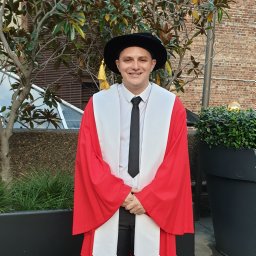 Kyle Bennett合作论文数Fac Hlth, Southern Cross Univ6
 Heidi R Thornton合作论文数6
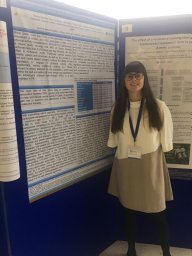 Bryna Chrismas合作论文数Department of Sport, Health and Exercise Science, University of Hull6
 Roxanne M Vogel合作论文数Metropolitan State University of Denver5Megan L R Ross合作论文数4
 Benjamin Peterson合作论文数School of Health, Medical and Applied Sciences, CQUniversity4
 Mitchell J Henderson合作论文数Sch Sport Exercise & Rehabil, Univ Technol Sydney UTS4
 Julien Periard合作论文数Research Institute for Sport and Exercise, University of Canberra4
 Job Fransen合作论文数Faculty of Medicine and Health Sciences, University of Ghent4Aaron J. Coutts合作论文数4Alex Lawrence合作论文数3Storme L Heathcote合作论文数3Nick Lumley合作论文数3
 Chris Esh合作论文数FIFA Med Ctr Excellence, Aspetar Orthoped & Sports Med Hosp3Hannah E. McGuigan合作论文数3Megan H Ross合作论文数3
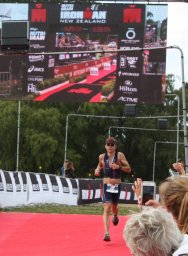 Plews Daniel J合作论文数High Performance Sport New Zealand, Millennium Institute of Sport and Health3Sculley Dean V合作论文数3Benjamin J Dascombe合作论文数2Brent S Vallance合作论文数2Kyndall P. Ramirez合作论文数2Frederic Garrandes合作论文数2Nicole L Varone合作论文数2
 Natalia Galan-Lopez合作论文数2Cayla Clark合作论文数2
 Russ Best合作论文数2
 Dean Sculley合作论文数2
 Matthew Pluss合作论文数Fac Hlth, Univ Technol Sydney2
 Toby Mundel合作论文数Sch Sport Exercise & Nutr, Massey Univ2
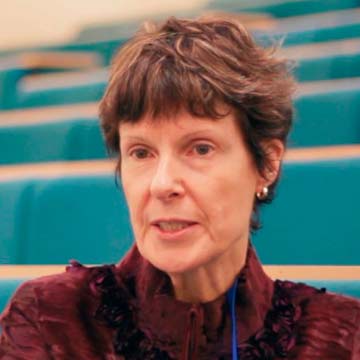 Louise Burke合作论文数Mary Mackillop Institute for Health Research, Australian Catholic University2Hacene Jake合作论文数2
 Adami Paolo Emilio合作论文数a Department of Physiology and Pharmacology "Vittorio Erspamer", Sapienza University of Rome;a Department of Physiology and Pharmacology "Vittorio Erspamer", Sapienza University of Rome2Laursen Paul B合作论文数2
 Hugh Dunstan合作论文数2
 Timothy K. Roberts合作论文数University of Newcastle2
 Gail Moloney合作论文数Southern Cross Univ2Johan Gottfries合作论文数2
 Nedeljka N Rosic合作论文数Global Change Institute, The University of Queensland2
 Michael Spittle合作论文数2
 Stephane Bermon合作论文数2
 Shi Zhou合作论文数School of Health and Human Sciences, Southern Cross University 2




