With growing understanding of complex biosynthetic pathways to natural products, mutasynthesis, which combines metabolic engineering with chemical synthesis, is becoming an increasingly important tool to produce novel compounds. Mupirocin, isolated from Pseudomonas fluorescens, is a mixture of pseudomonic acids (PAs) that exhibit antibiotic activity against Gram-positive bacteria including methicillin-resistant Staphylococcus aureus. We have developed a flexible approach, based on mutasynthesis, for the preparation of a library of novel PA analogues. The antimicrobial activities of the natural products and synthetic analogues were evaluated against Bacillus subtilis and four Staphylococcus aureus strains. Interestingly, one of the analogues retained antimicrobial activity in all the assays but lacked structural features that render PA-A unstable, that is, the 10,11-epoxide (replaced by an alkene) and ester linkage (replaced by a ketone). In addition, mutasynthesis allowed the preparation of an analogue of a key biosynthetic intermediate (desepoxy-PA-B) in which the C9 hydroxy fatty acid is replaced by a C7 analogue. Feeding studies with mutant strains of Pseudomonas fluorescens revealed that C7-desepoxy-PA-B was converted to the novel metabolite C7-PA-C with loss of the 8-hydroxyl group but with no extension to the C9 side chain.
The deep sea remains a major reservoir of underexplored microbial diversity and biosynthetic novelty. Here, we describe three bacterial species isolated from Atlantic sponges, including Stappia quadratibracata sp. nov., Bacillus crepusculi sp. nov., and Psychrobacter noctis sp. nov. Genome sequencing, phylogenomics, and phenotypic characterization confirmed their novelty and biosynthetic potential. A targeted 'One Strain Many Active Compounds' (OSMAC) screen revealed previously silent antibacterial activity from Stappia quadratibracata sp. nov., only when grown with the carbon source succinate. Metabolomics and molecular networking analysis indicated that this activity was attributable to an unstable thiazole alkaloid with spectral data closely related to, but distinct from, the epimeric siderophores agrochelin and massiliachelin. Spectroscopic studies, in tandem with comparative analysis of the biosynthetic gene cluster for this metabolite, are consistent with agrochelin II, a previously unreported thiazole alkaloid diastereoisomer. Agrochelin II exhibits iron-enhanced antibacterial activity against Staphylococcus aureus, underscoring the ecological role of iron acquisition in microbial competition. Our findings highlight the value of OSMAC-guided bioprospecting in uncovering antimicrobial metabolites from sponge-associated bacteria.IMPORTANCEBioactive microbial natural products remain the preeminent source of new lead compounds for drug development. Due to the increasingly high levels of strain and compound rediscovery from terrestrial environments, the deep-ocean is increasingly considered an attractive starting point for bioprospecting programs, which seek to isolate and characterize novel chemical scaffolds. Here, we use a combination of genomics, metabolomics, and chemical analysis, to establish the biosynthetic potential of three bacterial species isolated from deep-ocean Atlantic sponges and report the discovery and characterization of a new antimicrobial thiazole alkaloid, agrochelin II. Our findings demonstrate the usefulness of integrated cultivation-screening-metabolomics-genomics pipelines for microbial metabolite discovery and identify the genus Stappia as a hitherto neglected source of bioactive natural products.
Chlorothricin is a polyketide-derived natural product isolated from Streptomyces antibioticus. It possesses an elaborate pentacyclic aglycone core which incorporates a spirotetronic acid moiety, linked to a trans-decalin system, embedded within a macrocycle. Using synthetic substrate analogues and purified recombinant proteins, here we demonstrate that assembly of this scaffold proceeds via sequential biocatalytic Diels-Alder reactions, promoted by the enzymes ChlE3 and ChlL. Both Diels-Alderases exhibit sufficiently relaxed substrate selectivity to facilitate access to non-natural chlorothricin analogues via biotransformations. The X-ray crystal structure of ChlE3 reveals the molecular basis of decalin formation by this enzyme. Harnessing this enzymatic cascade in biocatalysis could provide a valuable biomimetic route to both natural and non-natural spirotetronates, and the work described herein lays the foundation for application of these enzymes in chemoenzymatic syntheses of complex products.
The structural diversity of bioactive natural products has stimulated significant interest from the scientific community for decades leading to in-depth knowledge of biosynthetic pathways as well as a vast collection of bio-inspired total syntheses of targets with varying degrees of complexity. Building on this foundation, there has been burgeoning interest in the discovery, development and application of biocatalysts for use in sustainable organic synthesis. This chapter discusses selected examples of the use of enzymes to catalyse ring-forming reactions giving carbocycles and nitrogen- and oxygen-heterocycles in the formal or total synthesis of natural products and pharmaceutically relevant compounds. These examples highlight the use of both wild-type and engineered enzymes with a range of substrates to create cyclic molecules often with exquisite selectivity.
The tetrodecamycins are tetracyclic natural products that exhibit potent antimicrobial activity against a multitude of drug-resistant pathogens. These compounds are structurally distinguished by the presence of a tetronate ring and trans-decalin with six contiguous asymmetric centres united by a seven-membered oxygen heterocycle. Herein we describe the first total synthesis of the antibiotic (-)-13-deoxytetrodecamycin. Our strategy is predicated on an enantioselective [4 + 2]-cycloaddition catalysed by the FAD-dependent Diels-Alderase TedJ, forming the trans-decalin with concomitant creation of two rings and four contiguous stereocenters with exquisite selectivity under mild conditions. In complementary studies, in vitro enzyme assays, X-ray crystallography and computational modelling are used to provide molecular insights into the TedJ catalysed reaction. These studies illustrate the power of adopting a chemoenzymatic approach for the enantioselective synthesis of a target compound which would be difficult to achieve using non-biological methods and provide a practical demonstration of the use of Diels-Alder biocatalysts in total synthesis. This approach has potentially widespread value in the global challenge of discovery and development of new antibiotics.
Maleidrides are a family of polyketide-derived natural products isolated from filamentous fungi, that can exhibit significant bioactivities. These compounds are classified according to the size of their central carbocyclic ring, to which one or more maleic anhydride moieties are attached. The studies described herein provide important insights into maleidride biosynthesis, in particular the pathways to the nonadrides scytalidin and castaneiolide, and the octadride zopfiellin. We propose a supportive role for isochorismatase-like enzymes, which are commonly encoded within maleidride biosynthetic gene clusters, in facilitating α-ketoglutarate dependent dioxygenase-mediated catalysis. This is evidenced by gene deletions as well as enzyme assays, for two maleidride biosynthetic pathways: that of zopfiellin, from Diffractella curvata; and of scytalidin, from Scytalidium album. These experiments collectively underscore the significance of the isochorismatase-like enzymes in the catalytic process of α-ketoglutarate dependent dioxygenases. Feeding studies with either scytalidin or an unsaturated analogue to D. curvata ΔzopPKS both gave the 5,6-diol, castaneiolide and the structure was confirmed by NMR and X-ray crystallography. Furthermore, a putative biosynthetic gene cluster for castaneiolide biosynthesis was identified from a de novo genome assembly of the native producer, Macrophoma castaneicola.
Here, we report the resequencing, assembly, and annotation of two actinomycete genomes containing abyssomicin gene clusters. Kutzneria buriramensis DSM 45791 with a circular chromosome of 11,681,598 bp and 4 circular plasmids (14,175-207,548 bp) and Streptomyces sp. NL15-2K with a 12,368,159 bp linear genome and circular plasmid (11,584 bp).
Bongkrekic acid is a potent respiratory toxin which inhibits the mitochondrial ATP/ADP carrier protein. The polyketide synthase that biosynthesises bongkrekic acid recruits a discrete cassette of β-branching enzymes (BonF-BonI) to install two distinct β-branches: an endo-β-methyl branch in module 1, and a carboxymethyl β-branch in module 11. Both β-branches contribute to specific interactions with bongkrekic acid's biological target. However, a critical component of the β-branching cassette, the donor acyl carrier protein (ACPD), has not been identified in previous studies. Furthermore for the module 11 carboxymethyl β-branch to be retained, conversion to an endo-β-methyl branch via the enoyl-coenzyme A hydratase (ECH), BonI, must be avoided. The mechanistic basis for these divergent β-branching pathways is poorly understood, both in the bongkrekic acid biosynthetic pathway and more generally where it arises in polyketide biosynthesis. Here, we confirm the roles of BonF-BonI by reconstituting β-branching in modules 1 and 11 in vitro and uncover the previously unannotated ACPD, BonN, to complete the β-branching cassette. We further demonstrate promiscuous BonI interactions with both module 1 and 11 ACPs that confounds simple ACP selectivity arguments for carboxymethyl β-branch versus endo-β-methyl branch installation, suggesting that this is instead regulated by a complex interplay between substrate and kinetic control.
Sorangium cellulosum is a cellulolytic myxobacterium that produces a vast array of complex natural products with diverse chemical scaffolds and biological activities. However, biosynthetic investigations of these metabolites have been hindered by the scarcity of genetic manipulation tools available for their producing microorganisms. Here, we develop an efficient electroporation method for transforming foreign DNA into various Sorangium strains, enabling effective genetic engineering via homologous recombination. This facilitates delineation of the biosynthetic pathway to ambruticin, unveiling several previously undisclosed steps. Notably, AmbK is identified as the elusive epoxide hydrolase responsible for the formation of the tetrahydropyran ring during post-polyketide synthase (PKS) modification, while the terminal PKS module AmbH is shown to catalyse dual rounds of chain elongation during polyketide assembly. Our findings provide significant insights into the intricate molecular machinery governing myxobacterial natural product biosynthesis and greatly enhance our ability to further engineer Sorangium strains to unlock their biosynthetic potentials.
The molecular origins of stereoselectivity in enzyme catalysed Diels–Alder reactions in abyssomicin biosynthesis are determined and spirotetronates prepared with the creation of 3 new stereocentres.
The Diels-Alder reaction is one of the most effective methods for the synthesis of substituted cyclohexenes. The development of protein catalysts for this reaction remains a major priority, affording new sustainable routes to high value target molecules. Whilst a small number of natural enzymes have been shown capable of catalysing [4+2] cycloadditions, there is a need for significant mechanistic understanding of how these prospective Diels-Alderases promote catalysis to underpin their development as biocatalysts for use in synthesis. Here we present a molecular description of the complete reaction cycle of the bona fide natural Diels-Alderase AbyU, which catalyses formation of the spirotetronate skeleton of the antibiotic abyssomicin C. This description is derived from X-ray crystallographic studies of AbyU in complex with a non-transformable synthetic substrate analogue, together with transient kinetic analyses of the AbyU catalysed reaction and computational reaction simulations. These studies reveal the mechanistic intricacies of this enzyme system and establish a foundation for the informed reengineering of AbyU and related biocatalysts.
The ambruticins are a family of potent antifungal polyketide derived natural products isolated from the myxobacterium Sorangium cellulosum. Their unusual structures include a trisubstituted cyclopropyl group and two oxygen heterocycles, a tetrahydropyran (THP) and dihydropyran (DHP). Herein we report a flexible modular approach for the total synthesis of ambruticins which is used to prepare ambruticins F and S as well as in the first total synthesis of 20,21-dihydroambruticin F. The flexible strategy unites 3 fragments via Julia-Kocienski olefinations and provides important standards for investigation of dihydropyran formation in ambruticin biosynthesis. Cultures of wild-type S. cellulosum So ce10 produce mainly ambruticin S and the VS series of metabolites. An efficient electroporation method enabled gene knockout experiments which revealed that the ΔambP-S mutant of S. cellulosum accumulated the bisTHP polyketide 20,21-dihydroambruticin F. In contrast, the ΔambN-S mutant gave ambruticin F with the 20,21-alkene as the major metabolite confirming that AmbP and AmbO (a Rieske enzyme and flavin-dependent monooxygenase respectively) are implicated in 20,21-alkene formation. The results of feeding studies to a Sorangium strain containing only ambP and ambO are in accord with formation of the 20,21-alkene occurring prior to generation of the C3 to C7 dihydroxylated tetrahydropyran in ambruticin biosynthesis.
The leinamycin family of polyketides are promising antitumor antibiotics, yet several aspects of their biosynthesis remain elusive. All leinamycin family members bear a sulfur-containing moiety which is essential for the anticancer activity exhibited by leinamycin. The key building blocks required for the incorporation of these functionalities are introduced in the final module of the polyketide synthase (PKS), which elegantly combines β-branching and thiocysteine incorporation to generate a diverse library of sulfur-based molecular scaffolds. Two acyl carrier proteins (ACPs) form a key didomain component of this module, but their amino acid sequence divergence has brought into question the common notion of functional equivalence. Here, we provide unprecedented functional evidence that these tandem ACPs play distinct roles in the final module of polyketide assembly. Using the weishanmycin biosynthetic pathway as a template, the in vitro reconstitution of key polyketide chain extension and β-branching steps in this module has revealed strict functional selectivity for a single ACP. Furthermore, we propose a cryptic transacylation step must occur prior to polyketide off-loading and cyclization. Altogether, these mechanistic investigations suggest that an atypical in-series mechanism underpins sulfur incorporation in the leinamycin family, and provides significant progress towards delineating their late-stage assembly.
The delineation of the complex biosynthesis of the potent antibiotic mupirocin, which consists of a mixture of pseudomonic acids (PAs) isolated from Pseudomonas fluorescens NCIMB 10586, presents significant challenges, and the timing and mechanisms of several key transformations remain elusive. Particularly intriguing are the steps that process the linear backbone from the initial polyketide assembly phase to generate the first cyclic intermediate PA-B. These include epoxidation as well as incorporation of the tetrahydropyran (THP) ring and fatty acid side chain required for biological activity. Herein, we show that the mini-module MmpE performs a rare online (ACP-substrate) epoxidation and is integrated ('in-cis') into the polyketide synthase via a docking domain. A linear polyketide fragment with six asymmetric centres was synthesised using a convergent approach and used to demonstrate substrate flux via an atypical KS0 and a previously unannotated ACP (MmpE_ACP). MmpE_ACP-bound synthetic substrates were critical in demonstrating successful epoxidation in vitro by the purified MmpE oxidoreductase domain. Alongside feeding studies, these results confirm the timing as well as chain length dependence of this selective epoxidation. These mechanistic studies pinpoint the location and nature of the polyketide substrate prior to the key formation of the THP ring and esterification that generate PA-B.
After publication of this article [...].
Covering: up to early 2022 Maleidrides are a family of polyketide-based dimeric natural products isolated from fungi. Many maleidrides possess significant bioactivities, making them attractive pharmaceutical or agrochemical lead compounds. Their unusual biosynthetic pathways have fascinated scientists for decades, with recent advances in our bioinformatic and enzymatic understanding providing further insights into their construction. However, many intriguing questions remain, including exactly how the enzymatic dimerisation, which creates the diverse core structure of the maleidrides, is controlled. This review will explore the literature from the initial isolation of maleidride compounds in the 1930s, through the first full structural elucidation in the 1960s, to the most recent in vivo, in vitro, and in silico analyses.
AbstractMupirocin is a clinically important antibiotic produced by a trans‐AT Type I polyketide synthase (PKS) in Pseudomonas fluorescens. The major bioactive metabolite, pseudomonic acid A (PA−A), is assembled on a tetrasubstituted tetrahydropyran (THP) core incorporating a 6‐hydroxy group proposed to be introduced by α‐hydroxylation of the thioester of the acyl carrier protein (ACP) bound polyketide chain. Herein, we describe an in vitro approach combining purified enzyme components, chemical synthesis, isotopic labelling, mass spectrometry and NMR in conjunction with in vivo studies leading to the first characterisation of the α‐hydroxylation bimodule of the mupirocin biosynthetic pathway. These studies reveal the precise timing of hydroxylation by MupA, substrate specificity and the ACP dependency of the enzyme components that comprise this α‐hydroxylation bimodule. Furthermore, using purified enzyme, it is shown that the MmpA KS0 shows relaxed substrate specificity, suggesting precise spatiotemporal control of in trans MupA recruitment in the context of the PKS. Finally, the detection of multiple intermodular MupA/ACP interactions suggests these bimodules may integrate MupA into their assembly.
Stereoselective carbon-carbon bond forming reactions are quintessential transformations in organic synthesis. One example is the Diels-Alder reaction, a [4+2] cycloaddition between a conjugated diene and a dienophile to form cyclohexenes. The development of biocatalysts for this reaction is paramount for unlocking sustainable routes to a plethora of important molecules. To obtain a comprehensive understanding of naturally evolved [4+2] cyclases, and to identify hitherto uncharacterised biocatalysts for this reaction, we constructed a library comprising forty-five enzymes with reported or predicted [4+2] cycloaddition activity. Thirty-one library members were successfully produced in recombinant form. In vitro assays employing a synthetic substrate incorporating a diene and a dienophile revealed broad-ranging cycloaddition activity amongst these polypeptides. The hypothetical protein Cyc15 was found to catalyse an intramolecular cycloaddition to generate a novel spirotetronate. The crystal structure of this enzyme, along with docking studies, establishes the basis for stereoselectivity in Cyc15, as compared to other spirotetronate cyclases.
Pleuromutilin is an antibiotic diterpenoid made by Clitopilus passeckerianus and related fungi, and it is the progenitor of a growing class of semi-synthetic antibiotics used in veterinary and human medicine. To harness the biotechnological potential of this natural product class, a full understanding of its biosynthetic pathway is essential. Previously, a linear pathway for pleuromutilin biosynthesis was established. Here we report two shunt pathways involving Pl-sdr and Pl-atf that were identified through the rational heterologous expression of combinations of pleuromutilin biosynthetic genes in Aspergillus oryzae. Three novel pleuromutilin congeners were isolated, and their antimicrobial activity was investigated, alongside that of an additional derivative produced through a semi-synthetic approach. It was observed that the absence of various functional groups - 3 ketone, 11 hydroxyl group or 21 ketone - from the pleuromutilin framework affected the antibacterial activity of pleuromutilin congeners. This study expands our knowledge on the biosynthesis of pleuromutilin and provides avenues for the development of novel pleuromutilin analogues by combining synthetic biology and synthetic chemistry.
 Thomas James Simpson合作论文数58
 Matthew P. Crump合作论文数39Race Paul R合作论文数37
 Russell J. Cox合作论文数Institute of Organic Chemistry, Faculty of Natural Sciences, Leibniz University Hannover26
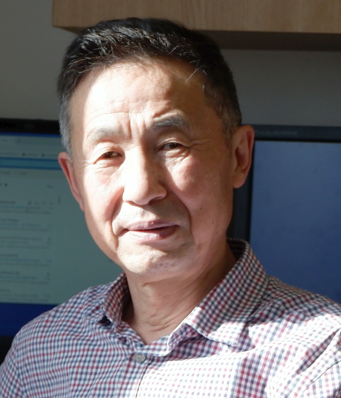 Zhongshu Song (宋中枢)合作论文数School of Chemistry, University of Bristol22
 Luoyi Wang (王罗医)合作论文数Institute of Microbiology, Chinese Academy of Sciences;University of Chinese Academy of Sciences20
 Andrew Sutherland合作论文数School of Chemistry, University of Glasgow20
 Jake MacMillan合作论文数School of Chemistry, University of Bristol19
 John Crosby合作论文数17John R. Harding合作论文数17Joanne Hothersall合作论文数16Andrew M Bailey合作论文数Univ Bristol, Sch Biol Sci, Bristol BS8 1UG, Avon, England16Christopher Williams合作论文数16
 Chris Thomas合作论文数Department of Genetics, School of Biosciences, University of Birmingham14
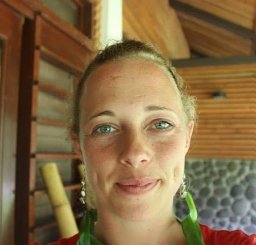 Kate de Mattos-Shipley合作论文数12
 Katherine Williams合作论文数12James E. M. Stach合作论文数12
 Marc van der Kamp合作论文数11Martin Penny合作论文数11Jason L Vincent合作论文数10
 James R. Hanson合作论文数Department of Chemistry, University of Sussex10Lawrie Kenneth合作论文数10Nicholas P Mulholland合作论文数9Catherine R Back合作论文数9
 Michael Beale合作论文数Rothamsted Research9Paul Gaskin合作论文数9
 Nick Bushby合作论文数9
 Nicholas R Lees合作论文数Department of Chemistry, King's College London8Ashley J Winter合作论文数8
 Martin A Hayes合作论文数8
 Li-Chen Han合作论文数8
 William J.S. Lockley合作论文数8Jonathan A. Davies合作论文数7Christopher D. Bailey合作论文数7Agnieszka J Szwalbe合作论文数7Paul D Walker合作论文数7
 Angus Weir合作论文数Sch Chem, Univ Bristol7
 Murphy Annabel C合作论文数Department of Chemistry, University of Canterbury7
 Craig Butts合作论文数School of Chemistry, University of Bristol7Jien Wu合作论文数7Keith P. Parry合作论文数7Anqi Chen合作论文数Xiamen University, Xiamen University7
 Sam E Williams合作论文数School of Biochemistry, University of Bristol6William J Kerr合作论文数6
 Jim Reid合作论文数School of Biological Sciences, University of Tasmania6Stephens Elton R合作论文数6
 Byrne Matthew J合作论文数6




