The pervasive environmental dispersal of glyphosate has established this herbicide as a dominant anthropogenic xenobiotic, necessitating advanced bioremediation strategies to restore soil integrity. This study assessed the bioremediation efficacy of biosurfactants produced by Serratia ureilytica BM01-BS in glyphosate-contaminated soils, establishing their adsorption dynamics and ecotoxicological safety. The strain S. ureilytica BM01-BS gave a biosurfactant yield of 3.7 g·L−1 with promising surface properties, utilizing babassu (Attalea speciosa) waste as the sole nutrient source. Whole-Genome Sequencing and Biosynthetic Gene Cluster mining identified a Nonribosomal Peptide Synthetase cluster homologous to rhizomide-type lipopeptides responsible for biosurfactant production. Bioremediation assays in glyphosate-contaminated soils demonstrated a removal efficiency exceeding 95% in approximately 60 min, outperforming the synthetic surfactant SDS (20–30% efficiency). Kinetic and isothermal modeling suggest that the bioremediation process is governed by chemisorption, adhering to a pseudo-second-order model (R2 = 0.998) with a maximum adsorption capacity of 845 µg·kg−1. Fourier-Transform Infrared spectroscopy confirmed that the biosurfactant effectively removes glyphosate and restores the soil’s mineral integrity, as evidenced by the complete disappearance of glyphosate-associated phosphonic and carboxylic bands. Ecotoxicological assessments verified the environmental safety of the bioremediation process. These findings position the BM01-BS biosurfactant as a sustainable, biodiversity-based adjuvant for enhancing ecological resilience in glyphosate-impacted landscapes.
With growing understanding of complex biosynthetic pathways to natural products, mutasynthesis, which combines metabolic engineering with chemical synthesis, is becoming an increasingly important tool to produce novel compounds. Mupirocin, isolated from Pseudomonas fluorescens, is a mixture of pseudomonic acids (PAs) that exhibit antibiotic activity against Gram-positive bacteria including methicillin-resistant Staphylococcus aureus. We have developed a flexible approach, based on mutasynthesis, for the preparation of a library of novel PA analogues. The antimicrobial activities of the natural products and synthetic analogues were evaluated against Bacillus subtilis and four Staphylococcus aureus strains. Interestingly, one of the analogues retained antimicrobial activity in all the assays but lacked structural features that render PA-A unstable, that is, the 10,11-epoxide (replaced by an alkene) and ester linkage (replaced by a ketone). In addition, mutasynthesis allowed the preparation of an analogue of a key biosynthetic intermediate (desepoxy-PA-B) in which the C9 hydroxy fatty acid is replaced by a C7 analogue. Feeding studies with mutant strains of Pseudomonas fluorescens revealed that C7-desepoxy-PA-B was converted to the novel metabolite C7-PA-C with loss of the 8-hydroxyl group but with no extension to the C9 side chain.
The deep sea remains a major reservoir of underexplored microbial diversity and biosynthetic novelty. Here, we describe three bacterial species isolated from Atlantic sponges, including Stappia quadratibracata sp. nov., Bacillus crepusculi sp. nov., and Psychrobacter noctis sp. nov. Genome sequencing, phylogenomics, and phenotypic characterization confirmed their novelty and biosynthetic potential. A targeted 'One Strain Many Active Compounds' (OSMAC) screen revealed previously silent antibacterial activity from Stappia quadratibracata sp. nov., only when grown with the carbon source succinate. Metabolomics and molecular networking analysis indicated that this activity was attributable to an unstable thiazole alkaloid with spectral data closely related to, but distinct from, the epimeric siderophores agrochelin and massiliachelin. Spectroscopic studies, in tandem with comparative analysis of the biosynthetic gene cluster for this metabolite, are consistent with agrochelin II, a previously unreported thiazole alkaloid diastereoisomer. Agrochelin II exhibits iron-enhanced antibacterial activity against Staphylococcus aureus, underscoring the ecological role of iron acquisition in microbial competition. Our findings highlight the value of OSMAC-guided bioprospecting in uncovering antimicrobial metabolites from sponge-associated bacteria.IMPORTANCEBioactive microbial natural products remain the preeminent source of new lead compounds for drug development. Due to the increasingly high levels of strain and compound rediscovery from terrestrial environments, the deep-ocean is increasingly considered an attractive starting point for bioprospecting programs, which seek to isolate and characterize novel chemical scaffolds. Here, we use a combination of genomics, metabolomics, and chemical analysis, to establish the biosynthetic potential of three bacterial species isolated from deep-ocean Atlantic sponges and report the discovery and characterization of a new antimicrobial thiazole alkaloid, agrochelin II. Our findings demonstrate the usefulness of integrated cultivation-screening-metabolomics-genomics pipelines for microbial metabolite discovery and identify the genus Stappia as a hitherto neglected source of bioactive natural products.
The deep ocean is amongst the most inhospitable environments on Earth. Microbial inhabitants of this niche frequently possess evolutionary adaptations that facilitate their survival under extremes of pressure, temperature, pH and nutrient deprivation. These characteristic features have historically positioned marine extremophiles as intriguing targets for study as proxies for extraterrestrial life. More recently, however, driven by a growing enthusiasm for the pursuit of increasingly ambitious and complex space exploration missions, researchers have begun to explore the usefulness of these microorganisms as biotechnological enablers of long-duration space travel. Marine extremophiles offer the potential to provide resource efficient solutions to waste management and recycling, energy generation, food production and materials manufacturing, amongst others. An increasing body of evidence is beginning to emerge in support of the benefits of integrating marine extremophiles into mission architectures, though technical challenges remain. This review explores the convergence of marine extremophile research and astrobiology, with a specific focus on the development of biotechnological solutions for sustained space exploration and culminates in the forecasting of potential future trajectories for this nascent interdisciplinary field.
Chlorothricin is a polyketide-derived natural product isolated from Streptomyces antibioticus. It possesses an elaborate pentacyclic aglycone core which incorporates a spirotetronic acid moiety, linked to a trans-decalin system, embedded within a macrocycle. Using synthetic substrate analogues and purified recombinant proteins, here we demonstrate that assembly of this scaffold proceeds via sequential biocatalytic Diels-Alder reactions, promoted by the enzymes ChlE3 and ChlL. Both Diels-Alderases exhibit sufficiently relaxed substrate selectivity to facilitate access to non-natural chlorothricin analogues via biotransformations. The X-ray crystal structure of ChlE3 reveals the molecular basis of decalin formation by this enzyme. Harnessing this enzymatic cascade in biocatalysis could provide a valuable biomimetic route to both natural and non-natural spirotetronates, and the work described herein lays the foundation for application of these enzymes in chemoenzymatic syntheses of complex products.
The tetrodecamycins are tetracyclic natural products that exhibit potent antimicrobial activity against a multitude of drug-resistant pathogens. These compounds are structurally distinguished by the presence of a tetronate ring and trans-decalin with six contiguous asymmetric centres united by a seven-membered oxygen heterocycle. Herein we describe the first total synthesis of the antibiotic (-)-13-deoxytetrodecamycin. Our strategy is predicated on an enantioselective [4 + 2]-cycloaddition catalysed by the FAD-dependent Diels-Alderase TedJ, forming the trans-decalin with concomitant creation of two rings and four contiguous stereocenters with exquisite selectivity under mild conditions. In complementary studies, in vitro enzyme assays, X-ray crystallography and computational modelling are used to provide molecular insights into the TedJ catalysed reaction. These studies illustrate the power of adopting a chemoenzymatic approach for the enantioselective synthesis of a target compound which would be difficult to achieve using non-biological methods and provide a practical demonstration of the use of Diels-Alder biocatalysts in total synthesis. This approach has potentially widespread value in the global challenge of discovery and development of new antibiotics.
The onset of the Fourth Industrial Revolution has catalysed a fundamental shift in how research within the molecular life sciences is approached and undertaken. Over the past decade, a multitude of nascent enabling technologies have progressed to maturity and have become irreversibly embedded in laboratory practice. Artificial intelligence (AI) has become a mainstay within the molecular sciences, facilitating major advances across a multitude of sub-disciplines, including synthetic biology, industrial biotechnology and drug discovery. One area where this impact is being particularly felt is within multi-omics, where the marriage of AI with low-cost high-throughput sequencing is delivering unprecedented advances, allowing large and often complex datasets to be deconvoluted on timescales previously considered unimaginable. In this mini-review, we outline how the integration of AI into multi-omics has been realised and forecast future trajectories for research in this important area.
Many proteins harbor covalent intramolecular bonds that enhance their stability and resistance to thermal, mechanical, and proteolytic insults. Intramolecular isopeptide bonds represent one such covalent interaction, yet their distribution across protein domains and organisms has been largely unexplored. Here, we sought to address this by employing a large-scale prediction of intramolecular isopeptide bonds in the AlphaFold database using the structural template-based software Isopeptor. Our findings reveal an extensive phyletic distribution in bacterial and archaeal surface proteins resembling fibrillar adhesins and pilins. All identified intramolecular isopeptide bonds are found in two structurally distinct folds, CnaA-like or CnaB-like, from a relatively small set of related Pfam families, including 10 novel families that we predict to contain intramolecular isopeptide bonds. One CnaA-like domain of unknown function, DUF11 (renamed here to "CLIPPER") is broadly distributed in cell-surface proteins from Gram-positive bacteria, Gram-negative bacteria, and archaea, and is structurally and biophysically characterized in this work. Using x-ray crystallography, we resolve a CLIPPER domain from a Gram-negative fibrillar adhesin that contains an intramolecular isopeptide bond and further demonstrate that it imparts thermostability and resistance to proteolysis. Our findings demonstrate the extensive distribution of intramolecular isopeptide bond-containing protein domains in nature and structurally resolve the previously cryptic CLIPPER domain.
Here, we report the resequencing, assembly, and annotation of two actinomycete genomes containing abyssomicin gene clusters. Kutzneria buriramensis DSM 45791 with a circular chromosome of 11,681,598 bp and 4 circular plasmids (14,175-207,548 bp) and Streptomyces sp. NL15-2K with a 12,368,159 bp linear genome and circular plasmid (11,584 bp).
The molecular origins of stereoselectivity in enzyme catalysed Diels–Alder reactions in abyssomicin biosynthesis are determined and spirotetronates prepared with the creation of 3 new stereocentres.
Methanogenic archaea are chemolithotrophic prokaryotes that can reduce carbon dioxide with hydrogen gas to form methane. These microorganisms make a significant contribution to the global carbon cycle, with methanogenic archaea from anoxic environments estimated to contribute > 500 million tons of global methane annually. Archaeal methanogenesis is dependent on the methanofurans; aminomethylfuran containing coenzymes that act as the primary C1 acceptor molecule during carbon dioxide fixation. Although the biosynthetic pathway to the methanofurans has been elucidated, structural adaptations which confer thermotolerance to Mfn enzymes from extremophilic archaea are yet to be investigated. Here we focus on the methanofuran biosynthetic enzyme MfnB, which catalyses the condensation of two molecules of glyceralde-3-phosphate to form 4‑(hydroxymethyl)-2-furancarboxaldehyde-phosphate. In this study, MfnB enzymes from the hyperthermophile Methanocaldococcus jannaschii and the mesophile Methanococcus maripaludis have been recombinantly overexpressed and purified to homogeneity. Thermal unfolding studies, together with steady-state kinetic assays, demonstrate thermoadaptation in the M. jannaschii enzyme. Molecular dynamics simulations have been used to provide a structural explanation for the observed properties. These reveal a greater number of side chain interactions in the M. jannaschii enzyme, which may confer protection from heating effects by enforcing spatial residue constraints.
Sponges (phylum Porifera) harbour specific microbial communities that drive the ecology and evolution of the host. Understanding the structure and dynamics of these communities is emerging as a primary focus in marine microbial ecology research. Much of the work to date has focused on sponges from warm and shallow coastal waters, while sponges from the deep ocean remain less well studied. Here, we present a metataxonomic analysis of the microbial consortia associated with 23 individual deep-sea sponges. We identify a high abundance of archaea relative to bacteria across these communities, with certain sponge microbiomes comprising more than 90 % archaea. Specifically, the archaeal family Nitrosopumilaceae is prolific, comprising over 99 % of all archaeal reads. Our analysis revealed that sponge microbial communities reflect the host sponge phylogeny, indicating a key role for host taxonomy in defining microbiome composition. Our work confirms the contribution of both evolutionary and environmental processes to the composition of microbial communities in deep-sea sponges.
The Diels-Alder reaction is one of the most effective methods for the synthesis of substituted cyclohexenes. The development of protein catalysts for this reaction remains a major priority, affording new sustainable routes to high value target molecules. Whilst a small number of natural enzymes have been shown capable of catalysing [4+2] cycloadditions, there is a need for significant mechanistic understanding of how these prospective Diels-Alderases promote catalysis to underpin their development as biocatalysts for use in synthesis. Here we present a molecular description of the complete reaction cycle of the bona fide natural Diels-Alderase AbyU, which catalyses formation of the spirotetronate skeleton of the antibiotic abyssomicin C. This description is derived from X-ray crystallographic studies of AbyU in complex with a non-transformable synthetic substrate analogue, together with transient kinetic analyses of the AbyU catalysed reaction and computational reaction simulations. These studies reveal the mechanistic intricacies of this enzyme system and establish a foundation for the informed reengineering of AbyU and related biocatalysts.
After publication of this article [...].
AbstractMupirocin is a clinically important antibiotic produced by a trans‐AT Type I polyketide synthase (PKS) in Pseudomonas fluorescens. The major bioactive metabolite, pseudomonic acid A (PA−A), is assembled on a tetrasubstituted tetrahydropyran (THP) core incorporating a 6‐hydroxy group proposed to be introduced by α‐hydroxylation of the thioester of the acyl carrier protein (ACP) bound polyketide chain. Herein, we describe an in vitro approach combining purified enzyme components, chemical synthesis, isotopic labelling, mass spectrometry and NMR in conjunction with in vivo studies leading to the first characterisation of the α‐hydroxylation bimodule of the mupirocin biosynthetic pathway. These studies reveal the precise timing of hydroxylation by MupA, substrate specificity and the ACP dependency of the enzyme components that comprise this α‐hydroxylation bimodule. Furthermore, using purified enzyme, it is shown that the MmpA KS0 shows relaxed substrate specificity, suggesting precise spatiotemporal control of in trans MupA recruitment in the context of the PKS. Finally, the detection of multiple intermodular MupA/ACP interactions suggests these bimodules may integrate MupA into their assembly.
Stereoselective carbon-carbon bond forming reactions are quintessential transformations in organic synthesis. One example is the Diels-Alder reaction, a [4+2] cycloaddition between a conjugated diene and a dienophile to form cyclohexenes. The development of biocatalysts for this reaction is paramount for unlocking sustainable routes to a plethora of important molecules. To obtain a comprehensive understanding of naturally evolved [4+2] cyclases, and to identify hitherto uncharacterised biocatalysts for this reaction, we constructed a library comprising forty-five enzymes with reported or predicted [4+2] cycloaddition activity. Thirty-one library members were successfully produced in recombinant form. In vitro assays employing a synthetic substrate incorporating a diene and a dienophile revealed broad-ranging cycloaddition activity amongst these polypeptides. The hypothetical protein Cyc15 was found to catalyse an intramolecular cycloaddition to generate a novel spirotetronate. The crystal structure of this enzyme, along with docking studies, establishes the basis for stereoselectivity in Cyc15, as compared to other spirotetronate cyclases.
Bacterial fibrillar adhesins are specialized extracellular polypeptides that promote the attachment of bacteria to the surfaces of other cells or materials. Adhesin-mediated interactions are critical for the establishment and persistence of stable bacterial populations within diverse environmental niches and are important determinants of virulence. The fibronectin (Fn)-binding fibrillar adhesin CshA, and its paralogue CshB, play important roles in host colonization by the oral commensal and opportunistic pathogen Streptococcus gordonii. As paralogues are often catalysts for functional diversification, we have probed the early stages of structural and functional divergence in Csh proteins by determining the X-ray crystal structure of the CshB adhesive domain NR2 and characterizing its Fn-binding properties in vitro. Despite sharing a common fold, CshB_NR2 displays an ~1.7-fold reduction in Fn-binding affinity relative to CshA_NR2. This correlates with reduced electrostatic charge in the Fn-binding cleft. Complementary bioinformatic studies reveal that homologues of CshA/B_NR2 domains are widely distributed in both Gram-positive and Gram-negative bacteria, where they are found housed within functionally cryptic multi-domain polypeptides. Our findings are consistent with the classification of Csh adhesins and their relatives as members of the recently defined polymer adhesin domain (PAD) family of bacterial proteins.
The deep sea is known to host novel bacteria with the potential to produce a diverse array of undiscovered natural products. Thus, understanding these bacteria is of broad interest in ecology and could also underpin applied drug discovery, specifically in the area of antimicrobials. Here, we isolate a new strain of Streptomyces from the tissue of the deep -sea sponge Polymastia corticata collected at a depth of 1869 m from the Gramberg Seamount in the Atlantic Ocean. This strain, which was given the initial designation A15ISP2-DRY2T, has a genome size of 9.29 Mb with a G+C content of 70.83 mol%. Phylogenomics determined that A15ISP2-DRY2T represents a novel species within the genus Streptomyces as part of the Streptomyces aurantiacus clade. The biosynthetic potential of A15ISP2- DRY2T was assessed relative to other members of the S. aurantiacus clade via comparative gene cluster family (GCF) analysis. This revealed a clear congruent relationship between phylogeny and GCF content. A15ISP2-DRY2T contains six unique GCFs absent elsewhere in the clade. Culture -based assays were used to demonstrate the antibacterial activity of A15ISP2- DRY2T against two drug-resistant human pathogens. Thus, we determine A15ISP2- DRY2T to be a novel bacterial species with considerable biosynthetic potential and propose the systematic name 'Streptomyces ortus' sp. nov.
 Christine L. Willis合作论文数36Matthew P. Crump合作论文数19James E. M. Stach合作论文数17Catherine R Back合作论文数15
 Luoyi Wang (王罗医)合作论文数Institute of Microbiology, Chinese Academy of Sciences;University of Chinese Academy of Sciences13
 Marc van der Kamp合作论文数12
 Zhongshu Song (宋中枢)合作论文数School of Chemistry, University of Bristol10
 Paul Curnow合作论文数10
 Sam E Williams合作论文数School of Biochemistry, University of Bristol9
 Alice Elizabeth Parnell合作论文数Univ Southampton, Dept Chem, Southampton SO17 1BJ, Hants, England9
 Nicholas R Lees合作论文数Department of Chemistry, King's College London8Christopher Williams合作论文数8
 Byrne Matthew J合作论文数7
 Mark Banfield合作论文数John Innes Centre7Marisa Till合作论文数6Paul D Walker合作论文数6
 Thomas James Simpson合作论文数6
 Martin A Hayes合作论文数6
 Katja Zorn合作论文数5
 Rob Barringer合作论文数5Sbusisiwe Z. Mbatha合作论文数5Henry L Stennett合作论文数5
 Angus Weir合作论文数Sch Chem, Univ Bristol5Ashley J Winter合作论文数5Jenkinson Howard F合作论文数5
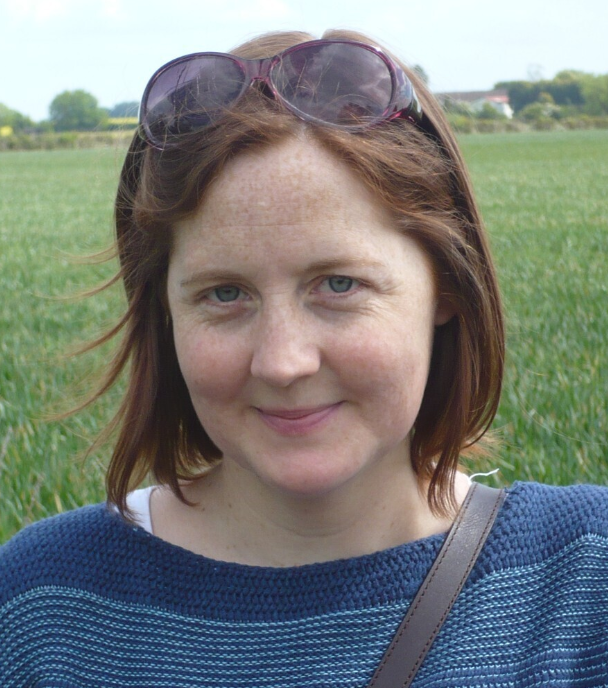 Angela Nobbs合作论文数Bristol Dental School, University of Bristol5
 Li-Chen Han合作论文数5
 Steven G Burston合作论文数5Jonathan A. Davies合作论文数4C.R. Back合作论文数4
 Katharine Hendry合作论文数University of Bristol4
 Richard Lewis合作论文数Institute for Molecular Bioscience, University of Queensland;School of Biomedical Sciences, Faculty of Medicine, University of Queensland4Judith Mantell合作论文数4Jorge Ojeda Gomez合作论文数3Olivier Delumeau合作论文数3Laurence Maschio合作论文数3
 Shushan Gao (高书山)合作论文数Tianjin Institute of Industrial Biotechnology, Chinese Academy of Sciences;University of Chinese Academy of Sciences3James W Murray合作论文数3Joanne Hothersall合作论文数3Alice Robson合作论文数3Andrew Devine合作论文数3
 Maureen Quin合作论文数3
 Joseph Newman合作论文数3
 Marles-Wright Jon合作论文数Struct Biol Lab, Univ Newcastle3Firbank Susan J合作论文数3
 Adrian J Mulholland合作论文数School of Chemistry, University of Bristol3
 Kavita Tiwari合作论文数School of Biotechnology, Guru Gobind Singh Indraprastha University3
 Jack Andrew Connolly合作论文数*Institute of Microbiology and Infection, University of Birmingham3




