Photoaffinity (PA)-based chemoproteomic methods have emerged as a powerful means for proteome-wide mapping of ligandable proteins directly in cells, as well as the concatenated discovery of small molecule chemical probes. However, due to the relatively low throughput of screening small molecule libraries by proteomics and the synthetic burden incurred in installing the requisite photoactivatable functionality on each member, great priority must be placed on library design to maximize efficient exploration of biologically relevant chemical space and to ensure the identification of authentic binding interactions. To address this challenge, here we leverage the inherent complexity of natural products (NPs) to access a structurally unique series of diastereo/regioisomeric PA probes for ligand discovery in cells. Through semi-synthesis, we exploit sp3-rich NP scaffolds and employ mass spectrometry (MS)-based chemoproteomics to identify and quantify their interactions in human cells, uncovering topology, regio-, and stereoselective ligands for functionally diverse proteins that currently lack reported chemical probes. Collectively, our findings highlight the potential of NP-inspired chemoproteomic libraries to expand the boundaries of the ligandable proteome.
Targeted protein degradation (TPD) is an emergent therapeutic strategy with the potential to circumvent challenges associated with targets unamenable to conventional pharmacological inhibition. Among TPD approaches, proteolysis-targeting chimeras (PROTACs) have shown marked advancement, with numerous candidates in clinical development. Despite their potential, most PROTACs utilize advanced small-molecule inhibitors, inherently limiting the scope of this approach. More generally, the fraction of the proteome tractable to small-molecule-induced degradation strategies is unknown. Here we describe a chemical proteomic strategy for the agnostic discovery of degradable proteins in cells using a new class of bifunctional degrader molecules called "AgnoTACs". Proteome-wide screening of 72 AgnoTACs in human cells uncovered downregulation events spanning >50 functionally and structurally diverse proteins, most of which lack chemical probes. While many events progressed through canonical degradation pathways, we also observed instances of alternative mechanisms, indicating that AgnoTACs can impact protein stability via multiple modes of action. Our findings highlight the potential of function-biased chemical libraries coupled with proteomic profiling to discover degrader starting points as well as furnish a blueprint for expanding our understanding of the chemically degradable proteome.
The improper folding and aggregation of tau are linked to several neurodegenerative diseases affecting millions worldwide. However, the pathogenesis of tauopathies remains poorly understood, resulting in limited effective treatments. Here, we employ an integrated chemoproteomic phenotypic strategy to identify druggable targets and corresponding chemical probes for the treatment of tauopathies. We identified and optimized an indole-amine compound that potently and extensively clears tau aggregates in two human tauopathy models. Mechanistic and chemoproteomic studies implicate protein disulfide isomerase 1 (P4HB) as the primary target, forming covalent adducts upon metabolic activation. Knockdown of P4HB reduced tau aggregates in three tauopathy models, including an ex vivo murine neuron preclinical model. Functional characterization revealed the compound induces mild endoplasmic reticulum (ER)-stress responses as assessed by RNA sequencing and whole proteomic profiling. Our findings highlight P4HB as a potential therapeutic target for treatment of tauopathies.
Dialkyldiazirines have emerged as a photo-reactive group of choice for interactome mapping in live cell experiments. Upon irradiation, ‘linear’ dialkyldiazirines produce dialkylcarbenes which are susceptible to both intramolecular reactions and unimolecular elimination processes, as well as diazoalkanes, which also participate in intermolecular labeling. Cyclobutylidene has a nonclassical bonding structure and is stable enough to be captured in bimolecular reactions. Cyclobutanediazirines have more recently been studied as photoaffinity probes based on cyclobutylidene, but the mechanism, especially with respect to the role of putative diazo intermediates, was not fully understood. Here, we show that photolysis (365 nm) of cyclobutanediazirines can produce cyclobutylidene intermediates as evidenced by formation of their expected bimolecular and unimolecular products, including methylenecyclopropane derivatives. Unlike linear diazirines, cyclobutanediazirine photolysis in the presence of tetramethylethylene produces a [2+1] cycloaddition adduct. By contrast, linear diazirines produce diazo compounds upon low temperature photolysis in THF, whereas diazo compounds are not detected in similar photolyses of cyclobutanediazirines. Diazocyclobutane, prepared by independent synthesis, is labile, reactive toward water and capable of protein alkylation. The rate of diazocyclobutane decomposition is not affected by 365 nm light, suggesting that the photochemical conversion of diazocyclobutane to cyclobutylidene is not an important pathway. Finally, chemical proteomic studies revealed that a likely consequence of this primary conversion to a highly reactive carbene is a marked decrease in labeling by cyclobutanediazirine- based probes relative to linear diazirine counterparts both at the individual protein and proteome- wide levels. Collectively, these observations are consistent with a mechanistic picture for cyclobutanediazirine photolysis that involves carbene chemistry with minimal formation of diazo intermediates, and contrasts with the photolyses of linear diazirines where alkylation by diazo intermediates plays a more significant role.
Non-small cell lung cancer (NSCLC) is the most common type of lung cancer and accounts for ∼84% of all lung cancer cases. NSCLC remains one of the leading causes of cancer-associated death, with a 5-year survival rate less than 25%. This type of cancer begins with healthy cells that change and start growing out of control, leading to the formation of lesions or tumors. Understanding the dynamics of how the tumor microenvironment promotes cancer initiation and progression that leads to cancer metastasis is crucial to help identify new molecular therapies. 3D primary cell tumor models have received renewed recognition due to their ability to better mimic the complexity of in vivo tumors and as a potential bridge between traditional 2D culture and in vivo studies. Vast improvements in 3D cell culture technologies make them much more cost effective and efficient largely because of the use of a cell-repellent surfaces and a novel angle plate adaptor technology. To exploit this technology, we accessed the Natural Products Library (NPL) at UF Scripps, which consists of crude extracts, partially purified fractions, and pure natural products (NPs). NPs generally are not very well represented in most drug discovery libraries and thus provide new insights to discover leads that could potentially emerge as novel molecular therapies. Herein we describe how we combined these technologies for 3D screening in 1536 well format using a panel of ten NSCLC cells lines (5 wild type and 5 mutant) against ∼1280 selected members of the NPL. After further evaluation, the selected active hits were prioritized to be screened against all 10 NSCLC cell lines as concentration response curves to determine the efficacy and selectivity of the compounds between wild type and mutant 3D cell models. Here, we demonstrate the methods needed for automated 3D screening using microbial NPs, exemplified by crude extracts, partially purified fractions, and pure NPs, that may lead to future use targeting human cancer.
Heme is an essential cofactor for many human proteins as well as the primary transporter of oxygen in blood. Recent studies have also established heme as a signaling molecule, imparting its effects through binding with protein partners rather than through reactivity of its metal center. However, the comprehensive annotation of such heme-binding proteins in the human proteome remains incomplete. Here, we describe a strategy which utilizes a heme-based photoaffinity probe integrated with quantitative proteomics to map heme-protein interactions across the proteome. In these studies, we identified 350+ unique heme- protein interactions, the vast majority of which were heretofore unknown and consist of targets from diverse functional classes, including transporters, receptors, enzymes, transcription factors, and chaperones. Among these proteins is the immune-related interleukin receptor-associated kinase 1 (IRAK1), where we provide preliminary evidence that heme agonizes its catalytic activity. Our findings should improve the current understanding of heme's regulation as well as its signaling functions and facilitate new insights of its roles in human disease.
The ID of disease-modifying, chemically accessible targets remains a central priority of modern therapeutic discovery. The phenotypic screening of small-molecule libraries not only represents an attractive approach to identify compounds that may serve as drug leads but also serves as an opportunity to uncover compounds with novel mechanisms of action (MoAs). However, a major bottleneck of phenotypic screens continues to be the ID of pharmacologically relevant target(s) for compounds of interest. The field of chemoproteomics aims to map proteome-wide small-molecule interactions in complex, native systems, and has proved a key technology to unravel the protein targets of pharmacological modulators. In this review, we discuss the application of modern chemoproteomic methods to identify protein targets of phenotypic screening hits and investigate MoAs, with a specific focus on the development of chemoproteomic-enabled compound libraries to streamline target discovery.
The microbiome has a fundamental impact on the human host's physiology through the production of highly reactive compounds that can lead to disease development. One class of such compounds are carbonyl-containing metabolites, which are involved in diverse biochemical processes. Mass spectrometry is the method of choice for analysis of metabolites but carbonyls are analytically challenging. Herein, we have developed a new chemical biology tool using chemoselective modification to overcome analytical limitations. Two isotopic probes allow for the simultaneous and semi-quantitative analysis at the femtomole level as well as qualitative analysis at attomole quantities that allows for detection of more than 200 metabolites in human fecal, urine and plasma samples. This comprehensive mass spectrometric analysis enhances the scope of metabolomics-driven biomarker discovery. We anticipate that our chemical biology tool will be of general use in metabolomics analysis to obtain a better understanding of microbial interactions with the human host and disease development.
Aberrant Ras signaling is linked to a wide spectrum of hyper proliferative diseases, and components of the signaling pathway, including Ras, have been the subject of intense and ongoing drug discovery efforts. The cellular activity of Ras is modulated by its association with the guanine nucleotide exchange factor Son of sevenless (Sos), and the high-resolution crystal structure of the Ras?Sos complex provides a basis for the rational design of orthosteric Ras ligands. We constructed a synthetic Sos protein mimic that engages the wild-type and oncogenic forms of nucleotide bound Ras and modulates downstream kinase signaling. The Sos mimic was designed to capture the conformation of the Sos helix? loop?helix motif that makes critical contacts with Ras in its switch region. Chemoproteomic studies illustrate that the proteomimetic engages Ras and other cellular GTPases. The synthetic proteomimetic resists proteolytic degradation and enters cells through macropinocytosis. As such, it is selectively toxic to cancer cells with up regulated macropinocytosis, including those that feature oncogenic Ras mutations.
The use of photo-affinity reagents for the mapping of noncovalent small molecule-protein interactions has become widespread. Recently, several 'fully-functionalized' (FF) chemical tags have been developed wherein a photoactivatable capture group, an enrichment handle, and a functional group for synthetic conjugation to a molecule of interest are integrated into a single modular tag. Diazirine-based FF tags in particular are increasingly employed in chemical proteomic investigations; however, despite routine usage, their relative utility has not been established. Here, we systematically evaluate several diazirine-containing FF tags, including a terminal diazirine analog developed herein, for chemical proteomic investigations. Specifically, we compared the general reactivity of five diazirine tags and assessed their impact on the profiles of various small molecules, including fragments and known inhibitors revealing that such tags can have profound effects on the proteomic profiles of chemical probes. Our findings should be informative for chemical probe design, photo-affinity reagent development, and chemical proteomic investigations.
A new, dynamic diastereomeric crystallization method has been developed, in which the mother liquors are continuously separated, racemized over a fixed-bed catalyst, and recirculated to the crystallizer in a resolution-racemization-recycle (R3) process. Separating the racemization from crystallization overcomes problems of using catalysts in situ, that suffer conflicting sets of conditions, inhibition, and separation. Continuous racemization has been achieved through the covalent attachment of [IrCp*I2]2 SCRAM catalyst to Wang resin solid support to give a fixed-bed catalyst. One tertiary and a variety of secondary optically enriched amines have been racemized efficiently, with residence times compatible with the crystallization (2.25-30 min). The catalyst demonstrates lower turnover (TOF) than the homogeneous analogue but with reuse shows a long lifetime (e.g., 40 recycles, 190 h) giving acceptable turnover number (TON) (up to 4907). The slow release of methylamine during racemization of N-methyl amines was found to inactivate the catalyst, which could be partially reactivated using hydroiodic acid. Dynamic crystallization is achieved in the R3 process through the continual removal of the more soluble diastereomer and supply of the less soluble one. The solubility of the diastereomers was determined, and the difference correlates to the rate of resolution but is also affected by the rates of racemization, crystal growth, and dissolution. A variety of cyclic and acyclic amine salts were resolved using mandelic acid (MA) and ditoluoyl tartaric acid (DTTA) with higher resolvability (S = yield × d.e.) than the simple diastereomeric crystallization alone. Comparing resolvabilities, resolutions were 1.6-44 times more effective with the R3 process than batch, though one case was worse. Further investigation of this revealed an unusual thermodynamic switching behavior: rac-N-methylphenethylamine was initially resolved as an (S,S)-bis-alkylammonium tartrate crystal but over time became the equivalent (R,S) salt. Thermal, mixing, concentration, stoichiometry, and seeding conditions were all found to affect the onset of the switching behavior which is only associated with difunctional resolving reagents.
Background Genes in the Ras pathway have somatic mutations in at least 60 % of colorectal cancers. Despite activating the same pathway, the BRAF V600E mutation and the prevalent mutations in codon 12 and 13 of KRAS have all been linked to different clinical outcomes, but the molecular mechanisms behind these differences largely remain to be clarified. Methods To characterize the similarities and differences between common activating KRAS mutations and between KRAS and BRAF mutations, we used genome editing to engineer KRAS G12C/D/V and G13D mutations in colorectal cancer cells that had their mutant BRAF V600E allele removed and subjected them to transcriptome sequencing, global proteomics and metabolomics analyses. Results By intersecting differentially expressed genes, proteins and metabolites, we uncovered (i) two-fold more regulated genes and proteins when comparing KRAS to BRAF mutant cells to those lacking Ras pathway mutation, (ii) five differentially expressed proteins in KRAS mutants compared to cells lacking Ras pathway mutation (IFI16, S100A10, CD44, GLRX and AHNAK2) and 6 (CRABP2, FLNA, NXN, LCP1, S100A10 and S100A2) compared to BRAF mutant cells, (iii) 19 proteins expressed differentially in a KRAS mutation specific manner versus BRAF V600E cells, (iv) regulation of the Integrin Linked Kinase pathway by KRAS but not BRAF mutation, (v) regulation of amino acid metabolism, particularly of the tyrosine, histidine, arginine and proline pathways, the urea cycle and purine metabolism by Ras pathway mutations, (vi) increased free carnitine in KRAS and BRAF mutant RKO cells. Conclusions This comprehensive integrative -omics analysis confirms known and adds novel genes, proteins and metabolic pathways regulated by mutant KRAS and BRAF signaling in colorectal cancer. The results from the new model systems presented here can inform future development of diagnostic and therapeutic approaches targeting tumors with KRAS and BRAF mutations.
N-Acetyltransferases play critical roles in the deactivation and clearance of xenobiotics, including clinical drugs. NAT2 has been classified as an arylamine N-acetyltransferase that mainly converts aromatic amines, hydroxylamines, and hydrazines. Herein, we demonstrate that the human arylamine N-acetyltransferase NAT2 also acetylates aliphatic endogenous amines. Metabolomic analysis and chemical synthesis revealed increased intracellular concentrations of mono- and diacetylated spermidine in human cell lines expressing the rapid compared to the slow acetylator NAT2 phenotype. The regioselective N8 -acetylation of monoacetylated spermidine by NAT2 answers the long-standing question of the source of diacetylspermidine. We also identified selective acetylation of structurally diverse alkylamine-containing drugs by NAT2, which may contribute to variations in patient responses. The results demonstrate a previously unknown functionality and potential regulatory role for NAT2, and we suggest that this enzyme should be considered for re-classification.
Metabolites with ketone or aldehyde functionalities comprise a large proportion of the human metabolome, most notably in the form of sugars. However, these reactive molecules are also generated through oxidative stress or gut microbiota metabolism and have been linked to disease development. The discovery and structural validation of this class of metabolites over the large concentration range found in human samples is crucial to identify their links to pathogenesis. Herein, we have utilized an advanced chemoselective probe methodology alongside bioinformatic analysis to identify carbonyl-metabolites in urine and fecal samples. In total, 99 metabolites were identified in urine samples and the chemical structure for 40 metabolites were unambiguously validated using a co-injection procedure. We also describe the preparation of a metabolite-conjugate library of 94 compounds utilized to efficiently validate these ketones and aldehydes. This method was used to validate 33 metabolites in a pooled fecal sample extract to demonstrate the potential for rapid and efficient metabolite detection over a wide metabolite concentration range. This analysis revealed the presence of six metabolites that have not previously been detected in either sample type. The constructed library can be utilized for straightforward, large-scale, and expeditious analysis of carbonyls in any sample type.
Sialic acids are a family of acidic monosaccharides often found on the termini of cell surface proteins or lipid glycoconjugates of higher animals. Herein we describe the enzymatic synthesis of the two isotopically labeled sialic acid derivatives d3-X-Gal-α-2,3-Neu5Ac and d3-X-Gal-α-2,3-Neu5Gc. Using deuterium oxide as the reaction solvent, deuterium atoms could be successfully introduced during the enzymatic epimerization and aldol addition reactions when the sialosides were generated. NMR and mass spectrometric analyses confirmed that the resulting sialosides were indeed tri-deuterated. These compounds may be of interest as internal standards in liquid chromatography/mass spectrometric assays for biochemical or clinical studies of sialic acids. This was further exemplified by the use of this tri-deuterated sialosides as internal standards for the quantification of sialic acids in meat and egg samples.
Sulfatases hydrolyze sulfated metabolites to their corresponding alcohols and are present in all domains of life. These enzymes have found major application in metabolic investigation of drugs, doping control analysis and recently in metabolomics. Interest in sulfatases has increased due to a link between metabolic processes involving sulfated metabolites and pathophysiological conditions in humans. Herein, we present the first comprehensive substrate specificity and kinetic analysis of the most commonly used arylsulfatase extracted from the snail Helix pomatia. In the past, this enzyme has been used in the form of a crude mixture of enzymes, however, recently we have purified this sulfatase for a new application in metabolomics-driven discovery of sulfated metabolites. To evaluate the substrate specificity of this promiscuous sulfatase, we have synthesized a series of new sulfated metabolites of diverse structure and employed a mass spectrometric assay for kinetic substrate hydrolysis evaluation. Our analysis of the purified enzyme revealed that the sulfatase has a strong preference for metabolites with a bi- or tricyclic aromatic scaffold and to a lesser extent for monocyclic aromatic phenols. This metabolite library and mass spectrometric method can be applied for the characterization of other sulfatases from humans and gut microbiota to investigate their involvement in disease development.
New strategies are required for the discovery of unknown bioactive molecules produced by gut microbiota in the human host. Herein, we utilize a chemoselective probe immobilized to magnetic beads for analysis of carbonyls in human fecal samples. We identified 112 metabolites due to femtomole analysis and an increased mass spectrometric sensitivity by up to six orders of magnitude.
While metabolites derived from gut microbiota metabolism have been linked to disease development in the human host, the chemical tools required for their detailed analysis and the discovery of biomarkers are limited. A unique and multifunctional chemical probe for mass spectrometric analysis, which contains p-nitrocinnamyloxycarbonyl as a new bioorthogonal cleavage site has been designed and synthesized. Coupled to magnetic beads, this chemical probe allows for straightforward extraction of metabolites from human samples and release under mild conditions. This isolation from the sample matrix results in significantly reduced ion suppression, an increased mass spectrometric sensitivity, and facilitates the detection of metabolites in femtomole quantities. The chemoselective probe was applied to the analysis of human fecal samples, resulting in the discovery of four metabolites previously unreported in this sample type and confirmation of the presence of medically relevant gut microbiota-derived metabolites.
 Daniel Globisch合作论文数11
 Josef Voglmeir合作论文数Universität für Bodenkultur Department für Chemie der Muthgasse 18 A-1190 Wien Austria Muthgasse 18 A-1190 Wien Austria11
 David Hodgson合作论文数Department of Chemistry, Faculty of Science, Durham University8
 Mario S P Correia合作论文数Sci Life Lab, Uppsala Univ7
 Li Liu (刘丽)合作论文数Glycomics and Glycan Bioengineering Research Center, College of Food Science and Technology, Nanjing Agricultural University7
 Kun Huang合作论文数College of Food Science and Technology, Nanjing Agricultural University7
 Caroline Ballet合作论文数6
 Miroslav Vujasinovic合作论文数6
 Neeraj Garg合作论文数Biomedical Center, University of Uppsala6
 Matthias Löhr合作论文数Department of Clinical Science, Intervention and Technology, Karolinska Institutet5
 Weifeng Lin合作论文数Department of Chemistry - BMC, Uppsala University4
 Sabine Flitsch合作论文数The University of Manchester4
 Chris Parker合作论文数The Royal Marsden NHS Foundation Trust;The Institute of Cancer Research;Royal Marsden Hospital4Hong L Yao合作论文数3
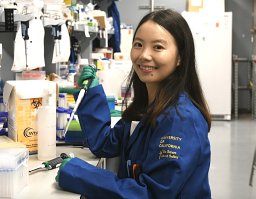 Shuang Wei合作论文数Department of Biochemistry, University of California, Riverside3
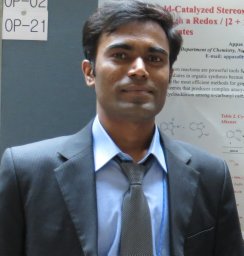 Jadhav Appaso Mahadev合作论文数Department of Chemistry, National Tsing Hua University3
 Olga Eguaogie合作论文数2Theresa L. Locher合作论文数2Michel Riese合作论文数2Shaun M. McLoughlin合作论文数2Rick A Homan合作论文数2
 Qian Li合作论文数2Iaroslav Kosov合作论文数2Edward Pallister合作论文数2
 Xuchu Duan合作论文数2
 Veronica Rendo合作论文数Dept Canc Biol, Dana Farber Canc Inst2Laura C Lehmann合作论文数2Wenjuan Wang合作论文数2
 Pedro Laborda合作论文数2
 Peter Both合作论文数2Warder Scott E合作论文数2Ravalico Francesco合作论文数2Cai Zhi P合作论文数2Gray Christopher J合作论文数School of Chemistry &Manchester Institute of Biotechnology, The University of Manchester2
 Sebastian Deindl合作论文数and Howard Hughes Medical Institute, University of California2Jennifer L. Norcliffe合作论文数2Anil Vasudevan合作论文数Global Pharmaceutical Research and Development, Abbott Laboratories2
 Tobias Sjoblom合作论文数Department of Genetics and Pathology, Uppsala University2
 Joseph S. Vyle合作论文数Department of Chemistry;Chemical Engineering;Department of Chemistry|Chemical Engineering2Snehangshu Kundu合作论文数1
 Patrick Finbar Conlon合作论文数1xu c duan合作论文数1
 Mao Mao Wang合作论文数1Martin Bowden合作论文数1Annika Block合作论文数1
 Justin Shumate合作论文数1Thomas Screen合作论文数1Rachel Munday合作论文数1
 Manuel Schupp合作论文数1




