China’s Sloping Land Conversion Program seeks to improve both the environmental and economic conditions of rural farmers by paying them a cash and grain subsidy over a period of five to eight years. In exchange, farmers retire a portion of their agricultural land and plant a cover crop of trees or grasses to help prevent soil erosion. This paper evaluates the economic and environmental impact of the program four years after its first implementation. Results suggest the program was successfully targeted at poorer farmers on erosion-prone sloping farmland. There is also some evidence the program is improving farmer incomes and pushing more farmers into off-farm labor markets. However, the targeting of highly sloping farmland (greater than 25 degrees) could be improved.
Implantation of ventricular assist devices (VADs) to support patients awaiting cardiac transplant has become an effective means of assuring that these critically ill patients survive to transplant. The authors undertook a retrospective analysis of 115 consecutive patients listed for cardiac transplant from January 1992 through June 1995. A VAD was implanted in 19 of these patients. Survival was calculated by intent to treat from the time of transplant listing through heart transplant, if it occurred. The analysis demonstrates that the patients who underwent implantation of a VAD as bridge to transplant had survival times similar to those of patients with medical management. These survival statistics demonstrate the utility of VADs as an effective means to bridge critically ill patients until a suitable donor organ becomes available. In addition, as previous studies have suggested for acute results, earlier implementation and better patient selection may lead to improved long-term survival.
In summary, we have demonstrated through the use of forearm venous NE kinetic methodology that plasma NE and NE spillover increase normally in response to orthostatic stress after cardiac transplantation. These findings suggest that, in the absence of ventricular afferents, systemic arterial baroreflexes respond in a compensatory manner to activate the sympathetic nervous system.
During dynamic exercise, blood flow to exercising muscle is closely matched to metabolic demands. This is made possible by metabolic vasodilation, vasoconstriction in inactive vascular beds, and a rise in cardiac output. The sympathetic nervous system plays an important role in regulating this exercise response. In this study, we used steady-state infusions of tritiated norepinephrine ([H-3]NE) to determine the magnitude and time course of the arterial NE spillover response to sustained upright bicycle exercise at low (n = 11) and moderate-to-high (n = 14) exercise intensity (25 and 65% of maximum work load, respectively) in normal young subjects. In addition, we sought to examine whether exercise was associated with a change in NE clearance. During 30 min of low-level exercise, arterial NE spillover increased from 1.45 +/- 0.13 to 3.14 +/- 0.30 nmol . min-1 . m-2 (P < 0.01) and appeared to plateau at 20-30 min of exercise; NE clearance remained unchanged. During 20 min of moderate-to-high-intensity exercise, we found a substantial and progressive rise of arterial NE spillover from 2.15 +/- 0.27 to 13.52 +/- 1.62 nmol . min-1 . m-2 (P < 0.01). NE clearance decreased from 0.91 +/- 0.05 to 0.80 +/- 0.051 . min-1 . m-2 (P < 0.05). These data suggest that, during dynamic exercise, sympathetic nervous system activity is related to exercise intensity, and there appears to be an interaction between the effects of exercise intensity and duration on NE spillover. In addition, at moderate-to-high exercise intensity, a small decrease of NE clearance contributes to the rise in plasma NE.
Congestive heart failure (CHF) is accompanied by increased sympathetic nervous activity. Previous studies have demonstrated that plasma norepinephrine (NE), a marker of sympathetic nervous activity, is elevated in CHF due to increased NE spillover into the circulation and decreased NE clearance. In this study we compared the clearance of NE and isoproterenol (ISO) in eight CHF subjects (plasma NE 601 +/- 133 pg/ml), and in nine controls (plasma NE 285 +/- 53 pg/ml) by using steady-state infusions of tritiated NE ([3H]NE) and tritiated ISO ([3H]ISO). Because ISO is not a substrate of neuronal reuptake but is removed from the circulation in a way that is similar to NE after neuronal reuptake blockade with desipramine, ISO clearance may permit a gross estimation of non-neuronal uptake of circulating NE. The NE clearance was lower in CHF than in the control group (CHF 1.25 +/- 0.13, controls 2.04 +/- 0.22 l.min-1.m-2; P = 0.009). The ISO clearance was reduced similarly in CHF (CHF 0.90 +/- 0.09, controls 1.59 +/- 0.12 l.min-1.m-2; P less than 0.001). Because the ratio of ISO to NE clearance was similar in both groups, our findings suggest that a low cardiac output in CHF decreases the availability of circulating catecholamines to tissue elimination sites.
OBJECTIVE:The aim was to evaluate mechanisms regulating tissue noradrenaline in congestive heart failure.METHODS:Tissue noradrenaline was measured in the conscious post myocardial infarction rat model of congestive heart failure and in sham operated rats (1) under control conditions, (2) 6 h after inhibition of tyrosine hydroxylase by the intraperitoneal administration of alpha-methyl-para-tyrosine (AMPT) (100 mg.kg-1 every 2 h), (3) 6 h after AMPT with desipramine pretreatment (0.3 mg.kg-1), and (4) following exhaustive exercise after AMPT. Tissue noradrenaline was extracted with perchloric acid and measured by high performance liquid chromatography with electrochemical detection.RESULTS:In control animals without drug, tissue noradrenaline concentration was lower in the following tissues in the rats with myocardial infarction compared with the sham operated group: left and right ventricles, spleen, soleus and white gastrocnemius muscles, kidney cortex, and tail artery. After AMPT, tissue noradrenaline concentration in the sham operated group was significantly lower than control; in the myocardial infarction group the fall in noradrenaline was only significant in the kidney, and group differences were no longer present. In the sham operated animals, coadministration of desipramine with AMPT attenuated the fall in tissue noradrenaline caused by AMPT in the heart and spleen. With exercise to exhaustion, cardiac noradrenaline was lower in rats with myocardial infarction than in sham operated rats, but higher in the soleus muscle.CONCLUSIONS:These data suggest that tissue noradrenaline depletion in congestive heart failure is not isolated to the heart, and it occurs despite activation of mechanisms that might be operating to conserve neuronal noradrenaline. One mechanism may be reduced organ blood flow to retard diffusion of noradrenaline into the circulation. If this increases interstitial noradrenaline concentration, it would facilitate prejunctional alpha 2 receptor restraint on noradrenaline release. Metabolic coronary vasodilatation during exercise reverses this process, and makes the heart most susceptible to noradrenaline depletion in congestive heart failure.
The circulatory compensatory mechanisms designed to cope quickly with physiological stress (e.g. sympathetic nervous system and the Frank-Starling mechanism) are less effective when there is chronic pathological stress, such as congestive heart failure (CHF). Other mechanisms come into play that operate over a longer time (e.g. activation of the renin-angiotensin-aldosterone system, myocardial hypertrophy and physiological deconditioning). Changes in blood vessels and skeletal muscle metabolism that result from inadequate delivery of oxygenated blood to working muscles belong to the group of mechanisms that develop slowly. When CHF therapy is successful, the abnormalities produced by this latter group of mechanisms will improve, but slowly. The concept that compensatory mechanisms have either short or long time constants for activation and reversal may explain why exercise tolerance improves much later than haemodynamics, which can be reversed acutely with vasodilator therapy.
One of the most striking regional blood flow abnormalities noted in congestive heart failure (CHF) is the inability of skeletal muscle blood flow to increase normally in response to a maximal metabolic vasodilator stimulus [1,2]. Whereas this is seen during systemic dynamic exercise, it is also demonstrable when a metabolic vasodilator stimulus is applied to a single limb, suggesting that the abnormality resides in the peripheral circulation not with the heart. As a substitute for exercise we have used another metabolic stimulus to evaluate the mechanisms responsible for this abnormality. When blood flow is interrupted to an extremity for 5–10 min, and the arterial occlusion is suddenly released, blood flow increases very rapidly, reaching a peak within 5–15 s. This is the peak reactive hyperemic blood flow response (RHBF), which is a good index of maximal metabolic vasodilator capacity. This is significantly reduced in CHF to levels that are 50% of normal [2]. This reduction is proportional to the maximal oxygen consumption that can be achieved with systemic dynamic exercise [3]. It has been suggested that the abnormality in vasodilator capacity was not with the precapillary resistance vessels but was more likely to be at the level of the small arterial resistance vessels. Previously these vessels had been thought to serve primarily a conductance function, but now they are recognized contributors to peripheral vascular resistance [4].
Elevated plasma norepinephrine (NE) in congestive heart failure (CHF) is caused by increased NE spillover and decreased NE clearance. To evaluate the effects of neuronal uptake blockade on NE clearance, we studied NE kinetics during steady-state infusions of [3H]NE, before and after oral desipramine (DMI, 50 mg) in 11 patients with CHF and 8 normal volunteers. Baseline plasma NE was greater in the CHF group (637 +/- 56 vs. 271 +/- 32 pg/ml; P less than 0.001), NE clearance was lower in CHF (1.31 +/- 0.21 vs. 1.94 +/- 0.17 l.min-1.m-2; P = 0.026), and NE spillover was greater in CHF (4.71 +/- 0.78 vs. 3.04 +/- 0.35 nmol.min-1.m-2, P = 0.054). After DMI, plasma NE rose significantly in CHF (778 +/- 67; P = 0.008), and NE clearance decreased further in CHF (0.97 +/- 0.16; P = 0.024), but neither changed in normal subjects. NE spillover did not change in either group. There appears to be an enhanced effect of DMI on NE clearance in CHF patients. Two general mechanisms may be responsible for this finding, an increased concentration of drug, possibly caused by a decreased volume of distribution, and an increased sensitivity of neuronal amine pumps to DMI. Both mechanisms may reflect a more general abnormality of clearance of drugs and hormones related to abnormalities of tissue perfusion in CHF.
With physiologic stress to the cardiovascular system, some circulatory compensatory mechanisms are designed to restore homeostasis quickly (e.g., sympathetic nervous system activation and the Frank-Starling mechanism). These compensatory mechanisms are not nearly as effective when there is a chronic pathologic stress such as congestive heart failure (CHF). In this circumstance, other mechanisms that operate with longer time constants come into play (e.g., activation of the renin-angiotensin-aldosterone system, myocardial hypertrophy and deconditioning). The most successful chronic drug therapies of CHF are those that are designed to reverse the latter group of compensatory mechanisms, a process that is slow. It takes especially long to reverse those CHF-induced changes in blood vessels and skeletal muscle metabolism that are activated to cope with inadequate delivery of oxygenated blood to working muscles. The concept that compensatory mechanisms have either short or long time constants for activation, effectiveness and reversal may help explain why the improvement in exercise tolerance with effective heart failure therapy lags behind hemodynamic improvement.
There are two sets of compensatory mechanisms activated when the heart fails: cardiac mechanisms that try to maintain a normal cardiac output and peripheral circulatory mechanisms that try to maintain blood pressure to perfuse the heart and the brain. The latter are most important during the stress of exercise. During exercise, two patterns of responses are noted: 1) blood vessels supplying active skeletal muscle fail to dilate normally, and 2) blood vessels supplying other visceral organs constrict excessively. The inability of skeletal muscle resistance vessels to dilate normally to a metabolic stimulus is related to sodium and water accumulation in the vessels and to a deconditioning response. These effects probably are at the small artery level. This results in an abnormal metabolic response to exercise. Vasoconstriction in visceral organs is related to neurogenic (sympathetic adrenergic) and humoral (angiotensin, norepinephrine, and vasopressin) mechanisms. The peripheral sympathetic nervous system is the primary determinant of the high plasma norepinephrine levels seen in heart failure. The role of the sympathetic nervous system is to provide for acute vasoconstriction and the renin-angiotensin system is to provide for chronic visceral vasoconstriction. These circulatory mechanisms operate most effectively over different time frames that are either short (sympathetic nervous system), intermediate (renin-angiotensin system), or long (deconditioning, vascular stiffness). When treatment is successful these systems return to normal over similar time frames.
 Robert Zelis合作论文数Davis31
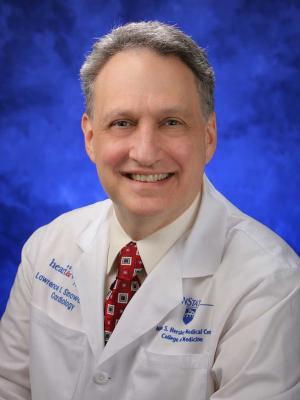 Lawrence I. Sinoway合作论文数Penn State Health;Division of Cardiology, Department of Medicine, Penn State College of Medicine, The Pennsylvania State University17
 Timothy I. Musch合作论文数College of Veterinary Medicine, Kansas State University12R Baily合作论文数7U Leuenberger合作论文数6Barry S Clemson合作论文数6RG BAILY合作论文数4JR MINOTTI合作论文数3John Minotti合作论文数3S. Deiling合作论文数2Sm Deiling合作论文数2WE PAE合作论文数2DM LEAMAN合作论文数2Ws Pierce合作论文数2F Day合作论文数2Thomas X. Aufiero合作论文数2Strzelecka D合作论文数2
 John P. Boehmer合作论文数Division of Cardiology, Department of Medicine, College of Medicine, The Pennsylvania State University;IO Silver Clinic, Penn State Heart and Vascular Institute, College of Medicine, The Pennsylvania State University2G Copenhaver合作论文数1S Gubin合作论文数1C Hogeman合作论文数1Barry S. Clemson合作论文数1BS CLEMSON合作论文数1JL PENNOCK合作论文数1Jj Gallagher合作论文数1S Ensminger合作论文数1D Leaman合作论文数1Klein G J合作论文数1Mehta S M合作论文数1D. Woodrow Benson合作论文数1L Gaul合作论文数1Richard Duszak合作论文数1
 Urs A Leuenberger合作论文数1David Goldner合作论文数1Edward L.C. Pritchett合作论文数1




