The impact on patient HRQoL of including ribavirin (RBV) in interferon-free hepatitis C virus (HCV) treatment has not been determined. We assessed the HRQoL impact of an all-oral HCV therapy, ombitasvir/paritaprevir/ritonavir and dasabuvir (OBV/PTV/r+DSV), with and without RBV in treatment naïve, non-cirrhotic, GT1a adults at the end of 12-week treatment in Phase 3 PEARL-IV trial. HCV patients were randomized in a 1:2 ratio to OBV/PTV/r+DSV with RBV or OBV/PTV/r+DSV without RBV and treated during a 12-week double-blind period. HRQoL was assessed using the SF-36v2 Health Survey (SF-36) which was administered to patients at baseline, during treatment, at end of treatment (EOT) and at post-treatment (PT) visits. Physical Component Summary (PCS) and Mental Component Summary (MCS) scores were calculated for the SF-36. The statistical significance of differences between treatment groups in mean change from baseline to EOT was assessed. The analysis included 100 patients on OBV/PTV/r+DSV with RBV and 205 on OBV/PTV/r+DSV without RBV. At EOT, mean±SD decrements from baseline PCS and MCS scores were observed in the RBV group (change of -0.6±7.19 in PCS and -2.9±10.55 in MCS) while small increases were observed in the non-RBV group (change of +0.9±7.01 in PCS and +0.3±10.09 in MCS). The difference in mean change from baseline to EOT did not reach statistical significance for either PCS (p-value=0.105) or MCS (p-value=0.063). At PT week 24, mean changes from baseline were 2.4±5.19 in PCS and 2.6±6.99 in MCS in the RBV group, and 2.2±7.00 in PCS and 2.0±10.94 in MCS in the non-RBV group. At the end of 12-week treatment in PEARL-IV, the addition of RBV to the interferon-free all-oral OBV/PTV/r+DSV regimen did not have a significant impact on patient HRQoL in treatment-naïve GT1a patients. After treatment, PCS and MCS scores for both treatment groups showed similar improvement over baseline.
Background:The phase 3 ALLY-3 study evaluated the all-oral, ribavirin (RBV)-free combination of daclatasvir (DCV; pangenotypic NS5A inhibitor) and sofosbuvir (SOF; NS5B polymerase inhibitor) in patients with GT3 infection.After 12 weeks of treatment, sustained virologic response at posttreatment Week 12 (SVR12) was achieved by 90% and 86% of treatmentnaive and -experienced patients, respectively.Methods: Treatment-naive (N=101) and experienced (N=51) patients received open-label DCV 60 mg + SOF 400 mg once daily for 12 weeks.This subanalysis provides further details of efficacy and safety outcomes in the
whether curcumin might protect the liver from carbon tetrachloride (CCl4)-induced fibrosis by attenuating the recruitment of Gr1 monocytes into CCl4-injured liver in mice through inhibition of monocyte chemoattractant protein-1 (MCP-1). METHODS: Mice were intraperitoneally injected with CCl4 twice weekly for 6 weeks to induce liver fibrosis. Curcumin were orally administrated to mice for 6 weeks. Hepatic inflammation and fibrosis was evaluated by analysis of liver function and hepatic histopathology. Infiltration of the Gr1 monocytes and other leukocyte subpopulations were assessed by flow cytometry and immunohistochemistry. Moreover, the mRNA expression levels of tumor necrosis factor (TNF)-a, interleukin (IL)-6, IL-1b and transforming growth factor (TGF)-b1 were determined by quantitative real time PCR. Hepatic expression of MCP-1 was determined by quantitative real time PCR and immunohistochemistry. RESULTS: Curcumin significantly attenuated inflammation and fibrosis, as revealed by histological (Hematoxylin-eosin staining, Masson staining and a-smooth muscle actin immunohistochemistry) and biochemical analysis (ALT and AST). The intrahepatic infitration of monocytes (F4/ 80CD11b cells), especially Gr1 monocytes, were significantly attenuated after curcumin administration. The Gr1 monocytes subset was not influenced in the livers of curcumin treated mice. Other leukocyte subpopulations such as T cells, NK cells, NKT cells, DC cells and B cells were not affected by curcumin treatment. Curcumin significantly reduced the levels of proinflammatory and profibrotic mediators (TNF-a and TGF-b1), which is in line with the reduced numbers of intrahepatic infitrating monocytes. Intrahepatic MCP-1 expression of chronic CCl4-challenged mice was inhibited by curcumin. CONCLUSIONS: The anti-inflammatory and antifibrotic effects of curcumin could be contributed to its prevention of Gr1 monocyte infiltration into the injured livers through inhibition of MCP-1. These new findings extend our understanding on the mechanisms of the anti-inflammatory and antifibrotic effects of curcumin.
P1299 PEARL-III: 12 WEEKS OF ABT-450/R/267 + ABT-333 ACHIEVED SVR IN >99% OF 419 TREATMENT-NAIVE HCV GENOTYPE 1B-INFECTED ADULTS WITH OR WITHOUT RIBAVIRIN P. Ferenci, A. Nyberg, P. Enayati, D. Bernstein, Y. Baruch, F.A. Caruntu, V. Chulanov, E. Janczewska, Z. Younes, R.T. Marinho, G. Rizzardini, J. Gervain, R. Planas, C. Moreno, W. Xie, D. Cohen, M. King, T. Podsadecki, K.R. Reddy. Universitaetsklinik fuer Innere Medizin III, Vienna, Austria; Kaiser Permanente, San Diego, California Liver Institute, Los Angeles, North Shore University Hospital, Manhasset, CA, United States; Rambam Health Care Campus, Haifa, Israel; Institutul National de Boli Infectioase ’Prof. Dr. Matei Bals’, Bucharest, Romania; Federal Budget Institute of Science Central Research Institute of Epidemiology, Moscow, Russian Federation; ID Clinic, Myslowice, Poland; GastroOne, Germantown, TN, United States; Centro Hospitalar Lisboa Norte, Lisboa, Portugal; Ospedale Luigi Sacco, Milano, Italy; Szent Gyorgy Hospital, Szekesfehervar, Hungary; Hospital Germans Tŕias i Pujol, CIBERehd, Badalona, Spain; CUB Hopital Erasme, Universite Libre de Bruxelles, Brussels, Belgium; AbbVie Inc., North Chicago, IL, University of Pennsylvania, Philadelphia, PA, United States E-mail: peter.ferenci@meduniwien.ac.at
was achieved by RV-BPBA-20%C8PGA (Table 2). Calculated partition coefficients of all polymers and RV-BPBA using Chemdraw suggested that 20%C8PGA and RV-BPBA had comparable hydrophobicity that optimizing drug-polymer compatibility. The latter explains improvement of drug loading%. All NPs were stable as judged from zeta potential values. NPs prepared by acylated PGA had higher particle size than PGA suggesting greater aggregation number for the particles. The lower particle size of RV-BPBA-20% C8PGA NP might be due to higher drug-polymer compatibility and the shorter acyl chain length. CONCLUSION: RV-BPBA-20%C8PGA NP showed an enormous increase of RV loading% (around 1700 times). However, an alternative strategy of RV covalently attached into PGA polymer via boronic acid compounds linker may be accompanied by a further increase of loading%.
BACKGROUND & AIMS:Treatment of hepatitis C virus (HCV) infection with boceprevir, peginterferon, and ribavirin can lead to anemia, which has been managed by reducing ribavirin dose and/or erythropoietin therapy. We assessed the effects of these anemia management strategies on rates of sustained virologic response (SVR) and safety.METHODS:Patients (n = 687) received 4 weeks of peginterferon and ribavirin followed by 24 or 44 weeks of boceprevir (800 mg, 3 times each day) plus peginterferon and ribavirin. Patients who became anemic (levels of hemoglobin approximately ≤10 g/dL) during the study treatment period (n = 500) were assigned to groups that were managed by ribavirin dosage reduction (n = 249) or erythropoietin therapy (n = 251).RESULTS:Rates of SVR were comparable between patients whose anemia was managed by ribavirin dosage reduction (71.5%) vs erythropoietin therapy (70.9%), regardless of the timing of the first intervention to manage anemia or the magnitude of ribavirin dosage reduction. There was a threshold for the effect on rate of SVR: patients who received <50% of the total milligrams of ribavirin assigned by the protocol had a significantly lower rate of SVR (P < .0001) than those who received ≥50%. Among patients who did not develop anemia, the rate of SVR was 40.1%. Eleven thromboembolic adverse events were reported in 9 of 295 patients who received erythropoietin, compared with 1 of 392 patients who did not receive erythropoietin.CONCLUSIONS:Reduction of ribavirin dosage can be the primary approach for management of anemia in patients receiving peginterferon, ribavirin, and boceprevir for HCV infection. Reduction in ribavirin dosage throughout the course of triple therapy does not affect rates of SVR. However, it is important that the patient receives at least 50% of the total amount (milligrams) of ribavirin assigned by response-guided therapy. ClinicalTrials.gov number, NCT01023035.
. It is unclear whether the current threshold for high hepatitis C virus (HCV) RNA level (800 000 IU/mL) is optimal for predicting sustained virological response (SVR). We retrospectively analysed pretreatment HCV RNA levels and SVR rates in 1529 mono-infected and 176 HIVHCV co-infected patients treated with peginterferon alfa-2a (40 kD) plus ribavirin. We improved the threshold for differentiating low and high viral load by fitting semiparametric generalized additive logistic regression models to the data and constructing receiver operating characteristics curves. Among HCV genotype 1 mono-infected patients, the difference in SVR rates between those with low and high baseline HCV RNA levels was 27% (70%vs 43%) when 400 000 IU/mL was used and 16% (59%vs 43%) when 800 000 IU/mL was used. In HIVHCV genotype 1 co-infected patients, the difference was 51% (71%vs 20%) when 400 000 IU/mL was used and 43% (61%vs 18%) when 800 000 IU/mL was used. A lower threshold (200 000 IU/mL) was identified for genotype 1 mono-infected patients with normal alanine aminotransferase (ALT) levels. No threshold could be identified in HCV genotype 2 or 3 patients. A threshold HCV RNA level of 400 000 IU/mL is optimal for differentiating high and low probability of SVR in genotype 1-infected individuals with elevated ALT.
 K. Rajender (Raj) Reddy合作论文数Department of Medicine, Perelman School of Medicine, University of Pennsylvania;Division of Gastroenterology, University of Pennsylvania38
 Er Schiff合作论文数38LJ JEFFERS合作论文数21Bradley Freilich合作论文数16M DEMEDINA合作论文数14
 Nezam H. Afdha合作论文数Division of Gastroenterology, Beth Israel Deaconess Medical Center;Liver Center, Beth Israel Deaconess Medical Center;Harvard Medical School14Lennox J. Jeffers合作论文数12R. Rubin合作论文数11Clifford A. Brass合作论文数11
 Eric Lawitz合作论文数Department of Medicine, University of Texas Health Science Center in San Antonio;Transplant Center, University of Texas Health Science Center in San Antonio;Texas Liver Institute, University of Texas Health Science Center in San Antonio11Ira M Jacobson合作论文数10Younes Ziad H合作论文数9
 Paul Y. Kwo合作论文数Medicine Department, Stanford University9
 Moises Diago合作论文数9
 David R. Nelson合作论文数Division of Gastroenterology, Hepatology & Nutrition, Department of Medicine, College of Medicine, University of Florida8Paul J. Pockros合作论文数8
 Bruce R. Bacon合作论文数Saint Louis University School of Medicine;B.R. Bacon Consulting, LLC8
 Stefan Zeuzem合作论文数J W Goethe University Hospital8M. Davis合作论文数8
 Steven Flamm合作论文数Department of Internal Medicine, RUSH Medical College, RUSH University;Division of Digestive Diseases and Nutrition, RUSH Medical College, RUSH University7
 Antonio Craxi合作论文数University of Palermo7
 Fred Poordad合作论文数Hepatology University Transplant Center, The University of Texas Health Science Center at San Antonio;Cedars Sinai Medical Center, Department of Hepatology and Liver Transplantation, The University of Texas Health Science Center at San Antonio;Department of Medicine, The University of Texas Health Science Center at San Antonio7
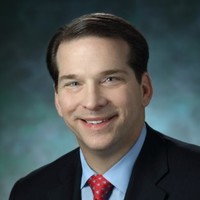 Mark Sulkowski合作论文数Division of Infectious Diseases, Johns Hopkins Bayview Medical Center;Johns Hopkins University School of Medicine7Patrick Marcellin合作论文数7
 James Spivey合作论文数7K ROACH合作论文数6
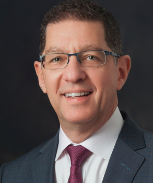 Michael W. Fried合作论文数Center for Gastrointestinal Biology and Disease, School of Medicine, The University of North Carolina;Division of Gastroenterology and Hepatology, Department of Medicine, The University of North Carolina;Target RWE Health Evidence Solutions6John M. Vierling合作论文数Cedars-Sinai Medical Center and David Geffen School of Medicine, UCLA6M. Bartholomew合作论文数6F Regenstein合作论文数6R. Ghalib合作论文数6Steven K. Herrine合作论文数6Seymour Gordon合作论文数6R Strauss合作论文数5
 Stephanos Hadziyannis合作论文数Division of Internal Medicine II, National and Kapodistrian University of Athens5
 Michael John Bennett合作论文数Department of Pathology and Laboratory Medicine, Perelman School of Medicine, University of Pennsylvania5Ira M. Jacobson合作论文数5
 Paul J. Thuluvath合作论文数The Institute for Digestive Health & Liver Disease at Mercy5
 Robert S. Brown合作论文数From the Department of Surgery, Mount Sinai School of Medicine of the City University of New York, New York, N. Y. USA5
 Stephen Harrison合作论文数Radcliffe Department of Medicine, University of Oxford;Pinnacle Clinical Research5
 Donald Jensen合作论文数5David C Pound合作论文数5Eliot Godofsky合作论文数5XM LI合作论文数5
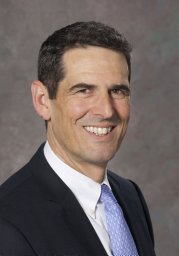 Christopher Lawson Bowlus合作论文数Division of Gastroenterology and Hepatology, UC Davis Medical Center5
 Artur Gibas合作论文数4J-P Bronowicki合作论文数4Sepe Thomas合作论文数4Jorge Herrera合作论文数4




