The excellence of a journal depends on the quality of peer review. The process of publishing scientific discoveries depends on considerable work by unpaid experts who volunteer time as peer reviewers. Peer reviewers are the essential gatekeepers who maintain high standards of scientific rigor. Equally important, many manuscripts are significantly improved when the authors respond to insightful suggestions from peer reviewers. Veterinary Pathology has been fortunate over the years in having a pool of highly dedicated and high-quality reviewers. Scientists are motivated to spend time reviewing manuscripts for a number of reasons. Altruism and service to the community of science, and to the discipline of veterinary pathology, motivate many to spend time reading and reviewing manuscripts, but these are not the only reasons. Curiosity and the desire to stay current are equally important. Reviewers enjoy the challenge involved in the careful analysis and assessment of a manuscript. Finally, for the success of Veterinary Pathology, manuscripts must be reviewed carefully and rapidly, and this would be impossible without the active participation of the broad scientific community. Conflict with other workloads is a major reason that potential reviewers decline invitations to review manuscripts. As discussed in the 2007 American College of Veterinary Pathologists (ACVP) Town Hall meeting, pathologists have increasing demands on their time, and the stresses of multitasking continue to increase. The problem is compounded by the retirement or death of some of the stalwart experts of veterinary pathology.
Mammary tumours are oestrogen dependent in female Sprague-Dawley rats and in a significant proportion of women, so pharmacological treatment to inhibit oestrogen production is a valuable therapeutic measure to prevent or slow the progression of disease. Here we show that a non-steroidal aromatase inhibitor, which competitively inhibits the conversion of androstenedione to oestrone, prevents the development of both benign and malignant spontaneous mammary neoplasms in female Sprague-Dawley ats. It also slows the spontaneous development of pituitary pars distalis adenomas in female rats, and reduces the incidence of spontaneous hepatocellular tumours in male and female rats.
Peripheral toxic neuropathy induced in rats with a 5-lipoxygenase inhibitor CGS 21 595 was characterized using special functional tests and pathological procedures. Functional tests included measurement of grip strength, landing foot splay, assessment of sensorimotor and autonomic functions and monitoring of motor activity. Pathological procedures consisted of perfusion fixation, embedding in plastic, teasing of isolated nerve fibers, and light and electron microscopy. Male and female albino rats received the test article orally by gavage on 5 days per week. To characterize the development of the lesion animals treated with 1000 mg/kg were examined and sacrificed at 2-week intervals until termination at 10 weeks. In a separate study, the dose-effect relationship was examined in groups of animals treated with 50, 200 or 1000 mg/kg for 10 weeks. Neurotoxicity occurred only in animals treated with 1000 mg/kg and was first detected following 4 weeks of treatment. Although there were no overt clinical signs of neurotoxicity, functional examination detected a reduction of grip strength, increased landing foot splay and reduced motor activity. Neuropathological examination revealed peripheral segmental demyelination affecting predominantly the Schwann cells in the ventral spinal nerve roots. Owing to its unusual localization in the nervous system and to subtlety of functional signs, peripheral segmental demyelination represents a special diagnostic challenge in toxicological safety studies.
Historical data are presented for neoplasms and related proliferative lesions from 1,170 Sprague-Dawley rats that served as controls in 9 carcinogenicity (2 year) studies conducted in the Safety Evaluation Facility of Ciba-Geigy Corporation, Summit, New Jersey. The most common neoplasm was pituitary adenoma, which occurred in 62.2% of the male and 84.7% of the female rats. Incidences of other neoplasms that occurred in more than 6.0% of the rats were, for males, benign pheochromocytoma (19.0%), cutaneous keratoacanthoma (7.9%), pancreatic islet cell adenoma (7.5%), benign testicular interstitial cell tumor (6.5%), and thyroid C-cell adenoma (6.5%). For females these incidences were mammary fibroadenoma (31.3%), mammary adenocarcinoma (16.8%), and mammary adenoma (6.5%). Focal cortical hypertrophy/cystic degeneration of the adrenal, a focal nonneoplastic lesion of zona fasiculata cells that often degenerate into large cysts, was present in 23.4% of all male and 82.7% of all female rats. Criteria for the differential diagnoses of selected neoplasms and related lesions are presented.
Male and female Sprague-Dawley rats were given CGS 21595, a pro-drug that is almost immediately metabolized to CGS 19213, a naphthoquinone that acts as a 5-lipoxygenase inhibitor. The compound was administered by gavage to five groups of Sprague-Dawley rats (group Nos. 1, 5, n = 30; group Nos. 2-4, n = 20) at daily doses of 0, 50, 150, 500, or 1,000 mg/kg for 13 weeks. Rats in the higher dose groups had a reduced weight gain, but significant neurologic signs were not observed. A peripheral neuropathy consisting predominantly of myelin destruction in the spinal nerve roots and sciatic nerves in male rats treated with greater than or equal to 150 mg/kg CGS 21595 and in female rats treated with greater than or equal to 50 mg/kg CGS 21595 for 13 weeks. This lesion was not fully reversible after a recovery period of 4 weeks. Lesions consisted of ballooning of myelin sheaths, infiltration by macrophages, demyelination, and occasional areas of remyelination. Axons were generally preserved, and the brain and spinal cord were not affected. Male and female rats in all treatment groups had cytoplasmic hyaline droplets in the proximal renal tubules. This change was reversible after 4 weeks and was not associated with any other adverse effects on the kidney.
Several suspect causes of chronic zinc/cadmium toxicosis in horses near a zinc smelter were investigated following observations of lameness, swollen joints, and unthriftiness, particularly in foals. Two foals born and raised near the smelter were lame and had joint swellings that were attributable to severe generalized osteochondrosis. Zinc and cadmium concentrations were markedly increased in the pancreas, liver, and kidney. The serum of 1 foal, zinc and potassium concentrations were high, whereas calcium and magnesium concentrations were low. Marked nephrocalcinosis and osteoporosis were observed in this foal. Nephrocalcinosis also was observed in his dam, who died of a punctured lung following rib fractures, though there was no history of trauma. The joint cartilage lesions were similar to those induced experimentally in animals fed high-zinc diets and may have been the result of zin-induced abnormality of copper metabolism. The osteoporosis and nephrocalcinosis were consistent with chronic cadmium toxicosis.
Twenty-five horses with chronic pulmonary disease were skin tested with allergenic extracts of 24 molds, 4 thermophilic actinomyces, barn dust, hay dust, soya-bean mill dust, and grain mill dust. The results were compared with those obtained on 25 normal horses. Between the 2 groups of horses, there was a highly significant difference in positive skin test results at 30 minutes and 4 hours.
A branchial cyst in a heifer was removed surgically. Diagnosis was based on clinical signs, analysis of cyst contents, and histologic examination of the cyst wall. Biochemically, the cyst fluid resembled a transudate. The cyst lining consisted of nonciliated, pseudostratified columnar epithelium and pigmented, keratinized, stratified squamous epithelium. The embryologic origin was thought to be endoderm of the 2nd pharyngeal pouch and adjacent ectoderm.
 VM TRAINA合作论文数2P. S. Sahota合作论文数2GM MCCORMICK合作论文数1R E Halliwell合作论文数1R. S. Sellers合作论文数1M H Vonau合作论文数1Harm Hogen Esch合作论文数1Litchfield W J合作论文数1Caswell Jeff L合作论文数Dept Pathobiol, Univ Guelph1Mense M G合作论文数1
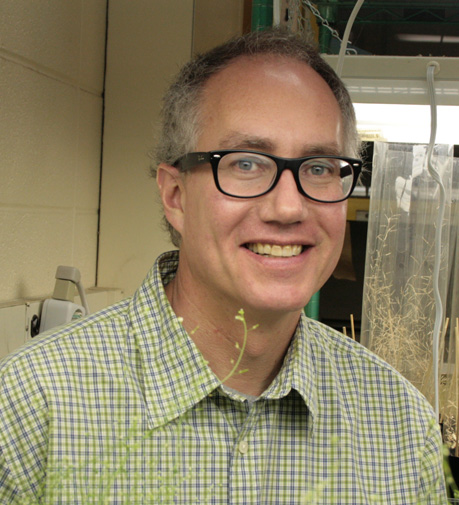 John M. Ward合作论文数College of Food, Agricultural and Natural Resource Sciences, University of Minnesota;Department of Plant and Microbial Biology, College of Biological Sciences, University of Minnesota1
 David Swayne合作论文数Birdflu Veterinarian LLC1
 Britton Chance合作论文数University of Pennsylvania1
 Roger C Prince合作论文数Stonybrook Apiary1Laura J. Rush合作论文数1
 Judy St. Leger合作论文数Pathology, Sea World San Diego1Trenton R Schoeb合作论文数1R. H. Spaet合作论文数1Haywood Blum合作论文数1Glenn H Cantor合作论文数1
 Matti Kiupel合作论文数Department of Pathobiology and Diagnostic Investigation, College of Veterinary Medicine, Michigan State University1D. N. Mcmartin合作论文数1Carl L Alden合作论文数1H. H. Hsu合作论文数1G J Krinke合作论文数1W Classen合作论文数1James W Crissman合作论文数1Robert E Steele合作论文数1




