Transketolases (TKs) are thiamine diphosphate (ThDP)-dependent enzymes that catalyze the transfer of two-carbon units in a stereoselective manner, making them valuable biocatalysts for sustainable processes. Most known TKs are about 650 amino acids long; however, a second type found in Archaea and many Bacteria consists of two proteins, each of about 300 amino acids. Exploring the unique features and differences of split TKs may help in assessing their potential use in biocatalysis and for uncovering new reactivities. Additionally, it could provide valuable information on how their structure relates to their function, especially compared to full-length TKs. In this study, we significantly expanded the known repertoire of split TKs approximately 14-fold to the best of our knowledge, by identifying and providing accessions of nearly 500 putative split-TK subunit pairs. Moreover, we doubled the number of experimentally produced and tested split TKs by cloning, purifying, and testing ten candidates retrieved from genomes and in-house metagenomes. Interestingly, pQR2809 and pQR2812, derived from hyperthermophilic organisms, showed enhanced thermostability compared to other TK examples in the literature, maintaining partial activity after heating at 90 °C or 100 °C for 1 hour, respectively.
The recalcitrance of petroleum-based plastics to recycling has prompted the use of alternative compostable materials such as poly lactic acid (PLA) and polybutylene terephthalate coadipate (PBAT). However, current preferred end-of-life waste management solutions, such as aerobic composting and anaerobic digestion, are not optimal for bioplastics, due to their slow and variable degradation rates. Thus, the isolation of novel microbes and their plastic-degrading enzymes is necessary to improve existing bioplastic disposal and create more sustainable routes to valorize waste plastic. In this study, through functional enrichment cultures, we isolated 14 unique microbes capable of PLA and PBAT degradation and applied a computational discovery pipeline to identify plastic-degrading enzymes. Through this, a focused set of 97 enzymes was functionally characterized, finding three active PLA-degrading enzymes. The two most active enzymes, JW45_1534 and JW44_1708, displayed broad polyester degrading activity against PLA, PBAT, PBSA, PCL, and Impranil polyurethane. Uniquely, under optimized reaction conditions, JW44_1708 fully solubilized low-molecular-weight PLA powder (100-500 mM lactic acid equivalents) in 18 h at 30 °C, with 43-65% conversion to monomeric lactic acid. Overall, we demonstrate the effectiveness of functional enrichment with single-pass computational filtering and screening for finding highly active PLA-degrading enzymes with the potential to improve PLA end-of-life waste management solutions.
A significant bottleneck of continuous fermentation is the stability of plasmid-based expression systems. This work tested five plasmid addiction systems based on essential gene complementation in continuous E. coli fermentation. The essential genes tested were infA, ssb, proBA, proC, and dapD and evaluated under phosphate-limited continuous fermentation at two dilution rates (0.033 h-1 and 0.1 h-1) and two temperatures (30 degrees C and 37 degrees C). Of these, plasmids stabilized by infA, ssb, and dapD complementation were segregationally stable under all operating conditions. While a lower dilution rate decreased structural stability, this could be remedied by lowering the temperature. At 0.033 h-1 and 30 degrees C, addiction systems based on proC, dapD, and infA complementation conferred segregational stability with no detriment to structural stability, enabling higher yields at lower dilution rates. This work expands the potential of continuous fermentations for bio-based platform chemical production using plasmid addiction systems to ensure plasmid stability.
BACKGROUND AND AIMS:Suboptimal awareness and low rates of hepatitis delta virus (HDV) testing contribute to underdiagnosis and gaps in accurate estimates of U.S. HDV prevalence. We aim to provide an updated assessment of HDV prevalence in the U.S. using a comprehensive literature review and meta-analysis approach. METHODS:A comprehensive literature review of articles reporting HBsAg seroprevalence and anti-HDV prevalence was conducted to calculate country-specific rates and pooled prevalence of CHB and HDV using meta-analyses. Country-specific CHB and HDV rate estimates were combined with number of foreign-born (FB) persons in the U.S. in 2022 from U.S. Census Bureau to estimate total numbers of FB with CHB and HDV, respectively. These estimates were further combined with updated estimates of U.S.-born persons with CHB and HDV to yield the total number of persons with CHB and HDV. RESULTS:In 2022, we estimated 1.971 million (M) (95% CI 1.547-2.508) persons with CHB; 1.547 M (95% CI 1.264-1.831) were FB and 0.424 M (95% CI: 0.282-0.678) were U.S.-born. The weighted average HDV prevalence among FB persons in the U.S. was 4.20% (64 938 [95% CI 33055-97 392] persons), among whom 45% emigrated from Asia, 25% from Africa, and 14% from Europe. When combined with updated estimates of U.S.-born persons with HDV, we estimate 75 005 (95% CI: 42187-108 393) persons with HDV in the U.S. CONCLUSIONS:Including both FB and U.S.-born persons, we estimated that 1.971 M and 75 005 persons were living with CHB and HDV, respectively, in the U.S. in 2022.
PURPOSE Assessing risk of recurrence for nonmetastatic triple-negative breast cancer (TNBC) is a key determinant of therapeutic strategy. The best predictor of recurrence risk is failure to achieve a pathologic complete response after preoperative chemotherapy, but it imperfectly correlates with the definitive end points of relapse-free and overall survival (OS). The inability to accurately predict recurrence has led to increasingly toxic treatment regimens for patients with early-stage TNBC. Better assays for recurrence risk are needed to tailor aggressive therapy for patients who need it and avoid overtreatment and unnecessary toxicity for those at low risk. The purpose of this study was to determine if patient-derived xenograft (PDX) engraftment of newly diagnosed breast tumors can serve as an accurate predictor of recurrence and death from breast cancer. METHODS This study was a blinded noninterventional trial comprising 80 patients with newly diagnosed, nonmetastatic, estrogen receptor (ER)-negative or ER-low breast cancer. RESULTS PDX engraftment was strongly associated with relapse in 1 year: 8 of 18 (44.4%) patients whose tumors engrafted relapsed versus 1 of 62 (1.6%) patients whose tumors did not engraft (P < .0001). Patients whose tumors engrafted had a hazard ratio (HR) for relapse of 17.5. HRs for OS and breast cancer-specific survival in PDX+ patients were 21.1 and 39.5, respectively. CONCLUSION We report that the ability of a tumor to engraft as a PDX predicts early recurrence by serving as a functional readout of aggressiveness and prospectively identifies the most devastating tumors. This provides new opportunity to develop surrogate assays, such as biomarkers of engraftment, which will extend the clinical feasibility of this finding.
Sugar transport proteins (STPs) are high-affinity H+-coupled hexose symporters. Recently, the contribution of STP13 to bacterial and fungal pathogen resistance across multiple plant species has garnered significant interest. Quantitative PCR analysis of source leaves, developing embryos, and seed coats of Phaseolus vulgaris L. (common bean) revealed that PvSTP13.1 was expressed in source leaves and seed coats throughout seed development. In contrast, PvSTP13.1 transcripts were detected at exceedingly low levels in developing embryos. To characterize the transport mechanism, PvSTP13.1 was expressed in Xenopus laevis oocytes, and inward-directed currents were analyzed using two-electrode voltage clamping. PvSTP13.1 was shown to function as an H+-coupled monosaccharide symporter exhibiting a unique high affinity for hexoses and aldopentoses at depolarized membrane potentials. Specifically, of the 31 assessed substrates, which included aldohexoses, deoxyhexoses, fructose, 3-O-methyl-D-glucose, aldopentoses, polyols, glycosides, disaccharides, trisaccharides, and glucuronic acid, PvSTP13.1 displayed the highest affinity (K 0.5) for glucose (43 μM), mannose (92 μM), galactose (145 μM), fructose (224 μM), xylose (1.0 mM), and fucose (3.7 mM) at pH 5.6 at a depolarized membrane potential of -40 mV. The results presented here suggest PvSTP13.1 contributes to retrieval of hexoses from the apoplasmic space in source leaves and coats of developing seeds.
Biocatalytic approaches are used widely for the synthesis of amines from abundant or low cost starting materials. This is a fast-developing field where novel enzymes and enzyme combinations emerge quickly to enable the production of new and complex compounds. Natural multifunctional enzymes represent a part of multi-step biosynthetic pathways that ensure a one-way flux of reactants. In vivo, they confer a selective advantage via increased reaction rates and chemical stability or prevention of toxicity from reactive intermediates. Here we report the identification and analysis of a natural transaminase fusion, PP_2782, from Pseudomonas putida KT2440, as well as three of its thermophilic homologs from Thermaerobacter marianensis, Thermaerobacter subterraneus, and Thermincola ferriacetica. Both the fusions and their truncated transaminase-only derivatives showed good activity with unsubstituted aliphatic and aromatic aldehydes and amines, as well as with a range of α-keto acids, and l-alanine, l-glutamate, and l-glutamine. Through structural similarity, the fused domain was recognised as the acyl-[acyl-carrier-protein] reductase that affects reductive chain release. These natural transaminase fusions could have a great potential for industrial applications.
The four-carbon non-proteinogenic amino acid γ-aminobutyric acid (GABA) accumulates to high levels in plants in response to various abiotic and biotic stress stimuli, and plays a role in C:N balance, signaling, and as a transport regulator. Expression in Xenopus oocytes and voltage-clamping allowed the characterization of Arabidopsis GAT2 (At5g41800) as a low affinity GABA transporter with a K0.5GABA ~8 mM. l-Alanine and butylamine represented additional substrates. GABA-induced currents were strongly dependent on the membrane potential, reaching the highest affinity and highest transport rates at strongly negative membrane potentials. Mutation of Ser17, previously reported to be phosphorylated in planta, did not result in altered affinity. In a short-term stress experiment, AtGAT2 mRNA levels were up-regulated at low water potential and under osmotic stress (polyethylene glycol and mannitol). Furthermore, AtGAT2 promoter activity was detected in vascular tissues, maturating pollen, and the phloem unloading region of young seeds. Even though this suggested a role for AtGAT2 in long-distance transport and loading of sink organs, under the conditions tested neither AtGAT2-overexpressing plants, atgat2 or atgat1 T-DNA insertion lines, nor atgat1 atgat2 doubleknockout mutants differed from wild-type plants in growth on GABA, amino acid levels, or resistance to salt and osmotic stress.
In flowering plants, male gametes are immotile and carried by dry pollen grains to the female organ. Dehydrated pollen is thought to withstand abiotic stress when grains are dispersed from the anther to the pistil, after which sperm cells are delivered via pollen tube growth for fertilization and seed set. Yet, the underlying molecular changes accompanying dehydration and the impact on pollen development are poorly understood. To gain a systems perspective, we analyzed published transcriptomes and proteomes of developing Arabidopsis thaliana pollen. Waves of transcripts are evident as microspores develop to bicellular, tricellular, and mature pollen. Between the "early"- and "late"-pollen-expressed genes, an unrecognized cluster of transcripts accumulated, including those encoding late-embryogenesis abundant (LEA), desiccation-related protein, transporters, lipid-droplet associated proteins, pectin modifiers, cysteine-rich proteins, and mRNA-binding proteins. Results suggest dehydration onset initiates after bicellular pollen is formed. Proteins accumulating in mature pollen like ribosomal proteins, initiation factors, and chaperones are likely components of mRNA-protein condensates resembling "stress" granules. Our analysis has revealed many new transcripts and proteins that accompany dehydration in developing pollen. Together with published functional studies, our results point to multiple processes, including (1) protect developing pollen from hyperosmotic stress, (2) remodel the endomembrane system and walls, (3) maintain energy metabolism, (4) stabilize presynthesized mRNA and proteins in condensates of dry pollen, and (5) equip pollen for compatibility determination at the stigma and for recovery at rehydration. These findings offer novel models and molecular candidates to further determine the mechanistic basis of dehydration and desiccation tolerance in plants.
Conflict of interest: Yes, Coalition For Global Hepatitis Elimination support the project Introduction and Objectives: Background: WHO aims for HCV elimination by 2030, targeting a 80% reduction in incidence and a 65% reduction in mortality, with 90% diagnosed and 80% treatment coverage compared to 2015. Uruguay, with a population of 3.4 million, has low HCV prevalence and universal treatment access, but testing and treatment rates are low. Objective: To assess the feasibility of HCV elimination and compare the burden and budget impacts of various testing strategies in Uruguay. Patients / Materials and Methods: Methods: Disease burden and budget impact projections were generated using a decision-analytic model, The Hep C Elimination Tool, developed by Massachusetts General Hospital with support from the Coalition for Global Hepatitis Elimination and calibrated with Uruguayan parameters. Results and Discussion: With 100% follow-up for confirmatory testing and treatment initiation, 42 strategies meet three elimination goals by 2030.The strategy with the greatest death reductionuses a 30% annual screening rate and 80% treatment rate, requiring 3,220,000 people to be tested (800,000/annual from 2024-2026) and 20,000 treated (5,000/annual from 2024-2026) by 2030. This achieves 91% diagnosis and treatment coverage, with reductions in incidence of 89%, prevalence of 91%, decompensated cirrhosis of 74%, HCC of 46% and mortality of 56%, costing $121.63 million from 2022-2050.The most gradual strategy uses a 15% annual screening rate and 70% treatment rate, requiring 3,190,000 people to be tested (400,000/annual from 2023-2029) and 19,035 treated (2,500/annual from 2024-2029) by 2030. This achieves 90% diagnosis and 85% treatment coverage, with reductions in incidence of 82%, prevalence of 85%, decompensated cirrhosis of 66%, HCC of 34% and mortality of 30%, costing $132.92 million from 2022-2050. Conclusions: Uruguay can achieve WHO HCV elimination incidence goal and diagnosis and treatment targets by 2030. Mathematical modeling can inform policymakers about the impact of different interventions on HCV burden, supporting informed and cost-effective decision-making.
The new structure for the H+-coupled sucrose uptake transporter AtSUC1 helps us understand the mechanism used by plants for cellular sucrose uptake and phloem loading.
To understand the changes in conformation that occur in ion channels upon activation it is necessary to have structures representing both active and inactive conformations. Two new reports in PNAS now show structures of Arabidopsis TPC1 in the early stages of activation (1, 2). Obtaining protein crystal structures for Arabidopsis TPC1 was an especially important breakthrough because the channel was shown in the inactive conformation (3, 4), while most previous structures for depolarization-activated ion channels showed the channel proteins in an activated state due to the way that they are regulated by membrane potential. Depolarization-activated ion channels are normally closed at resting potentials and are activated by depolarization of the membrane potential to less-negative values. Protein crystal structures of membrane proteins are obtained under depolarized conditions with protein isolated in detergent micelles in which no membrane potential is present. The reason that the plant TPC1 structure was captured in the resting state is actually very complicated. TPC1 activation requires both elevated cytosolic Ca and depolarization, and TPC1 is inhibited by a luminal (outside) Ca binding site involving D454, which
Coordinated sharing of nutritional resources is a central feature of symbiotic interactions, and, despite the importance of this topic, many questions remain concerning the identification, activity, and regulation of transporter proteins involved. Recent progress in obtaining genome and transcriptome sequences for symbiotic organisms provides a wealth of information on plant, fungal, and bacterial transporters that can be applied to these questions. In this update, we focus on legume-rhizobia and mycorrhizal symbioses and how transporters at the symbiotic interfaces can be regulated at the protein level. We point out areas where more research is needed and ways that an understanding of transporter mechanism and energetics can focus hypotheses. Protein phosphorylation is a predominant mechanism of posttranslational regulation of transporters in general and at the symbiotic interface specifically. Other mechanisms of transporter regulation, such as protein-protein interaction, including transporter multimerization, polar localization, and regulation by pH and membrane potential are also important at the symbiotic interface. Most of the transporters that function in the symbiotic interface are members of transporter families; we bring in relevant information on posttranslational regulation within transporter families to help generate hypotheses for transporter regulation at the symbiotic interface.
Green fluorescent protein (GFP), the most widely used fluorescent protein for in vivo monitoring of biological processes, is known to undergo photooxidation reactions. However, the most fundamental property underpinning photooxidation, the electron detachment energy, has only been measured for the deprotonated GFP chromophore in the gas phase. Here, we use multiphoton ultraviolet photoelectron spectroscopy in a liquid-microjet and high-level quantum chemistry calculations to determine the electron detachment energy of the GFP chromophore in aqueous solution. The aqueous environment is found to raise the detachment energy by around 4 eV compared to the gas phase, similar to calculations of the chromophore in its native protein environment. In most cases, electron detachment is found to occur resonantly through electronically excited states of the chromophore, highlighting their importance in photo-induced electron transfer processes in the condensed phase. Our results suggest that the photooxidation properties of the GFP chromophore in an aqueous environment will be similar to those in the protein.
Sucrose is the main saccharide used for long-distance transport in plants and plays an essential role in energy metabolism; however, there are no analogues for real-time imaging in live cells. We have optimised a synthetic approach to prepare sucrose analogues including very small (≈50 Da or less) Raman tags in the fructose moiety. Spectroscopic analysis identified the alkyne-tagged compound 6 as a sucrose analogue recognised by endogenous transporters in live cells and with higher Raman intensity than other sucrose derivatives. Herein, we demonstrate the application of compound 6 as the first optical probe to visualise real-time uptake and intracellular localisation of sucrose in live plant cells using Raman microscopy.
 Anke Reinders合作论文数Botanisches Institut der Universitat88
 Helen Hailes合作论文数Department of Chemistry, Faculty of Maths & Physical Sciences, University College London48
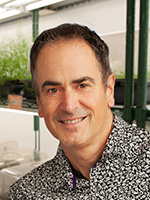 Julian Schroeder合作论文数Division of Biological Sciences, University of California San Diego;Department of Cell and Developmental Biology, School of Biological Sciences, University of California San Diego;Cambridge University20
 Heven Sze合作论文数Department of Cell Biology & Molecular Genetics, College of Computer, Mathematical, and Natural Sciences, University of Maryland19
 Paul A. Dalby合作论文数Department of Biochemical Engineering, University College London18
 Frank Baganz合作论文数Department of Biochemical Engineering, University College London15
 Wolf B. Frommer合作论文数Institute of Transformative Bio-Molecules, Nagoya University;Max Planck Institute for Breeding Research;Institute for Molecular Physiology, Heinrich Heine Universitat14
 John Woodley合作论文数Department of Chemical and Biochemical Engineering, Technical University of Denmark12
 Ba Diwan合作论文数12
 Gary Lye合作论文数East Manufacturing Futures Lab, Department of Biochemical Engineering, University College London12
 Kendal D Hirschi (Kendal Hirschi)合作论文数Texas A&M University;Department of Pediatrics, Baylor College of Medicine10
 Eli Keshavarz-Moore合作论文数Department of Biochemical Engineering, University College London8
 Fabiana Subrizi合作论文数8
 Frank J. Gonzalez合作论文数Cancer Innovation Laboratory, Center for Cancer Research, National Cancer Institute, National Institutes of Health8
 Waltraud Schulze合作论文数Department of Plant Systems Biology, University of Hohenheim8J M Rice合作论文数7
 Christina Kuhn合作论文数Dept Plant Physiol, Humboldt Univ7
 Tom Sheppard合作论文数Chemistry Department, Faculty of Mathematical & Physical Sciences, University College London7
 Lewis R Dartnell合作论文数7
 Zhen-Ming Pei (裴真明)合作论文数Hangzhou Normal University;Department of Biology, Trinity College of Arts & Sciences, Duke University7P Dunnill合作论文数6J R Henneman合作论文数6Margaret Taylor合作论文数6
 Martina Pohl合作论文数6Sylvie Lalonde合作论文数6
 Alicia Sivitz合作论文数6
 Dorte Rother合作论文数Forschungszentrum Julich6
 Christopher M. Weghorst合作论文数College of Public Health, The Ohio State University6
 Michael Phillip Waalkes合作论文数Division of the National Toxicology Program, National Institute of Environmental Health Sciences6Nicholas H. Keep合作论文数MRC Laboratory of Molecular Biology, University of Cambridge6
 Senthilkumar Padmanaban合作论文数Cell Biology and Molecular Genetics, University of Maryland6Andreas Weise合作论文数6
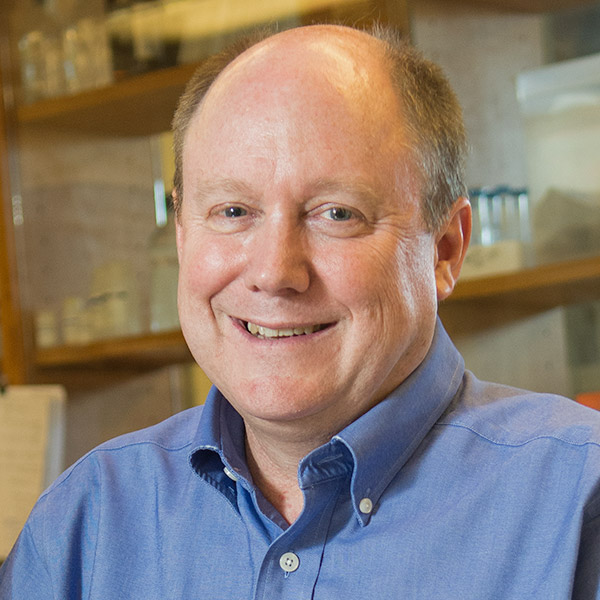 Jeff Harper合作论文数Department of Biochemistry, Molecular Biology & Biotechnology, College of Agriculture, Biotechnology & Natural Resources, University of Nevada, Reno6u kaulmann合作论文数5Pl Gorelick合作论文数5
 Daniel Mendez sanchez合作论文数5Ye Sun合作论文数5
 Piper M Treuting合作论文数5Sehl Torsten合作论文数5
 Tami McDonald合作论文数5
 Benjamin R Lichman合作论文数5
 Sean Nair合作论文数Department of Microbial Diseases, Eastman Dental Institute, Faculty of Medical Sciences, University College London5Brian Henderson合作论文数5Edward G. Hibbert合作论文数5
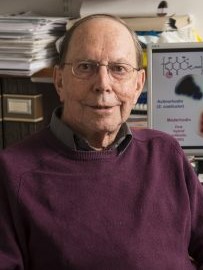 David Hopwood合作论文数Department of Molecular Microbiology, John Innes Centre5Mark E. B. Smith合作论文数5
 Christopher P. L. Grof合作论文数CSIRO-Plant Industry, Queensland Bioscience Precinct5
 Martina Micheletti合作论文数Department of Biochemical Engineering, University College London5k smithies合作论文数4




