Primary ciliary dyskinesia (PCD) is an autosomal recessive disorder caused by mutations in one of at least 50 different genes that encode proteins involved in the biogenesis, structure, or function of motile cilia. Genetically inherited defects in motile cilia cause PCD, a debilitating respiratory disease for which there is no approved therapy. The dynein axonemal intermediate chain 1 (DNAI1) protein is a key structural element of the ciliary outer dynein arm (ODA) critical for normal ciliary activity and subsequent clearance of mucus from the conducting airways in humans. Loss-of-function mutations in DNAI1 account for up to 10% of all PCD cases, with functional abnormalities in patients presenting at or near birth and leading to a life-long course of disability, including progressive loss of lung function and bronchiectasis by adulthood. This underscores the significant unmet need for disease-modifying treatments that restore ciliary activity and mucociliary clearance in PCD patients. In this work, we demonstrate that lipid nanoparticle (LNP)-formulated human DNAI1 mRNA can be delivered as an aerosol to primary human bronchial epithelial cell models and to nonhuman primate (NHP) lungs. Additionally, we show that delivery of aerosolized LNP-DNAI1 mRNA to NHPs leads to detectable levels of newly translated human DNAI1 protein, at doses that overlap with exposures in an in vitro cell-based PCD model enabling rescue of ciliary function. Therefore, these data support further development of the inhaled DNAI1 mRNA therapy in clinical studies as a potential disease-modifying treatment for PCD.
Background: CF is a progressive genetic disease leading to reduction in function or complete loss of the CFTR chloride channel that is normally located on the apical plasma membrane of specialized respiratory epithelial cells.Treatments combining CFTR modulators and a potentiator has been very successful, but a significant fraction of people with CF are not amenable to currently approved treatments.To address this unmet need, ReCode Therapeutics is advancing an mRNA-based treatment to rescue CFTR function using its proprietary lipid nanoparticle (LNP) platform to deliver optimized CFTR mRNA as an inhaled aerosol.Methods: Sequence-optimized CFTR (hemagglutinin tagged) mRNA containing modified nucleotides was used in patient-derived primary human bronchial epithelial cells (hBECs).Different CF genotypes (R553X/W1282X, W1282X/W1282X, F508del/F508del, G542X/F508del) and non-CF hBECs were grown at an air-liquid interface (ALI) and treated with aerosolized mRNA LNPs using commercially available mesh nebulizers and exposure systems.Read-outs for the nebulization experiments included transepithelial resistance (TEER) and forskolin-induced chloride conductance measured by multi-transepithelial current clamp (MTECC24), protein levels (Western blot), cytotoxicity (lactate dehydrogenase), and cell tropism (immunofluorescence). Results: We evaluated the impact of cell tropism and mucus accumulation on rescue of CFTR function in hBECs derived from people with different genotypes.Forskolin-induced Cl -currents showed significant rescue after a single dose of aerosolized SORT LNPs.Analysis of protein expression by Western blot indicated successful delivery of mRNA using optimized LNPs and expression of CFTR protein in all donor cultured cells.Data suggest that CFTR is being translated, folded, and glycosylated, whereas immunofluorescence results showed that the newly translated hemagglutinin-tagged protein trafficked to the apical membrane in pulmonary ionocytes and secretory cells.ReCode's leading formulation to treat primary ciliary dyskinesia, which was developed for delivery of DNAI1 mRNA to ciliated cells for rescue ciliary activity, promoted inefficient CFTR functional rescue.Mucus accumulation was studied by subjecting hBECs to stringent dithiothreitol washes (3 mM or 10 mM).Chloride flux results showed a modest effect of sterile mucus in transfection efficiency after LNP exposure.Further studies are being conducted to explore the connection between LNP-specific cell tropism patterns and ability to restore CFTR-dependent Cl -currents.We are also investigating the impact of mucus on LNP survivability and cell transfection in patient-derived mucus and in vivo models.Conclusions: Our results demonstrate the capability of proprietary ReCode SORT LNPs to deliver LNP-formulated CFTR mRNA as an aerosol and increase CFTR function in well-differentiated CF hBEC cultures, including cells from people with mutations unresponsive to current modulator therapies.ReCode's leading formulations to treat CF efficiently transfect pulmonary ionocytes and secretory cells in vitro.These cell-based observations support further development and may provide future treatment options for a significant fraction of people with CF who do not benefit from current CFTR modulator therapy.
Supplementary Data from Regulation of Bcl-2 Expression by HuR in HL60 Leukemia Cells and A431 Carcinoma Cells
Structure elucidation of protein structures by traditional nuclear magnetic resonance (NMR) spectroscopy (using nuclear Overhauser effects) is time-consuming and expensive. Residual dipolar couplings (RDCs) have become an alternate source of data for structure calculation by NMR spectroscopy. Here we report structure calculation of α, α/β, β proteins from RDC data and explore minimum data requirements and noise tolerance using the software package residual dipolar coupling-based residue assembly and filter tool (REDCRAFT). Our investigations conclude that structure calculation from RDC data alone can be accomplished with as little as {N-H, Cα-Hα} from two alignment media. However structure calculation from {C-N, N-H, C-H} in one alignment medium and {N-N} in the second alignment medium was problematic. Here we present a discussion of such pathological conditions, in which inherent degeneracies in RDC data make successful protein structure elucidation challenging. When using {C-N, N-H, C-H, Cα-Hα} from two alignment media, REDCRAFT consistently reconstructed the structures to within 2.084 Å of the original structures with up to 5 Hz of added noise.
MicroRNA (miRNA) biogenesis follows a conserved succession of processing steps, beginning with the recognition and liberation of an miRNA-containing precursor miRNA hairpin from a large primary miRNA transcript (pri-miRNA) by the Microprocessor, which consists of the nuclear RNase III Drosha and the double-stranded RNA-binding domain protein DGCR8 (DiGeorge syndrome critical region protein 8). Current models suggest that specific recognition is driven by DGCR8 detection of single-stranded elements of the pri-miRNA stem-loop followed by Drosha recruitment and pri-miRNA cleavage. Because count-less RNA transcripts feature single-stranded-dsRNA junctions and DGCR8 can bind hundreds of mRNAs, we explored correlations between RNA binding properties of DGCR8 and specific pri-miRNA substrate processing. We found that DGCR8 bound single-stranded, double-stranded, and random hairpin transcripts with similar affinity. Further investigation of DGCR8/pri-mir-16 interactions by NMR detected intermediate exchange regimes over a wide range of stoichiometric ratios. Diffusion analysis of DGCR8/pri-mir-16 interactions by pulsed field gradient NMR lent further support to dynamic complex formation involving free components in exchange with complexes of varying stoichiometry, although in vitro processing assays showed exclusive cleavage of pri-mir-16 variants bearing single-stranded flanking regions. Our results indicate that DGCR8 binds RNA nonspecifically. Therefore, a sequential model of DGCR8 recognition followed by Drosha recruitment is unlikely. Known RNA substrate requirements are broad and include 70-nucleotide hairpins with unpaired flanking regions. Thus, specific RNA processing is likely facilitated by preformed DGCR8-Drosha heterodimers that can discriminate between authentic substrates and other hairpins.
Messenger RNA encoded signals that are involved in programmed -1 ribosomal frameshifting (-1 PRF) are typically two-stemmed hairpin (H)-type pseudoknots (pks). We previously described an unusual three-stemmed pseudoknot from the severe acute respiratory syndrome (SARS) coronavirus (CoV) that stimulated -1 PRF. The conserved existence of a third stem-loop suggested an important hitherto unknown function. Here we present new information describing structure and function of the third stem of the SARS pseudoknot. We uncovered RNA dimerization through a palindromic sequence embedded in the SARS-CoV Stem 3. Further in vitro analysis revealed that SARS-CoV RNA dimers assemble through 'kissing' loop-loop interactions. We also show that loop-loop kissing complex formation becomes more efficient at physiological temperature and in the presence of magnesium. When the palindromic sequence was mutated, in vitro RNA dimerization was abolished, and frameshifting was reduced from 15 to 5.7%. Furthermore, the inability to dimerize caused by the silent codon change in Stem 3 of SARS-CoV changed the viral growth kinetics and affected the levels of genomic and subgenomic RNA in infected cells. These results suggest that the homodimeric RNA complex formed by the SARS pseudoknot occurs in the cellular environment and that loop-loop kissing interactions involving Stem 3 modulate -1 PRF and play a role in subgenomic and full-length RNA synthesis.
The antiapoptotic Bcl-2 protein is overexpressed in a variety of cancers, particularly leukemias. In some cell types this is the result of enhanced stability of bcl-2 mRNA, which is controlled by elements in its 3'-untranslated region. Nucleolin is one of the proteins that binds to bcl-2 mRNA, thereby increasing its half-life. Here, we examined the site on the bcl-2 3'-untranslated region that is bound by nucleolin as well as the protein binding domains important for bcl-2 mRNA recognition. RNase footprinting and RNA fragment binding assays demonstrated that nucleolin binds to a 40-nucleotide region at the 5' end of the 136-nucleotide bcl-2 AU-rich element (ARE(bcl-2)). The first two RNA binding domains of nucleolin were sufficient for high affinity binding to ARE(bcl-2). In RNA decay assays, ARE(bcl-2) transcripts were protected from exosomal decay by the addition of nucleolin. AUF1 has been shown to recruit the exosome to mRNAs. When MV-4-11 cell extracts were immunodepleted of AUF1, the rate of decay of ARE(bcl-2) transcripts was reduced, indicating that nucleolin and AUF1 have opposing roles in bcl-2 mRNA turnover. When the function of nucleolin in MV-4-11 cells was impaired by treatment with the nucleolin-targeting aptamer AS1411, association of AUF1 with bcl-2 mRNA was increased. This suggests that the degradation of bcl-2 mRNA induced by AS1411 results from both interference with nucleolin protection of bcl-2 mRNA and recruitment of the exosome by AUF1. Based on our findings, we propose a model that illustrates the opposing roles of nucleolin and AUF1 in regulating bcl-2 mRNA stability.
Protein misfolding has been implicated in a large number of diseases termed protein- folding disorders (PFDs), which include Alzheimer's disease, Parkinson's disease, transmissible spongiform encephalopathies, familial amyloid polyneuropathy, Huntington's disease, and type II diabetes. In these diseases, large quantities of incorrectly folded proteins undergo aggregation, destroying brain cells and other tissues. The interplay between ligand binding and hydration is an important component of the formation of misfolded protein species. Hydration drives various biological processes, including protein folding, ligand binding, macromolecular assembly, enzyme kinetics, and signal transduction. The changes in hydration and packing, both when proteins fold correctly or when folding goes wrong, leading to PFDs, are examined through several biochemical, biophysical, and structural approaches. Although in many cases the binding of a ligand such as a nucleic acid helps to prevent misfolding and aggregation, there are several examples in which ligands induce misfolding and assembly into amyloids. This occurs simply because the formation of structured aggregates (such as protofibrillar and fibrillar amyloids) involves decreases in hydration, formation of a hydrogen-bond network in the secondary structure, and burying of nonpolar amino acid residues, processes that also occur in the normal folding landscape. In this Account, we describe the present knowledge of the folding and misfolding of different proteins, with a detailed emphasis on mammalian prion protein (PrP) and tumoral suppressor protein p53; we also explore how ligand binding and hydration together influence the fate of the proteins. Anfinsen's paradigm that the structure of a protein is determined by its amino acid sequence is to some extent contradicted by the observation that there are two isoforms of the prion protein with the same sequence: the cellular and the misfolded isoform. The cellular isoform of PrP has a disordered N-terminal domain and a highly flexible, not-well-packed C-terminal domain, which might account for its significant hydration. When PrP binds to biological molecules, such as glycosaminoglycans and nucleic acids, the disordered segments appear to fold and become less hydrated. Formation of the PrP−nucleic acid complex seems to accelerate the conversion of the cellular form of the protein into the disease-causing isoform. For p53, binding to some ligands, including nucleic acids, would prevent misfolding of the protein. Recently, several groups have begun to analyze the folding−misfolding of the individual domains of p53, but several questions remain unanswered. We discuss the implications of these findings for understanding the productive and incorrect folding pathways of these proteins in normal physiological states and in human disease, such as prion disorders and cancer. These studies are shown to lay the groundwork for the development of new drugs.
The antiapoptotic Bcl-2 protein is overexpressed in a variety of cancers, particularly leukemias. In some cell types this is the result of enhanced stability of bcl-2 mRNA, which is controlled by elements in its 3'-untranslated region. Nucleolin is one of the proteins that binds to bcl-2 mRNA, thereby increasing its half-life. Here, we examined the site on the bcl-2 3'-untranslated region that is bound by nucleolin as well as the protein binding domains important for bcl-2 mRNA recognition. RNase footprinting and RNA fragment binding assays demonstrated that nucleolin binds to a 40-nucleotide region at the 5' end of the 136-nucleotide bcl-2 AU-rich element (ARE(bcl-2)). The first two RNA binding domains of nucleolin were sufficient for high affinity binding to ARE(bcl-2). In RNA decay assays, ARE(bcl-2) transcripts were protected from exosomal decay by the addition of nucleolin. AUF1 has been shown to recruit the exosome to mRNAs. When MV-4-11 cell extracts were immunodepleted of AUF1, the rate of decay of ARE(bcl-2) transcripts was reduced, indicating that nucleolin and AUF1 have opposing roles in bcl-2 mRNA turnover. When the function of nucleolin in MV-4-11 cells was impaired by treatment with the nucleolin-targeting aptamer AS1411, association of AUF1 with bcl-2 mRNA was increased. This suggests that the degradation of bcl-2 mRNA induced by AS1411 results from both interference with nucleolin protection of bcl-2 mRNA and recruitment of the exosome by AUF1. Based on our findings, we propose a model that illustrates the opposing roles of nucleolin and AUF1 in regulating bcl-2 mRNA stability.
The tumor suppressor protein p53 is a nuclear protein that serves as an important transcription factor. The region responsible for sequence-specific DNA interaction is located in its core domain (p53C). Although full-length p53 binds to DNA as a tetramer, p53C binds as a monomer since it lacks the oligomerization domain. It has been previously demonstrated that two core domains have a dimerization interface and undergo conformational change when bound to DNA. Here we demonstrate that the interaction with a consensus DNA sequence provides the core domain of p53 with enhanced conformational stability at physiological salt concentrations (0.15 M). This stability could be either increased or abolished at low (0.01 M) or high (0.3 M) salt concentrations, respectively. In addition, interaction with the cognate sequence prevents aggregation of p53C into an amyloid-like structure, whereas binding to a nonconsensus DNA sequence has no effect on p53C stability, even at low ionic strength. Strikingly, sequence-specific DNA binding also resulted in a large stabilization of full-length p53, whereas nonspecific sequence binding led to no stabilization. The effects of cognate DNA could be mimicked by high concentrations of osmolytes such as glycerol, which implies that the stabilization is caused by the exclusion of water. Taken together, our results show an enhancement in protein stability driven by specific DNA recognition. When cognate DNA was added to misfolded protein obtained after a pressurization cycle, the original conformation was mostly recovered. Our results may aid the development of therapeutic approaches to prevent misfolded species of p53.
Abstract Overexpression of the proto-oncogene bcl-2 promotes abnormal cell survival by inhibiting apoptosis. Expression of bcl-2 is determined, in part, by regulatory mechanisms that control the stability of bcl-2 mRNA. Elements in the 3′-untranslated region of bcl-2 mRNA have been shown to play a role in regulating the stability of the message. Previously, it was found that the RNA binding proteins nucleolin and Ebp1 have a role in stabilizing bcl-2 mRNA in HL60 cells. Here, we have identified HuR as a component of bcl-2 messenger ribonucleoprotein (mRNP) complexes. RNA coimmunoprecipitation assays showed that HuR binds to bcl-2 mRNA in vivo. We also observed an RNA-dependent coprecipitation of HuR and nucleolin, suggesting that the two proteins are present in common mRNP complexes. Moreover, nucleolin and HuR bind concurrently to bcl-2 AU-rich element (ARE) RNA in vitro, suggesting separate binding sites for these proteins on bcl-2 mRNA. Knockdown of HuR in A431 cells leads to down-regulation of bcl-2 mRNA and protein levels. Observation of a decreased ratio of bcl-2 mRNA to heterogeneous nuclear RNA in HuR knockdown cells confirmed a positive role for HuR in regulating bcl-2 stability. Recombinant HuR retards exosome-mediated decay of bcl-2 ARE RNA in extracts of HL60 cells. This supports a role for HuR in the regulation of bcl-2 mRNA stability in HL60 cells, as well as in A431 cells. Addition of nucleolin and HuR to HL60 cell extracts produced a synergistic protective effect on decay of bcl-2 ARE RNA. HuR knockdown also leads to redistribution of bcl-2 mRNA from polysomes to monosomes. Thus, HuR seems to play a positive role in both regulation of bcl-2 mRNA translation and mRNA stability. (Mol Cancer Res 2009;7(8):1354–66)
High bcl‐2 expression in hematological tumors is frequently an obstacle to cancer chemotherapy. We have demonstrated that Bcl‐2 overexpression in some leukemia cells is a consequence of abnormal bcl‐2 mRNA stability. Previously, nucleolin was identified as a factor that stabilizes bcl‐2 mRNA in human HL60 leukemia cells. This interaction occurs via an AU‐rich element (ARE) in the 3’‐untranslated region of bcl‐2 mRNA. Our current study demonstrated that HuR also plays a role in the regulation of bcl‐2 mRNA stability in HL60 cells. Using EMSA we observed that HuR in HL60 cell extracts binds to the bcl‐2 mRNA ARE. Also, we found that such interactions occur in vivo. Taxol treatment induced proteolysis of cytoplasmic HuR, suggesting that modulation of HuR may play a role in the downregulation of bcl‐2 that precedes taxol‐induced apoptosis. Pull‐down assays indicate that nucleolin and HuR co‐immunoprecipitate in an RNA‐dependent manner, suggesting the two proteins are part of common bcl‐2 mRNP complexes. Moreover, nucleolin and HuR can bind independently and concurrently to bcl‐2 ARE RNA in vitro. This suggests HuR and nucleolin bind to separate, non‐overlapping sites on the bcl‐2 ARE. Sh‐RNA‐mediated knockdown of HuR in A431 epithelial cancer cells leads to reduced levels of bcl‐2 mRNA and protein. Taken together, our studies suggest that both HuR and nucleolin play a role in stabilization of bcl‐2 mRNA, which contributes to the overexpression of Bcl‐2 protein in some types of leukemia cells. Supported by NCI R01CA87553 (EKS) and Leukemia and Lymphoma Society Grant 6006‐06 (DJF).
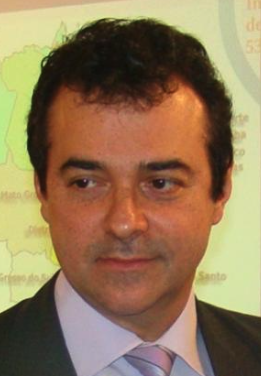 Jerson L. Silva合作论文数Instituto de Bioquímica Medica, Centro de Ciências da Saúde, Universidade Federal do Rio de Janeiro;National Institute of Science and Technology for Structural Biology and Bioimaging;Jiri Jonas National Center for Macromolecular Nuclear Magnetic Resonance, Universidade Federal do Rio de Janeiro10
 M. Hennig合作论文数8Sivakumar Ramalingam合作论文数7Spicer Eleanor K合作论文数7Daniel J. Fernandes合作论文数7Xueliang Yu合作论文数5
 Debora Foguel合作论文数Universidade Federal do Rio de Janeiro5
 Tapas K Sengupta合作论文数Altria Client Services5
 Baby Tholanikunnel合作论文数Department of Biochemistry and Molecular Biology, Medical University of South Carolina5M. S. Sidhu合作论文数4D. Liston合作论文数4H. E. Lister合作论文数4
 David Lockhart合作论文数ReCode Therapeutics4Brandon Wustman合作论文数4Sumita Bandyopadhyay合作论文数4B. Wustman合作论文数4
 Ana Paula Valente合作论文数Instituto de Bioquímica Médica, Universidade Federal do Rio de Janeiro4M. J. Torres合作论文数3VG Kharitonov合作论文数3Ali Alfaifi合作论文数Department of Mechanical and Nuclear Engineering, Virginia Commonwealth University3P. Gao合作论文数3
 Dmitri Y Boudko合作论文数3
 Yraima Cordeiro合作论文数Faculdade de Farmácia, Universidade Federal do Rio de Janeiro3S Dellis合作论文数3
 Lenize Fernandes Maia合作论文数3S. Suliman合作论文数2ella a meleshkevitch合作论文数2Ana Paula D. Ano Bom合作论文数2Lisa Zuraw合作论文数2LMTR Lima合作论文数2
 Luís Maurício T R Lima合作论文数UFRJ2
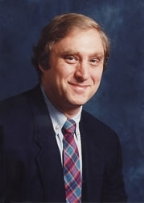 Adrian Reuben合作论文数Department of Medicine, College of Medicine, Medical University of South Carolina;Institute of Hepatology, Kings College London2
 Matilde Lopez Torres合作论文数2
 Daniel Siegwart合作论文数Department of Biomedical Engineering, Medical School, University of Texas Southwestern Medical Center2Andréa C. Oliveira合作论文数2Priscila M. Lopez合作论文数2
 Mirko Hennig合作论文数2
 Braden M Roth合作论文数Department of Biological Sciences, University of South Carolina2Daniel Sá-Carvalho合作论文数2Larissa M. Maiolino合作论文数2R. J. Bridges合作论文数1M. L. Coquelin合作论文数1S. Fakhari合作论文数1S Comini合作论文数1Philip J Thomas合作论文数1Fcl Almeida合作论文数1Claudia V. De Moura Gallo合作论文数1David W Armbruster合作论文数1J PONIATOWSKI合作论文数1




