Prostate Brachytherapy is in its 3rd decade of use in the world. Numerous reports from centers of excellence confirm its curative potential. In this study, we report the six year PSA relapse-free survival outcome and incidence of acute urinary obstruction for patients treated with Hybrid Interactive Mick I125 prostate brachytherapy with multiple urology groups in a large community hospital setting.
OBJECTIVES:To compare two different distal sensor flexible endoscopes with standard fiberoptic cystoscopes for optical resolution. Distal video sensor flexible endoscopy may represent the cusp of a new endoscopic revolution.METHODS:Twenty-three participants evaluated the optical resolution capabilities of six flexible cystoscopes. The two presently available distal sensor flexible cystoscopes, ACMI DCN-2010 digital flexible cystoscope and Olympus CYF-V EndoEYE flexible video cystoscope, were compared with the four leading fiberoptic cystoscopes, ACMI ACN-2 fiberoptic cystoscope, Olympus CYF-4 Cystofiberscope, Karl Storz 11272CU1 Flexible Cystoscope, and Richard Wolf Flexible Fibre Urethro-Cystoscope, in an in vitro model. The participants recorded the numerical digits they were able to visualize through five solutions with progressively increasing concentrations of hematoxylin dye (C1 to C5). The cystoscopic images were viewed on a 13-in. medical grade Olympus monitor with an Olympus Visera camera system.RESULTS:No differences were detected among the cystoscopes at the lowest concentrations of hematoxylin dye (C1 and C2). At C3 to C5, the mean percentage of visualized numbers for the ACMI and Olympus distal sensor flexible cystoscopes was significantly greater than for all fiberoptic cystoscopes (P <0.01). At the highest concentration (C5), the ACMI distal sensor cystoscope performed significantly better than did the Olympus distal sensor flexible cystoscopes (P <0.01), although at all other concentrations, the two digital video cystoscopes performed equivalently.CONCLUSIONS:The results of this in vitro study suggest that cystoscopes with distal sensor technology improve visibility in a simulated challenging working environment compared with fiberoptic cystoscopes.
You have accessJournal of UrologyPodium, Tuesday, May 24, 2005, 3:30 - 5:30 pm1 Apr 20051406: Feasibility of Renal Segmental Artery Clamping During Partial Nephrectomy: A Cadaveric Anatomical Study Kyle J. Weld, Ramakrishna Venkatesh, Caroline D. Ames, Kara Barnett, Karen Rushe, David Lieber, and Jaime Landman Kyle J. WeldKyle J. Weld More articles by this author , Ramakrishna VenkateshRamakrishna Venkatesh More articles by this author , Caroline D. AmesCaroline D. Ames More articles by this author , Kara BarnettKara Barnett More articles by this author , Karen RusheKaren Rushe More articles by this author , David LieberDavid Lieber More articles by this author , and Jaime LandmanJaime Landman More articles by this author View All Author Informationhttps://doi.org/10.1016/S0022-5347(18)35540-XAboutPDF ToolsAdd to favoritesDownload CitationsTrack CitationsPermissionsReprints ShareFacebookLinked InTwitterEmail "1406: Feasibility of Renal Segmental Artery Clamping During Partial Nephrectomy: A Cadaveric Anatomical Study." The Journal of Urology, 173(4S), p. 381 © 2016 by American Urological AssociationFiguresReferencesRelatedDetails Volume 173Issue 4SApril 2005Page: 381 Advertisement Copyright & Permissions© 2016 by American Urological AssociationMetricsAuthor Information Kyle J. Weld More articles by this author Ramakrishna Venkatesh More articles by this author Caroline D. Ames More articles by this author Kara Barnett More articles by this author Karen Rushe More articles by this author David Lieber More articles by this author Jaime Landman More articles by this author Expand All Advertisement Loading ...
Objectives To develop and test a porcine model to help teach the techniques needed to perform laparoscopic partial nephrectomy (LPN), which is a technically challenging procedure with necessary reconstructive skills that are difficult to transfer. Methods A tumor model was created by unilateral subcapsular percutaneous injection of liquid plastic (Smooth-Cast 320) in five pig kidneys. Five Washington University urologists performed LPN and assessed the efficacy of the tumor model. Subsequently, the tumor model was evaluated as a tool for teaching LPN during the Washington University Advanced Laparoscopic and Robotic Urologic Oncology Course. Twenty-eight participants performed unilateral porcine LPN with the tumor model. Questionnaires were used to assess the utility of this tumor model. Results Unilateral tumors were successfully created in five pigs and remained intact during all LPN procedures. Visually, the tumors appeared as white exophytic masses. Ultrasonography revealed a well-circumscribed, hypoechoic lesion and a mean diameter of 2.02 cm. The mean operative time was 32.4 minutes. In subsequent testing, 24 (86%) of the 28 participants returned the questionnaire, and 96% responded that the tumor model had enhanced their LPN learning experience. Seven course participants (29%) reported problems with hemostasis, ultrasonography, or laparoscopic instrumentation. Two tumor model-related complications occurred. During the initial evaluation, one pig experienced a fatal pulmonary embolism of the plastic. During the course, a second animal experienced extravasation of the solution into the renal collecting system. Conclusions For surgical education purposes, the Smooth-Cast model is an effective surgical tool for LPN. Most of the surgeons in this evaluation believed the model enhanced their learning experience.
Purpose: To compare running and interrupted suturing techniques for porcine vesicourethral anastomosis with regard to procedure time, histopathologic effects, and leakage. Materials and Methods: Twelve domestic pigs were randomized to a running (N = 6) or an interrupted (N = 6) vesicourethral anastomosis with polyglycolic acid sutures. In each case, the bladder was drained for 7 days. A cystogram was performed immediately after completion of each anastomosis and on postoperative days 7 and 30. Animals were sacrificed on postoperative day 30, and the area of the anastomosis was excised en bloc for histopathologic evaluation. Results: All procedures were completed laparoscopically. The mean operative time for continuous and interrupted suturing were 27.5 and 36.8 minutes, respectively (P = 0.3324). A significant learning curve was noted for both anastomoses, with operative times decreasing with experience in both groups. There was no difference in anastomotic leakage. Histopathology examination revealed more muscle-layer fibrosis in the interrupted- suture group than in the continuous-suture group, with a mean score of 2.17 and 1.67, respectively (P = 0.0325). Conclusions: Both continuous and interrupted vesicourethral anastomoses are feasible. In this in-vivo porcine comparison, there was no difference with respect to procedure time or anastomotic leakage. However, histopathologic grading demonstrated greater muscle fibrosis in the interrupted-suture group.
You have accessJournal of UrologyDiscussed Poster, Tuesday, May 11, 2004, 8:00am - 12:00 pm1 Apr 20041275: Deterioration of Laparoscopic Surgical Performance with Alteration in Angles of Perspective: the Effect of Surgeon Experience Allison Frisella, Caroline D Ames, David Lieber, Ramakrishna Venkatesh, Peter G. Schulam, and Jaime Landman Allison FrisellaAllison Frisella More articles by this author , Caroline D AmesCaroline D Ames More articles by this author , David LieberDavid Lieber More articles by this author , Ramakrishna VenkateshRamakrishna Venkatesh More articles by this author , Peter G. SchulamPeter G. Schulam More articles by this author , and Jaime LandmanJaime Landman More articles by this author View All Author Informationhttps://doi.org/10.1016/S0022-5347(18)38500-8AboutPDF ToolsAdd to favoritesDownload CitationsTrack CitationsPermissionsReprints ShareFacebookLinked InTwitterEmail "1275: Deterioration of Laparoscopic Surgical Performance with Alteration in Angles of Perspective: the Effect of Surgeon Experience." The Journal of Urology, 171(4S), p. 336 © 2016 by American Urological AssociationFiguresReferencesRelatedDetails Volume 171Issue 4SApril 2004Page: 336 Advertisement Copyright & Permissions© 2016 by American Urological AssociationMetricsAuthor Information Allison Frisella More articles by this author Caroline D Ames More articles by this author David Lieber More articles by this author Ramakrishna Venkatesh More articles by this author Peter G. Schulam More articles by this author Jaime Landman More articles by this author Expand All Advertisement PDF DownloadLoading ...
You have accessJournal of UrologyDiscussed Poster, Tuesday, May 11, 2004, 8:00 am - 12:00 pm1 Apr 20041290: Laparoscopic Partial Nephrectomy (LPN) for Renal Mass: Washington University Experience with 99 Cases Caroline D. Ames, David Lieber, Ramakrishna Venkatesh, Richard Vanlangendock, Chandru P. Sundaram, Ralph V. Clayman, Robert S. Figenshau, and Gerald L. Andriole Caroline D. AmesCaroline D. Ames More articles by this author , David LieberDavid Lieber More articles by this author , Ramakrishna VenkateshRamakrishna Venkatesh More articles by this author , Richard VanlangendockRichard Vanlangendock More articles by this author , Chandru P. SundaramChandru P. Sundaram More articles by this author , Ralph V. ClaymanRalph V. Clayman More articles by this author , Robert S. FigenshauRobert S. Figenshau More articles by this author , and Gerald L. AndrioleGerald L. Andriole More articles by this author View All Author Informationhttps://doi.org/10.1016/S0022-5347(18)38515-XAboutPDF ToolsAdd to favoritesDownload CitationsTrack CitationsPermissionsReprints ShareFacebookLinked InTwitterEmail "1290: Laparoscopic Partial Nephrectomy (LPN) for Renal Mass: Washington University Experience with 99 Cases." The Journal of Urology, 171(4S), p. 340 © 2016 by American Urological AssociationFiguresReferencesRelatedDetails Volume 171Issue 4SApril 2004Page: 340 Advertisement Copyright & Permissions© 2016 by American Urological AssociationMetricsAuthor Information Caroline D. Ames More articles by this author David Lieber More articles by this author Ramakrishna Venkatesh More articles by this author Richard Vanlangendock More articles by this author Chandru P. Sundaram More articles by this author Ralph V. Clayman More articles by this author Robert S. Figenshau More articles by this author Gerald L. Andriole More articles by this author Expand All Advertisement PDF DownloadLoading ...
You have accessJournal of UrologyDiscussed Poster, Tuesday, May 11, 2004, 1:00 - 5:00 pm1 Apr 20041478: Randomized Prospective Comparison of Ureteral Access Sheaths Manoj Monga, Ramakrishna Venkatesh, Sara Best, Caroline D. Ames, Jason Skenazy, David Lieber, Elizabeth Fallon, Richard Vanlangendock, and Jaime Landman Manoj MongaManoj Monga More articles by this author , Ramakrishna VenkateshRamakrishna Venkatesh More articles by this author , Sara BestSara Best More articles by this author , Caroline D. AmesCaroline D. Ames More articles by this author , Jason SkenazyJason Skenazy More articles by this author , David LieberDavid Lieber More articles by this author , Elizabeth FallonElizabeth Fallon More articles by this author , Richard VanlangendockRichard Vanlangendock More articles by this author , and Jaime LandmanJaime Landman More articles by this author View All Author Informationhttps://doi.org/10.1016/S0022-5347(18)39190-0AboutPDF ToolsAdd to favoritesDownload CitationsTrack CitationsPermissionsReprints ShareFacebookLinked InTwitterEmail "1478: Randomized Prospective Comparison of Ureteral Access Sheaths." The Journal of Urology, 171(4S), p. 389 © 2016 by American Urological AssociationFiguresReferencesRelatedDetails Volume 171Issue 4SApril 2004Page: 389 Advertisement Copyright & Permissions© 2016 by American Urological AssociationMetricsAuthor Information Manoj Monga More articles by this author Ramakrishna Venkatesh More articles by this author Sara Best More articles by this author Caroline D. Ames More articles by this author Jason Skenazy More articles by this author David Lieber More articles by this author Elizabeth Fallon More articles by this author Richard Vanlangendock More articles by this author Jaime Landman More articles by this author Expand All Advertisement PDF DownloadLoading ...
You have accessJournal of UrologyDiscussed Poster, Tuesday, May 11, 2004, 1:00 - 5:00 pm1 Apr 20041477: Durability of Next Generation Flexible Ureteroscopes: Randomized Prospective Study Manoj Monga, Ramakrishna Venkatesh, Sara Best, Caroline D. Ames, Courtney Lee, David Lieber, Jason Skenazy, Stephen Lukasewycz, Richard Vanlangendock, Elizabeth Fallon, and Jaime Landman Manoj MongaManoj Monga More articles by this author , Ramakrishna VenkateshRamakrishna Venkatesh More articles by this author , Sara BestSara Best More articles by this author , Caroline D. AmesCaroline D. Ames More articles by this author , Courtney LeeCourtney Lee More articles by this author , David LieberDavid Lieber More articles by this author , Jason SkenazyJason Skenazy More articles by this author , Stephen LukasewyczStephen Lukasewycz More articles by this author , Richard VanlangendockRichard Vanlangendock More articles by this author , Elizabeth FallonElizabeth Fallon More articles by this author , and Jaime LandmanJaime Landman More articles by this author View All Author Informationhttps://doi.org/10.1016/S0022-5347(18)39189-4AboutPDF ToolsAdd to favoritesDownload CitationsTrack CitationsPermissionsReprints ShareFacebookLinked InTwitterEmail "1477: Durability of Next Generation Flexible Ureteroscopes: Randomized Prospective Study." The Journal of Urology, 171(4S), p. 389 © 2016 by American Urological AssociationFiguresReferencesRelatedDetails Volume 171Issue 4SApril 2004Page: 389 Advertisement Copyright & Permissions© 2016 by American Urological AssociationMetricsAuthor Information Manoj Monga More articles by this author Ramakrishna Venkatesh More articles by this author Sara Best More articles by this author Caroline D. Ames More articles by this author Courtney Lee More articles by this author David Lieber More articles by this author Jason Skenazy More articles by this author Stephen Lukasewycz More articles by this author Richard Vanlangendock More articles by this author Elizabeth Fallon More articles by this author Jaime Landman More articles by this author Expand All Advertisement PDF downloadLoading ...
PURPOSEWhile the use of ureteral access sheaths facilitates flexible ureteroscopy, buckling or kinking of the device may preclude its successful application. We evaluate the ability of 2 hydrophilic coated ureteral access sheaths to obtain and maintain access to the upper collecting system.MATERIALS AND METHODSA total of 54 flexible ureteroscopy procedures were randomized to use of the 12/15Fr Applied Access Forte XE (Applied Medical, Rancho Santa Margarita, California) or the 12/14Fr Cook Flexor (Cook Urological, Spencer, Indiana) access sheaths. Device failure was defined as buckling of the sheath that prevented adequate placement, kinking of the sheath after removal of the obturator or difficulty in passing instruments through the sheath. The ease of placement, instrument passage and stone extraction was scored from poor (1) to excellent (4). Fisher's exact test and Mann-Whitney tests were used for statistical comparisons.RESULTSNo patient required ureteral balloon dilation. There was no significant difference between the groups in regard to preoperative stenting (34% and 31%, p = 1.00) or rigid ureteroscopy before sheath placement (32% and 25%, p = 0.751). The device failure rate was 44% for the Applied sheath and 0% for the Cook sheath (p <0.001). Failures with the Applied sheath included buckling (25%), kinking (25%) and difficulty passing instruments (13%). The Cook sheath was rated superior with regard to ease of placement (3.89 vs 3.00, p = 0.001), ease of instrument passage (3.97 vs 3.29, p = 0.001) and ease of stone extraction (3.74 vs 3.00, p = 0.023).CONCLUSIONSThe performance of the Cook Flexor sheath was superior with regard to overall failure and ease of use.
You have accessJournal of UrologyDiscussed Poster, Saturday, May 8, 2004, 1:00 - 5:00 pm1 Apr 20049: Anthropometric Correlation of Ureteral Length with Surface Body Habitus Parameters Jaime Landman, Caroline D. Ames, David Lieber, Ramakrishna Venkatesh, Richard Vanlangendock, Sara Best, Stephen Lukasewycz, and Manoj Monga Jaime LandmanJaime Landman More articles by this author , Caroline D. AmesCaroline D. Ames More articles by this author , David LieberDavid Lieber More articles by this author , Ramakrishna VenkateshRamakrishna Venkatesh More articles by this author , Richard VanlangendockRichard Vanlangendock More articles by this author , Sara BestSara Best More articles by this author , Stephen LukasewyczStephen Lukasewycz More articles by this author , and Manoj MongaManoj Monga More articles by this author View All Author Informationhttps://doi.org/10.1016/S0022-5347(18)37271-9AboutPDF ToolsAdd to favoritesDownload CitationsTrack CitationsPermissionsReprints ShareFacebookLinked InTwitterEmail "9: Anthropometric Correlation of Ureteral Length with Surface Body Habitus Parameters." The Journal of Urology, 171(4S), p. 3 © 2016 by American Urological AssociationFiguresReferencesRelatedDetails Volume 171Issue 4SApril 2004Page: 3 Advertisement Copyright & Permissions© 2016 by American Urological AssociationMetricsAuthor Information Jaime Landman More articles by this author Caroline D. Ames More articles by this author David Lieber More articles by this author Ramakrishna Venkatesh More articles by this author Richard Vanlangendock More articles by this author Sara Best More articles by this author Stephen Lukasewycz More articles by this author Manoj Monga More articles by this author Expand All Advertisement PDF downloadLoading ...
You have accessJournal of UrologyDiscussed Poster, Tuesday, May 11, 2004, 1:00 - 5:00 pm1 Apr 20041490: Hand-Assisted Versus Open Conversions in Laparoscopic Urology: Evaluation of the Decision to Maintain a Minimally Invasive Approach Caroline D. Ames, Courtney K. Phillips, David Lieber, Ramakrishna Venkatesh, Michael D. Stifelman, and Jaime Landman Caroline D. AmesCaroline D. Ames More articles by this author , Courtney K. PhillipsCourtney K. Phillips More articles by this author , David LieberDavid Lieber More articles by this author , Ramakrishna VenkateshRamakrishna Venkatesh More articles by this author , Michael D. StifelmanMichael D. Stifelman More articles by this author , and Jaime LandmanJaime Landman More articles by this author View All Author Informationhttps://doi.org/10.1016/S0022-5347(18)38698-1AboutPDF ToolsAdd to favoritesDownload CitationsTrack CitationsPermissionsReprints ShareFacebookLinked InTwitterEmail "1490: Hand-Assisted Versus Open Conversions in Laparoscopic Urology: Evaluation of the Decision to Maintain a Minimally Invasive Approach." The Journal of Urology, 171(4S), p. 392 © 2016 by American Urological AssociationFiguresReferencesRelatedDetails Volume 171Issue 4SApril 2004Page: 392 Advertisement Copyright & Permissions© 2016 by American Urological AssociationMetricsAuthor Information Caroline D. Ames More articles by this author Courtney K. Phillips More articles by this author David Lieber More articles by this author Ramakrishna Venkatesh More articles by this author Michael D. Stifelman More articles by this author Jaime Landman More articles by this author Expand All Advertisement PDF DownloadLoading ...
 Jaime Landman合作论文数Department of Urology, University of California, Irvine11
 R Venkatesh合作论文数10CD Ames合作论文数8Manoj Monga合作论文数4R Vanlangendock合作论文数4Sara L. Best合作论文数4Caroline D. Ames合作论文数3Elizabeth Fallon合作论文数2Jay Belani合作论文数2J Skenazy合作论文数2Stephen Lukasewycz合作论文数2T G Shanahan合作论文数1Sejal Quayle合作论文数1Veronique Tran合作论文数1CK Phillips合作论文数1K Rushe合作论文数1A Frisella合作论文数1Roszhart David A合作论文数1
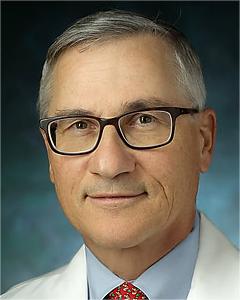 Gerald Louis Andriole合作论文数Brady Urologic Institute, Johns Hopkins University;Department of Surgery, Sibley Memorial Hospital1
 Peter A Humphrey合作论文数Department of Pathology, School of Medicine, Yale University1
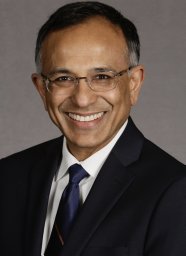 Chandru P. Sundaram合作论文数Department of Urology, Indiana University School of Medicine1
 Peter G. Schulam合作论文数School of Medicine, University of California, Los Angeles1
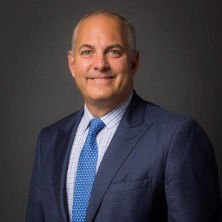 Michael Stifelman合作论文数Hackensack Meridian Health;Hackensack Meridian School of Medicine1Michael Talcott合作论文数1Stephen J Markwell合作论文数1Kevin Morissey合作论文数1Josephine Hidalgo合作论文数1Pam Baron合作论文数1W. Severino合作论文数1Kyle J. Weld合作论文数1
 Ralph V. Clayman合作论文数Department of Urology, School of Medicine, University of California, Irvine1Randy B. Maxey合作论文数1Keegan L. Maxwell合作论文数1Paul W. Mueller合作论文数1Courtney Lee合作论文数1
 Robert S Figenshau合作论文数1




