Ultraweak photon emission, also referred to as biological autoluminescence or biophoton emission, is the spontaneous emission of extremely low levels of light from a broad range of biological systems. Recent studies have reported that UPE measured extracranially can serve as a potential noninvasive biomarker of brain activity. Here, we show that this interpretation suffers from serious problems. We show that, when observed under properly dark conditions, the UPE from the head is much weaker than what is reported in certain papers on "brain UPE" from human heads. We also show that the large signals reported in these studies can be explained by background light contamination. Furthermore, photons with wavelengths <600 nm are strongly attenuated by scalp and skull tissues, and longer wavelengths fall largely outside the effective spectral sensitivity of the photomultiplier tubes (PMTs) used. As a consequence, even if UPE from the head is detected under properly background-free conditions, it is likely to be dominated by emission from the scalp rather than from the brain, certainly as long as PMTs are used. Our results emphasize the importance of careful experimental design to make genuine progress on this important question.
Microwave-to-optical quantum transducers are essential for entangling remote superconducting qubits. Among the available transduction platforms, ensembles of Er^3+ and Yb^3+ ions doped into solids have emerged as leading candidates. While external magnetic fields are needed to split the Zeeman levels of erbium ions and enable a microwave–qubit interface, superconducting qubits suffer decoherence in such fields. In contrast, ytterbium ions exhibit zero-first-order Zeeman transitions and large hyperfine splittings at zero magnetic field (when doped into inorganic crystals). Owing to its long optical and spin coherence times, Yb:YSO has been widely used as a quantum memory, yet its potential for quantum transduction remains largely unexplored. Investigating this material could enable the integration of quantum memory and transduction in a single platform. Here, we demonstrate microwave-to-optical transduction in the continuous-wave regime using a 5 ppm doped Yb:YSO crystal. The internal transduction efficiency is 2×10^-8 with a bandwidth of 200 kHz, achieved using a 3D loop-gap microwave resonator (LGR) and a single-pass optical configuration. We explore all the ground states that form a V-type three-level system with the first and second optical excited states and assert the use of the ground state, which provides the highest efficiency and isolated optical transition. We further establish strong spin-microwave coupling from avoided crossing measurements. With a strong microwave drive to saturate the spin transition, we estimate the spin population pumped into the excited state, close to the simulated value. Finally, we calculate target parameter values for maximum efficiency with our system and suggest using 50 ppm doped Yb:YSO crystal. With the calculated target parameters, the internal transduction efficiency is predicted to reach up to 10^-4 in the current LGR.
Long-range quantum communication, distributed quantum computing, and sensing applications require robust and reliable ways to encode transmitted quantum information. In this context, time-bin encoding has emerged as a promising candidate due to its resilience to mechanical and thermal perturbations, depolarization from refractive index changes, and birefringence in fiber optic media. Time-bin quantum bits (qubits) can be produced in various ways, and each implementation calls for different considerations regarding design parameters, component compatibility (optical, electrical, electro-optical), and measurement procedures. Here, we provide a comprehensive overview of experimental methods for preparing and characterizing time-bin qubits (TBQs) for quantum communication protocols, with an assessment of their advantages and limitations. We discuss challenges in transmitting TBQs over optical fibers and free-space channels, and methods to overcome them. We also analyze the selection of key time-bin parameters and component requirements across experiments. This leads us to explore the preparation and characterization of time-bin entanglement and examine requirements for interference of time-bins from separate sources. Further, we cover preparation and characterization techniques for high-dimensional time-bin states, namely qudits, and the generation of time-bin entangled qudit pairs. We review time-energy entanglement and key experimental realizations. Finally, we present notable applications of time-bin encoded quantum states, from quantum communication protocols to photonic quantum computation. This work serves as an accessible introduction and a comprehensive review of recent developments.
The realization of long-distance quantum communication and the envisioned quantum internet relies on coherent hybrid light-matter interfaces connecting quantum light emitters with quantum memory (QM) systems. Unlike probabilistic photon pair sources such as spontaneous parametric down-conversion, deterministic quantum light emitters enable the on-demand production of pure and bright single- and entangled- photons, essential for scalable quantum networks. In this work, we present the first experimental realization of a coherent hybrid light-matter interface between a chip-integrated InAsP/InP nanowire quantum dot (QD) and a solid-state QM based on Er3+ ions doped in a glass silica fiber (erbium-doped fiber, EDF). The emission spectrum of the InAsP/InP nanowire QD aligns with the absorption bandwidth of the EDF at 980 nm at cryogenic temperatures, allowing efficient interaction between the two systems. To demonstrate this, we present a spectroscopic characterization of the 4$${I}_{\frac{15}{2}}\leftrightarrow$$4$${I}_{\frac{11}{2}}$$ optical transition in EDF at 980 nm. Our measurements reveal substantial inhomogeneous broadening of this optical transition and a long spin population lifetime, underscoring EDF’s potential for broadband QM implementation. We implement an 8 GHz bandwidth multimode QM based on the Atomic Frequency Comb protocol, enabling the storage and retrieval of 59 weak coherent pulses. Furthermore, we characterize single-photon emission from an InAsP/InP nanowire QD at 980 nm and demonstrate its deterministic storage and recall in the EDF QM. Notably, this is achieved without spectral tuning of the QD emission, demonstrating its direct compatibility with a solid-state QM.
Microwave-to-optical quantum transducers will enable coherent interconnection between distant superconducting quantum devices. Ongoing explorations have shown promising results at single-photon levels. However, eliminating noise arising from the concurrence of weak transduced signals with intense pump pulses remains a challenge, requiring high-suppression filtering. Memory-assisted transduction offers a versatile noise-mitigation approach and enables on-demand retrieval of transduced signals. Here, we integrate a quantum memory protocol with transduction in a three-level atomic system. Leveraging zero-first-order Zeeman transitions at zero magnetic field, providing long optical and spin coherence times, and GHz-range hyperfine splitting, we use a low-doping concentration 171Yb3+:Y2SiO5 crystal at 30 mK. We achieve on-demand memory-assisted transduction with 0.4 (and 0.3) noise photons at a storage duration of 460 (and 620) μs. Further, we establish coherence via interference patterns and demonstrate multimode capacity, utilizing spin and optical inhomogeneous broadening. The on-demand retrieval enables qubit synchronization in quantum repeaters, while multimode capacity boosts entanglement generation rates. Current demonstrations of microwave-to-optical transduction suffer from noise due to the pump field. Here, the authors demonstrate memory-assisted microwave-to-optical transduction to avoid noise in a Yb:YSO crystal at 30 mK with zero B-field and multimode functionality.
Erbium-doped solids are promising candidates for fiber-based quantum networks due to their emission wavelength, which aligns with the telecom band over which optical fibers exhibit minimal loss. Among these, erbium-doped silica fiber (EDF) stands out for its availability, ease of use, and seamless integration with existing fiber-optic infrastructure. In this work, using the two-pulse photon-echo (2PPE) technique, we measured the homogeneous linewidth of the I-4(13/2) <-> I-4(15/2) optical transition under varying magnetic fields and temperatures. We observed an effective homogeneous linewidth of approximately 8 kHz at similar to 7 mK at an optimal magnetic field of 0.09 T, representing over two orders of magnitude improvement compared to earlier reports measured at T approximate to 700 mK. We also present a comprehensive model for the combined magnetic field and temperature dependency of the effective homogeneous linewidth. Additionally, we employed three-pulse photon-echo (3PPE) measurements to investigate spectral diffusion and decoherence processes and conclude that Two-Level System (TLS) effects are significantly suppressed at sufficiently low temperatures, below similar to 100 mK. (c) 2026 Optica Publishing Group under the terms of the Optica Open Access Publishing Agreement
Ultraweak photon emission is the spontaneous emission of extremely low levels of light from a broad range of biological systems. Recent studies have reported that UPE measured extracranially can serve as a potential non-invasive biomarker of brain activity. Here, we show that this interpretation suffers from serious problems. First, when observed under properly dark conditions, the UPE from the head is much weaker than what is reported in certain papers on 'brain UPE' from human heads. Signals detected in these studies are overwhelmingly dominated by background light. Second, photons at wavelengths < 600 nm are strongly attenuated by scalp and skull tissues, and longer wavelengths fall largely outside the effective spectral sensitivity of the photomultiplier tubes (PMTs) used. As a consequence, even if UPE from the head is detected under properly background-free conditions, it is likely to be dominated by emission from the scalp rather than from the brain, certainly as long as PMTs are used. Our results emphasize the importance of careful experimental design to make genuine progress on this important question.
Ultraweak photon emission (UPE), also known as biological autoluminescence or biophoton, is a ubiquitous but exceptionally faint optical signature of living systems, generated primarily from electronically excited species during oxidative and metabolic reactions. Despite nearly a century of investigation, the field remains caught between established photochemistry and unresolved claims of broader biological function. Progress is constrained by photon fluxes near detector noise floors, heterogeneous acquisition and analysis protocols, limited reproducibility across laboratories, and the difficulty of disentangling overlapping biochemical sources from potentially structured biological dynamics. These limitations have prevented UPE from becoming a mature quantitative modality and continue to complicate claims concerning coherence, long-range correlations, and photon-mediated signalling. Yet the technological landscape is changing rapidly. Advances in quantum-limited single-photon detectors, low-noise imaging, spectral and correlation measurements, integrated photonics, and artificial intelligence now provide opportunities to test long-standing hypotheses with substantially greater rigor and to extract information from photon-starved biological signals. Here, we critically reassess the historical development, biochemical foundations, measurement technologies, and biological interpretation of UPE, distinguishing robust evidence from unresolved controversy. We identify standardization, mechanistic attribution, multimodal validation, and clinically meaningful benchmarking as central priorities, while highlighting emerging opportunities in non-invasive diagnostics, wearable sensing, bio-inspired materials, and AI-assisted analysis. We argue that the future of UPE depends less on expanding speculative interpretations than on converting an intriguing endogenous emission into a reproducible, mechanistically grounded, and predictive measurement science at the interface of biology, photonics, and medicine.
Satellite to ground quantum communication typically operates at night to reduce background signals, however it remains susceptible to noise from light pollution of the night sky. In this study we compare several methodologies for determining whether a Quantum Ground Station (QGS) site is viable for exchanging quantum signals with the upcoming Quantum Encryption and Science Satellite (QEYSSat) mission. We conducted ground site characterization studies at three locations in Canada: Waterloo, Ontario, Calgary, Alberta, and Priddis, Alberta. Using different methods we estimate the background counts expected to leak into the satellite-ground quantum channel, and determined whether the noise levels could prevent a quantum key transfer. We also investigate how satellite data recorded from the Visible Infrared Imaging Radiometer Suite (VIIRS) can help estimate conditions of a particular site, and find reasonable agreement with the locally recorded data. Our results indicate that the Waterloo, Calgary, and Priddis QGS sites should allow both quantum uplinks and downlinks with QEYSSat, despite their proximity to urban centres. Furthermore, our approach allows the use of satellite borne instrument data (VIIRS) to remotely and efficiently determine the potential of a ground site.
The phenomenon of biological ultraweak photon emission (UPE), that is, extremely low-intensity emission (10-103 photons cm-2 s-1) in the spectral range of 200-1000 nm, has been observed in all living systems that have been examined. Here, we report experiments that exemplify the ability of novel imaging systems to detect variations in UPE for a set of physiologically important scenarios. We use electron-multiplying charge-coupled device (EMCCD) and charge-coupled device (CCD) cameras to capture single visible-wavelength photons with low noise and quantum efficiencies higher than 90%. Our investigation reveals significant contrast between the UPE from live vs dead mice. In plants, we observed that an increase in the temperature and injuries both caused an increase in UPE intensity. Moreover, chemical treatments modified the UPE emission characteristics of plants, particularly the application of a local anesthetic (benzocaine) to injury, which showed the highest emission among the compounds tested. As a result, UPE imaging provides the possibility of non-invasive label-free imaging of vitality in animals and the responses of plants to stress.
The realization of scalable quantum networks for distribution of entanglement over long distances hinges on quantum repeaters. To outperform the exponential transmission loss in optical fibers, quantum repeaters must employ multiplexing schemes in the temporal, spectral, or spatial domain. The performance of such a multiplexed scheme is contingent on efficient quantum memories offering both extended storage times and large multimode capacities. In this work, we experimentally demonstrate such a memory operating at telecom wavelength using an Er^3+:Y_2SiO_5 crystal. Using single-photon detectors, we record on-demand storage and recall of weak coherent pulses for up to 1 ms, exceeding that of previously reported quantum memories based on Er^3+. The memory exhibits an efficiency of 10.36% at 300 μs storage time with a signal-to-noise ratio of 10.9. We further showcase its multimode capacity by storing 20 temporal and 3 spectral modes simultaneously with on-demand and selective recall capabilities, essential for a scalable quantum repeater architecture.
We demonstrate ultra-long population storage ( ∼ 9 hours) and ultra-narrow homogeneous linewidths ( ∼ 8 kHz) in erbium-doped silica fibers (EDF) at ∼ 7 mK using spectral hole burning and photon-echo techniques. These results establish EDF as a strong candidate for fiber-based quantum networks.
Quantum imaging is emerging as a transformative approach for biomedical applications, applying nonclassical properties of light, such as entanglement, squeezing, and quantum correlations, to overcome fundamental limits of conventional techniques. These methods promise superior spatial resolution, enhanced signal-to-noise ratios, improved phase sensitivity, and reduced radiation dose, for potentially safer and more precise imaging for delicate biological samples. Here, we present an overview of quantum optical biomedical imaging technologies as well as quantum-inspired imaging methods, including quantum optical coherence tomography, quantum optical microscopy, ghost imaging, multi-parameter quantum imaging, and imaging with quantum-grade cameras. We describe the operating principles, biomedical applications, and unique advantages of each approach, along with the specific challenges for their translation into real-life practice. This review aims to guide future research toward advancing quantum imaging from experimental demonstrations to impactful biomedical tools.
A photonic quantum memory capable of simultaneously storing multiple qubits and subsequently recalling any randomly selected subset of the qubits, is essential for large-scale quantum networking and computing. Such functionality, akin to classical Random-Access Memory (RAM), has proven difficult to implement due to the absence of a versatile random-access mechanism and limited multimode capacity in existing quantum memory protocols. A potential path to developing the quantum analog to RAM is offered by photon-echo protocols in rare-earth ion-doped materials, such as Revival Of Silenced Echo. These can utilize optical rephasing pulses to selectively read-out frequency multiplexed photonic qubits within an inhomogeneously broadened optical transition. However, the conventional non-adiabatic nature of the rephasing pulses requires intense, short-duration pulses, impeding their fidelity and multimode capacity. To address these critical limitations, we introduce an alternate protocol that employs Rapid Adiabatic Passage (RAP) rephasing pulses, to realize quantum memory, which invokes phase-imprints to suppress undesirable echoes. Using the optical transitions of a ^171 Yb^3+:Y_2 SiO_5 crystal, we demonstrate the storage and retrieval of multiple intricate spectro-temporally photonic modes and achieve optical random access memory across eight distinct spectral modes. This protocol yields greatly enhanced mode-mapping versatility while substantially lowering the required rephasing pulse intensity, providing a more efficient and reliable approach for high-fidelity qubit storage and retrieval.
Anesthetics such as ketamine and thiopental, commonly used for inducing unconsciousness, have distinct effects on neuronal activity, metabolism, and cardiovascular and respiratory systems. Ketamine increases heart rate and blood pressure while preserving respiratory function, whereas thiopental decreases both and can cause respiratory depression. This study investigates the impact of ketamine (100 mg/kg) and thiopental (45 mg/kg) on ultraweak photon emission (UPE), oxidative-nitrosative stress, and antioxidant capacity in isolated rat brains. To our knowledge, no previous study has investigated and compared UPE in the presence and absence of anesthesia. Here, we compare the effects of ketamine and thiopental anesthetics with each other and with a non-anesthetized control group. Ketamine increased UPE, lipid peroxidation, and antioxidant enzyme activity while reducing thiol levels. Conversely, thiopental decreased UPE, oxidative markers, and antioxidant enzyme activity, while increasing thiol levels. UPE was negatively correlated with thiol levels and positively correlated with oxidative stress markers. These findings suggest that the contrasting effects of ketamine and thiopental on UPE are linked to their differing impacts on brain oxidative stress and antioxidant capacity. This research suggests a potential method to monitor brain oxidative stress via UPE during anesthesia, and opens up new ways for understanding and managing anesthetic effects.
We use spectral hole burning to investigate spin dynamics within the electronic Zeeman sublevels of the ground state of the erbium ions in erbium-doped fibers (EDF). Conducted at ultra-low temperatures and under varying magnetic fields, our study reveals distinct changes in spin relaxation dynamics across different conditions. We identified three decay components at approximately 7 mK, with one achieving spin lifetimes of over 9 hours under optimal conditions, while two components were observed at higher temperatures. The fairly stable relative weights of the decay components across conditions suggest distinct ion populations contributing to the observed relaxation dynamics. While earlier studies struggled to account for all decay components at higher temperatures, our approach successfully models spin dynamics across all observed decay components, using a consistent set of underlying mechanisms, including spin flip-flop interactions, direct coupling to two-level systems, and Raman-type processes, and distinguishes the decay components by the strengths with which these mechanisms contribute. These results suggest EDFs' potential as a promising candidate for quantum memory applications, with further room for optimization.
In this study, we investigate the unconditional microwave quantum teleportation of Gaussian states and the feasibility of its realization with real microwave elements between two dilution refrigerators. Our approach involves employing the Braunstein-Kimble protocol for continuous variables, represented in the symplectic domain, with microwave components integrated into a teleportation circuit. This circuit is established between two dilution refrigerators, which are interconnected by a cryogenic link and incorporate a homodyne detector. The proposed framework offers controllability, suitable for implementation within a single refrigerator or between two separate refrigerators. It operates effectively across a temperature range spanning from milliKelvin to 4 K. This platform is useful for advancing superconducting quantum communication within and between refrigeration systems. Its potential extends to facilitating quantum local area networks and enabling distributed quantum computing protocols. Furthermore, we briefly discuss the complex realm of long-range open-air quantum microwave communication under realistic conditions. We also introduce a protocol designed to enhance entanglement distillation of two-mode squeezed states between two refrigerators. This enhancement targets the squeezing factor of the resource and improves the protocol efficiency.
Rare-earth ion-doped crystals are of great interest for quantum memories, a central component in future quantum repeaters. To assess the promise of 1 % Tm3+-doped yttrium gallium garnet (Tm:YGG), we report measurements of optical coherence and energy-level lifetimes of its 3H 6 <-> 3 H4 transition at a temperature of around 500 mK and various magnetic fields. Using spectral hole burning (SHB), we find hyperfine ground-level (Zeeman level) lifetimes of several minutes at magnetic fields of less than 1000 G. We also measure coherence time exceeding one millisecond using two-pulse photon echoes. Three-pulse photon echo and SHB measurements reveal that due to spectral diffusion, the effective coherence time reduces to a few mu s over a timescale of around two hundred seconds. Finally, temporal and frequency-multiplexed storage of optical pulses using the atomic frequency comb protocol is demonstrated. Our results suggest Tm:YGG to be promising for multiplexed photonic quantum memory for quantum repeaters.
Atomic frequency comb (AFC) quantum memory is a favorable protocol in long distance quantum communication. Putting the AFC inside an asymmetric optical cavity enhances the storage efficiency but makes the measurement of the comb properties challenging. We develop a theoretical model for cavity-enhanced AFC quantum memory that includes the effects of dispersion, and show a close alignment of the model with our own experimental results. Providing semi quantitative agreement for estimating the efficiency and a good description of how the efficiency changes as a function of detuning, it also captures certain qualitative features of the experimental reflectivity. For comparison, we show that a theoretical model without dispersion fails dramatically to predict the correct efficiencies. Our model is a step forward to accurately estimating the created comb properties, such as the optical depth inside the cavity, and so being able to make precise predictions of the performance of the prepared cavity-enhanced AFC quantum memory.
 Wolfgang Tittel合作论文数Quantum Cryptography and Communication Laboratory, Department of Physics and Astronomy, Faculty of Science, University of Calgary;Institute for Quantum Science and Technology, University of Calgary35
 Neil Sinclair合作论文数26
 Erhan Saglamyurek合作论文数university of calgary20
 Christoph Simon合作论文数Institute for Quantum Science and Technology, University of Calgary19
 Joshua A. Slater合作论文数Institute for Quantum Information Science;Department of P hysics and Astronomy;University of Calgary;Institute for Quantum Information Science, University of Calgary16
 Eugene Polzik合作论文数Niels Bohr Institute, University of Copenhagen15
 Vahid Salari合作论文数Dept Phys Chem, Univ Basque Country UPV EHU13
 Matt Shaw合作论文数NASA Jet Propulsion Laboratory13
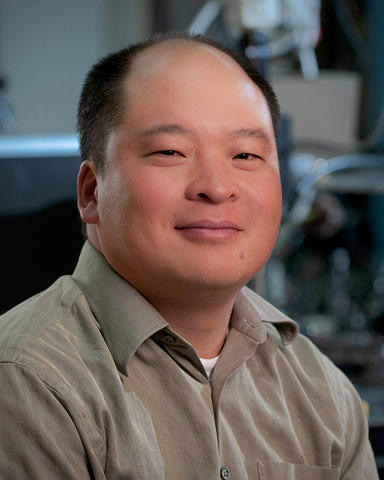 Sae Woo Nam合作论文数University of Colorado Boulder;National Institute of Standards and Technology13
 Venkata Ramana Raju Valivarthi合作论文数Division of Physics, Mathematics and Astronomy and the Alliance for Quantum Technologies (AQT),, California Institute of Technology11
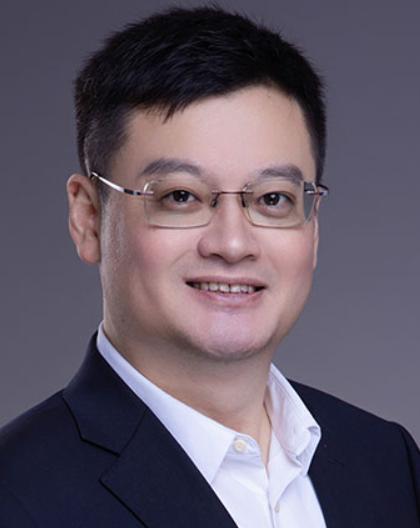 Qiang Zhou (周强)合作论文数Institute of Fundamental and Frontier Sciences, University of Electronic Science and Technology of China;School of Optoelectronic Science and Engineering, University of Electronic Science and Technology of China11
 Jacob H. Davidson合作论文数Kavli Inst Nanosci, Delft Univ Technol10
 Francesco Marsili合作论文数Nat. Inst. of Stand. & Technol.;c;Nat. Inst. of Stand. & Technol.10
 Niels Kjaergaard合作论文数Niels Bohr Institute, University of Copenhagen10
 Jurgen Appel合作论文数Niels Bohr Institute;Copenhagen University;Niels Bohr Institute, Copenhagen University10
 Marcel.li Grimau Puigibert合作论文数Univ Basel9Sourabh Kumar合作论文数9Mohsen Falamarzi Askarani合作论文数8
 Rufus L. Cone合作论文数8
 Charles W. Thiel合作论文数Department of Physics, Montana State University8varun verma合作论文数7Patrick Windpassinger合作论文数7
 Wolfgang Sohler合作论文数Department of Physics, Faculty of Science, University of Paderborn;Department of Applied Physics, Faculty of Science, University of Paderborn7Raimund Ricken合作论文数7Mathew George合作论文数7
 Nikolai Lauk合作论文数Div Phys Math & Astron, CALTECH6
 Pascal Lefebvre合作论文数Dept Phys & Astron, Univ Calgary6
 Plamen Petrov合作论文数5Shihai Wei合作论文数Sch Optoelect Sci & Engn, Univ Elect Sci & Technol China5Xueying Zhang合作论文数Univ Elect Sci & Technol China, Inst Fundamental & Frontier Sci, Chengdu 610054, Peoples R China5
 Gustavo Amaral合作论文数5
 Varun Verma合作论文数National Institute of Standards and Technology5
 Sara Marzban合作论文数Centre for Quantum Comput. & Commun. Technol., Australian Nat. Univ.;c;Centre for Quantum Comput. & Commun. Technol., Australian Nat. Univ.5Jeongwan Jin合作论文数5
 Maria Spiropulu合作论文数The Division of Physics, Mathematics and Astronomy, California Institute of Technology5
 Ulrich Busk Hoff合作论文数Laboratoire Kastler Brossel;Département de Physique de l'Ecole Normale Supérieure;Institut für Physik;Laboratoire Kastler Brossel, Institut für Physik5
 Lautaro Narvaez合作论文数Division of Physics, Mathematics and Astronomy and the Alliance for Quantum Technologies (AQT),, California Institute of Technology4
 Samantha Davis合作论文数Division of Physics, Mathematics and Astronomy and the Alliance for Quantum Technologies (AQT),, California Institute of Technology4
 Antariksha Das合作论文数4Cristian Pena合作论文数4
 Mahmood Noweir合作论文数Intelligent RF Radio Laboratory, University of Calgary4
 Mueller Bryon A合作论文数Dept Psychiat, Univ Minnesota4
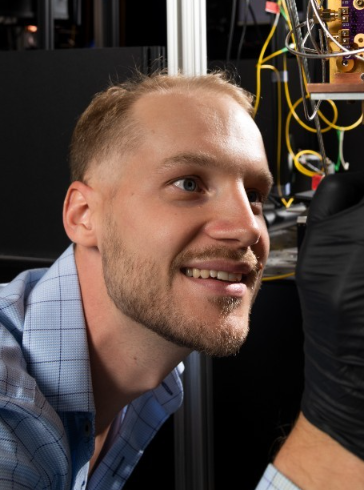 Boris Korzh合作论文数University of Geneva;NASA Jet Propulsion Laboratory, California Institute of Technology4
 Haizhi Song (宋海智)合作论文数Institute of Fundamental and Frontier Sciences, University of Electronic Science and Technology of China4
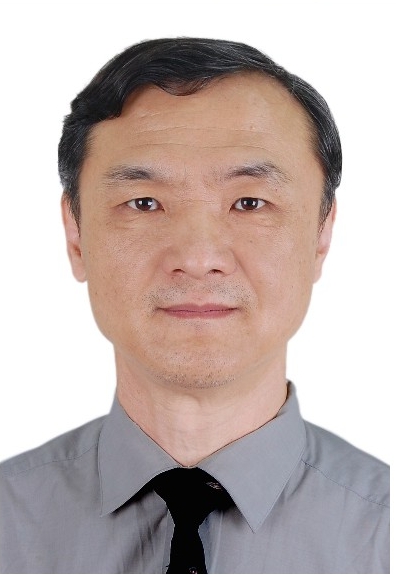 You Wang (王浟)合作论文数School of Automation Engineering, University of Electronic Science and Technology of China4
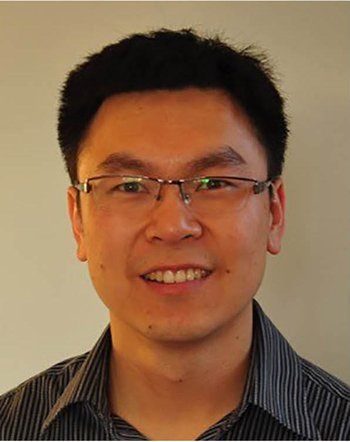 Si Xie合作论文数California Institute of Technology;Fermi National Accelerator Laboratory4
 Fadhel Ghannouchi合作论文数iRadio Lab, Department of Electrical and Software Engineering, Schulich School of Engineering, University of Calgary4
 Panagiotis Spentzouris合作论文数Scientific Computing Division, Fermi National Accelerator Laboratory4
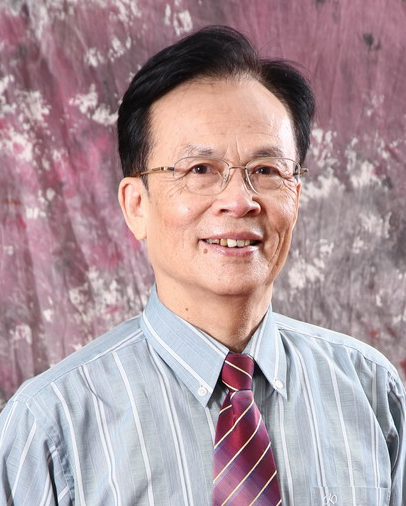 Guangcan Guo (郭光灿)合作论文数School of Physical Sciences, University of Science and Technology of China;Key Lab of Quantum Information, Chinese Academy of Sciences, University of Science and Technology of China4




