Although multiple susceptibility loci for late-onset Alzheimer's disease (LOAD) have been identified, a large portion of the genetic risk for this disease remains unexplained. LOAD risk may be associated with single-nucleotide polymorphisms responsible for changes in gene expression (eSNPs). To detect eSNPs associated with LOAD, we integrated data from LOAD genome-wide association studies and expression quantitative trait loci using Sherlock (a Bayesian statistical method). We identified a cis-regulatory eSNP (rs2927438) located on chromosome 19q13.32, for which subsequent analyses confirmed the association with both LOAD risk and the expression level of several nearby genes. Importantly, rs2927438 may represent an APOE-independent LOAD eSNP according to the weak linkage disequilibrium of rs2927438 with the 2 polymorphisms (rs7412 and rs429358) defining the APOE-ε2, -ε3, and -ε4 alleles. Furthermore, rs2927438 does not influence chromatin interaction events at the APOE locus or cis-regulation of APOE expression. Further exploratory analysis revealed that rs2927438 is significantly associated with tau levels in the cerebrospinal fluid. Our findings suggest that rs2927438 may confer APOE-independent risk for LOAD.
Classical autism or autistic disorder belongs to a group of genetically heterogeneous conditions known as Autism Spectrum Disorders (ASD). Heritability is estimated as high as 90% for ASD with a recently reported compilation of 629 clinically relevant candidate and known genes. We chose to undertake a descriptive next generation whole exome sequencing case study of 30 well-characterized Caucasian females with autism (average age, 7.7 ± 2.6 years; age range, 5 to 16 years) from multiplex families. Genomic DNA was used for whole exome sequencing via paired-end next generation sequencing approach and X chromosome inactivation status. The list of putative disease causing genes was developed from primary selection criteria using machine learning-derived classification score and other predictive parameters (GERP2, PolyPhen2, and SIFT). We narrowed the variant list to 10 to 20 genes and screened for biological significance including neural development, function and known neurological disorders. Seventy-eight genes identified met selection criteria ranging from 1 to 9 filtered variants per female. Five females presented with functional variants of X-linked genes (IL1RAPL1, PIR, GABRQ, GPRASP2, SYTL4) with cadherin, protocadherin and ankyrin repeat gene families most commonly altered (e.g., CDH6, FAT2, PCDH8, CTNNA3, ANKRD11). Other genes related to neurogenesis and neuronal migration (e.g., SEMA3F, MIDN), were also identified.
The era of personalized medicine is upon us and it is being fueled by large available data sets of many types that are setting the foundation for the development of more precise diagnostic tools and targeted therapies, which are improving patient outcomes. Technology innovation and concomitant price decreases in molecular scanning technologies are at the heart of this change, both accelerating at a rate that has exceeded Moore's law. This technology trend is enabling the research community to generate, and make publicly available, massive amounts of genomic data. These data come in the form not only of contextual information about the structure and function of the genome, but also in the form of variants that are correlated with human disease. Coupled with this molecular information, we are making dramatic inroads into capturing and making available high-resolution phenotypic and environmental exposure data through both incentives to physicians to migrate electronic medical records and to adoption of consumer-facing data collection and aggregation technologies. These large-scale genomic, environmental and phenotypic data together allow us to provide a multitude of new diagnostic correlations across the spectrum of possible clinical indications. To fully leverage the data foundation that will lead us to precise diagnostics and truly move the needle in outcome improvement, we need to achieve a culture shift as to how to apply this new personalized and probabilistic diagnostic information to better practice the art of medicine.
Large-scale functional genomics data coupled with whole-genome sequencing will lead to improved diagnostic assays.
Objectives. To determine if therapy with pioglitazone HCl and tretinoin could slow disease progression in patients with ALS. Levels of tau and pNFH in the cerebrospinal fluid were measured to see if they could serve as prognostic indicators. Methods. 27 subjects on stable doses of riluzole were enrolled. Subjects were randomized to receive pioglitazone 30mg/d and tretinoin 10 mg/BID for sixmonths or two matching placebos. ALSFRS-R scores were followedmonthly. At baseline and at the final visit, lumbar punctures (LPs) were performed to measure cerebrospinal fluid (CSF) biomarker levels. Results. Subjects treated with tretinoin, pioglitazone, and riluzole had an average rate of decline on the ALSFRS-R scale of -1.02 points per month; subjects treated with placebo and riluzole had a rate of decline of -.86 (P =.18). Over six months of therapy, CSF tau levels decreased in subjects randomized to active treatment and increased in subjects on placebo. Further higher levels of pNF-H at baseline correlated with a faster rate of progression. Conclusion. ALS patients who were treated with tretinoin and pioglitazone demonstrated no slowing on their disease progression. Interestingly, the rate of disease progression was strongly correlated with levels of pNFH in the CSF at baseline.
An extraordinary revolution in medical research has taken place over the past decade, enabled by the completion of the first human genome sequence in 2001. The Human Genome Project (HGP) has resulted in the 6 billion letter reference human genome sequence and the ultra-high throughput technologies used by medical researchers to identify correlations between positions within the human genome (genotypes) and diseases or traits (phenotypes). Just as every human disease has a genetic component, so too does every human trait. The vast majority of these diseases and traits also have an environmental component that works in conjunction with the body's hardwiring to produce the resultant phenotype- termed "complex genetic traits". A derivative of the HGP has been a deeper understanding not only of diseases but of normal human variability across the population, including aspects of athleticism. The technologies also now exist for consumers to cheaply gain access to variations in the genetic code that are correlated to traits that confer aspects of longevity, memory performance, athleticism and a multitude of others there-through gaining insight into propensities. Communication of propensity to a phenotype such as athletic performance is fraught with technical, legal (e.g., patents), social and ethical issues. That being said, the information is available, has benefit in some cases, and will be utilized in the future. Given that the "genie is out of the bottle" with respect to our ability to deliver this genetic information to individuals, over the past decade our team has worked diligently to craft the appropriate testing and communication paradigms for complex traits. Here we discuss several of the major risks and benefits of this type of testing for athletic performance. It is important to understand the limitations of genetic information in determining the vast majority of traits.
Mutations in the FUS gene have recently been described as a cause of familial amyotrophic lateral sclerosis (ALS), but their role in the pathogenesis of sporadic ALS is unclear. We undertook mutational screening of all coding exons of FUS in 228 sporadic ALS cases, and, as previous reports suggest that exon 15 represents a mutational hotspot, we sequenced this exon in an additional 1295 sporadic cases. Six variants in six different cases were found, indicating that FUS mutations can underlie apparently sporadic ALS, but account for less than 1% of this form of disease.
By using homozygosity mapping in a consanguineous Pakistani family, we detected linkage of nonsyndromic hearing loss to a 7.6 Mb region on chromosome 3q13.31-q21.1 within the previously reported DFNB42 locus. Subsequent candidate gene sequencing identified a homozygous nonsense mutation (c.1135G>T [p.Glu379X]) in ILDR1 as the cause of hearing impairment. By analyzing additional consanguineous families with homozygosity at this locus, we detected ILDR1 mutations in the affected individuals of 10 more families from Pakistan and Iran. The identified ILDR1 variants include missense, nonsense, frameshift, and splice-site mutations as well as a start codon mutation in the family that originally defined the DFNB42 locus. ILDR1 encodes the evolutionarily conserved immunoglobulin-like domain containing receptor 1, a putative transmembrane receptor of unknown function. In situ hybridization detected expression of Ildr1, the murine ortholog, early in development in the vestibule and in hair cells and supporting cells of the cochlea. Expression in hair cell- and supporting cell-containing neurosensory organs is conserved in the zebrafish, in which the ildr1 ortholog is prominently expressed in the developing ear and neuromasts of the lateral line. These data identify loss-of-function mutations of ILDR1, a gene with a conserved expression pattern pointing to a conserved function in hearing in vertebrates, as underlying nonsyndromic prelingual sensorineural hearing impairment.
A causal role of mutations in multiple general transcription factors in neurodevelopmental disorders including autism suggested that alterations in global levels of gene expression regulation might also relate to disease risk in sporadic cases of autism. This premise can be tested by evaluating for changes in the overall distribution of gene expression levels. For instance, in mice, variability in hippocampal-dependent behaviors was associated with variability in the pattern of the overall distribution of gene expression levels, as assessed by variance in the distribution of gene expression levels in the hippocampus. We hypothesized that a similar change in variance might be found in children with autism. Gene expression microarrays covering greater than 47,000 unique RNA transcripts were done on RNA from peripheral blood lymphocytes (PBL) of children with autism (n = 82) and controls (n = 64). Variance in the distribution of gene expression levels from each microarray was compared between groups of children. Also tested was whether a risk factor for autism, increased paternal age, was associated with variance. A decrease in the variance in the distribution of gene expression levels in PBL was associated with the diagnosis of autism and a risk factor for autism, increased paternal age. Traditional approaches to microarray analysis of gene expression suggested a possible mechanism for decreased variance in gene expression. Gene expression pathways involved in transcriptional regulation were down-regulated in the blood of children with autism and children of older fathers. Thus, results from global and gene specific approaches to studying microarray data were complimentary and supported the hypothesis that alterations at the global level of gene expression regulation are related to autism and increased paternal age. Global regulation of transcription, thus, represents a possible point of convergence for multiple etiologies of autism and other neurodevelopmental disorders.
This study aimed at contributing to the elucidation of the genetic basis of age-related hearing impairment (ARHI), a common multifactorial disease with an important genetic contribution as demonstrated by heritability studies. We conducted a genome-wide association study (GWAS) in the Finnish Saami, a small, ancient, genetically isolated population without evidence of demographic expansion. The choice of this study population was motivated by its anticipated higher extent of LD, potentially offering a substantial power advantage for association mapping. DNA samples and audiometric measurements were collected from 352 Finnish Saami individuals, aged between 50 and 75 years. To reduce the burden of multiple testing, we applied principal component (PC) analysis to the multivariate audiometric phenotype. The first three PCs captured 80% of the variation in hearing thresholds, while maintaining biologically important audiometric features. All subjects were genotyped with the Affymetrix 100 K chip. To account for multiple levels of relatedness among subjects, as well as for population stratification, association testing was performed using a mixed model. We summarised the top-ranking association signals for the three traits under study. The top-ranked SNP, rs457717 (P-value 3.55 × 10⁻⁷), was associated with PC3 and was localised in an intron of the IQ motif-containing GTPase-activating-like protein (IQGAP2). Intriguingly, the SNP rs161927 (P-value 0.000149), seventh-ranked for PC1, was positioned immediately downstream from the metabotropic glutamate receptor-7 gene (GRM7). As a previous GWAS of a European and Finnish sample set already suggested a role for GRM7 in ARHI, this study provides further evidence for the involvement of this gene.
Objectives/Hypothesis: To determine the cause of autosomal dominant hearing loss segregating in an American family.Study Design: Family study.Methods: Otologic and audiometric examination was performed on affected family members. Genome wide parametric multipoint linkage mapping using a dominant model was performed with Affymetrix 50K GeneChip data. Direct sequencing was used to confirm the causative mutation.Results: In American family 467, segregating autosomal dominant nonsyndromic hearing loss, a novel heterozygous missense mutation (c.362T>C; p.F121S) was identified in the COCH gene. This mutation was also associated with vestibular dysfunction typical of other DFNA9 families. However, affected family members also exhibited memory loss and night blindness.Conclusions: The novel COCH mutation affects the functionally important limulus factor C, Coch-5b2 and Lgl1 domain where most DFNA9 mutations have been localized. The onset of the hearing loss, in the 2nd or 3rd decade of life,. is earlier than in most DFNA9 families. The progression of hearing loss and vestibular dysfunction in the American family is typical of other DFNA9 families with mutations in this domain. Memory loss and night blindness have not been previously reported in DFNA9 families.
In a genome-wide association study of structural brain degeneration, we mapped the 3D profile of temporal lobe volume differences in 742 brain MRI scans of Alzheimer's disease patients, mildly impaired, and healthy elderly subjects. After searching 546,314 genomic markers, 2 single nucleotide polymorphisms (SNPs) were associated with bilateral temporal lobe volume (P<5×10⁻⁷). One SNP, rs10845840, is located in the GRIN2B gene which encodes the N-methyl-d-aspartate (NMDA) glutamate receptor NR2B subunit. This protein – involved in learning and memory, and excitotoxic cell death – has age-dependent prevalence in the synapse and is already a therapeutic target in Alzheimer's disease. Risk alleles for lower temporal lobe volume at this SNP were significantly over-represented in AD and MCI subjects vs. controls (odds ratio=1.273; P=0.039) and were associated with mini-mental state exam scores (MMSE; t=−2.114; P=0.035) demonstrating a negative effect on global cognitive function. Voxelwise maps of genetic association of this SNP with regional brain volumes, revealed intense temporal lobe effects (FDR correction at q=0.05; critical P=0.0257). This study uses large-scale brain mapping for gene discovery with implications for Alzheimer's disease.
For late onset Alzheimer's disease (LOAD), the only confirmed, genetic association is with the apolipoprotein E (APOE) locus on chromosome 19. Meta-analysis is often employed to sort the true associations from the false positives. LOAD research has the advantage of a continuously updated meta-analysis of candidate gene association studies in the web-based AlzGene database. The top 30 AlzGene loci on May 1(st), 2007 were investigated in our whole genome association data set consisting of 1411 LOAD cases and neuropathoiogicaiiy verified controls genotyped at 312,316 SNPs using the Affymetrix 500K Mapping Platform. Of the 30 "top AlzGenes", 32 SNPs in 24 genes had odds ratios (OR) whose 95% confidence intervals that did not include 1. Of these 32 SNPs, six were part of the Affymetrix 500K Mapping panel and another ten had proxies on the Affymetrix array that had >80% power to detect an association with α=0.001. Two of these 16 SNPs showed significant association with LOAD in our sample series. One was rs4420638 at the APOE locus (uncorrected p-value=4.58E-37) and the other was rs4293, located in the angiotensin converting enzyme (ACE) locus (uncorrected p-value=0.014). Since this result was nominally significant, but did not survive multiple testing correction for 16 independent tests, this association at rs4293 was verified in a geographically distinct German cohort (p-value=0.03). We present the results of our ACE replication aiongwith a discussion of the statistical limitations of multiple test corrections in whole genome studies.
Myosin VIIA mutations have been associated with non-syndromic hearing loss (DFNB2; DFNA11) and Usher syndrome type 1B (USH1B). We report clinical and genetic analyses of a consanguineous Iranian family segregating autosomal recessive non-syndromic hearing loss (ARNSHL). The hearing impairment was mapped to the DFNB2 locus using Affymetrix 50K GeneChips; direct sequencing of the MYO7A gene was completed. The Iranian family (L-1419) was shown to segregate a novel homozygous missense mutation (c.1184G>A) that results in a p.R395H amino acid substitution in the motor domain of the myosin VIIA protein. As one affected family member had significantly less severe hearing loss, we used a candidate approach to search for a genetic modifier. This novel MYO7A mutation is the first reported to cause DFNB2 in the Iranian population and this DFNB2 family is the first to be associated with a potential modifier. The absence of vestibular and retinal defects, and less severe low frequency hearing loss, is consistent with the phenotype of a recently reported Pakistani DFNB2 family. Thus, we conclude this family has non-syndromic hearing loss (DFNB2) rather than USH1B, providing further evidence that these two diseases represent discrete disorders.
Human cells in vivo are exposed to a topographically rich, 3-dimenisional environment which provides extracellular cues initiating a cascade of biochemical signals resulting in changes in cell behavior. One primary focus of our group is the development of biomimetic substrates with anisotropic nanoscale topography to elucidate the mechanisms by which physical surface cues are translated into biochemical signals. To investigate changes in gene expression as a result of nanotopographic cues, Human Umbilical Vein Endothelial Cells (HUVECs) were cultured on chemically identical flat and 400 nm pitch nanogrooved surfaces. After 12 h, RNA was harvested for an Affymetrix HG U133 Plus 2.0 gene array. Of over 47,000 possible gene probes, 3171 had at least a two-fold difference in expression between the control flat and 400 nm pitch. The gene ontology groups with the most significant increase in expression are involved in protein modification and maintenance, similar to cells upregulating chaperone and protein synthesis genes in response to physical stresses. The most significant decreases in expression were observed with cell cycle proteins, including cyclins and checkpoint proteins. Extracellular matrix proteins, including integrins, collagens, and laminins, are almost uniformly downregulated on the 400 nm pitch surfaces compared to control. The downregulation of one of these genes, integrin beta 1, was confirmed via quantitative PCR. Together, these gene array data, in addition to our studies of cell behavior on nanoscale surfaces, contribute to our understanding of the signaling pathways modulated by topographical surface cues.
A recently identified variant within the fat mass and obesity-associated (FTO) gene is carried by 46% of Western Europeans and is associated with an ~1.2 kg higher weight, on average, in adults and an ~1 cm greater waist circumference. With >1 billion overweight and 300 million obese persons worldwide, it is crucial to understand the implications of carrying this very common allele for the health of our aging population.FTOis highly expressed in the brain and elevated body mass index (BMI) is associated with brain atrophy, but it is unknown how the obesity-associated risk allele affects human brain structure. We therefore generated 3D maps of regional brain volume differences in 206 healthy elderly subjects scanned with MRI and genotyped as part of the Alzheimer's Disease Neuroimaging Initiative. We found a pattern of systematic brain volume deficits in carriers of the obesity-associated risk allele versus noncarriers. Relative to structure volumes in the mean template,FTOrisk allele carriers versus noncarriers had an average brain volume difference of ~8% in the frontal lobes and 12% in the occipital lobes—these regions also showed significant volume deficits in subjects with higher BMI. These brain differences were not attributable to differences in cholesterol levels, hypertension, or the volume of white matter hyperintensities; which were not detectably higher inFTOrisk allele carriers versus noncarriers. These brain maps reveal that a commonly carried susceptibility allele for obesity is associated with structural brain atrophy, with implications for the health of the elderly.
 David W. Craig合作论文数Department of Integrative Translational Sciences, Beckman Research Institute, City of Hope35
 Matt Huentelman合作论文数TGen30
 Travis Dunckley合作论文数21Jennifer A. Webster合作论文数Neurogenomics Division, Translational Genomics Research Institute19
 Andreas Papassotiropoulos合作论文数Department of Psychiatry, University of Bonn17Coon Keith D合作论文数16
 Eric M. Reiman合作论文数Department of Psychology, The University of Arizona;Banner Alzheimer's Institute;Translational Genomics Research Institute;Eveyln F. McKnight Brain Institute, The University of Arizona16Diane Hu-Lince合作论文数14
 John Pearson合作论文数Department of Psychology and Neuroscience, Trinity College of Arts & Sciences, Duke University14
 Thomas Beach合作论文数Civin Laboratory for Neuropathology, Banner Sun Health Research Institute;Evelyn F. McKnight Brain Institute, The University of Arizona14Victoria L. Zismann合作论文数Arizona Alzheimer's Consortium14
 Corneveaux Jason J合作论文数Neurogenom Div, Translat Genom Res Inst12Joseph Rogers合作论文数11
 Richard J. Caselli合作论文数Department of Neurology, Mayo Clinic11Andrew Grover合作论文数10Keri E Ramsey合作论文数9Szabolcs Szelinger合作论文数9Rebecca F. Halperin合作论文数Translational Genomics Research Institute (J.V.P.;M.J.H.;R.F.H.;W.D.T.;N.H.;M.B.;S.S.;K.D.C.;V.L.Z.;J.A.W.;E.M.R.;A.P.;D.A.S.;D.W.C.);Translational Genomics Research Institute9
 Winnie S. Liang合作论文数Integrated Cancer Genomics and Neurogenomics Division, Translational Genomics Research Institute, City of Hope;Collaborative Sequencing Center, Translational Genomics Research Institute, City of Hope9Keta Joshipura合作论文数8
 Jeffrey Trent合作论文数Genetic Basis of Human Disease Division, Translational Genomics Research Institute;Melanoma Therapeutics Lab, Translational Genomics Research Institute8
 Diego Mastroeni合作论文数Sun Health Research Institute8Stacey Melquist合作论文数8
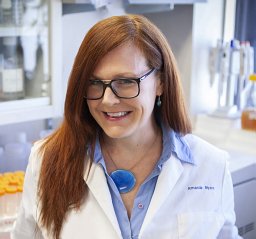 Amanda J Myers合作论文数Miller School of Medicine, University of Miami7
 Michael Hildebrand合作论文数Department of Medicine, Melbourne Medical School, Faculty of Medicine, Dentistry and Health Sciences, The University of Melbourne7
 Michael Hutton合作论文数Eli Lilly and Company7
 Eran Halperin合作论文数Samueli School Of Engineering, University of California, Los Angeles7
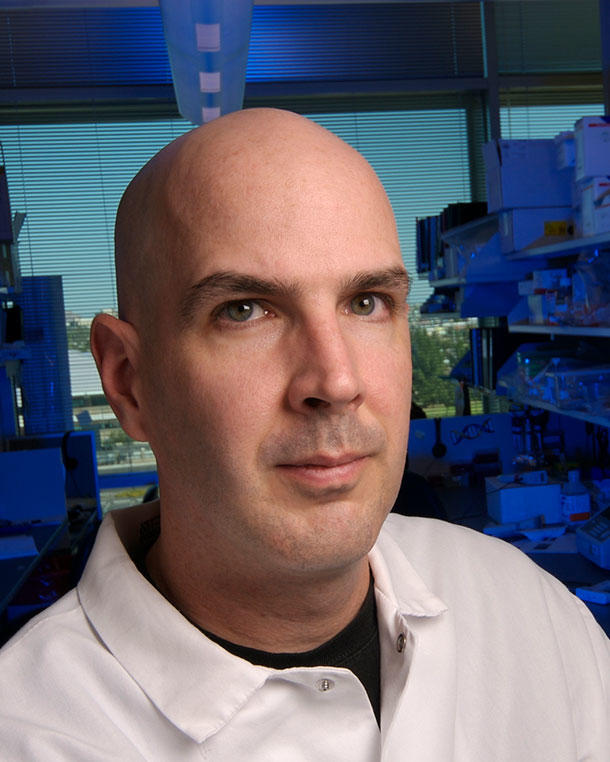 Kevin Brown合作论文数Laboratory of Translational Genomics, National Cancer Institute, National Institutes of Health;Division of Cancer Epidemiology & Genetics, National Cancer Institute, National Institutes of Health7
 Melanie Bahlo合作论文数Walter and Eliza Hall Institute of Medical Research7
 Richard J. Smith合作论文数Department of Molecular Physiology and Biophysics, Carver College of Medicine, University of Iowa7Christopher B. Heward合作论文数7Leslie Bryden合作论文数6
 Hossein Najmabadi合作论文数Kariminejad-Najmabadi Pathology & Genetics Center, Tehran, Iran.6Kahrizi Kimia合作论文数Genet Res Ctr, Univ Social Welf & Rehabil Sci6William Kimberling合作论文数Center for the Study and Treatment of Usher Syndrome, Boys Town National Research Hospital;Gene Markers Laboratory, Boys Town National Research Hospital;Departments of Ophthalmology and Visual Sciences and Otolaryngology, Carver School of Medicine, University of Iowa6
 Gene Alexander合作论文数Brain Imaging, Behavior & Aging Lab, Department of Psychology, University of Arizona;College of Science, University of Arizona;Programs, and Evelyn F. McKnight Brain Institute, School of Mind, Brain, and Behavior, University of Arizona6
 William B. Isaacs合作论文数Department of Urology, The Johns Hopkins University School of Medicine6Jeffrey R. Smith合作论文数6
 Nils Homer合作论文数Fulcrum Genomics LLC6
 Doris Y P Leung合作论文数Centre for Learning Enhancement and Research Room 302, The Chinese University of Hong Kong6Lauren Marlowe合作论文数6
 Mona A Kaleem合作论文数6
 Joan E. Bailey-Wilson合作论文数Center for Genomics and Data Science Research, National Human Genome Research Institute, National Institutes of Health6Waibhav D. Tembe合作论文数6
 Olli-Pekka Kallioniemi合作论文数Department of Oncology-Pathology, Karolinska Institutet;Science for Life Laboratory, Karolinska Institutet6Keri Ramsey合作论文数6
 John D. Carpten合作论文数Beckman Research Institute, City of Hope;Comprehensive Cancer Center, City of Hope6
 Walter A Kukull合作论文数Department of Epidemiology, School of Public Health, University of Washington;National Alzheimer's Coordinating Center6Michele Cargill合作论文数5




