DNA damage occasionally leads to mutations even in DNA repair-proficient cells via translesion synthesis (TLS), an efficient but error-prone DNA damage tolerance pathway. In the human genome, there are three closely related Y-family TLS polymerases (η, κ, and ι). Polymerase η is specialized for the error-free replication of UV adducts, while polymerase κ is known to replicate over various heterocyclic DNA adducts. The function of polymerase ι is less clear and this gene is missing from several vertebrate clades, yeast, most birds, and plants. Using wild-type and TLS polymerase (POLH, POLK, POLI) knockout human TK6 and RPE-1 cell lines and whole genome sequencing, we associate these polymerases to mutagenesis induced by the common chemotherapy agent cisplatin and the smoke-mimicking compound 4-nitroquinoline-1-oxide (4-NQO). We found that polymerase ι specifically introduces C>T mutations at both cisplatin and 4-NQO lesions, confirmed in two further cell lines. Using non-negative matrix factorization, we derived a polymerase ι-specific base substitution signature, which corresponds to COSMIC cancer mutational signature SBS31 with a cosine similarity of 0.97. By analyzing the mutational spectra in more than 3500 human metastatic tumors, we showed that SBS31 in platinum-treated samples and SBS92 in smoking-related cancers is associated with polymerase ι expression. Our study suggests an in vivo mutagenic function for polymerase ι and highlights its role in tissue-dependent chemotherapy-induced mutagenesis that may contribute to tumor heterogeneity.
Acetaldehyde is the primary metabolite of ethanol, and routes of exposure include endogenous sources, food and cigarette smoke. To explore whether the mutagenic effect of acetaldehyde is responsible for the carcinogenicity of ethanol, we use whole genome sequencing on four human cell lines subjected to long-term, physiologically relevant, analytically validated acetaldehyde treatments. Unexpectedly, the treatments do not induce increased base substitution and short insertion/deletion mutagenesis, nor the appearance of the alcohol-associated cancer mutation signature SBS16. In contrast, we observe large genomic alterations in most cell lines, which parallel the association of 32 kb to 1 Mb deletions and duplications with alcohol consumption in a Japanese gastric cancer cohort. Observations of DNA damage response and a specific requirement for the homologous recombination pathway to tolerate acetaldehyde suggest that DNA breaks are responsible for structural genomic alterations in both cell line and tumour samples, and these may contribute to the carcinogenic effect of acetaldehyde. Acetaldehyde treatment and whole genome sequencing of human cells reveal no increased base substitution mutagenesis but an induction of structural genomic alterations mirrored by the association of similar events with alcohol consumption in cancer.
Poly(ADP-ribosyl)ation (PARylation) is a transient post-translational modification catalyzed by PARP enzymes and reversed by the glycohydrolase PARG. Inhibition of PARG causes sustained PARylation, a toxic state that could be exploited for cancer therapy. However, the mechanisms by which excessive PARylation drives toxicity and cell death remain incompletely understood. Here, we examined how persistent PARylation influences cellular responses to replication stress and DNA damage. We found that during replication stress, the decline of ATR checkpoint activity marks the transition from fork stalling to fork collapse, a context in which stabilized poly(ADP-ribose) reduces chromatin-bound RPA. This loss of RPA, a key activator of the checkpoint, further reduces ATR signaling, revealing a feedback loop between unrestrained PARylation and checkpoint control. Our results identify a checkpoint-dependent consequence of unregulated PARP activity during fork collapse and highlight the PARylation-RPA axis as a critical determinant of PARG inhibitor cytotoxicity.
Guanine-rich DNA sequences have a propensity to form G-quadruplex structures. These structures play several important biological roles and are potential targets for anticancer drugs. However, no G-quadruplex-stabilizing agent has yet been approved for clinical use. Given that G-quadruplex stabilization is quite promising as a mechanism for novel anticancer therapies, it is crucial to elucidate its effects on healthy human cells. In our study, we modeled a potential human treatment using G4 -stabilizing agents and analyzed their effects on genome integrity, transcriptomic changes, and mitochondrial function focusing on non-cancerous cells to predict potential side effects of such treatments. We found that G-quadruplex stabilization does not compromise genome integrity. However, it can induce persistent alterations in the transcriptomic profile of human cells, including genes encoded on the mitochondrial genome. Notably, certain G-quadruplex-stabilizing agents triggered mitophagy in both human cells and Drosophila melanogaster. In summary, our findings indicate that while G-quadruplex stabilization does not cause genome instability, it may pose potential risks due to its long-term effects on transcription and its ability to induce mitophagy. Therefore, we recommend that all potential drug candidates be thoroughly evaluated for their ability to induce mitophagy and to promote cancer formation in animal models prior to clinical trials.
Somatic mutations drive cancer initiation and tumor evolution. Therefore, the etiology of mutagenesis in cancer is important to preventative and treatment strategies. Somatic mutagenesis in cancer is a multifactorial process and includes both endogenous and exogenous sources of mutations. One recently recognized source of mutagenesis in cancer is the innate immune APOBEC3 family of enzymes, which catalyze cytosine deamination to restrict viral infection but can aberrantly act on the cellular genome, resulting in mutations. Single base substitution (SBS) signatures, or mutational patterns, identified in cancer genomes have demonstrated widespread mutagenesis caused by APOBEC3 enzymes throughout human tumors. To comprehensively define the consequences of APOBEC3 mutagenesis, we developed an experimental pipeline for prospective analysis of genome-wide mutations caused by APOBEC3 activity. This pipeline can be adapted to analyze additional sources of mutagenesis across a spectrum of cells.
Chemotherapy remains the cornerstone of cancer treatment despite its well-documented challenges, including toxic side effects and drug resistance. Here, we demonstrate that a novel, highly toxic, daunosamine-modified derivative of daunorubicin (2-pyrrolino-daunorubicin, PyDau) can be safely administered to mice when encapsulated in liposome. PyDau was synthesized from daunorubicin in a one-step reaction. Its increased in vitro cytotoxicity was confirmed across 42 human cell lines representing 12 cancer types, including multidrug resistant cells. The activity profile of this new derivative was analyzed in the context of 13 commonly used cancer drugs across a panel of lymphoblast cell lines missing individual components of DNA-repair enzymes. To enable in vivo application, PyDau was encapsulated in pegylated liposome, resulting in liposomal PyDau (LiPyDau). In vivo efficacy of LiPyDau was evaluated in three allograft models (melanoma, breast, lung), a xenograft model (uterine sarcoma), a patient-derived xenograft model (lung), and a genetically engineered mouse model of mammary cancer, including two models of drug resistance. While PyDau exhibited up to 1000-fold greater cytotoxicity than daunomycin and doxorubicin against cancer cell lines, its in vivo application was hindered by an extremely narrow therapeutic window. Liposomal nanoformulation mitigated the limiting toxicity, allowing LiPyDau to be tested in preclinical allograft and xenograft mouse models. LiPyDau demonstrated robust efficacy across all models including multidrug-resistant cancer, completely eradicating tumors in a genetically engineered mouse model of triple-negative breast cancer. LiPyDau exerts its anticancer effect through a unique mechanism involving the crosslinking of complementary DNA strands, resulting in irreversible DNA damage. Liposomal formulations of extremely cytotoxic anthracycline analogs, such as LiPyDau, represent a promising and highly effective therapeutic approach for combating drug resistant cancer.
Multiple separate repair mechanisms safeguard the genome against various types of DNA damage, and their failure can increase the rate of spontaneous mutagenesis. The malfunction of distinct repair mechanisms leads to genomic instability through different mutagenic processes. For example, defective mismatch repair causes high base substitution rates and microsatellite instability, whereas homologous recombination deficiency is characteristically associated with deletions and chromosome instability. This review presents a comprehensive collection of all mutagenic phenotypes associated with the loss of each DNA repair mechanism, drawing on data from a variety of model organisms and mutagenesis assays, and placing greatest emphasis on systematic analyses of human cancer datasets. We describe the latest theories on the mechanism of each mutagenic process, often explained by reliance on an alternative repair pathway or the error-prone replication of unrepaired, damaged DNA. Aided by the concept of mutational signatures, the genomic phenotypes can be used in cancer diagnosis to identify defective DNA repair pathways.
Planarians are organisms with a unique capacity to regenerate any part of their body. New tissues are generated in a process that requires many swift cell divisions. How costly is this process to an animal in terms of mutational load remains unknown. Using whole genome sequencing, we defined the mutational profile of the process of regeneration in the planarian species Schmidtea polychroa. We assembled de novo the genome of S. polychroa and analyzed mutations in animals that have undergone regeneration. We observed a threefold increase in the number of mutations and an altered mutational spectrum. High allele frequencies of subclonal mutations in regenerated animals suggested that most of the cells in the regenerated animal were descendants of a small number of stem cells with high expansion potential. We provide, for the first time, the draft genome assembly of S. polychroa, an estimation of the germline mutation rate for a planarian species and the mutational spectrum of the regeneration process of a living organism.
We analyzed genomic data from the prostate cancer of African- and European American men to identify differences contributing to racial disparity of outcome. We also performed FISH-based studies of Chromodomain helicase DNA-binding protein 1 (CHD1) loss on prostate cancer tissue microarrays. We created CHD1-deficient prostate cancer cell lines for genomic, drug sensitivity and functional homologous recombination (HR) activity analysis. Subclonal deletion of CHD1 was nearly three times as frequent in prostate tumors of African American than in European American men and it associates with rapid disease progression. CHD1 deletion was not associated with HR deficiency associated mutational signatures or HR deficiency as detected by RAD51 foci formation. This was consistent with the moderate increase of olaparib and talazoparib sensitivity with several CHD1 deficient cell lines showing talazoparib sensitivity in the clinically relevant concentration range. CHD1 loss may contribute to worse disease outcome in African American men.
Pesticides are significant environmental pollutants, and many of them possess mutagenic potential, which is closely linked to carcinogenesis. Here we tested the mutagenicity of all six pesticides classified probably carcinogenic (Group 2A) by the International Agency of Research on Cancer: 4,4'-DDT, captafol, dieldrin, diazinon, glyphosate and malathion. Whole genome sequencing of TK6 human lymphoblastoid cell clones following 30-day exposure at subtoxic concentrations revealed a clear mutagenic effect of treatment with captafol or malathion when added at 200 nM or 100 μM initial concentrations, respectively. Each pesticide induced a specific base substitution mutational signature: captafol increased C to A mutations primarily, while malathion induced mostly C to T mutations. 4,4'-DDT, dieldrin, diazinon and glyphosate were not mutagenic. Whereas captafol induced chromosomal instability, H2A.X phosphorylation and cell cycle arrest in G2/M phase, all indicating DNA damage, malathion did not induce DNA damage markers or cell cycle alterations despite its mutagenic effect. Hypersensitivity of REV1 and XPA mutant DT40 chicken cell lines suggests that captafol induces DNA adducts that are bypassed by translesion DNA synthesis and are targets for nucleotide excision repair. The experimentally identified mutational signatures of captafol and malathion could shed light on the mechanism of action of these compounds. The signatures are potentially suitable for detecting past exposure in tumour samples, but the reanalysis of large cancer genome databases did not reveal any evidence of captafol or malathion exposure.
BackgroundSchizophrenia (SCZ) is a severe neuropsychiatric disorder of complex, poorly understood etiology, associated with both genetic and environmental factors. De novo mutations (DNMs) represent a new source of genetic variation in SCZ, however, in most cases their biological significance remains unclear. We sought to investigate molecular disease pathways connected to DNMs in SCZ by combining human induced pluripotent stem cell (hiPSC) based disease modeling and CRISPR-based genome editing.MethodsWe selected a SCZ case-parent trio with the case individual carrying a potentially disease causing 1495C > T nonsense DNM in the zinc finger MYND domain-containing protein 11 (ZMYND11), a gene implicated in biological processes relevant for SCZ. In the patient-derived hiPSC line the mutation was corrected using CRISPR, while monoallelic or biallelic frameshift mutations were introduced into a control hiPSC line. Isogenic cell lines were differentiated into hippocampal neuronal progenitor cells (NPCs) and functionally active dentate gyrus granule cells (DGGCs). Immunofluorescence microscopy and RNA sequencing were used to test for morphological and transcriptomic differences at NPC and DGCC stages. Functionality of neurons was investigated using calcium-imaging and multi-electrode array measurements.ResultsMorphology in the mutant hippocampal NPCs and neurons was preserved, however, we detected significant transcriptomic and functional alterations. RNA sequencing showed massive upregulation of neuronal differentiation genes, and downregulation of cell adhesion genes. Decreased reactivity to glutamate was demonstrated by calcium-imaging.ConclusionsOur findings lend support to the involvement of glutamatergic dysregulation in the pathogenesis of SCZ. This approach represents a powerful model system for precision psychiatry and pharmacological research.
We analyzed genomic data derived from the prostate cancer of African and European American men in order to identify differences that may contribute to racial disparity of outcome and that could also define novel therapeutic strategies. In addition to analyzing patient derived next generation sequencing data, we performed FISH based confirmatory studies of Chromodomain helicase DNA-binding protein 1 (CHD1) loss on prostate cancer tissue microarrays. We created CRISPR edited, CHD1 deficient prostate cancer cell lines for genomic, drug sensitivity and functional homologous recombination (HR) activity analysis. We found that subclonal deletion of CHD1 is nearly three times as frequent in prostate tumors of African American men than in men of European ancestry and it associates with rapid disease progression. We further showed that CHD1 deletion is not associated with homologous recombination deficiency associated mutational signatures in prostate cancer. In prostate cancer cell line models CHD1 deletion did not induce HR deficiency as detected by RAD51 foci formation assay or mutational signatures, which was consistent with the moderate increase of olaparib sensitivity. CHD1 deficient prostate cancer cells, however, showed higher sensitivity to talazoparib. CHD1 loss may contribute to worse outcome of prostate cancer in African American men. A deeper understanding of the interaction between CHD1 loss and PARP inhibitor sensitivity will be needed to determine the optimal use of targeted agents such as talazoparib in the context of castration resistant prostate cancer.
ABSTRACT Planarians are organisms with a unique capacity to regenerate any part of their body. New tissues are generated in a process that requires many swift cell divisions. How costly is this process to an animal in terms of mutational load remains unknown. Using whole genome sequencing, we defined the mutational profile of the process of regeneration in the planarian species Schmidtea polychroa . We assembled de novo the genome of S. polychroa and analyzed mutations in animals that have undergone regeneration. We observed a threefold increase in the number of mutations and an altered mutational spectrum. High allele frequencies of subclonal mutations in regenerated animals suggested that relatively few stem cells with high expansion potential regenerated the animal. We provide, for the first time, the draft genome assembly of S. polychroa , an estimation of the germline mutation rate for a planarian species and the mutational spectrum of the regeneration process of a living organism.
Translesion DNA synthesis (TLS) facilitates replication over damaged or difficult-to-replicate templates by employing specialized DNA polymerases. We investigate the effect on spontaneous mutagenesis of three main TLS control mechanisms: REV1 and PCNA ubiquitylation that recruit TLS polymerases and PRIMPOL that creates post-replicative gaps. Using whole-genome sequencing of cultured human RPE-1 cell clones, we find that REV1 and Polymerase ζ are wholly responsible for one component of base substitution mutagenesis that resembles homologous recombination deficiency, whereas the remaining component that approximates oxidative mutagenesis is reduced in PRIMPOL-/- cells. Small deletions in short repeats appear in REV1-/-PCNAK164R/K164R double mutants, revealing an alternative TLS mechanism. Also, 500-5,000 bp deletions appear in REV1-/- and REV3L-/- mutants, and chromosomal instability is detectable in REV1-/-PRIMPOL-/- cells. Our results indicate that TLS protects the genome from deletions and large rearrangements at the expense of being responsible for the majority of spontaneous base substitutions.
Resistance to anticancer agents is a major obstacle to efficacious tumour therapy and responsible for high cancer-related mortality rates. Some resistance mechanisms are associated with pharmacokinetic variability in anticancer drug exposure due to genetic polymorphisms of drug-metabolizing cytochrome P450 (CYP) enzymes, whereas variations in tumoural metabolism as a consequence of CYP copy number alterations are assumed to contribute to the selection of resistant cells. A high-throughput quantitative polymerase chain reaction (qPCR)-based method was developed for detection of CYP copy number alterations in tumours, and a scoring system improved the identification of inappropriate reference genes that underwent deletion/multiplication in tumours. The copy numbers of both the target (CYP2C8, CYP3A4) and the reference genes (ALB, B2M, BCKDHA, F5, CD36, MPO, TBP, RPPH1) established in primary lung adenocarcinoma by the qPCR-based method were congruent with those determined by next-generation sequencing (for 10 genes, slope = 0.9498, r2 = 0.72). In treatment naïve adenocarcinoma samples, the copy number multiplication of paclitaxel-metabolizing CYP2C8 and/or CYP3A4 was more prevalent in non-responder patients with progressive disease/exit than in responders with complete remission. The high-throughput qPCR-based method can become an alternative approach to next-generation sequencing in routine clinical practice, and identification of altered CYP copy numbers may provide a promising biomarker for therapy-resistant tumours.
Abstract DNA mismatch repair (MMR) corrects mismatched DNA bases arising from multiple sources including polymerase errors and base damage. By detecting spontaneous mutagenesis using whole genome sequencing of cultured MMR deficient human cell lines, we show that a primary role of MMR is the repair of oxygen-induced mismatches. We found an approximately twofold higher mutation rate in MSH6 deficient DLD-1 cells or MHL1 deficient HCT116 cells exposed to atmospheric conditions as opposed to mild hypoxia, which correlated with oxidant levels measured using electron paramagnetic resonance spectroscopy. The oxygen-induced mutations were dominated by T to C base substitutions and single T deletions found primarily on the lagging strand. A broad sequence context preference, dependence on replication timing and a lack of transcriptional strand bias further suggested that oxygen-induced mutations arise from polymerase errors rather than oxidative base damage. We defined separate low and high oxygen–specific MMR deficiency mutation signatures common to the two cell lines and showed that the effect of oxygen is observable in MMR deficient cancer genomes, where it best correlates with the contribution of mutation signature SBS21. Our results imply that MMR corrects oxygen-induced genomic mismatches introduced by a replicative process in proliferating cells.
Guanine quadruplexes (G4s) are stable four-stranded secondary DNA structures held together by noncanonical G-G base tetrads. We synthesised the nucleoside analogue 2'-deoxy-5-hydroxyuridine (H) and inserted its phosphoramidite into telomeric repeat-type model oligonucleotides. Full and partial substitutions were made, replacing all guanines in all the three tetrads of a three-tier G4 structure, or only in the putative upper, central, or lower tetrads. We characterised these modified structures using CD, UV absorbance spectroscopy, native gel studies, and a capture oligo-based G4 disruption kinetic assay. The strand separation activity of BLM helicase on these substituted structures was also investigated. Two of the partially H-substituted constructs adopted G4-like structures, but displayed lower thermal stabilities compared to unsubstituted G4. The construct modified in its central tetrad remained mostly denatured, but the possibility of a special structure for the fully replaced variant remained open. H substitutions did not interfere with the G4-resolving activity of BLM helicase, but its efficiency was highly influenced by construct topology and even more by the G4 ligand PhenDC3. Our results suggest that the H modification can be incorporated into G quadruplexes, but only at certain positions to maintain G4 stability. The destabilizing effect observed for 2'-deoxy-5-hydroxyuridine indicates that the cytosine deamination product 5-hydroxyuracil and its nucleoside counterpart in RNA (5-hydroxyuridine), might also be destabilizing in cellular DNA and RNA quadruplexes. The kinetic assay employed in this study can be generally employed for a fast comparison of the stabilities of various G4s either in their free or ligand-bound states.
Mutational signatures defined by single base substitution (SBS) patterns in cancer have elucidated potential mutagenic processes that contribute to malignancy. Two prevalent mutational patterns in human cancers are attributed to the APOBEC3 cytidine deaminase enzymes. Among the seven human APOBEC3 proteins, APOBEC3A is a potent deaminase and proposed driver of cancer mutagenesis. In this study, we prospectively examine genome-wide aberrations by expressing human APOBEC3A in avian DT40 cells. From whole-genome sequencing, we detect hundreds to thousands of base substitutions per genome. The APOBEC3A signature includes widespread cytidine mutations and a unique insertion-deletion (indel) signature consisting largely of cytidine deletions. This multi-dimensional APOBEC3A signature is prevalent in human cancer genomes. Our data further reveal replication-associated mutations, the rate of stem-loop and clustered mutations, and deamination of methylated cytidines. This comprehensive signature of APOBEC3A mutagenesis is a tool for future studies and a potential biomarker for APOBEC3 activity in cancer.
Defects in BRCA1, BRCA2 and other genes of the homology-dependent DNA repair (HR) pathway cause an elevated rate of mutagenesis, eliciting specific mutation patterns including COSMIC signature SBS3. Using genome sequencing of knock-out cell lines we show that Y family translesion synthesis (TLS) polymerases contribute to the spontaneous generation of base substitution and short insertion/deletion mutations in BRCA1 deficient cells, and that TLS on DNA adducts is increased in BRCA1 and BRCA2 mutants. The inactivation of 53BP1 in BRCA1 mutant cells markedly reduces TLS-specific mutagenesis, and rescues the deficiency of template switch-mediated gene conversions in the immunoglobulin V locus of BRCA1 mutant chicken DT40 cells. 53BP1 also promotes TLS in human cellular extracts in vitro. Our results show that HR deficiency-specific mutagenesis is largely caused by TLS, and suggest a function for 53BP1 in regulating the choice between TLS and error-free template switching in replicative DNA damage bypass.
Translesion DNA synthesis (TLS) is a fundamental damage bypass pathway that utilises specialised polymerases with relaxed template specificity to achieve replication through damaged DNA. Misinsertions by low fidelity TLS polymerases may introduce additional mutations on undamaged DNA near the original lesion site, which we termed collateral mutations. In this study, we used whole genome sequencing datasets of chicken DT40 and several human cell lines to obtain evidence for collateral mutagenesis in higher eukaryotes. We found that cisplatin and UVC radiation frequently induce close mutation pairs within 25 base pairs that consist of an adduct-associated primary and a downstream collateral mutation, and genetically linked their formation to TLS activity involving PCNA ubiquitylation and polymerase κ. PCNA ubiquitylation was also indispensable for close mutation pairs observed amongst spontaneously arising base substitutions in cell lines with disrupted homologous recombination. Collateral mutation pairs were also found in melanoma genomes with evidence of UV exposure. We showed that collateral mutations frequently copy the upstream base, and extracted a base substitution signature that describes collateral mutagenesis in the presented dataset regardless of the primary mutagenic process. Using this mutation signature, we showed that collateral mutagenesis creates approximately 10-20% of non-paired substitutions as well, underscoring the importance of the process.
 Adam Poti合作论文数23
 Zoltan Szallasi合作论文数22
 Eszter Nemeth合作论文数Res Ctr Nat Sci, Inst Enzymol15Krzystanek Marcin合作论文数Center for Biological Sequence Analysis, Technical University of Denmark14
 Istvan Csabai合作论文数Department of Physics of Complex Systems, Institute of Physics and Astronomy, Faculty of Science, Eötvös University;Fizikai és Csillagászati Intézet, Eötvös University14Sale Julian E合作论文数11Bernadett Szikriszt合作论文数9
 Dezső Ribli合作论文数Department of Physics of Complex Systems, Eötvös Loránd University9
 Sztupinszki Zsófia合作论文数Department of Cardiology, Medical Center9Pipek Orsolya合作论文数Department of Physics of Complex Systems, Eötvös Loránd University9Miklos Diossy合作论文数8
 Charles Swanton合作论文数Cancer Evolution and Genome Instability Laboratory, The Francis Crick Institute8
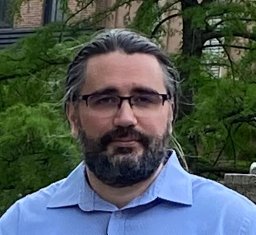 Spisak Sandor合作论文数Institute of Enzymology, Research Centre for Natural Sciences;Institute of Molecular Life Sciences, Center of Excellence of The Hungarian Academy of Sciences, HUN-REN Research Centre for Natural Sciences7
 Andrea L. Richardson合作论文数Department of Pathology, Johns Hopkins University7Viktoria Tisza合作论文数6Judit Borcsok合作论文数Danish Cancer Society Research Center;6
 Rita Lozsa合作论文数6
 Judit Moldvay合作论文数Semmelweis Egyetem Pulmonológiai Klinika, Budapest, Hungary. 6Laura J. Simpson合作论文数Dept Med, Stanford Univ5
 Judit Zamborszky合作论文数Institute of Enzymology, University of Trento5Kanu Nnennaya合作论文数5
 Shailja Pathania合作论文数Section of Molecular Genetics and Microbiology and the Institute of Cell and Molecular Biology, University of Texas at Austin5
 Zoltan Szeltner合作论文数5
 Torsten Krude合作论文数Department of Zoology, University of Cambridge5Shigenori Iwai合作论文数5
 Shunichi Takeda合作论文数Medicine School, Shenzhen University;Graduate School of Medicine, Kyoto University5Gregory T Klus合作论文数4
 Pál Szabó合作论文数Instrumentation Centre, Research Centre for Natural Sciences4
 Thomas Ried合作论文数Center for Cancer Research, National Cancer Institute, National Institutes of Health4
 Mariann Bienz合作论文数MRC Laboratory of Molecular Biology4
 Gergely Szakacs合作论文数Center for Cancer Research, Medical University Vienna;Institute for Cancer Research, Medical University Vienna4Rusz Orsolya合作论文数Department of Oncotherapy, University of Szeged4
 Gábor E. Tusnády合作论文数Alfréd Rényi Institute of Mathematics,
Hungarian Academy of Sciences4Judit Gervai合作论文数Department of Behavior Genetics, Eötvös University4Mitsuyoshi Yamazoe合作论文数4Edit Hathy合作论文数3Hella Gyergyák合作论文数3Jiji Jiang合作论文数3
Gábor E. Tusnády合作论文数Alfréd Rényi Institute of Mathematics,
Hungarian Academy of Sciences4Judit Gervai合作论文数Department of Behavior Genetics, Eötvös University4Mitsuyoshi Yamazoe合作论文数4Edit Hathy合作论文数3Hella Gyergyák合作论文数3Jiji Jiang合作论文数3 Albert Dobi合作论文数3
 Aurel Prosz合作论文数Danish Cancer Society Research Center3Salma Kaochar合作论文数3Claire Kuo合作论文数3
 Szilard Toth合作论文数Res Ctr Nat Sci, Inst Enzymol3
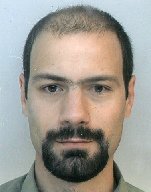 János M. Szalai-Gindl合作论文数Eotvos Lorand Univ3
 Janos Rethelyi合作论文数Faculty of Medicine, Semmelweis University3
 Gabor Valcz合作论文数3Gregory T Chesnut合作论文数3
 Gyorgy Petrovics合作论文数Center for Prostate Disease Research, Department of Surgery, Uniformed Services University of the Health Sciences and the Walter Reed National Military Medical Center;Henry Jackson Foundation for the Advancement of Military Medicine (HJF)3Hua Li合作论文数3




