BACKGROUND:Donor hearts with left ventricular hypertrophy (LVH) are often declined because of inconsistent outcomes and program-dependent hesitation. This study evaluated contemporary use and outcomes of LVH donor hearts in adult heart transplantation (HT). METHODS:Adults (aged ≥18 years) undergoing isolated primary HT between October 2018 and December 2024 were analyzed from the United Network for Organ Sharing registry. Donors were stratified by interventricular septal or posterior left ventricular wall thickness: normal (<1.1 cm), mild (1.1-1.3 cm), and moderate-severe (>1.4 cm). Temporal trends in LVH donor use were evaluated by linear regression; survival was assessed with Kaplan-Meier and Cox proportional hazards models. RESULTS:Among 8058 recipients, 583 (7.2%) received moderate-severe LVH donor hearts. Use of these donors declined over time (β, -1.62%/yr; P = .012). Survival was similar across LVH groups at 30 days (P = .531), 1 year (P = .336), and 3 years (P = .343). In multivariate analysis, neither mild LVH (hazard ratio [HR], 0.95; P = .447) nor moderate-severe LVH (HR, 1.02; P = .772) predicted higher 3-year mortality or acute rejection (P = .678). Independent predictors of 3-year mortality included donor age >55 years (HR, 1.01; P < .0001), female donor (HR, 1.11; P = .022), ischemic time >4 hours (HR, 1.03; P = .001), use of ex vivo machine perfusion (HR, 1.24; P = .034), extracorporeal membrane oxygenation bridge to transplantation (HR, 1.63; P < .0001), and donation after circulatory death status (HR, 1.29; P = .043). Across these high-risk subgroups, 3-year survival remained comparable between recipients of LVH and non-LVH donor hearts (all P < .190). CONCLUSIONS:Despite declining use, moderate-severe LVH donor hearts provide comparable midterm survival and show no adverse interactions across high-risk features, findings supporting selective expansion of donor acceptance criteria to include these hearts.
The 15th Annual Report from The Society of Thoracic Surgeons Interagency Registry for Mechanically Assisted Circulatory Support includes 29,634 continuous-flow left ventricular assist devices from the 10-year period between 2014 and 2024. The outcomes reported here demonstrate continued improved survival in the current era of fully magnetically levitated devices, with a significantly higher 1-year (85.7% vs 78.4%) and 5-year (59.7% vs 43.7%) survival than those receiving non-magnetically levitated devices. Magnetically levitated device recipients are experiencing a lower incidence of adverse events, including freedom from gastrointestinal bleeding (72.6%), device malfunction (82.9%), and stroke (86.7%) at 5 years. Additionally, a focus on a subgroup of patients younger than 50 years of age has demonstrated both superior outcomes in survival (91.6% survival at 1 year and 72.6% survival at 5 years) and decreased incidence of adverse events compared with older recipients. This younger cohort also demonstrated more tolerance to the characteristics of sex, race, ethnicity, and psychosocial indicators that are associated with worse outcomes after heart transplantation. Based upon these data, a potential net prolongation of life may be realized by considering prolonged left ventricular assist device support prior to heart transplantation in this population. These analyses provide preliminary data that could positively influence adoption of left ventricular assist device technology in groups previously not seen as candidates for this therapy, while providing a more responsible donor allocation strategy for advanced heart failure patients.
We describe a case of likely arrhythmic mitral valve prolapse (MVP) resulting in cardiac arrest, cardiopulmonary resuscitation, and initiation of extracorporeal membranous oxygenation. The case provides the clinical stimulus to review what knowledge exists, and what data gaps remain, to guide clinicians toward a proactive approach in managing arrhythmic mitral valve prolapse, a rare but potentially fatal condition. Since MVP is rare, performing several imaging modalities on every patient in whom there is a clinical suspicion would have a low yield. However, raising awareness of concerning features on history, electrocardiogram, and transthoracic echocardiography could improve the utility of more advanced imaging studies.
BACKGROUND:Duration of donor ventilation (DDV) often impacts willingness to accept lungs for transplantation. We investigated the association of DDV with adverse lung transplant outcomes. METHODS:The United Network for Organ Sharing Stand Transplant Analysis and Research database was retrospectively reviewed. DDV was defined in days from date of donor intubation to date of donation. Incomplete or extreme data (DDV >30 days), donation after circulatory death donors, and donors for multiorgan, redo, and pediatric recipients were excluded. Recipients were stratified using a common clinical cutoff of DDV ≤7 days and DDV >7 days. Propensity score matching was performed 3:1 using donor, recipient, and center variables. Outcomes were primary graft dysfunction at 72 hours, 90-day graft survival, and 1-, 3-, and 5-year recipient survival. RESULTS:From May 8, 2006, to June 28, 2023, 7856 lung transplants were performed with available data. Propensity score matching yielded 2835 lung transplants between the short DDV (n = 2103) and long DDV groups (n = 732). Rates of primary graft dysfunction (17.7% vs 19.8%, P = .466), 90-day graft survival (94% vs 97%, P = .936), and recipient survival at 1 year (89% vs 90%), 3 years (73% vs 74%) and 5 years (58% vs 55%) were not significantly different (P = .915) between groups. The adjusted plot of DDV showed no significant association with the hazard ratio for graft failure. CONCLUSIONS:DDV is not associated with adverse recipient outcomes when stratified by a 7-day cutoff. Additionally, no specific time point for DDV was identified to significantly increase the hazard for graft failure. DDV should not be an isolated factor in denial of lungs for transplantation.
BACKGROUND:A preservation system, the Organ Care System (OCS; TransMedics) uses normothermic pulsatile perfusion during organ transport for heart transplantation. This system has demonstrated favorable outcomes in hearts recovered from extended-criteria donors after brain death (DBD) and donors after circulatory death (DCD). METHODS:The OCS Heart Perfusion Registry collects data on US heart transplantations using the OCS, static cold storage (SCS), or thoracoabdominal normothermic regional perfusion (NRP) and donor hearts recovered from DBD or DCD donors. We analyzed donor and recipient characteristics and posttransplantation outcomes in patients transplanted with OCS donor hearts (either DBD or DCD) compared with SCS hearts, and with OCS hearts from DCD donors compared with those recovered with NRP followed by SCS. Propensity score matching was used in survival analyses to adjust for differences among recipient characteristics. RESULTS:Between 2021 and 2023, 3225 consecutive heart transplantations enrolled from 56 centers were analyzed in the Heart Perfusion Registry. The OCS was used in 854 of 3225 heart transplantations (26.4%), among which 340 (39.8%) were DBD and 514 (60.2%) were DCD donors, whereas 2174 DBD donors were recovered with SCS and another 197 DCD donors with NRP techniques. The OCS-DBD group experienced a greater number of organ offer refusals before final acceptance (13 versus 6; Wilcoxon rank sum, P<0.001) and a longer transport distance (667 miles versus 232 miles; Wilcoxon rank sum, P<0.001) compared with SCS-DBD. Survival at 12 months was similar between the 2 groups (89.9% for OCS-DBD versus 90.6% for SCS-DBD; marginal Cox model, P=0.54). Among the OCS-DCD and SCS-DBD groups, survival at 12 months was also similar (91.0% versus 92.5%, respectively; marginal Cox model, P=0.32). The OCS-DCD and NRP-DCD groups demonstrated similar survival (91.0% versus 91.7%, respectively; log rank, P=0.63), although the transport distance was longer in OCS-DCD compared with DCD with NRP followed by SCS (400 miles versus 223 miles; Wilcoxon rank sum, P<0.001). By 2023, 90% of all OCS donor management and recovery was performed with dedicated organ recovery teams. CONCLUSIONS:We demonstrate that real-world implementation of the OCS for DBD donors (using predominantly a dedicated recovery team) is associated with expanded donor criteria, longer transport distance, and excellent posttransplantation outcomes. In OCS-DCD donors, outcomes parallel those of donors recovered with NRP-DCD and compare favorably with DBD donor organs.
BACKGROUND: Severe primary graft dysfunction (PGD) is a major cause of early mortality after heart transplant, but the impact of donor organ preservation conditions on severity of PGD and survival has not been well characterized. METHODS: Data from US adult heart -transplant recipients in the Global Utilization and Registry Database for Improved Heart Preservation -Heart Registry (NCT04141605) were analyzed to quantify PGD severity, mortality, and associated risk factors. The independent contributions of organ preservation method (traditional ice storage vs controlled hypothermic preservation) and ischemic time were analyzed using propensity matching and logistic regression. RESULTS: Among 1,061 US adult heart transplants performed between October 2015 and December 2022, controlled hypothermic preservation was associated with a significant reduction in the incidence of severe PGD compared to ice (6.6% [37/559] vs 10.4% [47/452], p = 0.039). Following propensity matching, severe PGD was reduced by 50% (6.0% [17/281] vs 12.1% [34/281], respectively; p = 0.018). The Kaplan -Meier terminal probability of 1 -year mortality was 4.2% for recipients without PGD, 7.2% for mild or moderate PGD, and 32.1%, for severe PGD ( p < 0.001). The probability of severe PGD increased for both cohorts with longer ischemic time, but donor hearts stored on ice were more likely to develop severe PGD at all ischemic times compared to controlled hypothermic preservation. CONCLUSIONS: Severe PGD is the deadliest complication of heart transplantation and is associated with a 7.8 -fold increase in probability of 1 -year mortality. Controlled hypothermic preservation significantly attenuates the risk of severe PGD and is a simple yet highly effective tool for mitigating posttransplant morbidity.
We performed a retrospective review comparing outcomes between traditional ice storage (ICE) with short ischemic times (<3 hours) to SherpaPak Cardiac Transport System (SCTS) with long ischemic times (>4 hours) using data from the GUARDIAN registry, a retrospective observational trial. To minimize baseline differences, propensity-matched (PSM) cohorts for site and era were performed. SherpaPak Cardiac Transport System travel distance was almost 10-fold greater than ICE (82 miles ICE vs. 765 miles SCTS). There was no significant difference in primary graft dysfunction (PGD) (20.8% vs. 18.2%, p = 0.58), length of stay (LOS) (24.7 vs. 24.8, p = 0.98), posttransplant mechanical circulatory support (MCS) (25.1% vs. 20.3%, p = 0.34), and 30 day survival (100% vs. 98.6%, p = 0.20). SherpaPak Cardiac Transport System showed statistically significant reduction in 24 hour inotrope scores (17.6 vs. 13.6, p = 0.007) and right ventricular (RV) dysfunction (31.1% vs. 15.7%, p = 0.002). Propensity-matched cohorts showed statistically similar rates of MCS utilization and PGD, but SCTS trended toward less RV dysfunction (26.0% vs. 16.2%, p = 0.11) and lower inotrope scores (16.5 vs. 12.9, p = 0.06) despite almost double the ischemic time. In conclusion, donor heart preservation with SCTS continues to be effective in prolonged ischemic times without sacrificing postheart transplantation clinical outcomes. This may aid in expanding donor organ geography.
While notable improvements in survival, incidence of hemocompatibility-related adverse events, hospitalizations and cost have been demonstrated with the only commercially available durable left ventricular assist device, a category of pump malfunctions characterized by outflow graft obstruction has been noted with broader use and clinical follow up of recipients of this technology. Of particular concern, is the accumulation of acellular biodebris between the outflow graft and bend relief covering the outflow graft at its origin with the pump (which we term extrinsic outflow graft obstruction at the bend relief, or EOGO-BR). This process tends to be insidious, occurs late in the postoperative course, can be challenging to diagnose, and can result in significant morbidity and mortality. Herein we provide a review of this complication and outline diagnostic, treatment and preventive strategies.
The 14th Annual Report from The Society of Thoracic Surgeons (STS) Interagency Registry for Mechanically Assisted Circulatory Support (Intermacs) describes outcomes of 27,493 patients with a continuous-flow left ventricular assist device (LVAD) from the past decade (2013-2022). In 2022, 2517 primary LVADs were implanted, of which 2512 (99.8%) were fully magnetically levitated (Mag-Lev) devices. This shift to nearly exclusive use of a Mag-Lev device led us to examine its outcomes compared with contemporary (2018-2022) and historical (2013-2017) non-Mag-Lev cohorts. Patients supported by a Mag-Lev device (n = 10,920) had a higher 1- and 5-year survival of 86% (vs 79% and 81%, P < .0001) and 64% (vs 44% and 44%, P < .0001), respectively, than those receiving non-Mag-Lev devices during the contemporary and historical eras. Over 5 years, freedom from gastrointestinal bleeding (72% vs 60%, P < .0001), stroke (87% vs 67%, P < .0001), and device malfunction/pump thrombus (83% vs 54%, P < .0001), but not device-related infection (61% vs 64%, P = .93), was higher with Mag-Lev devices compared with non-Mag-Lev support during the contemporary era. In this large primacy cohort of real-world patients with advanced heart failure, this report underscores marked improvements in short- and intermediate-term survival and reduction of adverse events with a contemporary Mag-Lev LVAD.
The last several years have seen a rise in use of mechanical circulatory support (MCS) to bridge heart transplant recipients. A controlled hypothermic organ preservation system, the SherpaPak Cardiac Transport System (SCTS), was introduced in 2018 and has grown in utilization with reports of improved posttransplant outcomes. The Global Utilization And Registry Database for Improved heArt preservatioN (GUARDIAN)-Heart registry is an international, multicenter registry assessing outcomes after transplant using the SCTS. This analysis examines outcomes in recipients bridged with various MCS devices in the GUARDIAN-Heart Registry. A total of 422 recipients with donor hearts transported using SCTS were included and identified. Durable ventricular assist devices (VADs) were used exclusively in 179 recipients, temporary VADs or intra-aortic balloon pump (IABP) in 197, and extracorporeal membrane oxygenation (ECMO) in 14 recipients. Average ischemic times were over 3.5 hours in all cohorts. Severe primary graft dysfunction (PGD) posttransplant increased across groups (4.5% VAD, 5.1% temporary support, 21.4% ECMO), whereas intensive care unit (ICU) length of stay (18.2 days) and total hospital stay (39.4 days) was longer in the ECMO cohort than the VAD and IABP groups. A comparison of outcomes of MCS bridging in SCTS versus traditional ice revealed significantly lower rates of both moderate/severe right ventricular (RV) dysfunction and severe PGD in the SCTS cohort; however, upon propensity matching only the reductions in moderate/severe RV dysfunction were statistically significant. Use of SCTS in transplant recipients with various bridging strategies results in excellent outcomes.
Mitral valve prolapse (MVP) is present in 2-3% of the general population. A small percentage of these patients develop sudden cardiac death. Although there have been several clinical, EKG, and imaging findings associated with sudden death in MVP patients, it is not yet known which of the risk factors should be weighed more heavily than other. More importantly, there is no consensus on which patients might benefit from a primary prevention defibrillator. We present a case of a young woman who sustained sudden cardiac arrest, and began recovering after a prolonged resuscitative effort. She ultimately succumbed to opportunistic infection. In hindsight, she had many of the concerning findings of arrhythmic mitral valve prolapse. Raising awareness of this condition can help to reduce risk of sudden death in these patients.
Caldonazo et al1 embark on an effort to answer a question debated in the mitral valve repair arena for many years. It was 1983 when Carpentier presented his techniques and outcomes for the first successful series in the repair of the mitral valve.2 The "resect" technique was accepted by cardiothoracic surgeons worldwide and became the standard approach until the "respect" approach was introduced by Lawrie in 2009.3 In the interim, Suri et al4 from the Mayo Clinic developed a more limited resectional approach, moving from the classic quadrangular resection to a triangular resection technique.
Left ventricular assist devices (LVAD) are frequently used in the management of end-stage heart failure, especially given the limited availability of donor hearts. The latest HeartMate 3 LVAD delivers non-physiological continuous flow (CF), although the impact on the aorta is not well established. We highlight a case of aortic aneurysm formation complicated by dissection formation that necessitated high-risk re-operative surgery in a patient post CF-LVAD.
Background Stroke remains a devastating complication of durable left ventricular assist device (LVAD) therapy. This study evaluated the incidence and risk factors for early stroke within 7 days following LVAD implantation investigating both traditional pre-implant and new intraoperative variables collected by The Society of Thoracic Surgeons (STS) Intermacs National Database. Methods STS Intermacs was queried for patients undergoing implantation of a fully magnetically levitated centrifugal LVAD between November 25, 2020 and June 30, 2023. STS Intermacs stroke definitions were used to identify patients who suffered a stroke within the first 7 postoperative days (POD). A multivariable logistic regression model was created to generate adjusted odd ratios (OR) for variables associated with early stroke. Results Among 6,950 patients in the study cohort, 5.9% (413/6950) developed a stroke after a median follow-up of 11 months, with 50% (205/413) of strokes occurring within 7 days after LVAD implantation. Of the strokes occurring during POD 0-7, 70% (144/205) occurred on POD 0-2. By multivariable analysis, the following factors were associated with early stroke: older age (70 vs 50; OR 1.4, p = 0.0129), white race (OR 1.5, p = 0.0078), pre-implant temporary mechanical circulatory support (MCS) bridge (temporary LVAD only: OR 1.6, extracorporeal membrane oxygenation [ECMO] only: OR 1.7, combination of both devices: OR 3.3; p = 0.0001) and presence of an unremoved left atrial clot (OR 8.0, p < 0.0001). Conclusions A significant proportion of strokes occur within the first 7 days following LVAD implantation, particularly within the first 2 days. In addition to pre-implant variables, we identified modifiable intraoperative factors associated with stroke that provide an opportunity for further risk mitigation and improvement in quality of care.
Recently, durable left ventricular assist device (LVAD) technology for the surgical management of end-stage heart disease has made remarkable advances.1-3 Between 2018 and late 2020, 2 centrifugal pumps were the primary durable LVADs used for the treatment of advanced heart failure, the Heartware HVAD (Medtronic), providing centrifugal flow with hydrodynamic levitation (CF-HL) and the Heartmate 3 (Abbott Labs), using full magnetic levitation (CF-FML).4 However, in June 2021, Medtronic halted commercial distribution of the Heartware HVAD due to a critical device malfunction that delayed or prevented the pump to restart after elective or accidental stoppage.
Purpose Traditional ice storage (ICE) results in uneven and unpredictable preservation temperatures, putting the graft at risk for cellular injury from freezing or during prolonged procurement times. In contrast, the Paragonix SherpaPak Cardiac Transport System (SCTS) maintains donor heart temperatures between 4°C - 8°C, which may minimize this injury. Data from the GUARDIAN-Heart Registry has shown the SCTS significantly reduces the risk of severe PGD compared to traditional ice storage. We sought to determine if there was a similar benefit of the SCTS on the incidence of severe right ventricular (RV) dysfunction. Methods The GUARDIAN-Heart registry is a global, multicenter, retrospective registry assessing outcomes after heart transplant comparing SCTS and ICE donor heart storage. Over 1000 patients transplanted at 15 U.S. centers were propensity matched on site, ischemic time, donor age, baseline LVAD and transplant era (pre/post 2018 UNOS allocation changes). R Statistical Software was used for analyses. Results Propensity matching resulted in a total of 562 patients, SCTS (n=281) vs ICE (n=281). Between the two groups baseline recipient characteristics were similar and donor characteristics were similar, but the SCTS cohort had a significantly longer procurement distance (see Table 1). As shown in Table 2, post-transplant SCTS patients had a 50% reduction in severe PGD (12.1% ICE vs 6.0% SCTS, p = 0.018), as well as a 54% reduction in site-reported severe RV dysfunction (10.8% ICE vs 5.0% SCTS, p = 0.020), and a higher incidence of normal RV function (44.5% ICE vs 53.9%, p = 0.034). The inotrope score was also reduced (15.2 ICE vs 13.3 SCTS, p = 0.043). There was a numerically lower, but non-significant difference in the rate of moderate RV dysfunction (20.4% ICE vs 14.7% SCTS, p = 0.10). Among those with severe RV dysfunction, there was no difference in one-year survival by donor storage (84.2% ICE vs 92.9% SCTS, p = 0.25); however, there was a trend towards higher overall survival with SCTS (92.1% ICE vs 95.9% SCTS, p = 0.07). Conclusions Use of the SherpaPak CTS was associated with significant reductions in post-transplant severe right ventricular dysfunction and overall inotrope score compared to ice storage. These data support the growing evidence that controlled hypothermic organ preservation results in improved post-transplant outcomes.
 Shelley Anne Hall合作论文数19
 Gary Schwartz合作论文数14Kara Monday合作论文数13Britton Blough合作论文数13Amit Alam合作论文数11
 William C. Roberts合作论文数Baylor University Medical Center10Bethea Brian合作论文数9
 Johanna Van Zyl合作论文数Health Science Center College of Medicine, Texas A&M University9
 Mark Drazner合作论文数Department of Internal Medicine, UT Southwestern Medical Center9
 Scott Silvestry合作论文数9
 Yasuhiro Shudo合作论文数Department of Cardiothoracic Surgery, Stanford University School of Medicine9Kaitlyn Lingle合作论文数8
 Masashi Kawabori合作论文数Tufts Med Ctr, Div Cardiac Surg, CardioVasc Ctr, 800 Washington St, Boston, MA 02111 USA8
 Jeffrey P Jacobs合作论文数Department of Surgery, College of Medicine, University of Florida Health;Congenital Heart Center, College of Medicine, University of Florida Health;Shands Children's Hospital, University of Florida Health8Rafael Aldo合作论文数8
 Jacob Niall Schroder合作论文数Department of Surgery, School of Medicine, Duke University8
 DiMaio J Michael合作论文数7Mario Padilla合作论文数6
 Aasim Afzal合作论文数6
 Michael Jessen合作论文数Department of Cardiovascular & Thoracic Surgery, Medical School, The University of Texas Southwestern Medical Center6Marzia Leacche合作论文数6David W. Markham合作论文数6Katherine Vandervest合作论文数5
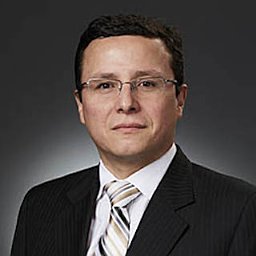 Cesar Guerrero-Miranda合作论文数Dept Internal Med, Texas A&M Hlth Sci Ctr5Christopher T. Salerno合作论文数5
 Michael L. Foreman合作论文数Baylor University Medical Center5
 Ryan S. Cantor合作论文数Kirklin Solutions, Inc.5
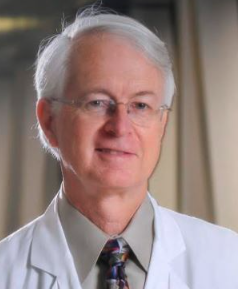 James K Kirklin合作论文数Comprehensive Cardiovascular Center, Heersink School of Medicine, University of Alabama at Birmingham5
 Francis Dominic Pagani合作论文数Frankel Cardiovascular Center, University of Michigan, Ann Arbor5Parag C. Patel合作论文数4Katharina Fetten合作论文数4ME Jessen合作论文数4S M Pham合作论文数4Takeda Koji合作论文数Department of Surgery, Columbia University Medical Center4
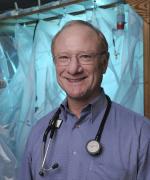 Benjamin Levine合作论文数Department of Internal Medicine, University of Texas Southwestern Medical Center;Institute for Exercise and Environmental Medicine, University of Texas Southwestern Medical School4
 Joost Felius合作论文数University of Texas Southwestern Medical Center4Dean Palmer合作论文数4
 Shigeki Shibata合作论文数4Ezequiel J. Molina合作论文数4
 Andreas Zuckermann合作论文数Department of Cardiac Surgery, Medical University Vienna4
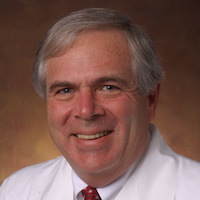 W Steves Ring合作论文数Department of Cardiovascular & Thoracic Surgery, Medical School, University of Texas Southwestern Medical Center4
 David D'Alessandro合作论文数Division of Cardiac Surgery, Massachusetts General Hospital;Harvard Medical School4
 John J. Squiers合作论文数4Timothy J. George合作论文数4
 Jennifer T Thibodeau合作论文数4
 Michael Wait合作论文数4Srikant S. Patlolla合作论文数3Katherine Wood合作论文数3




