The Alberta reconstructive technique (ART) is an innovative surgical procedure performed on patients undergoing primary jaw resection and reconstruction. The ART procedure was developed in collaboration with the Institute for Reconstructive Sciences in Medicine and the Division of Otolaryngology-Head and Neck Surgery, University of Alberta.
Light-to-moderate intensity strength training (LMST) improves muscular strength, physical functioning, and some side effects in head and neck cancer survivors (HNCS). Heavy lifting strength training (HLST) may further improve these outcomes; however, it has not been studied in HNCS. The primary aim of the LIFTING trial was to examine the feasibility and safety of a HLST program in HNCS ≥1-year post-surgical neck dissection. In this single-arm feasibility study, HNCS were asked to complete a twice weekly, 12-week, supervised HLST program, gradually progressing to lifting heavy loads of 80–90
PURPOSE: Despite improvements in surgical neck dissection (ND) procedures, head and neck cancer survivors (HNCS) still experience acute and chronic side effects such as loss of muscular strength, limitations in physical functioning, and fatigue, that impact quality of life (QoL) and return to work. Light-to-moderate intensity strength training (LMST) improves muscular strength, physical functioning, and some side effects in HNCS. Heavy lifting strength training (HLST) may further improve these outcomes, however, it has not been studied in HNCS. The primary aim of the LIFTING trial was to examine the feasibility and safety of a HLST program in HNCS ≥1-year post-surgical neck dissection. METHODS: In this single arm feasibility and safety study, HNCS were asked to complete a twice weekly, 12-week, supervised HLST program, gradually progressing to lifting heavy loads of 80%-90% of 1 repetition maximum (1RM) for barbell squat, bench press, and deadlift. Feasibility outcomes included recruitment rate, 1RM completion rate, program adherence, and follow-up assessment rate. The primary efficacy outcomes were changes in upper and lower body strength from baseline to postintervention assessed via reliable 1RM tests. Wilcoxon signed rank tests were used to compare the pre-post changes in efficacy outcomes. RESULTS: Sixteen HNCS were assessed for eligibility. Nine were recruited over an 8-month period during the COVID-19 pandemic. All 9 (100%) successfully completed the baseline1RM tests and progressed to heavy loads at approximately 5-weeks. Seven participants (77.7%) completed all follow-up 1RM tests. Median attendance was 95.8% (range: 71%-100%). Weight lifted increased for squat/leg press (median change: +34 kg; 95% CI: +25 to +47; p = 0.008), bench press (median change: +6 kg; 95% CI: +2 to +10; p = 0.012), and deadlift (median change: +12 kg; 95% CI: +7 to +24; p = 0.012). No adverse events were reported. CONCLUSIONS: HLST may be feasible and safe for HNCS at least 1-year post-ND, and result in significant improvements in muscular strength. Future research should consider additional recruitment strategies and compare HLST to LMST to determine the optimal strength training regimen for this understudied population.
Sialendoscopy assisted treatments are a minimally invasive management modality for chronic sialadenitis. Clinicians report improved patient quality of life (QoL) following sialendoscopy assisted treatments, but there exist gaps in current literature about patient reported outcomes (PROs). PROs are outcome measures developed based on patient perceptions. The objective of this study was to create a PRO instrument for chronic sialadenitis, to assess the efficacy of sialendoscopy assisted treatments in improve patients’ QoL. This four-phase qualitative study employed grounded theory methodology and a modified Delphi technique. In Phase I, ten patients were interviewed to identify the QoL domains impacted by chronic sialadenitis. In Phase II, these QoL domains were presented to a focus group of different chronic sialadenitis patients, who were asked to rank them by order of importance. A conceptual framework of QoL domains impacted by chronic sialadenitis was created based on patient consensus. Itemization of the PRO questionnaire was done by a focus group of four Otolaryngologists in phase III. Lastly, the questionnaire was completed in Phase IV by cognitive interviewing of five new chronic sialadenitis patients; ensuring ease of understanding and clarity. Patients identified 15 domains of QoL impacted by chronic sialadenitis, divided into three sub-scales: physical symptoms, psychosocial symptoms, and activity restriction. These domains provided the basis for creation of a 22-item PRO questionnaire, with a Likert-type response scale. Clinical application of the novel questionnaire produced by this study will allow for a patient-centered assessment of the patient reported effectiveness of sialendoscopy assisted therapies for management of chronic sialadenitis. Level of evidence Level V.
Introduction: Jaw defect reconstructions have been transformed by the development of free tissue transfer using vascularized bone incorporating osseointegrated dental implants. We recently developed a modification our method this procedure and termed it the Modified Alberta Reconstruction Technique (MART). The objective of this study aimed to assess the soft tissue component and outcomes of the MART as compared to the Alberta Reconstructive Technique (ART) or conventional (BDD) reconstructions. Patients and Methods: This was a prospective cohort study of adult patients who underwent jaw reconstruction with dental implant rehabilitation between 2000 and 2019 in Edmonton, Alberta. Patients were aged-matched and placed into a cohort based on the type of reconstruction they received. Outcomes were compared between the groups. Expert and aesthetic analyses were performed. Statistical analysis was conducted to determine significance. Results: A total of 46 patients (15 BDD, 15 ART and 16 MART) were included. Demographics were similar between groups. There was no difference in complications. The soft tissue component of the MART cohort was more favourable to work with as judged by the occlusal reconstructive experts. The MART was rated as more aesthetically appealing in comparison to the BDD and ART (p = 0.049). Conclusions: The MART is a safe, effective, and aesthetically appealing procedure. It yields a good functional result and a clinically better soft tissue component for occlusal reconstructions. For a select group of patients requiring jaw reconstruction, the MART is an ideal reconstructive option as the modification provides good control of the soft tissue around the implants.
A male in his 50s presented to the hospital with preauricular tenderness, trismus and dysphagia. He had intramuscular stimulation of his left temporomandibular joint region performed 4 days prior and described worsening pain and swelling since. A CT scan revealed an abscess involving the left masticator space. Incision and drainage of the abscess was performed, and the patient was discharged home on oral antibiotics 11 days later. This is the first report of masticatory space abscess following intramuscular stimulation of the temporomandibular joint area. Acupuncture and intramuscular stimulation are common complementary medicine therapies that are generally considered safe; however, adverse events such as deep neck space infection have been reported in the literature. Current regulation of training requirements and licensure for needling therapies is highly variable. Standardisation of training and practice guidelines may help mitigate the risk of adverse events related to needling therapies in the future.
Mutations involving BRAF and TERT are important predictors of disease severity in thyroid cancer, but molecular testing is limited by cost and lack of adequate tissue sample. This study aimed to assess the utility of BRAFV600E and TERT testing using droplet digital PCR (ddPCR) as a diagnostic and prognostic tool for thyroid fine needle aspirate biopsy (FNAB). Patients with thyroid nodules were prospectively enrolled from March 2015 to September 2018. Pre-operative FNAB was collected for standard cytology and molecular testing. BRAFV600E and TERT levels were analyzed by ddPCR. Cytology (Bethesda system) and ddPCR results were correlated to surgical pathology. A total of 222 patients were enrolled, of which 124 received thyroid surgery. Pre-operative cytology alone with Bethesda ≥5 was 100% specific and 70% sensitive for malignancy on final surgical pathology. BRAFV600E positivity or TERT overexpression was 100% specific and 60.0% sensitive. Combining cytology (Bethesda ≥5) with BRAFV600E and TERT testing increased the sensitivity of a malignant diagnosis to 80.0%. High TERT levels and/or BRAFV600E was associated with aggressive or advanced stage pathology. Combining cytology with ddPCR analysis of BRAFV600E and TERT can improve the diagnostic accuracy of thyroid FNAB, and help predict aggressive pathology.
INTRODUCTION:Current research is elucidating how the addition of depth of invasion (DOI) to the 8th edition of the American Joint Committee on Cancer (AJCC) TNM staging for oral cavity squamous cell carcinoma influences its prognostic accuracy. However, there is limited research on survival in pT3N0M0 oral tongue SCC (OTSCC) patients when stratifying by DOI. OBJECTIVES:Determine 5-year overall survival (OS), and cancer-specific survival (CSS) for patients with pT3N0M0 oral OTSCC based on shallow DOI (<10 mm) and deep DOI (10-20 mm). METHODS:Retrospective review involving three tertiary care cancer centers in North America. cT3N0M0 OTSCC patients receiving primary surgical treatment from 2004 to 2018 were identified. Inclusion: age > 18 years old and confirmation of pT3N0M0 OTSCC on surgical pathology. Exclusion: patients undergoing palliative treatment or previous head and neck surgery/radiotherapy. Analysis comprised two groups: shallow pT3 (tumor diameter > 4 cm, DOI < 10 mm) and deep pT3 (DOI 10 mm-20 mm). RESULTS:One hundred and four patients with pT3N0M0 OTSCC were included. Mean age was 59.1 years (range: 18-80.74). Age, gender, and Charlson Comorbidity Index were similar between the two groups (p > 0.05). Recurrence, LVI, PNI, and positive margins were more common in deep T3 tumors (P < 0.05). 5-year OS (50% vs 26%, p = 0.006) and CSS (72% vs 24%, p = 0.005) were worse in deep pT3 tumors. Deep pT3 disease was an independent predictor of OS (p = 0.004) and CSS (p = 0.01) on Cox-Regression analysis. CONCLUSION:DOI is an independent predictor of poor survival in pT3N0M0 OTSCC patients. Consideration should be given to escalating adjuvant therapy for deep pT3N0M0 OTSCC patients.
Abstract Background The tongue is an essential organ for human interaction, communication and survival. To date, there is a paucity of objective functional, patient reported, or quality of life outcomes of patients undergoing a total glossectomy with preservation of the larynx (TGLP). Objective To examine prospectively collected objective, self‐reported functional and quality of life (QOL) data in patients undergoing TGLP and free flap reconstruction. Methods Sixteen TGLP patients were identified in the prospective head and neck cancer and functional outcomes database between January of 2009 and December 2017. Data collection included patient age, sex, performance status, TNM staging, diagnosis and adjuvant treatment. Swallowing and speech functions were measured and prospectively recorded pre‐ and postoperatively. Patient reported outcomes were measured with the Speech Handicap Index (SHI) and the M.D. Anderson Dysphagia Inventory (MDADI). Results All patients had a significant reduction in their objective swallowing (P = 0.035), sentence (P = 0.001) and word intelligibility (P < .001) scores. There was no significant reduction in SHI or total MDADI scores. All patients maintained their QOL in the post‐treatment time frame. There was no relationship between free‐flap type and outcome. Conclusion Total glossectomy with laryngeal sparing and free flap reconstruction results in significant reduction in objective functional measurements, but patients report stable functional and quality of life outcomes after treatment.
IMPORTANCE Incorporation of patient perspectives, or patient-reported outcomes, in functional outcome measures has been gaining prominence in the literature on reconstructive surgery. OBJECTIVE To create and validate an instrument for measuring the main functional areas of concern for patients with head and neck cancer. DESIGN, SETTING, AND PARTICIPANTS This 4-phase mixed-methods qualitative studywas conducted from July 1, 2013, to June 30, 2016, in a quaternary head and neck oncology center in Edmonton, Alberta, Canada. Patients were recruited from 3 Head and Neck Research Network sites: University of Alberta (Edmonton, Canada), Mount Sinai Health Network (New York, New York), and University of Turku Hospital (Turku, Finland). The inclusion criteria included 18 years of age or older, diagnosis of squamous cell carcinoma involving the subsites of the head and neck (ie, oral cavity, oropharynx, hypopharynx, and larynx), and at least 1 year since treatment completion. Those patients who were undergoing additional active treatment or with evidence of disease recurrence were excluded. Data were analyzed from July 1, 2013, to June 30, 2016. MAIN OUTCOMES AND MEASURES The primary outcome measureswere the clinical correlation of the Edmonton-33 instrument scores with swallowing, speech, dry mouth, and chewing assessment outcomes. RESULTS In total, 10 patients with head and neck cancer (mean age, 59.6 years; 6 men [60%]) were included in phase 1 of the study, 5 patients (mean age, 55.2 years) were included in phase 2, 10 patients were included in phase 3, and 25 patients with head and neck cancer (mean age, 62.6 years; 14 men [56%]) participated in the phase 4 validation. The Edmonton-33 instrument scores correlated strongly with the swallowing scores of the MD Anderson Dysphagia Inventory (r = 0.77; 95% CI, 0.49-1.0), the European Organisation for Research and Treatment of Cancer Quality of Life Questionnaire-Head and Neck 35 (EORTC QLQ-H&N35) (r = -0.73; 95% CI, -1.0 to -0.44), and the modified barium swallow test (r = -0.60; 95% CI, -0.94 to -0.25). The instrument scores were also strongly correlated with the Speech Handicap Index scores (r = -0.64; 95% CI, -0.97 to -0.31), word intelligibility scores (r = 0.61; 95% CI, 0.27-0.95), and sentence intelligibility scores (r = 0.55; 95% CI, 0.19-0.91). A moderate to strong correlation was observed between the Edmonton-33 instrument and the EORTC QLQ-H&N35 scores in the dry mouth (r = -0.54; 95% CI, -0.91 to -0.18) and chewing (r = -0.45; 95% CI, -0.84 to -0.06) domains. The factor loading values for the domains of swallowing, speech, dry mouth, and chewing were all greater than 0.3. The mean factor loading values for the items related to swallowing were 0.71 (95% CI, 0.62-0.80) and for the items related to speech were 0.76 (95% CI, 0.72-0.80). The mean factor loading values for the items related to dry mouth were 0.71 (95% CI, 0.59-0.83) and for those related to chewing were 0.77 (95% CI, 0.69-0.85). CONCLUSIONS AND RELEVANCE The Edmonton-33 appears to be a validated instrument that will allow patients with head and neck cancer to assess and report their own functional outcomes. It could serve as a single comprehensive measure for functional outcomes.
Objectives Treatment for advanced head and neck cancers typically includes surgery followed by radiation therapy (RT). Radiation-induced xerostomia is a common sequela of these treatments. The modified submandibular gland transfer (M-SGT) procedure was developed to decrease xerostomia in the treatment of oral cavity cancer by sparing one submandibular gland (SMG) from radiation. This study's objectives were to: 1) elucidate the radiation-sparing capacity of the M-SGT, and 2) study the xerostomia-reducing potential of the M-SGT based on the University of Washington Quality-of-Life Questionnaire (UW-QOL). Methods Radiation therapy treatment plans were reviewed for all patients treated with surgery and RT who had a M-SGT at the University of Alberta Hospital during the study period. Outcomes included: 1) radiation dose received by the transferred SMG within the periparotid area compared to the submandibular triangle (ST), and 2) patient-reported saliva scores on the UW-QOL compared to historical controls without a gland transfer. Results Twenty-two patients were included. The mean radiation dose received by the transferred SMG was 29.00 grays (Gy) (standard deviation 14.59 Gy), thus reducing the mean radiation dose to the SMG by a statistically significant 18.34 Gy (confidence interval 95% (13.37, 23.32), P < 0.01) compared to the ST and below the D50 of the SMG (34 Gy). Sixty-five percent of patients rated their saliva as normal or mildly reduced on the UW-QOL as compared to 16% of controls (P = 0.01). Conclusion The M-SGT technique is successful at reducing the radiation dose sustained by the SMG during adjuvant treatment and provides a significant improvement in xerostomia-related functional outcomes as compared to historical controls not receiving a gland transfer. Level of Evidence 4 Laryngoscope, 130:925-929, 2020
Introduction The SARS-CoV-2 virus (COVID19) pandemic has placed extreme pressures on the Canadian Healthcare system. Many health care regions in Canada have cancelled or limited surgical and non-surgical interventions on patients to preserve healthcare resources for a predicted increase in COVID19 related hospital admissions. Also reduced health interventions may limit the risk of possible transmission of COVID19 to other patients and health care workers during this pandemic. The majority of institutions in Canada have developed their own operational mandates regarding access to surgical resources for patients suffering from Head and Neck Cancers during this pandemic. There is a large degree of individual practitioner judgement in deciding access to care as well as resource allocation during these challenging times. The Canadian Association of Head and Neck Surgical Oncology (CAHNSO) convened a task force to develop a set of guidelines based on the best current available evidence to help Head and Neck Surgical Oncologists and all practitioners involved in the care of these patients to help guide individual practice decisions. Main body The majority of head and neck surgical oncology from initial diagnosis and work up to surgical treatment and then follow-up involves aerosol generating medical procedures (AGMPs) which inherently put head and neck surgeons and practitioners at high risk for transmission of COVID19. The aggressive nature of the majority of head and neck cancer negates the ability for deferring surgical treatment for a prolonged period of time. The included guidelines provide recommendations for resource allocation for patients, use of personal protective equipment for practitioners as well as recommendations for modification of practice during the current pandemic. Conclusion Enhanced triaging should be used to identify patients with aggressive malignancies. These patients should be prioritized to reduce risk of significant disease progression in the reduced resource environment of COVID19 era. Enhanced triaging including aggressive pre-treatment COVID19 testing should be used to identify patients with high risk of COVID19 transmission. Enhanced personal protective equipment (PPE) including N95 masks and full eye protection should be used for any AGMPs performed even in asymptomatic patients. Enhanced PPE including full eye protection, N95 masks and/or powered air purifying respirators (PAPRs) should be used for any AGMPs in symptomatic or presumptive positive COVID 19 patients.
Objectives/Hypothesis The free flap reconstructive protocols of the jaws have been refined over the years and presently are based on bone-driven approaches that generally use the lower border of the mandible or the anterior surface of the maxilla as the templates for reconstruction because these contours are deemed important to the eventual cosmetic outcomes of patients. The ultimate goal of functional jaw reconstruction, however, is the reconstruction of the dental occlusion and oral rehabilitation. The purpose of the present study was to evaluate the Alberta reconstructive technique (ART), which is a new approach of occlusion-driven jaw reconstruction with digitally planned immediate osseointegrated implant installation. Study Design Prospective cohort study. Methods This research study considers the ART's safety, effectiveness, accuracy, timeliness of reconstruction, aesthetic appeal, and cost-effectiveness in comparison with the standard bone-driven and delayed osseointegrated implant installation (BDD) protocol. Results The ART procedures were as safe and more effective at achieving full occlusal reconstruction and oral rehabilitation. The ART cohort of patients achieved oral rehabilitation in 21.4 month as compared to 73.1 months for the BDD cohort. There were no differences in the aesthetic appeal the two groups. The ART cost an average of $22,004 less than BDD and we calculated the quality adjusted life years gain to be between 2.14 and 4.04 in favour of ART. Conclusions The ART is a good option for patients with jaw defects. It provides a safe, effective, accurate, aesthetic, and cost-effective reconstruction that restores form and function in a timely manner. Level of Evidence 2b Laryngoscope, 129:S1-S14, 2019
When a tumour is found on the mandible, fibula free-flap mandibular reconstruction is often performed where the cancerous area is removed and replaced with the patient’s bone from the fibula and soft tissue from the calf. Fibula bone segments used to reconstruct the mandible must closely match the removed sections of the mandible to ensure the optimal surgical outcome. In the current practice, surgical design and simulation of the reconstruction based on medical imaging data, 3D planning, and rapid-prototyped surgical guides ensure that the surgical plan is accurately followed in the operating room (OR). However, rapid prototyped guides are time-consuming to manufacture. As an alternative, haptic virtual fixtures can be used in surgery to constrain surgical tools to predefined regions or trajectories. The resulting haptic assistance can guide surgeons during fibula segmentation to ensure that fibula osteotomies are segments that correspond to the mandible resection according to the reconstruction surgical plan. In this paper, the feasibility and repeatability of using virtual haptic fixtures were tested experimentally on rapid prototyped fibula models. A haptics-enabled robotic system was used to guide participants’ hands to the correct position and orientation in space according to the surgical plan using haptic feedback. The results based on ten participants cutting fibula replicas suggest that the accuracy achieved with the system was 3.7mm. Improvement in the registration process and registration accuracy, extended reach of the robot arms, and more intuitive virtual fixtures would be required before adoption for clinical use. However, this paper illustrates a workflow for integrating haptic feedback into the fibula mandible reconstruction procedure, identifies obstacles related to clinical implementation, and demonstrates how haptic feedback can be used as a guidance method to assist users complete fibula osteotomies.
OBJECTIVE:The total oral tongue (anterior 2/3 glossectomy) defect is seldom addressed in the literature. This is the first series to describe a consistent technique for its reconstruction. The aim of the study is to describe the use of the beavertail modified radial forearm free flap (BTRFFF) to reconstruct a total oral tongue defect and the functional and quality of life outcomes associated with it. STUDY DESIGN:Retrospective review of prospectively collected data from 2000 to 2010. METHODS:All patients at the University of Alberta undergoing head and neck free flap surgery are enrolled in a prospective functional outcomes program. Pre-operatively and at set post-operative time points patients complete videofluoroscopic swallowing studies (VFSS), speech evaluations and quality of life questionnaires (EORTC H&N-35). Peri-operative outcomes were also measured. RESULTS:17 consecutive patients were included. All were gastrostomy tube free at 12 months post-operatively and tolerating a full soft diet with aspiration scores of 0. Swallowing transit times increased by a mean of 0.4 s (p = 0.32). Speech intelligibility remained high with mean sentence intelligibility at 75% and single word intelligibility at 62%. Quality of life scores returned to baseline and remained satisfactory. Complications related to the BTRFFF were limited to scarring. CONCLUSIONS:The BTRFFF provides a robust reconstructive option for the total oral tongue defect with excellent long term functional outcomes and quality of life.
Background This study aims to investigate EGFR as a prognostic biomarker in oropharyngeal squamous cell carcinoma (OPSCC). Methods OPSCC patients from retrospective (1998–2009) and prospective cohorts (2014–2017) were included. Retrospectively collected tumors were used to construct tissue microarrays (TMAs), which were stained with EGFR, p16, DAPI and Pan-cytokeratin, and digitally quantified. EGFR, CDKN2A and HPV E6/7 levels from prospectively collected OPSCC was measured by droplet digital PCR (ddPCR). Biomarkers were compared to patient covariates, factors and survival outcomes. Results A total of 249 patients were included retrospectively and 64 patients were enrolled prospectively. p16 status ( p < 0.001), smoking above 10 pack years ( p = 0.04), smoking above 20 pack years ( p < 0.001), total EGFR tumor levels ( p = 0.016), and high EGFR within high or low Ki67 tumor nuclear staining ( p = 0.03) were found to be significant predictors of 5-year disease specific survival (DSS). A Cox proportional hazard model of DSS showed smoking status and eGFR expression to be dependent of each other on predicting 5-year DSS. ddPCR analysis showed a significant association between smoking status and EGFR levels. Conclusions Total EGFR tumor levels are predictive of 5-year DSS. EGFR levels correlate with. smoking and could be an objective marker for this disease etiology.
BackgroundDonor site complications secondary to radial forearm free flap (RFFF) reconstruction can limit recovery. Optimizing hand and wrist function in the post-operative period may allow more efficient self-care and return to activities of daily living. Negative pressure wound dressings (NPD) may increase blood flow and perfusion as compared to static pressure dressings (SPD) designed to minimize shear forces during the healing period. This study aims to compare subjective and objective hand and wrist functional outcomes following RFFF reconstruction with split thickness skin grafts (STSG) in patients treated with NPD and SPD.MethodsAdult patients undergoing RFFF with STSG were identified preoperatively and randomized to receive NPD or SPD following their RFFF reconstruction. NPD involved a single-use, portable device capable of applying 80mmHg of negative pressure to the forearm donor site. SPD involved a volar splint. Dressings were left in place for seven days with subjective and objective function assessed at seven days, one month and three months postoperatively. The primary outcome was self-reported hand function as measured with the function subscale of the Michigan Hand Questionnaire (MHQ). Secondary outcomes included hand and wrist strength, range of motion, sensation, scar aesthetics, and skin graft complications.ResultsTwenty-four patients undergoing RFFF were randomized to NPD or SPD. Patients treated with NPD had improved MHQ self-reported functional scores as compared to those treated with SPD at seven days postoperatively (P=0.016). Flexion at seven days was improved in NPD group (P=0.031); however, all other strength and range of motion outcomes were similar between groups. There were no differences in rates of graft complications, scar aesthetics, or sensation.ConclusionsIn the immediate post-operative period, NPD was associated with improved patient-reported hand and wrist function. Wound care to optimize hand and wrist function could allow for improved patient outcomes in the immediate postoperative period.
Background Surgeons have developed various reconstructive techniques to minimize the rate of pharyngocutaneous fistula and optimize functional outcome after salvage laryngectomy or laryngopharyngectomy. Methods Multicenter retrospective review at 33 institutions of 486 patients with a history of squamous cell carcinoma (SCC) of the larynx or hypopharynx previously treated with primary chemoradiotherapy (CRT) who required salvage surgery. Outcomes evaluated were overall fistula rate, fistula requiring reoperation, and 12-month speech and swallowing function. Results Primary closure of the hypopharynx was associated with a statistically higher overall fistula rate and fistula requiring reoperation compared to reconstruction with vascularized tissue augmentation. Vascularized tissue augmentation with muscle led to worse 12-month "understandability of speech" and "nutritional mode" scores compared to vascularized tissue augmentation without muscle. Conclusion Vascularized tissue augmentation reduces the overall fistula rate and fistula requiring reoperation but vascularized tissue augmentation with muscle may impair speech and swallowing outcomes.
The incidence of oropharyngeal squamous cell carcinoma (OPSCC) has significantly increased in recent decades due to human papillomavirus (HPV)-mediated oncogenesis. Unfortunately, a growing number of HPV-positive (+) OPSCC survivors are living with the irreversible side effects of treatment. The novel, well-tolerated chemotherapeutics with improved side effect profiles are, therefore, in high demand. Metformin is one such drug, widely used as a first-line oral agent in the treatment of type 2 diabetes mellitus. Curcumin is another well-tolerated agent quickly gaining attention for its medicinal properties. Both metformin and curcumin have been shown to display anticancer properties. This study aimed to determine the antitumor effects of these agents, individually and combined, in HPV+ and HPV-negative (-) head and neck squamous cell carcinoma (HNSCC) cell lines. This was achieved by assessing the efficacy of varying drug concentrations on the overall cell viability, proliferation, and expression of common HNSCC biomarkers. The results from protein and RNA expression data are highly variable, as expected, with multiple pathways being affected in cancer. 3-(4,5-Dimethylthiazol-2-yl)-2,5-diphenyltetrazolium bromide assays and immunofluorescence microscopy suggest that both agents are capable of slowing proliferation and inducing apoptosis. We conclude that curcumin and metformin display effective antitumor effects in both HPV+ and HPV- HNSCC cell lines. The curcumin effects appear more pronounced in the HPV- cell lines. Metformin appears to be more effective at reducing the overall cell numbers in HPV+ cell lines. Metformin and curcumin combined did not appear to have synergistic effects on the proliferation or apoptosis of the treated cell lines.
Patients undergoing major head and neck (H&N) surgery require complex multidisciplinary care. Surgical ward rooms contain whiteboards primarily used by nurses. The display of an “anticipated discharge date” (ADD) may be a simple yet effective discharge tool. Adults following H&N resection with reconstruction were randomized into two groups: without an ADD (control) or with an ADD (intervention). For the intervention group, the physician assistant (PA) provided an ADD 48-hours prior to and documented it on the whiteboard. The PA also provided additional discharge education. On the day of discharge, all patients completed a survey examining readiness for discharge. Nurses and allied health also completed a survey examining protocol effectiveness. The primary outcome was the length of hospital stay (LOS). Thirty-two patients were examined. There were no statistical differences in demographics, postoperative complications, and days to tracheostomy decannulation. Median LOS was 0.5 days shorter for the intervention group (11.50 vs. 12.00, p=0.84). No patients were readmitted within 30-days and there were no mortalities. There were trends for the intervention group to better understand their hospital course and believe their discharge date was adequately communicated (p=0.18 and p=0.16). Sixty-seven percent of staff believed the ADD assisted their practice, while 83% believed the PA improved efficiency of the discharge process. Surprisingly, providing patients an ADD did not significantly reduce LOS. Despite most patients having advanced cancer and considerable comorbidities, the 30-day readmission rate was zero. The PA improved patient education, while 66% of staff agreed on an ADD positively impacts patient care.
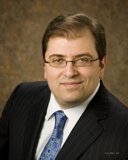 Hadi Seikaly合作论文数Department of Surgery, Faculty of Medicine & Dentistry, University of Alberta78
 Jeffrey Richard Harris合作论文数Genmab74
 Vincent Biron合作论文数Department of Medical Genetics, University of Alberta34
 Dziegielewski Peter T合作论文数20Zhang Han合作论文数18
 Brittany Barber合作论文数16
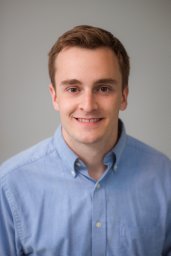 David W J Cote合作论文数Brigham and Women's Hospital, Harvard Medical School13
 Caroline C Jeffery (Xu)合作论文数Division of Otolaryngology - Head &amp;Neck Surgery, The Stollery Children's Hospital &The University of Alberta Hospitals, University of Alberta;The University of Alberta Hospitals, University of Alberta11
 Jana Rieger合作论文数Institute for Reconstructive Sciences in Medicine, 1W-03 Misericordia Community Hospital10
 Andre Isaac合作论文数9Morris A. Kostiuk合作论文数8Ansari Khalid合作论文数6V. L. Biron合作论文数5
 Cameron Lindsay合作论文数46 Bangor Rd5Alex M. Mlynarek合作论文数5Clark Jessica M合作论文数5Osswald Martin合作论文数5
 Margaret L. Mcneely合作论文数Department of Rehabilitation Medicine, Cross Cancer Institute5Lakshmi Puttagunta合作论文数Department of Laboratory Medicine and Pathology, Faculty of Medicine & Dentistry, University of Alberta5Hani Almarzouki合作论文数4Kal Ansari合作论文数4Johan Wolfaardt合作论文数4
 Agnieszka Dzioba合作论文数4
 Jonathan Abele合作论文数Department of Radiology and Diagnostic Imaging, University of Alberta4
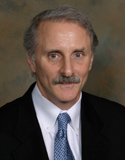 Mark L. Urken合作论文数Division of Head and Neck Surgical Oncology, Department of Otolaryngology, Mount Sinai Beth Israel;Institute for Head and Neck and Thyroid Cancer, Mount Sinai Beth Israel4Rufus Scrimger合作论文数4Andrew T Morrissey合作论文数3Michael Allegretto合作论文数3Matthew Hearn合作论文数3Nicholas D Mitchell合作论文数3Fawaz Makki合作论文数3
 Shannon Dawne Rychlik合作论文数3Justin M Pyne合作论文数3
 Sherif Idris合作论文数Department of Surgery, University of Alberta3
 Hani Z Marzouki合作论文数3
 Gabriela Constantinescu合作论文数3Cooper Timothy合作论文数3
 Cathy Lynn Lazarus合作论文数3
 Heather Logan合作论文数3Neal D. Futran合作论文数3Jana G. Zalmanowitz合作论文数3
 Suresh Nayar合作论文数3
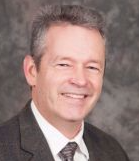 Kerry Courneya合作论文数Faculty of Kinesiology, Sport, and Recreation, College of Health Sciences, University of Alberta;Cancer Research Institute of Northern Alberta, University of Alberta;Department of Oncology, Faculty of Medicine and Dentistry, University of Alberta;Behavioral Medicine Laboratory and Fitness Center, University of Alberta;Cross Cancer Institute Edmonton3
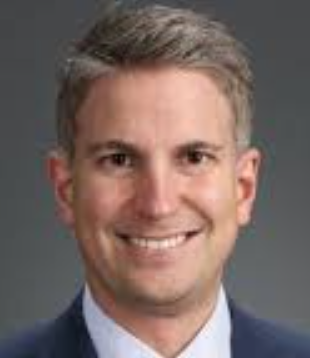 Brock Debenham合作论文数Department of Oncology, Faculty of Medicine & Dentistry, University of Alberta3
 Richelle Chuka合作论文数2Brendan C. Kelly合作论文数2Dean Jeffery合作论文数2Dustin Conrad合作论文数2Ashlee Matkin合作论文数2




