IntroductionCirrhosis is a recognized cause of high-output heart failure (HOHF), yet the prognostic relevance of paired invasive hemodynamic and echocardiographic remodeling profiles in this population remains incompletely defined.MethodsWe retrospectively analyzed 41 adults with cirrhosis-associated HOHF who underwent right heart catheterization between 2015 and 2023. HOHF was defined as thermodilution cardiac index (CI) ≥ 4.0 L/min/m2 with elevated filling pressures. The primary outcome was all-cause mortality.ResultsDuring a median follow-up of 1.66 years, 18 patients died and 21 underwent liver transplantation. Mean CI was 5.5 ± 1.2 L/min/m2, mean MELD-Na score was 24 ± 9, and echocardiography demonstrated preserved left ventricular ejection fraction (65 ± 11%) with disproportionate left atrial enlargement relative to left ventricular volume, reflected by a mean LA/LV volume ratio of 0.84 ± 0.31. In univariable Cox regression analyses, higher LA/LV volume ratio, CI, and end-systolic elastance (Ees) were associated with increased mortality when modeled per 1-standard deviation increase, with hazard ratios of 2.13 (95% confidence interval, 1.20–3.79; p = 0.010), 1.64 (95% confidence interval, 1.12–2.42; p = 0.012), and 1.93 (95% confidence interval, 1.09–3.44; p = 0.024), respectively. In MELD-Na–adjusted Cox models, LA/LV volume ratio, CI, and Ees remained associated with mortality, with adjusted hazard ratios of 2.02 (95% confidence interval, 1.12–3.65; p = 0.019), 1.66 (95% confidence interval, 1.08–2.56; p = 0.021), and 1.92 (95% confidence interval, 1.09–3.39; p = 0.024), respectively. Similar directionality was observed in Firth penalized Cox models and Fine–Gray competing-risk models treating liver transplantation as a competing event.DiscussionIn patients with cirrhosis-associated HOHF, disproportionate left atrial remodeling, elevated CI, and higher Ees were associated with mortality. These findings support further evaluation of integrated invasive hemodynamic and quantitative echocardiographic assessment for characterizing risk-related phenotypes in cirrhosis-associated HOHF.
Cardiogenic shock (CS) is a complex and heterogeneous clinical syndrome associated with high short-term mortality as well as a long-term burden of morbidity. Whereas short-term survival has improved owing to early recognition, revascularization, and temporary mechanical circulatory support (tMCS), survival after hospital discharge remains poorly defined. A large number of CS survivors experience persistent myocardial dysfunction, neurocognitive impairment, psychological distress, frailty, and recurrent heart failure hospitalizations. Yet current clinical guidelines and research frameworks provide limited direction beyond the acute phase, underscoring the urgent need for a structured longitudinal approach to care. This State-of-the-Art Review proposes the Cardiogenic Shock Survivorship Continuum, a novel framework delineating 3 interdependent phases: acute rescue and stabilization, assessment and optimization of in-hospital trajectories, and postdischarge shock care. The acute phase focuses on timely diagnosis, end-organ support, and individualized tMCS strategies. The in-hospital phase emphasizes diagnostic reassessment, heart failure guideline-directed medical therapy initiation, and procedural interventions targeting reversible pathophysiology. The postdischarge phase advocates for structured outpatient models, multidisciplinary postshock clinics, individualized risk stratification, re-referral for advanced therapies when appropriate, and recovery-focused rehabilitation. This review underscores the need to redefine success in CS, identifies critical gaps in evidence, and proposes future directions in research, clinical infrastructure, and collaborative networks to advance the field. Optimizing care in CS requires a paradigm that emphasizes both short- and long-term survival, with emphasis on achieving functional recovery, stability in health status, and preservation of quality of life.
Background Landmark randomized controlled trials like DanGer Shock, IABP-SHOCK II, and ECLS-SHOCK guide infarct-related cardiogenic shock (CS) management with temporary mechanical circulatory support (tMCS), but strict enrollment criteria may limit real-world applicability. Objectives The objective of the study was to evaluate the eligibility overlap of patients from these three key CS trials with the contemporary CS Working Group registry. Methods In this retrospective analysis, CS patients enrolled between 2020 and 2024 in the CS Working Group registry were assessed. Using trial-specific enrollment criteria (DanGer Shock, IABP-SHOCK II, and ECLS-SHOCK), subsets of patients meeting these criteria were identified. We compared baseline characteristics and usage patterns of tMCS devices among trial-eligible and trial-ineligible patients. Results Only a small proportion of registry patients met all the key enrollment criteria: 19.3% (DanGer Shock), 28.4% (IABP-SHOCK II), and 23.6% (ECLS-SHOCK). Hypotension and elevated lactate thresholds were the most restrictive criteria across trials. Trial-eligible patients had more severe CS and end-organ damage than ineligible patients. Actual device use in real-world practice differed markedly from trial assignments; notably, only 20% of DanGer-like patients received Impella CP as their first device. Conclusions Patients meeting the landmark CS trial criteria represent a small, high-risk subset of the real-world CS population, highlighting a substantial evidence gap for the majority of CS patients receiving tMCS in clinical practice. Enhancing registry enrollment of specific CS subsets and adopting innovative analytic strategies could bridge gaps between randomized controlled trials findings and real-world applicability.
BACKGROUND:Standardized hemodynamic-guided weaning criteria are needed for patients with cardiogenic shock receiving temporary mechanical circulatory support (tMCS). We aimed to determine whether hemodynamic indices prior to tMCS explant predict mortality and native heart survival and whether performance varies across device platforms. METHODS:We analyzed 385 cardiogenic shock patients from the multicenter Cardiogenic Shock Working Group registry who received tMCS. Four indices were evaluated: blood pressure response index (BPRI), organ perfusion pressure (OPP), aortic pulsatility index (API), and modified API (mAPI). The primary outcome was in-hospital mortality; the secondary outcome was native heart survival. Multivariable models were adjusted for age, sex, and device type. Receiver operating characteristic (ROC) curves assessed discrimination, restricted cubic splines examined nonlinear relationships, and device-stratified analyses evaluated platform-specific performance. RESULTS:BPRI demonstrated the highest area under the curve (AUC) for mortality (AUC, 0.786) and native heart survival (AUC, 0.747) compared with OPP (0.711), mAPI (0.654), and API (0.600). Survivors demonstrated BPRI improvement (8.4-18.2), whereas nonsurvivors showed stagnation (4.7-5.2). Each 10-point BPRI increase was associated with a 46% mortality reduction (odds ratio [OR], 0.54; 95% confidence interval [CI], 0.42-0.68; P < .001). BPRI remained strongly associated with lower mortality across device platforms, including Impella (OR, 0.24; 95% CI, 0.10-0.58; P = .001) and the intra-aortic balloon pump (OR, 0.65; 95% CI, 0.48-0.90; P = .008). CONCLUSION:Pre-explant BPRI demonstrated the highest prognostic accuracy for mortality and native heart survival across multiple tMCS platforms.
Despite major advances in guideline-directed medical therapy (GDMT), many patients with heart failure with reduced ejection fraction (HFrEF) remain symptomatic, with persistent limitations in functional capacity and health status, underscoring the need for adjunctive therapeutic strategies. Direct cardiac microcurrent (C-MIC) therapy is a non-excitatory bioelectrical intervention device to modulate myocardial remodeling rather than rhythm or acute contractility. C-MIC therapy influence myocardial biology, including pathways related to fibrosis, inflammation, and cellular homeostasis by delivering continuous, subthreshold direct current. Preclinical studies across cardiomyocytes, animal models, and cardiac fibroblasts suggest that microcurrent exposure may attenuate profibrotic signaling, regulate extracellular matrix turnover, and improve calcium handling, providing a mechanistic rationale for reverse remodeling. Early clinical experience, including first-in-human studies and a randomized trial in carefully selected patients with non-ischemic HFrEF, demonstrates feasibility and a consistent signal of improvement in left ventricular function, functional capacity, and patient-reported outcomes. However, the current evidence base remains limited by small sample size, open-label designs, and the absence of sham-controlled evaluation. All available clinical data are derived from surgically implanted systems, and the effectiveness of less invasive configurations remains uncertain. Accordingly, C-MIC should be considered an investigational therapy. Future development will require rigorous mechanistic validation, optimization of device programming and delivery parameters, and confirmation of efficacy in adequately powered, sham-controlled trials to define its role in contemporary HF management.
Background:Pulmonary wave intensity analysis (WIA) uses pressure and velocity measurements to characterize the type, direction, and timing of energy waves within the pulmonary circulation. Its application to assess ventriculo-arterial (VA) interactions in patients with cardiogenic shock (CS) receiving mechanical circulatory support (MCS) has not been previously described. We hypothesized that forward wave intensity would be reduced in CS, with preserved or augmented reflected wave intensity and/or speed. Study Design and Methods:In this prospective cohort study, 19 patients with CS requiring MCS were compared with 10 patients with normal pulmonary artery (PA) hemodynamics. PA pressure was measured via right heart catheterization (RHC), and PA flow via Doppler transthoracic echocardiography (TTE). WIA was derived from the product of pressure and velocity change. Statistical significance was defined as p < 0.05. Results:We studied 19 CS patients (54 ± 9 years, 17 male) and 10 controls (52 ± 16 years, 7 male). Compared with controls, CS patients had lower LVEF (16 ± 7 vs 50% ± 15%), lower RV FAC (21 ± 11 vs 39% ± 13%), and higher PCWP (25 ± 10 vs 9 ± 4 mmHg; all p < 0.01). CS was associated with more negative net wave intensity (-0.05 ± 0.07 vs -0.02 ± 0.02) and higher wave speed (7.1 ± 7.4 vs 1.8 ± 1.0 cm/s; both p < 0.05). Following MCS initiation, peak backward compression wave timing was delayed (0.13 ± 0.07 vs 0.17 ± 0.05 s, p = 0.048). IABP support was associate with increased forward decompression wave magnitude (p = 0.04) and reduced reflection index (p = 0.046), whereas Impella 5.5 delayed backward compression wave return (p = 0.03), without consistent changes in mPAP or PVR. WIA parameters demonstrated associations with LVEDV (BDW: R² = 0.13, p = 0.02), LA volume (BCW: R² = 0.23, p < 0.01), RV EDA (BCW: R² = 0.31, P < 0.01), TAPSE (R² = 0.08, p = 0.08), and inotrope dose (dobutamine: NWI R² = 0.30, p = 0.02; milrinone: TTP R² = 0.37, p < 0.01). Conclusions:In CS, net wave intensity was more negative, and wave speed increased. MCS was associated with changes in forward and reflected wave characteristics, consistent with altered RV-pulmonary arterial coupling. WIA parameters were associated with structural and functional cardiac measures and reflected physiologic changes not consistently captured by conventional hemodynamic or echocardiographic indices. These exploratory findings warrant validation in larger prospective cohorts.
Aortic insufficiency (AI) is associated with worse outcomes in patients with left ventricular assist device (LVAD). Microaxial flow pumps (mAFP) are increasingly used to stabilize cardiogenic shock pre-LVAD, but their transvalvular nature raises concerns for valvular damage. We studied AI incidence and outcomes in HeartMate 3 (HM3) recipients supported by mAFP. A single-center retrospective analysis (2014-2023) compared HM3 recipients bridged with mAFP to those supported by inotropes or other mechanical circulatory support. A secondary analysis used a propensity-matched cohort. The primary outcome was the incidence of significant (≥ moderate) AI at 6 and 12 months. Secondary outcomes were hemocompatibility-related adverse events, late right heart failure, aortic valve intervention (AVI), and mortality. A total of 170 HM3 patients were included: 27 with pre-LVAD mAFP and 143 without. Median age 58.9 years; 83.5% male; 37.6% White. More patients with pre-LVAD mAFP underwent AVI at implantation (22.9% vs. 13.2%, p = 0.130). At 1 year, significant AI was more prevalent in the mAFP group (22.2% vs. 4.2%, p = 0.003). In the propensity-matched cohort, 12 month significant AI was numerically higher with mAFP (20.8% vs. 5%, p = 0.198). Secondary outcomes did not differ. Pre-HM3 mAFP support is associated with higher rates of post-HM3 AI. Further large-scale studies are needed to validate these findings.
Background The arterial pulsatility index (API) is a promising hemodynamic surrogate of left ventricular function, but its prognostic value in acute myocardial infarction‐related cardiogenic shock (AMI‐CS) remains unclear. This study evaluated associations between API, a modified API (mAPI), clinical characteristics, and in‐hospital outcomes in AMI‐CS. Methods Patients with AMI‐CS in the multicenter CSWG (Cardiogenic Shock Working Group) registry with available API or mAPI were analyzed. API was calculated as systemic arterial pulse pressure/pulmonary capillary wedge pressure; mAPI used pulmonary artery diastolic pressure instead of wedge pressure. Logistic/linear regression, spline modeling, and receiver operating characteristic curve analysis were used to assess associations with clinical characteristics and in‐hospital outcomes. Results Among 487 patients with AMI‐CS, median API and mAPI were 2.1 (interquartile range [IQR], 1.3–3.2; n=139) and 1.7 (IQR, 1.0–2.8; n=487), respectively. API strongly correlated with mAPI (Pearson r=0.75, P<0.001). Native heart survival was lower in patients with low API (41.4% versus 59.4%, P=0.051) or mAPI (41.2% versus 59.1%, P<0.001). Lower API or mAPI correlated with reduced left ventricular ejection fraction and was associated with higher in‐hospital mortality (47.1% versus 24.6%; odds ratio [OR], 2.728 [95% CI, 1.341–5.705]; P=0.006; and 44.1% versus 32.2%; OR, 1.657 [95% CI, 1.147–2.402]; P=0.007). Every 0.5‐unit decrease in API or mAPI was associated with a 2.4% (β=0.024 [95% CI, 0.002–0.045]; P=0.030) and 1.4% (β=0.014 [95% CI, 0.002–0.026]; P=0.022) increase in in‐hospital mortality. Conclusions In AMI‐CS, lower API and mAPI were associated with increased mortality. API and mAPI may facilitate early risk assessment and guide tailored treatment decisions in AMI‐CS.
Background: Transcatheter edge-to-edge repair (TEER) is an established therapy for severe tricuspid regurgitation (TR). Invasive pressure-volume (PV) analysis is the gold standard for characterizing ventricular function and ventricular-vascular interactions. The effects of tricuspid TEER on biventricular PV relationships are unknown. Objectives: The authors aimed to assess postprocedural changes in right (RV) and left ventricular (LV: 1) end-systolic and end-diastolic pressures and volumes; 2) ventricular-arterial coupling, expressed as end-systolic elastance (Ees) to effective arterial elastance (Ea) ratio; and 3) metabolic demand, represented by PV area (PVA). Methods: We used a conductance catheter to determine RV and LV PV relationships before and after tricuspid TEER. Pre- and postprocedural changes in cardiac mechanics were compared using the paired-samples t-test or Wilcoxon signed rank test. Results: Among the twenty-two patients (mean age 80 ± 6 years, 46% female, median LV ejection fraction of 52 [IQR 44-55]%) with severe TR, tricuspid TEER resulted in significant TR reduction and lower RV volumes (end-diastolic volume from 114.8 ± 32.2 to 102.0 ± 26.8 mL, P < 0.001). RV afterload increased (Ea: 0.55 [0.47-0.81] mm Hg/mL to 0.85 [0.65-1.27] mm Hg/mL, P < 0.001) as did RV contractility (Ees: from 0.46 [0.33-1.06] to 0.82 [0.55-2.07] mm Hg/mL, P < 0.001), with a stable RV Ees/Ea, preserved stroke volume, RV end-diastolic pressure, PVA, and stroke work-to-PVA ratio. LV end-diastolic volume increased, (108.0 ± 31.8-114.0 ± 32.2 mL, P < 0.001), whereas LV pressures, contractility, Ees/Ea, PVA, and stroke work-to-PVA remained unchanged. Conclusions: TR reduction with tricuspid TEER generated immediate RV volume unloading, increased RV afterload, and enhanced RV contractility, maintaining forward stroke volume and increasing LV preload.
 Kapur Navin K合作论文数133
 Jaime A Hernandez-Montfort合作论文数Heart Vasc & Thorac Inst, Cleveland Clin Florida82
 Kanwar Manreet合作论文数Cardiac Cath Lab, St. John Hospital and Medical Center77
 Shashank Sinha合作论文数76
 Nir Y. Uriel合作论文数Vagelos College of Physicians and Surgeons, Columbia University;Weill Cornell Medicine Center;Columbia University Irving Medical Center;NewYork-Presbyterian76Gabriel Sayer合作论文数Division of Cardiology, Columbia Presbyterian Medical Center65
 Jacob Abraham合作论文数Providence Heart Institute60
 Claudius Mahr合作论文数54
 Barry A. Borlaug合作论文数Department of Cardiovascular Medicine, Mayo Clinic48
 Rachna Kataria合作论文数Massachusetts General Hospital46
 Song Li合作论文数46
 Mathew Maurer合作论文数Department of Medicine, Vagelos College of Physicians & Surgeons, Columbia University Irving Medical Center45
 Elric Zweck合作论文数Institute for Clinical Diabetology, Leibniz Center for Diabetes Research Heinrich Heine University43
 Brener Michael合作论文数Northwestern University, University of Pittsburgh43Garan A Reshad合作论文数43
 Borui Li合作论文数42
 Sanjiv Shah合作论文数Center for Deep Phenotyping and Precision Therapeutics, Institute for Artificial Intelligence in Medicine, Feinberg School of Medicine, Northwestern University;Division of Cardiology, Department of Medicine, Feinberg School of Medicine, Northwestern University42
 Jayant K Raikhelkar合作论文数Seymour, Paul and Gloria Milstein Division of Cardiology, Columbia University Irving Medical Center41Gh Yi合作论文数38
 Gene Kim合作论文数Department of Medicine, The University of Chicago38
 Esther E Vorovich合作论文数Cardiology, Department of Medicine, Feinberg School of Medicine, Northwestern University35
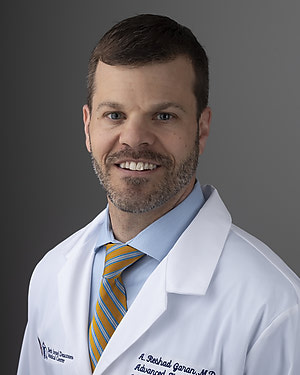 Arthur R. Garan合作论文数Beth Israel Deaconess Medical Center;Department of Medicine, Harvard Medical School35
 Neil Mohan Harwani合作论文数The CardioVascular Center, Tufts Medical Center34Vanessa Blumer合作论文数Duke University Medical Center32
 Pahuja Mohit合作论文数32
 Martin Leon合作论文数Center for Interventional Vascular Therapy, Columbia University Medical Center32K Sagawa合作论文数31Katherine L Thayer合作论文数The CardioVascular Center, Tufts Medical Center31Paavni Sangal合作论文数30Valluvan Jeevanandam合作论文数Department of Surgery, The University of Chicago30
 Justin Fried合作论文数30
 Kunlun He (何昆仑)合作论文数Chinese PLA General Hospital;School of Medicine, Nankai University30V. Ton合作论文数29Jie Wang合作论文数29
 Marat Fudim合作论文数Department of Medicine, School of Medicine, Duke University29
 Milton Packer合作论文数Baylor University Medical Center;Imperial College London29Bart Meyns合作论文数28
 D. Rodgers合作论文数Dept Med, Univ Chicago27Gavin W. Hickey合作论文数27Finn Gustafsson合作论文数26
 Takeyoshi Ota合作论文数26
 William Abraham合作论文数Division of Cardiovascular Medicine, Department of Internal Medicine, College of Medicine, The Ohio State University;Wexner Medical Center, The Ohio State University;V-Wave25
 Wissam Khalife合作论文数23Sandeep Nathan合作论文数23Mc Oz合作论文数22
 Nitasha Sarswat合作论文数Department of Medicine, The University of Chicago22
 Shelley Anne Hall合作论文数22David M. Kaye合作论文数22Yijing Zhang合作论文数21




