Robot-assisted surgical management of ureteral stricture is a relatively uncommon procedure with numerous techniques described. This literature review combined with expert opinion outlines the key surgical principles of ureteral reconstruction and proposes an algorithm for the robot-assisted treatment of ureteral strictures. A narrative literature review was conducted using PubMed and Cochrane databases with a predefined search strategy including terms related to ureteroplasty and upper urinary tract reconstruction. The search yielded approximately 900 results. After screening, 219 relevant studies were selected for analysis. Two authors independently reviewed all included articles, and whenever evidence was inconsistent or insufficient, consensus was reached through discussion within the full author group. Robotic ureteral reconstruction includes several techniques, with the choice of procedure guided by multiple factors. Key principles include the use of healthy tissue, creation of a tension-free anastomosis, and ensuring adequate drainage. Outcomes may be further optimized by preoperative ureteral rest, intraoperative ureteroscopy, and the use of intravenous indocyanine green (ICG). Buccal mucosa grafting has emerged as a breakthrough in minimally invasive reconstruction. The robotic approach is adept at managing standard techniques such as ureteroureterostomy, psoas hitch, Boari flap, ureteroneocystostomy, and more recently described methods such as non-transecting ureteral reimplantation and bladder flap ureteroplasty. Ileal ureter remains a good option in cases of challenging reconstructions and patients with prior radiation therapy or extensive defects. Robot- assisted ureteral reconstruction has shifted the paradigm in stricture management, allowing complex reconstructive operations to be performed with minimally invasive techniques. This expert review summarizes key surgical approaches and presents a practical algorithm to guide urologists in the management of ureteral strictures.
PURPOSE:To investigate the feasibility and safety of robot-assisted partial nephrectomy (RAPN) to treat large (T2) cystic renal-cell carcinoma. METHODS:A multinational study was conducted worldwide. Patients with renal tumors larger than 7cm who underwent partial nephrectomy between December 2007 and July 2017 were recruited retrospectively. The patients were divided into solid tumor group (143 cases) and cystic tumor group (28 cases). Baseline parameters, tumor characteristics, perioperative variables, and pathological outcomes were collected. RESULTS:Between cystic and solid tumors, no statistically significant differences were detected in age, gender, BMI, ASA score, clinical tumor size, laterality, or R.E.N.A.L nephrometry score. Operating time, warm ischemic time, estimated blood loss, complications, histology outcomes, and margin status were comparable. Pathology of 6 cystic tumors came back benign (21.4%). In solid tumors, 6 intraoperative bleeding require transfusion, 1 ureteral damage, and 3 postoperative urinary fistulas were observed. In cystic tumors, conversion to radical nephrectomy happened in one case, because of sticky fat and the risk of cyst rupture. In two cases, postoperative bleeding was treated with embolism. The longest follow-up was 113 months. In cystic group, 1 recurrence or metastasis was observed, while in solid group, 14 cases were observed. CONCLUSION:RAPN can be safely performed to treat large (T2) cystic renal-cell carcinoma. Patients with cystic renal-cell carcinoma exhibited favorable renal function recovery after robot-assisted partial nephrectomy (RAPN), which maximally preserved normal renal tissue and its function. Further studies are needed to better understand the role of RAPN for these challenging cases.
To assess the long-term urinary and sexual function outcomes for men undergoing robotic-assisted simple prostatectomy (RASP) with circumferential mucosal anastomosis performed at a single, high-volume robotics center. RASP cases performed by a single surgeon from June 2013 through June 2024 using the da Vinci® Xi robotic system were analyzed. Indications for surgery were bothersome lower urinary tract symptoms (LUTS) refractory to medical management and prostate volume ≥ 80 g. Urinary function and sexual function parameters were assessed by the American Urologic Association Symptoms Score (AUASS) and Sexual Health Inventory for Men (SHIM), respectively at routine 6-month postoperative visits. A uniform phone survey was conducted in September 2024, which assessed long-term functional outcomes by combining AUASS with questions on incontinence, erectile function, and orgasm. A Wilcoxon signed rank test was utilized to compare pre- and postoperative IPSS and SHIM scores with p < 0.05 considered significant. 292 patients underwent RASP during the query interval and were included in the perioperative analysis with a mean follow-up time of 22.6 months (SD ± 15.2). Mean preoperative AUASS was 17.9 (SD ± 7.9). Mean postoperative AUASS was 5.7 (SD ± 5.2); W-statistic 352.0 (p < 0.001). Bother scores preoperative mean was 4.3 (SD ± 1.5), with postoperative values of 1.1 ± 1.4; W-statistic 395.0 (p < 0.001). Sexual Health Inventory for Men (SHIM) scores demonstrated a preoperative mean of 12.8 (SD ± 8.1). Postoperatively, the SHIM mean was 12.6 (SD ± 8.5); W-statistic: 4462.0 (p = 0.57). No patients required reoperation for LUTS, although one patient underwent completion prostatectomy for malignancy identified on RASP pathology. No patients developed bladder neck contracture. Calls were placed to 288 patients (98.6
INTRODUCTION:Single-port (SP) robotic surgical system performs well in small anatomical spaces, which makes it suitable for retroperitoneal robotic partial nephrectomy (RPN). However, there is limited evidence comparing the safety and feasibility of SP RPN to multiport (MP) RPN. To address this gap in evidence, we sought to analyze and compare the safety of retroperitoneal RPN between SP and MP approaches. METHODS:This is a retrospective cohort study using data from the Single Port Advanced Research Consortium (SPARC) and a multicenter database of patients who underwent retroperitoneal RPN using either SP or MP between 2017 and 2023. Baseline, perioperative, and postoperative data were compared using t-tests, Mann-Whitney U test, χ2 test, and Fisher exact test. Multivariable analyses were conducted using robust and Poisson regressions. RESULTS:A total of 286 patients (SP RPN, n = 86 [30%]; MP RPN, n = 200 [70%]) underwent retroperitoneal RPN. R.E.N.A.L nephrometry score and tumor location were significantly different between the 2 groups. Notably, the ischemia time was significantly shorter in the MP group (16 vs. SP, 22 minutes, P < 0.001). Adjusting for baseline characteristics, the ischemia time was approximately 7.89 minutes longer for patients in the SP group compared to the MP group, on average (95% CI: 5.87, 9.92; P < 0.001). No significant differences were observed in operative time, EBL, blood transfusion, conversion rates, LOS, PSM, and overall 30-day postoperative complications between the 2 groups. CONCLUSION:Our study shows that retroperitoneal SP and MP RPN have comparable perioperative and postoperative outcomes, except for the longer ischemia time in the SP platform. SP RPN is a safe and viable alternative; however, further research is needed to explore its potential benefits, cost-effectiveness, and long-term oncologic outcomes.
BACKGROUND:To determine the utility of creatinine-to-hemoglobin (Cr:Hgb) ratio, as a predictor of survival outcomes in upper tract urothelial carcinoma (UTUC). METHODS:We performed a multi-institutional retrospective analysis of UTUC-patients who underwent robotic radical nephrouretectomy utilizing the ROBUUST (ROBotic surgery for Upper Tract Urothelial Cancer Study) registry. Patients were divided into elevated Cr:Hgb ratio (>0.15, based on upper-limit of normal for creatinine and lower-limit of normal for hemoglobin) vs. non-elevated Cr:Hgb ratio (≤0.15). Primary outcome was all cause mortality (ACM)/overall survival (OS). Secondary outcomes were cancer-specific mortality (CSM) / survival (CSS) and recurrence-free survival (RFS). Cox proportional hazards (MVA) was used to elucidate predictive factors for ACM, CSM, and RFS. Kaplan-Meier analysis (KMA) was performed to analyze 5-year OS, CSS, and RFS. RESULTS:Overall, 829 patients were analyzed (744 non-elevated / 85 elevated Cr:Hgb). Elevated Cr:Hgb patients had more frequently advanced-stage (P=0.016) and high-grade tumors (P<0.001) at time of surgery. MVA demonstrated increasing-age (HR=1.04, P=0.002), elevated Cr:Hgb (HR=2.49, P=0.003), lympho-vascular invasion (HR=4.61, P<0.001), and higher-stage (HR=3.82, P<0.001) to be associated with worsened ACM. Increasing-age (HR=1.04, P=0.030), elevated Cr:Hgb (HR=3.64, P<0.001), and lympho-vascular invasion (HR=4.52, P<0.001) were independently associated with worsened CSM. Elevated Cr:Hgb (HR=1.27, P=0.001) was independently associated with worsened recurrence. For elevated vs. non-elevated Cr:Hgb patients, KMA revealed significantly worse 5-year OS (78% vs. 65%, P=0.002), CSS (86% vs. 74%, P<0.001), and RFS (53% vs. 22%, P=0.004). CONCLUSIONS:Baseline elevated Cr:Hgb predicted worsened survival outcomes in UTUC patients and may serve a pre-operative marker to stratify oncologic risk and guide counseling and management.
Open ureteroenteric reimplantation (OUER) of ureteroenteric strictures (UESs) is related to important morbidity. Robot-assisted ureteroenteric reimplantation (RUER) has been proposed to provide similar outcomes with lower morbidity. We aimed to compare perioperative and functional outcomes between RUER and OUER. A retrospective multicenter study of 80 patients, who underwent 82 ureteroenteric reimplantations (17 OUER vs 65 RUER) at 8 institutions between 2009–2021 for benign UESs after radical cystectomy. All the open procedures were performed by the same center in order to compare the robotic approach with a standardized technique. Data were reviewed for demographics, stricture characteristics, and perioperative outcomes. Complication and stricture recurrence rates were compared between both groups. Among 82 reimplantations, 44 were left sided (54
 Ziho Lee合作论文数75
 Ronney Abaza合作论文数Columbus70
 Michael Stifelman合作论文数Hackensack Meridian Health;Hackensack Meridian School of Medicine64
 Riccardo Autorino合作论文数Virginia Commonwealth University63
 Ketan K Badani合作论文数Icahn School of Medicine at Mount Sinai Hospital;epartment of Urology, Mount Sinai West63
 James R. Porter合作论文数Swedish Health System;Medtronic;Providence Health & Services;Providence St. Joseph Health;Swedish Urology Group63
 Ashok K. Hemal合作论文数School of Medicine, Wake Forest University;Comprehensive Cancer Center, Wake Forest Institute for Regenerative Medicine;Wake Forest Baptist Hospital55
 Matthew Richard Lee合作论文数Department of Molecular Structure, Amgen Inc.54
 Akshay Bhandari合作论文数Detroit53
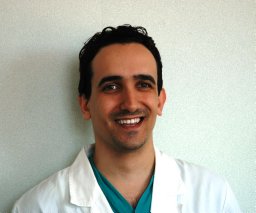 Giuseppe Simone合作论文数Rome50
 Andrea Minervini合作论文数Department of Clinical and Experimental Medicine, School of Human Health Sciences, University of Florence45
 Francesco Porpiglia合作论文数44
 Chandru P. Sundaram合作论文数Department of Urology, Indiana University School of Medicine43
 Ithaar Derweesh合作论文数Department of Surgery, School of Medicine, University of California, San Diego43
 Umberto Capitanio合作论文数Department of Urology, IRCCS Ospedale San Raffaele38
 Lee C. Zhao合作论文数Department of Plastic Surgery, Grossman School of Medicine, New York University36
 Alexandre Mottrie合作论文数OLV Ziekenhuis;Urological Department, University Hospital of Homburg-Saar;Department of Urology, OLV Hospital Aalst36David Paulucci合作论文数New York;New York31Alessandro Larcher合作论文数30David Strauss合作论文数28Aeen M Asghar合作论文数28Gabriele Tuderti合作论文数28Alessandro Veccia合作论文数27
 Randall A. Lee合作论文数27
 Beksaç A Tuna合作论文数Department of Urology, Hacettepe University School of Medicine27
 Michael Metro合作论文数27
 Mani Menon合作论文数Vattikuti Urology Institute, Henry Ford Hospital26Kennedy Okhawere合作论文数Icahn School of Medicine, Mount Sinai Hospital25
 Jihad Kaouk合作论文数Department of Urology, Cleveland Clinic;Cleveland Clinic Lerner College of Medicine, Case Western Reserve University25
 Francesco Montorsi合作论文数Department of Urology, San Raffaele Hospital;Vita-Salute San Raffaele University of Milan24
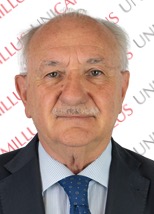 Michele Vito Mario Gallucci合作论文数UniCamillus - International Medical University in Rome;Department of the Policlinico, Casilino Hospital24
 Ronald S Boris合作论文数24
 Reza Mehrazin合作论文数Memphis24
 Matteo Ferro合作论文数23
 Craig Rogers合作论文数Vattikuti Urology Institute, Henry Ford Hospital21
 Lance J. Hampton合作论文数20
 Firas Abdollah合作论文数19
 A. Brassetti合作论文数19Vitaly Margulis合作论文数Dallas19
 Hooman Djaladat合作论文数Department of Urology, Norris Cancer Center, University of Southern California18
 David I Lee合作论文数18
 Elton Llukani合作论文数16
 Andrea Mari合作论文数Istituto di Neuroscienze, Consiglio Nazionale delle Ricerche16Amparore Daniele合作论文数16
 Koon Ho Rha (罗君镐)合作论文数Department of Urology, Yonsei University Medical School;Severance Hospital16Adam C. Reese合作论文数Department of Urology, University of California San Francisco16
 Mark L. Gonzalgo合作论文数Desai Sethi Urology Institute, Miller School of Medicine, University of Miami;University of Miami Health System15
 Umberto Anceschi合作论文数15
 Zhenjie Wu合作论文数Department of Colorectal Surgery, Guangxi Medical University;Tumor Hospital of Guangxi Medical University15




