BACKGROUND:Survival outcomes following sipuleucel-T in men with metastatic androgen pathway modulator resistant prostate cancer (mAPMR) are variable. Genomic alterations influencing immune response and tumor proliferation may explain outcome heterogeneity. We sought to identify clinical and genomic correlates of survival following sipuleucel-T. METHODS:We conducted a single-center retrospective study of men with mAPMR and accessible tumor genomic data who received sipuleucel-T at the Duke Cancer Institute (2014-2024). The primary objective was to associate clinical factors and somatic genomic alterations with overall survival (OS) using multivariable Cox models. RESULTS:Among 429 men treated with sipuleucel-T, 185 (43%) had molecular data (tumor tissue 43%, cfDNA 57%). Median age was 70; most were ECOG 0 (60%) and White (85%) or Black (14%). Frequent alterations included TP53 (48%), AR amplification (27%), PTEN loss (20%), and MYC gain (10%). Median OS and progression-free survival (PFS) were 44 and 3.6 months, respectively. MYC gain was the strongest independent genomic predictor of poorer OS. On multivariable analysis, predictors of poorer OS included ≥ 10 bone metastases (HR 42.4, 95% CI 10.3-175, p < 0.001), MYC gain (HR 7.96, 95% CI 2.88-22.0, p < 0.001), older age (HR 1.05, 95% CI 1.01-1.09, p = 0.017), TMPRSS2 wild type vs. mutation (HRmutation 0.35, 95% CI 0.16-0.78, p = 0.011), higher alkaline phosphatase (HR 1.11 per 10 IU/L, 95% CI 1.04-1.18, p < 0.001), and higher ANC (HR 1.30, 95% CI 1.06-1.58, p = 0.011). CONCLUSIONS:MYC gain is strongly associated with poorer OS following sipuleucel-T. Aggressive tumor biology, immune evasion, and advanced disease state may underlie these inferior outcomes; alternative therapies should be considered in MYC-amplified mAPMR. Multicenter validation is planned to further enhance patient selection for sipuleucel-T.
Neoadjuvant systemic treatment strategies have improved outcomes in several solid tumour types. This success has not yet been replicated in renal cell carcinoma (RCC). A consensus and international collaboration are urgently needed for the development of adaptive perioperative immunotherapy strategies for patients with RCC at high risk of recurrence.
Much of the disease nomenclature used for patients with advanced prostate cancer has negative connotations and can be confusing or intimidating. Experts in the field convened to recommend a clearer and more accurate approach to defining the nomenclature.
Supplementary materials and methods. Figure S1: VHL renders renal cancer cell resistant to cystine deprivation-induced cell death. Figure S2: Cystine deprivation induces a programmed necrosis in VHL-deficient renal cancer cells. Figure S3: VHL represses TNFalpha expression to protect from Cystine-deprived necrosis. Figure S4: Metabolomic and transcriptional response to cystine deprivation. Figure S5: Activation of Src and p38 kinases is required for cystine-deprived necrosis. Figure S6: Mutual amplification between the Src-p38-Noxa and TNF-RIP1/3-MLKL pathways. Figure S7: Low doses of erastin share a similar mechanism as cystine deprivation to trigger programmed necrosis in ccRCC.
Supplementary Table 4. Gene list of TNFalpha and VHL gene signature for "R score" projection analysis
Supplementary Tables 1-4, Figures 1-4 from Circulating Tumor Cells from Patients with Advanced Prostate and Breast Cancer Display Both Epithelial and Mesenchymal Markers
Supplementary Table 1. GSEA analysis report on gene profile of RCC4 VHL-deficient and -restored cells
Supplementary Table 2. Metabolomics of 786-O VHL-deficient and -restored cells upon cystine deprivation
Supplementary Table 3. Differential gene response of RCC4 VHL-deficient and -restored cells upon cystine deprivation
The treatment of patients with renal cell carcinoma (RCC) is evolving rapidly, with promising new regimens being developed and approved for patients with advanced disease, particularly the combination of tyrosine kinase inhibitors with immune checkpoint inhibitors. Within the last 6 months, favorable first-line setting results for patients with clear cell RCC have been reported for the combination of cabozantinib plus nivolumab in the phase III CheckMate 9ER study, leading to its regulatory approval, and lenvatinib plus pembrolizumab in the phase III CLEAR study. Additional systemic first-line treatments for clear cell RCC include axitinib plus pembrolizumab, pazopanib, and sunitinib for favorable-risk patients and ipilimumab plus nivolumab, axitinib plus pembrolizumab, axitinib plus avelumab, and cabozantinib for intermediate- or poor-risk patients. In this review of novel approaches for first-line treatment of advanced RCC, we present an overview of current treatment strategies, the basis behind emerging treatment approaches, a summary of key results from the pivotal studies using tyrosine kinase inhibitor and immune checkpoint inhibitor combination therapy, novel treatments and strategies under development, and efforts for identifying biomarkers to guide treatment decisions.
Biomarkers are needed in patients with non-clear cell renal cell carcinomas (NC-RCC), particularly papillary renal cell carcinoma, in order to inform on initial treatment selection and identify potentially novel targets for therapy. We enrolled 108 patients in ASPEN, an international randomized open-label phase 2 trial of patients with metastatic papillary, chromophobe, or unclassified NC-RCC treated with the mTOR inhibitor everolimus (n=57) or the vascular endothelial growth factor (VEGF) receptor inhibitor sunitinib (n=51), stratified by MSKCC risk and histology. The primary endpoint was overall survival (OS) and secondary efficacy endpoints for this exploratory biomarker analysis were radiographic progression-free survival (rPFS) defined by intention-to-treat using the RECIST 1.1 criteria and radiographic response rates. Tissue biomarkers (n=78) of mTOR pathway activation (phospho-S6 and -Akt, c-kit) and VEGF pathway activation (HIF-1α, c-MET) were prospectively explored in tumor tissue by immunohistochemistry prior to treatment and associated with clinical outcomes. We found that S6 activation was more common in poor risk NC-RCC tumors and S6/Akt activation was associated with worse PFS and OS outcomes with both everolimus and sunitinib, while c-kit was commonly expressed in chromophobe tumors and associated with improved outcomes with both agents. C-MET was commonly expressed in papillary tumors and was associated with lower rates of radiographic response but did not predict PFS for either agent. In multivariable analysis, both pAkt and c-kit were statistically significant prognostic biomarkers of OS. No predictive biomarkers of treatment response were identified for clinical outcomes. Most biomarker subgroups had improved outcomes with sunitinib as compared to everolimus.
You have accessJournal of UrologyKidney Cancer: Advanced (including Drug Therapy) I (MP14)1 Apr 2020MP14-17 UNDERREPORTING OF SIDE EFFECTS IN SYSTEMIC THERAPY FOR RENAL CELL CARCINOMA Dena Battle*, W. Kimryn Rathmell, Cristiane Bergerot, Pavlos Msaouel, Eric Jonasch, Daniel George, Tian Zhang, and Michael Staehler Dena Battle*Dena Battle* More articles by this author , W. Kimryn RathmellW. Kimryn Rathmell More articles by this author , Cristiane BergerotCristiane Bergerot More articles by this author , Pavlos MsaouelPavlos Msaouel More articles by this author , Eric JonaschEric Jonasch More articles by this author , Daniel GeorgeDaniel George More articles by this author , Tian ZhangTian Zhang More articles by this author , and Michael StaehlerMichael Staehler More articles by this author View All Author Informationhttps://doi.org/10.1097/JU.0000000000000839.017AboutPDF ToolsAdd to favoritesDownload CitationsTrack CitationsPermissionsReprints ShareFacebookLinked InTwitterEmail Abstract INTRODUCTION AND OBJECTIVE: New treatments in metastatic Renal Cell Carcinoma (RCC) have dramatically changed the landscape for patients, however they have also resulted in challenges related to new and unexpected side effects. Maximizing outcomes for new therapies requires effective communication between patients and providers to avoid unnecessary dose reductions and treatment discontinuation. Little is known about side effects outside clinical trials. We sought to gather independent data from the largest online patient community to understand patient reporting. METHODS: The KCCure online survey was performed between August 1st and September 30th 2019. Out of 1,136 patients responding 411 patients actually were on systemic therapy and were included in this analysis. RESULTS: Although 50% are confident their medical oncologist will offer help for side effects 20% are worried that their dose might be reduced, or they might be taken off therapy. Six percent of patients said they never talk about their side effects. Only 3% of patients would choose a therapy because it has a low risk of toxicity. 51% believe the best advice on managing treatment related side effects is provided by their medical oncologist, but 40% seek advice from online patient communities and advocacy organizations (35%). Only 8% use manufacturer support webs sites. 13% had never had any concomitant medication prescribed to help treat their side effects. 18 percent of patients reported using marijuana and 26 percent of patients reported using CBD oil. CONCLUSIONS: Patients are willing to accept side effects to support efficacy. Clinically relevant underreporting of side effects leads to a low rate of support from therapeutic stakeholders. Online communities are a relevant source of information for patients. Impaired sexual function should be treated accordingly and investigated further. Source of Funding: None © 2020 by American Urological Association Education and Research, Inc.FiguresReferencesRelatedDetails Volume 203Issue Supplement 4April 2020Page: e202-e202 Advertisement Copyright & Permissions© 2020 by American Urological Association Education and Research, Inc.MetricsAuthor Information Dena Battle* More articles by this author W. Kimryn Rathmell More articles by this author Cristiane Bergerot More articles by this author Pavlos Msaouel More articles by this author Eric Jonasch More articles by this author Daniel George More articles by this author Tian Zhang More articles by this author Michael Staehler More articles by this author Expand All Advertisement PDF downloadLoading ...
 Charles C. Wang合作论文数7Chien-Kuang Ding合作论文数7Chao-Chieh Lin合作论文数duke university hospital7
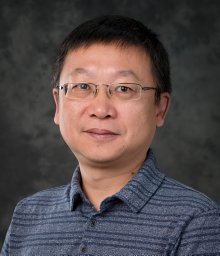 Xiaohu Tang合作论文数Michigan Technol Univ, Dept Biol Sci, Houghton, MI 49931 USA7
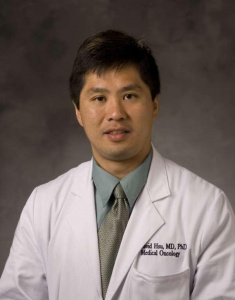 Shiao-Wen David Hsu合作论文数Department of Medicine, Duke University School of Medicine7
 Jen-Tsan Ashley Chi合作论文数Department of Molecular Genetics and Microbiology, Duke University School of Medicine7Wu Jianli合作论文数7
 Chih-An Lin合作论文数7Keenan Melissa M合作论文数7
 Andrew John Armstrong合作论文数Department of Medicine, School of Medicine, Duke University3
 Hans Hammers合作论文数Department of Internal Medicine, UT Southwestern Medical Center;Harold C. Simmons Comprehensive Cancer Center, UT Southwestern Medical Center;Division of Hematology and Oncology, UT Southwestern Medical Center3
 Susan Halabi合作论文数Division of Biostatistics, Department of Biostatistics & Bioinformatics, Duke University School of Medicine3
 Axel Bex合作论文数Netherlands Cancer Institute;University College London3Andrew J. Armstrong合作论文数2Dena Battle合作论文数2Lisa Pickering合作论文数2
 Wen-Chi Foo合作论文数Department of Pathology, Duke University School of Medicine2
 Joseph Park合作论文数2Jonasch Eric合作论文数2
 Mark Rubin合作论文数Department for BioMedical Research, Faculty of Medicine, University of Bern;Bern Center for Precision Medicine, University of Bern2
 Massimo Loda合作论文数Department of Pathology and Laboratory Medicine, Weill Cornell Medicine, Cornell University;New York-Presbyterian Hospital;Harvard Medical School2
 Todd R. Golub合作论文数Broad Institute;Dana-Farber Cancer Institute;Harvard Medical School2
 Michael Staehler合作论文数Department of Urology, Ludwig-Maximilians-Universität München2Aaron R Thorner合作论文数2Pedro Barata合作论文数1Ithaar Derweesh合作论文数1Christina I. Herold合作论文数1Bryan Lewis合作论文数1Andrea Carmack合作论文数1Shiqi Zhang合作论文数1Matthew Kyle Labriola合作论文数1Muthana Al Abo合作论文数1Bruce Montgomery合作论文数1Shahla Bari合作论文数1Daniel Y C Heng合作论文数Univ Calgary, Tom Baker Canc Ctr, Calgary, AB, Canada1
 Robert Jones合作论文数CRUK Glasgow Clinical Trials Unit, University of Glasgow1
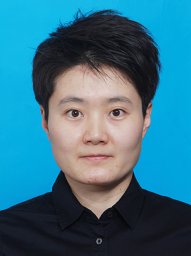 Qian Yang合作论文数Dept Med, Cedars Sinai Med Ctr1Siyuan Guo合作论文数AB T6G 2G2, Univ Alberta1
 Michael Jewett合作论文数Department of Surgery, Temerty Faculty of Medicine, University of Toronto;Division of Urology, University of Toronto1
 Antonio Finelli合作论文数Division of Urology, University of Toronto1
 Sundhar Ramalingam合作论文数Department of Medicine, School of Medicine, Duke University School of Medicine1
 Paul Kelly Marcom合作论文数Department of Medicine, Duke University School of Medicine1
 Jennifer Freedman合作论文数Department of Medicine, School of Medicine, Duke University1Rhonda L Bitting合作论文数Department of Medicine, Duke University School of Medicine1
 John D. Norris合作论文数Department of Pharmacology and Cancer Biology, Duke University School of Medicine1
 Naomi B. Haas合作论文数Abramson Cancer Center, University of Pennsylvania;Perelman Center for Advanced Medicine, University of Pennsylvania;Department of Medicine, Perelman School of Medicine, University of Pennsylvania1
 Mariano A. Garcia-Blanco合作论文数School of Medicine, University of Virginia;Duke-NUS Medical School;Autoimmunity Biologic Solutions, Inc1
 Walter M. Stadler合作论文数Department of Medicine, Biological Sciences Division, The University of Chicago1
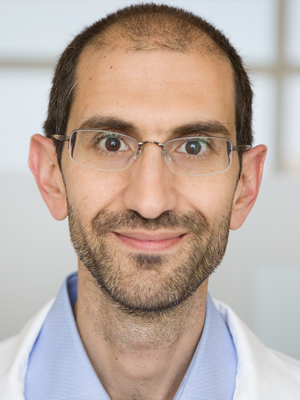 Emmanuel Antonarakis合作论文数Division of Hematology, Oncology, and Transplantation, Medical School, University of Minnesota;Masonic Cancer Center, University of Minnesota1




