Patient and sample characteristics of scRNA/scTCR sequencing cohort, related to Figure 1.
Supplementary Table 5. Association between density of terminally exhausted CD8+ TILs measured as continuous variables and clinical outcomes (ORR, PFS).
Supplementary Table 3. Demographic and clinical characteristics of patients from the HCRN 16-260 trial included and not included in the study.
The therapeutic landscape for renal cell carcinoma (RCC) and urinary tract cancer (UTC) has transformed dramatically, creating complexity in treatment selection and sequencing. The 2025 Advanced Urologic Cancer Consensus Conference was convened to establish evidence‐based expert consensus recommendations for optimal management. A multidisciplinary panel of 51 experts participated in a modified Delphi process addressing questions developed through iterative consensus‐building covering RCC and UTC management. Voting occurred before and after the conference, and analyses focused on postmeeting responses. Consensus was defined as ≥75% agreement, with strong consensus as >90%. Strong consensus was found on the use of adjuvant pembrolizumab for higher risk RCC (pathologic T2 [pT2], grade 4; pT3–pT4, any grade; pTXN1; or fully resected metastatic disease) and on neoadjuvant therapy before cystectomy for localized UTC. There was strong consensus on the use of enfortumab vedotin plus pembrolizumab as frontline therapy for metastatic UTC and the use of platinum‐based chemotherapy postprogression in biomarker‐negative UTC. For RCC, there was consensus on the role of single‐agent vascular endothelial growth factor receptor–tyrosine kinase inhibitor therapy after progression on frontline immune checkpoint inhibitor/vascular endothelial growth factor receptor–tyrosine kinase inhibitor therapy or dual immune checkpoint inhibitor therapy. However, there was a lack of consensus on other critical areas in the management of RCC and UTC. The 2025 Advanced Urologic Cancer Consensus Conference provides evidence‐informed guidance for complex clinical scenarios while identifying critical research priorities. The group recognizes that the lack of consensus across multiple areas highlights the need for improved patient selection and prospective studies enabling optimal combination and sequencing approaches. This iterative annual process will address evolving treatment paradigms to optimize outcomes.
TPS612 Background: While metastatic renal cell carcinoma (mRCC) is known to be immunogenic, and there have been several recent advances with combinations of immunotherapy, the disease often progresses and immunotherapy resistance mechanisms remain unclear. For patients with mRCC refractory to immunotherapy checkpoint inhibitors (ICIs), further treatment options are not curative and improvements are needed. Proprotein convertase subtilisin/kexin type 9 (PCSK9) directs MHC-I molecules to the lysosome, and inhibition of PCSK9 improves MHC-I expression and tumor antigen presentation. Evolocumab is a PCSK9 inhibitor which was shown in preclinical studies to improve tumor antigen presentation, intratumoral CD8 T-cell infiltration (and activation), and overall tumor control. We designed a phase 2 trial with safety lead in adding evolocumab to the PD-1 inhibitor nivolumab in mRCC refractory to first-line ICI combinations. Methods: BOOST-RCC is an investigator-initiated, phase 2, multicenter, single cohort study investigating the efficacy of evolocumab and nivolumab for ICI refractory mRCC. A Simon 2-stage design will be used, with 10 patients treated in the first cohort. If at least 1 objective response is observed among the first 10 patients, enrollment will continue with 19 more patients, for a total of 29 patients. Primary endpoints are objective response rates based on RECIST v1.1 as well as trial limiting toxicities for the safety profiling of the combination of treatment. Patients will be treated until progression of disease, unacceptable toxicity, or up to 2 years if ongoing response. The study is funded by CPRIT and open within the DOD-supported Kidney Cancer Research Consortium. Enrollment is ongoing at UT Southwestern Simmons Comprehensive Cancer Center and MD Anderson Cancer Center (NCT06284564). Clinical trial information: NCT06284564 .
Differential gene expression analysis, including top 1,000 differentially expressed genes for each cluster (compared with all other clusters) for graph-based clustering of myeloid cells, related to Figure 4. Positive log fold-change (per cluster) indicates upregulation in cluster of interest compared to all other myeloid clusters.
BACKGROUND:The optimal integration of immunotherapy and surgery in the management of advanced clear cell renal cell carcinoma (ccRCC) remains under investigation. Deferred cytoreductive nephrectomy (dCN) following immune checkpoint inhibitor (IO)-based therapy may provide clinical benefit in selected patients, but radiologic and pathologic predictors of response are not well defined. METHODS:We conducted a retrospective analysis of patients with advanced or metastatic ccRCC treated with perioperative IO-IO or IO-tyrosine kinase inhibitor (IO-TKI) regimens followed by dCN. Radiographic response, IVC thrombus changes, pathological necrosis, immune-related adverse events, and progression-free survival (PFS) were evaluated. RESULTS:A total of 55 patients were eligible and included in this analysis. Regimens with IO-TKI were associated with greater tumor size reduction, higher rates of IVC thrombus downstaging, and increased tumor necrosis compared to IO-IO. Tumor necrosis ≥ 20% and ≥ 80% on final pathology correlated with improved PFS. Immune-related toxicities were more common in patients receiving IO-IO. CONCLUSIONS:Preoperative IO-TKI combinations are associated with meaningful radiologic and pathologic responses in advanced ccRCC and may be considered when the goal is cytoreduction. Tumor necrosis may serve as a prognostic marker of response. These findings support the ongoing evaluation of dCN in prospective trials and highlight the importance of multidisciplinary patient selection.
Functional validation of SLAMF7 activation on T cell functions and flow cytometry gating strategies.
BACKGROUND:Adjuvant pembrolizumab improves disease-free and overall survival among patients with resected clear-cell renal-cell carcinoma. The hypoxia-inducible factor 2α inhibitor belzutifan has activity in advanced disease. Adjuvant pembrolizumab with belzutifan may further improve outcomes in patients with clear-cell renal-cell carcinoma at increased risk for recurrence. METHODS:In this phase 3, double-blind trial, we randomly assigned participants in a 1:1 ratio to receive intravenous pembrolizumab at a dose of 400 mg every 6 weeks (≤9 doses) and either daily oral belzutifan at a dose of 120 mg (pembrolizumab-belzutifan) or placebo (pembrolizumab-placebo) for up to 1 year. The primary end point was disease-free survival as assessed by the investigator; secondary end points included overall survival and safety. RESULTS:A total of 921 participants were assigned to receive pembrolizumab-belzutifan and 920 were assigned to receive pembrolizumab-placebo. The median time from randomization to the data-cutoff date (August 23, 2025) was 28.4 months (range, 15.0 to 40.1). Disease-free survival was significantly higher with pembrolizumab-belzutifan than with pembrolizumab-placebo (hazard ratio for disease recurrence or death, 0.72; 95% confidence interval [CI], 0.59 to 0.87; two-sided P<0.001); the estimated 24-month disease-free survival was 80.7% and 73.7%, respectively. At this interim analysis with 29% of the final-analysis events observed, overall survival did not differ significantly between the groups (hazard ratio for death, 0.78; 95% CI, 0.51 to 1.19; two-sided P = 0.24); the estimated 24-month overall survival was 96.2% with pembrolizumab-belzutifan and 95.7% with pembrolizumab-placebo. Adverse events of grade 3 or higher occurred in 52.1% of the participants who received pembrolizumab-belzutifan and in 30.2% of those who received pembrolizumab-placebo. CONCLUSIONS:Treatment with pembrolizumab-belzutifan led to significantly higher disease-free survival, with a greater risk of grade 3 or higher toxic effects, than treatment with pembrolizumab monotherapy after nephrectomy in participants with clear-cell renal-cell carcinoma at increased risk for recurrence. (Funded by Merck Sharp and Dohme, a subsidiary of Merck [Rahway, NJ]; LITESPARK-022 ClinicalTrials.gov number, NCT05239728.).
Somatic mutations (MAF file) and significantly recurrent mutations in the HCRN GU16-260 Cohort (Mutig2CV output), related to Figure 1.
The seventh Kidney Cancer Research Summit was held as a hybrid virtual/in-person event in Boston, MA during July 17-18, 2025. This conference, which aims to help guide the design of kidney cancer clinical trials and research, centers around projects that showcase the most impactful basic, translational, and clinical data evolving in renal cell carcinoma (RCC), and brings together clinical oncologists, physician scientists, translational researchers, and patient advocates. The abstract presentations were published as a supplement in The Oncologist (https://academic.oup.com/oncolo/issue/30/Supplement_2). This perspective will provide the layout of the current RCC research landscape as discussed and debated among the stakeholders at the conference as well as more recent updates.
Supplementary Table 1. List of the antibodies and dyes used for the Multiplex IF assay (panel 1).
Analysis of tertiary lymphoid structure enrichment in responders, continued from Fig 2.
Supplementary Table 4. Association between density or percentage of candidate biomarkers measured as continuous variables and clinical outcomes (ORR, PFS) controlled for IMDC risk groups (favorable vs. poor/intermediate).
 David F. McDermott合作论文数Beth Israel Deaconess Medical Center;Harvard Medical School89
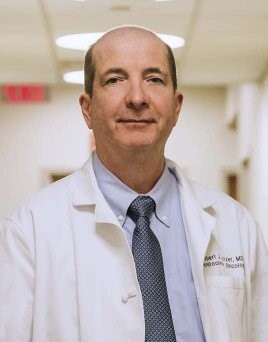 Robert J. Motzer合作论文数Memorial Sloan Kettering Cancer Center81
 Michael Atkins合作论文数Department of Oncology, Georgetown University Medical School79
 Naomi B. Haas合作论文数Abramson Cancer Center, University of Pennsylvania;Perelman Center for Advanced Medicine, University of Pennsylvania;Department of Medicine, Perelman School of Medicine, University of Pennsylvania73
 Jeffrey A Sosman合作论文数Division of Hematology and Oncology, Department of Medicine, Feinberg School of Medicine, Northwestern University72
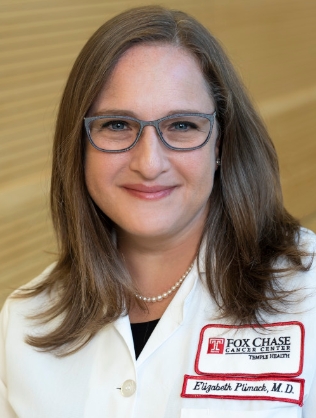 Elizabeth Plimack合作论文数Department of Hematology/Oncology, Fox Chase Cancer Center72
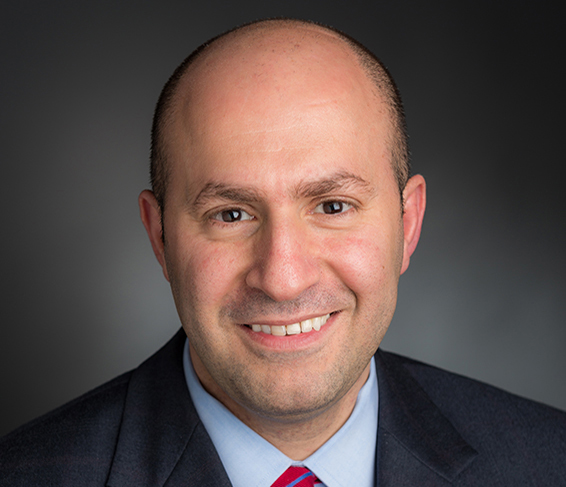 Toni Choueiri合作论文数Lank Center for Genitourinary (GU) Oncology, Dana-Farber Cancer Institute;Harvard Medical School;Brigham and Women's Hospital67
 Braun David A合作论文数60Signoretti Sabina合作论文数58
 Brian Rini合作论文数Department of Medicine, Medical Center, Vanderbilt University;Vanderbilt-Ingram Cancer Center57
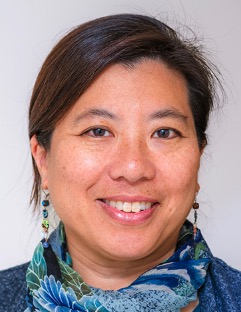 Catherine J. Wu合作论文数Department of Medical Oncology, Dana-Farber Cancer Institute;Division of Stem Cell Transplantation and Cellular Therapies, Dana-Farber Cancer Institute;Harvard Medical School56
 Saby George合作论文数Department of Medicine, Roswell Park Comprehensive Cancer Center;National Comprehensive Cancer Network;University at Buffalo56
 Bernard Escudier合作论文数French Group of Immunotherapy, Institute of Gustave Roussy49
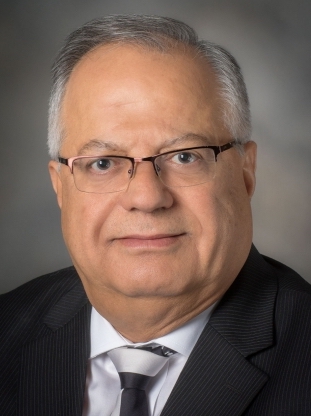 Nizar M. Tannir合作论文数Department of Genitourinary Medical Oncology, Division of Cancer Medicine, The University of Texas MD Anderson Cancer Center48
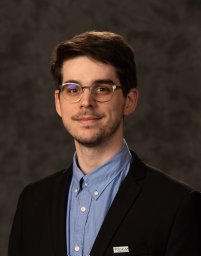 Thomas Denize合作论文数Department of Pathology, Brigham and Women's Hospital, Boston, MA, USA47
 James Brugarolas合作论文数UT Southwestern Medical Center44
 Frede Donskov合作论文数Department of Oncology, Aarhus University Hospital41
 Thomas Powles合作论文数University of London;Barts Cancer Centre, St. Bartholomew's Hospital39
 Neil Ruthen合作论文数38Nicholas Schindler合作论文数38
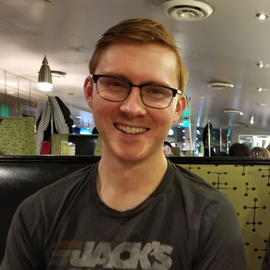 Kelly Street合作论文数Harvard T.H. Chan School of Public Health, Harvard University38
 Christian Kollmannsberger合作论文数BC Cancer Vancouver Center;Vancouver Prostate Centre;Department of Medicine, Faculty of Medicine, University of British Columbia31
 Michael A. Carducci合作论文数School of Medicine, Johns Hopkins University;Johns Hopkins Kimmel Cancer Center;Skip Viragh Outpatient Cancer Center;Sibley Memorial Hospital31Roberto Pili合作论文数Genitourinary Malignancies Program, Simon Cancer Center, Indiana University29
 Yoshihiko Tomita合作论文数27Howard Gurney合作论文数27Keizman Daniel合作论文数26
 Sumanta Kumar Pal合作论文数Department of Medical Oncology & Therapeutics Research, City of Hope;Bladder & Kidney Cancer25
 Scott Tykodi合作论文数Division of Hematology and Oncology, University of Washington;Clinical Research Division, Fred Hutchinson Cancer Center25
 Marc-Oliver Grimm合作论文数Department of Urology, Jena University Hospital25
 Maya Gottfried合作论文数Cancer Biology Research Center, Tel Aviv University24
 Mario Alfredo Eisenberger合作论文数School of Medicine, Johns Hopkins University;Sibley Memorial Hospital24
 Michael Anthony Carducci合作论文数Department of The Sidney Kimmel Comprehensive Cancer Center, School of Medicine, Johns Hopkins University23Peer Avivit合作论文数23
 Laurence Albiges合作论文数Medical Oncology Department, Gustave Roussy23
 Camillo Porta合作论文数Department of Oncoematologico, Università degli Studi di Pavia23
 Mark N. Stein合作论文数Herbert Irving Comprehensive Cancer Center, Columbia University Irving Medical Center23Daniel Y C Heng合作论文数Univ Calgary, Tom Baker Canc Ctr, Calgary, AB, Canada22
 Avishay Sella合作论文数Department of Oncology, Assaf Harofeh Medical Center21Victoria J. Sinibaldi合作论文数21Jonasch Eric合作论文数20
 Martin H. Voss合作论文数Memorial Sloan Kettering Cancer Center20
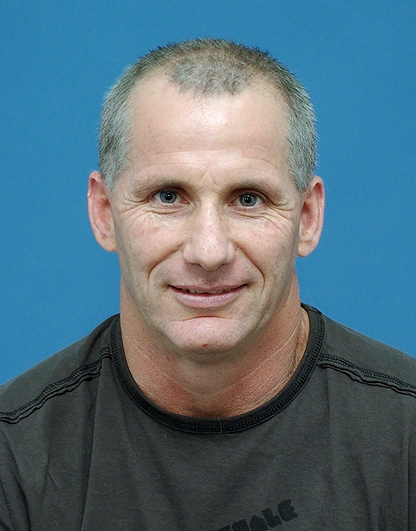 Raanan Berger合作论文数Institute of Oncology, Sheba Medical Center20
 Rana McKay合作论文数19
 Mehmet Asim Bilen合作论文数Winship Cancer Institute, Emory University;Department of Hematology and Medical Oncology, School of Medicine, Emory University19
 Mohamad E. Allaf合作论文数Department of Urology, School of Medicine, Johns Hopkins University19
 Sushant Kachhap合作论文数Sidney Kimmel Comprehensive Cancer Center, School of Medicine, Johns Hopkins University;Department of Biochemistry and Molecular Biology, Bloomberg School of Public Health, Johns Hopkins University19
 Wanling Xie合作论文数Department of Biostatistics and Computational Biology, Dana-Farber Cancer Institute19
 Opeyemi Jegede合作论文数Biostatistics, Dana-Farber Cancer Institute18




